
 Login
Login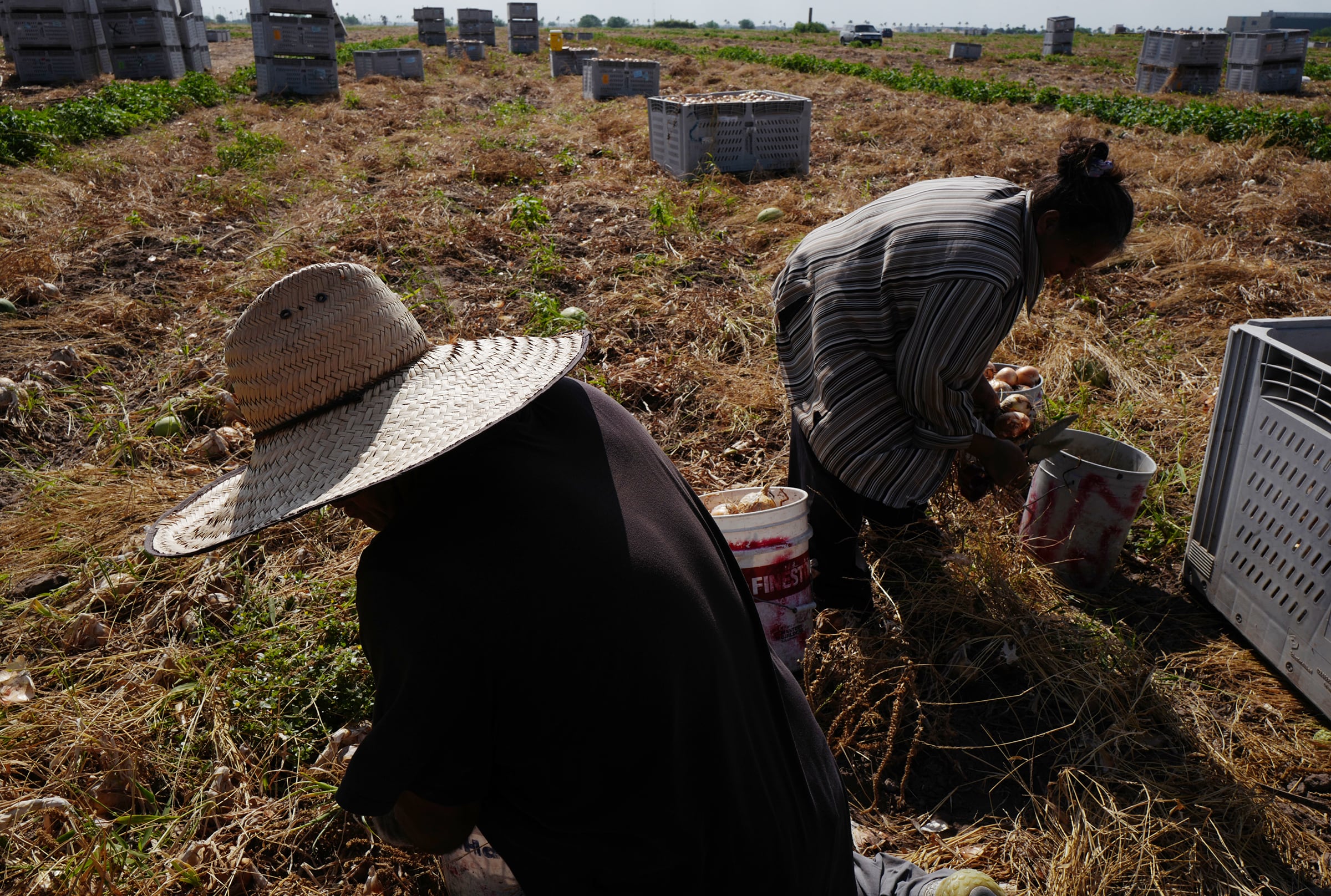

Poisoned in the fields of the Rio Grande Valley: Parkinson’s advances in the agricultural heart of Texas
This story is part of a series by Public Health Watch and MyRGV.com. Puente News Collaborative is a partner in this collaboration.
Help for Parkinson’s patients in the Rio Grande Valley
Seek appropriate care. Dr. CJ Martínez-Menéndez, a neurologist at the University of Texas Rio Grande Valley, emphasizes that Parkinson’s treatment is a team effort. Finding a neurologist is the first step; ask for a referral to a movement disorders specialist, physical therapists and occupational therapists, and possibly a psychiatrist or psychologist for emotional support.
Join a support group. Two hospital systems — South Texas Health System and DHR Health System — hold monthly meetings. Another group meets at Siesta Retirement Village in Weslaco, Texas. Myla Garza, a Parkinson’s patient, encourages people not to be “afraid” of the diagnosis. “There are many things that can improve your quality of life,” she says.
Explore online resources. The Michael J. Fox Foundation and the Parkinson’s Foundation offer free, reliable information to help patients and families understand and cope with the disease. The Parkinson’s Foundation also operates a toll-free helpline (1-800-473-4636) available in English and Spanish.
Participate in Parkinson’s research projects. Contact brain@utrgv.edu for information about Dr. Kelsey Baker’s study at the University of Texas Rio Grande Valley. You can also email genetics@parkinson.org or call the Parkinson’s Foundation helpline (1-800-473-4636) to enroll in the foundation’s national genetic study, which offers free genetic testing to all participants.

© Delcia Lopez (MyRGV)

