Login
Login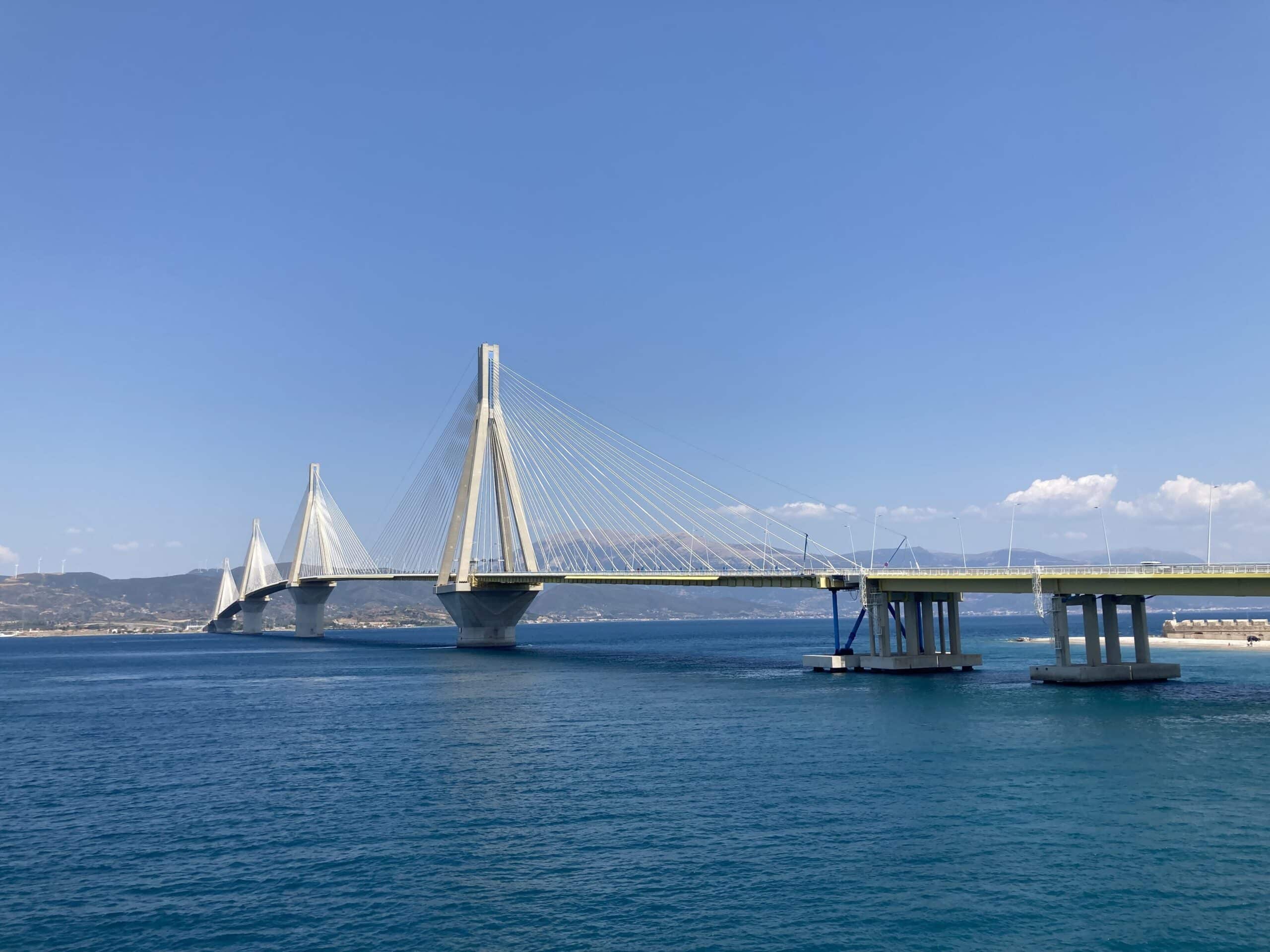

Greece Turns to AI and Sensors to Monitor Aging Bridges in Real Time

Greece is turning to artificial intelligence, Internet of Things sensors, and digital twins to monitor aging bridges in real time, as the country moves toward a more preventive model for infrastructure safety.
The program, known as Smart Bridges, is being implemented by the Technical Chamber of Greece under the responsibility of the Ministry of Infrastructure and Transport. It is funded through the European Union’s NextGenerationEU mechanism as part of Greece’s Recovery and Resilience Plan, Greece 2.0.
The project is designed to provide authorities a live picture of how bridges behave under traffic, weather, and environmental stress. Rather than relying solely on periodic visual inspections, engineers can now receive continuous data from sensors installed on selected road and railway bridges.
Greece builds digital shield for aging bridges
The Smart Bridges system is already monitoring 271 bridges across the country. The program is expected to cover roughly six hundred road and railway bridges, establishing one of Greece’s most advanced digital infrastructure monitoring networks. The technology is based on Real-Time Structural Health Monitoring, a method that uses sensors to record how a structure responds to loads, vibration, movement, temperature changes, and other external pressures.
This information is then transmitted to digital platforms, where engineers can analyze it and detect unusual patterns. Artificial intelligence helps process large volumes of data and identify early warning signs that may require further inspection or maintenance. The goal is not only to detect damage but also to help authorities understand which bridges face the greatest pressure and where maintenance should be prioritized.
Sensors already reveal heavy traffic loads
Early findings show why continuous monitoring matters. On a bridge along the Axioupoli–Goumenissa national road in Kilkis, sensors recorded more than one thousand excessive load events over a three-month period. In Larissa, on a bridge on Karamanli Street above a railway line, the system recorded more than two thousand significant load events during the same period.
Together, these figures show the value of real-time data. Heavy vehicles, repeated traffic loads, climate conditions, and decades of use can all affect the condition of bridges. Without continuous monitoring, many of these stressors may remain invisible, leading to more serious damage.
Digital twins bring infrastructure into the data age
A central part of the project is the creation of a digital twin for each monitored bridge. This is a dynamic digital model of a real structure. It is updated as new data comes in from sensors, allowing engineers to compare expected behavior with actual performance.
This makes it possible to detect minor changes in a bridge’s condition over time. It can also help authorities plan maintenance more efficiently, reduce emergency repairs, and make better use of public funds. In this way, the system is meant to transform bridges from passive structures into monitored infrastructure that continuously reports on its own condition.
A major EU-funded infrastructure project
The Smart Bridges project is funded through the European Union’s NextGenerationEU mechanism under Greece’s Recovery and Resilience Plan, Greece 2.0. The project’s budget increased as its scope expanded. Greece 2.0 initially listed Smart Bridges at €222.4 million ($256.2 million), with €80.2 million ($92.4 million) coming from Recovery Fund financing.
A later official amendment raised the approved total budget to €285.3 million ($328.7 million) after 151 additional bridges were added to the project. The funding supports the installation of monitoring systems, the development of digital bridge models, the collection of real-time structural data, and the supervision of hundreds of road and railway bridges across Greece.
Aging infrastructure becomes a national challenge
The project comes at a time when Greece, like many other European countries, faces the challenge of maintaining infrastructure built decades ago. Numerous bridges remain essential to daily transport, freight movement, and regional connectivity. However, aging materials, heavier traffic, extreme weather, and limited maintenance budgets can increase structural pressure over time.
The Smart Bridges program reflects a wider shift in public infrastructure policy: from repairing damage after it appears to identifying risks earlier and acting before issues escalate.
Greece looks beyond bridges with a wider infrastructure safety plan
The Smart Bridges program has also opened up a broader debate about how Greece should monitor and maintain critical public infrastructure in the years ahead. The Technical Chamber of Greece has proposed the establishment of a mandatory National Infrastructure Registry, a centralized database that would record the condition, ownership, and maintenance needs of public assets across the country.
Such a registry would help authorities move away from fragmented records and provide the state with a clearer overview of which structures require inspection, repair, or long-term investment. The chamber has also called for wider pre-earthquake inspections, better integration of structural safety checks into building renovation programs, and more efficient use of Smart Bridges data by ministries, civil protection authorities, regional governments, and municipalities.