Consumer sentiment still remains at historically low levels amid Iran war and rising inflation, new survey shows
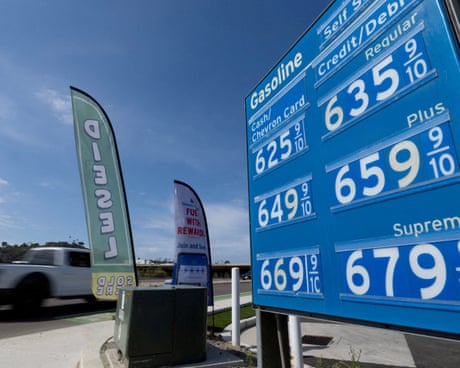
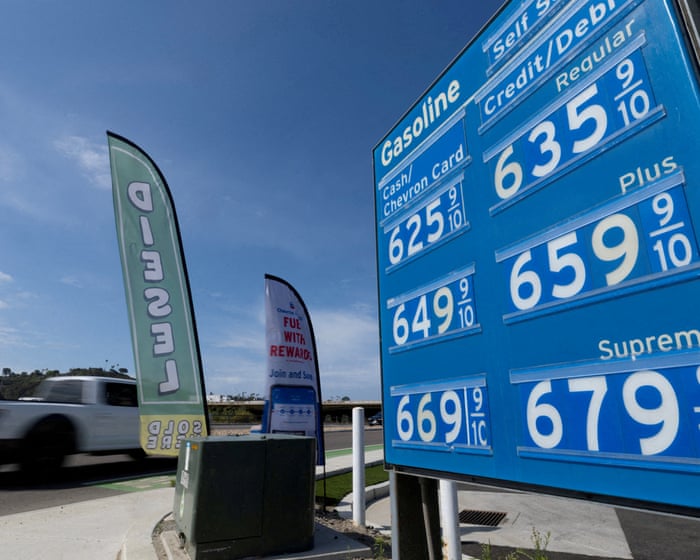
Easing gas prices are making Americans feel better about their personal finances and the economy in June, but consumer sentiment remains at historically low levels amid ongoing conflict in the Middle East, according to new survey data from the University of Michigan.
The latest numbers come as SpaceX marks its historic stock market debut, which has made Elon Musk the world’s first trillionaire. Yet many Americans still feel like they are struggling even as the stock market reaches record highs.
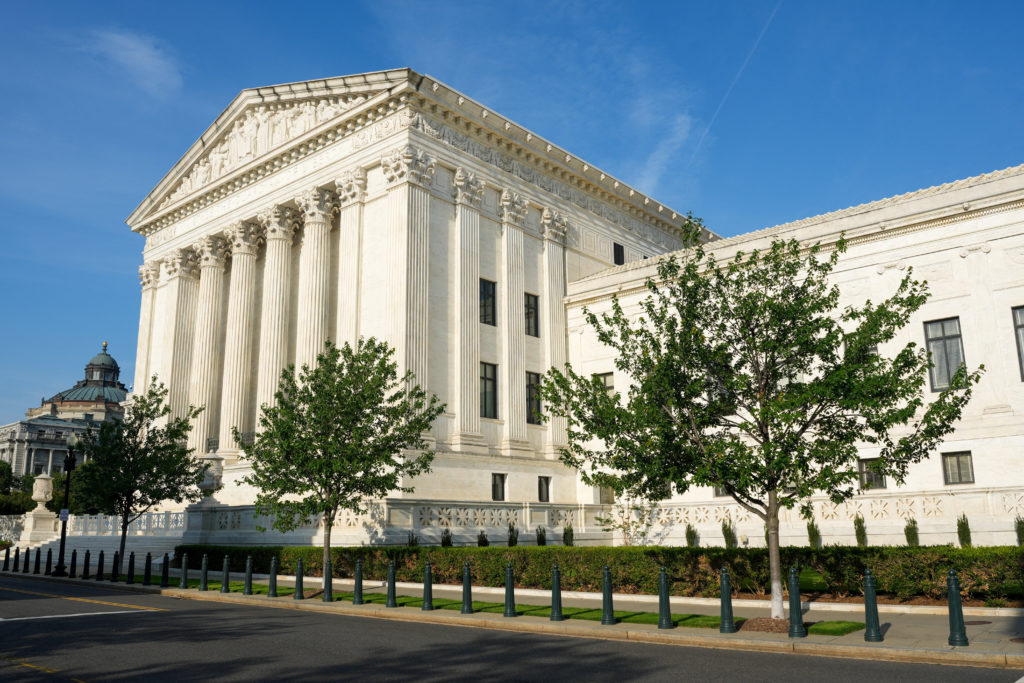
An Alabama man facing the death penalty by nitrogen gas was spared Thursday as the U.S. Supreme Court refused to set aside a lower-court ruling that found the method is unconstitutionally cruel, issuing a brief order that came well after the hour originally planned to initiate Jeffery Lee's execution.
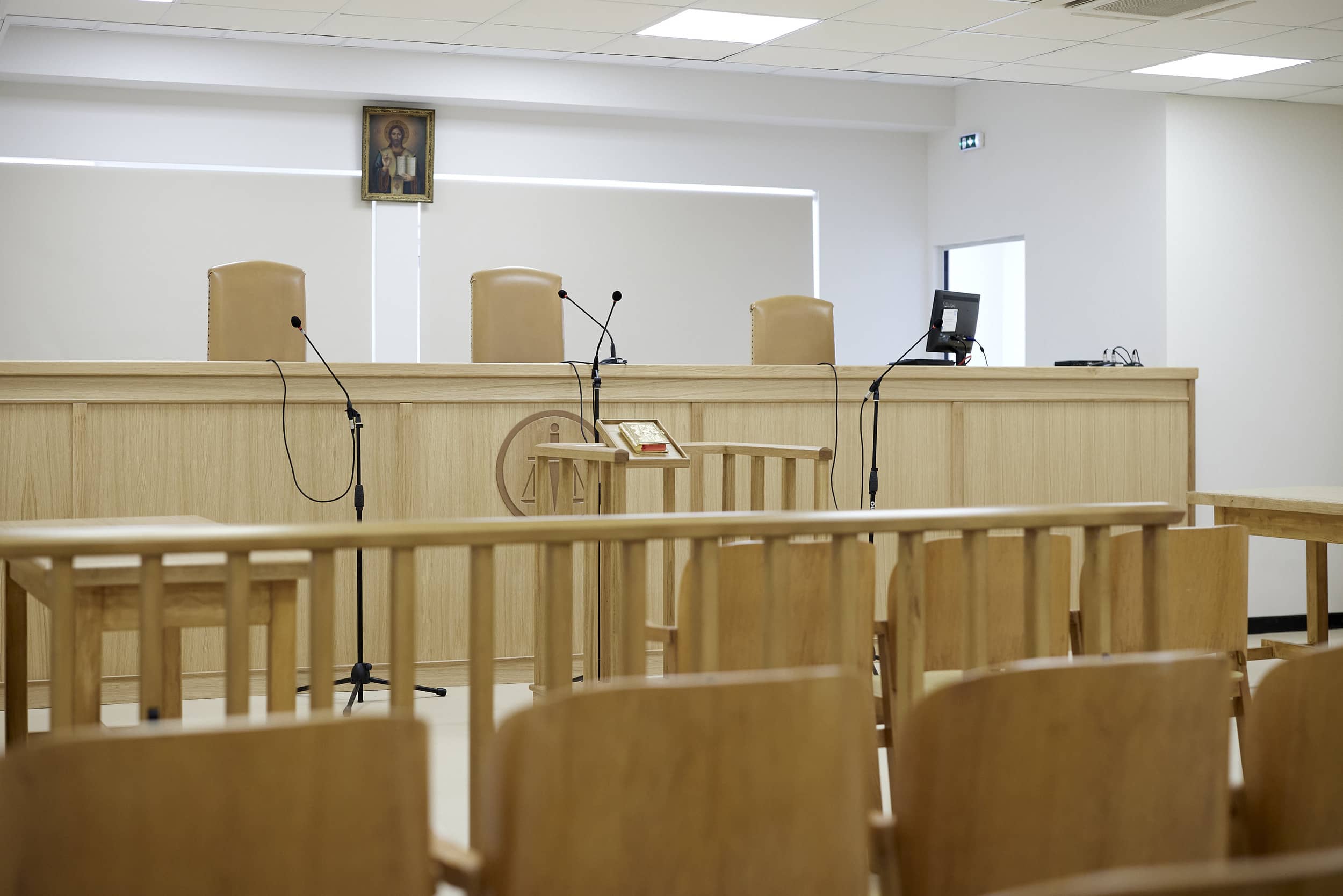
A Greek court in Aigio sentenced James Dalamangas after his arrest in the Peloponnese following a nearly 27-year manhunt over Sydney killing. Credit: Dimitris Papamitsos / AMNA.
A Greek court has sentenced James Dalamangas, the 55-year-old fugitive wanted in Australia over a 1999 Sydney killing, following his arrest in the Peloponnese after nearly 27 years on the run.
Dalamangas appeared before a judge in the town of Aigio on Thursday, just days after Greek police arrested him at a nearby rural property. Australian authorities have long sought his extradition in connection with the fatal stabbing of George Giannopoulos, a father of two, outside a Sydney nightclub in 1999.
Greek court sentences James Dalamangas after arrest near Aigio
Greek police arrested Dalamangas at a rural property near Aigio, where he had allegedly been living under the false identity of Antonis Tzimas.
According to local reports, he had lived in the area for years and worked as an olive farmer. The court sentenced Dalamangas to two years and nine months in prison on weapons and false testimony charges. Greek authorities also convicted two other people, an 86-year-old man and a 47-year-old woman, of harboring a fugitive. However, both received temporary release pending appeals against their sentences.
Australia seeks James Dalamangas over Sydney killing
Australian authorities are expected to submit a formal extradition request in the coming weeks. They are seeking Dalamangas’ return to face proceedings related to the 1999 killing.
Former NSW Police detective Duncan McNab revealed the extradition process will depend on the Greek legal system and government. “Ultimately, this will go through the courts in Greece, reviewed by the government. They may make a decision to send him back to us. I hope they do,” McNab said.
Dalamangas, who holds Greek citizenship, is expected to oppose any attempt to extradite him to Australia. His lawyer has indicated that he intends to fight the process.
Greek statute of limitations may complicate case
If Dalamangas remains in Greece, he is unlikely to face murder charges over the 1999 incident, as the statute of limitations for murder under Greek law expires after 25 years.
According to reports, police identified and located Dalamangas based on limited information, including a tattoo bearing the Ancient Greek phrase “Molon Lave,” meaning “Come and get them.” Authorities then placed his property under surveillance prior to carrying out the arrest.
The Eastern Mediterranean Energy Center (EMEC) will be based at at Rice University. Credit: Stavros Papastavrou/Facebook
The United States, Cyprus, Greece, and Israel have formalized a new energy partnership aimed at securing infrastructure and boosting natural gas development in the Eastern Mediterranean.
US Energy Secretary Chris Wright signed a Declaration of Intent (DOI) alongside Cypriot Energy Minister Michael Damianos, Greek Environment and Energy Minister Stavros Papastavrou, and Israeli Ambassador to the US Dr. Yechiel Leiter. To anchor the initiative, the group partnered with Rice University President Reginald DesRoches to establish the Eastern Mediterranean Energy Center (EMEC) on the university’s Houston campus.
The agreement operationalizes a core objective of the Eastern Mediterranean Security and Energy Partnership Act, a bipartisan framework originally passed by Congress in 2019 to counter Russian and Chinese influence in the region by solidifying US allied energy ties.
Eastern Mediterranean Energy Center will focus on infrastructure and LNG
According to the agreement, the center will serve as a hub for both public and private sector collaboration. Key priorities include:
Securing regional energy transportation networks and bolstering power grid reliability
Facilitating scientific research, joint technology development, and workforce training
The decision to place the center in Houston, the energy capital of the US, is aimed at directly connecting Eastern Mediterranean policymakers with American industry leaders and engineering talent.
Strategic regional realignment
The partnership arrives as Europe and the Mediterranean continue to reshape their supply chains. With the US currently operating as the world’s leading oil and gas producer and largest LNG exporter, Washington views the Eastern Mediterranean as a critical geographic corridor for global energy stability.
“The Eastern Mediterranean is an increasingly important region for global energy development,” Secretary Wright said, noting that the Houston-based center will leverage “industry leaders in hydrocarbon development” to benefit all member nations.
Papastavrou described the occasion as a “historic moment,” saying that “Greece, Cyprus, Israel and the United States are joining forces to deepen our strategic cooperation and enhance connectivity in the Eastern Mediterranean through the establishment of the East Med Energy Center.”
He added that EMEC would provide a permanent platform for advancing regional stability, energy security, and economic cooperation by bringing together scientific expertise, academic excellence, the private sector, technological innovation, and energy know-how.
According to Papastavrou, the 3+1 scheme has demonstrated that reliable partners sharing a common strategic vision can deliver tangible results, advance shared interests, and contribute to a safer, more prosperous and affordable energy future. While the administrative details of the center’s funding and exact rollout schedule have not yet been disclosed, the declaration establishes the formal diplomatic and academic framework required to begin joint operations.
A Polícia Científica concluiu o laudo técnico sobre a explosão na rede de gás no bairro do Jaguaré, na zona oeste da cidade de São Paulo, no último 11 de maio, e que causou a morte de duas pessoas.
De acordo com o governo estadual, as equipes mapearam a área, examinaram tubulações e solo, além de itens dos moradores e dos trabalhadores afetados.
"O trabalho pericial foi realizado por uma força-tarefa multidisciplinar de peritos criminais, com atuação no local para coleta, preservação, documentação e análise de vestígios materiais", informou.
O trabalho técnico analisou amostras de gás subterrâneo, exames geofísicos de eletrorresistividade e sísmica rasa. Também fizeram parte do laudo os exames necroscópicos realizados pelo Instituto Médico Legal.
"A definição sobre eventuais responsabilidades caberá ao inquérito policial – a partir do conjunto de elementos apurados – que é conduzido pela 3ª Central Especializada de Repressão a Crimes e Ocorrências Diversas da Polícia Civil na capital", complementou o governo estadual.
A explosão afetou cerca de 800 moradias, das quais 302 casas e 488 apartamentos em condomínios, sendo que 66 ficaram completamente destruídas. Duas pessoas morreram, uma delas um trabalhador terceirizado a serviço da Sabesp. A companhia fazia uma obra no local.
A Agência Reguladora de Serviços Públicos do Estado de São Paulo (Arsesp) alterou parte dos protocolos para obras em subsolo em áreas com compartilhamento de infraestrutura e criou um grupo técnico permanente voltado à prevenção de acidentes.
Relembre o caso
A explosão na Rua Doutor Benedito de Moraes Leme, no bairro do Jaguaré, ocorreu por volta das 16h10 do dia 11 de maio. A Companhia de Saneamento Básico do Estado de São Paulo (Sabesp) fazia uma obra no local.
Segundo informações da Defesa Civil, a explosão pode ter sido causada por um problema na tubulação de gás natural encanado da Comgás atingida durante uma obra externa da Sabesp.
A Polícia Científica concluiu o laudo técnico sobre a explosão na rede de gás no bairro do Jaguaré, na zona oeste da cidade de São Paulo, no último 11 de maio, e que causou a morte de duas pessoas.
De acordo com o governo estadual, as equipes mapearam a área, examinaram tubulações e solo, além de itens dos moradores e dos trabalhadores afetados.
"O trabalho pericial foi realizado por uma força-tarefa multidisciplinar de peritos criminais, com atuação no local para coleta, preservação, documentação e análise de vestígios materiais", informou.
O trabalho técnico analisou amostras de gás subterrâneo, exames geofísicos de eletrorresistividade e sísmica rasa. Também fizeram parte do laudo os exames necroscópicos realizados pelo Instituto Médico Legal.
"A definição sobre eventuais responsabilidades caberá ao inquérito policial – a partir do conjunto de elementos apurados – que é conduzido pela 3ª Central Especializada de Repressão a Crimes e Ocorrências Diversas da Polícia Civil na capital", complementou o governo estadual.
A explosão afetou cerca de 800 moradias, das quais 302 casas e 488 apartamentos em condomínios, sendo que 66 ficaram completamente destruídas. Duas pessoas morreram, uma delas um trabalhador terceirizado a serviço da Sabesp. A companhia fazia uma obra no local.
A Agência Reguladora de Serviços Públicos do Estado de São Paulo (Arsesp) alterou parte dos protocolos para obras em subsolo em áreas com compartilhamento de infraestrutura e criou um grupo técnico permanente voltado à prevenção de acidentes.
Relembre o caso
A explosão na Rua Doutor Benedito de Moraes Leme, no bairro do Jaguaré, ocorreu por volta das 16h10 do dia 11 de maio. A Companhia de Saneamento Básico do Estado de São Paulo (Sabesp) fazia uma obra no local.
Segundo informações da Defesa Civil, a explosão pode ter sido causada por um problema na tubulação de gás natural encanado da Comgás atingida durante uma obra externa da Sabesp.

 Login
Login