Officials in North Texas will watch for potential threats from a new $40 million emergency operations center, one of many new security precautions in place across North America.
A Associação Cultural e Recreativa Escola de Música Sambrazense (ACREMS) assinala amanhã, dia 10 de junho, 23 anos de atividade, uma data que a instituição partilha com a comunidade através da oferta de um desfile.
Presente na cerimónia comemorativa do Dia de Portugal e do hastear da Bandeira nos Paços do Concelho, a Banda Filarmónica da ACREMS executará o seu Hino e realizará o Desfile do 23º Aniversário pelas principais artérias da Vila de São Brás de Alportel, a partir das 10:15 horas.
É oportuno salientar que desde a sua fundação, a ACREMS tem dedicado a sua ação ao ensino de instrumentos de sopro e percussão, à promoção da cultura musical e à dinamização de eventos no âmbito da música filarmónica. A Banda Filarmónica de São Brás de Alportel é um dos frutos mais visíveis deste percurso.
Ao longo dos anos, a associação tem contado com o apoio dos órgãos autárquicos e de diversas entidades locais, regionais e nacionais, estabelecendo parcerias que considera determinantes para concretizar os seus objetivos.
A Associação Cultural e Recreativa Escola de Música Sambrazense – ACREMS – assinala, a 10 de junho, 23 anos de atividade, numa data que a instituição partilha com a comunidade através de um desfile. Após a cerimónia comemorativa do Dia de Portugal e do hastear da bandeira nos Paços do Concelho, será executado o Hino […]
With President Trump and Mayor Zohran Mamdani set to attend Monday night’s Knicks game at Madison Square Garden, there will be strict security in Midtown Manhattan.
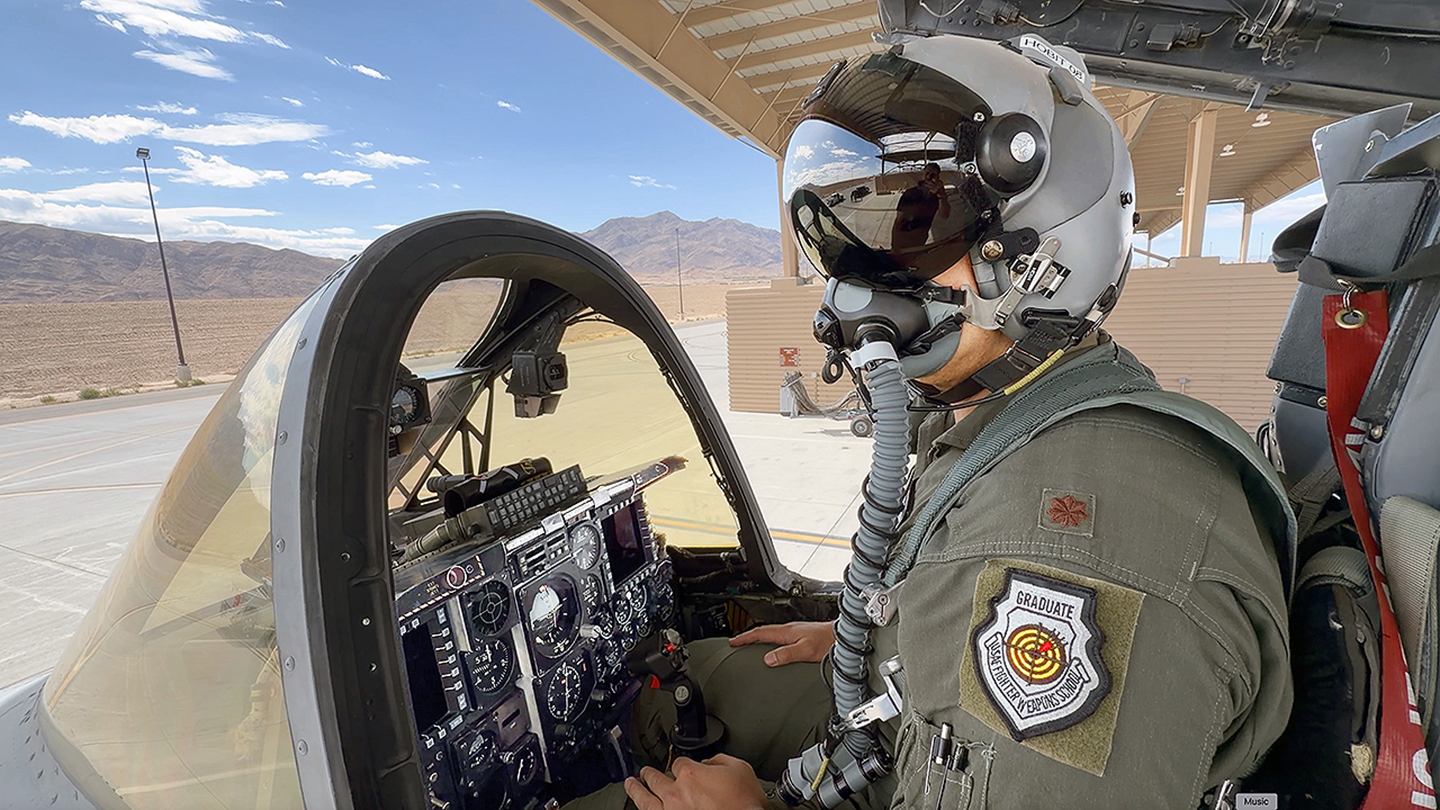
The U.S. Air Force Weapons School at Nellis Air Force Base, in Nevada, recently completed its final weapons instructor course for the A-10 Warthog. Despite an extension in service for three A-10 squadrons to 2030, and recent combat operations in the Middle East, the Weapons School has shuttered its elite training course in line with USAF divestment plans for the type, which were previously set for the end of 2026.
TWZ’s Jamie Hunter recently visited the 66th Weapons Squadron (WPS) and got a detailed cockpit and walk-around tour of an A-10C with “Trippin,” an experienced instructor pilot attached to the unit.
A full episode that goes in-depth with the A-10 Weapons School will kick-off TWZ’s first season of Special Access on YouTube soon, so stay tuned!
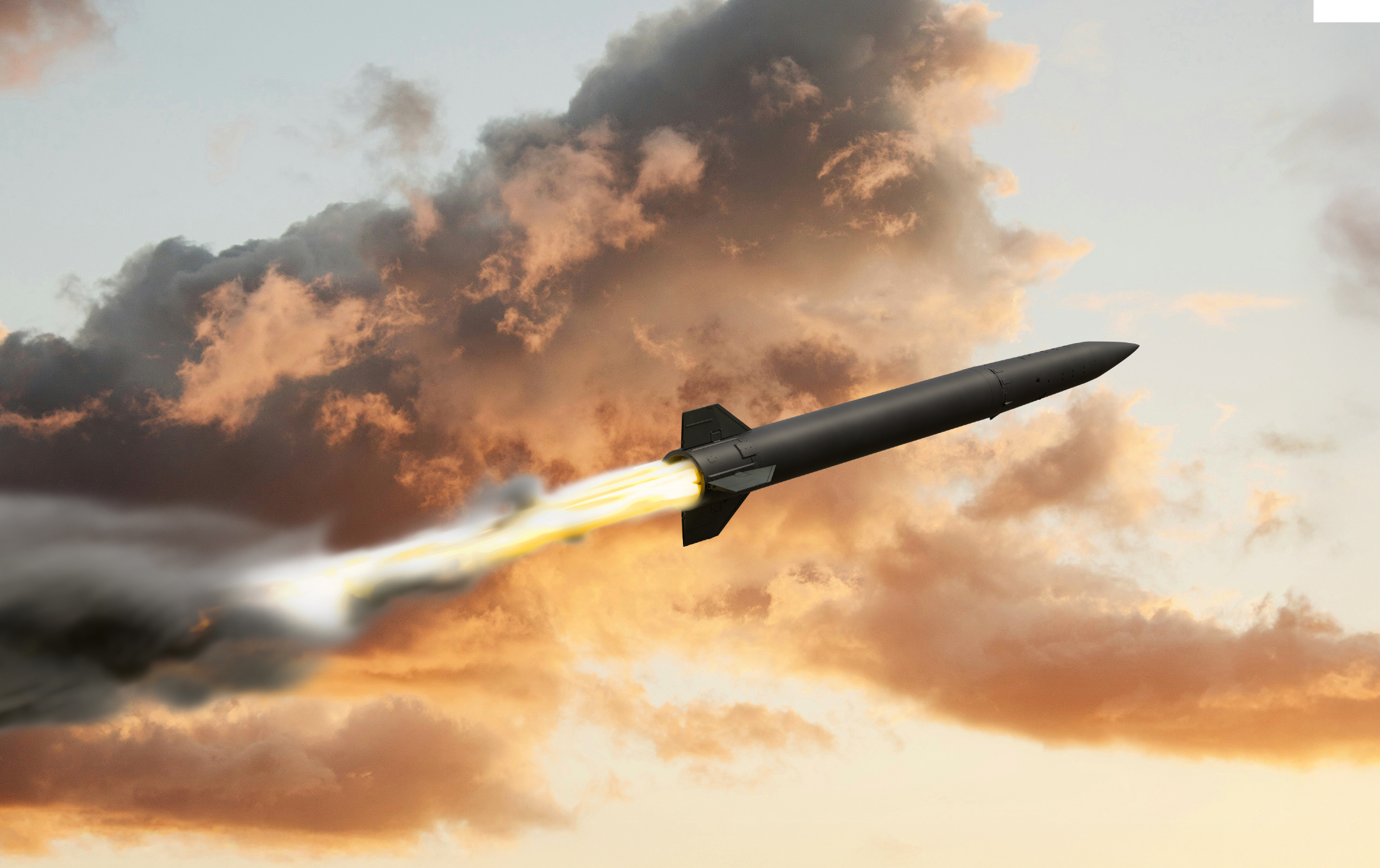
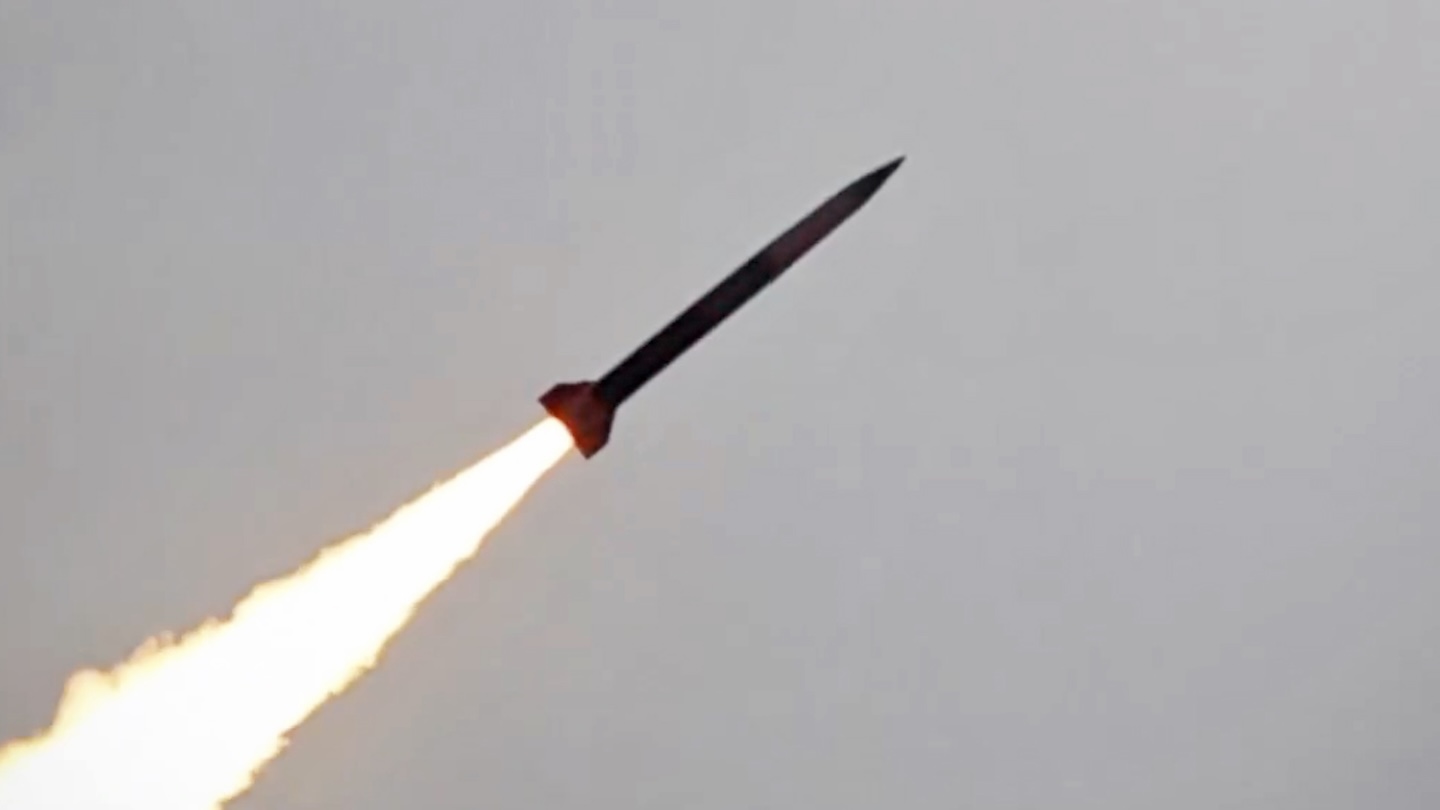
A video showing a test launch of an FP-7.X missile was published yesterday by its manufacturer, Fire Point, also responsible for the FP-5 Flamingo cruise missile and a series of long-range one-way attack drones. Fire Point’s chief technology officer Iryna Terekh described the depicted test as a “fully controlled maneuvering flight” conducted “just the other day.” The pink-painted missile recalls the early Flamingoes, and now seems to have been adopted as something of a company trademark.
Держави програють війни на полі бою значно рідше, ніж вони програють їх у інститутах, лабораторіях та на виробництві за десять років до їх початку.
Коли країна роками недофінансовує інженерну освіту, скорочує дослідження, втрачає виробничі компетенції або звикає покладатися на… pic.twitter.com/Ti1Ayn4INf
The FP-7.X missile is planned as the stepping-stone toward the productionized Freyja missile, which is primarily intended to provide Ukraine with its first homegrown anti-ballistic missile defense system. While ballistic missile threats are being prioritized here, the system would be equally able to defend against a variety of crewed aircraft threats, as well as drones and cruise missiles.
“No matter how unrealistic and ambitious this goal may sound today, we are exerting all possible and impossible efforts to make it a reality as soon as possible, so that Ukraine can close its skies on its own,” Terekh wrote.
Back in April, Fire Point’s co-founder and chief designer Denys Shtilierman toldReuters that the company was aiming to develop an anti-ballistic missile with a unit cost of less than $1 million.
A rendering of the FP-7 surface-to-surface ballistic missile on which the FP-7.X missile is based. Fire Point
“If we can decrease it to less than $1 million, it will be … a game changer in air defense solutions,” Shtilierman said. “We plan to intercept the first ballistic missile at the end of 2027,” he added, apparently referring to the aim to field the Freyja system by that date.
This compares to a unit price of approximately $5.3 million for each example of the most modern and highly capable PAC-3 MSE variant, which is one of the types provided to Ukraine. This figure comes from the Army’s latest proposed budget for the 2027 Fiscal Year. This is up from a historical average of around $4 million for each one of these missiles. These munitions also take years of lead time to produce, meaning that managing limited stocks is a big challenge.
Fire Point has developed the FP-7.X missile on the basis of the previous FP-7 surface-to-surface ballistic missile, a weapon with a range of around 124 miles, and a warhead of approximately 331 pounds. Deriving an anti-ballistic missile from a ballistic missile is an unusual move, but Fire Point will hope that the commonality should accelerate the process.
As it stands, Ukraine’s anti-ballistic missile capabilities are strictly limited. It relies heavily upon the Patriot, batteries and components of which have been provided by Germany, the Netherlands, and the United States.
When the Patriot began to arrive in 2023, it provided Ukraine with an enhanced long-range, high-altitude engagement capability that was previously only offered, to a lesser degree, by Ukraine’s S-300s, with their depleting stocks of missiles. Importantly, the Patriot also brought an anti-ballistic missile capability, something that was previously only provided by the small number of Ukrainian S-300V1 systems, and even those don’t come anywhere close to the Patriot in this regard.
And another S-300V engagement, released as part of the same video.
From what I have seen, these are the third and fourth Ukrainian S-300V engagement videos released since the start of the war. pic.twitter.com/wPHnYbCQKP
Providing somewhat similar capabilities to the Patriot is the SAMP/T, a joint Franco-Italian SAM system, which has also been supplied to Ukraine, but only in limited numbers. Overall, the SAMP/T is limited simply by the fact that it is produced in relatively small numbers.
As for the Patriot, this has claimed notable successes and high-profile victims in Ukrainian hands. However, as Russia has adapted its ballistic missiles, specifically adding enhanced maneuvering capabilities, the effectiveness of the U.S.-made system has been reduced.
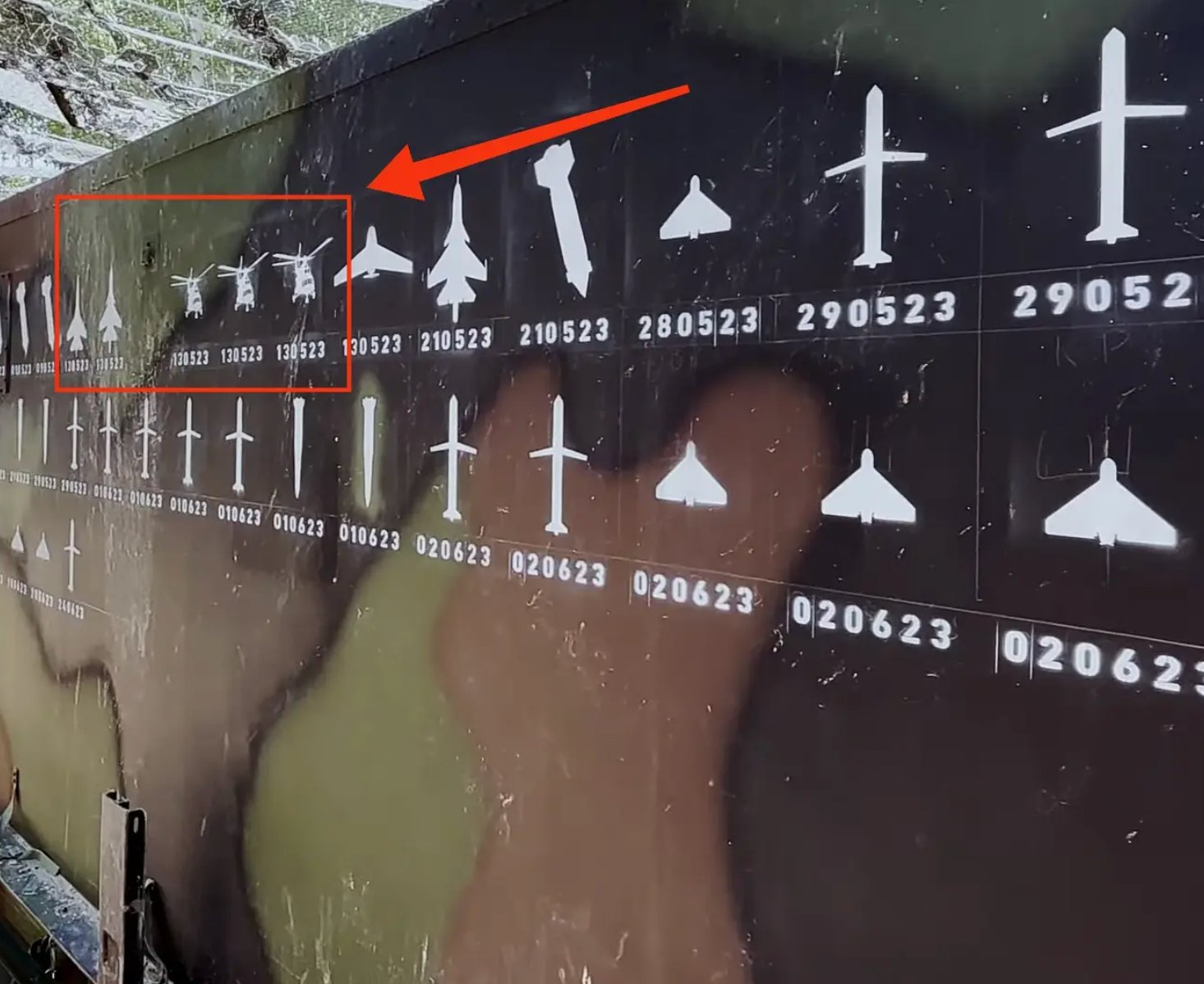
A screen capture of a Ukrainian Air Force video shows images of three Russian helicopters and two Russian fighters painted on the side of a Patriot air defense battery. Defense Industry of Ukraine image
According to Shtilierman, the Patriot system often requires two or three air defence missiles, each costing several million dollars, to bring down a ballistic projectile. This is a mismatch that Fire Point also hopes to address with the Freyja.
It is notable that the U.S. Army is currently also pressing defense contractors to come up with proposals for a new interceptor for the Patriot system with a unit cost under $1 million, as you can read more about here. Whether by design or coincidence, U.S. Army Maj. Gen. Frank Lozano, the Army’s Portfolio Acquisition Executive for Fires (PAE Fires), included a rendering of the FP-7.X in a recent LinkedIn post, as seen below, to illustrate a notional low-cost interceptor.
The latest development comes as Ukraine’s political and military leaders continue to warn about critical shortcomings in the country’s air defense capabilities. As well as expending the missiles it already has, the United States has reportedly suspended further Patriot deliveries to Ukraine because of concerns over the state of its own stockpile.
Ukrainian President Volodymyr Zelensky has repeatedly urged U.S. President Donald Trump and members of Congress to provide additional missiles for its Patriot systems, warning that Ukraine faces a severe air defense shortfall.
We were receiving PAC-3 missiles from our partners in certain quantities, but later that monthly volume was cut several times over. It wasn’t due to a lack of funding, but because of the war in the Middle East. This affected different types of weapons. Whatever we could, we… pic.twitter.com/qwPFydwAzC
— Volodymyr Zelenskyy / Володимир Зеленський (@ZelenskyyUa) June 3, 2026
Yesterday, Zelensky said that Ukrainian officials have one week to finalize outstanding legal, financial, and technical issues related to the purchase of additional Patriot systems.
Zelensky said that a political agreement to buy the systems has already been reached, but the process has stalled.
Ukraine’s ambassador to the United States, Olha Stefanishyna, added that Kyiv is prepared to finance additional Patriot systems and interceptor missiles if Washington agrees to deliver them.
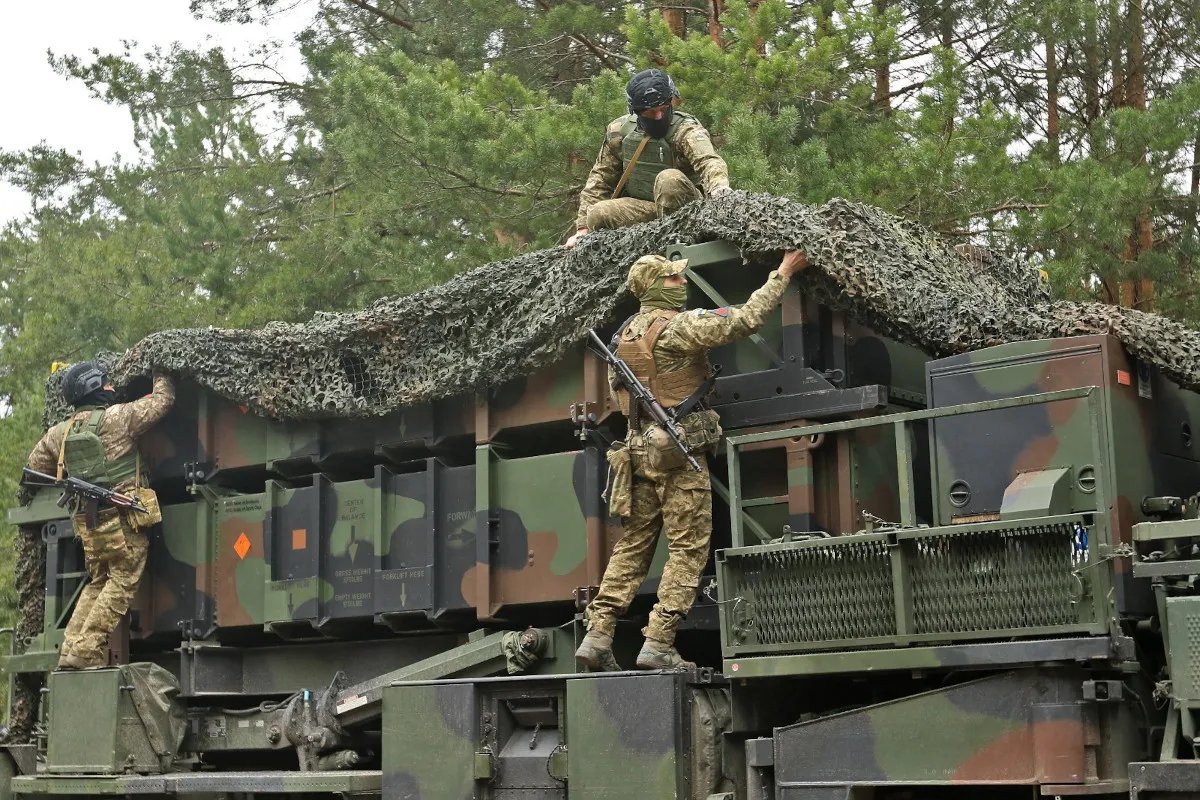
Ukrainian personnel remove camouflage netting from a Patriot launcher, which is loaded with missile canisters associated with older interceptors like the PAC-2-series. Ukrainian Air Force
Commander-in-Chief of the Armed Forces of Ukraine Oleksandr Syrsky also recently pointed to Ukraine’s lack of sufficient modern air defense systems and interceptor missiles.
Clearly, continued Russian missile and drone strikes are putting a heavy strain on Ukraine’s air defenses.
Plugging the gaps with the Freyja system would make a lot of sense, providing a locally developed and manufactured solution to the problem, provided that the technical hurdles can be overcome.
Even so, the deadline of the end of 2027 is very ambitious for such a project.
With that in mind, Ukraine is also looking to foreign support for the Freyja program.
Earlier this year, Fire Point confirmed it was in talks to get European and Middle Eastern companies onboard the program. With various nations struggling to meet their air defense needs amid the demands of the conflicts in Ukraine and the Middle East, investing here could also bring dividends.
Parts of long-range drones stored in a workshop of the Fire Point company at an undisclosed location in Ukraine on January 29, 2026. Photo by Serhii Okunev / AFP SERHII OKUNEV
Shtilierman told Reuters in April that he was awaiting government approval for an investment in Fire Point by a Middle Eastern conglomerate, which would provide a major boost to Freyja and other programs, including longer-reaching ballistic missiles.
In terms of European companies, Shtilierman mentioned his interest in collaborating on radar, missile target-seeking, and communications systems. He named Hensoldt, Saab, and Thales as potential suppliers of radar solutions, an area where Fire Point lacks expertise.
Fire Point has also previously described the Freyja interceptor being fitted with an infrared imaging seeker for the terminal phase, as well as a semi-active radar homing seeker from Diehl Defence of Germany.
Few details are available about the launch system, other than reports of a lightweight, mobile launcher of domestic origin.
Globally, there is a clear demand for alternatives to the increasingly hard-to-source Patriot, especially for anti-ballistic missile defense.
A video shows a PAC-2 in a test against a Lance ballistic missile:
Ukraine’s combination of battlefield experience, rapid innovation, and low-cost defense technologies could put it in a good position to fill the gap. Even if the Freyja ends up with a significantly lower kill rate per missile than the Patriot, if it is far cheaper, that would be less of a problem.
At the same time, it remains unclear if Fire Point is able to fulfill the promises it has made in terms of output. In the past, the company has said it aims to build at least seven of its Flamingo cruise missiles per day, for a total of 2,555 built annually. To reach this target, the firm might need to call upon foreign partnerships to help expand its production capacity. The same would likely be the case for Freyja. By way of comparison, in 2024, Lockheed Martin produced more than 500 PAC-3 MSEs, with a plan to increase this to 600 in 2025.
A video of the Flamingo cruise missile in action:
One unknown factor in this is the possibility that Ukraine and/or NATO allies in Europe might obtain additional licenses for local production of Patriot missiles. Zelensky wants Patriot production in Ukraine and has said he has been discussing it with the United States. Still, while these might address the production capacity issues for the weapons, it would still be a more expensive solution than what Fire Point is proposing and it would take years to realize any output.
For now, the FP-7.X appears to be an early-stage technology demonstrator, and turning it into the operational Freyja interceptor by 2027 will require overcoming massive technical and logistical hurdles — as well as holding off Russian air attacks in the meantime.
However, the program reflects a broader trend in Ukraine’s wartime defense sector: rapidly developing indigenous capabilities to fill critical gaps left by limited and/or unreliable foreign supplies. If Fire Point can translate its ambitions into a viable anti-ballistic missile system, Ukraine could gain not only a more sustainable means of defending its skies, but also a potentially attractive export alternative in a global market increasingly hungry for affordable air defense solutions.
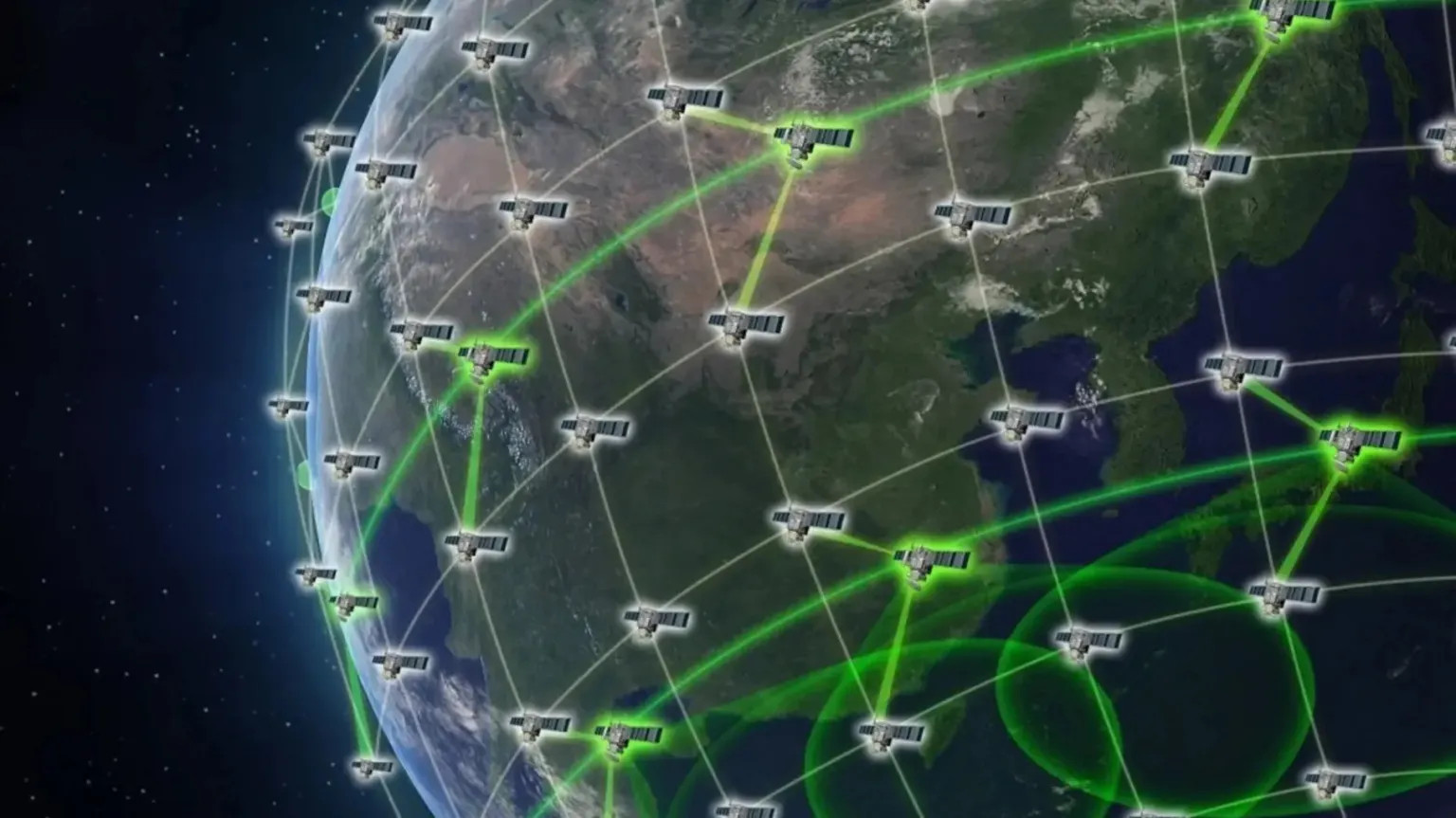
The U.S. Space Force has awarded SpaceX a $4.16B deal to help accelerate work on what could be a game-changing, space-based air moving-target indicator (AMTI) sensor network. The service says it now hopes to have an “early capability” in orbit by 2028, years ahead of the timelines officials have put forward in the past.
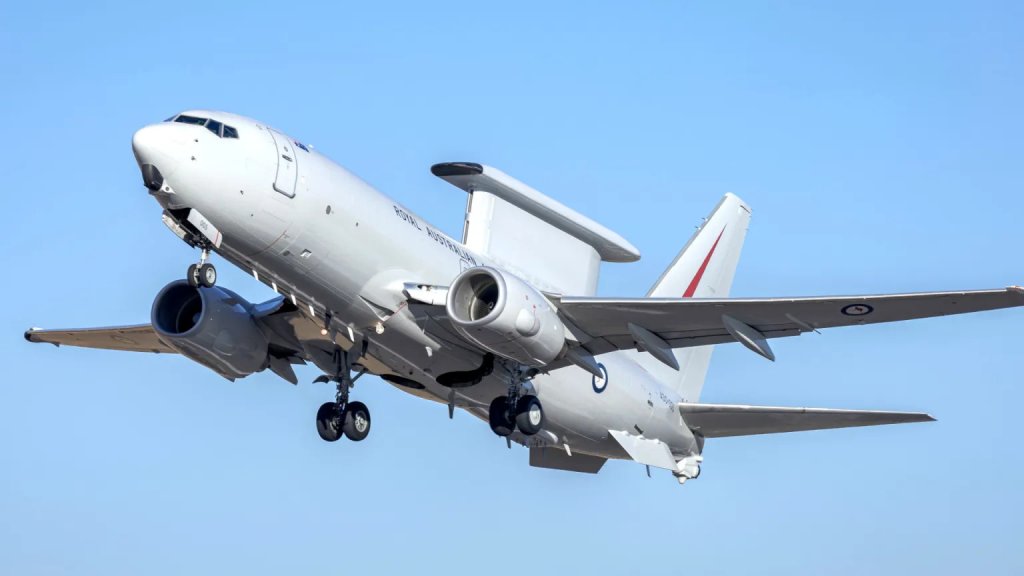
Aircraft like the E-7 Wedgetail seen here have historically been critical providers of AMTI capability. Australian Department of Defense
“The long-standing method of military airborne platforms to track moving targets faces continued challenges as adversaries develop increasingly sophisticated anti-access/area-denial (A2/AD) systems,” the Space Force said in its press release about the new deal with SpaceX today. “To compliment [sic; complement] traditional airborne sensing, the requirement for a layered, highly resilient tracking architecture is evident. SB-AMTI aims to enhance the Space Force’s capabilities to the Joint Force through the establishment of a persistent, global capability to sense and track airborne targets from space.”
The Space Force has described the $4.16 billion deal with SpaceX for the Space-Based Airborne Moving Target Indicator (SB-AMTI) program as a “competitive Other Transaction Authority (OTA) agreement,” rather than a traditional contract. The agreement came via the office of the Portfolio Acquisition Executive for Space-Based Sensing & Targeting (PAE SBST).
“This initial award is projected to field a constellation of satellites by 2028, providing the Joint Force with an early capability to eliminate operational blind spots,” according to the Space Force release.
DARPA
In the past, U.S. officials have generally talked about space-based AMTI becoming a reality sometime in the 2030s. Work is underway to push ground moving-target indicator (GMTI) tasks into orbit, as well.
Some degree of on-orbit prototype AMTI sensor testing has already been ongoing for at least a year, if not much longer, but this work has been heavily classified. In addition to the U.S. Air Force and Space Force, both of which fall under the Department of the Air Force, the National Reconnaissance Office (NRO) has been involved in this work. The NRO, the activities of which are shrouded in heavy secrecy, is a U.S. military organization that serves as America’s main remote sensing intelligence arm.
“The capabilities that are happening in space are far exceeding our expectations,” then-Air Force Maj. Gen. Christopher Niemi said at a hearing earlier this year as part of a response to a question about plans for the E-7. He declined to offer more details publicly. Niemi, who has since been promoted to lieutenant general, is currently Deputy Chief of Staff of the Air Force for Force Modernization, and the service’s Chief Modernization Officer.
You’d think there would be friction between the Air Force and the Space Force now that AMTI, GMTI, and several core missions are being shared or transitioning heavily toward orbit. Not quite. https://t.co/VWMav3Js75pic.twitter.com/oRzxlsXgWM
— Air-Power | MIL-STD (@NatSecLedger) May 29, 2026
SpaceX has already reportedly been deeply involved in this work, too, as you can read about more in this past TWZ feature. This underscores the company’s ever-growing dominance globally in all aspects of the space industry, which we will come back to later on.
As mentioned, a functional, persistent, and distributed AMTI (and GMTI) sensor network in orbit has the potential to be game-changing. As TWZ wrote back in 2024, talking primarily about the future of space-based GMTI capabilities:
“A larger, distributed constellation would have the ability to monitor huge swathes of the Earth simultaneously, and depending on the size of the constellation, at least far more persistently to seamlessly. This could make it difficult, if not impossible, for an opponent to hide activities of interest. A very low revisit rate, or even eliminating revisit rate altogether, could even open up the possibility of continuous ‘streaming’ coverage of a location from low Earth orbit. This would also be essential for persistent GMTI coverage that tracks ground movements in real time that will actually be high enough in fidelity to guide weapons onto those tracks. It’s possible that aerial tracking could also be a function, as well, even to a more limited degree. The E-3 Sentry Airborne Warning and Control System (AWACS) will also be replaced at least partially by space-based capabilities, along with the E-7 Wedgetail.”
A US Air Force E-3 Sentry AWACS jet. USAF
“There is also a fair chance that this is another type of system, perhaps to execute broad area optical/infrared imaging with some exotic capabilities to provide tracking. We just don’t know.”
“Regardless, yes, we are talking about the possibility of panoptic or near panoptic targeting and surveillance from space.”
“Greater collaborative capabilities, especially ones enabled by the use of machine learning and artificial intelligence (AI) technologies, could help to find targets of interest and anomalies far faster than ever before. This could also open a door to more autonomous collection, tasking/retasking, and other capabilities, as well. Areas of interest that need seamless coverage could have extra satellites retasked to the necessary orbit in order to do so automatically, without the need for human deconfliction and even direct operator direction.”
It is not hard to imagine how the satellite constellation being described here would fundamentally change the U.S. military’s ability to not just spot and track targets globally, but also close the kill chains to engage them, even at very long ranges. This has massive implications for future net-centric warfare where all sorts of tangential capabilities will increasingly be networked together. It might impact how tactical aircraft are equipped in the future, including the need for their own radars. There could at least be a reduced need for them to use their own radars to guide missiles, even when no supporting sensor network within the Earth’s atmosphere has relevant data to provide.
Unlike having to rely on a single plane in a single surveillance place, a space-based sensor network made up of a very large number of individual satellites would also be highly resilient to attacks, as well as other attrition just due to technical breakdowns or other factors.
All this being said, U.S. officials have been open about potential challenges when it comes to making space-based AMTI capabilities a reality, even just compared to establishing GMTI networks in orbit.
L3Harris
“So GMTI [ground moving-target indicator capability] and AMTI [air moving-target indicator capability] sound like they’re really close, just because one little letter that is all you changed, [but it] turns out they’re pretty different,” Chief of Space Operations Gen. Chance Saltzman, U.S. Space Force’s top officer, said during a press briefing on the sidelines of a conference in December 2025, according to Breaking Defense. “What it takes to accomplish AMTI is different than what it takes to accomplish GMTI.”
“Things on the ground move slower than things on [sic] the air, so [they] require different levels of fidelity tracks,” he added.
“The [AMTI] data the Intelligence Community and warfighter need presents a multi-phenomenology challenge that requires automated orchestration of the NRO’s collectors, low-latency data transport, and rapid data fusion by the NRO’s unmatched space communications and ground architecture capabilities,” a spokesperson for NRO also told Breaking Defense earlier this year.
It’s worth noting here that satellites with sensors are only one component of the total equation. Robust, resilient, and secure communications networks will be vital to getting the data collected where it needs to go. This is a separate area where SpaceX is already playing an increasingly central role with its Starlink and Starshield networks, as you can read more about here. Laser-based communications relays are set to be another key supporting capability.
In its announcement today, the Space Force did explicitly stress that SpaceX will not be the only company supporting the SB-AMTI effort going forward, and that it has established a larger “vendor pool.”
“By utilizing this multi-vendor framework, we are capitalizing on established industry capacity and continuously evaluating and onboarding the best tech to field this essential capability at speed and scale,” Space Force Col. Ryan Frazier, the acting PAE SBST, said in a statement. “We will not leverage any one single provider; instead, we are partnering with a highly diversified pool of traditional and non-traditional vendors, each bringing various capabilities to support the SB-AMTI architecture, ensuring the Joint Force has access to a strong, competitive industrial base well into the future.”
At the same time, as TWZ has noted in the past, SpaceX’s dominance in the market gives the company a clear advantage for securing further deals. This extends to the additional demands to put all this architecture in space. At least currently, no other company has the same capacity to provide the U.S. military with the kind of reliable access to space at the required cadence, and within budget constraints. SB-AMTI is already a major budget priority, with the Space Force asking for more than $7 billion in additional funds to procure additional elements of the system in its 2027 Fiscal Year budget request.
That being said, the new $4.16 billion agreement with SpaceX makes clear that the Space Force is pressing ahead with its plans for a space-based AMTI sensor network with hopes that at least an early operational capability could be in place within the next two years.
The Claude by Anthropic. Credit: Greek Reporter Archive
Anthropic, one of the world’s leading artificial intelligence companies, has called for a slowdown in the development of advanced AI systems, warning that humanity may be approaching a point where the technology becomes difficult to control.
The company behind the Claude chatbot said it would support a temporary pause in developing more powerful AI models if other leading developers agreed to do the same.
Anthropic argued that a slowdown could provide governments, researchers, and society with more time to understand and manage the risks associated with increasingly capable AI systems.
The warning comes as Anthropic continues to position itself as one of the industry’s strongest advocates for AI safety. The company has reportedly withheld public access to its most advanced AI system, known as Mythos, because of concerns that it could be misused for large-scale cyberattacks and other harmful activities.
Researchers warn of self-improving AI
In an essay published Thursday, Marina Favaro, head of Anthropic’s research division, and company president Jack Clark said AI may be approaching a critical milestone known as “recursive self-improvement.”
The concept refers to AI systems helping design and improve future generations of AI with decreasing human involvement. Researchers said such a development could rapidly accelerate technological progress but also introduce new challenges for oversight and control.
LATEST: Claude maker Anthropic is calling for a global pause in AI development, warning that models are approaching the ability to self-improve without human intervention. pic.twitter.com/7WM9jmDZjt
Favaro and Clark pointed to growing evidence that AI is already contributing to its own development. According to the company, employees now produce roughly eight times more code than they did between 2021 and 2025, largely because of AI-assisted software development. The researchers also said AI systems are becoming better at generating ideas, planning research, and supporting scientific work.
Anthropic Chief Executive Officer Dario Amodei has previously warned about the potential risks of advanced AI, estimating there is a 25% chance that the technology could lead to severe negative outcomes if it is not developed responsibly.
A global pause would be difficult
Despite advocating caution, Anthropic acknowledged that coordinating a worldwide slowdown would be extremely challenging.
The company said any meaningful pause would require cooperation among leading AI laboratories across multiple countries. It also noted that verifying compliance would be difficult because AI training runs can be conducted privately and are far less visible than traditional military infrastructure.
Anthropic compared the competition to develop advanced AI to an arms race, arguing that companies may feel pressure to move faster to avoid falling behind rivals.
Critics question the warnings
Not all experts agree with Anthropic’s assessment. Some researchers and industry observers argue that AI companies may be overstating the capabilities of current systems or emphasizing risks to encourage regulations that could disadvantage competitors.
The debate comes amid growing uncertainty in the AI sector. Shares of semiconductor company Broadcom recently fell sharply after disappointing investors with its sales outlook, triggering a broader decline among AI-related chipmakers and renewing concerns that enthusiasm surrounding artificial intelligence may have outpaced market realities.
As AI capabilities continue to advance, questions about safety, governance, and oversight are expected to remain central to the global conversation surrounding the technology.
A farmacêutica EMS anunciou os preços da Ozivy, primeira caneta de semaglutida produzida no Brasil. O medicamento chegará ao mercado com valores a partir de R$ 452, abaixo dos praticados atualmente por concorrentes importados que utilizam o mesmo princípio ativo.
A semaglutida é a substância utilizada em medicamentos como Ozempic e Wegovy, indicados para o tratamento do diabetes tipo 2 e da obesidade. A entrada da versão nacional ocorre após o fim da patente da molécula no Brasil, abrindo espaço para novos fabricantes no mercado.
Segundo a EMS, a estratégia é oferecer o produto por valores cerca de 30% inferiores aos dos medicamentos concorrentes. A empresa estima comercializar mais de 1 milhão de unidades no primeiro ano e projeta faturamento de aproximadamente R$ 500 milhões com o novo medicamento.
Antes do anúncio dos preços ao consumidor, a Câmara de Regulação do Mercado de Medicamentos (CMED) já havia definido o teto regulatório da Ozivy. O limite aprovado ficou no mesmo patamar dos medicamentos de referência à base de semaglutida, como Ozempic e Wegovy.
A chegada da Ozivy é vista pelo setor como um marco para a indústria farmacêutica nacional, já que se trata da primeira caneta de semaglutida desenvolvida e produzida por uma empresa brasileira. Especialistas avaliam que o aumento da concorrência pode contribuir para ampliar o acesso ao tratamento e pressionar os preços para baixo nos próximos meses.
Opal, the company famous for making a fancy webcam, has pivoted to making other consumer electronics. Fueled by big investments from OpenAI and Samsung, it’s working on an audio gadget first.
CONCEPCIÓN DE SOLUTECA, Honduras — In the 1970s, the Honduran government granted a piece of land in the mountains of Concepción de Soluteca to Roberto González’s parents. They duly grabbed a chainsaw and a machete to clear the forest. On the 12 hectares (30 acres) they received as part of a land reform, they planted corn, beans and bananas, the basic staple foods. It was a hard life up in the mountains, allowing the farmers and their families to just survive. There wasn’t much public infrastructure, and most children had to help with farmwork early on. This included González, who only attended elementary school for three years. When González inherited the land 20 years later, coffee cultivation was just taking off. Middlemen promised the farmers good money for the export crop, and the banks provided loans for cultivation. At first, this worked well, González, now 39, remembers. Coffee helped the farmers to generate income and improve living conditions. But it didn’t last long. They grew coffee much the same way they did other crops, without adequate soil or shade management. When harvests dwindled, they expanded their area, cutting the last standing forests and damaging water sources. Around 2012, they faced an outbreak of coffee rust, a fungal disease. It was a complete disaster: many farmers were thrown into poverty and forced to migrate. “We destroyed the foundations of our livelihoods, but it was out of ignorance; we just didn’t know better,” González tells Mongabay. Under the EUDR, coffee farmers step…This article was originally published on Mongabay

 Login
Login








 LATEST: Claude maker Anthropic is calling for a global pause in AI development, warning that models are approaching the ability to self-improve without human intervention.


