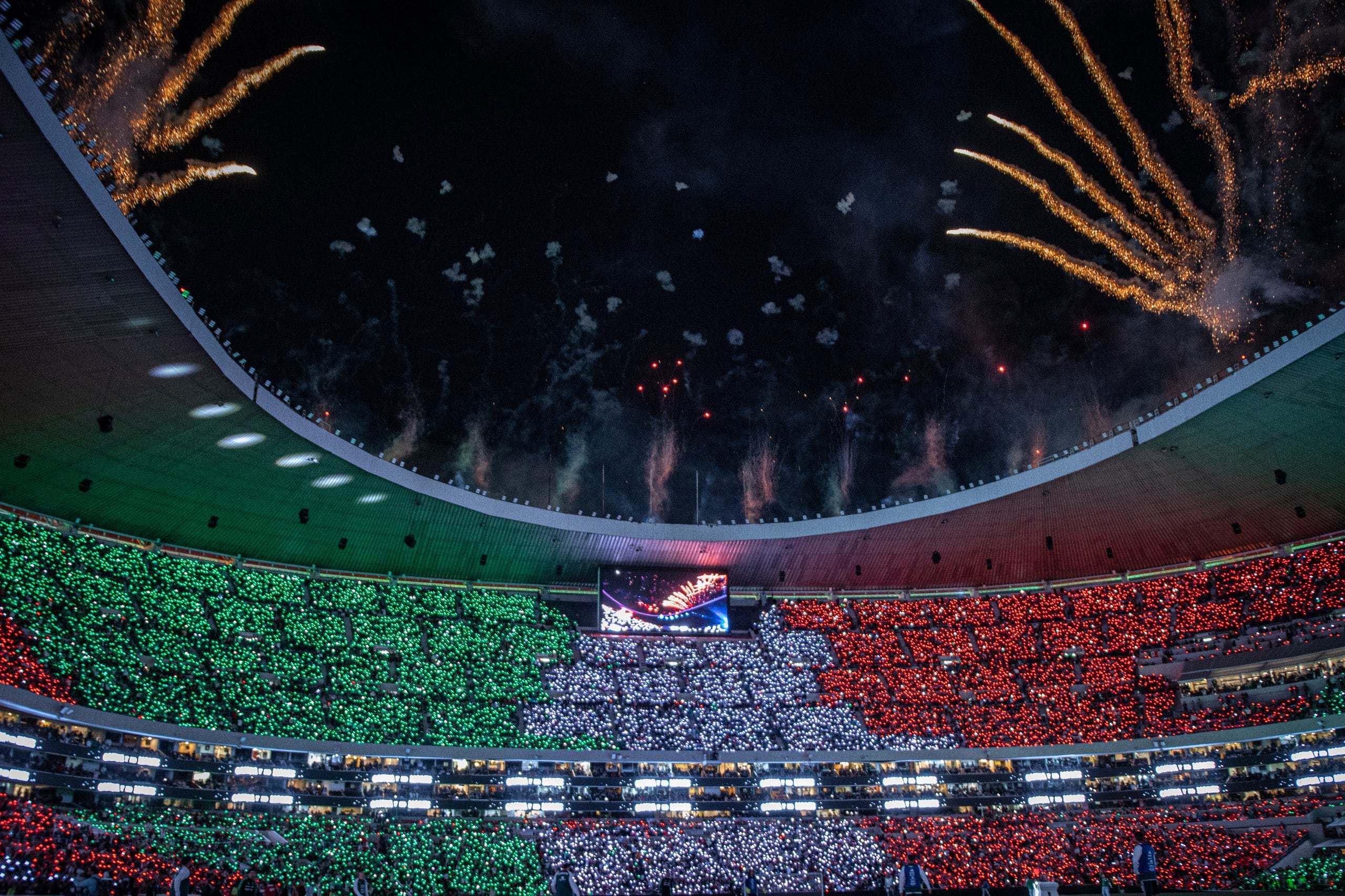
“The world will stand still, and the eyes of the world will be focused on North America,” the 56-year-old Swiss president of FIFA, Gianni Infantino, said a few days ago from the United Nations headquarters in New York. With four days to go before the ball starts rolling, the three host countries — the United States, Mexico, and Canada — say they have everything ready. Or, more precisely, almost everything. The biggest soccer tournament in history — 48 national teams playing a total of 104 matches — takes place amid various circumstances that complicate organization: the United States remains at war with Iran, President Donald Trump’s strict immigration policies are frightening away many supporters, and FIFA’s dynamic-pricing ticket system has put seats out of reach for much of the fan base.
Chinese espionage in the European Union and neighboring countries reveals its full scope when certain pieces are connected. The May 20 arrest in Germany of a German couple of Chinese origin who were taking military-technology information from universities is a particularly notable case. But it is only one of many. The episode exposes a strategy of large-scale, coordinated infiltration when placed alongside other arrests in EU member states and neighboring countries. In total, around 30 agents and collaborators have been uncovered in Europe and its vicinity in just the past two years; some were arrested, several expelled, and others are awaiting trial. China typically denies all espionage allegations and describes them as slander.
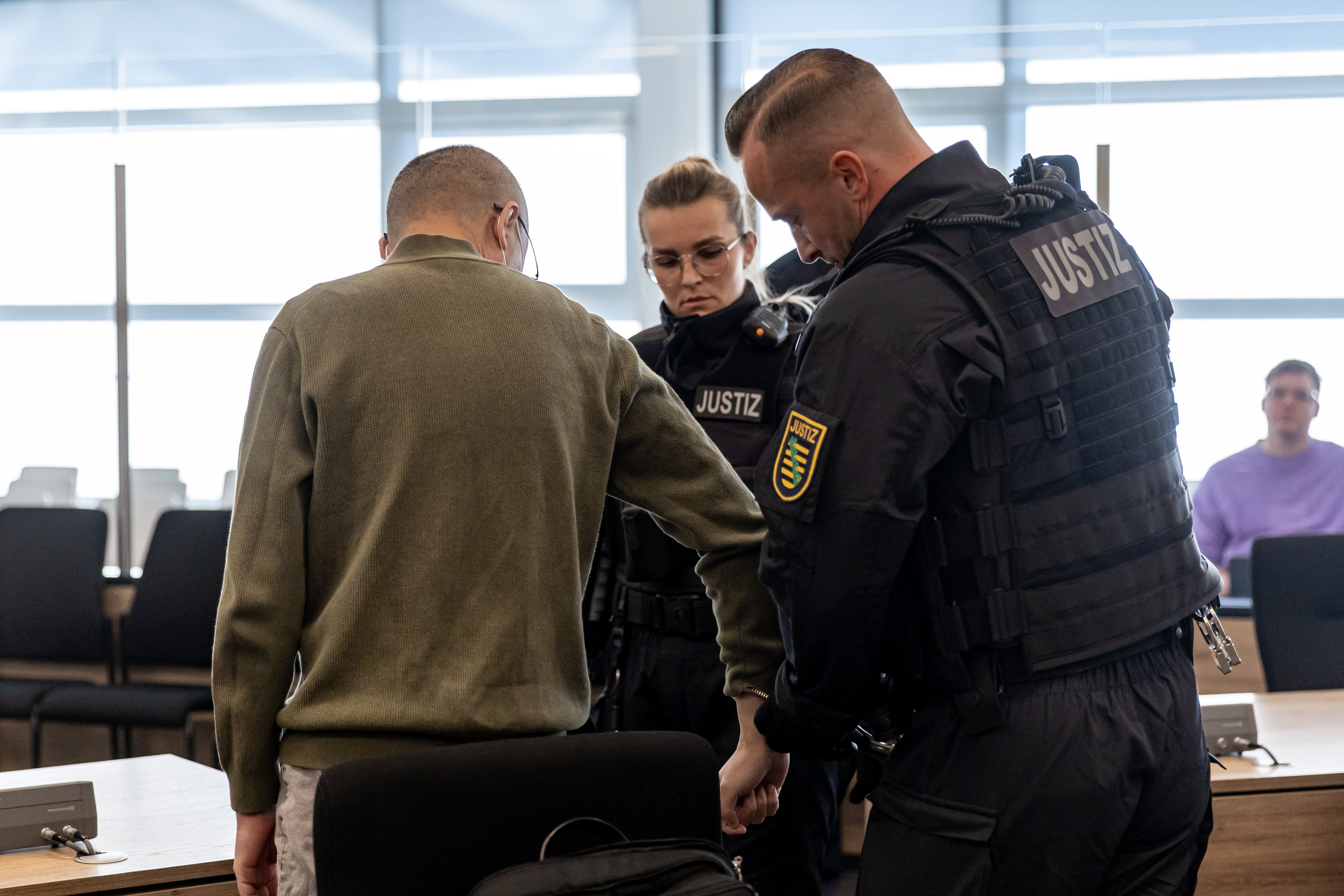
Jian G., a German citizen and assistant to far-right MEP Maximilian Krah (of AfD), last September at the Dresden court where he was sentenced to four years and nine months in prison for spying for China.
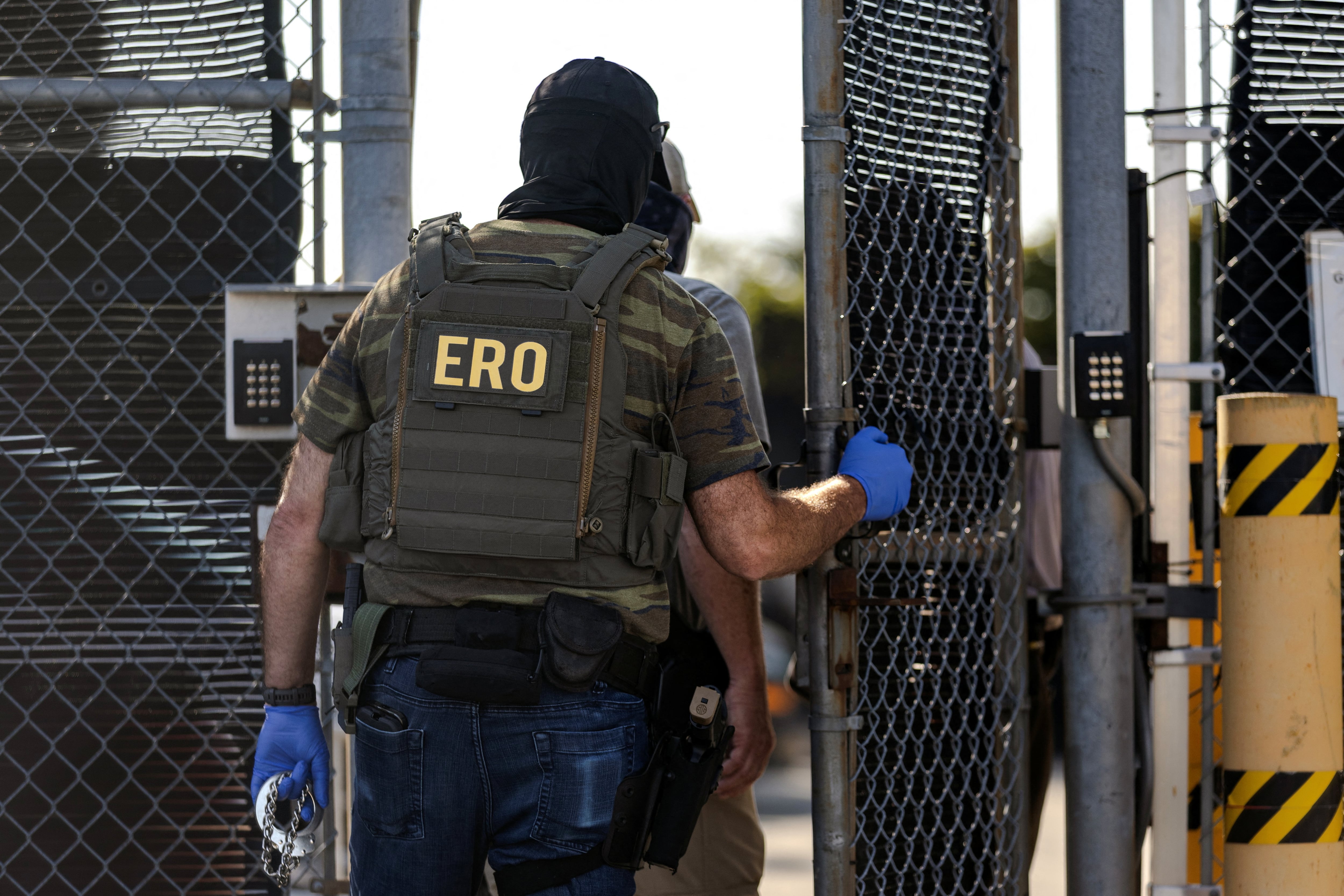
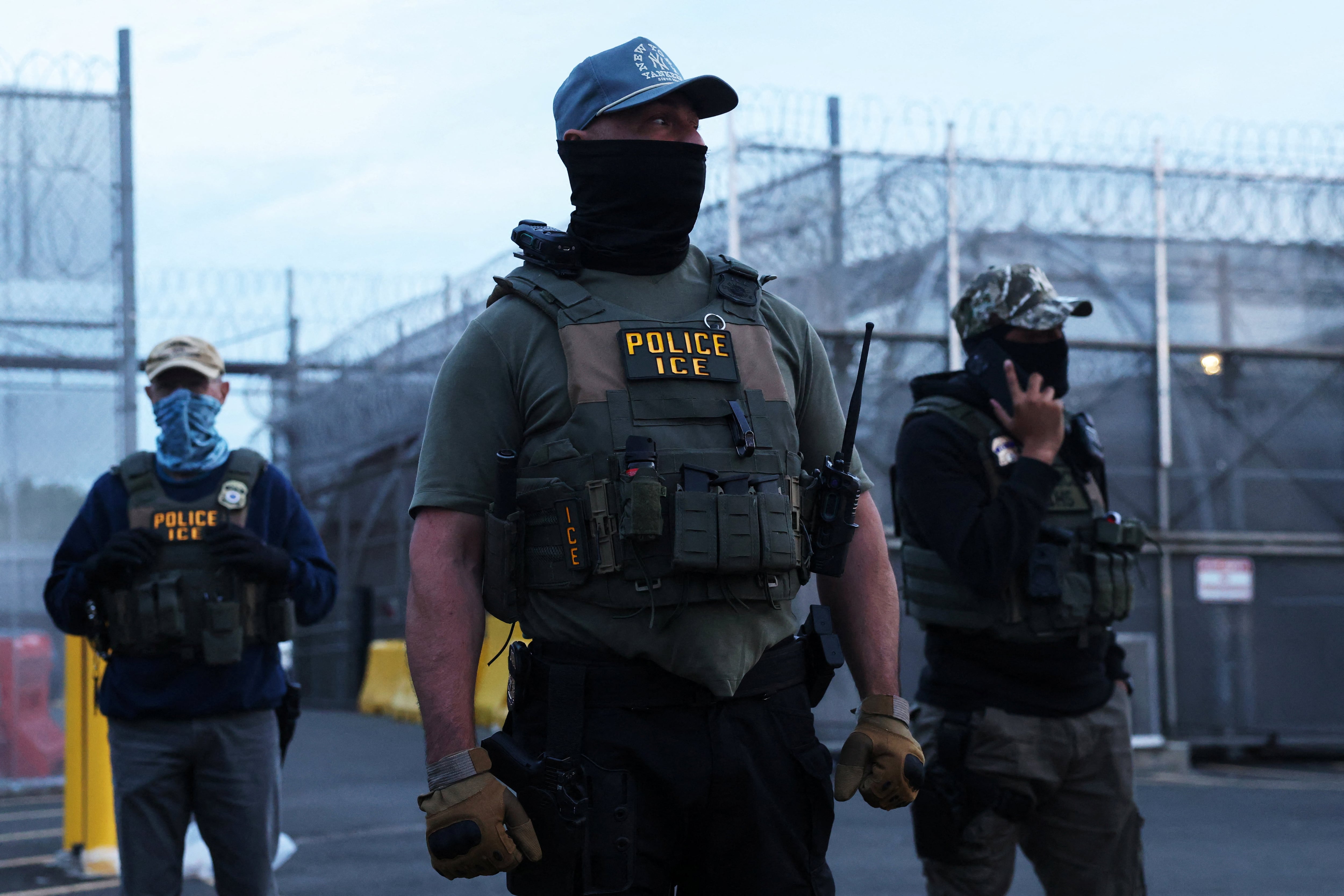
Amid growing scrutiny over the rising number of deaths in immigration detention, the Trump administration has eliminated a policy that required U.S. Immigration and Customs Enforcement (ICE) to investigate and report the deaths of detainees that occurred within 30 days of their release.
Used to hearing Antony Beevor detail troop movements at Stalingrad, the siege of Berlin, the Normandy landings, the paratroopers’ effort at Arnhem or the Panzer offensive in Hitler’s last stand in the Ardennes, it is surprising to hear him talk about Rasputin’s penis. In truth, he adopts the same look of intense concentration he brings to his usual military topics. “Rasputin’s penis… is an object of interest, certainly,” he says when his interlocutor mentions that, during an afternoon of astonishment and vodka, he saw on display in a St. Petersburg museum the appendage shown as such in a glass jar. “Yes, it is said to measure 13 inches, about 33 centimeters, but I don’t know that it’s something to take seriously. My father-in-law, the historian John Julius Norwich, used to explain that his father, Duff Cooper, the first British ambassador to France after the Liberation and also a historian [and father of the notable writer Artemis Cooper, Beevor’s wife], was convinced that part of Rasputin’s sexual success and magnetism lay in his member and his muscular control, but there is no historical record that it was cut off after his murder. Today it is impossible to assert that what is on display is his; I don’t believe any DNA test has been done.” In fact, some say it is a horse’s penis, or, if not that, a dried sea cucumber, as has also been suggested. Beevor recalls, in any case, that at the time in Tsarist Russia, Rasputin was credited with extraordinary sexual potency and caricatures circulated showing his organ, in reference to the monk’s influence over the Tsarina Alexandra and, through her, Tsar Nicholas II, with the legend: “The rod that rules Russia.”
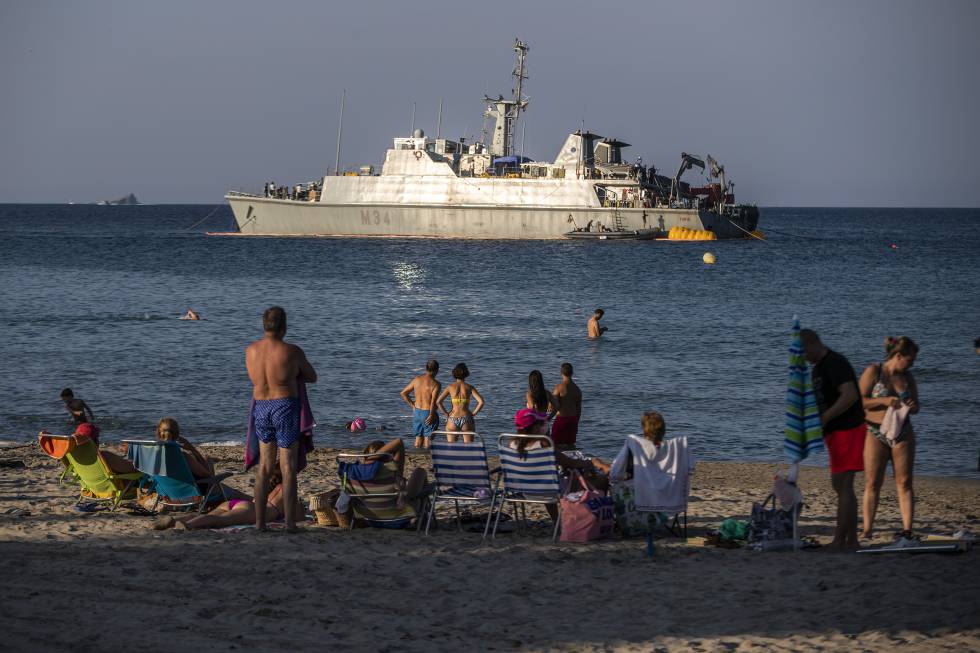
In December 2024, the Eagle S., an oil tanker flying the Cook Islands flag that had sailed from a Russian port, was detained by Finnish police. It was accused of damaging an electric cable and four other data cables on the floor of the Baltic Sea with its anchor. It may have been an accident, but repeated incidents prompted NATO the following month to launch a military operation, Baltic Sentry, deploying surveillance aircraft, ships, and drones to confront the undersea threat. Suspicions pointed to the so‑called Russian ghost fleet, with which the Putin regime is evading EU sanctions imposed after the invasion of Ukraine.
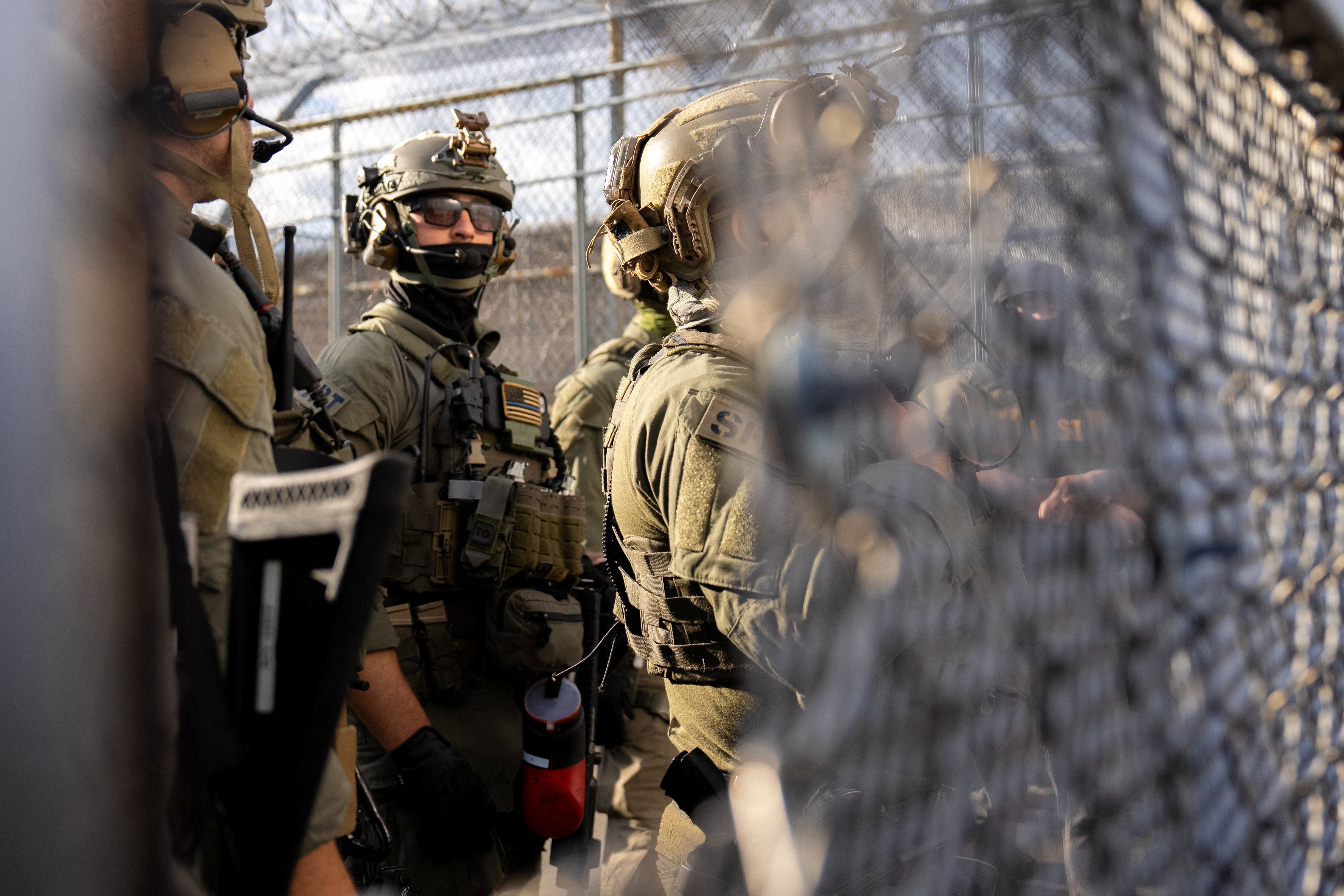
With just a few days to go before the start of the 2026 FIFA World Cup, the world’s largest sporting event faces the question of what role U.S. immigration authorities will play. Now, a new poll by The Washington Post and the University of Maryland has found that most Americans would prefer they play no role at all.
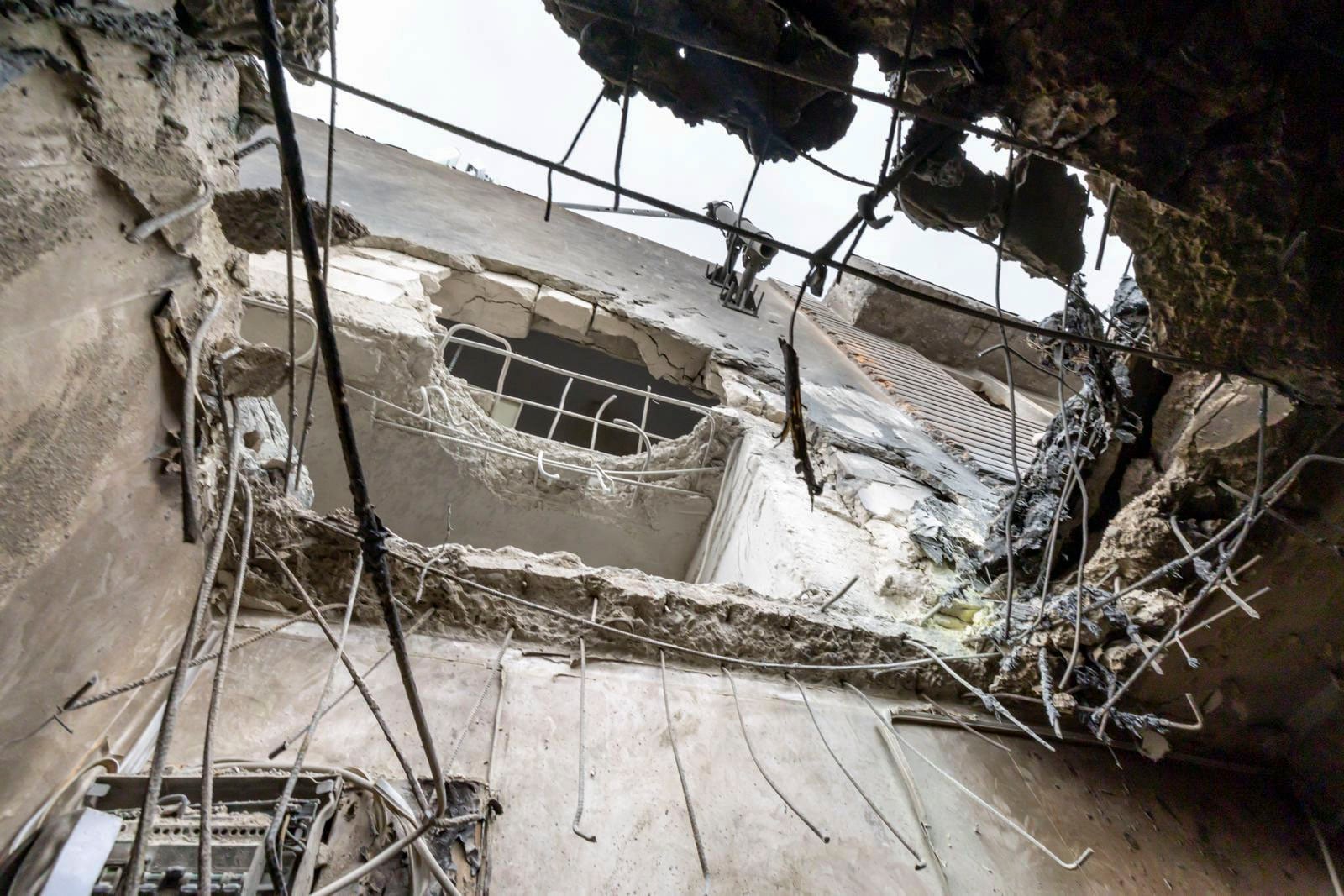
Romania has been deeply shaken by the unprecedented incident that occurred in the early hours of last Friday, when a Russian drone carrying 30 kilograms of explosives crashed into a 10-story apartment block in Galați. The city lies just 15 miles from the Ukrainian port of Reni, one of the neighboring country’s key grain-export facilities and a reason why Russia attacks almost nightly. But on this occasion the drone’s impact crossed boundaries not previously seen in this European Union country. The unmanned aircraft exploded, injuring a woman and her 14-year-old son, who lived on the building’s top floor; the block stands in the nerve center of this town of about 250,000 people on the banks of the Danube.
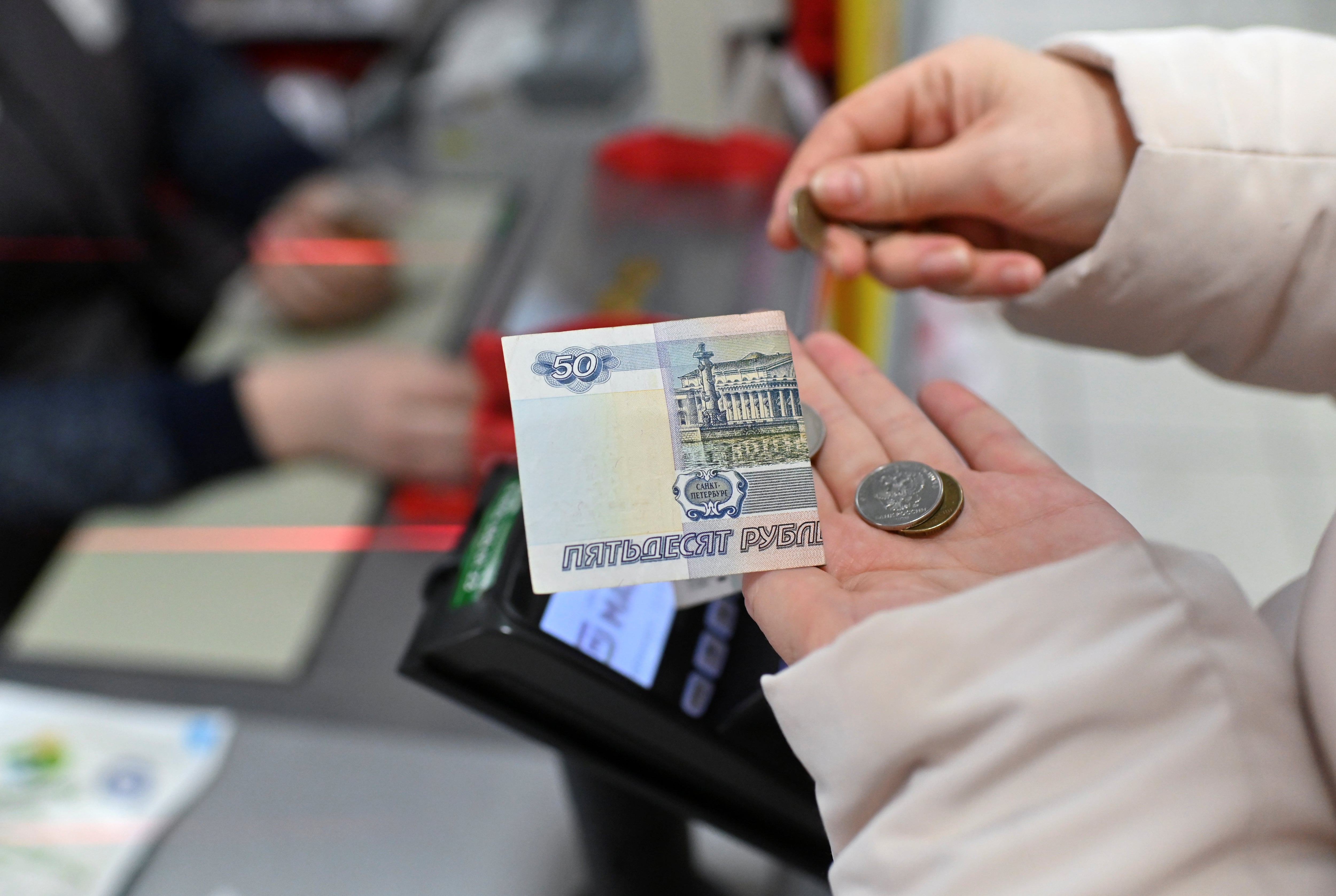
Russians, accustomed to living with constant unpredictability, have been stashing rubles for months in the drawers of their homes. Cash withdrawals have been so massive since the start of the year that the Bank of Russia has carried out a substantial upward revision of the financial system’s liquidity needs through the end of 2026. Internet shutdowns — and, by extension, disruptions to payment systems — ordered by the authorities for alleged “security reasons” have driven Russians to withdraw money from ATMs. Added to this, in a bid to raise revenue to fund the war against Ukraine, is a new bill that would tighten controls on cash payments to businesses.
Amid growing concerns about surveillance and privacy in the Trump administration’s immigration policy, U.S. Immigration and Customs Enforcement (ICE) is significantly expanding its biometric identification infrastructure. According to NPR, the agency entered into an agreement with BI2 Technologies—a company specializing in biometric technology—that includes the deployment of iris scanners, access to private databases, and real-time verification tools for field agents.
 Login
Login