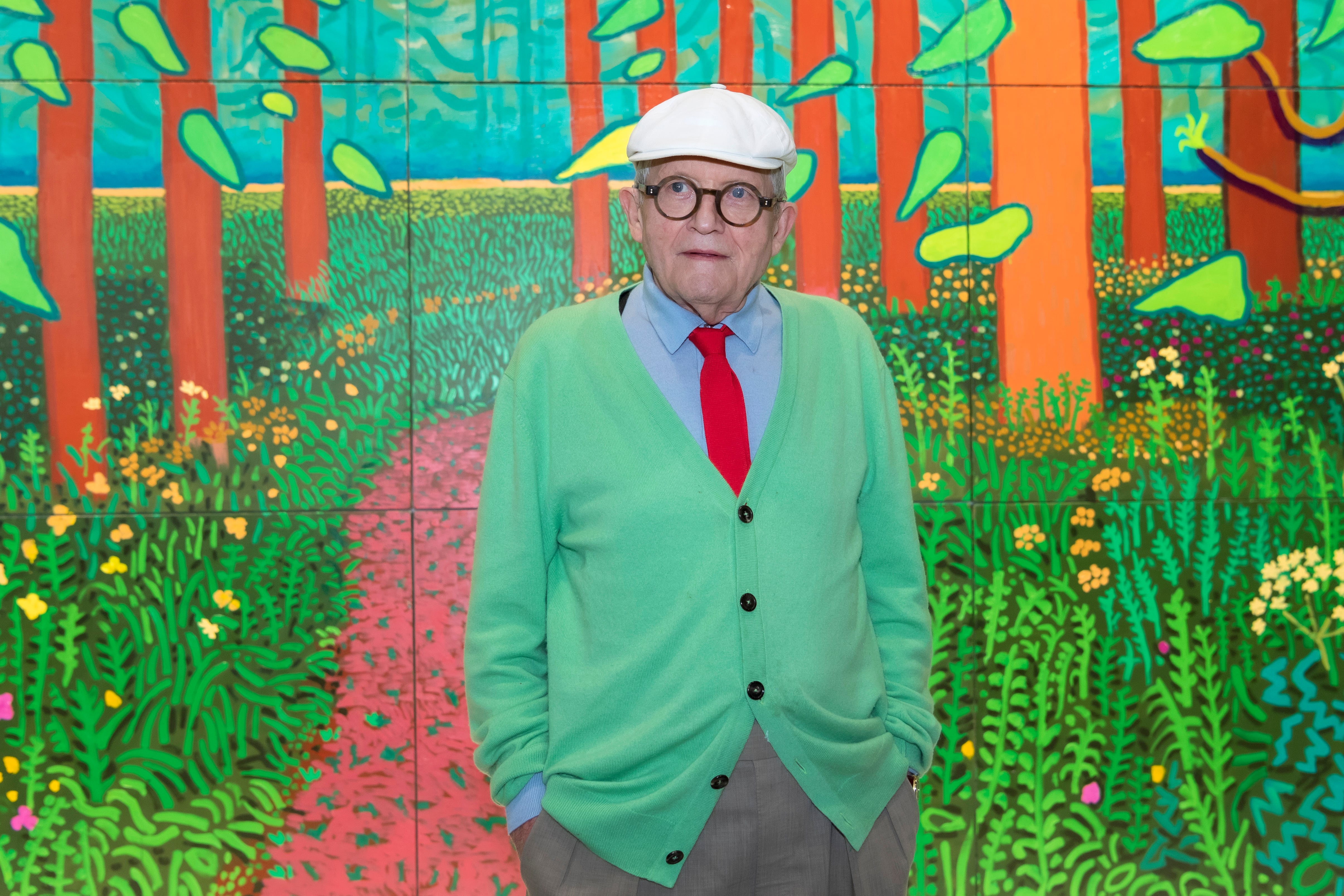
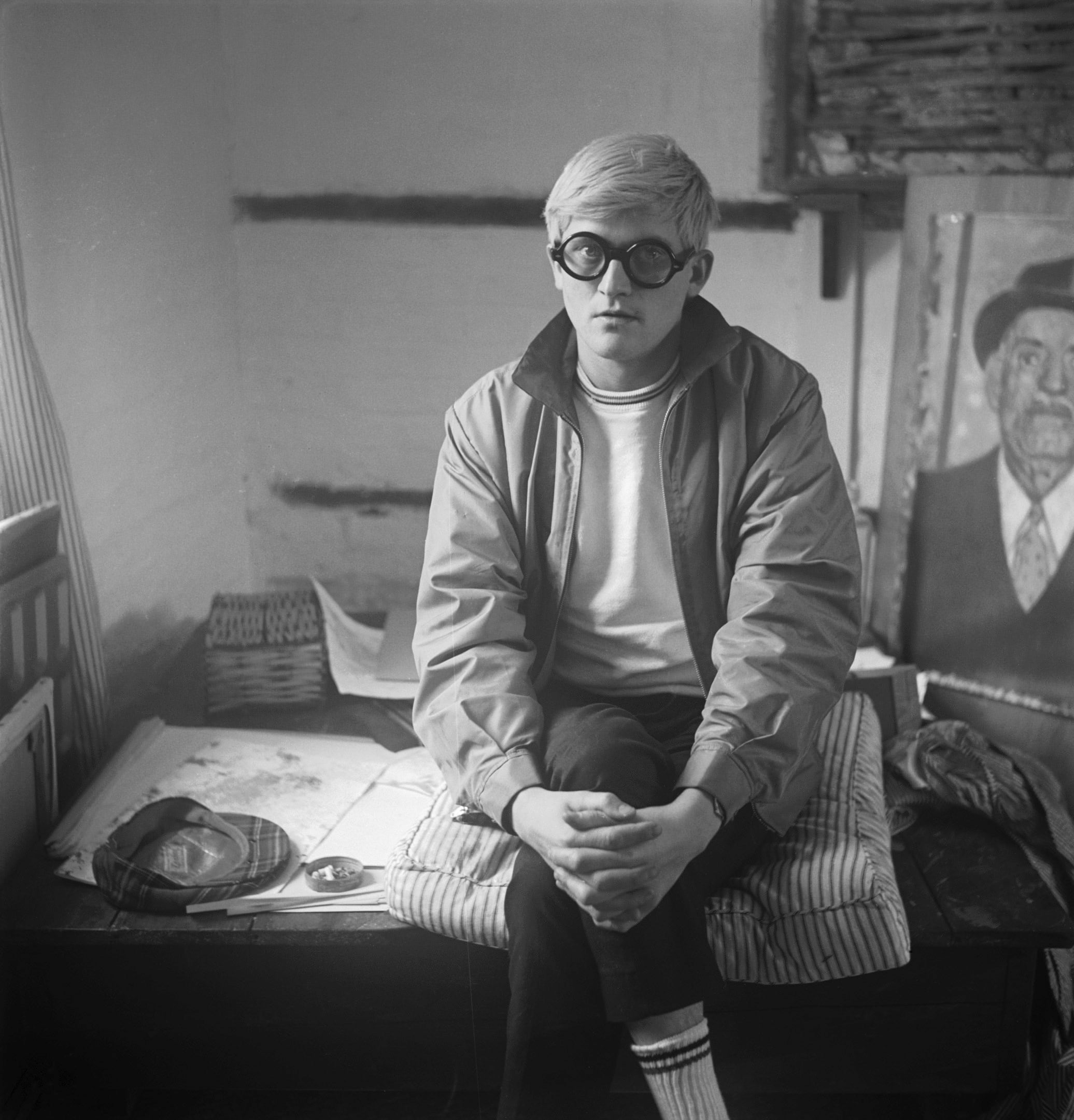
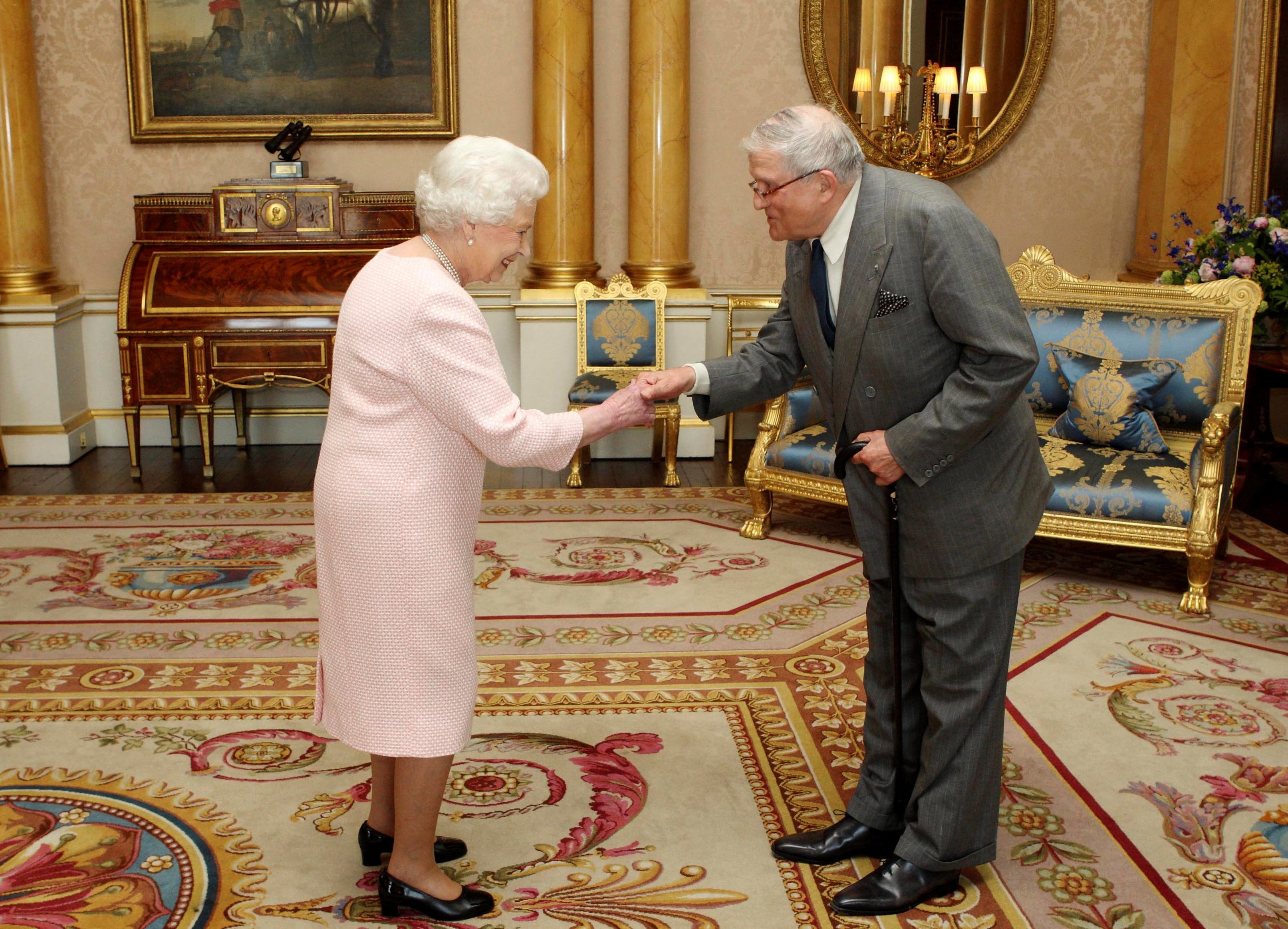
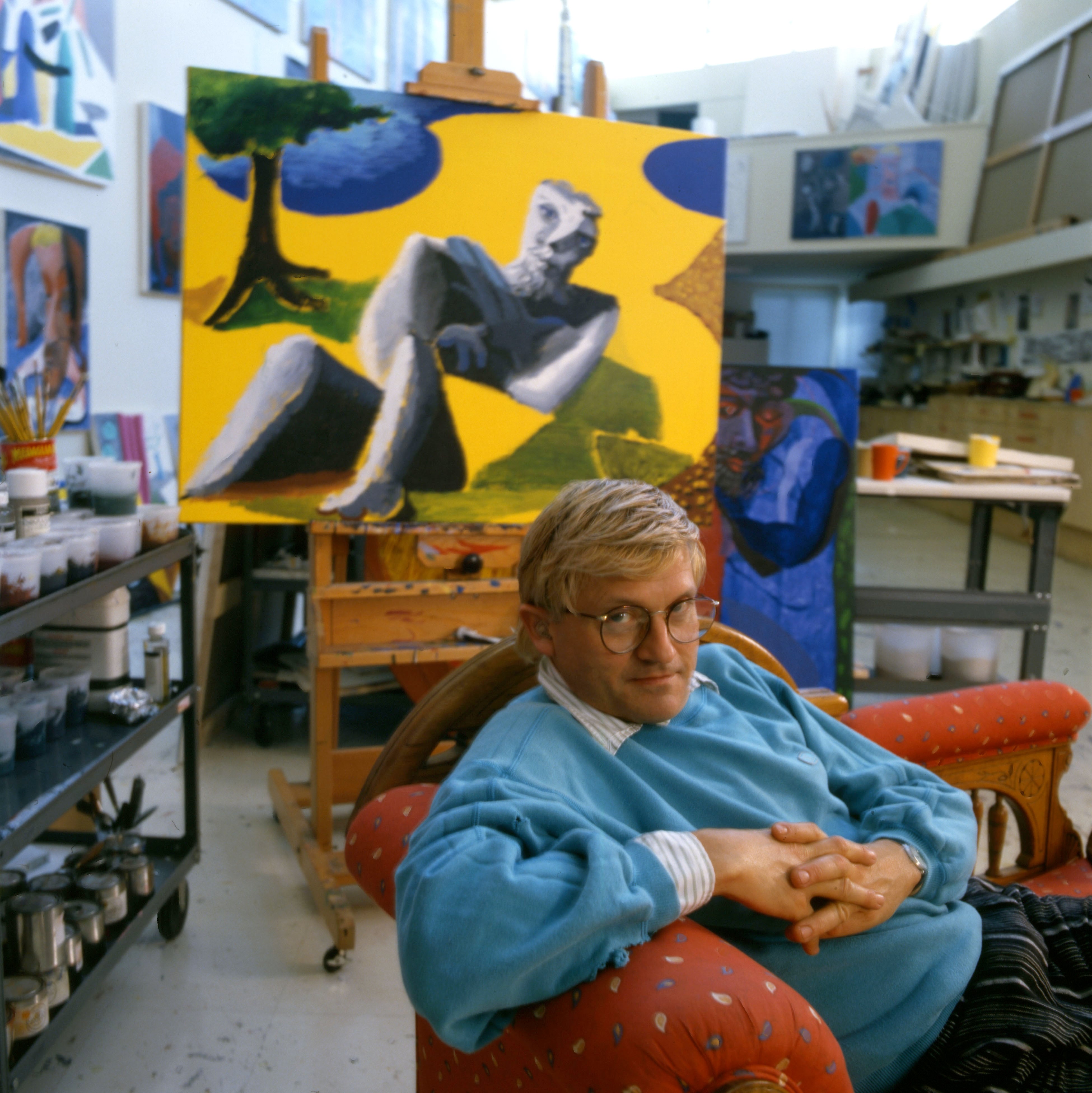
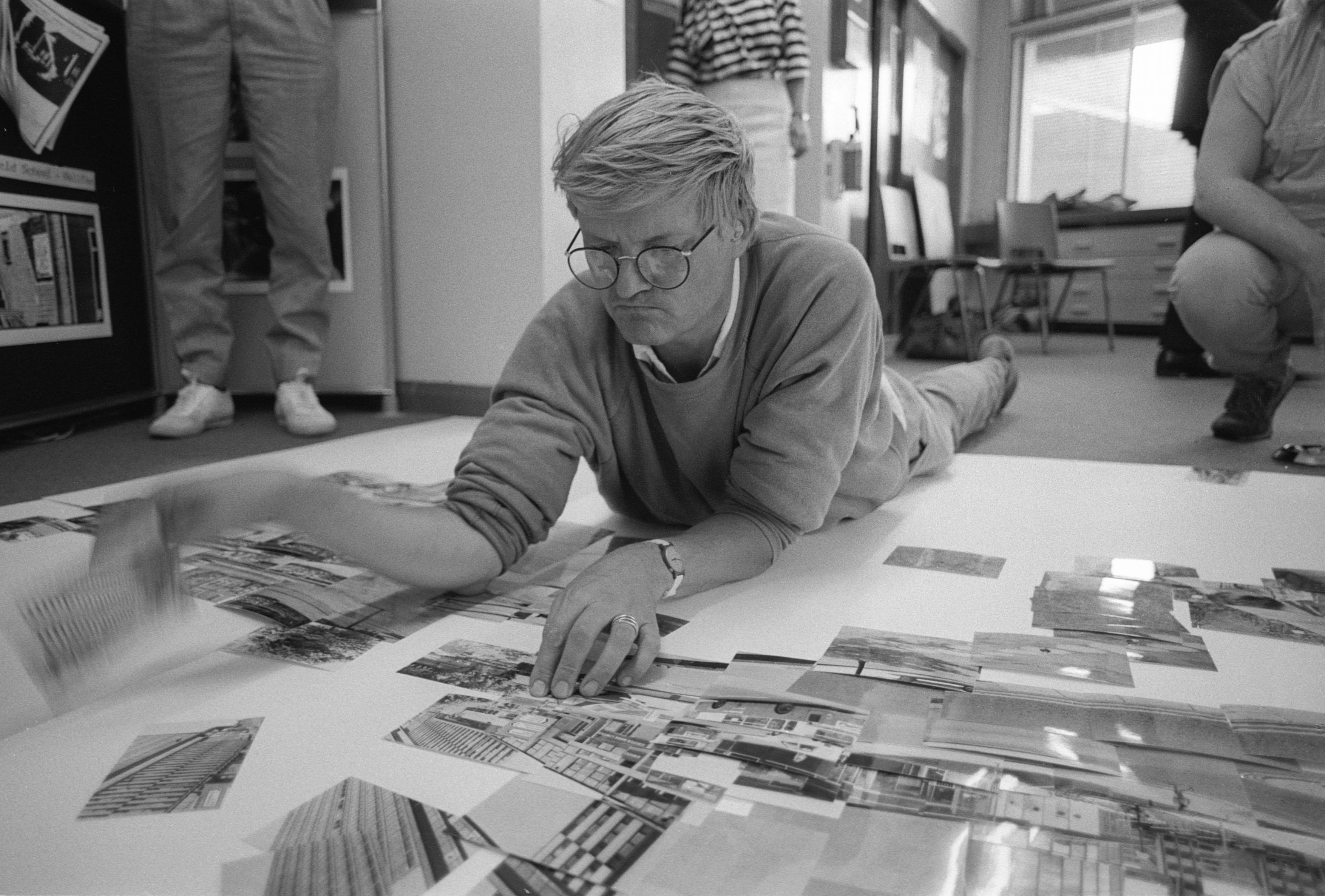
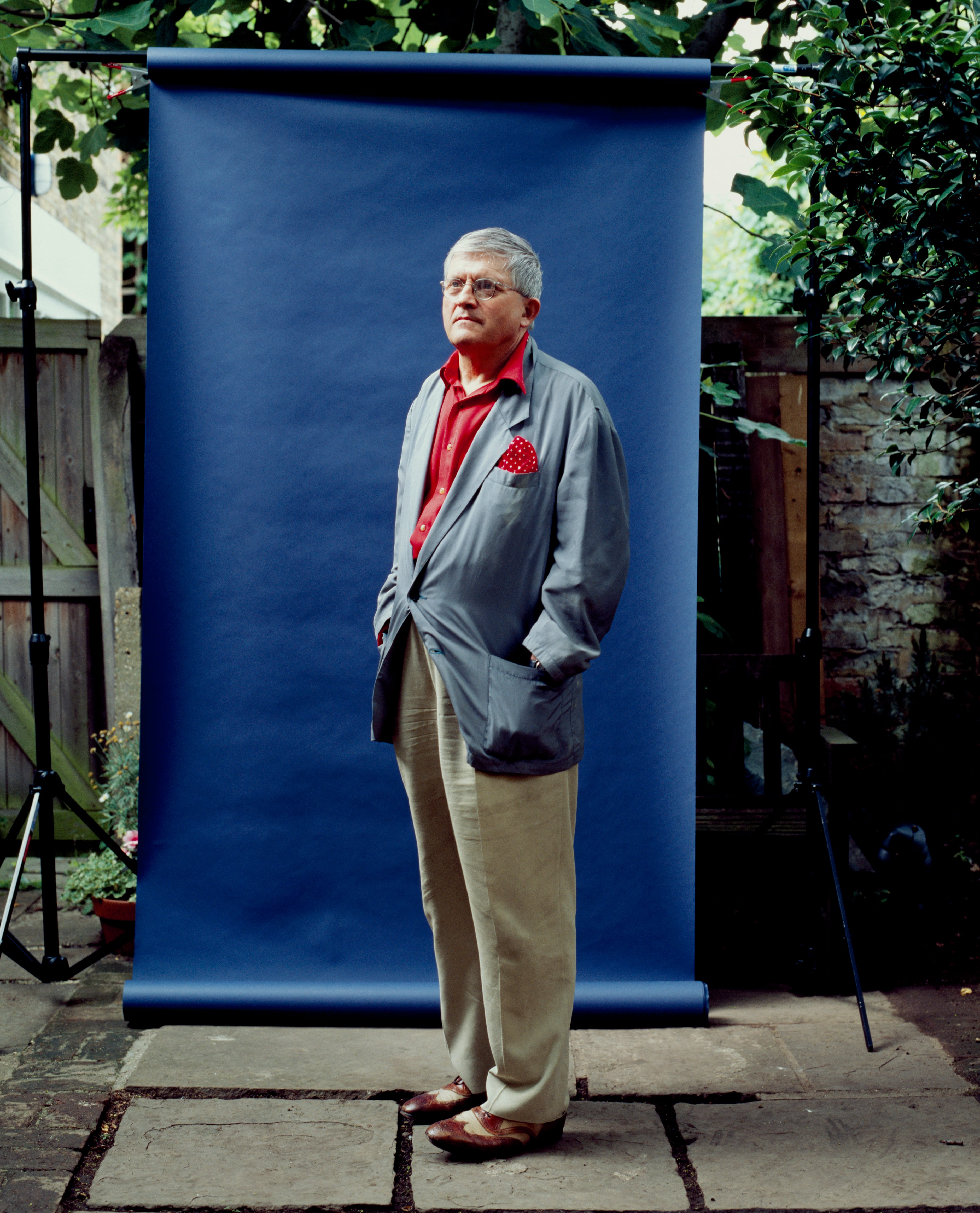
In May 2021, while the world was still trying to recover from the Covid pandemic, British artist David Hockney presented his exhibition The Arrival of Spring. Normandy, 2020, dozens of hours of meticulous work he devoted to capturing — on his iPad using the Brushes app — the essence of the changing seasons while the world was confined by tragedy. True to form, he did not give up on either innovation or joy.
As with so many stories, the outbreak of violence this week in Belfast can be told through the lens of a single street. Lendrick Street is in the east of the Northern Irish city. A straight line of barely 200 meters. Modest two-story brick houses, aligned in that Georgian style where only the door and windows mark the different homes that occupy the continuous walls on both sides of the road.
En mayo de 2021, cuando el mundo trataba aún de resucitar de una terrible pandemia, el artista británico David Hockney presentó en la Royal Academy de Londres su exposición The Arrival of Spring. Normandy, 2020 (La Llegada de la Primavera. Normandía, 2020). Una muestra de las decenas de horas de minucioso trabajo que dedicó a capturar en su iPad, con la aplicación Brushes, la esencia del cambio de estación mientras el mundo vivía recluido por la tragedia. En su línea, no renunció ni a la innovación ni a la alegría.
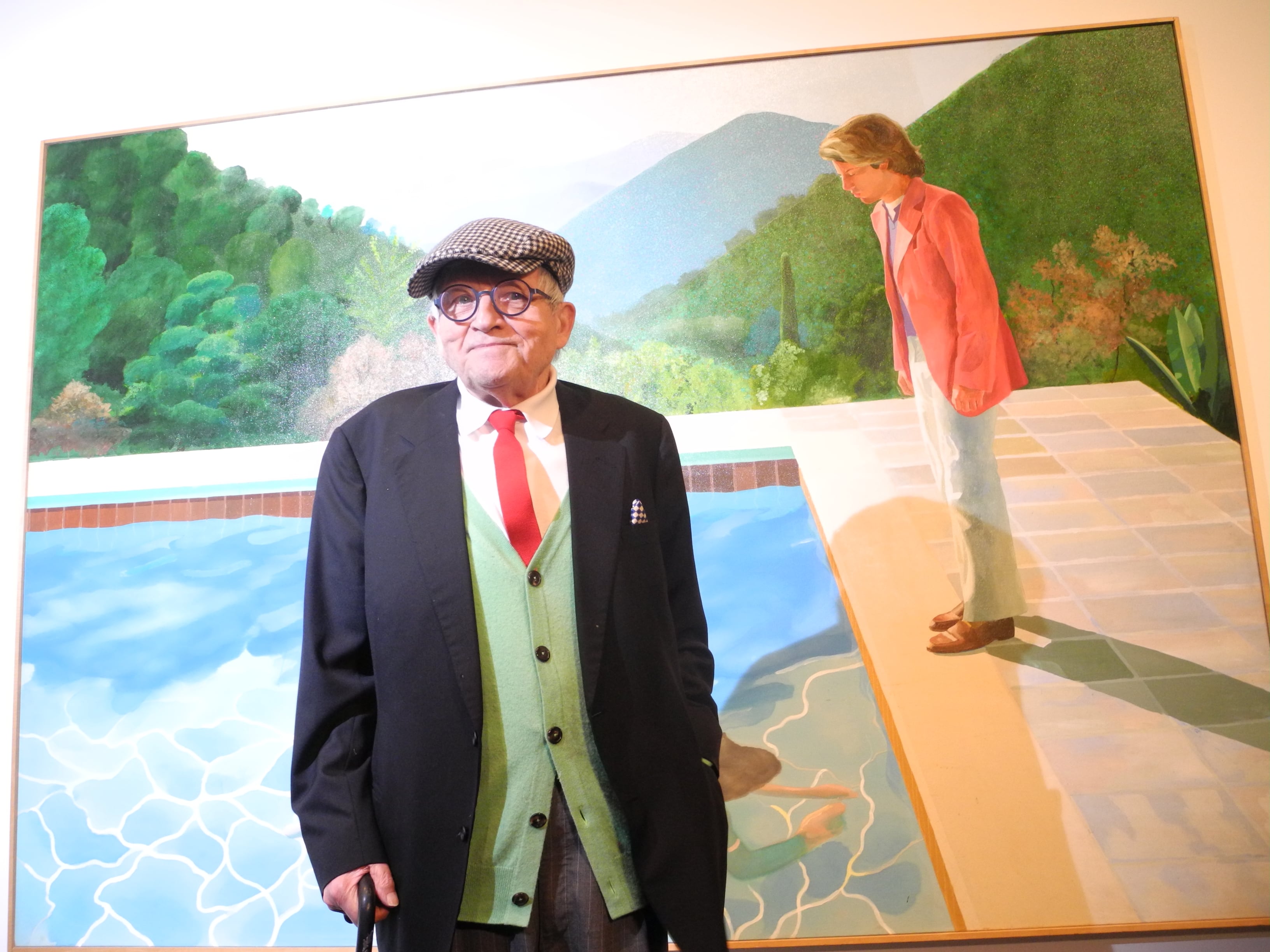
Una visitante observa el cuadro de Hockney 'Retrato de un artista (Piscina con dos figuras)', en la gran retrospectiva que la Tate Britain de Londres le dedicó en 2017.
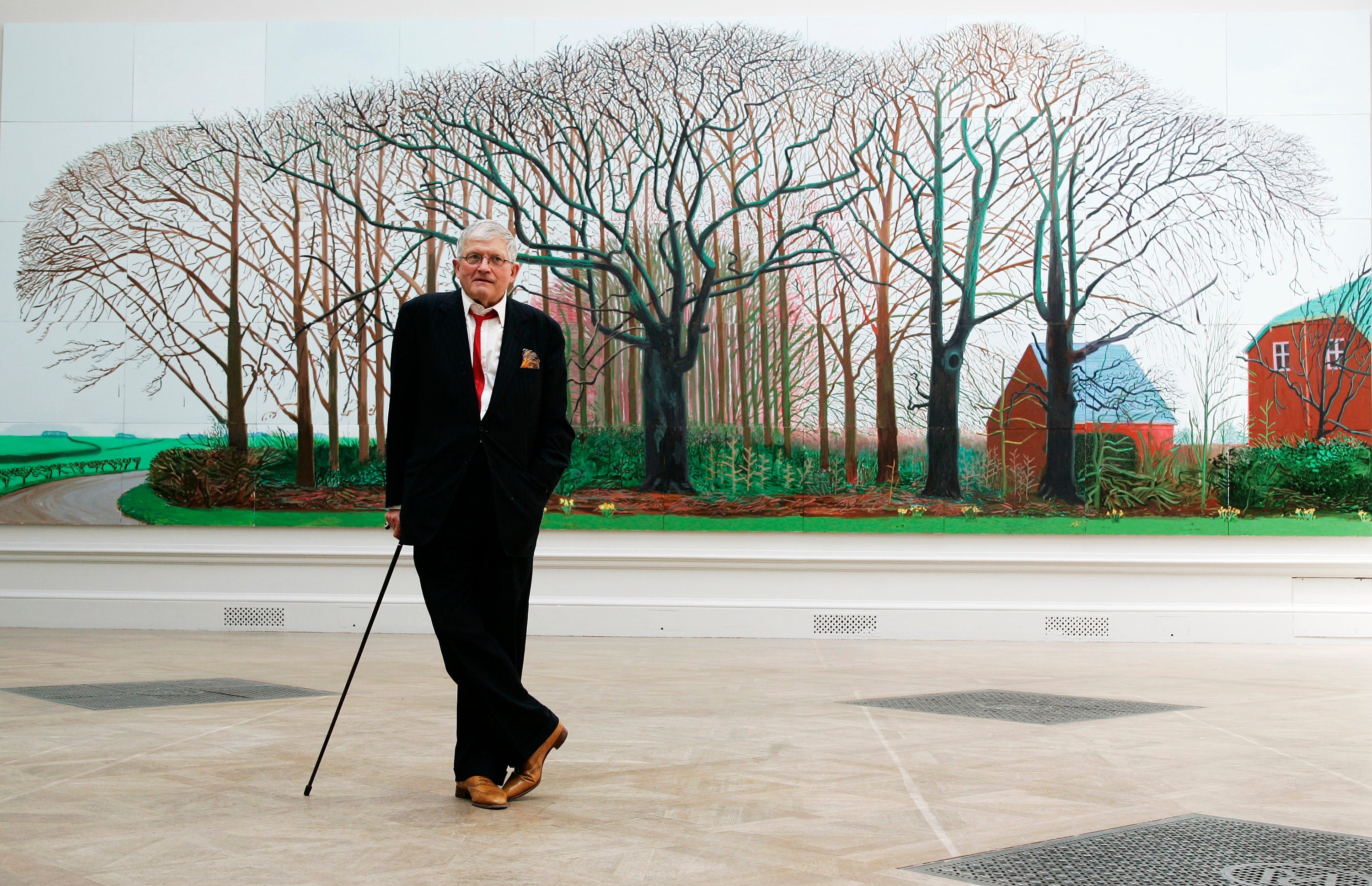
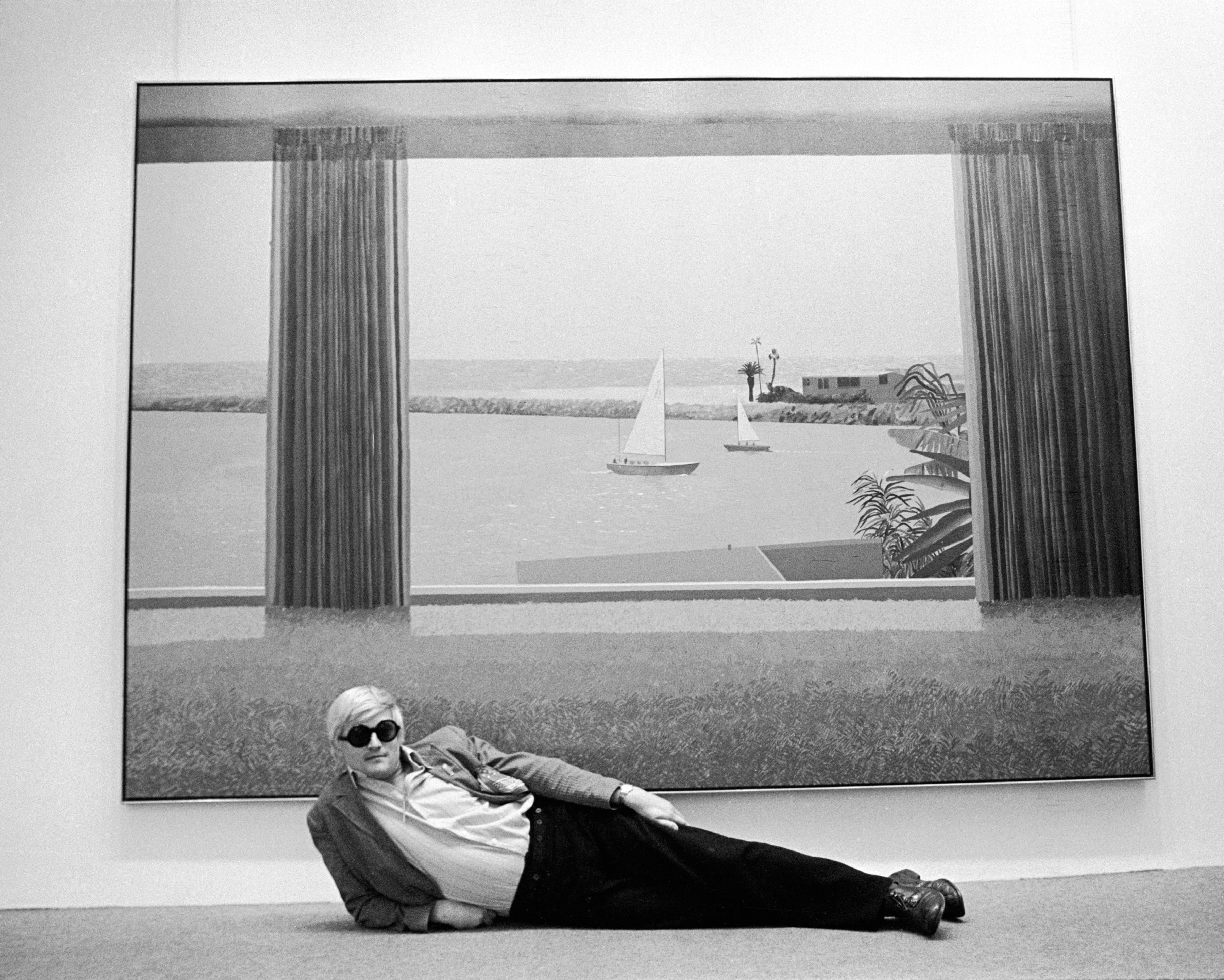
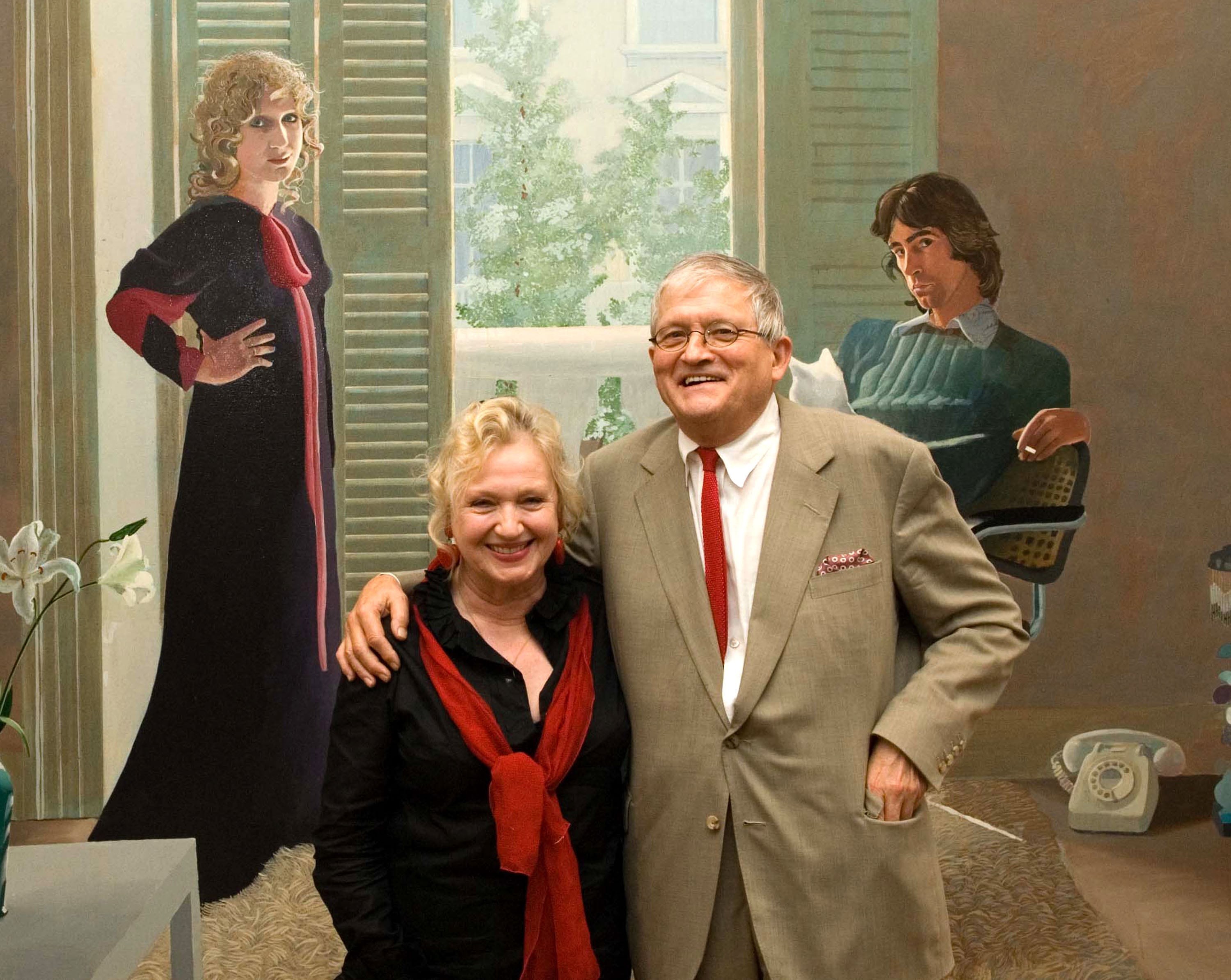
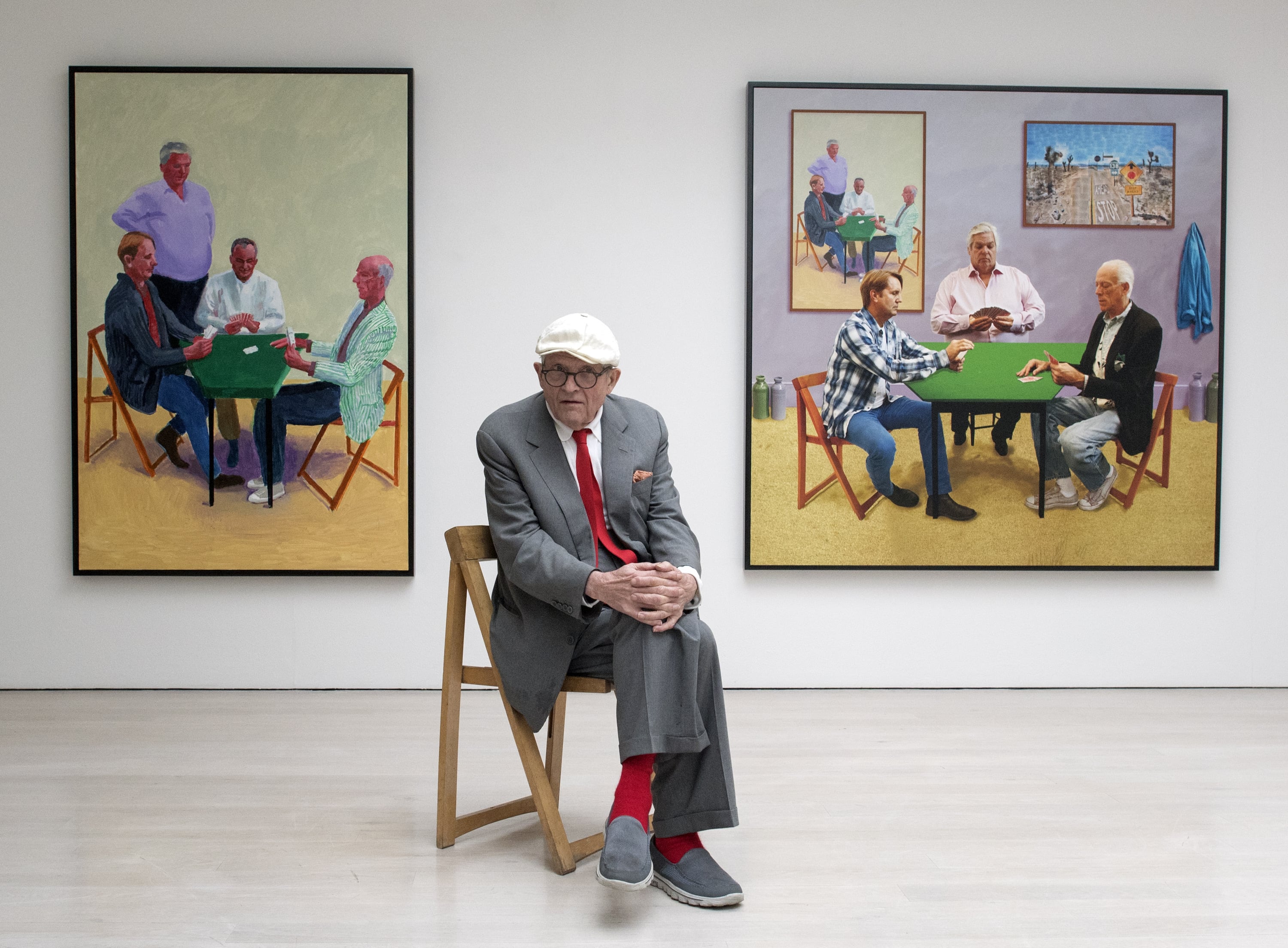
David Hockney posa mientras presenta su obra 'Árboles más grandes cerca del agua', la pintura más grande jamás exhibida en la Exposición de Verano de la Royal Academy de Londres, el 25 de mayo de 2007.
Como con tantos relatos, la violencia desatada esta semana en Belfast se puede contar con la historia de una calle. Lendrick Street está en la zona este de la ciudad norirlandesa. Una línea recta de apenas 200 metros. Casas humildes de dos alturas, de ladrillo a la vista, alineadas con ese estilo georgiano por el que solo la puerta y las ventanas indican que son viviendas diferentes las que habitan esos muros continuos que son los dos lados de la calle.
Laura Bates (Oxford, 39 años) ha investigado durante años el mundo de la machosfera, ese oscuro reducto de las redes, cada vez con más tentáculos, donde habitan hombres resentidos —los llamados incel o célibes involuntarios— que sueñan con violar o asesinar a las mujeres que los rechazan; donde supuestos gurús enseñan cómo tratarlas con mano dura o donde, desde hace unos años, circulan deepfakes, vídeos pornográficos realizados con inteligencia artificial, en los que niñas y mujeres que no han dado su consentimiento son sometidas, a partir de fotos suyas, a abusos y violaciones virtuales, pero con consecuencias e impacto psicológico reales y devastadores. Bates fundó en 2012 Everyday Sexism Project, una web que ha atendido las denuncias, anónimas o no, de más de 200.000 mujeres que han encontrado en ese repositorio la ayuda para expresar sus miedos, su rabia o su frustración, y que han informado a gobiernos e instituciones de realidades que no necesariamente acaban en un juzgado o con los culpables castigados. En 2023 le dio forma a estas ideas en su aclamado libro Los hombres que odian a las mujeres (Capitán Swing).
It was extreme even for a figure like Nigel Farage. Hours after the police footage of officers handcuffing Henry Nowak on the fatal night of December 3 in Southampton became public and spread like wildfire on social media, the Reform UK leader called on citizens to respond with “pure, cold rage.” The young Nowak had been fatally stabbed by a man of Sikh faith and Asian descent, who later falsely accused him of a racist attack. “I can’t breathe,” the victim shouted up to nine times, to the officers’ disbelief as they moved against him. His cry of agony echoed the words George Floyd uttered on the streets of Minneapolis, which sparked the Black Lives Matter movement.
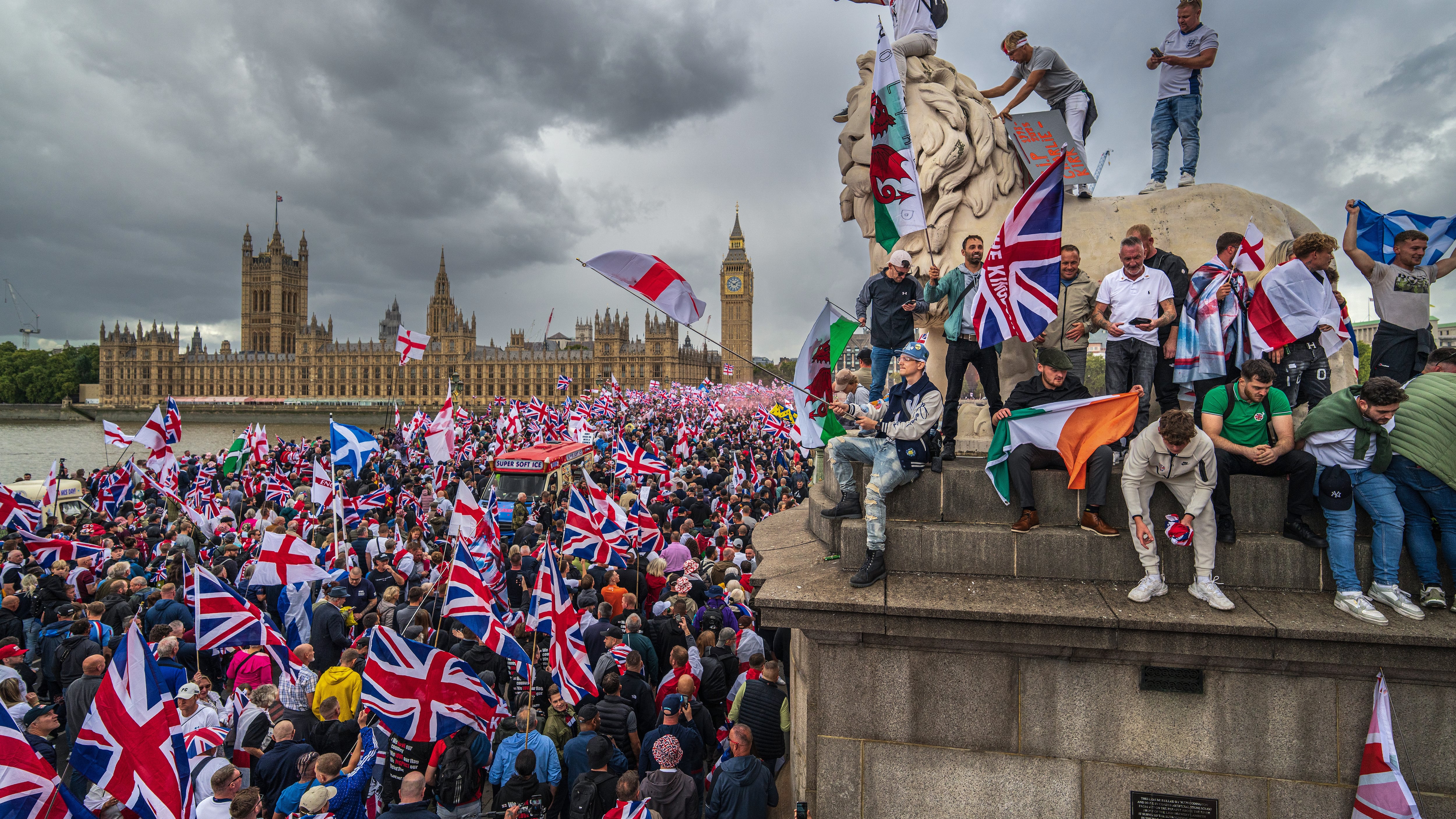
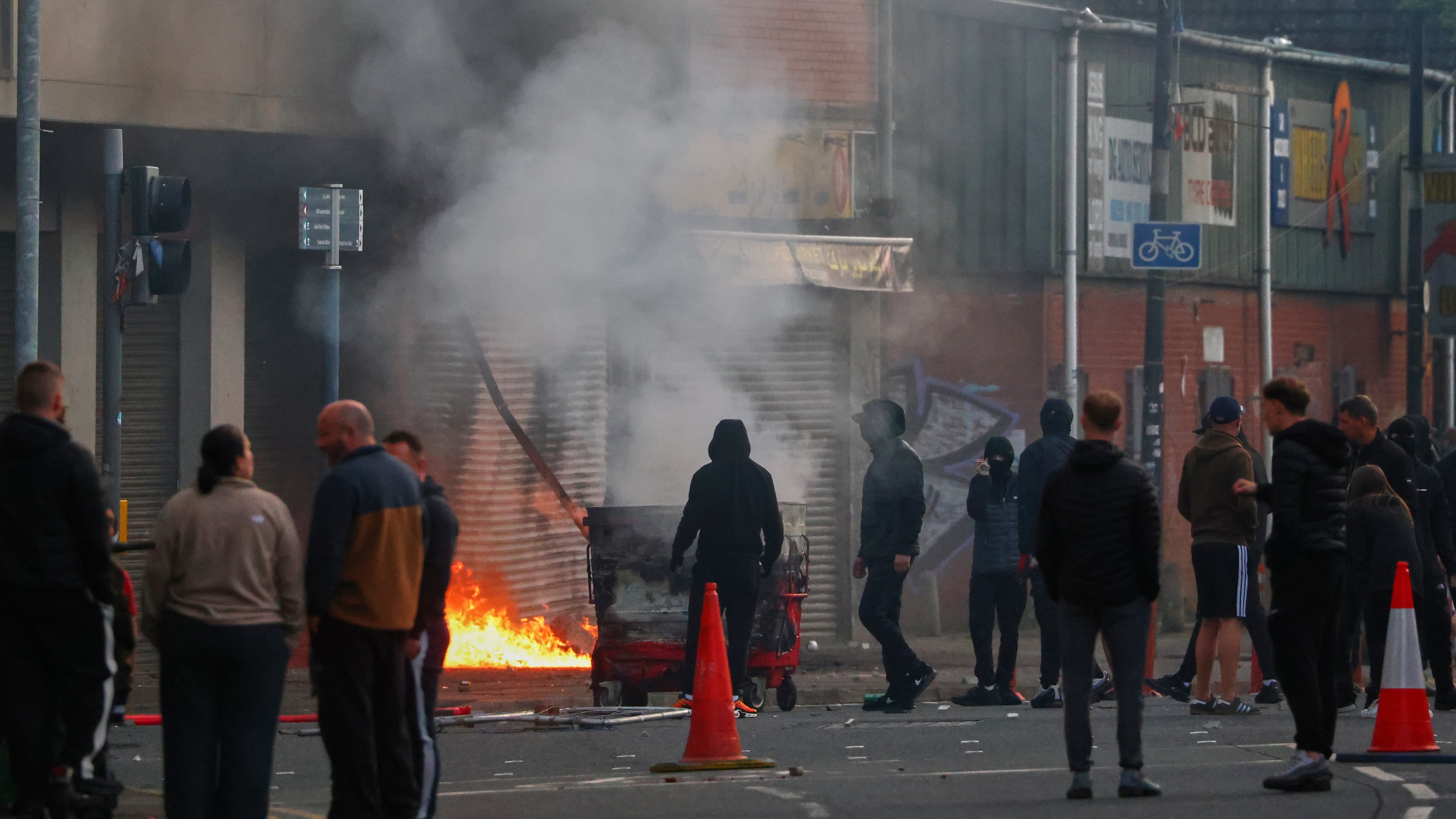
Political and religious leaders in Northern Ireland saw early Wednesday morning — with the embers of a long night of violence in Belfast and other parts of the region still smoldering — that their calls for calm had fallen on deaf ears. Cars, buses, phone booths, and trash cans set ablaze. Homes where immigrants — or simply people from ethnic minorities — were believed to live, completely engulfed in flames after violent groups targeted them as places that needed to be “liberated.”
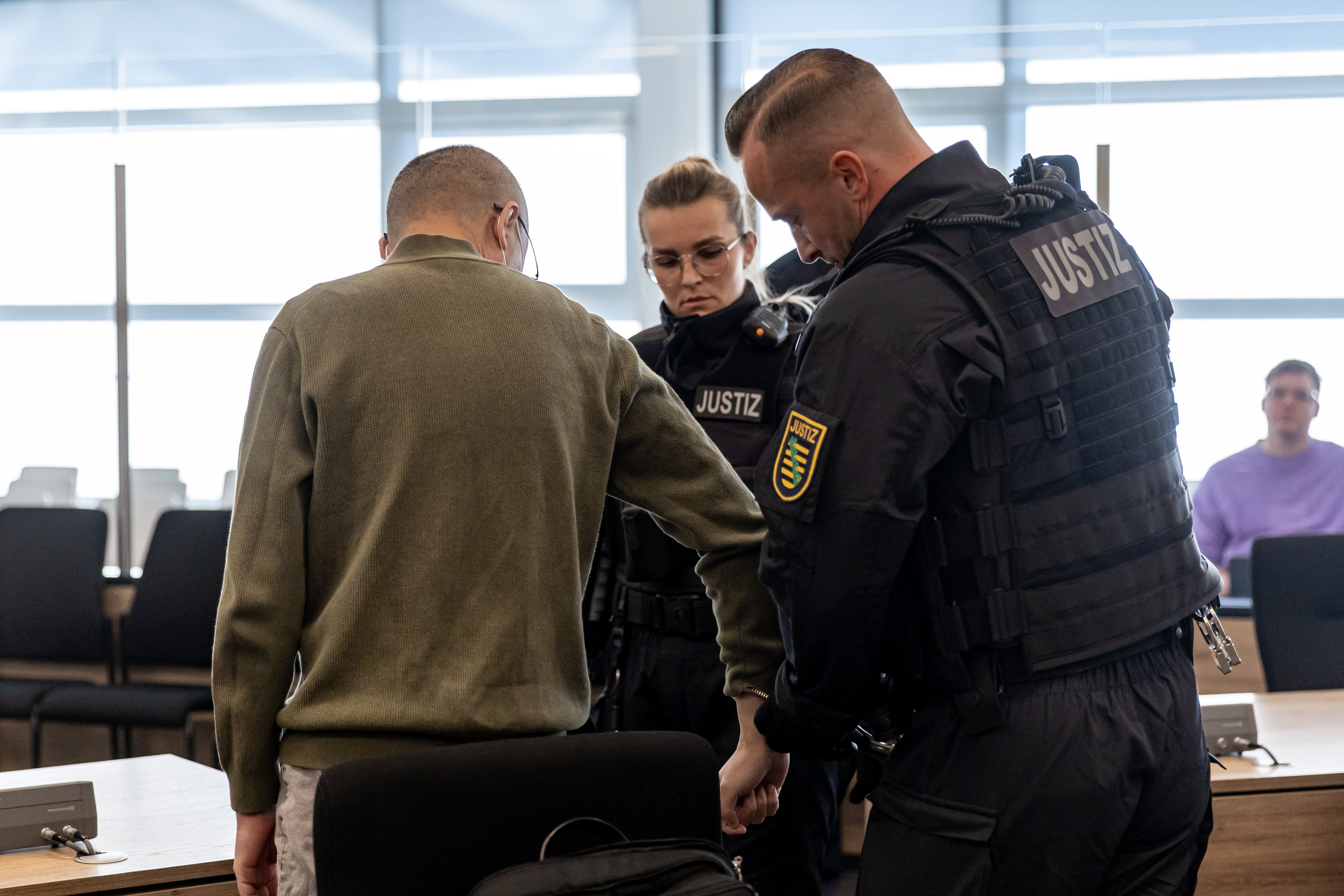
Chinese espionage in the European Union and neighboring countries reveals its full scope when certain pieces are connected. The May 20 arrest in Germany of a German couple of Chinese origin who were taking military-technology information from universities is a particularly notable case. But it is only one of many. The episode exposes a strategy of large-scale, coordinated infiltration when placed alongside other arrests in EU member states and neighboring countries. In total, around 30 agents and collaborators have been uncovered in Europe and its vicinity in just the past two years; some were arrested, several expelled, and others are awaiting trial. China typically denies all espionage allegations and describes them as slander.
Jian G., a German citizen and assistant to far-right MEP Maximilian Krah (of AfD), last September at the Dresden court where he was sentenced to four years and nine months in prison for spying for China.

 Login
Login