Login
Login
SBU names 10 Russians tied to “human safari” drone hunt on civilians in Kherson
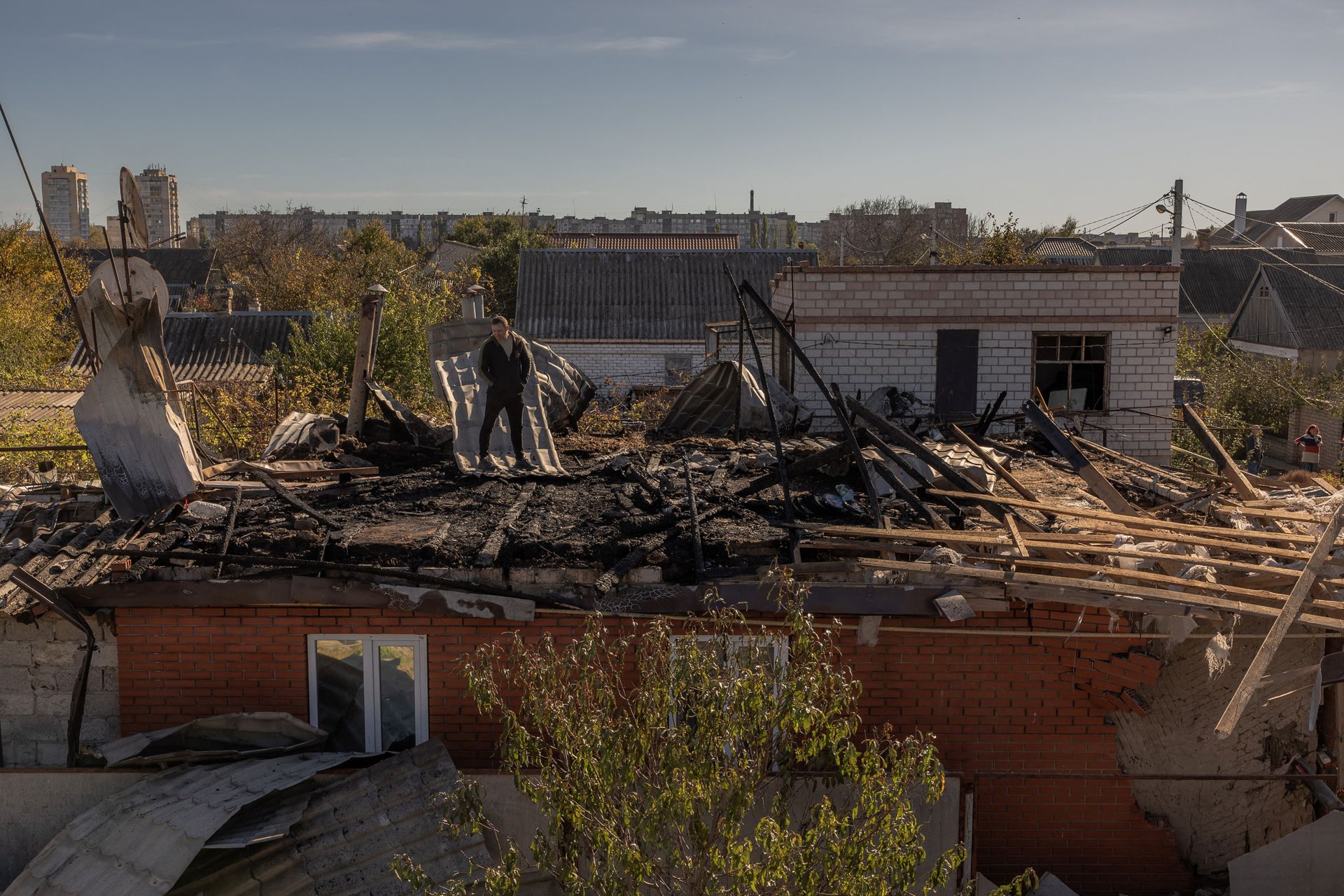
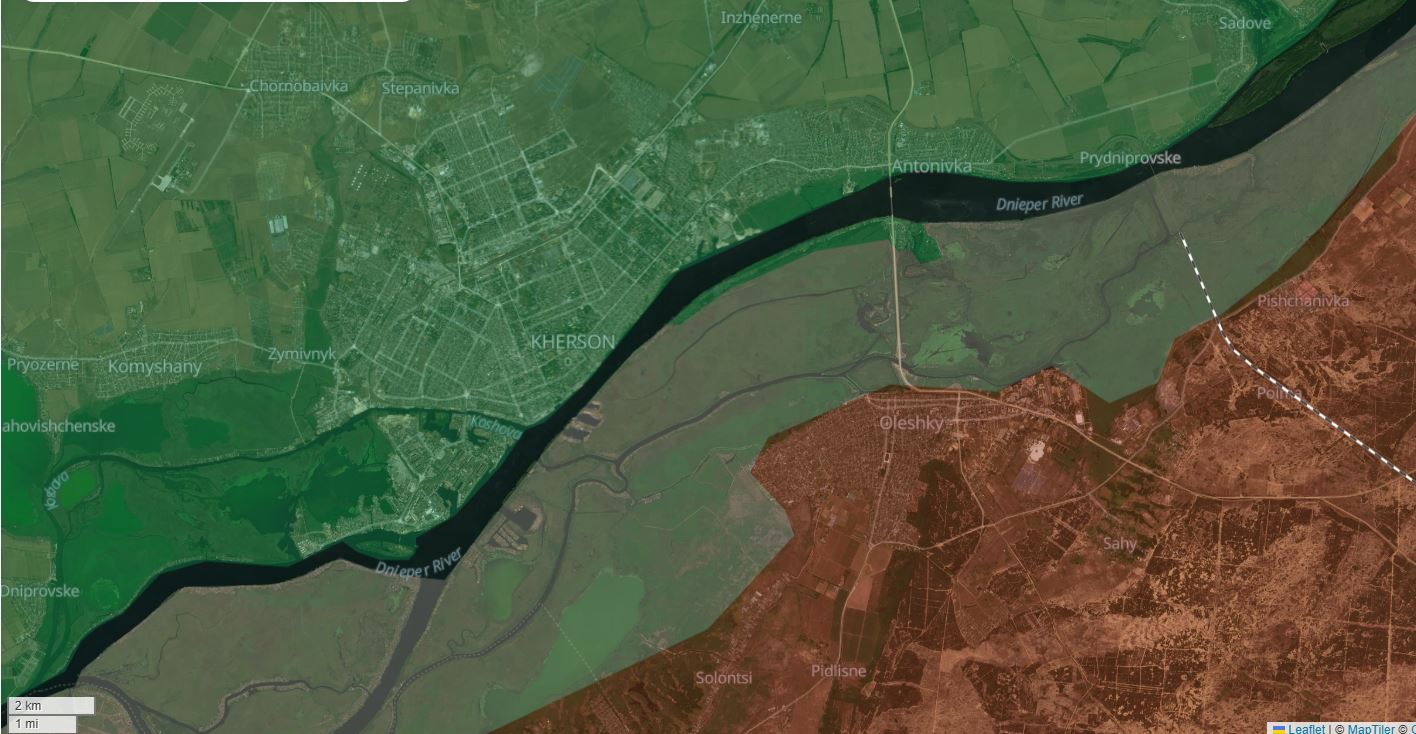
Ten Russian soldiers from a single regiment are accused of hunting civilians in Kherson with attack drones, and now face war-crimes charges filed in absentia, the Security Service of Ukraine (SBU) reported. Investigators say the operators tracked people through the streets and struck ambulances and rescue crews. The 10 are among those participating in a Russian long-lasting terror campaign against Khersoners known as a "human safari."
The drone hunters of one regiment
Counterintelligence officers built a case against 10 drone operators from the 404th Motorized Rifle Regiment, a territorial-defense unit in Russia's "Dnepr" Group of Forces, the SBU reported. The investigation found that the men tracked residents as they moved along Kherson's streets and launched drones at them. The drones carried shaped-charge and high-explosive fragmentation munitions.
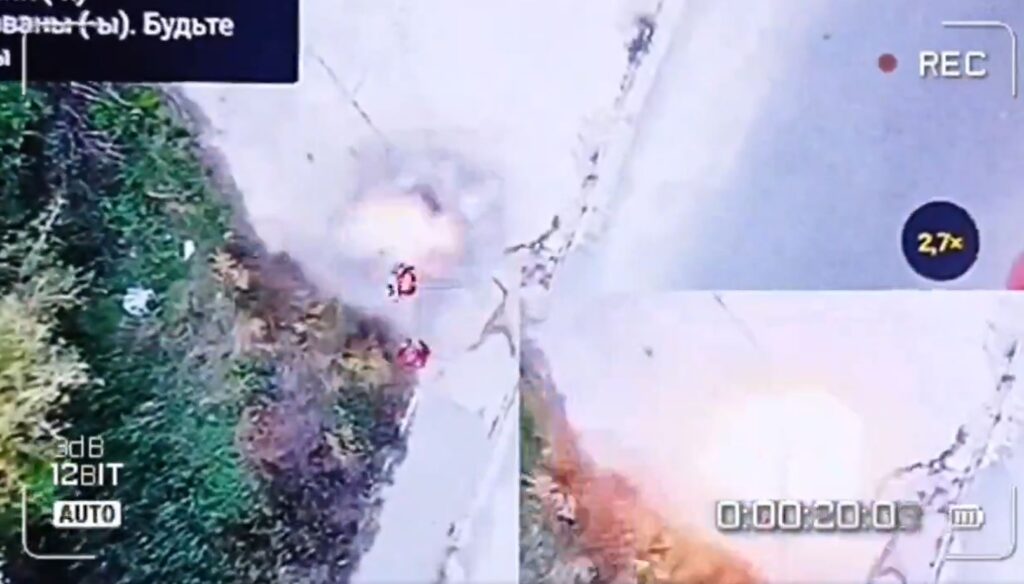
Residents and rights monitors call this campaign a "human safari," the hunting of people going about their ordinary days.
Kherson: human safari rages.
— Zarina Zabrisky
A Russian fiber optic FPV drone chases a car in a residential area; after civilians cut the cable, the drone falls, catches fire.
More drones hit cars.
10 injured as a drone attacks a bus.
Drones attack high rises, flying inside the windows. pic.twitter.com/eeaeyyJdz5(@ZarinaZabrisky) May 13, 2026

The 10 named operators
The SBU published each suspect's name and military call sign:
- Tsolak Grigoryan, call sign "Boroda"
- Nikita Gubar, "Drovosek"
- Nikolai Denisenko, "Gami"
- Vladimir Klimov, "Klim"
- Vyacheslav Kornenkov, "Skif"
- Viktor Nizhnikov, "Flyaga"
- Ruslan Nugaev, "Dok"
- Vladimir Orlov, "Yakut"
- Ivan Prusachenko, "Prus"
- Oleg Pukhlyakov, "Pulya"
russians continue their human safari in Ukraine.
— UAVoyager
They’re not just killing.
They’re hunting unarmed people like animals — from drones, to cheerful music.
This is not war. This is pure evil.
Anyone still justifying russia is standing on their side.
We will never forget. pic.twitter.com/GtrjNfaU0w
Ambulances and a double strike on rescuers
The documented episodes include attacks on civilian cars and residential blocks, the SBU said. Operators dropped explosives on ambulances at a city hospital. They also carried out a "double" strike on State Emergency Service (DSNS) rescuers who were clearing the aftermath of an earlier Russian shelling.
UN investigators have described this Russian method in Kherson: a first strike, then a second aimed at the people who come to help. Victims suffered shrapnel wounds, burns, and concussions, and civilian infrastructure took significant damage.
Russian soldiers attacked an ambulance in Kherson with a drone.
— Денис Казанський (@den_kazansky) June 4, 2026
Three medics were injured.
Another deliberate war crime. pic.twitter.com/xu3WFUQ2H0
Charged in absentia
Based on the evidence, SBU investigators notified all 10 of suspicion under Article 438 of Ukraine's criminal code, which covers war crimes. The notices were issued in absentia. SBU officers in Kherson Oblast led the investigation with the 79th Border Detachment of the State Border Guard Service (DPSU), under the oblast prosecutor's guidance. The agency said efforts to hold the operators accountable continue.
The case fits a wider pattern Ukrainian prosecutors have documented across the oblast in thousands of proceedings.
Read also
-
Russian operator saw funeral procession in Sumy on his screen and steered FPV drone into it, killing one person
-
“Human safari” and double strikes on medics: Ukraine’s UN envoy lays out the case to boot Russia from the Security Council
-
ISW: Russians “weaponizing civilian harm as an intentional tool of war” by pervasively employing human safari tactics
-
Russian drones hit ambulance and shop in Kharkiv Oblast, 3 dead and 20 injured
-
UN traces Kherson’s “human safari” up the chain of command — to Putin himself