Normal view

EU plans to ban Russian soldiers from bloc in fresh sanctions on Moscow

Banks, crypto firms and Kremlin oil reserves also targeted in 21st set of measures since full-scale invasion of Ukraine

The EU hopes to ban Russian soldiers from entering its territory as part of further sanctions against Moscow that also target banks, crypto firms and the Kremlin’s oil revenues.

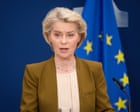
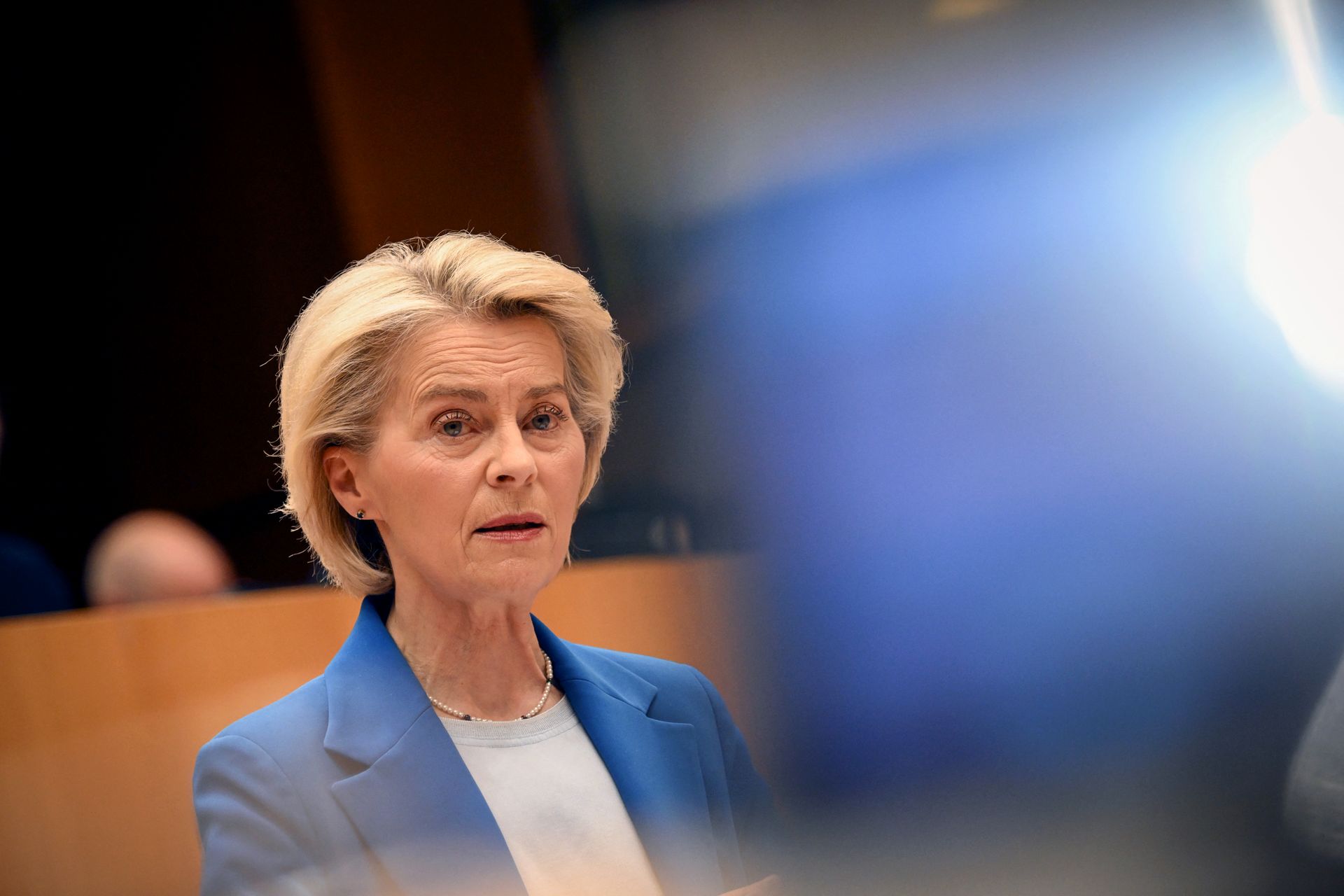
Announcing the proposals on Tuesday, the European Commission president, Ursula von der Leyen, said: “We propose for the first time to ban from entry into the European Union anyone who has served in the Russian armed forces since the beginning of the war. So Europe stays off limit for anyone who has participated in the invasion of Ukraine, as simple as that.”

Continue reading...

© Photograph: Thierry Monasse/Getty Images

© Photograph: Thierry Monasse/Getty Images

© Photograph: Thierry Monasse/Getty Images

Ukrainian parliament makes mixed progress on EU, IMF-mandated bills

9 June 2026 at 15:10
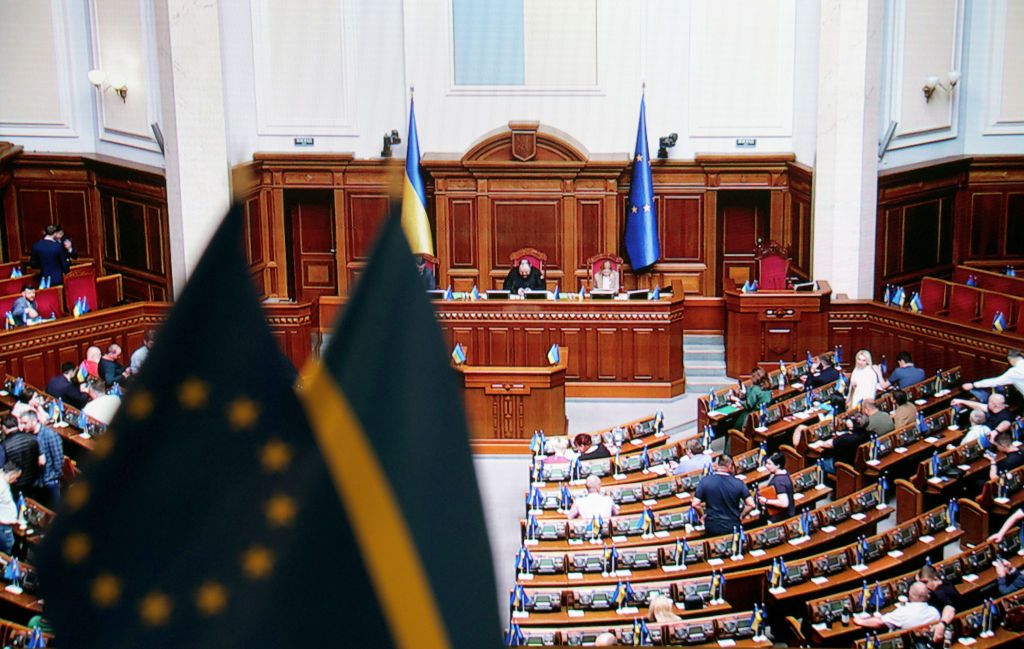
The Verkhovna Rada failed to gather enough votes for some bills demanded by the EU and the IMF, and one bill necessary for European integration was passed but was lambasted by experts as "imitation" rather than genuine progress.

Bulgaria’s new government plans to halt weapons supplies to Ukraine

9 June 2026 at 13:43

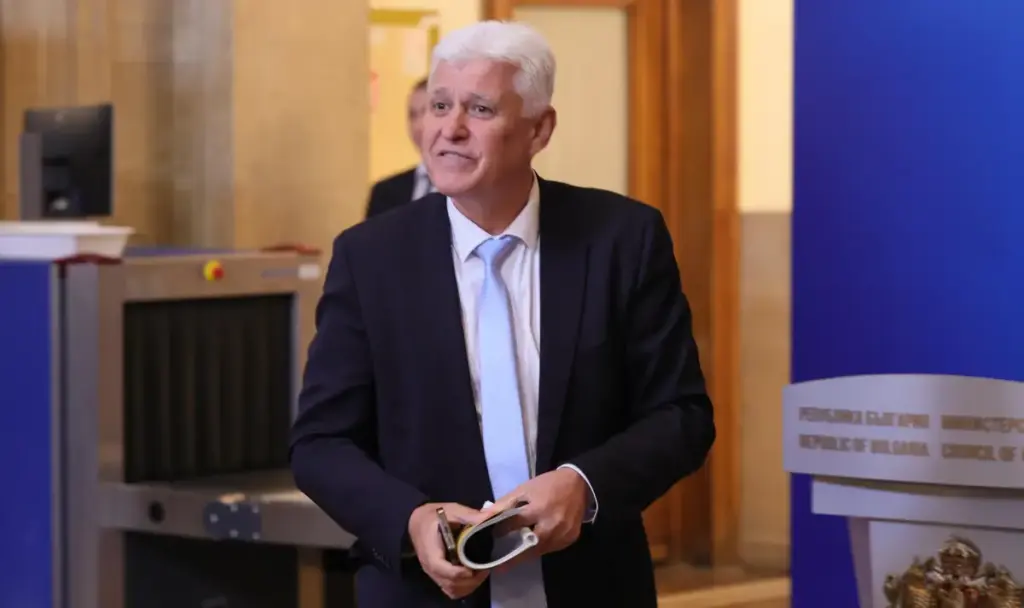
bulgaria's new government plans halt weapons supplies ukraine · post bulgarian defense minister dimitar stoyanov council ministers sofia fakti db news ukrainian reports

Bulgaria's new government plans to stop supplying weapons to Ukraine, a shift that breaks with the European Union's push to pressure Russia, Bloomberg reported. The country's Defense Minister tied the move to a call for negotiations rather than arms, echoing a prime minister who has long been hostile to military aid for Kyiv. 

A falling and rising tide of Russia-friendly governments across central Europe has steadily frayed the bloc's united front on arming Kyiv amid the ongoing Russian invasion, turning each national capital into a potential brake on support.

Government's excuses

Bulgarian Defense Minister Dimitar Stoyanov told reporters in Sofia on 9 June that his government would end weapons deliveries to Kyiv

"Ukraine needs more people, not more armament," he stated, and called instead for a "just peace that will be defined by both sides participating in the conflict." 

He added that the EU's role in any peace process is "extremely important." But the Bloc would struggle to act as a mediator, he claimed, after assisting Ukraine throughout the war.

opposition party Tisza
Explore further

Hungary unblocks $7.7 billion in EU arms payments after dropping two-year veto on Ukraine aid

A prime minister who opposes arming Kyiv

The stance reflects Prime Minister Rumen Radev, who has long held that the war cannot be won on the battlefield. Radev, a former air force commander and president until January, has repeatedly opposed the EU's military support for Ukraine. He has also called for lifting sanctions on the Kremlin, arguing they damage Europe's economy. In office for only a month, the Prime Minister has promised to expand Bulgaria's weight in joint European decisions.

A quiet arms pipeline now set to close

Bulgaria ranks among the EU's biggest producers of Soviet-standard ammunition. Those older Soviet-caliber shells proved crucial to Ukraine early in the war. The government officially refused direct military aid in 2022. Even so, Bulgarian shells reached the front through exports to other EU countries. Since 2022, Sofia has sent 13 packages of military aid, keeping their value and contents classified.

Bulgaria party
Explore further

Bulgaria approves new cabinet led by Rumen Radev — the ex-president who called Crimea Russian

The timing

The plan surfaced days after the leaders of France, Germany, and Britain urged the Kremlin to accept an immediate, complete ceasefire that would open talks on a lasting deal. Moscow has rejected Kyiv's offer to meet and negotiate an end to the full-scale invasion, launched more than four years ago.

The Times earlier called the rise to power of pro-Russian Radev a strategic success for Putin. 

No visas for Russian soldiers, no crypto, no fish — EU announces new Russia sanctions package

9 June 2026 at 13:10
The package will also include a freeze on the current pricing mechanism for Russia energy imports until the end of 2026, meaning Moscow won't be able to profit from rising prices resulting from the U.S. war on Iran.

Portugal among European countries that process most cocaine

9 June 2026 at 10:54
cocaine_1623757a.jpg

Portugal is among the European countries that process the most cocaine; in 2024, four laboratories in Portugal were dismantled and 23 tonnes of the drug seized – the sixth-largest quantity

The post Portugal among European countries that process most cocaine appeared first on Portugal Resident.

Altro che benessere, siamo nell’epoca del ‘guerressere’

By: A A
9 June 2026 at 10:30

Ferdinando BOERO

Segue nostro Telegram.

Ho fatto un sogno rivelatore, mi sono svegliato e ho scritto questo neologismo. Una parola volutamente sgraziata, che rende evidente la deformazione del benessere in qualcosa d’altro

Molte parole inglesi sono diventate italiane. Nessuno si preoccupa di sostituire computer, weekend, marketing, smartphone o welfare con equivalenti italiani. Sono parole che, a un certo punto, hanno smesso di apparire straniere. Anche welfare è ormai una parola italiana. Eppure la traduzione esiste: significa benessere, oppure stato sociale. Deriva da well-fare, “andare bene”, prosperare, vivere bene, in condizioni favorevoli. Da qualche tempo si sta affermando un’altra parola inglese: warfare. E si parla apertamente del passaggio dal welfare state al warfare state. Un cambiamento politico, economico e culturale in via di programmazione.

Le parole conducono messaggi e modellano la percezione della realtà. Il New Green Deal europeo proponeva una transizione ecologica fondata su investimenti pubblici, innovazione, protezione ambientale e sociale, trasformazione energetica. Un’idea di futuro legata al welfare. Oggi, invece, il linguaggio dominante è sempre più quello della sicurezza, della deterrenza, della preparazione strategica e del riarmo. Il programma inizialmente chiamato ReArm Europe, però, è stato ribattezzato Readiness 2030. L’obiettivo non cambia: aumento delle spese militari, rafforzamento dell’industria bellica, mobilitazione di centinaia di miliardi di euro per prepararsi a possibili conflitti. Ma il messaggio cambia eccome. “Riarmare l’Europa” suona aggressivo. “Prontezza 2030” sembra prudente, responsabile, quasi rassicurante. È il potere delle parole. “Preparazione” attenua ciò che “riarmo” rende evidente. Le parole inglesi, inoltre, hanno spesso un effetto anestetico: suonano tecniche, neutre. Warfare state suona quasi come una formula da think tank. “Società organizzata attorno alla guerra” suonerebbe molto più inquietante.

Scrivendo del passaggio da welfare a warfare, nel mio libro Le piume di Darwin, sentivo la necessità di rendere evidente il significato di quella transizione, e una notte ho sognato la parola. In sogno elaboriamo quel che pensiamo durante la veglia. Ho un taccuino accanto al letto e quando ho fatto il sogno rivelatore mi sono svegliato e ho scritto il neologismo: guerressere.

Una parola volutamente sgraziata, quasi fastidiosa, perché deve rompere la neutralizzazione linguistica. Deve rendere evidente la deformazione del benessere in qualcosa d’altro. Basta cambiare poche lettere: da well a war. Dal benessere al guerressere. Dal bene di benessere alla guerra di guerressere. Si può essere favorevoli al warfare senza comprenderne davvero il significato. Ma chi direbbe apertamente di essere favorevole alla guerra? Chi direbbe: voglio che la mia società si organizzi preventivamente attorno al conflitto permanente? Eppure è questo che sta accadendo. I politici lo hanno capito quando hanno cambiato Rearm in Readiness.

Gli Stati Uniti non sono mai stati un welfare state di tipo europeo. Non esiste una sanità pubblica universale. L’istruzione universitaria ha costi proibitivi per gran parte della popolazione. I senzatetto sono una componente strutturale delle città americane. In compenso gli Stati Uniti investono enormi risorse nella difesa, nell’apparato militare e nell’industria della sicurezza. Sono, in questo senso, un warfare state. Dopo aver conosciuto sulla propria pelle le devastazioni della guerra, l’ Unione Europea aveva costruito sistemi sanitari pubblici, istruzione accessibile, protezione sociale, diritti del lavoro. Il benessere collettivo era l’infrastruttura della stabilità politica. Ora vogliamo diventare altro.

E il cambiamento avviene anche attraverso il linguaggio. Le parole non descrivono soltanto la realtà: contribuiscono a costruirla. Se dici Readiness 2030 stai già rendendo più accettabile ciò che ReArm Europe rendeva troppo evidente. Se dici warfare invece di guerra, attenui il significato del termine. E quindi ecco una parola nuova, persino sgradevole, per capire meglio cosa stiamo programmando. Guerressere. Non è accattivante, come petaloso, nasce per essere disturbante.

La società progressivamente si organizza mentalmente, economicamente e culturalmente attorno all’idea permanente del conflitto. Una società che sposta risorse dalla salute, dall’istruzione, dalla ricerca, dagli ecosistemi, verso la sicurezza e la preparazione militare. Come se gli arsenali potessero proteggerci dal collasso climatico, dalla degradazione degli ecosistemi, dalla perdita delle condizioni biofisiche che rendono possibile il benessere stesso. Il Green Deal riconosceva che non può esistere welfare senza gli ecosistemi che lo rendono possibile.

Nel welfare il cittadino è qualcuno da proteggere. Nel guerressere è qualcuno da mobilitare; è inquietante che il passaggio dal welfare, dal benessere, al guerressere sia presentato come inevitabile, quasi naturale. Non lo è. È una scelta politica, economica e culturale gigantesca. E le parole che scegliamo servono anche a decidere se vogliamo davvero accorgercene. Nel Green Deal il nemico da battere erano sistemi produttivi che minano le nostre prospettive di benessere, e l’Unione Europea si metteva all’avanguardia in questa decisione di responsabilità, spronando tutta l’umanità a contribuire. Col passaggio al guerressere i nemici sono gli “altri” e la soluzione è armarci fino ai denti. Siamo sicuri che sia questo quello che vogliamo?

Articolo originale ilfattoquotidiano.it

EU quota system ‘could kill Ukrainian steel industry’, boss says

9 June 2026 at 07:00

Protectionist measures will deal blow to country’s budget as it defends itself against Russia, says Metinvest chief

New EU limits on steel imports could destroy Ukraine’s industry and deal a big blow to the country’s budget as it defends itself against Russia, according to the head of its biggest steelmaker.

Yuriy Ryzhenkov, the chief executive of Metinvest, said the new EU quota system due on 1 July could “kill the Ukrainian steel industry”.

Continue reading...

© Photograph: Reuters

© Photograph: Reuters

© Photograph: Reuters

❌