Normal view

Greece’s Property Market Turns to Older Homes Amid New Housing Shortage

5 June 2026 at 14:51
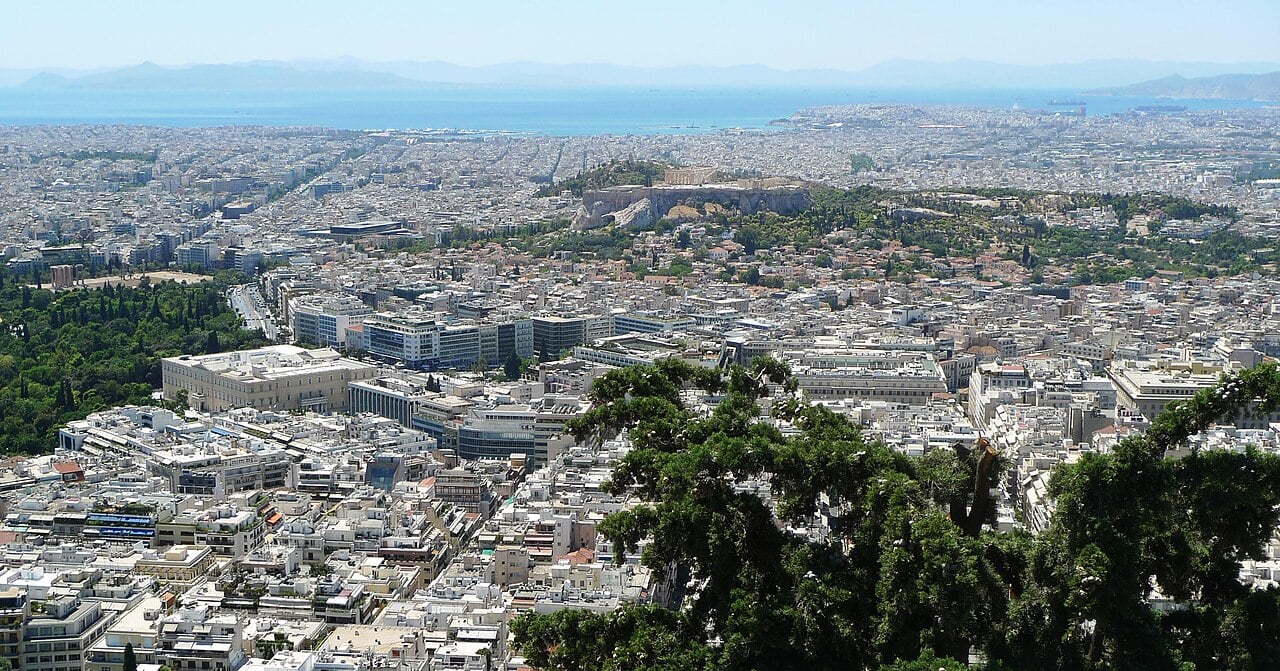
Panoramic view of Athens from above, with the Acropolis visible in the center and dense urban housing stretching toward the sea.
A general view of Athens, where older residential properties continue to dominate Greece’s housing market. Credit: Wikimedia Commons / Dimboukas / CC BY-SA 3.0.

More than seven in ten property purchases in Greece in 2025 involved residential homes, with three-quarters of those sales concerning buildings over twenty years old, underscoring the country’s persistent shortage of new housing. The figures point to a structural imbalance in the Greek real estate market in which limited construction in recent years has failed to keep pace with demand.

As a result, buyers continue to turn to older properties, particularly in the country’s largest urban centers. Residential properties accounted for 74.8 percent of all property sales in 2025. Plots of land followed at 14.3 percent, agricultural land at 5.8 percent, and commercial properties at 5.1 percent.

The data comes from REMAX Greece, a real estate network, and is based on thousands of completed transactions recorded through its ninety offices and more than 1,200 agents nationwide.

Three-quarters of homes sold were over 20 years old

Homes more than twenty years old represented 75.6 percent of residential property sales across Greece. Newly-built homes, defined as properties up to five years old, accounted for just 12.3 percent of sales.

Properties aged six to ten years represented only 0.3 percent of transactions, while homes aged 11 to 15 years accounted for 2 percent. Properties aged 16 to 20 years made up 9.8 percent of residential sales.

The dominance of older housing reflects the limited availability of newer homes in the Greek market. Where newly built properties are available, however, they remain highly attractive to buyers because they offer modern energy efficiency standards and better meet contemporary living needs.

Athens reflects national trend

In Attica (Greater Athens), residential properties accounted for 85.3 percent of sales. Commercial properties and land plots each represented 7.2 percent.

Older housing stock was even more dominant in the capital region. Homes more than twenty years old made up 86.2 percent of residential sales in Attica, while newly built properties up to five years old represented only 3.3 percent.

Land purchases also gained ground in Attica. Plots and agricultural land combined rose by 1.8 percent year-on-year, indicating growing buyer interest in development opportunities amid the shortage of available modern housing.

Older homes drive Greece’s property market in Thessaloniki

A similar picture emerged in Thessaloniki, where residential properties represented 87.4 percent of total sales. Commercial properties followed at 8.7 percent. As in Athens, older homes dominated the market. Properties more than twenty years old accounted for 87 percent of residential sales in Thessaloniki, while newly-built homes represented just two percent.

The figures underline the depth of Greece’s housing supply challenge. Demand for residential property remains strong, but the limited availability of newly built homes continues to push buyers toward older stock across the country’s largest real estate markets.

Ancient Wall in Greece Collapses Into Family’s Yard, Trapping Them Between Safety and Heritage Rules

5 June 2026 at 01:20
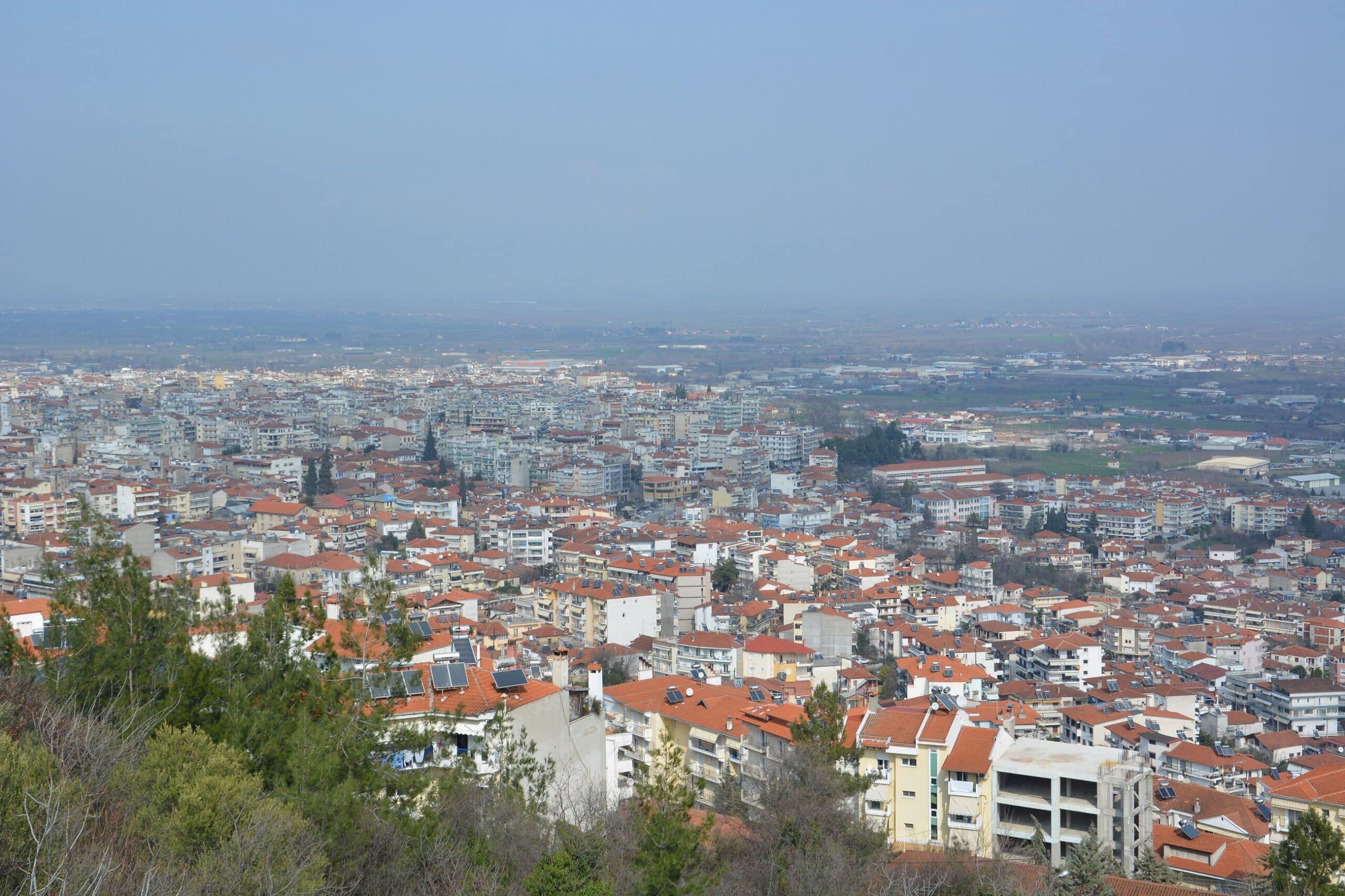
Panoramic view of Veria, Greece
Panoramic view of Veria, Greece, where part of an ancient wall recently collapsed into a private yard near the Archaeological Museum. Credit: Zisis Tsampalis / Wikimedia Commons / CC BY-SA 3.0

A section of an ancient wall in Veria, northern Greece, collapsed into the backyard of a private home, raising safety concerns for residents and triggering a dispute between local authorities over who must remove the fallen stones.

The incident occurred near the Archaeological Museum of Veria, in Central Macedonia, where parts of the city’s historic fortifications still stand close to residential properties. Large stones from the wall fell into the yard, where children reportedly play, leaving the family worried about further collapses, especially during heavy rainfall.

Residents say the problem has not only created a physical hazard but has also exposed a familiar challenge in Greece: the difficulty of managing ancient heritage when it intersects with everyday life.

Homeowner caught between heritage rules and safety risks

The homeowner told local broadcaster MEGA that he has become caught in a bureaucratic dispute between the Ephorate of Antiquities and the Municipality of Veria.

The homeowner said the Ephorate of Antiquities treats the wall as a monument under its authority, while the municipality argues the fallen stones are now debris on private property.

However, he says officials told him they do not have enough workers to remove the fallen stones. Meanwhile, the municipality reportedly argues that once the stones landed inside private property, they became rubble and therefore the homeowner’s responsibility.

The homeowner says this leaves him in an impossible position. On the one hand, authorities allegedly told him to arrange the cleanup himself. On the other hand, he says he received instructions not to touch the stones because they form part of an ancient monument and may be needed for future restoration work.

As a result, the family fears that moving the material could expose them to accusations of mishandling antiquities. For now, residents say the authorities have placed two containers at the site, but they have not delivered a permanent solution.

Βέροια: Κατέρρευσε τμήμα αρχαίου τείχους στην αυλή του#ingr #news #βεροια pic.twitter.com/qL3s3A4AZY

— in.gr/news (@in_gr) June 4, 2026

Ancient stones, modern bureaucracy

The collapse has sparked frustration in Veria because it highlights the tension between heritage protection and public safety. Greece’s archaeological landscape often overlaps with homes, roads, and modern infrastructure, especially in cities with continuous habitation from antiquity to the present day.

Veria is one such city. Located in Central Macedonia, it has deep historical roots and played an important role in ancient, Roman, Byzantine, and Ottoman periods. According to the Ephorate of Antiquities of Imathia, evidence suggests that Veria acquired a city wall and a basic urban plan around the second half of the 4th century BC.

That historical depth gives the city much of its cultural value. However, it also creates practical responsibilities. When ancient remains stand beside private homes, any damage or deterioration can quickly turn into a matter of both archaeology and civil protection.

Residents in Veria, Greece urge action after ancient wall collapse

Residents have urged the competent authorities to intervene quickly, warning that more sections of the wall could collapse. Their main concern remains the safety of children and families who live next to the site.

The case now raises broader questions about how local and national authorities should coordinate when protected monuments create risks in residential areas. While the stones may hold archaeological value, residents argue that the authorities must act before the situation causes an injury.

Free Camping in Greece: Tourists Face €300 Fines and Possible Arrest

4 June 2026 at 19:01
Tents set up for free camping on Falasarna beach in Crete, Greece.
Tents are seen on Falasarna beach in Crete. Free camping outside organized sites remains illegal in Greece and can lead to fines and criminal penalties. Credit: Flickr / Sergio Alvarez / CC BY NC SA 2

As the summer season begins, Greek authorities are stepping up checks on free camping, a practice that remains illegal outside organized sites and continues to spark debate across Greece.

For many travelers, pitching a tent near the sea is seen as an affordable and alternative way to enjoy the holidays, especially as the cost of living continues to put pressure on households. In Greece, however, camping outside licensed facilities remains prohibited and can lead to fines, criminal proceedings, and even jail time.

Free camping remains illegal outside organized sites in Greece

Under Law 392/1976, the installation of tents, the parking of caravans for overnight stays, and camping in general are banned on beaches, in forests, near archaeological sites, and in other public areas that are not officially designated for that purpose.

Greek law allows camping only in organized and licensed facilities, such as official campsites. Those who violate the rules may face administrative fines, while in certain cases authorities can also initiate criminal procedures, including arrest under the fast-track process.

A notable case occurred last summer at Thapsa beach in Evia, where the presence of hundreds of tents sparked strong reactions and led to intervention by local authorities. Campers were removed from the area, while surveillance and inspections were increased.

Fines reaches €300 per person, tent, or vehicle

Under the current rules, those caught free camping in Greece face an administrative fine of €300 ($348) per person, tent, or vehicle.

In more serious cases, offenders may also face criminal penalties. These can include imprisonment of up to six months or a court-imposed financial penalty. The total fine imposed by the courts can reach up to €3,000 ($3,488).

Skiathos arrests renew the debate

The issue resurfaced this week after authorities arrested two men for allegedly free camping on a beach in Skiathos on Monday afternoon.

According to local reports, the case drew further criticism because the campers had allegedly left waste in the surrounding area, showing disregard for other beachgoers and the local environment.

Similar incidents are reported from time to time across Greece, especially in areas where free camping has long been tolerated informally. In some destinations, a decades-old practice and an unofficial understanding between campers, local authorities, and local stakeholders have often existed alongside a legal framework that strictly prohibits the activity.

Supporters point to affordable and alternative tourism

Supporters of free camping argue that it offers a closer connection with nature and gives people a cheaper way to travel at a time when accommodation and holiday costs have risen sharply.

They also point to examples from other European countries, where more flexible systems allow responsible camping in open, non-organized spaces under specific conditions. According to this view, Greece could adopt a more regulated model that permits free camping in selected areas, provided strict environmental rules are followed.

Authorities warn of environmental risks from free camping in Greece

Authorities and environmental organizations, however, argue that uncontrolled camping can put serious pressure on natural areas.

Their concerns include the accumulation of waste, damage to sensitive ecosystems, and an increased risk of fires, especially during the summer months when Greece faces high temperatures and dry conditions.

They also note that the absence of organized infrastructure makes it difficult to manage large numbers of visitors in protected or remote areas. The lack of sanitation facilities, waste collection, fire protection measures, and supervision is often cited as one of the main reasons the Greek state continues to restrict free camping outside licensed sites.

Greece Tightens Security Ahead of Global Hells Angels Gathering

4 June 2026 at 02:05
Hells Angels bikers gather at an event
Greece prepares security measures ahead of an expected international Hells Angels event. Credit: Kim Ludbrook/EPA via AMNA

Greece is stepping up cooperation with European law enforcement agencies as it prepares for a major Hells Angels gathering expected in the country. Authorities have opened cooperation channels with police services across EU member states to share information on individuals considered to be of “high interest.”

The move comes as Hells Angels bikers from several countries are expected to travel to Greece for what has been described as an international “jamboree.” Greece’s National Intelligence Service, EYP, has also prepared an assessment of the activities and organizational structure of Hells Angels chapters operating in the country.

Greece coordinates with EU police before gathering

The expected arrival of bikers from abroad has prompted Greek authorities to seek closer intelligence-sharing with European partners. Officials are focusing on identifying and monitoring individuals who may already be known to police or intelligence services.

This type of cooperation is important because outlaw motorcycle groups often maintain a cross-border presence, making coordination between national authorities a key part of security planning. Greek authorities are handling the gathering not only as a domestic policing matter but also as an issue with a wider European security dimension.

Hells Angels’ global network draws law enforcement attention

Hells Angels ranks among the world’s largest motorcycle clubs, with thousands of members and hundreds of chapters across dozens of countries. The organization presents itself as a brotherhood of motorcycle enthusiasts whose members organize rides, social gatherings, and charitable events.

However, law enforcement and intelligence agencies in Europe and North America have linked parts of the club to organized criminal activity. Europol and national police services have repeatedly warned that outlaw motorcycle gangs remain a transnational security concern. Authorities say such groups have been connected to criminal networks operating across borders.

US authorities scrutinize Hells Angels and other biker gangs

In the United States, authorities commonly group Hells Angels with three other major outlaw motorcycle gangs: the Pagans, the Outlaws, and the Bandidos.

Law enforcement officials have alleged that some members and certain chapters have been connected to crimes such as drug trafficking, stolen property networks, extortion, and other organized criminal activity.

Hells Angels disputes any characterization of the wider club as a criminal organization, arguing that illegal behavior, where it occurs, should be attributed to individuals rather than the association itself.

Greece Invests €131M in Aquaculture as Abandoned Fish Farms Raise Alarm

3 June 2026 at 23:06
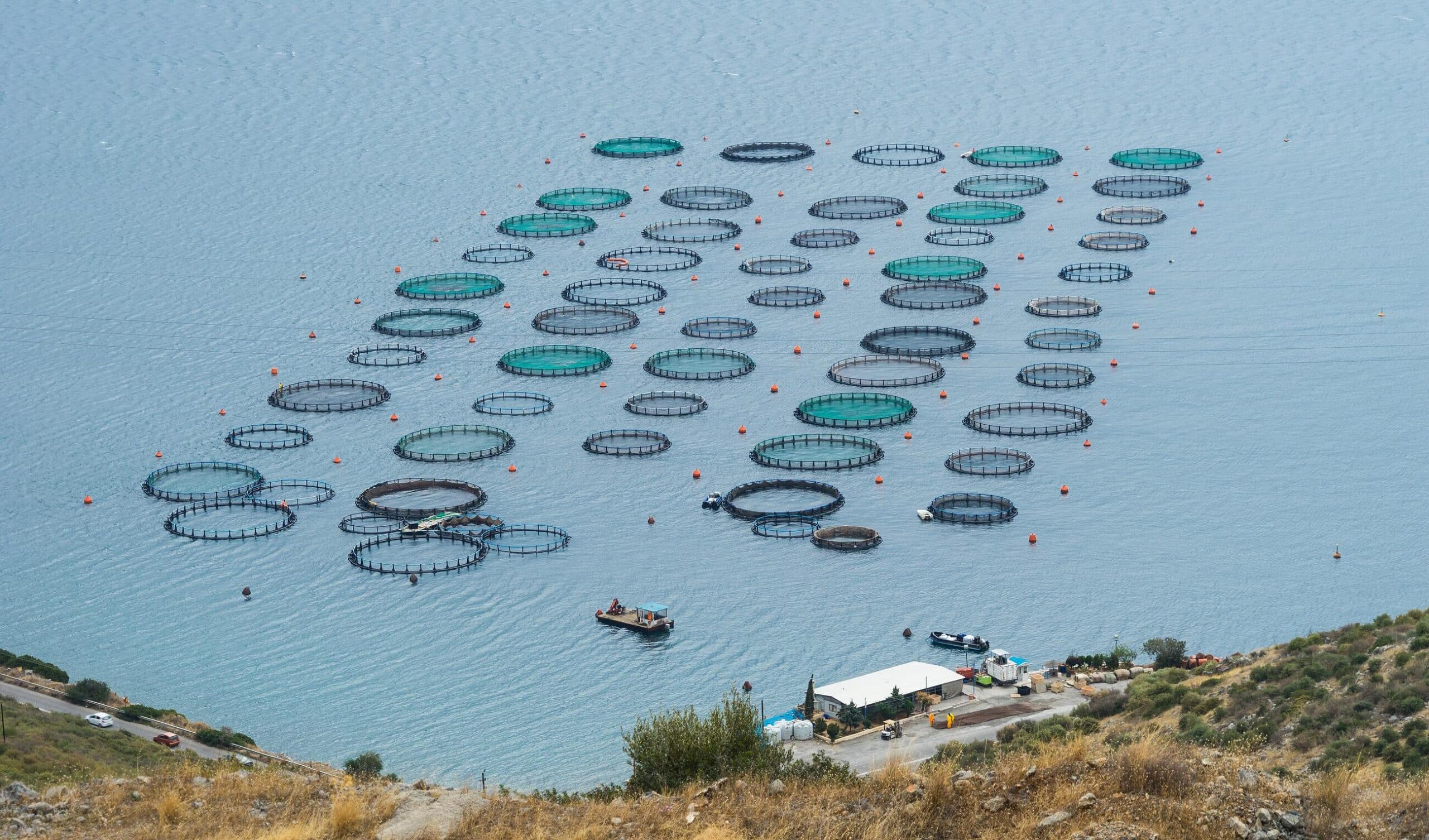
Fish farming cages floating in the sea near Amarynthos in Euboea, Greece.
Fish farming cages in Greek waters, as Greece accelerates aquaculture investment while abandoned fish farms raise environmental and maritime safety concerns. Credit: Wikimedia Commons / Jebulon / Public Domain

Greece is accelerating investment in its aquaculture sector, approving 105 new projects worth €131 million ($151,9 million), while abandoned fish farms continue to raise environmental and maritime safety concerns.

Greek Rural Development and Food Minister Margaritis Schinas said Wednesday that the approved investment plans include €87 million ($100 million) in public funding. Speaking at the opening of the 14th session of the Scientific Advisory Committee on Aquaculture of the General Fisheries Commission for the Mediterranean, he outlined the government’s plan for a more competitive, sustainable and resilient aquaculture industry.

Greece targets growth in aquaculture

According to Schinas, the government increased the original budget allocation from €71 million ($82 million) to €78 million ($90 million) to support all aquaculture projects that received a positive evaluation. He described the package as one of the most important investment interventions in the sector in recent years.

The funding will help modernize production facilities, encourage innovation, support digital transformation and strengthen the global competitiveness of Greek aquaculture. The government aims to achieve average annual production growth of 5 percent through the end of the decade.

Schinas also linked the future of aquaculture to broader challenges facing Europe, including food security, climate change, sustainable development and the protection of natural resources. “The question facing the Mediterranean today is how to produce more and better food without exhausting the natural resources on which production itself depends,” he said, adding that the answer lies in cooperation, scientific research, innovation and a shared European and Mediterranean vision.

A major export industry for Greece

Aquaculture is already one of Greece’s most important export-oriented food sectors. Schinas said the country currently has around 285 marine fish farming units, more than 400 shellfish farming operations and 24 hatcheries.

Government estimates put annual production at nearly 141,000 metric tons, while the sector supports more than 10,000 direct and indirect jobs. About 80 percent of Greek aquaculture output is exported.

“Greek fish has evolved into a true ambassador for our country,” Schinas said.

Abandoned fish farms raise pollution concerns in Greece

The investment push comes as Greece is also dealing with the environmental legacy of abandoned aquaculture sites, sometimes described as “ghost farms.”

These sites are fish farms that operators have left behind, often with nets, cages and other infrastructure still in the sea. Over time, abandoned nets, plastics, tiles and timber can pollute nearby waters, harm marine life and create risks for shipping.

The issue gained renewed attention in February 2026, when a large fish-farming ring was spotted drifting in the Ionian Sea before ending up near Ithaca. The structure had entered a route used by passenger vessels, prompting the Coast Guard to intercept it over safety concerns.

Modi site removed after pressure

Abandoned aquaculture structures previously recorded near Modi in western Greece have since been removed by the operator and reportedly sent for recycling. Healthy Seas had identified the site years earlier through surveys conducted with Ghost Diving Greece and the Greek NGO OZON. The groups recorded four aquaculture rings there and considered them inactive.

After the drifting-ring incident near Ithaca, Healthy Seas examined a possible connection with the Modi site. The organization said the type of ring was unusual for the area, making the possible link difficult to ignore.

Following cooperation with authorities, media exposure and formal correspondence with competent bodies, the Coast Guard carried out a new inspection at Modi. Authorities later confirmed that the structures previously recorded there had been removed. The operator reportedly told the Coast Guard that the structures had been transferred to a recycling company.

The operator is said to have denied that the drifting ring came from its facility. Still, regardless of the ring’s origin, one more abandoned aquaculture site has now been cleared from Greek waters.

Aquaculture in Greece
Aquaculture in Greece. Credit: EU Directorate-General for Maritime Affairs and Fisheries

Abandoned Fish Farms Challenge Sustainable Aquaculture in Greece

For environmental groups, the case shows that abandoned aquaculture infrastructure is not only a marine pollution problem. It can also become a safety risk when structures break loose and drift into busy waters. Veronika Mikos, director of Healthy Seas, said the case points to a new way of dealing with abandoned fish-farming infrastructure.

“For years our work has focused mainly on the physical removal of abandoned aquaculture infrastructure from the sea,” Mikos said. “What makes this case important is that it points to another possible path: strategic engagement, institutional pressure and coordinated action that can encourage operators to assume responsibility themselves before these structures become even more serious environmental or maritime hazards.”

The challenge for Greece is now twofold: expanding a high-value export industry while ensuring that old or inactive facilities do not remain in the sea long after production has stopped.

Greek Army Begins New Era as First Women Volunteers Report for Service

3 June 2026 at 19:45
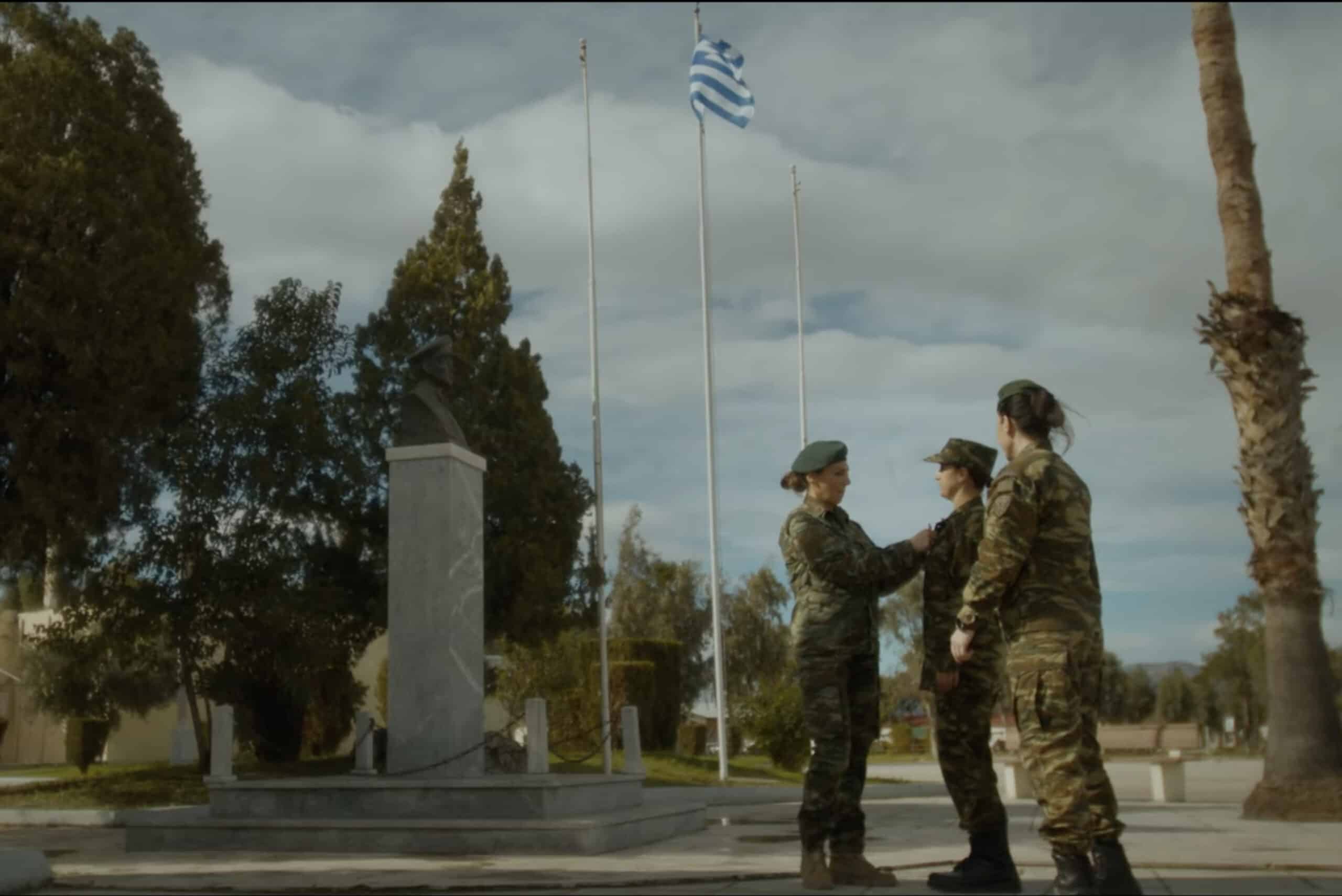
Women in Greek military uniforms stand near a monument and the Greek flag during an armed forces ceremony.
Women volunteers in Greece’s armed forces during a military ceremony. Credit: Screenshot / Hellenic Army General Staff video.

Greece’s armed forces will welcome the first women volunteers for military service this week, marking a significant shift in the country’s defense recruitment policy.

The first female volunteers will report for duty on Thursday as part of the Hellenic Army’s 2026 second conscription intake, which began this week and will continue through June 5. They will train at an army base near Lamia, a city in south-central Greece.

Women in Greece join voluntary military service

Under the new program, women aged 20 to 26 can apply for voluntary military service if they meet the required military fitness standards and have no felony convictions.

They will serve for 12 months, under the same duration, obligations, and conditions that apply to male conscripts in Greece.

The initiative opens a new path for women to take part more directly in national defense. In Greece, military service has traditionally remained compulsory for men, while women have not faced the same obligation.

Same benefits for women volunteers in Greece’s armed forces

Female volunteers can also join the selection process for reserve officer training, under the same criteria that apply to male conscripts.

They will gain access to military hospital services and receive additional points in certain public-sector hiring procedures. The state will also recognize their period of service as professional experience, giving the program potential value beyond the military.

Officials have presented the initiative as both a contribution to national defense and an opportunity for women to gain training, experience, and qualifications that could support their future careers.

Greece expands recruitment amid defense reforms

The launch of voluntary military service for women comes as Greece pushes ahead with broader reforms to modernize the armed forces, improve readiness, and strengthen recruitment and retention.

Ahead of the launch, the Hellenic Army General Staff carried out a public information campaign encouraging women to apply. The campaign described voluntary service as a way for women to contribute to Greece’s defense while gaining educational and professional benefits.

The arrival of the first female volunteers marks an important test for Greece’s new model of military participation, as the country seeks to broaden the pool of potential recruits and adapt its armed forces to changing defense needs.

Greece Issues Demarche to Ukraine Over Naval Drone Near Lefkada

3 June 2026 at 17:35
Ukraine Ukranian marine drones
An armed naval drone was discovered by fishermen off Lefkada on May 7, prompting Greece to issue a formal demarche to Ukraine. Credit: AMNA

Greece has issued a formal diplomatic demarche to Ukraine after fishermen discovered an armed naval drone off the island of Lefkada on May 7. Athens warned that the incident endangered maritime traffic, civilians, the environment, and national security.

Greek Foreign Ministry spokesperson Lana Zochiou said during the regular briefing of diplomatic correspondents that Athens formally raised the issue with Kyiv after authorities found the unmanned surface vessel inside Greek territorial waters.

According to Zochiou, Greece’s protest note stressed that the naval drone posed a serious threat to maritime navigation and could have cost innocent lives. Athens also warned that the presence of an armed unmanned vessel in Greek waters could have caused major environmental damage.

Greece warns against moving war operations to the Mediterranean

The Greek government said the incident raised broader security concerns, as it appeared to bring military activity linked to the war in Ukraine into the Mediterranean, far from the actual battlefield.

“The transfer of war operations to the Mediterranean, at a great distance from the real front of the war, puts our national security at risk and deals a decisive blow to our national economy,” the protest note stated, according to Zochiou.

For Greece, the presence of an armed naval drone in its waters carries particular sensitivity because the country relies heavily on shipping, tourism, fishing, and maritime security. Athens made clear that it would view any expansion of war-related activity into the Mediterranean as a direct threat to Greek interests.

Greece is considering a diplomatic protest to Ukraine after an explosive naval drone was found off Lefkada.
Ukrainian naval drone found off Lefkada island, Greece. Public Video Screenshot

Greece’s demarche to Ukraine says self-defense doesn’t justify drone incident

Greece also told Ukraine that Kyiv’s right to defend itself against Russia cannot justify actions that endanger Greek territory, civilians, or maritime activity.

“The right of Ukraine to self-defense cannot justify such actions,” Athens stated in the diplomatic demarche.

The Greek government strongly objected to the illegal presence of the armed unmanned surface vessel in Greek territorial waters and called on Ukraine to avoid similar actions in the future.

Athens also urged Kyiv to refrain from what it described as the unjustified transfer of military operations to the Mediterranean.

❌