Normal view

SpaceX запустила Falcon 9 с 29 спутниками Starlink, первая ступень выполнила 27-й полёт

13 June 2026 at 09:10

12 июня компания SpaceX успешно вывела на орбиту 29 спутников системы Starlink. Запуск ракеты Falcon 9 прошёл со стартового комплекса SLC-40 на мысе Канаверал во Флориде в 15:37 по московскому времени, сообщает ixbt.com.

Миссия Starlink 10-54 прошла без сбоев. Все этапы полёта прошли штатно, начиная со старта и заканчивая выводом 29 спутников на требуемую околоземную орбиту.

Первая ступень ракеты с серийным номером B1080 выполнила уже 27-й полёт. После отделения она успешно вернулась и приземлилась на автономную морскую платформу A Shortfall of Gravitas (ASOG) в Атлантическом океане.

Запуск произошёл накануне долгожданного события для SpaceX — первичного публичного размещения акций, которое обеспечит Илону Маску статус триллионера.

Запуск ракеты Falcon 9 с новыми спутниками Starlink
Фото: SpaceX
Первая ступень Falcon 9 после посадки
Фото: SpaceX
Запуск Falcon 9 с миссией Starlink 10-54
Фото: SpaceX
Вторая стадия ракеты Falcon 9 на орбите
Фото: SpaceX

SpaceX запустила Falcon 9 с 29 спутниками Starlink, первая ступень выполнила 27-й полёт • Опубликовано на FiNE NEWS

¿Vale SpaceX 2 billones de dólares? Poner precio a la colonización de Marte divide a Wall Street

13 June 2026 at 04:25

La salida a Bolsa de SpaceX ha situado a los inversores ante uno de los ejercicios de valoración más complejos de los últimos años. La compañía del magnate estadounidense Elon Musk ha debutado en el mercado con una valoración cercana a los dos billones de dólares (unos 1,7 billones de euros), una cifra que la que se sitúa entre las empresas más valiosas del mundo, pero que ha reabierto un debate en Wall Street sobre cómo poner precio a negocios cuya valoración depende tanto de expectativas futuras como de la fe en algo tan abstracto a día de hoy como los viajes espaciales y la colonización de Marte.

Seguir leyendo

💾

©

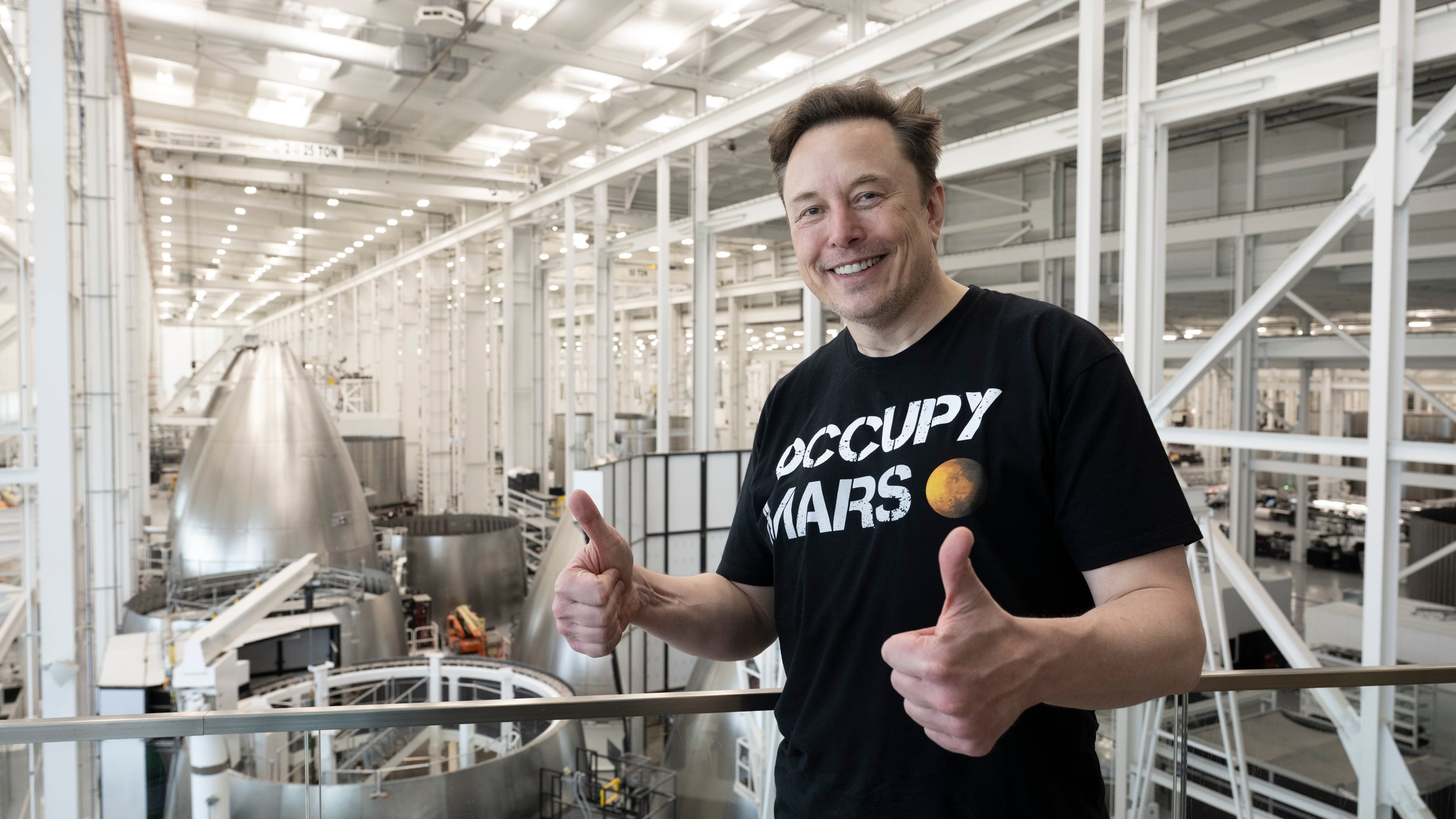
Elon Musk en las instalaciones de SpaceX en Brownsville, Texas.

В России запретят продажу нелегальных спутниковых терминалов без радиочастот

12 June 2026 at 15:30

Государственная Дума приняла закон, который запрещает продажу спутниковых терминалов без выделенных радиочастот. Об этом сообщил «МК».

Поправки входят в пакет под названием «Антифрод 2.0» и были одобрены во втором и третьем чтениях. Согласно новым правилам, оборудование без согласованных частот не сможет легально продаваться в России. Онлайн-магазины, торгующие такими устройствами, будут ограничены в работе и внесены в реестр запрещённых интернет-ресурсов.

Под новыми ограничениями в первую очередь попадёт приемное оборудование американской компании Starlink. Более сотни российских интернет-магазинов и торговых площадок предлагают такие терминалы, однако Государственная комиссия по радиочастотам не выделяла для них частоты. Кроме того, эти устройства не имеют российских сертификатов соответствия.

Спутниковые терминалы иностранного производства дают возможность обходить принятые в России ограничения, так как они не интегрированы в систему оперативно-розыскных мероприятий. Это позволяет использовать их в мошеннических схемах, а также создает конкуренцию отечественным спутниковым проектам.

Переход на сайт «Компас Жизни»На кухне часто скапливаются вещи, которые мешают готовке. Узнайте, почему лишние вещи на кухне тормозят готовку и что точно убрать первым делом.

Ранее правительство ввело полугодовой запрет на ввоз этих устройств, однако продажа через онлайн-площадки сохранялась. После вступления в силу новых норм доступ к нелегальному оборудованию должен существенно сократиться.

В России запретят продажу нелегальных спутниковых терминалов без радиочастот • Опубликовано на FiNE NEWS

Ukraine suffocates Crimea: Besieged access routes by land, sea, and air leave the peninsula without fuel

12 June 2026 at 12:37

Located hundreds of miles from the front, the R-280 Novorrosiya highway was, until a few months ago, not only a quiet route between southern Russia and Crimea. It was arguably the Kremlin’s biggest strategic achievement in four years of war in Ukraine. This land corridor along the Sea of Azov freed Russian logistics from relying on its massive Kerch Strait bridge to supply the peninsula, annexed by Moscow in 2014, and the forces deployed in the Kherson and Zaporizhzhia regions. However, new Ukrainian weapons have made all routes to Crimea extremely perilous, a situation comparable to the blockage of the Strait of Hormuz in the Persian Gulf, giving Kyiv new leverage to pressure Moscow. Crimea, the jewel of Putinism and a pilgrimage destination for Russian tourists, is no longer safe and is running out of fuel.

Seguir leyendo

© Alexey Pavlishak (REUTERS)

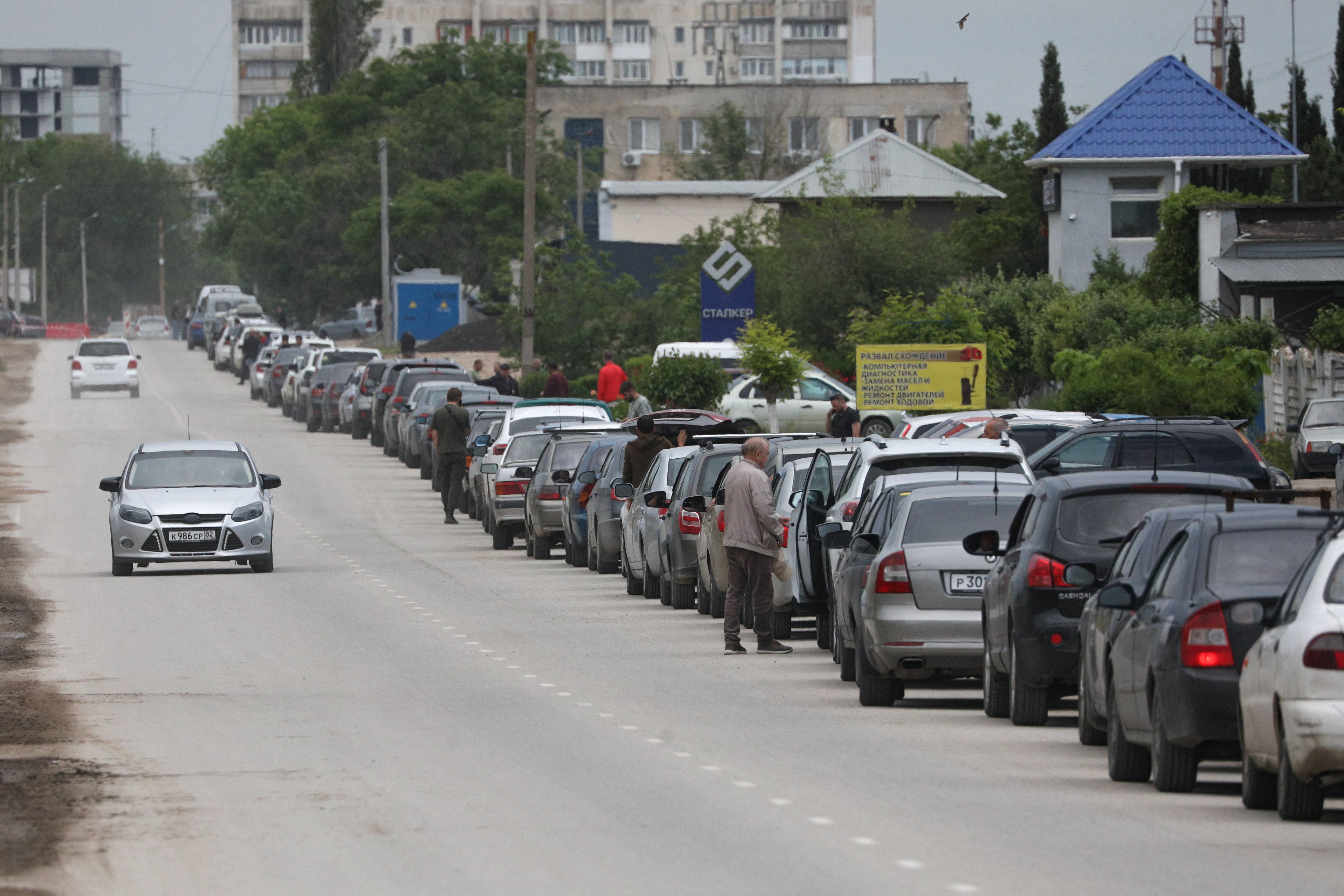
Cars waits to fill up on gas in the city of Yevpatoria, Crimea.

SpaceX raises $75B in record-breaking IPO

12 June 2026 at 11:44

SpaceX raised a total $75 billion in an historic initial public offering (IPO), pricing 555.6 million shares at $135 each with trading set to begin later today on the Nasdaq stock exchange.

The listing is the biggest of all time, more than doubling the value of Saudi company Aramco’s stock market debut in 2019 which raised around $29 billion.

In a filing, SpaceX stated it has granted underwriters a 30-day option to purchase an additional 83 million shares, which could increase the total fundraising to $86 billion at a $1.78 trillion valuation.

Financial Times reported Elon Musk’s rocket, satellite and AI company drew orders more than three times the amount on offer, with demand coming from huge asset managers, gulf sovereign wealth funds, hedge funds and retail investors.

According to the outlet, individual investors placed orders for more than $100 billion and will be allocated around 20% to 25% of the total shares sold.

Musk is apparently keen to place smaller shareholders at the centre of SpaceX’s ownership, leaving fewer shares available for big companies and accounts that tend to be prioritised in IPOs.

Through the funds raised, SpaceX is to pump cash into a plan to establish AI data centres in space, a Musk vision that centres on overcoming energy limitations on earth. The company is also plotting new satellite constellations to fuel Starlink, while it will also pay down debt after taking a $20 billion bridging loan in March.

FT added the $1.78 trillion market value makes SpaceX the priciest of the world’s top 10 valuable companies, with its shares trading at 92 times its $19 billion revenue in 2025.

Following SpaceX’s market debut, OpenAI and Anthropic have also announced intentions to also hold a listing.

The post SpaceX raises $75B in record-breaking IPO appeared first on Mobile World Live.

India Starlink setback could impact SpaceX IPO

10 June 2026 at 16:26

Counterpoint Research co-founder and research VP Neil Shah warned reports India hit the brakes on licensing SpaceX’s Starlink service could be bad news for the company’s IPO.

In a post on X, the analyst pointed to the scale of the Indian market along with highlighting the connection between revenue generation and investment in space projects.

Shah argued these elements are all at risk if India halts approvals for the launch of commercial Starlink services, in turn putting a “spanner in the wheel” of SpaceX’s pending IPO.

The reported timing of India’s intentions is “really bad”, Shah wrote.

Counterpoint Research’s executive was responding to a Bloomberg article indicated India had put approval processes on ice. Authorities are concerned over reports unlicensed Starlink terminals had been used in Iran, the news outlet stated.

Shah added India’s “highly sensitive, contested borders” are another factor, making the “threat of unmonitored, untraceable satellite terminals operating on its soil” without domestic oversight an “absolute red line”.

Bloomberg noted India’s population is the biggest in the world: Shah put the proportion at 40%.

The news outlet highlighted Lauren Dreyer, VP of Business Operations at Starlink, used X to explain the company “remains in active and productive discussions” with India’s government.

Dreyer branded the speculation “misleading” and “based on unsubstantiated claims from anonymous sources”.

Shah noted the potential licensing fracas indicates sovereignty assurances are emerging as an important requirement for privately-held companies seeking to deliver space-based services in “key economies”, pointing to moves by China and the European Union covering low Earh orbit services as examples.

Bloomberg stated SpaceX is preparing an expected historic listing on 12 June.

The post India Starlink setback could impact SpaceX IPO appeared first on Mobile World Live.

China expands its spy networks across the European Union and beyond

Chinese espionage in the European Union and neighboring countries reveals its full scope when certain pieces are connected. The May 20 arrest in Germany of a German couple of Chinese origin who were taking military-technology information from universities is a particularly notable case. But it is only one of many. The episode exposes a strategy of large-scale, coordinated infiltration when placed alongside other arrests in EU member states and neighboring countries. In total, around 30 agents and collaborators have been uncovered in Europe and its vicinity in just the past two years; some were arrested, several expelled, and others are awaiting trial. China typically denies all espionage allegations and describes them as slander.

Seguir leyendo

© Pool (Getty Images)

Jian G., a German citizen and assistant to far-right MEP Maximilian Krah (of AfD), last September at the Dresden court where he was sentenced to four years and nine months in prison for spying for China.

The Friday File: MSS spectrum; Telenor; SpaceX

29 May 2026 at 09:33

Mobile World Live brings you our top three picks of the week as the European Commission (EC) earmarked a large proportion of mobile satellite spectrum for homegrown players, Telenor unveiled a restructured operating model and SpaceX secured a $2.3 billion US military deal.

EC proposes local players get bulk of MSS spectrum

What happened: EC EVP Henna Virkkunen set out the regulator’s proposal to allocate the 2GHz mobile satellite services spectrum band across the European Union, with a large slice potentially being allocated to local players.

Why it matters: Under the plan, one third of the band would be reserved for government and critical communications with the rest allocated to commercial D2D and IoT services. Non-EU companies would only be able to apply for half of the allocation for commercial services and none of the public sector portion.

Virkkunen said the watchdog aims to “boost Europe’s competitiveness”, “strengthen Europe’s security” and embrace “new technological possibilities”, adding the plan reflects “the current changing geopolitical context”.

She rejected suggestions the move disproportionately targets US companies, stating the process is “very transparent and fair”. Yet, BNP Paribas Equity Research senior analyst Sam McHugh told Reuters the plan could leave US players including SpaceX in a “structurally inferior” position. He added it is “a small positive for European telecom operators” because it further reduces the odds of SpaceX competing head-to-head with them.

Telenor pursues top-line gains with restructure

What happened: Telenor unveiled a group-wide restructure, replacing its Nordics, Asia, Amp and Infrastructure business units with a model focused on individual countries.

Why it matters: The plan aims to move decision making closer to customers and local markets. The operator stated the shift aligns with its long-term goals of pursuing top-line growth, greater efficiency and operational improvement. Under the new set-up, the chiefs of Telenor’s Nordics businesses will join group management, removing the current regional layer.

Telenor described the restructure as “simplified and sharpened”, adding it would “substantially reduce administrative costs” and accelerate long-term growth by improving cash flow and capital return in the coming years.

SpaceX bags $2.3B US military comms deal

What happened: The US Space Force (USSF) awarded SpaceX a $2.3 billion contract to build the backbone for a Space Data Network (SDN), a satellite communications system designed to connect military platforms and sensors.

Why it matters: USSF stated the SDN backbone will use low Earth orbit satellites to provide global connectivity for armed forces, acting as “an integrated network” delivering “robust, resilient, high-capacity and low-latency data transport”.

USSF acting portfolio acquisition executive for space-based sensing and targeting Colonel Ryan Frazier said the system would use “the best of commercial innovation” and provide “a strong foundation for the SDN mission” by acting as “a core communications layer” for USSF systems, delivering continuous, secure connectivity.

The deal comes at a pivotal moment for Elon Musk’s satellite venture, which recently submitted a Securities and Exchange Commission (SEC) filing detailing plans to launch a long-awaited IPO as early as next month.

The post The Friday File: MSS spectrum; Telenor; SpaceX appeared first on Mobile World Live.

❌