Normal view

L’Iran scommette sulla guerra

By: A A
13 June 2026 at 10:30

Questa fase del conflitto iraniano probabilmente si concluderà solo quando l’Occidente precipiterà nel baratro economico che si profila all’orizzonte

Segue nostro Telegram.

La guerra degli Stati Uniti contro l’Iran è passata dalla fase iniziale a una nuova fase emergente — una fase in cui l’Iran scommette implicitamente sul fatto che la fase successiva sarà la guerra. Molto probabilmente si tratterà di episodi brevi di guerra limitata, che tuttavia potrebbero estendersi a livello regionale, qualora gli Stati Uniti (e Israele) decidessero di inasprire drasticamente la situazione.

La nuova fase comporta ovviamente dei rischi, ma l’Iran detiene le carte vincenti: la capacità di infliggere danni sproporzionatamente più gravi alle infrastrutture del Golfo come rappresaglia per qualsiasi danno subito, e la consapevolezza che l’Occidente si sta avvicinando sempre più al precipizio energetico.

I tre pilastri alla base di questo cambiamento sono, in primo luogo, la fiducia che l’Iran non sarà (e non potrà essere) allontanato dal suo controllo su Ormuz e che, consolidando le proprie strutture amministrative in quella zona, la realtà del controllo iraniano su Ormuz sarà sempre più assimilata dagli Stati e si rifletterà nella loro accettazione del controllo iraniano-omanita.

A questo principio fondamentale si associa l’attuazione da parte dell’Iran di una deterrenza intensificata nei confronti del blocco navale americano. Qualsiasi tentativo di intercettare o attaccare navi iraniane o di interferire con l’amministrazione dello Stretto sarà accolto con risposte sempre più dure. In definitiva, questa politica potrebbe portare l’Iran a infliggere danni sempre più gravi alle navi da guerra statunitensi – un altro punto di attrito.

Il 3 giugno, ad esempio, gli Stati Uniti hanno lanciato un missile Hellfire contro una petroliera iraniana nei pressi dello Stretto di Hormuz. In risposta, una nave di proprietà statunitense (o in parte di proprietà statunitense), la Panaya, è stata colpita da missili. Inoltre, l’Iran ha lanciato tre ondate di missili da crociera contro la base aerea e di elicotteri statunitense in Kuwait da cui era partito l’attacco. Sono emerse immagini che mostrano gravi danni anche all’aeroporto internazionale del Kuwait (sebbene la causa dei danni rimanga controversa).

Il secondo principio di fondo che influenza questo cambiamento riflette semplicemente il disprezzo iraniano per il continuo inasprimento delle richieste da parte di Trump, le minacce esagerate (che palesemente non sono all’altezza delle capacità statunitensi), insieme al suo continuo zigzagare e alla retorica sprezzante nei confronti dell’Iran.

La leadership iraniana ha concluso, a quanto pare, che probabilmente non si arriverà a un compromesso e che è meglio interrompere i “negoziati” piuttosto “che continuare i negoziati inutili e in malafede con un regime americano ingannevole e decrepito”, come il New York Times ha definito i “negoziati” con l’Iran — suggerendo che il “caos dell’accordo” non sia un singolo intoppo di Trump limitato alla questione iraniana, ma piuttosto un modello costante di disfunzionalità che si ripete praticamente in tutte le iniziative di “pace” di Trump.

Dietro la decisione dell’Iran di sospendere i colloqui, tuttavia, si cela probabilmente la chiarezza che sta gradualmente emergendo, filtrata dalle dichiarazioni e dalle analisi israeliane e americane, secondo cui il vero obiettivo dell’attacco a sorpresa statunitense-israeliano del 28 febbraio non è mai stato il cambio di regime di per sé — mirato a sostituire gli “integralisti” iraniani con un leader più moderato in stile “Delcy Rodrigues”; ma era piuttosto quello di provocare la completa distruzione e frammentazione dell’Iran — un’intuizione destinata a modificare i calcoli dell’Iran.

Questa intuizione ha consolidato enormemente il sostegno pubblico alla Repubblica Islamica e, allo stesso tempo, ha trasformato la guerra in una lotta esistenziale per preservare i valori etici della Rivoluzione. Da questo punto di vista, l’Iran ha ben poco da discutere con Trump, a parte un futuro modus vivendi — quando e se Washington comprenderà di essere con le spalle al muro e si affermerà un nuovo realismo.

Il terzo principio alla base di questa nuova fase del conflitto è quello enunciato dall’Iran sin dall’inizio dei colloqui di Islamabad: «Cessate il fuoco per tutti; oppure cessate il fuoco per nessuno». Ciò è stato nuovamente ribadito nell’ultimo ultimatum dell’Iran a Trump: «Se le minacce israeliane della scorsa settimana di radere al suolo il sobborgo meridionale di Beirut, Dahiyeh, fossero state messe in atto, l’Iran avrebbe colpito duramente il nord di Israele con i propri missili. “Era un cessate il fuoco per tutti – o nessun cessate il fuoco”.

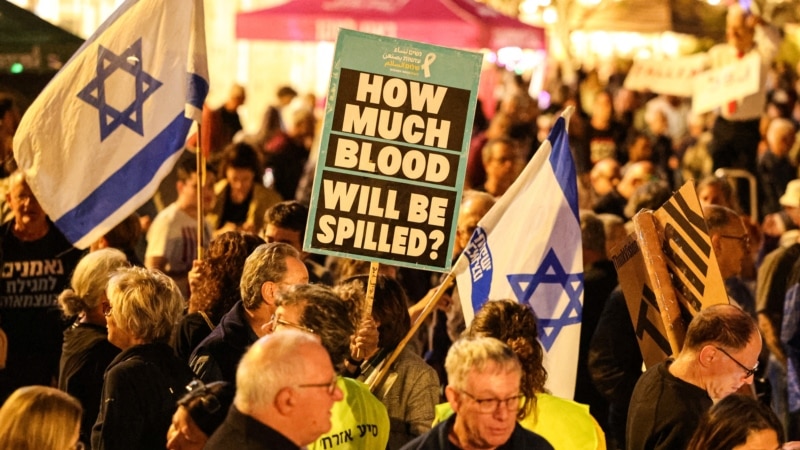
Trump ha scelto il cessate il fuoco e, in seguito alla sua telefonata con Netanyahu, ha annunciato che era in vigore. Ha detto a Netanyahu di annullare il bombardamento pianificato su Dahiyeh, a sud di Beirut. In Israele, un’enorme ondata di rabbia proveniente da tutte le parti dello spettro politico ha attaccato Netanyahu per la sola idea di frenare qualsiasi attacco israeliano in Libano. L’ex primo ministro Naftali Bennett ha accusato Netanyahu di «aver perso il controllo sulla sovranità israeliana». E l’ex primo ministro Yair Lapid ha affermato che Israele era stato ridotto a uno “Stato vassallo” dopo la sospensione degli attacchi.

Da alcuni mesi gli Stati Uniti e Israele stanno tentando di convincere una parte dei leader libanesi ad accettare il compito di disarmare Hezbollah, come ha spiegato Rubio, “in modo che Israele non debba farlo” — cosa che i leader libanesi chiaramente non sono in grado di fare.

Israele non ha una strategia coerente per il Libano. L’ex alto ufficiale dell’intelligence militare israeliana, Danny Citrinowicz, delinea un nuovo “risultato iraniano”:

“Teheran è effettivamente riuscita a collegare il fronte libanese alla più ampia arena iraniano-israeliana. Qualsiasi escalation in Libano è ora vista sempre più attraverso il prisma delle dinamiche tra Stati Uniti e Iran”.

Ciononostante, egli osserva:

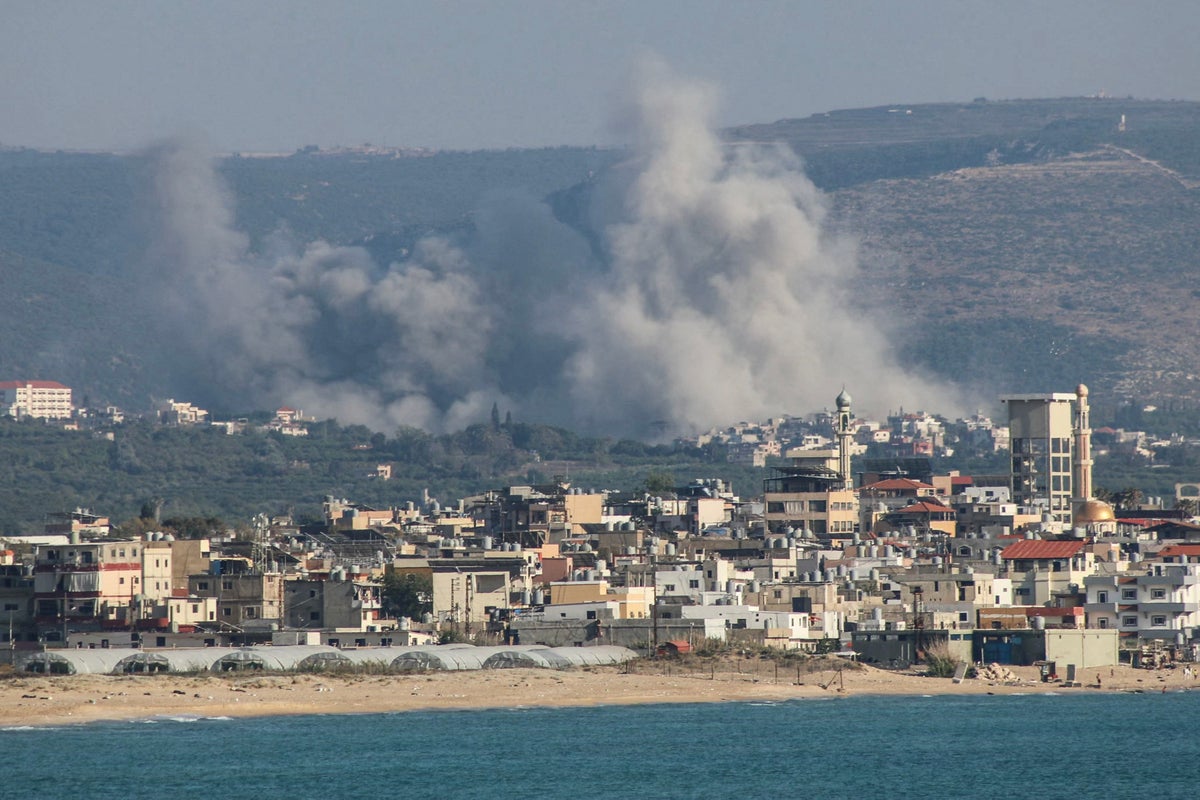
«La situazione in Libano rimane altamente instabile. Israele e Hezbollah continuano a interpretare gli attuali accordi in modi fondamentalmente diversi. [Mentre] Israele sostiene di mantenere la libertà di azione in tutto il Libano eccetto Beirut, Hezbollah [d’altra parte] insiste sul fatto che qualsiasi attività militare israeliana – in assoluto – violi il quadro del cessate il fuoco. Queste interpretazioni contrastanti creano un potenziale significativo di rinnovati attriti ed escalation sul campo».

In Israele, la situazione nelle città del nord rimane un punto nevralgico per quasi tutti gli israeliani. Molte città lungo il confine con il Libano e giù fino alla Galilea sono semivuote — «intere fasce di territorio abbandonate dal governo», scrive Ben Caspit. I politici locali sostengono di «essere anch’essi israeliani» e che il governo debba intervenire.

Il Libano rimarrà sicuramente un punto di contesa. Non è questione di se, ma di quando scoppierà la prossima crisi. Israele non lascerà le cose come stanno — persino i leader dell’opposizione liberale chiedono la distruzione di Hezbollah e protestano contro il fatto che Trump leghi le mani a Netanyahu in Libano.

Neanche l’Iran lascerà le cose come stanno. I mediatori hanno informato gli americani che l’Iran considera la fine della guerra in Libano, il ritiro delle forze israeliane e il ritiro da Hormuz come condizioni vincolanti — prima di discutere altre questioni.

Eccoci quindi a questo punto. Continuano le scaramucce militari – di fatto una serie abbreviata di attacchi da parte delle forze statunitensi contro la navigazione iraniana e le infrastrutture dello Stretto, scaturite dal desiderio di Trump di affermare il proprio blocco navale agli occhi dell’opinione pubblica statunitense. Questa situazione è chiaramente esplosiva – proprio come lo è il contesto libanese.

L’Iran sta di fatto riconoscendo la realtà che in questa nuova fase – con così tanti punti critici intrinseci – l’escalation militare americana a un certo punto diventerà probabilmente una necessità politica per le esigenze interne di Trump e dei suoi finanziatori ebrei.

E i negoziati? Non porteranno a nulla fintanto che Israele e i miliardari ebrei donatori statunitensi rifiuteranno qualsiasi esito con l’Iran che lasci il Paese intatto e più forte e – pari passu in questo pensiero binario – indebolisca di conseguenza il progetto «Israel First» all’interno degli Stati Uniti e della regione.

Un accordo che non veda l’Iran irrimediabilmente indebolito sarà condannato da queste ultime forze come una «negligenza traditrice» da parte di Trump. Egli sarà attaccato senza pietà. Eppure, deve rendersi conto che l’Iran è comunque sul punto di liberarsi dalle catene statunitensi.

Questa fase del conflitto iraniano probabilmente terminerà solo quando l’Occidente precipiterà dal precipizio economico che si avvicina…

The madness of Trump’s Iran idea and who’s behind it

By: A A
13 June 2026 at 10:05

Trump’s Iran strikes: staged weakness or real madness? Behind him, Graham and Keene push oil theft and fantasy invasions.

Join us on TelegramTwitter, and VK.

Contact us: info@strategic-culture.su

Many may be confused about America’s recent attacks on Iran, given that they come each day while Trump keeps telling us that a deal is about to be made. Just days ago, analysts believed that Trump was genuinely angry about Netanyahu going ahead with his IDF attacks in Lebanon against Hezbollah. But was that real, or staged? Given that Trump ordered strikes against Iran after that, a cynical view might be that there are only two scenarios why he would do something so incongruent. One: he believes that Iran is very close to signing a deal but needs the extra ’encouragement’ to finally get over the line. Or two: he felt embarrassed by what a whole phalanx of Western commentators were recently saying — that it was in fact Bibi who was running the whole show, using America’s resources to create chaos and havoc. The refusal by the Israeli PM to stop his troops fighting was a clear signal that Trump really doesn’t control the war and is very much a servile player to Israeli thinking.

But what is interesting is how Trump is not at all convinced that he has no military options, even given that they would certainly mean the total eradication of anything left of relations with GCC countries. Trump still believes even today that the US military — who have only a track record in the last 80 years of losing all wars and interventions they instigate — can actually take on Iran and win. As ludicrous as this sounds, it is what is at the heart of what is stalling any deal being struck, coupled with Trump’s sensational failure to negotiate — something he is simply incapable of doing despite his own hype and hubris. The US struck a number of water plants in Iran, which was an incredibly stupid initiative given that this is the region’s Achilles heel. If Iran wants to completely eliminate water desalination plants in, say, Qatar — a country which has no natural water at all — then it could easily do this in a matter of hours.

When a US Apache helicopter crashes, Trump’s reaction is a theatre of the absurd, similar to watching a child burst into tears on his first sports day where his new soccer shirt gets dirty on the pitch. The US is the aggressor, but when a helicopter is downed, this is met with misplaced outrage that borders on comedy. The reality is that no US military analysts believe the chopper was taken down by Iranian fire; it is more likely that it suffered a malfunction and crashed, with both pilots surviving. But it is interesting how Trump considers the war as more of a theatre of PR stunts rather than an important battle he can win.

One reason which explains this is the need for US troops to keep busy in the region, in a pathetic bid to remain relevant to GCC allies — a point made by the commentator Patrick Henningsen recently on RT television. Another reason, though, is the people that Trump keeps around him who he listens to, like Lindsey Graham — who one can only assume is being blackmailed by Israel over his sexual inclination, given his almost cultish beliefs in Zionism. But Graham knows nothing about war and seems to glean some sexual satisfaction from sending young American men in uniform to their deaths. On the other hand, General Jack Keene, a man who isn’t overburdened with intelligence, is probably responsible for a lot of the erroneous decisions Trump is making militarily, and certainly for stoking the “invasion option” while reminding the whole world what an irony-free zone America actually is.

Keene recently rambled on Fox News that he had no confidence in Iran ever keeping its word if Tehran were to ever sign a deal — a hilarious and preposterous claim given America’s reputation for never keeping its word on ceasefires and peace deals. The very fact that Trump is in talks with the Iranians every day demonstrates that they can be trusted, as it is the Trump camp which has no credibility whatsoever when it comes to integrity — the main reason why the Iranians are dragging their feet and are more comfortable with a drawn-out war that will recalibrate their position in the region and put down Israel and the US once and for all. For Keene to say such a thing is quite remarkable. But then he continues with his ideas about US troops “taking” Kharg Island, and a picture emerges of how and why Trump is so deluded about what the real capability of US troops is, and how his decisions and ideas are so detached from reality. Landing airborne troops on the island would only be possible if Iran allowed it to happen — so that it could disarm the occupiers and then hold them hostage as a key part of a new deal. That’s on a good day. On a bad day, if the more hardcore element of the IRGC has its way, they might simply decide to slaughter all of them. What Keene doesn’t seem to understand is the logistical nightmare of having 10,000 US soldiers on a single location within reach of just about everything Iran has to throw at it. And the talk of troops “landing” there with helicopters is a fantasy. How did General Keene become a general, given that he is stupid and seems to know little about warfare or Iran’s capability? The Iranians will shoot down US helicopters like they are having a fun day at clay pigeon shooting. But even if troops were allowed to land on Kharg and other islands, they have to be supplied practically every day. Presumably, the Iranians would prevent the supplies getting in and then starve the marines on the ground. If General Keene really has the ear of the president and Iran holds out for a better deal, the case for Trump to go to war becomes even stronger and grows each day.

But Keene let the cat out of the bag when he talked about oil. It’s really only about oil, or energy, as it was in Iraq, Afghanistan, Syria, and more recently Venezuela. For Trump to capture some oil production and then simply steal from it would be all in a day’s work for the president who has never had any problem with the stigmatisation of being called a thief. Trump believes oil theft is a real possibility and makes sense on any given day. But then there are days when he is desperate to get out of Iran altogether, which we can see with his panicky gestures — like the last strike, which actually achieved nothing but prepared Iran more for war, as the talks combined with bombardment don’t produce the results which Trump needs but make him look even weaker and more desperate. Has General Keene prepared Trump for a scenario where the ceasefire is over and he needs to move onto a new phase? Oil would only sweeten such a plan, and Keene makes no effort to hide this during his interview.

Israeli and Palestinian groups urge world not to abandon two-state solution

13 June 2026 at 00:58
Israeli and Palestinian civil society groups appealed to the international community in France on Friday to keep pursuing a two-state solution, warning that the window for peace is narrowing. The call came as world powers gathered amid mounting concern over settlement expansion and violence in the occupied West Bank.

Middle East war live: Lebanon reports new Israeli strikes in south after IDF warning

12 June 2026 at 22:33
Lebanese state media reported fresh Israeli strikes on the country's south on Saturday shortly after the Israeli army called on residents in 20 towns and villages, including many near Nabatieh city, to leave their homes. The US military said overnight it had “downed” several Iranian drones in the Strait of Hormuz as both sides insisted a peace deal was drawing closer. Follow our liveblog for the latest updates.

What It Would Take To Seize Iran’s Kharg Island, According To Top Former Military Leaders

11 June 2026 at 21:45

With President Donald Trump proclaiming his desire to take Iran’s Kharg Island — whether he actually means it or not – we reached out to some former military commanders to get a sense of what it would take to seize and hold it and how telegraphing such a move could impact operations. The island, as we have noted in the past, is Iran’s main center of oil exportation, and a U.S. seizure would have tremendous military and economic impacts. An attempt to take it by force and hold it, as we have highlighted in prior reporting, would be an extremely risky operation, by all accounts.

Trump’s latest statements about taking Kharg Island came in the wake of the most intense round of tit-for-tat attacks between the U.S. and Iran since the ceasefire went into effect April 8. The U.S. launched waves of strikes across Iran, including firing what Trump said was 49 Tomahawk land attack cruise missiles at Iranian targets. In response, Iran launched missiles and drones at U.S. bases in Kuwait, Jordan and Bahrain.

Meanwhile, Iran claimed it shut the Strait of Hormuz completely after the new round of kinetic action while U.S. Central Command (CENTCOM) insisted it remains “open for transit.”

Spoke with President Trump tonight as he oversaw the U.S. military strikes against Iran from the Situation Room.

The President told me he spoke directly with Iranian officials tonight who asked him to stop bombing.

49 Tomahawk missiles had been fired by the United States at… pic.twitter.com/s4WnsPTO4d

— Trey Yingst (@TreyYingst) June 10, 2026

However, in the wake of yesterday’s back-and-forth strikes, Trump proclaimed his desire to seize Iran’s vital oil infrastructure, including Kharg Island.

“At some point in the not too distant future, we will be taking Kharg Island, and other oil infrastructure points, and assume total control of their Oil and Gas Markets, much like we have with Venezuela, which is working out brilliantly for both Venezuela and the United States of America,” Trump said on Truth Social.

The United States will be hitting Iran (Whose Navy, Air Force, Radar, Anti Aircraft, and all other forms of Defense, together with most its offensive capability, are GONE!), VERY HARD TONIGHT. At some point in the not too distant future, we will be taking Kharg Island, and other… pic.twitter.com/RPeL3khVrr

— Commentary Donald J. Trump Truth Social Posts On X (@TrumpTruthOnX) June 11, 2026

A short while later, the president modified those remarks in an interview with Fox News.

“I don’t know that America has the stomach for it, to be honest with you,” Trump later told the network. “You’d make a fortune, but I don’t know that America has the stomach, I think they’d like to see us come home.”

NOW: President Trump tells Fox and Friends his preference has always been to "take Kharg Island," but he doesn't think "America has the stomach" for it. pic.twitter.com/iWCOooqioP

— FOX & Friends (@foxandfriends) June 11, 2026

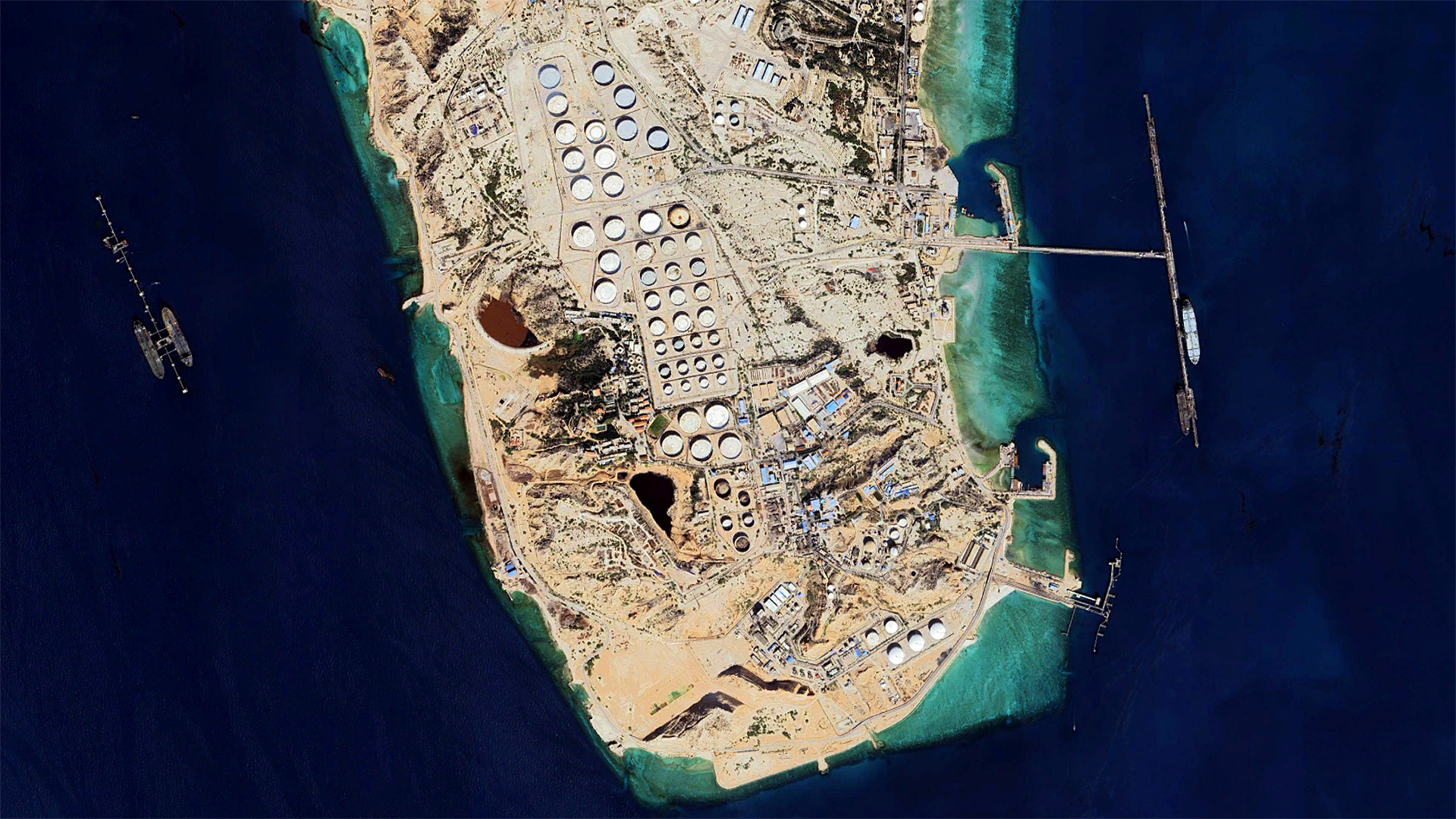
Located about 20 miles from the Iranian coastline, Kharg Island presents a daunting challenge, leaving troops trying to take it under threat from Iran’s remaining arsenal of ballistic and cruise missiles, drones, rocket artillery, and fast boats that can launch swarming attacks on ships, fire missiles, and lay mines. This is something we were among the first to point out, before the possibility of invading the island became a national news story.

There are also a number of islands in and around the Strait of Hormuz that could be used help put up a screen against shipping attacks etc. Also risky for obvious reasons. pic.twitter.com/0nolqdew9J

— Tyler Rogoway (@Aviation_Intel) March 13, 2026

“It seems unusual that we would announce an intention to seize Kharg Island in advance,” retired Army Gen. Joseph Votel, former leader of U.S. Central Command, told us. “Military commanders always want to preserve the principle of surprise in any operation – it helps reduce risk and often times gives us the tactical edge.”

“In this case the president did not announce any specific details – which can preserve some operational flexibility,” Votel noted. “It may also be a part of a more elaborate communications strategy that is focused on getting the regime to understand they are running out of options and that we can and will do whatever we need to, militarily, to support diplomatic efforts and bring the conflict to a conclusion.”

“Seizing Kharg Island is a significant undertaking,” added Votel, now a Distinguished Military Fellow at the Middle East Institute. “Not only will it involve ground troops to actually control the terrain – but also tactical delivery means, air cover, a strike campaign to set the conditions and then all the resources to protect this force while they are on the Island. In addition – the force has to be sustained meaning we have to have a way to get them supplies, engineering capabilities, life support, evacuate casualties, and if necessary reinforce them with additional force.”

All these actions would be taken close enough to the Iranian coast to “potentially subject [assault forces] to missile and drone attacks,” the former CENTCOM commander noted. “Not impossible, but certainly not insignificant either.”

Kharg Island. (Google Earth)

When we first spoke to Votel about this issue in March when stories first bubbled up about Trump threatening Kharg Island, he told us that “a battalion sized force of Marines or soldiers could probably do that. So you’re probably looking at 800 to 1,000 troops, kind of size, maybe a little bit smaller, probably not much larger than that.”

Plans for the U.S. military to try and capture the island “have been drawn up for months but continuously shelved because the operation was considered too risky,” a senior Pentagon official and two administration officials told CNN.

Speaking to us on Thursday, Chris Miller, who served as acting Defense Secretary at the end of Trump’s first administration, said it would take considerably more troops for such an operation than Votel first suggested.

“I would expect it would take an infantry brigade at a minimum,” said Miller, referring to a unit of between 3,000 to 5,000 troops. “I’d prefer two brigades and a lot of mobile air defense to protect from Shaheds and plenty of barrier material to make bunkers when artillery starts dropping in. Plus, obviously, significant air power to hit time-sensitive Iranian targets like artillery and missile batteries.”

An Iranian Shahed-136 One-Way-Attack drones reportedly flying over the sky of Kuwait in the early hours of this morning, June 3, 2026. pic.twitter.com/oUwbbilmzd

— Mehdi H. (@mhmiranusa) June 3, 2026

“It’s completely doable by our combat forces in the region,” added Miller, now founder and CEO of FPF Defense, a startup building a low-cost Shahed drone interceptor. “This is exactly the type of operation they are designed and optimized for. It’s not that heavy of a lift for them.”

Holding the island, if taken, won’t be easy, however, Miller posited. 

“The logistics would be challenging for us because it will be difficult to get resupply ships in under the Iranian defensive shield,” he explained. “And aerial resupply will be contested as well.”

Miller said he was not concerned that Trump told the world he wants Kharg Island.

“My assessment is the Iranian regime continues to misunderstand President Trump,” Miller said of his former boss. “I suspect the Iranians have already prepared for such an eventuality.”

Former Army Maj. Gen. Pat Donahoe, who retired in 2022 as commanding general of the U.S. Army Maneuver Center of Excellence at Fort Benning in Columbus, said asking how Kharg Island can be taken “is the wrong question.”

“It’s not taking it, it’s holding it over time and enduring the slow bleed of casualties that comes with holding it,” noted Donahoe, now chief operating officer at Columbus State University in Columbus, Georgia.

“It’s Khe Sanh,” explained Donahoe, a reference to one of the longest and bloodiest battles of the Vietnam War, where about 6,000 Marines and their South Vietnamese counterparts held out at a base along the Laotian border against 20,000 North Vietnamese troops for nearly 80 days. 

“Sure we can grab it, but it puts us in range of all their stuff,” Donahoe said. “And we have to resupply it, etc. It’s dumb.”

The U.S. struck military targets on the island during Epic Fury, but Trump has stated he ordered all the oil infrastructure to be left untouched. Since the ceasefire, Iran has been preparing for a possible U.S. operation to take control of Kharg Island, CNN noted today.

“Iran laid traps and moved additional military personnel and air defenses there earlier this year, according to multiple people familiar with U.S. intelligence reporting on the issue,” the network reported. “The island already has layered defenses, and the Iranians moved additional shoulder-fired, surface-to-air guided missile systems known as MANPADs there.”

Plans for the US military to try and capture Kharg Island have been drawn up for months but continuously shelved because the operation was considered too risky, a senior Pentagon official and two administration officials told @alaynatreene @NatashaBertrandhttps://t.co/09STWDvMJg

— Haley Britzky (@halbritz) June 11, 2026

It remains to be seen whether Trump actually takes any action against Kharg or anywhere else on the ground in Iran. As we have previously noted, Trump has threatened to put boots on the ground to capture Iran’s highly enriched uranium and has constantly made grand military threats without following through. This includes repeated threats that he would order the destruction of Iran’s civilian infrastructure. Clearly these are meant to push the adversary to the negotiating table, but their potency has degraded as this has become increasingly clear.

Hours after raising the specter of seizing Kharg Island, the president seemingly reversed course, saying he was halting orders to bomb the Islamic Republic tonight due to a breakthrough in negotiations.

“Based on the fact that discussions with the Islamic Republic of Iran have been brought to the highest level of Iranian leadership and approved, I have, as President of the United States of America, cancelled the scheduled strikes and bombings against Iran this evening,” Trump stated on Truth Social. “Discussions and final points have been, in both concept and great detail, approved by all parties involved, including the United States, Israel, Saudi Arabia, UAE, Qatar, Turkey, Pakistan, Bahrain, Kuwait, Jordan, Egypt, and others. The Naval Blockade will remain in full force and effect until this Transaction is finalized — Time and place of the signing to be announced shortly.”

🇺🇸🇺🇸🇺🇸 pic.twitter.com/l6yqxrGqr6

— DOW Rapid Response (@DOWResponse) June 11, 2026

The Islamic Revolutionary Guard Corps (IRGC), however, reportedly pushed back on Trump’s negotiations claims.

“The Fars News Agency, associated with the Revolutionary Guards, quoted a ‘knowledgeable source close to the Iranian negotiating team’ who denied President Trump’s claim regarding an agreement on an initial deal, and stated that ‘no text of the initial memorandum of understanding with the United States has been approved,'” Axios reporter Barak Ravid stated on X.

🚨 סוכנות הידיעות פארס, המזוהה עם משמרות המהפכה, ציטטה ״מקור יודע דבר המקורב לצוות המשא ומתן האיראני״, שהכחיש את טענת הנשיא טראמפ בדבר הסכמה על הסכם ראשוני, ואמר כי "לא אושר שום נוסח של מזכר הבנות ראשוני עם ארצות הברית" https://t.co/I0LN2sxy25

— Barak Ravid (@BarakRavid) June 11, 2026

Trump has made repeated claims that a deal was virtually done, when it never materialized and the Iranians certainly have their own strategy they are executing. Whatever comes next, whether it be more bombing, a peace deal, a continued blockade and strait closure, or even an invasion of Kharg Island, it’s unclear, and that may be just as true moment-to-moment for the President of the United States as it is to everyone else.

Contact the author: howard@twz.com

The post What It Would Take To Seize Iran’s Kharg Island, According To Top Former Military Leaders appeared first on The War Zone.

Battle of the missiles – The Apache scam

By: A A
12 June 2026 at 14:01

By Larry C. JOHNSON

Join us on TelegramTwitter, and VK.

Contact us: info@strategic-culture.su

A truly bizarre series of events off the coast of Iran today that in my opinion were entirely provoked, if not staged, by the US. It started with multiple news reports that a US Army Apache helicopter had been shot down in the Persian Gulf but the two pilots emerged unscathed. What the hell was an Apache helicopter doing?

The AH-64 Apache is a twin-engine attack helicopter primarily designed for anti-armor warfare, close air support, and armed reconnaissance. Apparently it was conducting reconnaissance. The US claims that Iran shot it down, but Iran insists it did no such thing.

I am bothered by the claim it was shot down… If the rocket or bullets had hit the cockpit or damaged the main rotor, the craft would have plunged into the water and the pilots would not have survived. So what happened? Was one of the twin engines damaged but still able to function? Was the rear rotor damaged? Those are the only two scenarios I can imagine that would not have caused a catastrophic crash. Once the helo landed in the water, the pilots had to open the canopy and jump into the water. Hopefully the main rotor — assuming it was intact when the copter hit the water — shattered on impact. Otherwise, the pilots would have been shredded trying to escape.

Coincidentally with this crash, the NY Times published a story, written by David Sanger, discussing the state of US and Iranian negotiations over Iran’s nuclear program. Sanger wrote:

In the days before the latest flare-ups of violence in the Middle East, President Trump’s aides were negotiating with Tehran on four major elements of a nuclear agreement that U.S. officials contend would grind the program to a halt for 15 years or so. . . .

According to the officials and diplomats, here are the four major points of negotiation on a nuclear agreement between the United States and Iran:

1. A lengthy suspension of uranium enrichment

The United States has demanded for months that Iran agree to conduct no uranium enrichment for at least 20 years. The Iranians have countered by offering a 10-year halt, but American officials believe they will settle for 15 years.

2. Iran’s current stockpile of enriched uranium is diluted, or “downblended”

The United States would work with the International Atomic Energy Agency, the U.N. inspection body, to dilute, or “downblend,” Iran’s stockpile of enriched uranium, according to two American officials familiar with the negotiations. American officials envision an active role in handling the nuclear material, something Iran has always forbidden. Iranian officials say the United States would serve only as an observer. . . .

3. Iran dismantles its nuclear sites

The United States has demanded that Iran dismantle its three major nuclear sites at Natanz, Fordo and Isfahan. The United States struck all three in Operation Midnight Hammer nearly a year ago, severely damaging them. Iran has discussed dismantling two facilities but insists on leaving one open, in part to demonstrate it has not surrendered what it views as a “right to enrich.”. . .

4. Iran agrees to “snap” inspections

The United States wants international inspectors to be able to conduct “snap” inspections, anytime and anyplace inside Iran. It is not clear if the Iranian government will agree. As a practical matter, many of the suspect nuclear sites are inside Revolutionary Guards military bases, where inspectors have frequently been barred at the gates.

This summary represents the US position. I doubt the Iranians will agree to an end to all enrichment… They will likely insist on retaining the right to enrich up to 20% for medical isotopes. Dismantling Iranian nuclear sites is a non-starter. The IRGC will simply not accept such a condition. I think Iran will be willing to “downblend” the 60% enriched uranium it currently possesses but that will come with a price tag: immediate lifting of sanctions and the return of frozen assets. What about “Snap” Inspections? That will depend on the composition of the international inspectors. Iran has already been burned by the IAEA inspectors who reportedly collected intelligence on Iranian nuclear scientists and passed that information to Israeli and Western intelligence agencies. That information was used in June 2025 and in the current war to assassinate Iranian scientists.

While Pakistani sources who have access to the status and substance of the negotiations remain optimistic that a deal will be struck, I remain very skeptical. Beyond the nuclear items — which Iran says it refuses to discuss until the US lifts its blockade and there is a genuine ceasefire, which includes Lebanon and Gaza — I do not believe that Iran is going to compromise on its demands: lift sanctions, release frozen assets and recognize its joint-control over the Strait of Hormuz with Oman.

I think that today’s US attack on Iran was an effort to scuttle the negotiations. While Iran struck back hard at targets in Bahrain, Kuwait, Jordan and Kurdish controlled territory in northern Iraq, it limited its retaliation. Iran apparently still believes that there is a viable accord that will end the war, not only the attacks on Iran, but also bring security to Lebanon and Gaza. The onus is on Donald Trump to force Israel to accept the terms. That has the Zionists very nervous, which explains why they are spying on Trump’s negotiators.

I think the negotiations will fail — I hope I am proven wrong — because I do not believe Donald Trump will be willing to accept the concessions demanded by Iran. We will know more by close of business Wednesday.

Original article:  sonar21.com

‘The future is peace’: An Israeli-Palestinian call for reconciliation

12 June 2026 at 10:02
Aziz Abu Sarah is Palestinian. Maoz Inon is Israeli. Both their families have been bereaved by the endless conflict between their two communities. With their book "The Future is Peace" published in April, the two authors aim to rally international public opinion behind their project to put an end to the cycle of violence and find a path to reconciliation between Israelis and Palestinians. FRANCE 24 met them for an in-depth interview.

US-Iran Accord Could Hinge On Israel, Says US Security Expert Matt Reisener

12 June 2026 at 08:50
Matt Reisener, senior national-security adviser at the Center for Maritime Strategy, talks to RFE/RL about why diplomacy and military pressure are likely to continue, what Iran and the United States each believes it has to gain from talks, and why any agreement may actually hinge on Israel.

❌