Mainland Portugal is set to experience high temperatures between June 10 – 13, with maximum temperatures on Friday ranging between 35ºC and 40°C, according to national meteorological institute IPMA. Today
Sharp rise in hospital visits will in turn drive up annual healthcare costs for heat-related conditions to over $1bn
People in the US are poised to endure another summer of unusually ferocious heat and there will be little respite in the years ahead, with a new study finding that the coming 15 years could see a doubling in hospitalizations due to heat-related illnesses.
The number of annual heat-related emergency department visits or hospitalizations across the US are set to rise from about 109,000 cases a year to as many as 237,000 cases by 2040, the new research has estimated.
The world is heading into another period of “dangerous heat”. This is according to a new UN report, warning that “it’s nearly certain that global temperatures over the next five
Temperatures are steadily rising this week, with 25 municipalities in the Algarve (Faro district) and districts of Portalegre, Santarém, Castelo Branco, and Bragança at maximum risk for wildfires, according to
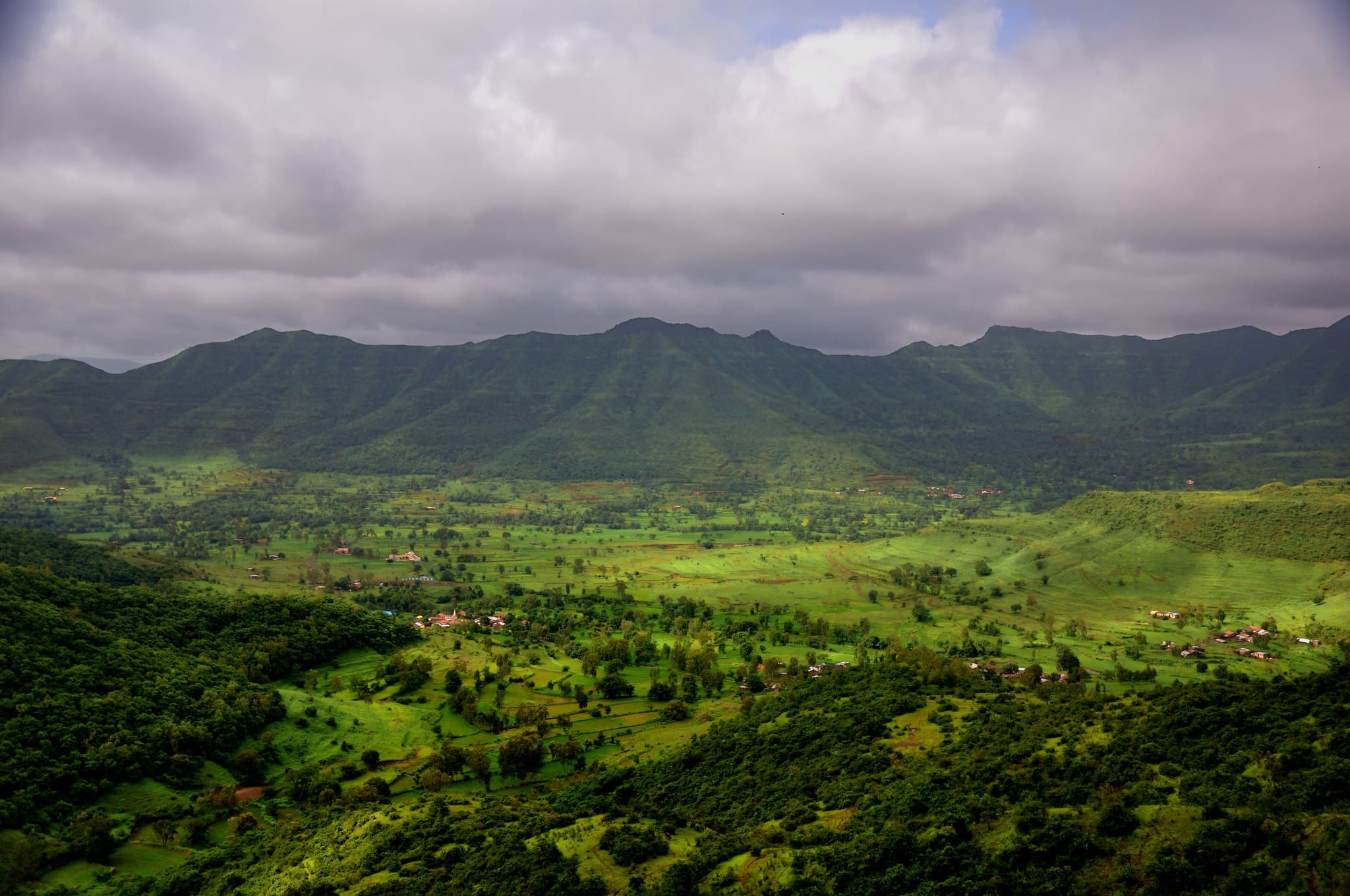
The Indian monsoon has undergone a major shift over the past 25 years, bringing significantly more rainfall to northwest India while leaving parts of the Indo-Gangetic Plain increasingly vulnerable to drought, according to new research.
The findings could have major implications for South Asia, where more than one billion people depend on the monsoon for water, agriculture, and economic stability. Scientists warn that continued changes to the weather system could affect food production, water resources, and livelihoods across the region.
Researchers have long struggled to predict these changes. Many widely used climate models have failed to reproduce the rainfall patterns observed in recent decades, limiting their ability to forecast how the monsoon may behave in the future.
The role of the North Atlantic cold blob
A study published in AGU Advances offers a possible explanation. Researchers led by Nimmakanti Mahendra found that many climate models do not accurately represent temperature changes in the Atlantic Ocean or their influence on weather systems around the world.
The team focused on a feature known as the “cold blob,” an area of unusually cold water south of Greenland. Although the cold blob has been observed for years, its effects are often missing or poorly represented in climate simulations.
When researchers incorporated the cold-water region into climate model results, they found that it helped reproduce the monsoon changes already seen across India.
Researchers found that the North Atlantic "cold blob" can alter the jet stream, increasing rainfall in northwest India while contributing to drier conditions across parts of the Indo-Gangetic Plain. pic.twitter.com/geRKb0nAEj
— Tom Marvolo Riddle (@tom_riddle2025) June 2, 2026
The analysis showed that the cold blob can alter the jet stream, a fast-moving band of air high in the atmosphere that influences weather patterns over large distances.
Those changes redirect atmospheric moisture toward northwest India, increasing rainfall in the region. At the same time, the altered circulation suppresses the development of storm systems elsewhere, reducing rainfall across parts of the Indo-Gangetic Plain.
A mechanism connecting distant weather systems
Researchers identified the process as a “barotropic governor mechanism.” The phenomenon occurs when large-scale atmospheric circulation controls or limits the formation of smaller weather systems.
In this case, changes linked to the North Atlantic influence weather patterns thousands of miles away in South Asia.
The mechanism may also help explain broader changes in global weather. According to the study, similar atmospheric effects could be contributing to increased storm activity across several midlatitude regions in recent years.
Improving future climate forecasts
The findings highlight the importance of accounting for connections between distant parts of the climate system. Weather and ocean conditions in one region can trigger atmospheric responses far beyond their point of origin.
Researchers said improving how climate models represent these global links could lead to more accurate projections of future monsoon behavior. Better forecasts would help governments, farmers, and water managers prepare for the growing challenges posed by climate change and increasingly extreme weather.
The weather in mainland Portugal is set to change from today, with temperatures expected to drop to 6º-7ºC, and strong winds, IPMA meteorologist Maria João Frada has told Lusa news

 Login
Login