
Reading view

Athena vs. Poseidon: The Battle That Gave Athens Its Name

Athens_Parthenon_Acropolis
Acropolis of Athens. Credit: Greek Reporter

The story of how Athens, one of the oldest cities in the world, attained its current name is a foundational Greek myth. Unbeknown to many, the city actually had several names throughout its 3,400 years of recorded history.

The initial name of Athens was “Coast” or “Aktiki,” and it was taken from the first king of the land, King Aktaio. Afterwards, as the city continued to grow, Aktaio’s successor, King Cecrops, named the city after himself.

Greek mythology says that the Gods of Olympus looked down at the beautiful prosperous city of Cecrops and decided to make it their own, causing Athens’ name to be changed one last time.

A duel between the gods for the name of Athens

As history notes, the ancient city of Athens was a powerful force and played an important role in the developing and advancing ancient Greek civilization.

In modern times, remnants of the Gods and their glory from antiquity are scattered throughout the city.

There is a rich and mythical history all around Athens, and the way the Greek capital was named is no exception.

The story starts with a duel between the ancient gods of Olympus to determine who would give the city its name and become its patron.

It is said the god of the sea, Poseidon, and the goddess of wisdom, Athena, made it to the final round, and were ready to fight it out in a duel to possess the city.

Zeus then intervened in order to avoid a violent outcome.

Zeus declared that both of the gods must present a gift to the city’s king, Cecrops, who was a half-man, half-snake creature; whichever gift was accepted by the citizens would determine the new name of the city.

The gifts presented to the people of Athens

Legend says that all of the citizens went high up on the Acropolis to witness the offerings of Athena and Poseidon.

First up was Poseidon, who struck the rock of the Acropolis, opening a spring of water and offering the new city success in war and at sea.

However, the people tasted the water and were not enchanted, as it tasted salty like the seas that the god reigned over.

When it was Athena’s turn, she stepped forward and planted a seed into the ground which immediately sprouted up into a beautiful olive tree.

This was the goddess’ gesture of giving the symbolic fruits of peace and wisdom to the Athenians, as well as planting the tree that provided them with oil, food, and wood for burning and creating tools.

According to one interpretation of the fable, the men supported Poseidon while the women, who out-voted the men, were in favor of Athena.

The Legend of Athena

From that day on, the city adopted the name of the goddess, becoming known as Athens. The owl, which signifies wisdom and was connected with Athena, came to represent the city in antiquity.

The goddess Athena was depicted on one side of the Greek drachma coin while the owl was on the other.

The citizens of Athens built temples and statues and held festivals dedicated to their patroness, Athena, like the majestic Parthenon on the Acropolis.

The goddess Athena herself has quite an intriguing story. Although some myths claim that Metis, goddess of counsel, was her mother, most claim that she had no mother and was born of Zeus alone.

As the goddess of wisdom, it is fitting that Athena was not born naturally but emerged, fully grown, from the forehead of Zeus, her father.

According to numerous myths, Athena was a favorite of her father. In Homer’s Iliad, Ares, god of war, even accuses Zeus of bias toward Athena because of the manner of her birth.

Athena was also linked to war herself. Almost always shown wearing armor, she was considered to represent the strategic aspects of warfare and was known for protecting heroes, most notably Jason, Perseus, Herakles, and of course, Odysseus.

In fact, she even offered her shield to Perseus when he went to slay Medusa, and the hero successfully used it to defeat the monstrous creature by reflecting its image on the shiny surface.

  •  

Open Day do Festival MED vai ter “Filarmonia Campaniça” e muito mais

O concerto “Filarmonia Campaniça” é um dos destaques do Open Day do Festival MED, que se realiza no dia 28 de Junho, e que vai juntar música, gastronomia e património.

No último dia de festival, a organização propõe uma noite de acesso gratuito que permitirá ao público uma incursão pela Zona Histórica de Loulé para vivenciar o espírito deste evento.

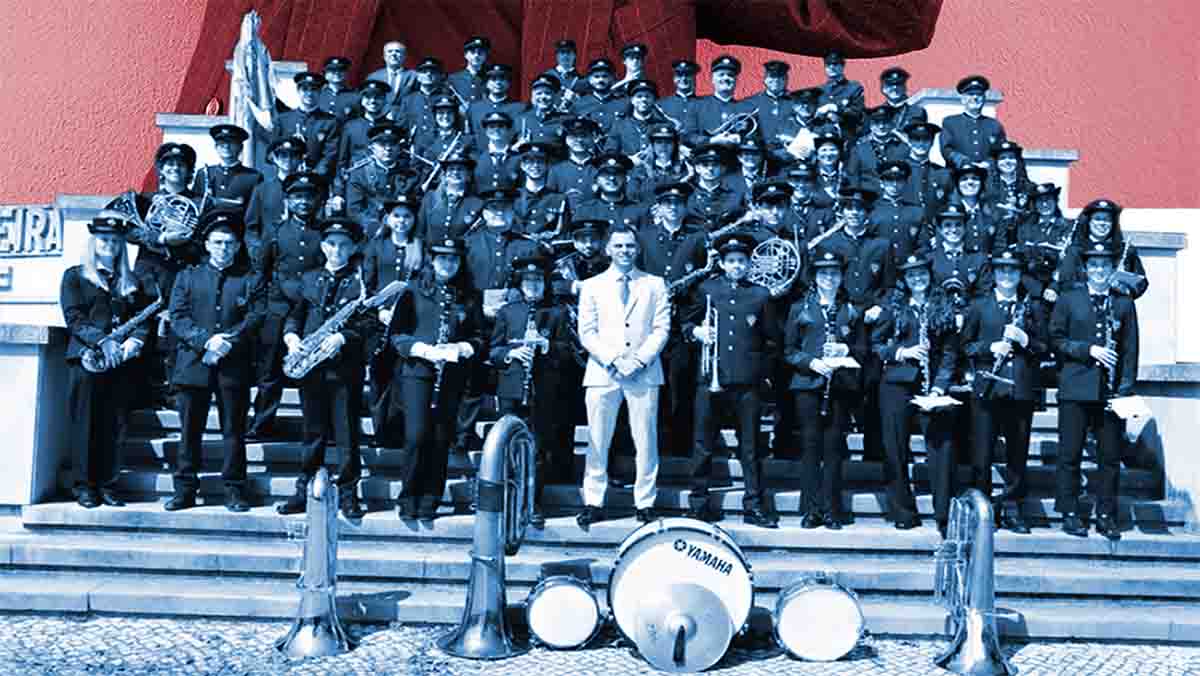
O grande destaque da noite acontece às 21h30, no Palco Cerca, com o concerto “Filarmonia Campaniça”. Este projeto inovador é liderado por RAIA (do músico alentejano António Bexiga) e junta, num encontro artístico inédito, a viola campaniça ao universo filarmónico e ao canto popular. O espetáculo junta em palco três universos distintos: o projeto RAIA, as Moçoilas (referência do canto feminino do Algarve profundo) e a Sociedade Filarmónica Artistas de Minerva, que celebra em 2026 o seu histórico 150º aniversário.Com arranjos de António Bexiga e Mário Lopes, o concerto promete desenhar uma cartografia sonora única com a “palavra Sul tatuada em todos os poros”.

A programação do “Open Day” arranca logo às 19h00, na Igreja Matriz, com o último concerto do “MED Classic”, um concerto que reúne em palco a Orquestra e o Coro dos Alunos do Conservatório de Música de Loulé – Francisco Rosado e muitos convidados.

Pouco depois, às 19h30, o Claustro do Convento do Espírito Santo acolhe o primeiro momento dedicado à gastronomia, um showcooking de Dieta Mediterrânica pela Chef Alexandra Caetano, em parceria com a Tertúlia Algarvia.

Às 20h00, o Mercado de Loulé enche-se com as modas e a tradição do grupo ALLCANTE, que traz um pouco do Alentejo ao Algarve.

À noite, a atividade divide-se entre o Palco Castelo e o Claustro do Convento. O primeiro recebe, às 21h, o “museu vivo” do projeto CLAUSTROPHONIA, da autoria de Ruben Monteiro, com os instrumentos musicais ancestrais que estiveram em exposição na Galeria de Arte do Convento do Espírito Santo, e às 22h30, o Quinteto de Sara Badalo para a apresentação oficial da 30ª edição do Festival de Jazz de Loulé.

No segundo, pelas 21h30, o Chef Abílio Guerreiro conduz o segundo showcooking dedicado aos sabores mediterrânicos, numa parceria com a Associação In Loco.

O conteúdo Open Day do Festival MED vai ter “Filarmonia Campaniça” e muito mais aparece primeiro em Sul Informação.

  •  

Loulé | Música, Gastronomia e Património no “Open Day” do Festival MED

A 28 de junho (domingo), último dia do Festival MED, a organização propõe uma noite de acesso gratuito que permitirá ao público uma incursão pela Zona Histórica de Loulé para vivenciar o espírito deste evento. Numa altura de despedida, em que alguns espaços começam a fase de desmontagens, o “Open Day” pretende proporcionar ainda alguns […]

  •  

Música, Gastronomia e Património no “Open Day” do Festival MED em Loulé

Para o último dia do Festival MED, a 28 de junho (domingo), a organização propõe uma noite de acesso gratuito que permitirá ao público uma incursão pela Zona Histórica de Loulé para vivenciar o espírito deste evento.

Conforme descreve a nota de imprensa da autarquia louletana, numa altura de despedida, em que alguns espaços começam a fase de desmontagens, o “Open Day” pretende proporcionar ainda alguns momentos musicais, gastronomia e a fruição do espaço público e elementos patrimoniais que fazem parte do recinto do MED.

O grande destaque da noite acontece às 21:30 hrs, no Palco Cerca, com o concerto “Filarmonia Campaniça”. Este projeto inovador é liderado por RAIA (do músico alentejano António Bexiga) e junta, num encontro artístico inédito, a viola campaniça ao universo filarmónico e ao canto popular.

Em palco juntam-se três universos distintos: o projeto RAIA, as Moçoilas (referência do canto feminino do Algarve profundo) e a Sociedade Filarmónica Artistas de Minerva, que celebra em 2026 o seu histórico 150º aniversário. Com arranjos de António Bexiga e Mário Lopes, o concerto promete desenhar uma cartografia sonora única com a “palavra Sul tatuada em todos os poros”.

Saliente-se que a programação do “Open Day” arranca logo às 19:00 hrs, na Igreja Matriz, com o último concerto do “MED Classic”, um concerto que reúne em palco a Orquestra e o Coro dos Alunos do Conservatório de Música de Loulé – Francisco Rosado e muitos convidados.

Depois, às 19:30 hrs, o Claustro do Convento do Espírito Santo acolhe o primeiro momento dedicado à gastronomia, um showcooking de Dieta Mediterrânica pela Chef Alexandra Caetano, em parceria com a Tertúlia Algarvia.

O Mercado de Loulé às 20:00 hrs enche-se com as modas e a tradição do grupo ALLCANTE, que traz um pouco do Alentejo ao Algarve.

Chegada a noite, a atividade divide-se entre o Palco Castelo e o Claustro do Convento. O primeiro recebe, às 21:00 hrs, o “museu vivo” do projeto CLAUSTROPHONIA, da autoria de Ruben Monteiro, com os instrumentos musicais ancestrais que estiveram em exposição na Galeria de Arte do Convento do Espírito Santo, e às 22:h30 hrs, o Quinteto de Sara Badalo para a apresentação oficial da 30ª edição do Festival de Jazz de Loulé.

No segundo, pelas 21h30, o Chef Abílio Guerreiro conduz o segundo showcooking dedicado aos sabores mediterrânicos, numa parceria com a Associação In Loco.

Como se vê, são muitas as propostas para a derradeira oportunidade de celebrar a música e a cultura global, numa cidade que mantém bem viva a sua história e a ligação à Bacia do Mediterrâneo.
A não perder!

  •  
❌