Reading view

Boeing Drops Out Of Navy’s T-45 Jet Trainer Replacement Competition

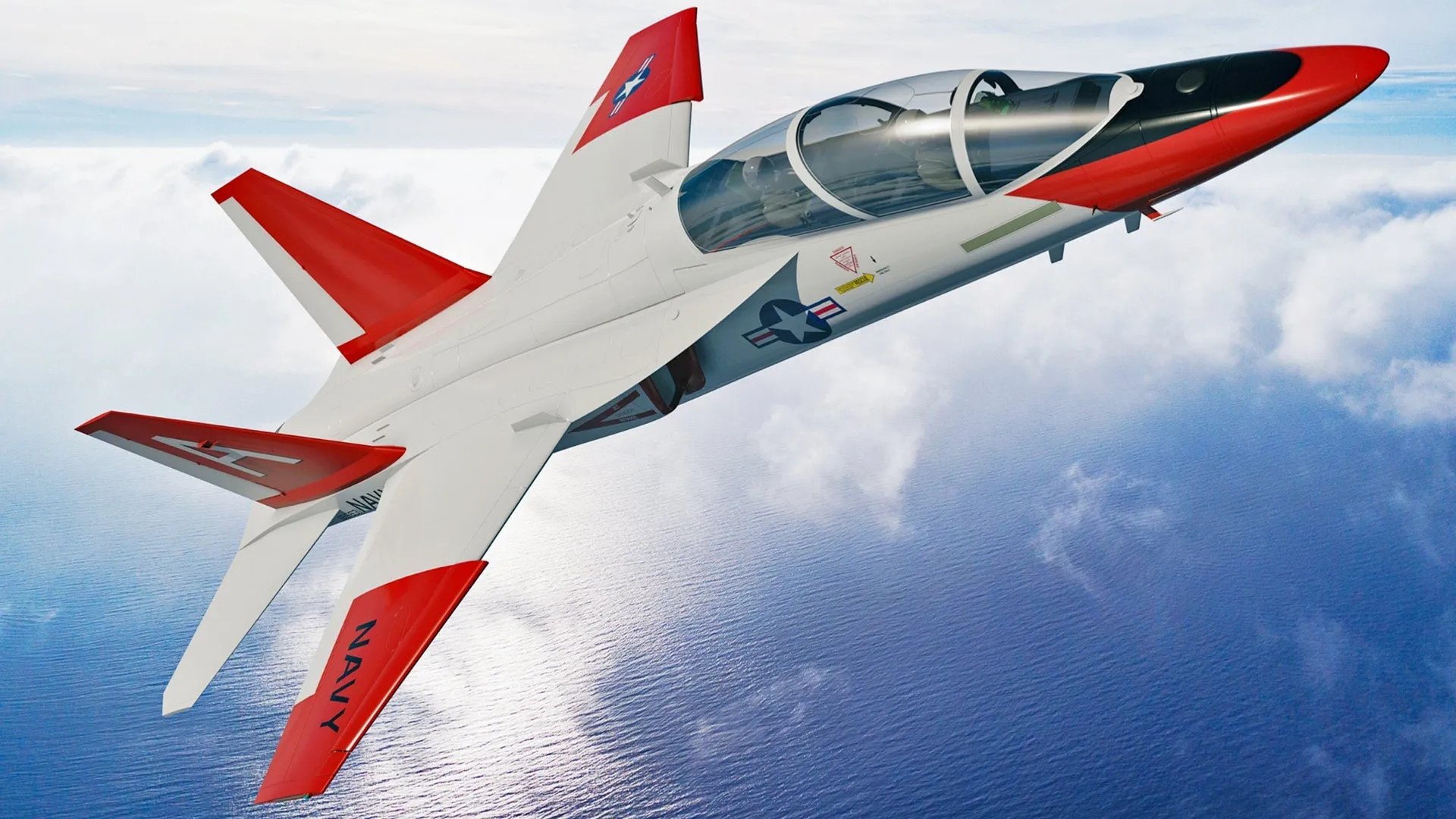
Boeing has decided not to pursue a bid for the U.S. Navy’s Undergraduate Jet Training System (UJTS) competition. The company had previously planned to submit a version of the T-7A Red Hawk being built now for the U.S. Air Force. The winning UJTS design will replace the Navy’s T-45 Goshawk jet trainers. The new trainers will become part of a future naval aviation training curriculum for prospective tactical jet pilots that no longer requires carrier qualifications or even simulated touch-and-go carrier landings at bases on land.

The Navy issued a formal request for proposals for UJTS in March. The service currently plans to acquire 216 new jet trainers to replace the just under 200 T-45s that are in its inventory today. With Boeing now out of the running, the Sierra Nevada Corporation (which has now partnered with Northrop Grumman and General Atomics) and a team led by Leonardo and Textron are the only known remaining competitors. Lockheed Martin, which had teamed with Korea Aerospace Industries (KAI), also dropped out back in April. Aviation Week and Breaking Defense were among the first to report on Boeing’s decision regarding UJTS.
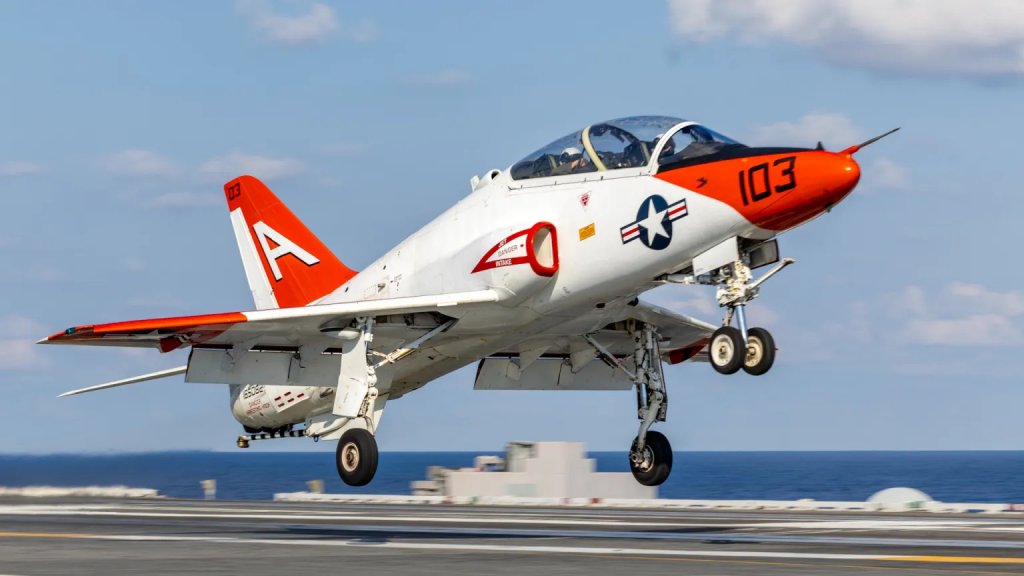
The winning UJTS design will replace the Navy’s T-45 jet trainers, one of which is seen here. USN

“Boeing is focused on meeting our commitments, and we bid for programs where we believe we can provide the right solution tailored to our customers’ needs and requirements,” a Boeing spokesperson told TWZ. “After careful evaluation, we have determined the T-7A does not meet the U.S. Navy’s Undergraduate Jet Training System requirements.”

“We have therefore informed the Navy that we will not bid on the current RFP. We remain committed to delivering the T-7A as a modern, growth-oriented training solution for 4th, 5th and 6th generation pilots as requirements evolve,” they added. “We look forward to providing and sustaining both current and future capabilities for the Navy.”

Boeing says its decision on UJTS is tied to the General Electric F404 turbofan. The company has stressed that the F404 is a proven design with millions of flight hours on multiple platforms, including the T-7A, and is a clear example of a ready-to-field design. Still, Boeing’s view is that the UJTS engine qualification requirements would require additional long-cycle development work, and potentially limit its ability to meet the Navy’s initial operational capability target for the new jet trainers.

All this being said, it is still not entirely clear what the specific issues might be, given that the F404 is such a well-established design that has been and continues to be used on a variety of military aircraft. This includes several other land-based jet trainer designs beyond the T-7, like the Scaled Composites Model 400, which competed against the Red Hawk in the Air Force’s T-X competition, and the Turkish Aerospace Industries Hürjet.
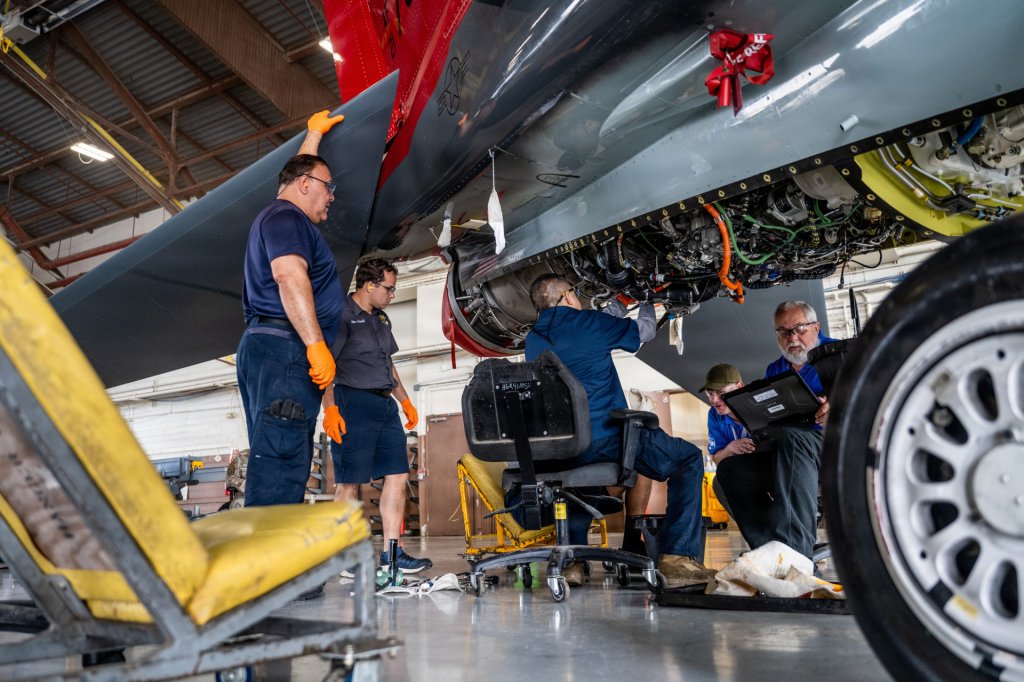
Maintainers work on the F404 engine on a US Air Force T-7A Red Hawk. USAF/Zelideth Rodriguez

Most notably, the F404 also powers the TF-50N that Lockheed Martin and KAI had put forward for UJTS. At the time of writing, neither Lockheed Martin nor KAI looks to have offered a detailed explanation for the decision to withdraw from the Navy jet trainer competition.
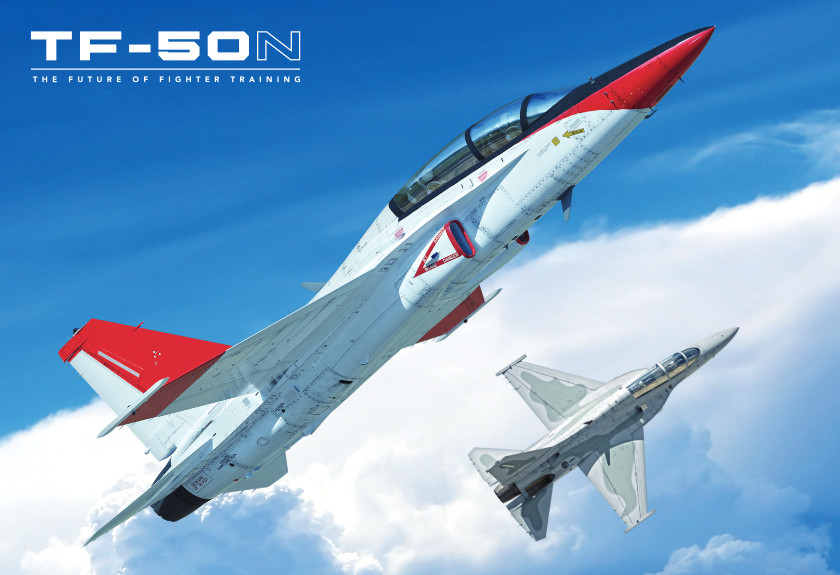
A rendering of the TF-50N. Lockheed Martin

The T-7A has also suffered from various technical and other issues over the course of its development, which has led to significant delays in its entry into Air Force service. The service is now hoping to reach initial operational capability with the Red Hawk next year. Any potential for direct synergies in terms of support and sustainment between the Air Force and Navy jet trainer fleets is now off the table.

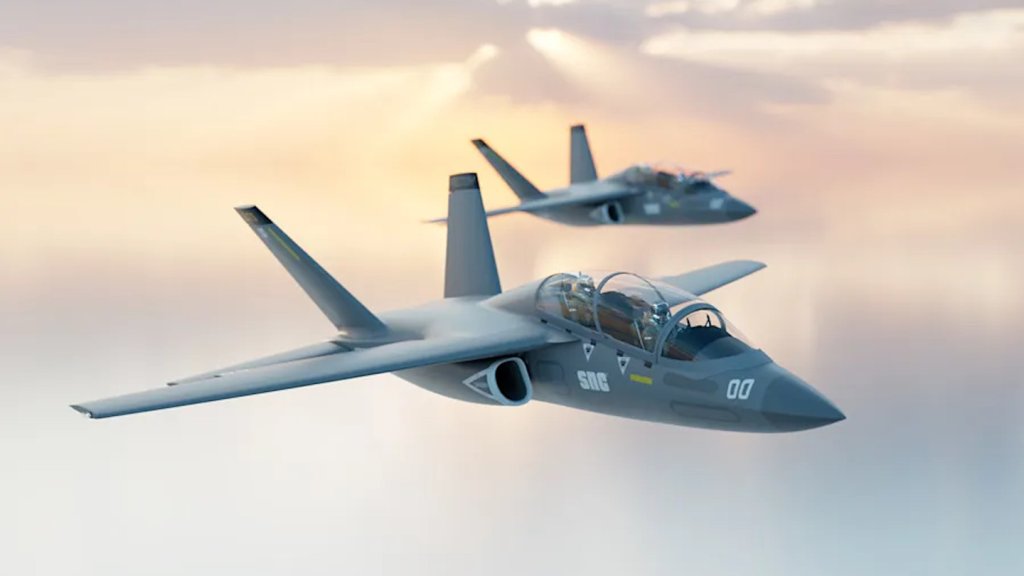
It is worth pointing out that the TF-50N and the T-7 are also both single-engine designs. The Beechcraft M-346N that Leonardo and Textron have put forward is powered by a pair of Honeywell F124 turbofans. Two Williams FJ44-4M turbofans power SNC’s Freedom Jet, which is also the only clean-sheet design in the running for UJTS. This may point to a general view of the UJTS requirements that make single-engine designs less attractive.
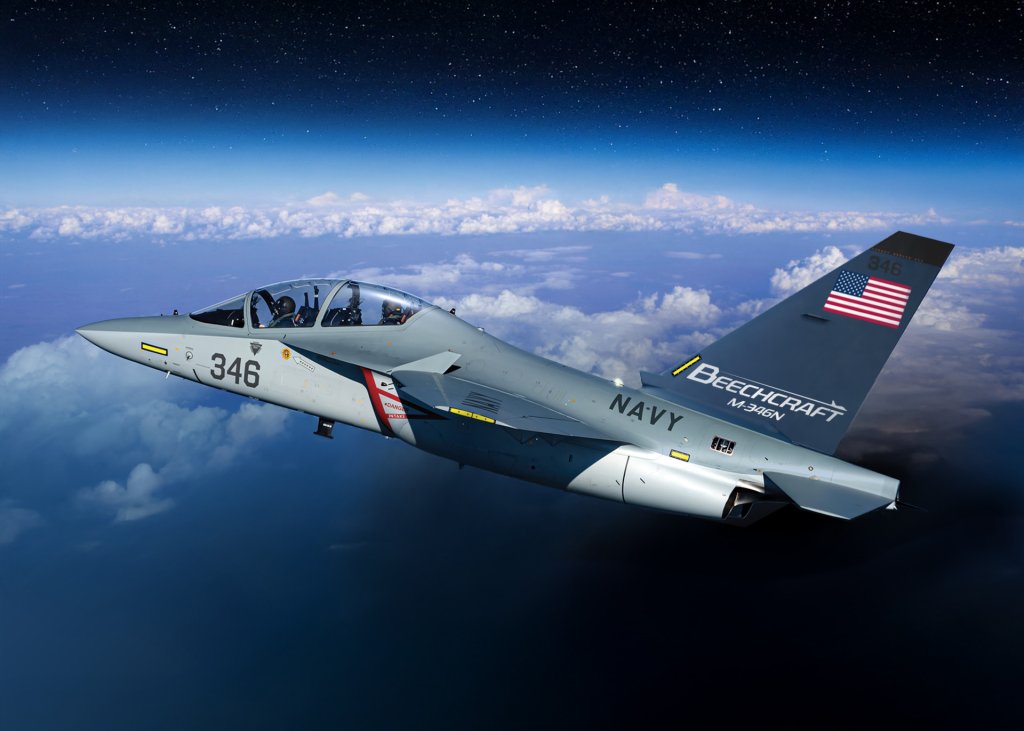
A rendering of the M-346N. Textron/Beechcraft
A rendering of a pair of SNC Freedom Jets. SNC

The Freedom Jet design is also tailored to meet now-axed requirements for UJTS to be able to perform carrier qualifications and simulated carrier touch-and-goes at base on land. The requirements for so-called Field Carrier Landing Practice (FCLP) training at facilities ashore have historically been structured specifically in a way that “simulates, as near as practicable, the conditions encountered during carrier landing operations,” according to the Navy.

SNC says its choice to build an aircraft that can still perform these tasks is deliberate, and offers the Navy what could still be important capability and flexibility in the future, as you can read more about here.

The Navy’s decision to remove carrier qualifications and otherwise alter key aspects of the tactical jet aviator training pipeline has been and continues to be controversial. The service has argued that substantial investments in virtualized training and assisted carrier landing capabilities, such as Magic Carpet and its successors, have fundamentally changed the landscape when it comes to training future pilots for carrier-based operations.

Earlier this month, the Navy also confirmed that it had raised the total cost ceiling for the prospective UJTS contract from approximately $1.8 billion to $2.7 billion.

“The Government updated the price cap to reflect a change in the program cost estimate due to new information received,” Naval Air Systems Command (NAVAIR) subsequently explained, according to Breaking Defense.

The substantial increase in the projected cost has raised its own questions about the outlook for the competition and the development program that is expected to follow. The Navy’s decisions to scale back its training requirements had previously been seen as opening the door to existing land-based jet trainer designs, or derivatives thereof, like the T-7 and the TF-50N. That, in turn, was viewed as a potential way for the service to help keep costs and risk low.
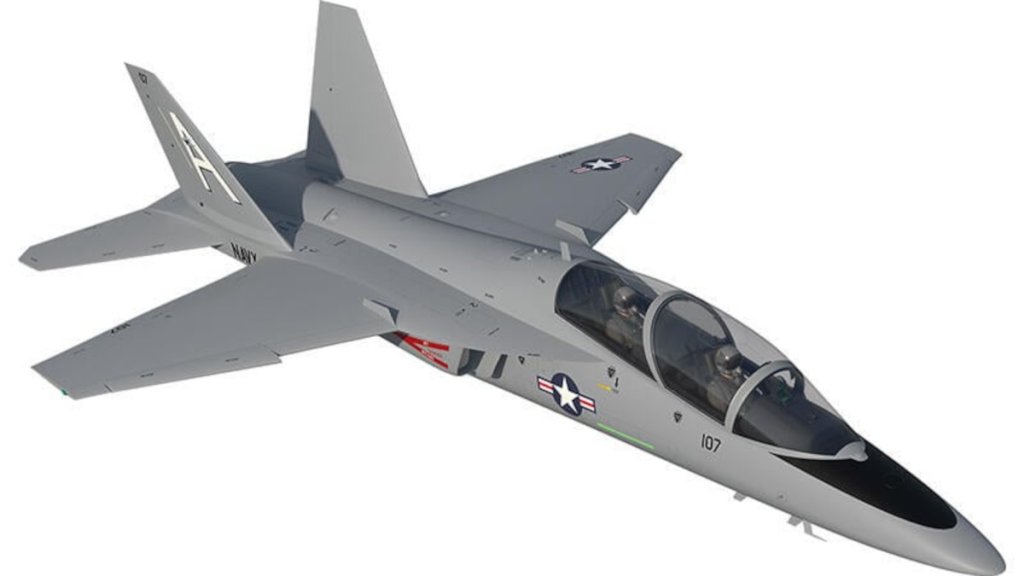
A rendering of the version of the T-7 Boeing had previously planned to submit to the UJTS competition. Boeing

The Navy’s T-45 replacement plans have already been delayed multiple times, with the service originally planning to pick a winning design this year and to have the first example enter operational service in 2028. The goal now is to award a contract in the middle of next year.

The aging T-45 fleet has faced its own struggles, including a spate of reported hypoxia-like physiological episodes among pilots that led to the development of a new oxygen system. There have been several Goshawk crashes in recent years due to a variety of factors, with the most recent coming just last month. The pilots in that case thankfully survived.

For Boeing, the decision to drop out of the running for UJTS could also allow it to refocus resources to other priorities. The company is also notably one of two remaining competitors vying to build the sixth-generation F/A-XX carrier-based fighter for the Navy. Boeing is already heavily engaged now on work for the F-47 sixth-generation fighter for the Air Force.

When it comes to the UJTS competition, with Boeing having bowed out, the SNC-led and Leonardo/Textron teams are now facing off head-to-head.

Contact the author: joe@twz.com

The post Boeing Drops Out Of Navy’s T-45 Jet Trainer Replacement Competition appeared first on The War Zone.
  •  

Four U-2S Spy Planes Would Be Restored In Bill That Would Save The Dragon Lady Fleet

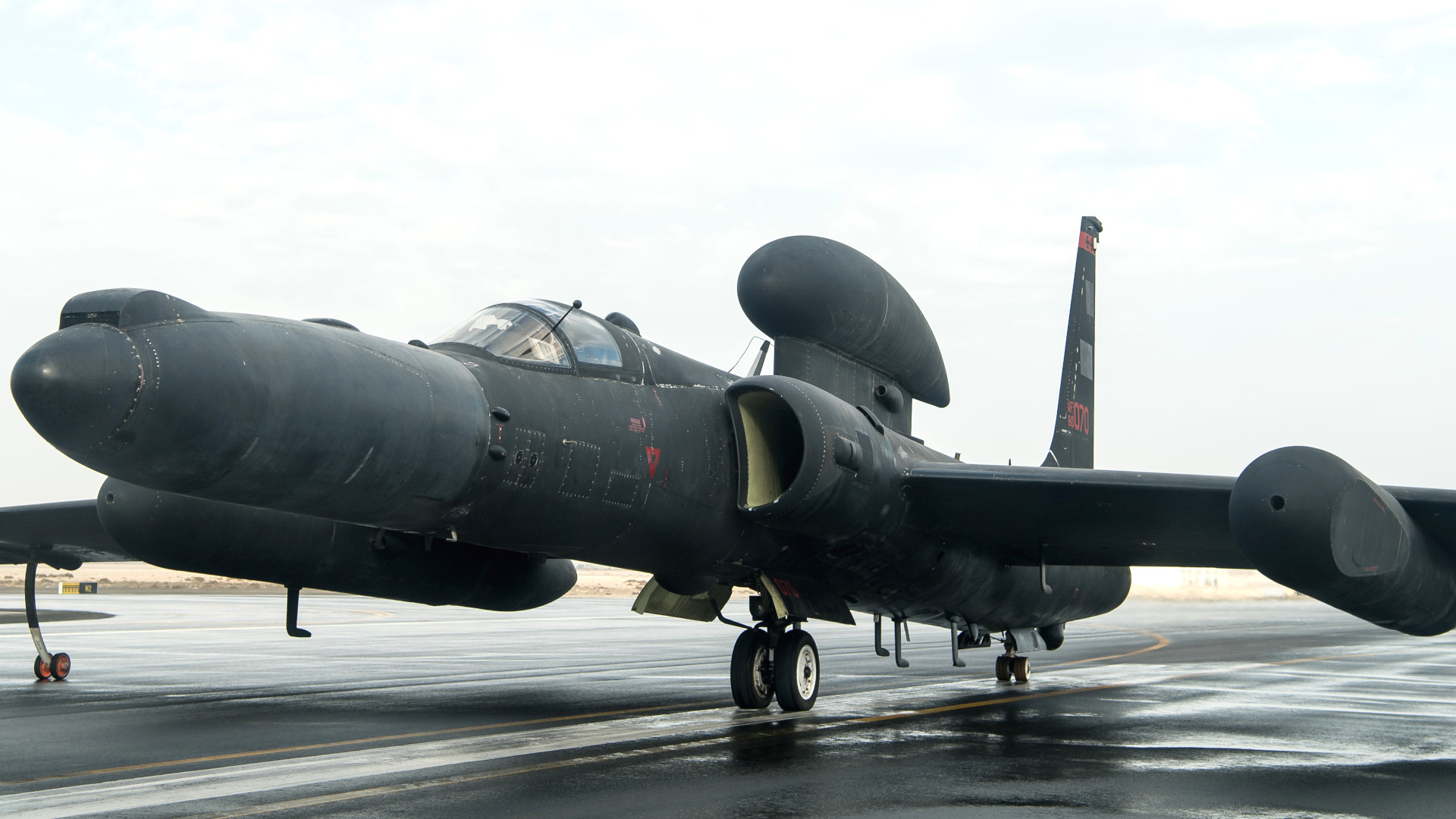
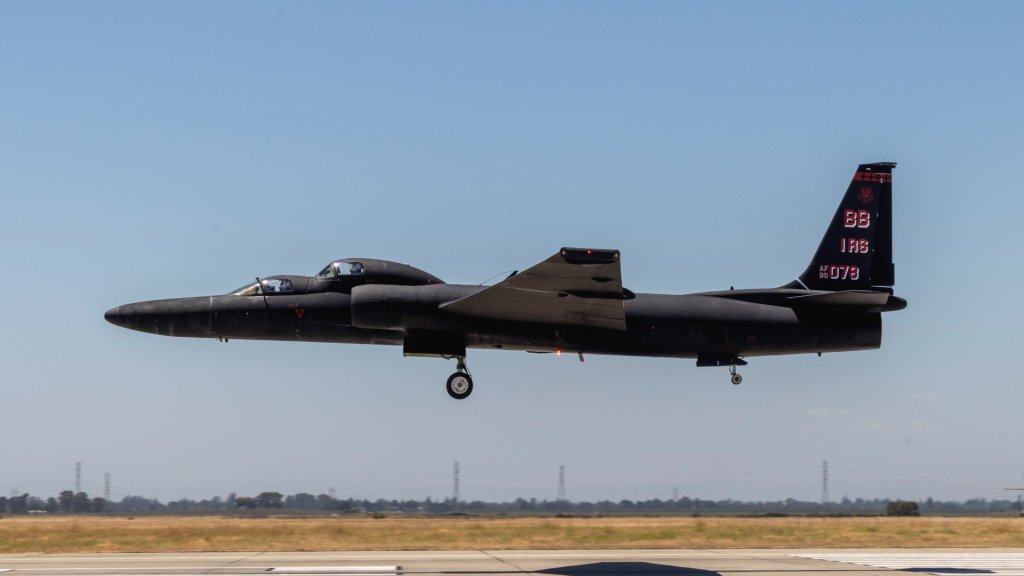
Members of Congress are again moving to block the U.S. Air Force from retiring all of its U-2S Dragon Lady spy planes. This time, legislators also want to compel the service to “fully restore” four of the iconic aircraft through heavy depot maintenance, which would bolster the fleet’s operational capacity. The Air Force continues to argue that the high-flying Cold War-era jets are too vulnerable to support future high-end fights and should be supplanted by a mix of space-based and other capabilities. This would presumably include a classified stealthy high-altitude drone, commonly (and unofficially) referred to as the RQ-180, or an evolution thereof, which first emerged publicly just earlier this year.

Yesterday, the House Appropriations Committee released a draft defense spending bill for the 2027 Fiscal Year. It includes a provision that would prevent the Air Force from retiring more than two U-2Ss in that fiscal cycle. The Air Force currently has 23 of these aircraft in inventory, including three two-seat TU-2S trainers.

One of the Air Force’s three TU-2S trainers. USAF

A summary of the proposed legislation also says it includes “$81 million for U-2 programmed depot maintenance to fully restore four aircraft.” The current operational status of the aircraft in question is unclear. This is included under the umbrella of $335.3 billion in total funding for operation and maintenance (O&M) accounts across the services that the draft bill would appropriate for Fiscal Year 2027.

Programmed depot maintenance for any aircraft is an intensive process that essentially involves a full tear-down and detailed inspection. Paint and other coatings are typically stripped and reapplied. Upgrades and modifications are often worked into depot maintenance cycles given the extensive work already being done.

The Air Force’s proposed budget for the 2027 Fiscal Year completely zeroes out the line for U-2 O&M, to include depot maintenance, reflecting the service’s desire to retire the fleet. An annual force structure report the Pentagon released in May concisely outlines the current argument for retiring the remaining U-2Ss.

“The Air Force will retire the entire 23-ship U-2 fleet, as the platform is no longer viable for future high-end conflicts,” the force structure report says. “Continued operation presents significant safety, logistical, and financial risks that outweigh the platform’s remaining utility in contested environments.”

“This decision allows for the strategic reallocation of fiscal resources to fund more critical, high-priority service requirements and accelerate modernization efforts in other key areas,” it adds. “Continuing to operate the U-2 fleet would require a significant investment to address systemic issues, including diminishing manufacturing capacity, material shortages, and safety risks inherent in the aging platform.”

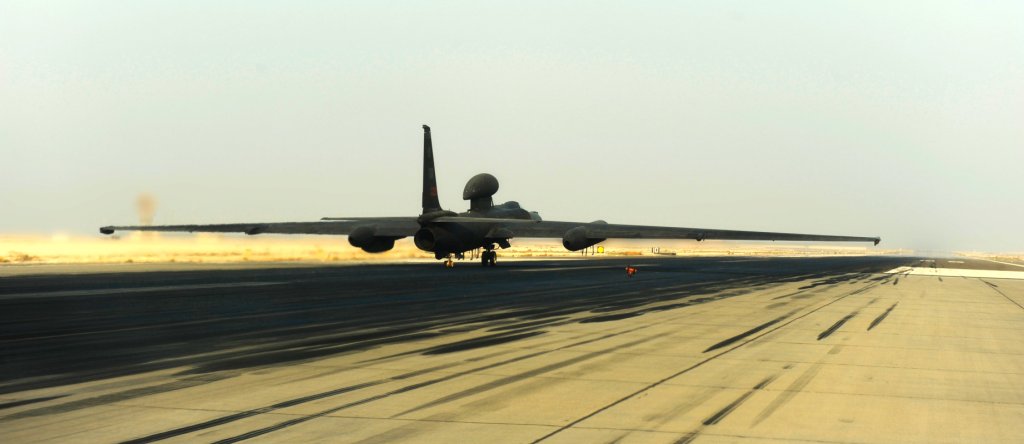
A U-2 seen taking off from an undisclosed location in the Middle East in 2010. USAF

Questions about the continued relevance of the U-2 in the face of an ever-expanding global air defense threat ecosystem are not new. Near-peer competitors like China and Russia, as well as lower-tier potential adversaries like Iran, continue to develop and field more capable air defense systems and expand their anti-access and area denial bubbles. This, in turn, has threatened to push the U-2 further and further from the areas where it would be tasked to collect.

On top of all this, the U-2s are aging and becoming more costly to operate and maintain. The U-2S models in service today were upgraded from earlier variants that began their service careers in the 1980s.

As noted, this is not the first time the Air Force has tried to retire its remaining U-2s, citing operational and sustainment-related factors. In response, Congress has repeatedly intervened in the past few years to at least block full divestment of the fleet over persistent concerns about the aerial intelligence, surveillance, and reconnaissance (ISR) capability and capacity gap that might result.

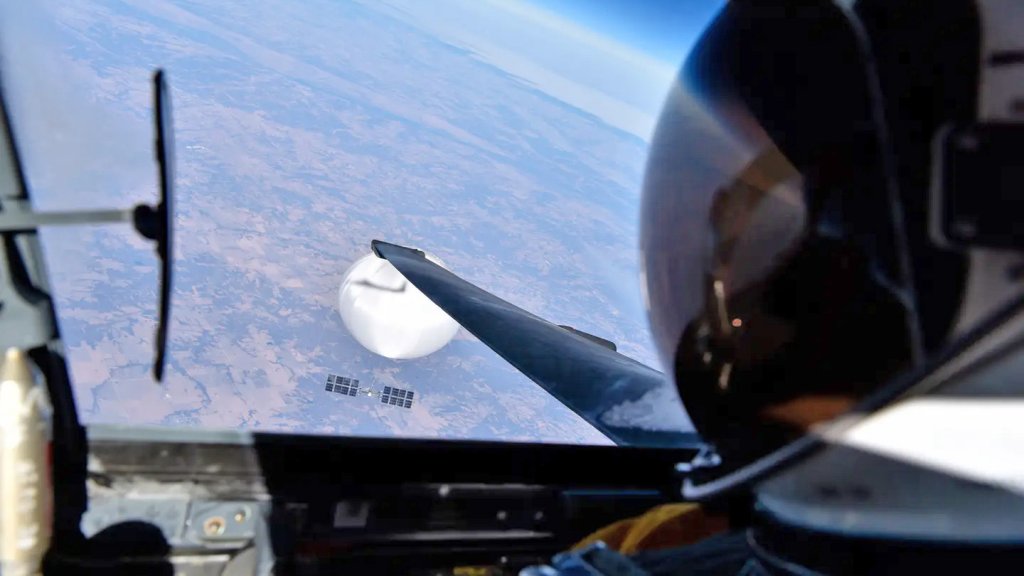
The Dragon Lady continues to offer a unique ISR platform that can fly higher than any other operational non-orbital platform, crewed or uncrewed, the U.S. military has, at least from what we know today. This, in turn, means that the aircraft can bring imaging, signals intelligence, communications payloads, and other sensors up to those altitudes, giving them particularly good fields of view. From this perch, aircraft can use a slant angle to peer deep into denied areas while still flying international airspace and further away from potential threats. The use of the U-2 to gather intelligence about a Chinese spy balloon that soared over parts of the United States and Canada in 2023, which involved flying above it, offered a particularly public demonstration of the value of the aircraft’s high-altitude capabilities.

A view of the Chinese spy balloon soaring over the United States in 2023, as seen from the cockpit of a U-2. USAF

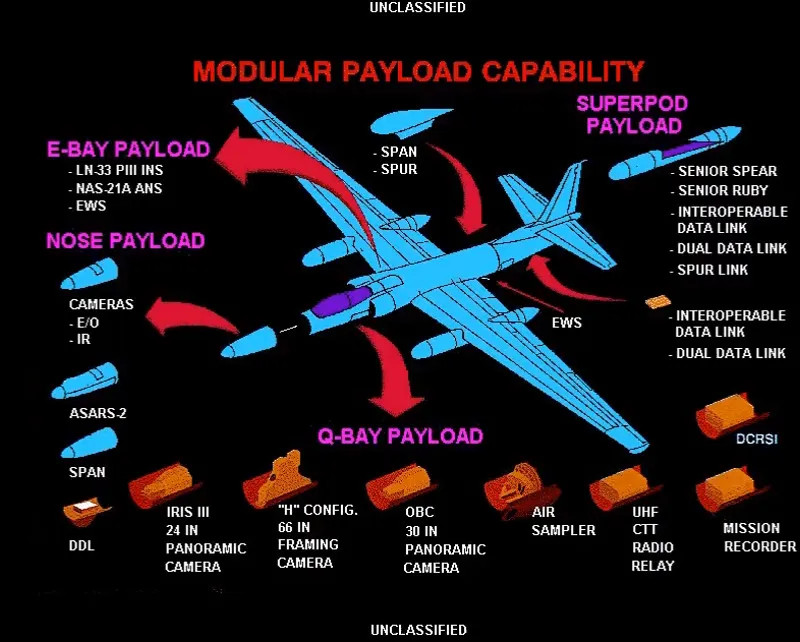
Each Dragon Lady can also carry a wide array of different sensor systems simultaneously, as well as communications packages, further increasing its flexibility. The U-2Ss have the ability to be readily deployed to forward locations globally and conduct long-duration sorties, as well. The latter points have been especially relevant in comparison to known existing ISR satellite constellations that are constrained by their orbits and can only offer relatively short-term coverage over a specific area. We will come back to this in a moment.

A now-dated graphic that still gives a good sense of the array of different sensors the U-2 can carry. US Military

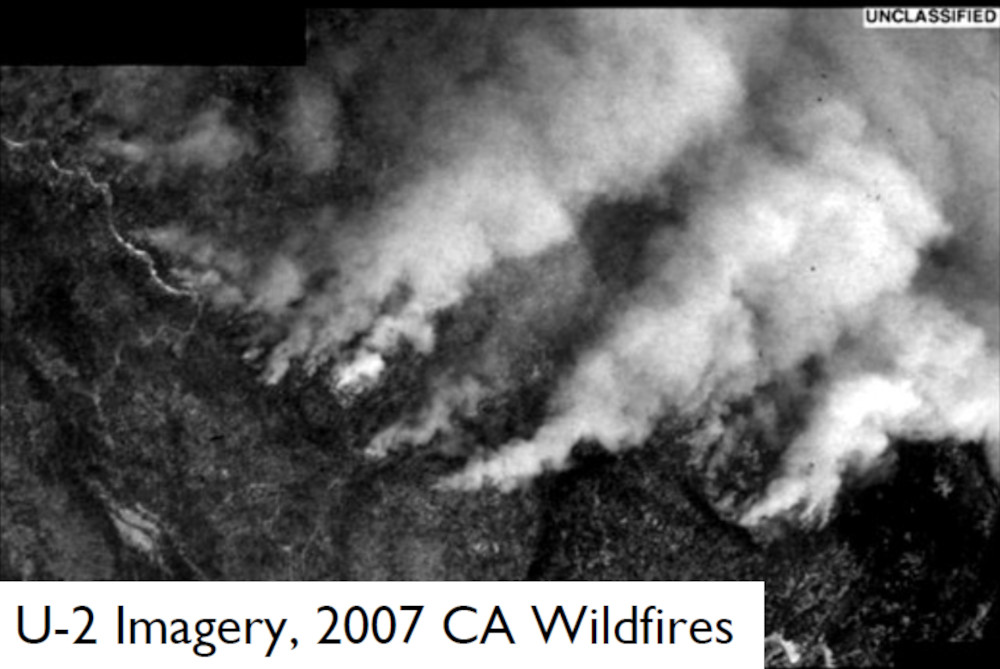
It is worth noting here that the Air Force’s Dragon Lady fleet also has a long history now of providing valuable ISR support outside of traditional combat operations. Last year, the service confirmed U-2Ss were supporting the enhanced border security mission along the United States’ southern boundary with Mexico. The aircraft have been used to support counter-narcotics operations over the years, as well as humanitarian assistance and disaster relief missions. NASA also operates a pair of ER-2 aircraft, another version of the Dragon Lady, as high-flying scientific research platforms.

A U-2 collected this image of wildfires in California in 2007. National Guard Bureau

The Air Force has been hinting for years now at the existence of advanced aircraft in the classified realm that could help fill gaps left by the retirement of the U-2, and also be more survivable in very high-threat environments. This has now been further underscored by the emergence of the ‘RQ-180,’ or a related stealthy design, in Greece earlier this year, the likely capabilities and roles of which TWZ explored in a detailed feature in April. At the same time, we have raised still unanswered questions in the past about how many of any such drones might actually be in service and what kind of operational capacity those fleets might provide.

American RQ-180 stealth drone landing in Greece, supporting US operations against Iran. pic.twitter.com/Go5YHBM1p8

— OSINTtechnical (@Osinttechnical) April 6, 2026

The U.S. military is also pushing ahead with the development and fielding of new space-based ground and air surveillance capabilities. This includes work toward the fielding of new satellite constellations that could provide game-changing persistent coverage globally, as you can read more about here. Despite steady progress, including on-orbit testing of prototypes, there are still questions about when any of these new assets in orbit will be fully operational. The U.S. Space Force recently announced it is now targeting 2028 for the “early” fielding of at least some of these new space-based surveillance capabilities.

The draft defense spending bill from the House Appropriations Committee does still have to be finalized, and then brought in line with companion legislation in the Senate. Both chambers of Congress then need to pass the bill before it can be sent to the President’s desk to be signed into law. There are many opportunities along the way for major changes to be made to the bill.

That being said, Congress has consistently blocked Air Force efforts to fully retire the U-2 in recent years. Another potential reprieve, which would also demand the service take steps to bolster the operational capacity of the remaining fleet, has now appeared on the horizon.

Contact the author: joe@twz.com

The post Four U-2S Spy Planes Would Be Restored In Bill That Would Save The Dragon Lady Fleet appeared first on The War Zone.
  •  

F-22’s ‘Catfish’ 757 Testbed Spotted Carrying Raptor’s New Infrared Sensor Pod

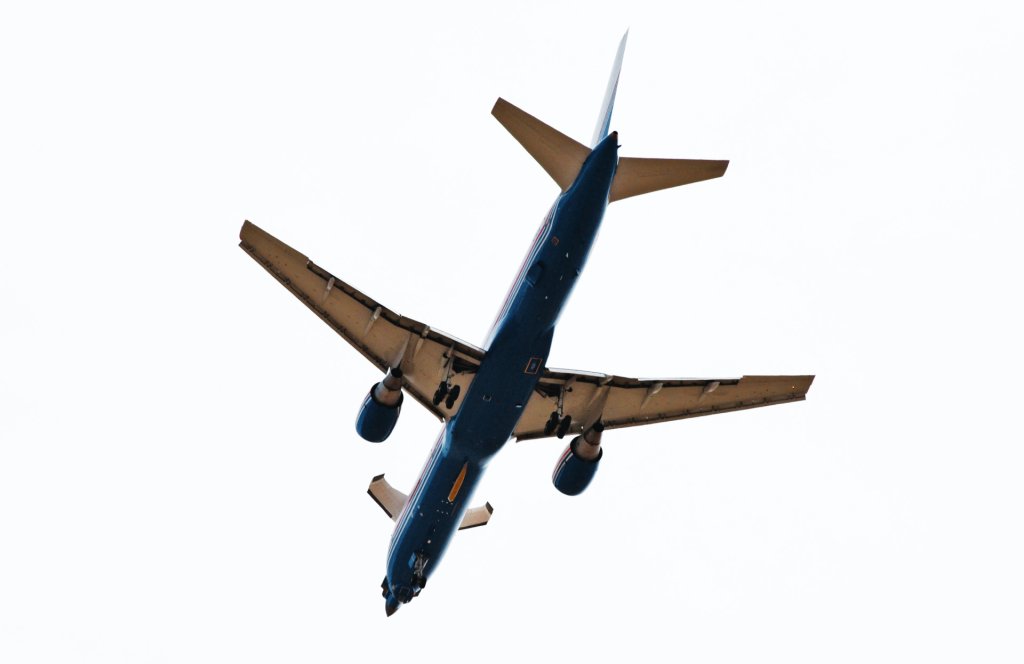
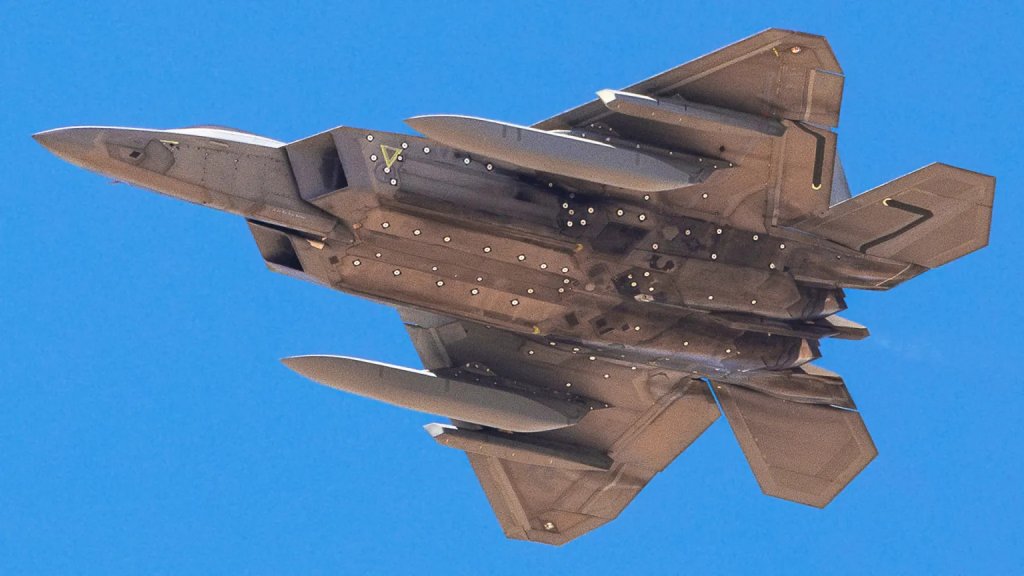
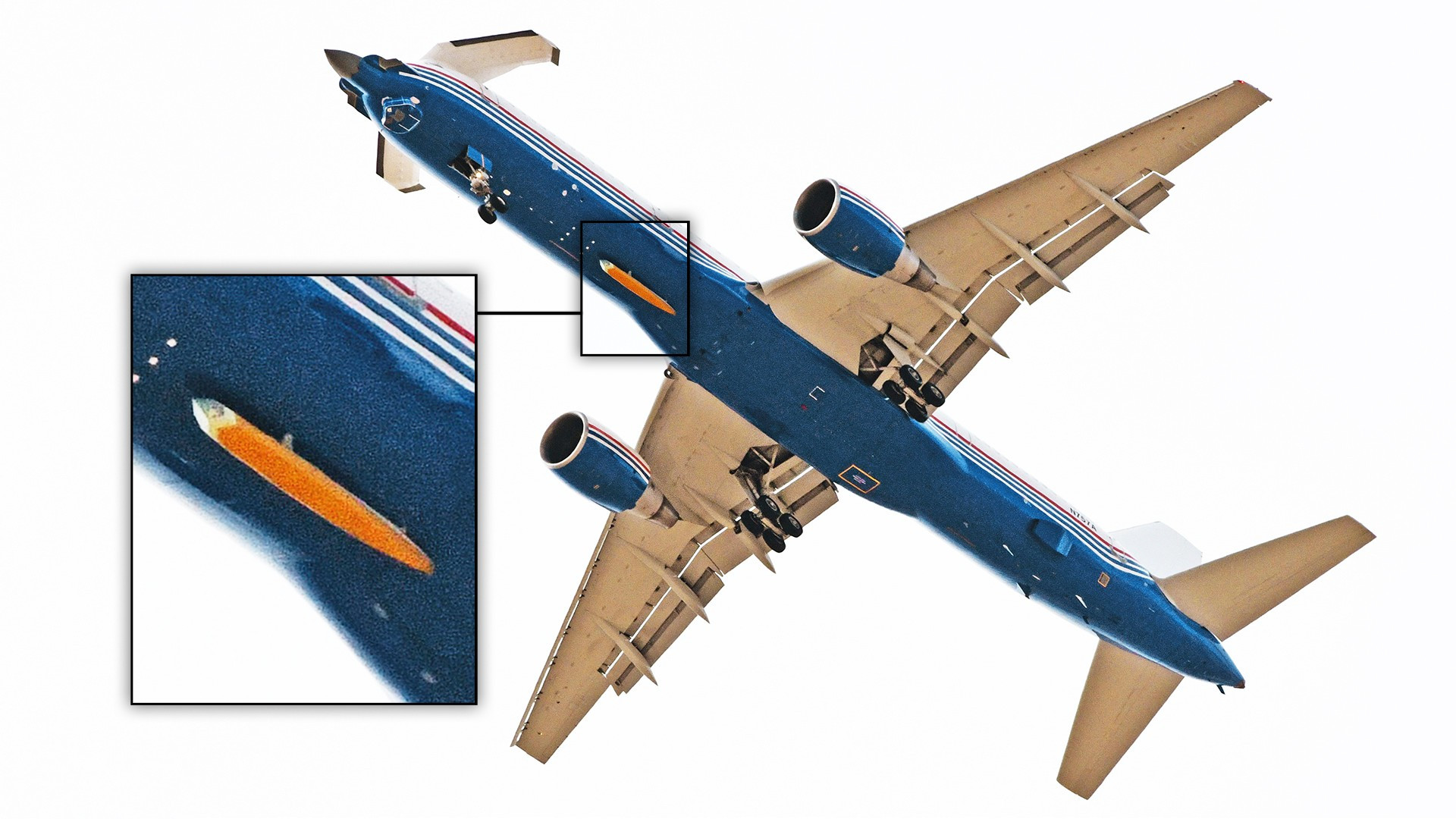
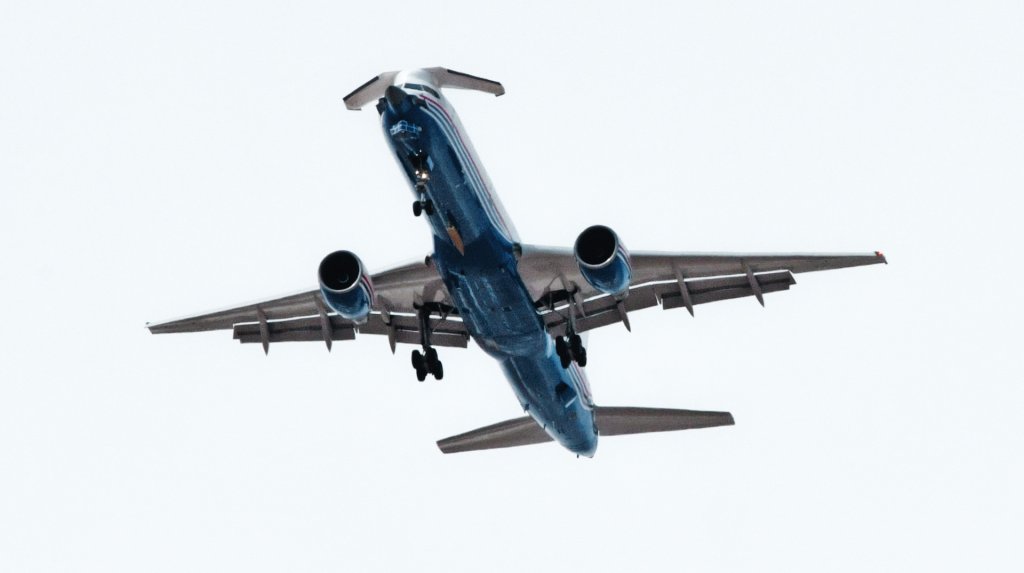
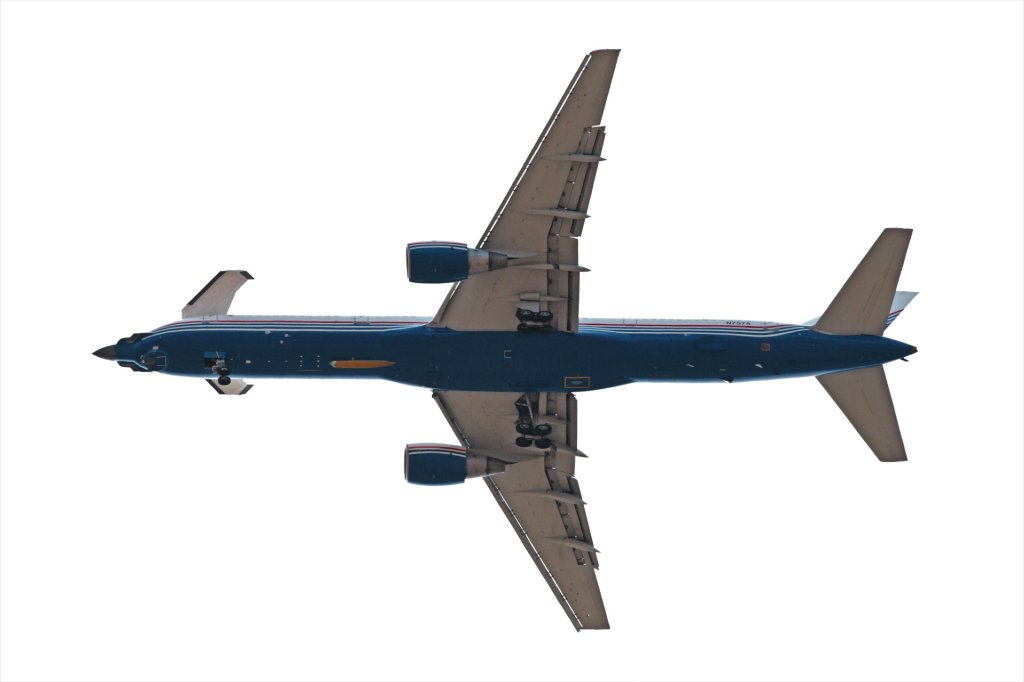
Boeing’s 757 Flying Test Bed was recently spotted carrying a stealthy underwing infrared sensor pod under its fuselage. This may be the first time this aircraft, better known as ‘The Catfish’ because of its unique and highly modified nose profile, has ever been seen lugging around a store on this station. The pod itself is part of a larger “Raptor 2.0″ upgrade package being developed for the F-22. Catfish has served as a key systems integration testbed for the Raptor since the 1990s.

Jerod Harris caught Catfish with the pod under its belly as it came in to land at Edwards Air Force Base in California on Monday. Edwards is the main hub for U.S. Air Force test and evaluation activities, and Catfish has been seen there many times over the years as part of its work. The aircraft, which carries the U.S. civil registration code N757A, also happens to be the first 757 ever built, and took to the skies for the first time back in 1982.

Catfish with the pod under its fuselage seen on approach to Edwards Air Force Base in California. Jerod Harris

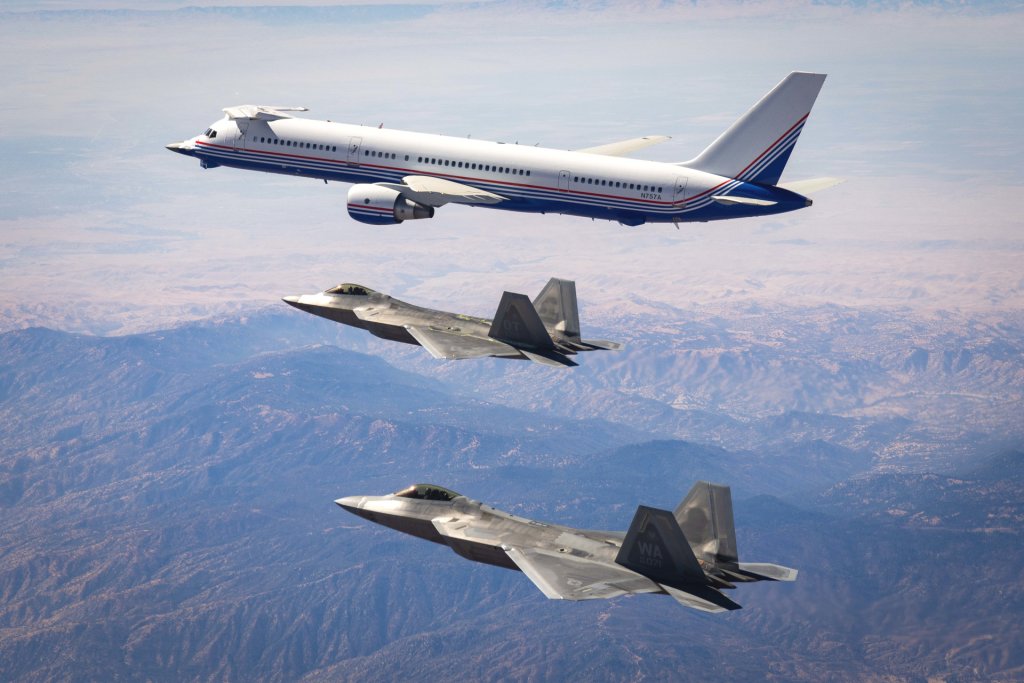
As already noted, Catfish has already played a central role in the story of F-22. The aircraft’s heavily modified nose is designed to directly replicate that of the Raptor, and contains the same AN/APG-77 active electronically scanned array (AESA) radar as the fighter. The swept wings on top of the cockpit were also designed to support testing of the conformal antennas for the Raptor’s AN/ALR-94 electronic support measures system and other components of its ‘fused’ sensor suite. The aircraft has supported the development of a wide array of other systems for the F-22, and is packed inside with additional equipment to support those needs in particular, including a replica of the Raptor’s cockpit. You can read more about Catfish and its general history here.

So it is not surprising then that the heavily modified 757 would also be used now to help with continued testing of the new underwing infrared sensor pods for the Raptor. Carrying the pod under the forward end of the fuselage would offer the sensors inside a good open field of view to the front, as well as to the left, right, and down.

Another view of Catfish carrying the stealthy infrared sensor pod. Jerod Harris

The stealthy pods have been test-flown on actual F-22s for years now. At the same time, there are only a limited number of Raptors available, in total, and they are notoriously fuel-hungry, maintenance-intensive, and otherwise expensive to operate. If the particular test plan calls just for level flight, and over extended periods of time, a platform like Catfish could be an attractive alternative. With space for dozens of engineers and technicians in its main cabin, and workstations for them, the aircraft would also offer very different options for testing and evaluating the pod while in-flight. A North American Sabreliner business jet has also been used to test these pods in the past.

N33TR, a Rockwell Sabreliner 65 for Airborne Imaging returns to KJWY/Mid-Way regional Airport as " AIRBORNE33 " carrying one of the future F-22 pods.

It was at Nellis AFB testing the pod alongside RATT55/NT-43A, a radar test bed that regularly flies alongside B-2s. pic.twitter.com/kNADnga7H0

— 𝗦𝗥_𝗣𝗹𝗮𝗻𝗲𝘀𝗽𝗼𝘁𝘁𝗲𝗿 (@SR_Planespotter) July 1, 2024

The capability, in general, for Catfish to carry stores under its fuselage might open up additional possibilities for utilizing the aircraft in support of other testing efforts, if it hasn’t already.

Catfish continues on with its approach to Edwards. Jerod Harris

Catfish would also be well suited to supporting testing of other elements of the Raptor 2.0 package. Under the current plan, the Air Force’s F-22s are also set to get a new integrated distributed infrared search and track (IRST) system called the Infrared Defensive System (IRDS).

IRST systems have seen a renaissance across the U.S. military in recent years, as well as elsewhere globally. IRSTs detect and track targets via their infrared emissions, making them particularly valuable for helping spot stealthy targets with features designed to reduce their radar cross-sections. The sensors are also immune to radio frequency electronic warfare jamming and operate passively, meaning they do not emit signals that could alert a target to the fact they are being tracked. IRSTs can also be used to cue or otherwise be linked to other sensors, including AESA radars. This data fusion can provide higher fidelity tracks of multiple targets, as well as improved situational awareness overall.

Increased demand for IRSTs has led to a commensurate increase in demand for testing using multiple platforms. This, in turn, has been a major component of a general uptick in U.S. military flight testing in recent years to support a variety of new, advanced programs.

An F-22 with the stealthy underwing infrared sensor pods and drop tanks seen on a test flight over the Mojave Desert in March 2026. Jarod Hamilton

Other elements of the Raptor 2.0 upgrade plan include new stealthy drop tanks, improvements to the jet’s stealthy features, radar capabilities, electronic warfare suite, and more, as you can read about in detail here.

At least a portion of the Raptor fleet is also set to receive modifications to enable them to act as airborne controllers for Collaborative Combat Aircraft (CCA) drones. The Air Force’s F-22s are set to be the service’s first tactical jets to be used in that role, though others will follow.

The F-22 upgrade work is reflective of current Air Force plans to keep the Raptors in service for decades to come. In 2024, the Air Force said it no longer had a firm retirement schedule for the fighters.

Raptors have been used in recent years as surrogates to support work on the Next Generation Air Dominance (NGAD) initiative, a component of which is Boeing’s F-47 sixth-generation fighter. As such, Catfish will have already been feeding into those developments, which are now firmly a top Air Force priority.

Catfish seen flying together with a pair of F-22s near Edwards in 2024. Courtesy photo/Kyle Larson via USAF Chase Kohler

At the same time, Catfish is now 44 years old. Boeing 757s, in general, are increasingly disappearing from service globally as they become more complicated and cost-intensive to sustain. Especially with the work ongoing now on the F-47, it seems likely Boeing will start looking toward a new highly specialized testbed aircraft modified to reflect the particular physical geometry, unique avionics, and other features of the new fighter.

Similarly, the F-35 family also has a dedicated test jet, the Boeing 737-300-based Cooperative Avionics Testbed, nicknamed the CATbird. There are several other airliner and business jet-based testbeds flying globally today, though Catfish is certainly one of the largest and most visually distinctive. Improving digital simulation and modeling tools could allow for less reliance on surrogate testbed aircraft in the future, but they will in no way be eliminated.

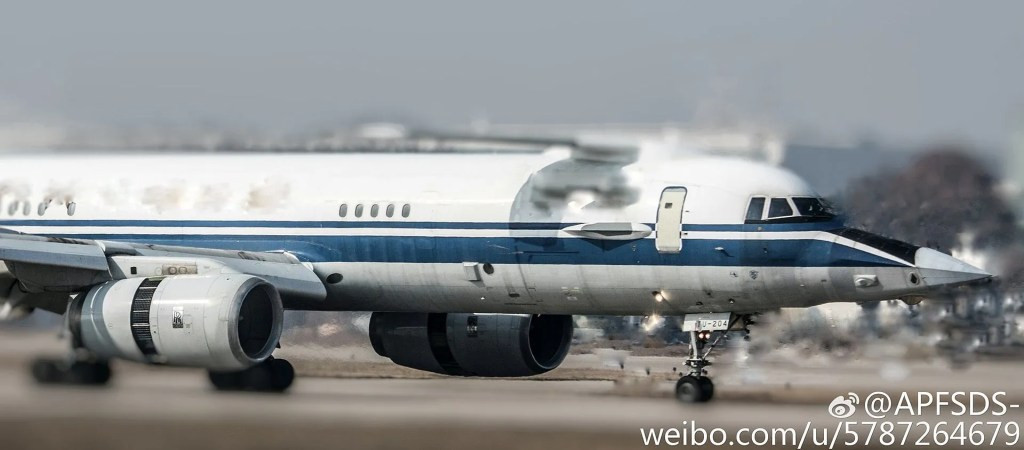
China notably has something of a clone of Catfish based on a Russian-made Tupolev Tu-204C airliner, which itself was designed as an analog to the 757. The Chinese jet’s primary purpose has been supporting the development of the J-20 stealth fighter, the country’s closest answer to the F-22.

China’s Tu-204C-based ‘Catfish’ testbed jet. Chinese internet via X

In the meantime, Boeing Catfish remains a very important part of continued work to improve and expand the capabilities of the F-22. This now extends to testing of specialized underwing pods for the Raptor.

Special thanks again to Jerod Harris for sharing his pictures of Catfish carrying the stealthy sensor pod with us.

Contact the author: joe@twz.com

The post F-22’s ‘Catfish’ 757 Testbed Spotted Carrying Raptor’s New Infrared Sensor Pod appeared first on The War Zone.
  •  
❌