Republicans on the Senate Armed Services Committee this week pushed forward the Trump administration’s desired “Department of War” name change in passing their version of the annual defense policy bill. In closed-door deliberations over its fiscal 2027 National Defense Authorization Act (NDAA), the panel included language to formally change the Department of Defense to the…
Republicans on the Senate Armed Services Committee this week pushed forward the Trump administration’s desired “Department of War” name change in passing their version of the annual defense policy bill. In closed-door deliberations over its fiscal 2027 National Defense Authorization Act (NDAA), the panel included language to formally change the Department of Defense to the…
The deal to ship 250,000 barrels of fuel to Cuba could have eased an energy crisis. But the Trump administration says Vanguard Energy lacks the authorization to proceed.
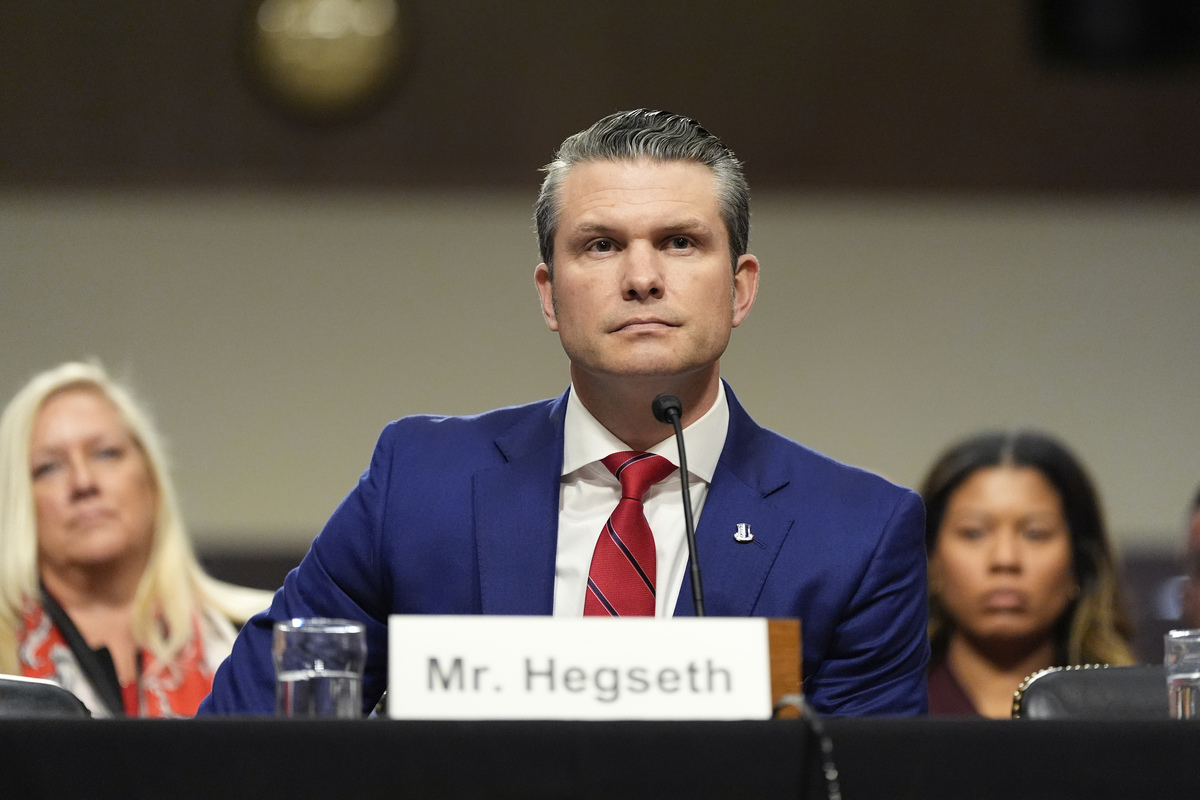
Defense Secretary Pete Hegseth on Wednesday slammed a reporter’s question about whether a U.S. strike on Iran’s civilian infrastructure would be considered a war crime. “Well, it’s precisely the kind of disingenuous question that I’m used to from the media, impugning the motives of the folks on our side who are incredibly professional and incredibly…
Defense Secretary Pete Hegseth on Wednesday slammed a reporter’s question about whether a U.S. strike on Iran’s civilian infrastructure would be considered a war crime. “Well, it’s precisely the kind of disingenuous question that I’m used to from the media, impugning the motives of the folks on our side who are incredibly professional and incredibly…
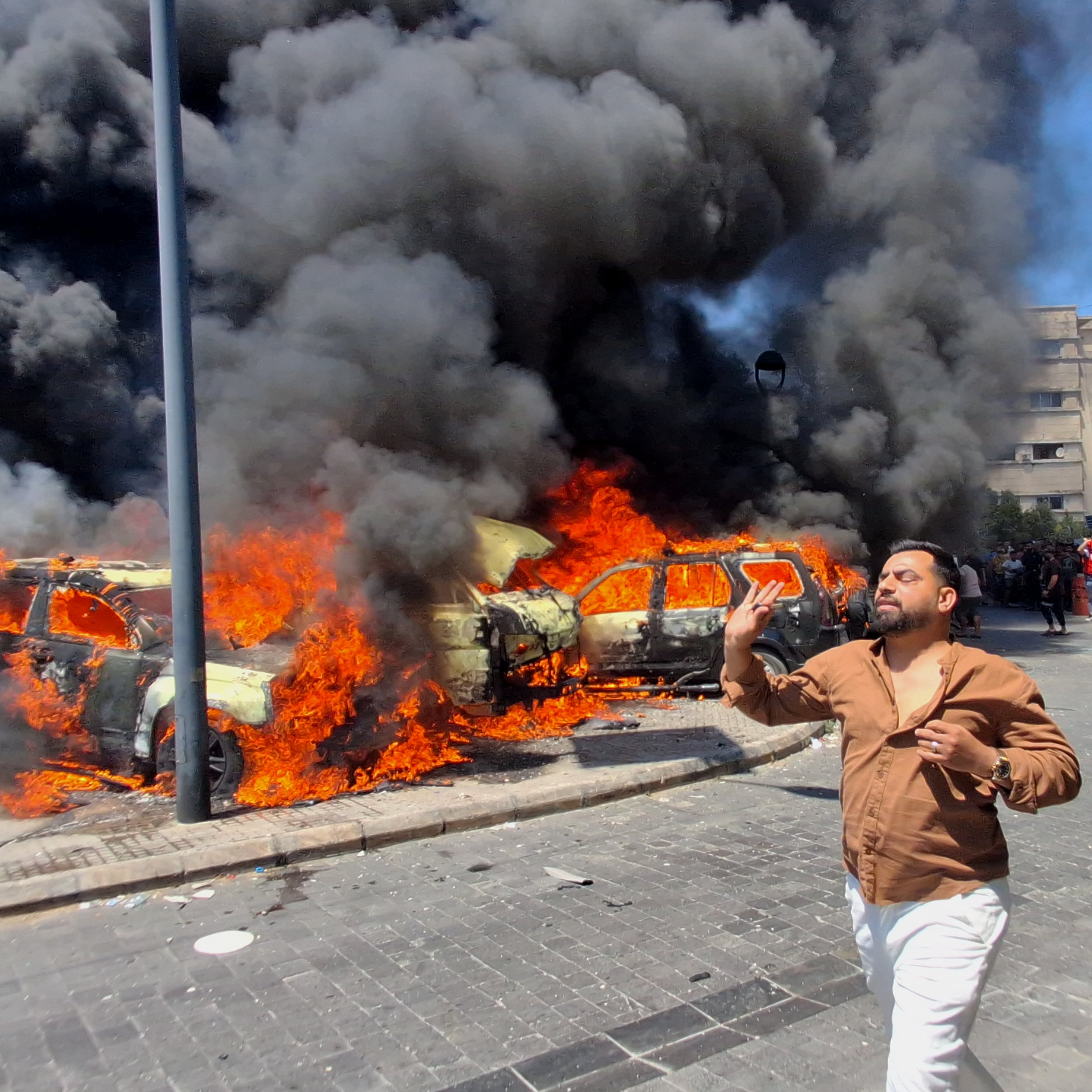
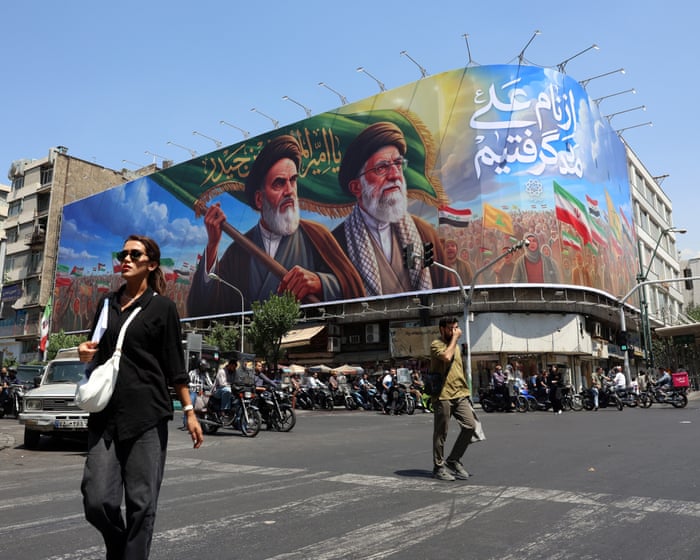
With the latest exchanges of fire between the United States and Iran, the war in the Persian Gulf and its fragile ceasefire — marked by increasingly serious skirmishes — has entered a new phase, the most dangerous yet, raising the prospect of a return to hostilities. While the United States attacked Iranian targets for the second consecutive night, the Iranian General Staff has once again announced the complete closure of the Strait of Hormuz, and the Revolutionary Guard Corps has warned that Iranian troops will respond “decisively” to any attack by the adversary. President Donald Trump has threatened attacks may continue on Thursday if Tehran does not accept his conditions for peace.
A wave of US strikes represents the gravest test yet of the fragile truce. Here’s what happened, what officials are saying and whether the deal can survive
The US launched strikes across southern Iran for a second consecutive day on Thursday. Although there have been several breaches of the ceasefire agreed between the two sides in April, the attacks this week – launched after the downing of a US helicopter over the strait of Hormuz – represent the most serious and extensive breakdown of the truce to date.
The US president, Donald Trump, raised the prospect of further attacks, while his defence secretary, Pete Hegseth, told reporters that if strikes “have to happen … they will be strong and they will be clear”.
Il Segretario alla Difesa statunitense Pete Hegseth ha risposto che “tutte le opzioni sono sul tavolo” alle domande dei giornalisti riguardo alla possibilità che il Pentagono stia pianificando un’operazione militare per catturare il presidente cubano Miguel Diaz-Canel, come già fatto con Nicolas Maduro in Venezuela. “Abbiamo opzioni a 360 gradi”, ha risposto Hegseth quando gli è stato chiesto se un’operazione per “catturare e uccidere” Diaz-Canel fosse un’opzione, parlando con i media durante la sua visita al Comando Centrale degli Stati Uniti (Centcom), con sede in Florida. “Nel nostro edificio, la pianificazione è il nostro mestiere. Quindi, a parte il Pentagono, nessuno pianifica meglio del Comando Centrale degli Stati Uniti. Per tornare al punto principale del perché siamo qui, tutte queste opzioni sono sul tavolo”, ha aggiunto.
Il Segretario ha dichiarato in Florida che “il regime cubano è sottoposto a forti pressioni in questo momento, e a ragione”, aggiungendo che “devono prendere decisioni importanti e a volte i leader prendono decisioni sbagliate quando sono sotto pressione”. Ciononostante, ha evitato di rispondere esplicitamente alla domanda se l’esercito statunitense stia pianificando un’operazione simile a quella condotta il 3 gennaio a Caracas per catturare l’allora presidente venezuelano Maduro, ora detenuto a New York con l’accusa di narcotraffico e terrorismo. “Tutto quello che posso dire è: opzioni, opzioni, opzioni. Il nostro compito è presentare opzioni di diversa portata, a seconda di dove il comandante in capo, il presidente degli Stati Uniti, voglia arrivare”.

 Login
Login