Strikes on Bemani damaged key water reservoir for 20,000 people living in area amid a historic drought in the country
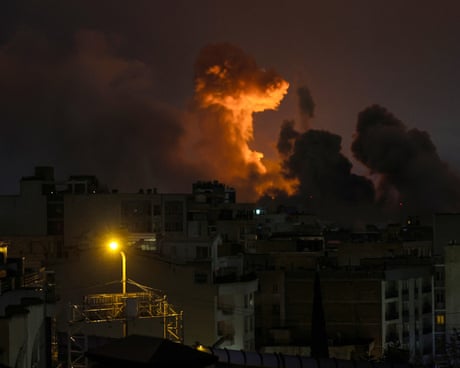
Military strikes that damaged two water storage facilities in southern Iran may constitute a war crime, military and legal experts say, after reviewing media reports and visual evidence of a 10 June strike on Bemani, a small district about 2 miles from the strait of Hormuz.
It’s unclear if the strikes deliberately targeted the district’s water tanks, or if they unintentionally destroyed a key reservoir for about 20,000 people living nearby. But if the tanks were the target, then the legal question becomes critical, Brian Finucane, a former state department lawyer, said. “It’s either a military objective or it’s a civilian object: attacking one is lawful, attacking the other is a war crime,” Finucane said.
Washington claims vessel was violating its blockade of Iranian ports and failed to comply with instructions
The Indian government has voiced a “strong protest” after three Indian seafarers were killed in US military strikes against oil tankers travelling through the strait of Hormuz.
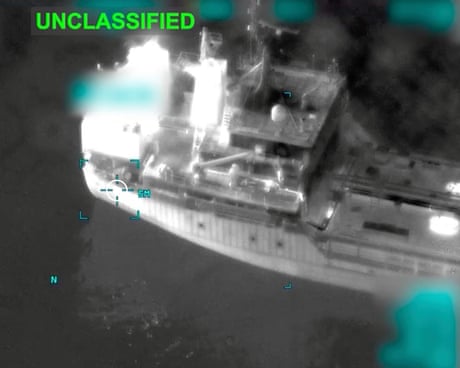
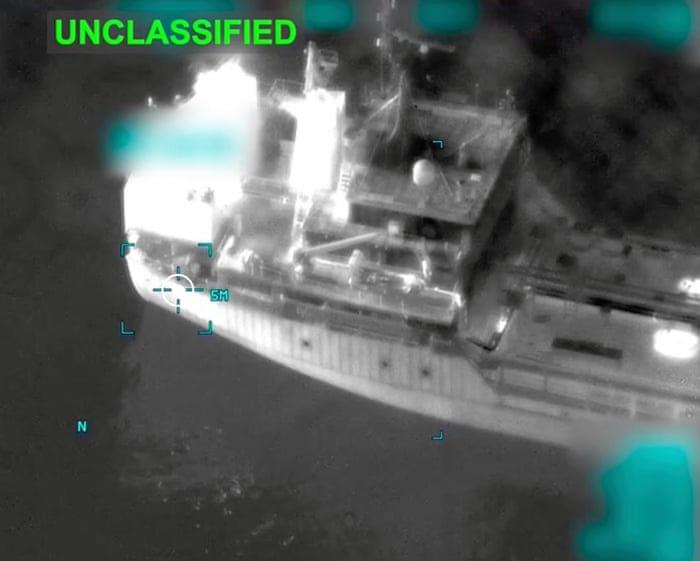
US Central Command confirmed that its aircraft had fired two Hellfire missiles at the engine room of the MT Settebello as it sailed through the Gulf of Oman on Wednesday.
Iranian leadership has not confirmed claim, after the US president announced that planned strikes on Iran had been cancelled
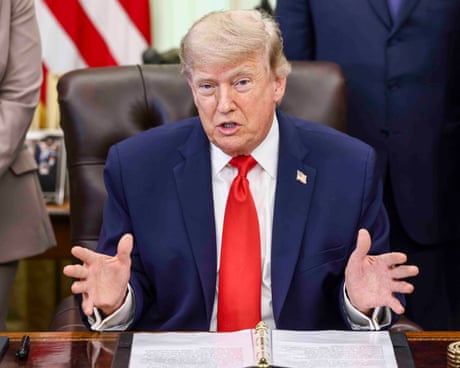
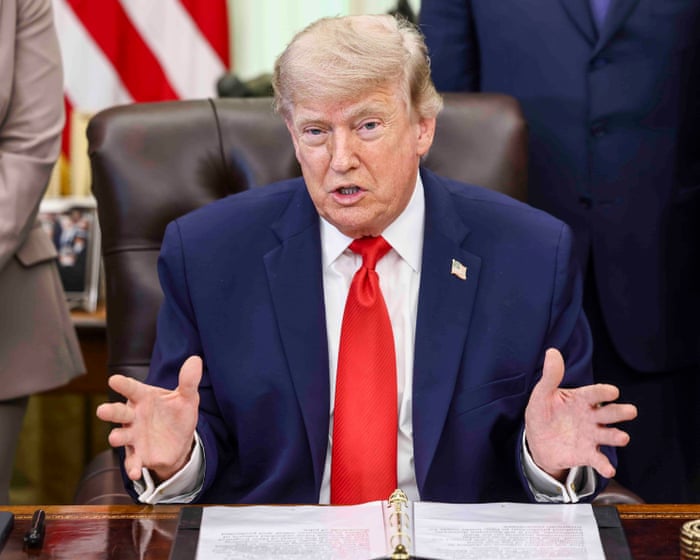
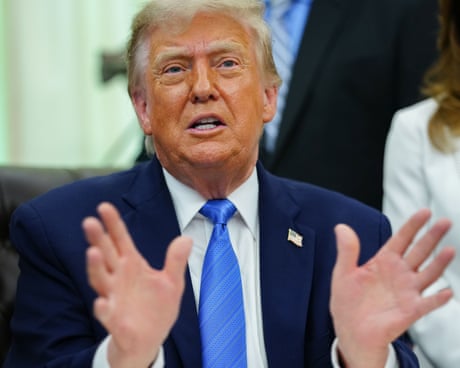
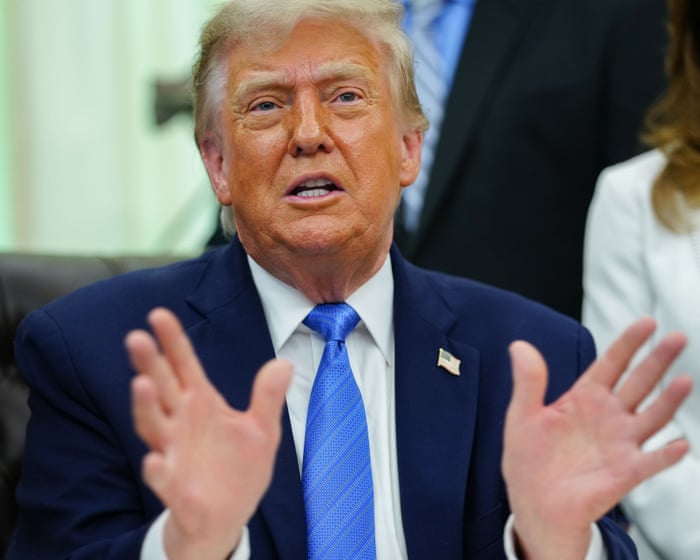
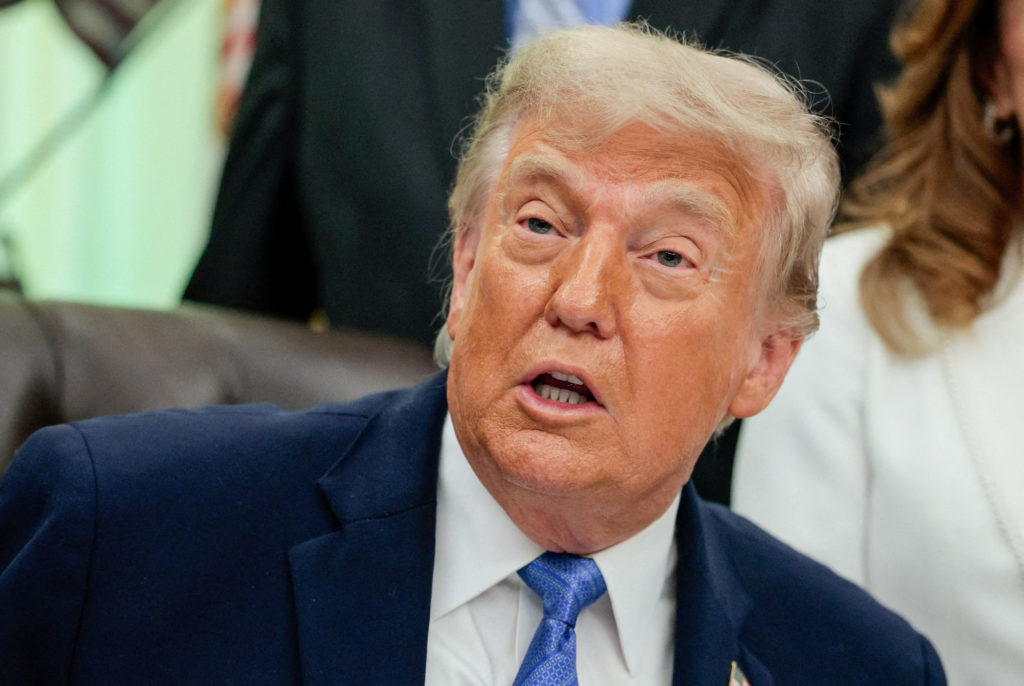
Donald Trump claimed on Thursday that Washington and Tehran were on the verge of signing a peace agreement, and announced that he was cancelling fresh missile strikes, after two days of escalating attacks on Iran that threatened to collapse the fragile ceasefire.
His comments followed a new bout of public diplomacy by social media, but were dismissed by Iran’s foreign ministry, which said a final decision on an agreement had not been reached.
Defense Secretary Pete Hegseth on Wednesday slammed a reporter’s question about whether a U.S. strike on Iran’s civilian infrastructure would be considered a war crime. “Well, it’s precisely the kind of disingenuous question that I’m used to from the media, impugning the motives of the folks on our side who are incredibly professional and incredibly…
Defense Secretary Pete Hegseth on Wednesday slammed a reporter’s question about whether a U.S. strike on Iran’s civilian infrastructure would be considered a war crime. “Well, it’s precisely the kind of disingenuous question that I’m used to from the media, impugning the motives of the folks on our side who are incredibly professional and incredibly…
President Donald Trump said in a social media post that the U.S. would hit Iran "VERY HARD TONIGHT" and would "assume total control" of Iran's oil and gas industries, including the key Kharg Island oil terminal, in the "not too distant future."
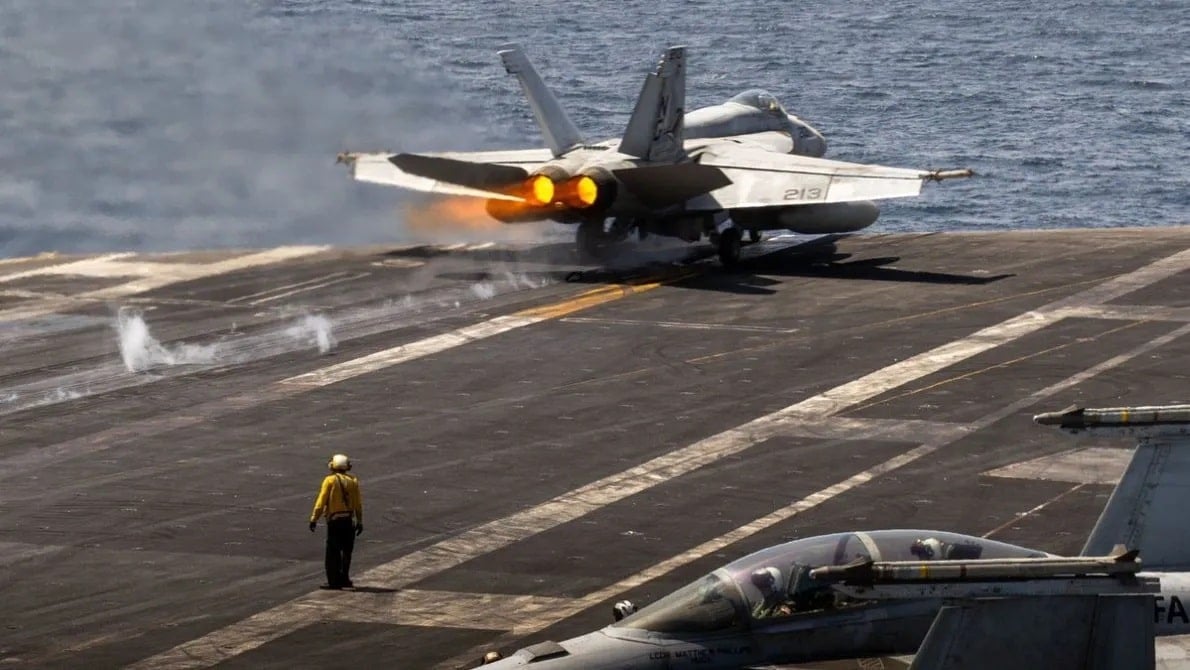
The U.S. and Iranian militaries continued to exchange strikes early Thursday in the Middle East region, sidelining negotiations between the two nations. U.S. Central Command said it launched strikes on Iranian military surveillance capabilities, communication systems and air defense sites. The agency added that U.S. Marine Corps, Air Force and Navy assets “fired precision munitions”…
The U.S. and Iranian militaries continued to exchange strikes early Thursday in the Middle East region, sidelining negotiations between the two nations. U.S. Central Command said it launched strikes on Iranian military surveillance capabilities, communication systems and air defense sites. The agency added that U.S. Marine Corps, Air Force and Navy assets “fired precision munitions”…
US Central Command (CENTCOM) confirmed a fresh wave of “self-defense strikes” directly hitting radar, surveillance, and military facilities in southern Iran. Credit: CENTCOM
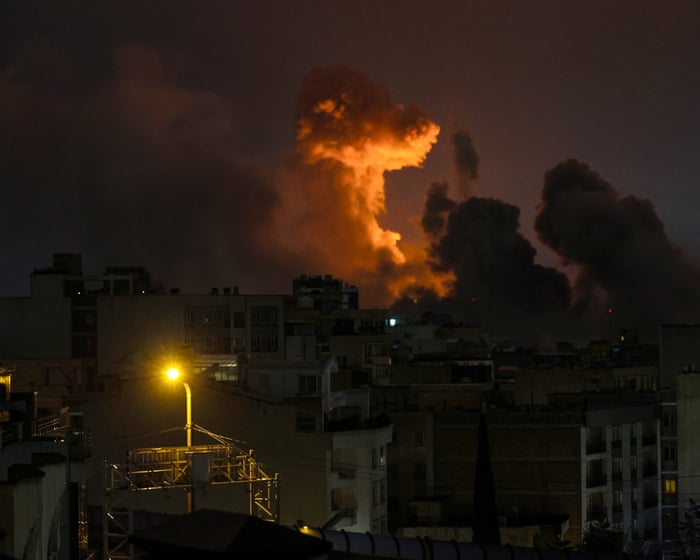
For the second straight day, the US and Iran have traded retaliatory military strikes across the Middle East, pushing an already fragile April ceasefire to the brink of collapse.
US Central Command (CENTCOM) confirmed a fresh wave of “self-defense strikes” directly hitting radar, surveillance, and military facilities in southern Iran. The American bombardment followed a stark warning from US President Donald Trump, who declared that Washington would hit Iran “hard” because Tehran had taken “too long to make a deal” to halt hostilities permanently.
Tehran immediately struck back, targeting US military infrastructure across multiple neighboring countries. For a second consecutive day, American bases in Kuwait and Bahrain faced Iranian fire, while Iranian state media reported that the Islamic Revolutionary Guard Corps (IRGC) launched ballistic missiles at a US command center in Jordan. The attacks forced Kuwait to temporarily shut down its airspace after its military intercepted “hostile aerial targets,” while air raid sirens sounded in the middle of the night in Bahrain.
The conflict has also spilled into vital global shipping lanes. Iranian state media claimed the IRGC struck two oil tankers and declared the strategic Strait of Hormuz “completely closed.” While CENTCOM countered that commercial maritime traffic was still successfully transiting the waterway, global energy markets panicked. Brent crude quickly jumped 2%, surging to around $95 a barrel.
The escalating rhetoric suggests no immediate end to the violence. US Defense Secretary Pete Hegseth warned that bombs would continue to drop on Iran’s core facilities if a diplomatic resolution isn’t reached, a sentiment echoed by President Trump on Truth Social.
Meanwhile, Iranian President Masoud Pezeshkian stood defiant, vowing that Iran “will stand firm against any pressure or threat” while slamming Washington for sabotaging peace talks with contradictory diplomacy.
This blog is now closed – see our latest full report on the Middle East crisis
Three Indian seafarers were killed in a US attack on an oil tanker earlier this week, India’s shipping minister, Sarbananda Sonowal, said.
“It is deeply unfortunate to learn of the tragic incident aboard the Palau-flagged MT Settebello. Sadly, three Indian seafarers initially reported missing are now confirmed dead after bodies have been located and identified,” he wrote in a post on X.
The Middle East is being pulled deeper into crisis & the consequences reach far beyond the region.”

 Login
Login





 (@usanewshq)