Reading view

Ravenstorm At The Center Of Airbus’s New Combat Drone Portfolio

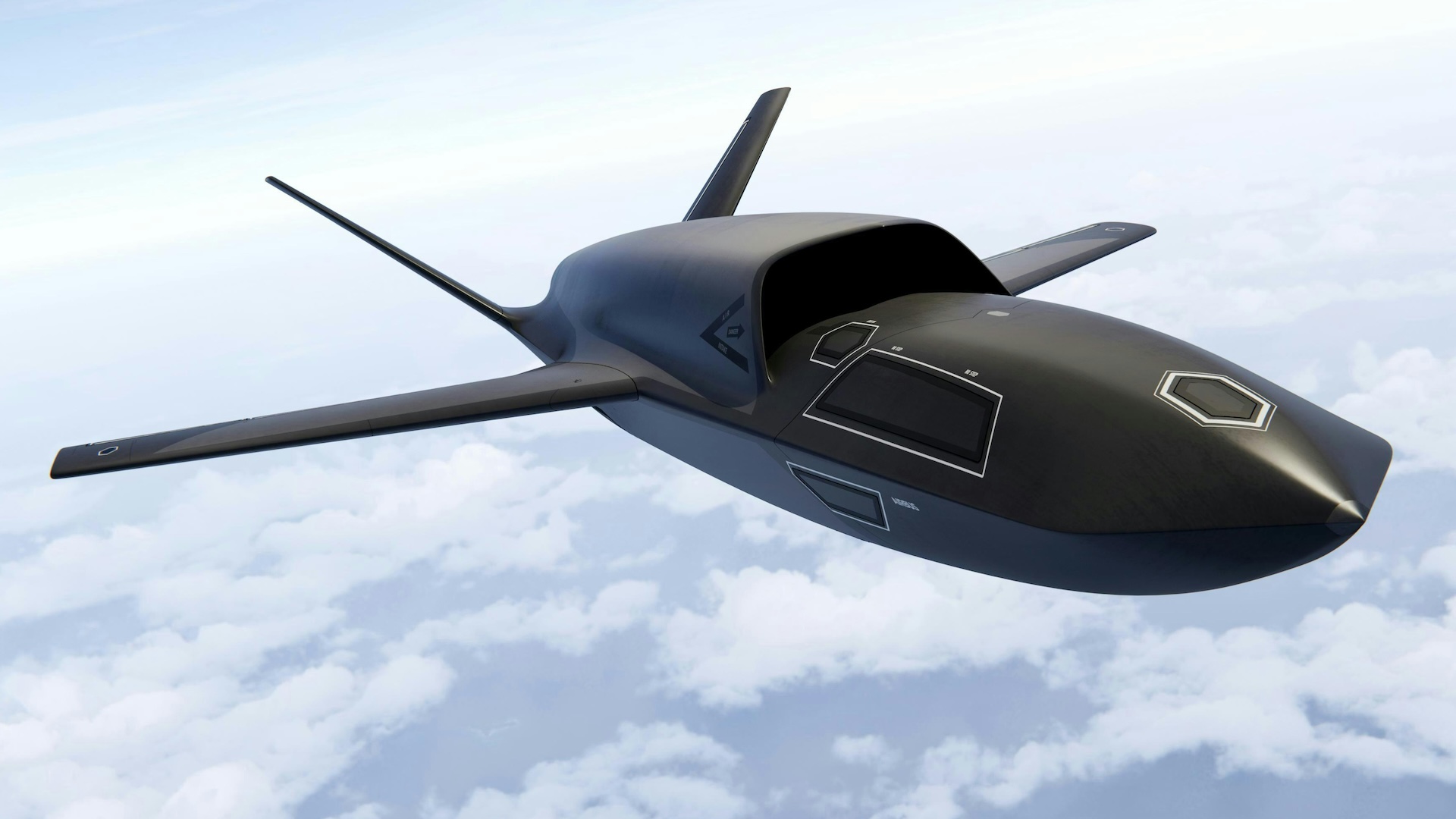
Airbus has pulled the wraps off the U760 Ravenstorm, a combat drone designed to operate alongside fighter aircraft in air-to-air combat, strike missions, and electronic warfare roles. The new uncrewed aircraft is part of a revamped drone portfolio from the company, which also includes a Europeanized version of the stealthy XQ-58A Valkyrie, a medium-altitude long-endurance (MALE) platform, various tactical solutions, counter-drone systems, as well as the U145 uncrewed helicopter that you can read more about here.

The timing of the announcement — and the unveiling of the Ravenstorm, in particular — is especially notable given the recent collapse of the Franco-German-led plan to build a crewed New Generation Fighter (NGF) aircraft, as part of the broader, pan-European Future Combat Air System (FCAS) initiative. You can read more about this development here.
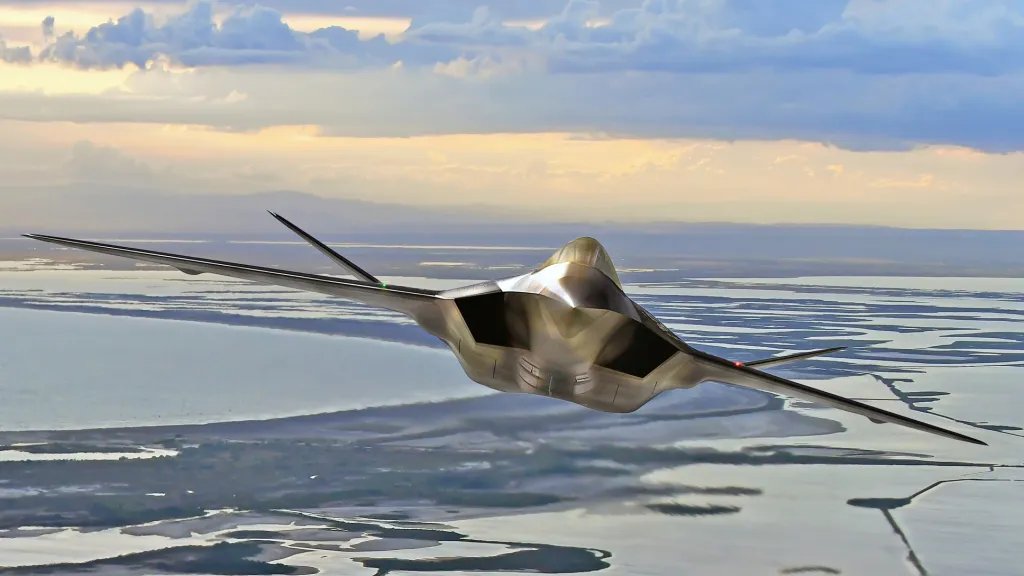
Concept artwork of the NGF, the crewed combat jet once intended to operate alongside various classes of drones. Dassault Aviation

On the eve of the ILA Berlin airshow, starting in the German capital tomorrow, Airbus showcased what it describes as “Europe’s most versatile drone portfolio.” The various products have been newly assigned a “U” prefix for uncrewed systems. This reflects the company’s policy of prefixing with an “A” for crewed fixed-wing aircraft, and an “H” for crewed helicopters.

“Whatever uncrewed or ‘drone’ capability our customers need to strengthen sovereign air power, we deliver,” said Mike Schoellhorn, CEO of Airbus Defence and Space, in a company press release. “Our portfolio ranges from rapid-response drone interceptors and various tactical drones, autonomous cargo helicopters to uncrewed fighter aircraft UCCAs (uncrewed collaborative combat aircraft) operating co-operatively with crewed fighter jets.”

A graphic showing the new Airbus drone portfolio includes a Eurofighter (at far left) controlling examples of the U740 Valkyrie and U760 Ravenstorm. Airbus

“On the other side of the spectrum we have the Eurodrone, our very high payload and very long endurance ISTAR (intelligence, surveillance, target acquisition, and reconnaissance) platform,” Schoellhorn continued. “Airbus provides the entire envelope of uncrewed capabilities required for modern multi-domain warfare. All our systems come with open architectures and a European mission system compatible with the wider European and international defence ecosystem.”

The most significant new arrival in the “U”-product line is the Ravenstorm combat drone, or U760.

A 1:1 model of the Ravenstorm will be on display at ILA. The drone is approximately 43 feet long and has a wingspan of 33 feet. In terms of rough size and general appearance, the drone strongly recalls General Atomics’ YFQ-42A ‘fighter drone’ prototype, now flying under the first phase of the U.S. Air Force’s Collaborative Combat Aircraft (CCA) program. Like the U.S. drone, the Ravenstorm features a swept, mid-wing configuration optimized for stealth and maneuverability. It also has the same twin-tail configuration. Like the YFQ-42, the Ravenstorm has a dorsal inlet, although this is closer to that which appeared on the EADS Barracuda demonstrator that flew for the first time 20 years ago. The drone is clearly optimized with low-observable (stealthy) characteristics, although the inlet is notably large and lacks the trapezoidal shape found on the YFQ-42.
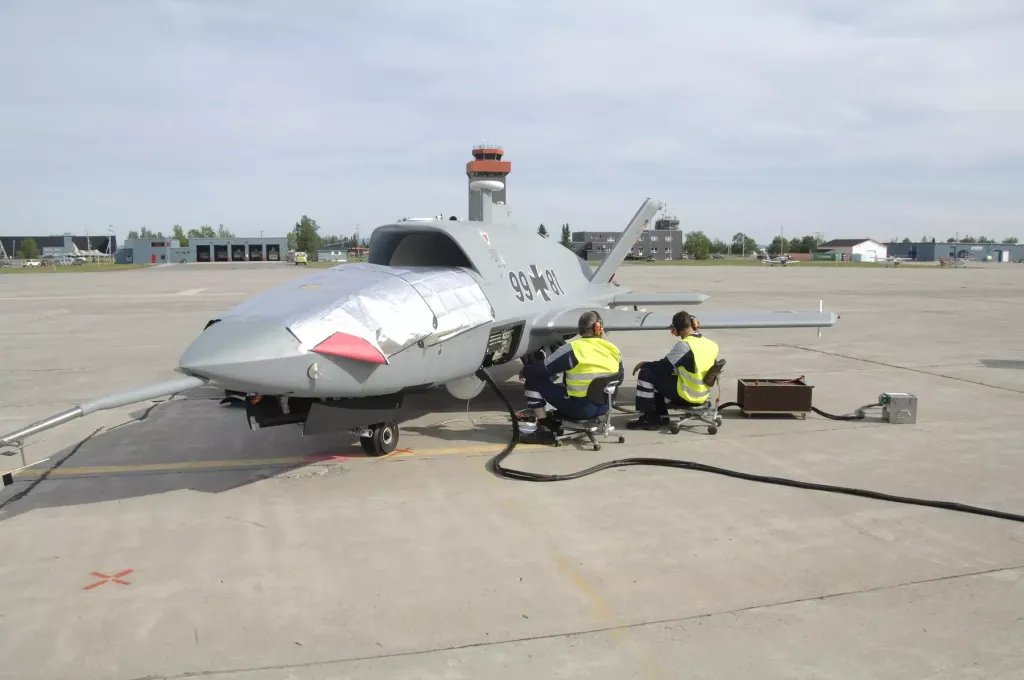
Ground crew working on the Barracuda technology demonstrator. Airbus

At the same time, it should be noted that, when it comes to combat drones in general, many of them take on a relatively familiar form driven by similar requirements.

Airbus describes the Ravenstorm as “the next evolution” in its “roadmap towards a scalable family of uncrewed collaborative combat aircraft.” It is not clear how many related designs might be planned, and in what kinds of sizes they may come, but the company has highlighted the kinds of missions they will be expected to fly. These include air-to-surface strikes using precision-guided munitions, air-to-air defense with long and medium-range air-to-air missiles, and electronic warfare for suppressing enemy air defenses. Further offensive counter-air missions will involve UCCAs providing non-kinetic jamming.

Ravenstorm will be available in the early 2030s, according to the manufacturer, which is, interestingly, offering the new design alongside a version of the XQ-58. In Airbus parlance, the Valkyrie is designated U740 and combines the Kratos-designed airframe with Airbus’ proprietary Multiplatform Autonomous Reconfigurable and Secure (MARS) Mission System.
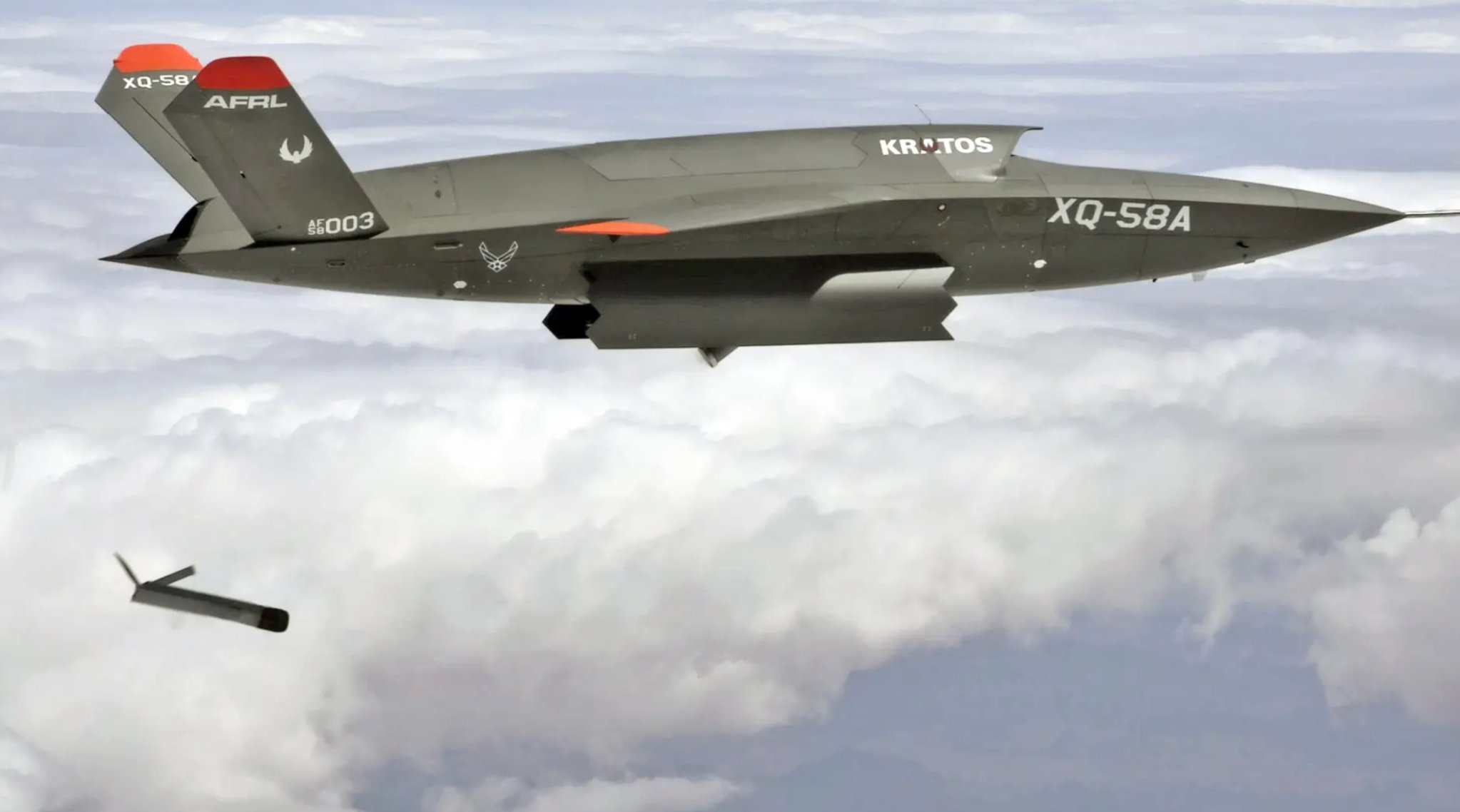
A U.S. Air Force XQ-58A deploying an ALTIUS-600 UAV from a Common Launch Tube. U.S. Air Force

For the U740, Airbus provides a notably precise planned date of service entry: 2029, with the German Air Force. This would appear to reflect a specific Luftwaffe requirement for a drone in this class, although it remains unclear if the Valkyrie has been formally selected by the German military. Airbus furthermore expects the U740 to be used in operational experimentation teamed with the Luftwaffe’s Eurofighter combat jet, including demonstrating initial air-to-ground capabilities.
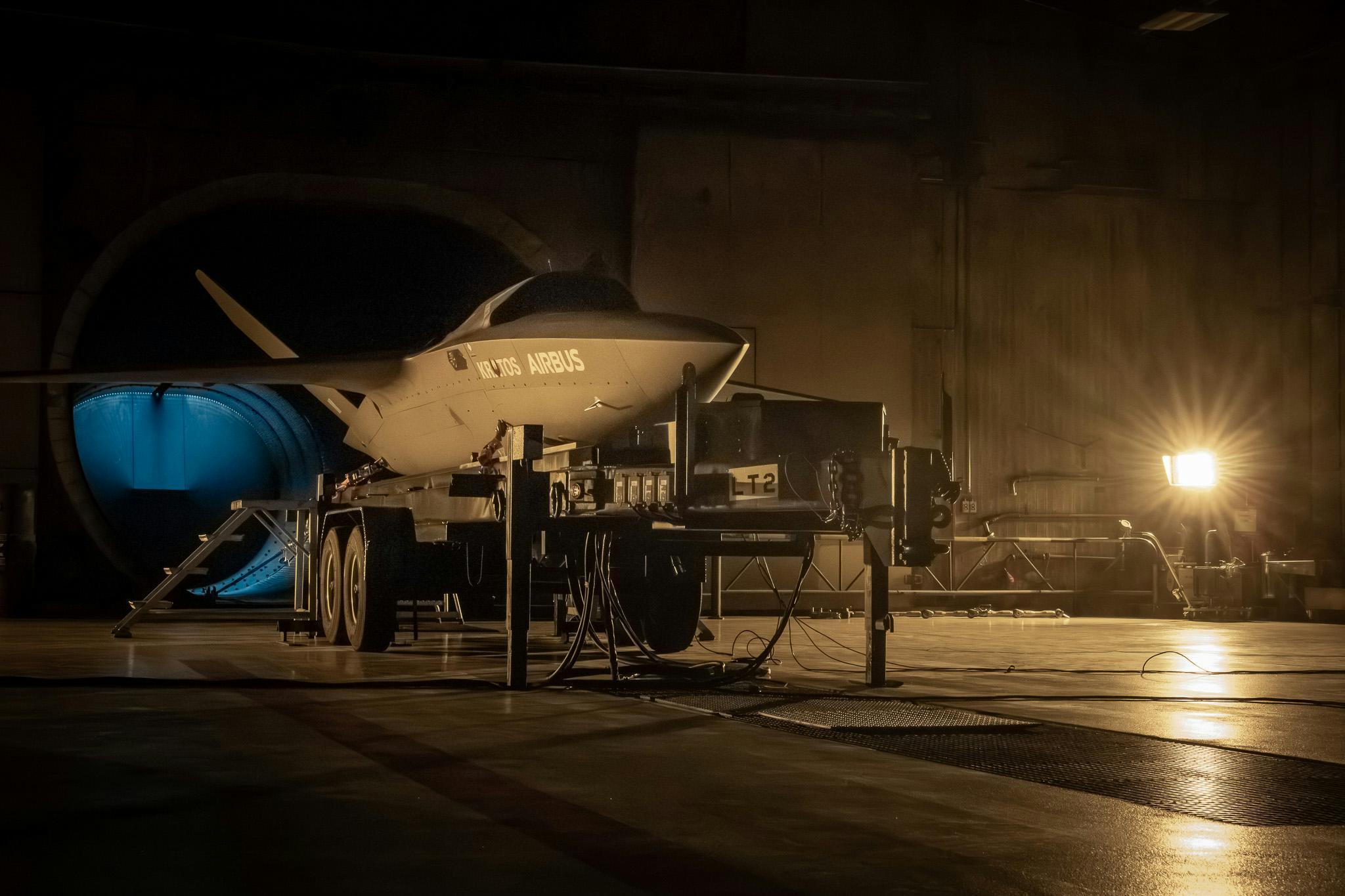
The U740 Valkyrie on its launcher. Airbus

Returning to MARS, this is Airbus’ sovereign mission system, consisting of an AI-supported software core to enable platform autonomy. The system is scalable so that it can be used across the entire Airbus drone portfolio. It is also planned for use on the U950 Eurodrone — the new designation for the Eurodrone MALE platform. This twin-turboprop drone is now in development for missions including ISTAR, early warning, and anti-submarine warfare, and is planned to make its first flight in 2029.

A rendering of the Eurodrone MALE conducting a maritime mission. Airbus

As for Airbus’s two-track approach to UCCAs — U740 Valkyrie and U760 Ravenstorm — the thinking behind the two offerings, also of broadly similar sizes, likely reflects different cost points. The Valkyrie was designed from the ground up as a lower-cost aircraft and is runway-independent in its original form (since then, Kratos has announced a version with wheeled landing gear and there also exists the ability to launch the Valkyrie from a wheeled launch trolley, if required). Meanwhile, the Ravenstorm appears to be a more capable and costly platform, making it a closer match to Increment 1, the first phase of the U.S. Air Force’s CCA program.
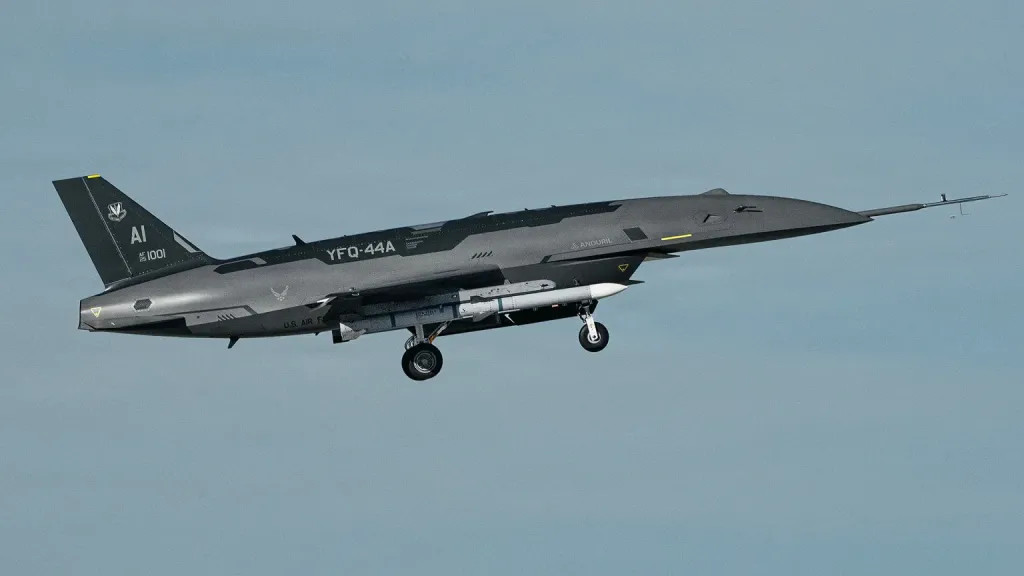
The Anduril YFQ-44, produced for Increment 1, the first phase of the U.S. Air Force’s CCA program. U.S. Air Force

It could be that the company has already identified specific national or service requirements (such as the Valkyrie for the Luftwaffe) that it aims to capitalize on. There could also be a plan to use the Valkyrie more for operational experimentation of the UCCA concept before focusing more on the fully sovereign Ravenstorm, including potentially scaling it up or incorporating other significant airframe changes — like higher performance, larger payload, improved low-observable characteristics.

Also unclear is the status of Airbus’s stealthy Wingman, a CCA-like concept that was unveiled at the last ILA Berlin airshow in 2024. This was also presented in the form of a 1:1 model, with a length of 51 feet and a wingspan of 39 feet. The drone was planned to be powered by the same Eurojet EJ200 turbofan as the Eurofighter, providing a proven powerplant and useful commonality.
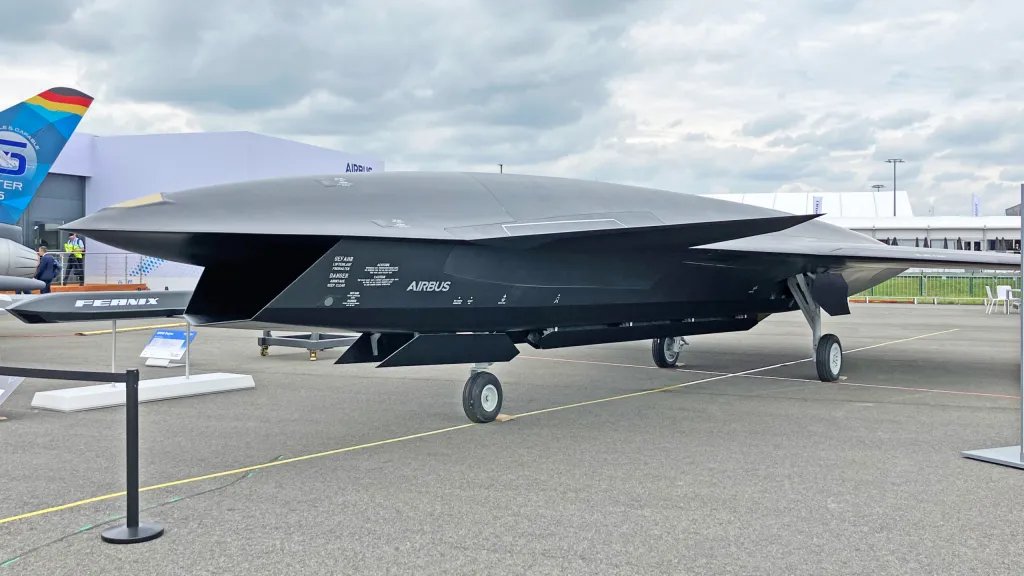
The Airbus Wingman concept aircraft, which Airbus leadership said should provide a unit cost that’s equivalent to one-third that of a modern crewed fighter. Thomas Newdick

At the time, Airbus noted that the German Air Force had “expressed a clear need” for a drone that would be able to operate in conjunction with crewed fighters before the arrival in service of the NGF, which was then slated for some time in the 2040s.

Whether the Wingman has now been abandoned entirely is unclear, but the Luftwaffe still has a requirement for an uncrewed companion that can work alongside its forthcoming Eurofighter EK electronic warfare jets. This is a role for which Airbus is earmarking the Ravenstorm, in particular, although it should be noted that the U.S. Marine Corps is also focusing heavily on the electronic warfare mission for the Valkyrie drone.
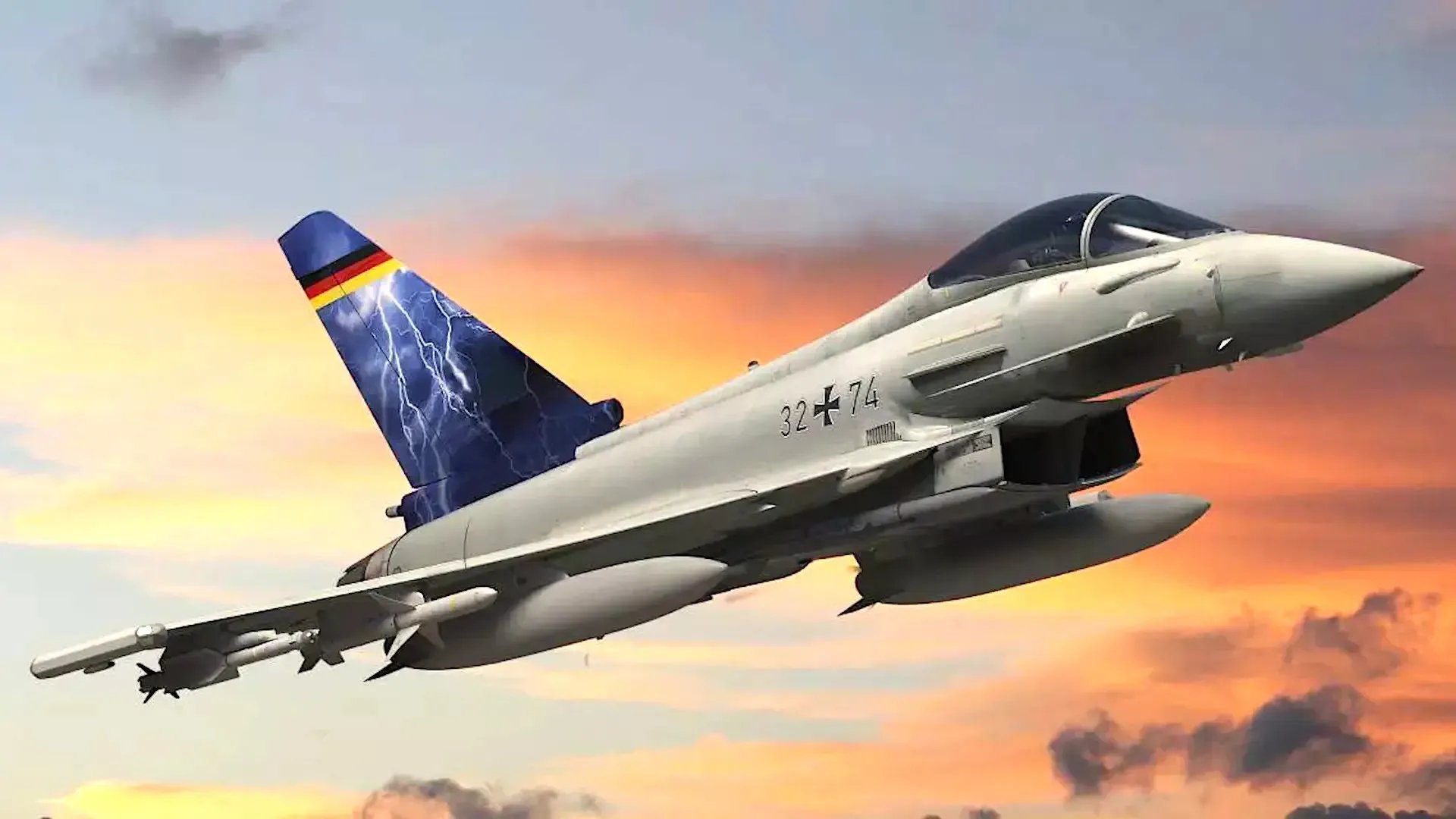
A rendering of a Eurofighter EK for the German Air Force. Airbus

All of these Airbus efforts are being informed by experience testing the Barracuda, work on which began in 2003, initially as a ‘black program.’ After six test campaigns, the Barracuda was retired.

The company will also be leveraging prior work from the Airbus Low Observable UAV Testbed (LOUT) program. A stealthy demonstrator, LOUT was not flown but was run by the company in strict secrecy until finally it was publicly disclosed in 2019, as you can read about here.
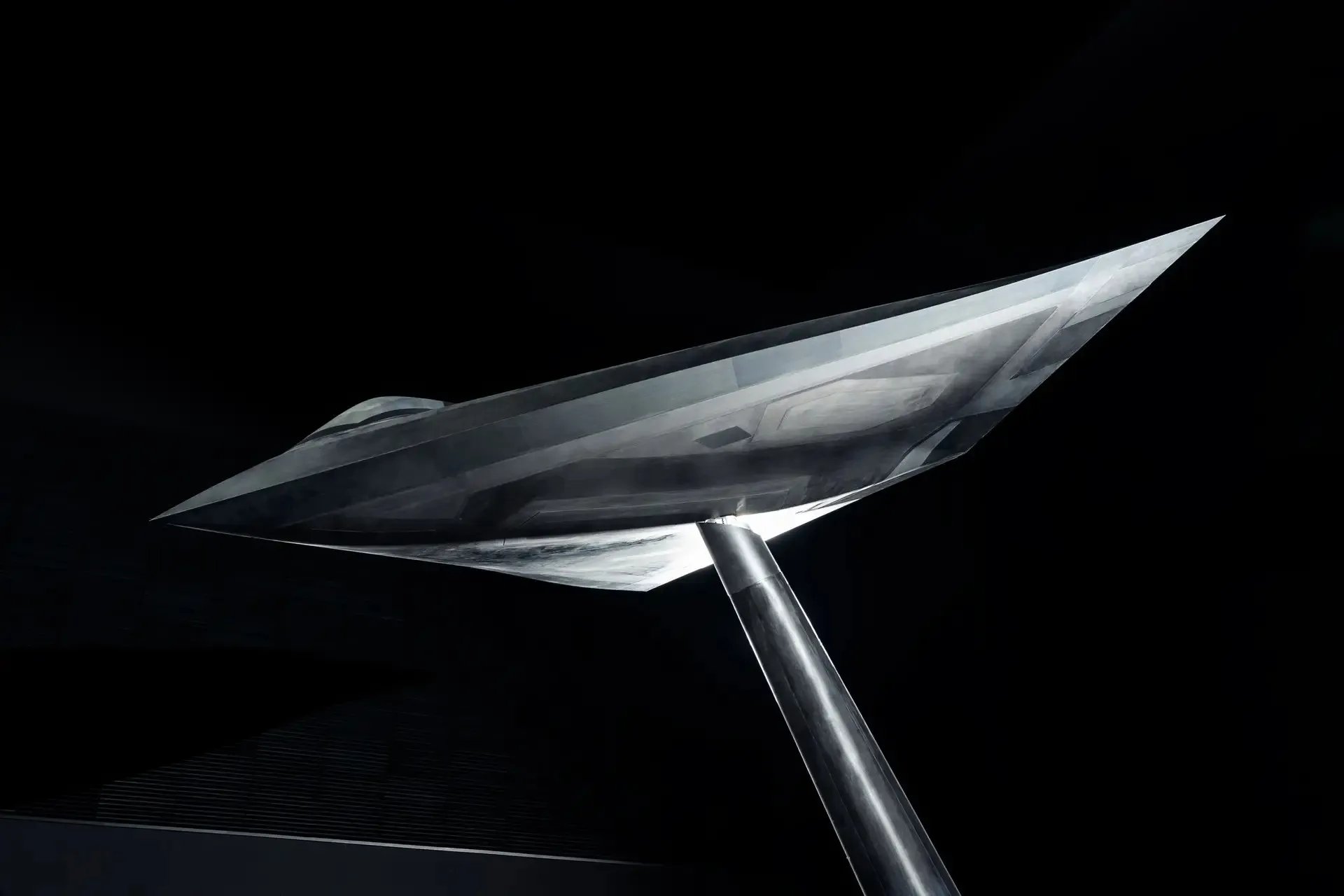
A four-ton LOUT model used for aerodynamic and anechoic chamber testing. Airbus

Undoubtedly, the significance of Airbus’s new-look drone roster, and above all the appearance of the U760 Ravenstorm alongside the U740 Valkyrie, is greater now that the FCAS program’s crewed New Generation Fighter is seemingly defunct.

It was always anticipated that the NGF would be operated as part of a wider ecosystem that also included CCA-like drones — what Airbus now refers to as UCCAs. Indeed, there were already efforts in place to start integrating combat drones with crewed fourth-generation-plus fighters like the Eurofighter and Rafale. Now that FCAS, or at least the NGF component of it, has been thwarted, Ravenstorm and Valkyrie offer a glimpse of where Europe’s combat aviation ambitions may be headed instead.

Collaborative combat aircraft like these emerged as a higher-mass, force-multiplying capability for current and future crewed fighters. In the interim, at least, the demise of the NGF means that these kinds of combat drones could be in even greater demand within Europe, where there is already a pressing need for larger tactical air combat fleets, while resources are limited. At the same time, CCA-like drones promise to make existing fourth- and fifth-generation fighters even more potent, further driving demand both in Europe and elsewhere.

Contact the author: thomas@thewarzone.com


The post Ravenstorm At The Center Of Airbus’s New Combat Drone Portfolio appeared first on The War Zone.
  •  

AH-64 Apache Shot Down By Iran, U.S. Will Retaliate: Trump (Updated)

U.S. President Donald Trump says the Iranians shot down the AH-64 Apache that crashed near the Strait of Hormuz overnight and vowed to retaliate. As we noted earlier today, the crew was safely rescued by a drone boat, an unprecedented action, which you can read more about here.

“I have just been informed by our Great Military that last night the Iranians shot down one of our highly sophisticated Apache Helicopters while patrolling over the Strait of Hormuz,” Trump stated on Truth Social. “There were two pilots involved, both are safe and uninjured. Nevertheless, the United States must, of necessity, respond to this attack.”

Trump says that Iranian forces shot down the Army AH-64 Apache attack helicopter that went down over Hormuz yesterday.

He says that the US "must, of necessity, respond to this attack" pic.twitter.com/divKHkhgZm

— OSINTtechnical (@Osinttechnical) June 9, 2026

Trump did not elaborate on how the Apache was shot down.

It’s worth noting that Iran’s small boats are known to be man-portable air defense systems (MANPADS) threats and also small FPV drones and loitering munitions, which Iran also possesses, have become a real threat to helicopters.

A U.S. official told Axios an investigation “determined that an Iranian drone hit the helicopter, causing it to crash. The U.S. official said the investigation had not determined whether that was intentional.”

🚨🇺🇸🇮🇷Trump vows response after Iran downs U.S. helicopter. My report on @axios https://t.co/JQrwD9yELA

— Barak Ravid (@BarakRavid) June 9, 2026

Trump did not say exactly how the U.S. will respond, but given past history of tensions in the region, an attack on Iranian facilities that could have been involved in the shoot-down would not be surprising. We have seen similar responses when Iran has fired at ships in the past.

Whether this will finally break the shaky ceasefire is an open question. Last week, Trump told reporters that he would consider resuming the war if Iran caused U.S. troop deaths.

“Yeah, if they killed U.S. troops, I think I would do that very quickly,” he said.

We have reached out to the White House and U.S. Central Command for additional details. CENTCOM declined comment.

UPDATE: 1:57 PM EDT –

Iranian official media has yet to explicitly confirm or deny involvement in the downing of the Apache. In a post on X addressing Trump’s claim, the Fars News Agency offered a veiled threat from Mohammad Ghalibaf, speaker of the Iranian parliament.

“We prefer the language of diplomacy, but we speak other languages far more fluently,” Ghalibaf said on his own X account, repeated here by Fars. “Break your commitments, and we’ll switch to what we speak best. You ride the horse you saddled.”

🔴قالیباف: ما زبان دیپلماسی را ترجیح می‌دهیم، اما زبان‌های دیگر را بسیار روان‌تر صحبت می‌کنیم

عهد خود را بشکنید، تا به همان زبانی برگردیم که از همه بهتر بلدیم. https://t.co/JeROqni9mJ

— خبرگزاری فارس (@FarsNews_Agency) June 9, 2026

IRIB just repeated CNN’s report that the helicopter gunship was taken down by a Shahed drone.

🚨 CNN claims: Iran shot down US Apache helicopter with a Shahed drone

— IRIB (Islamic Republic of Iran Broadcasting) (@iribnews_irib) June 9, 2026

Press TV, meanwhile, took a rather cheeky approach.

“US President Donald Trump says Iran shot down ‘one of our highly sophisticated Apache helicopters while patrolling over the Strait of Hormuz,'” the outlet stated on X. “So much for the Iranian military having been ‘obliterated!'”

US President Donald Trump says Iran shot down "one of our highly sophisticated Apache helicopters while patrolling over the Strait of Hormuz."

So much for the Iranian military having been "obliterated"!

Follow https://t.co/B3zXG73Jym pic.twitter.com/AHhkNao1du

— Press TV 🔻 (@PressTV) June 9, 2026

UPDATE: 4:20 PM EDT –

In a call with The Wall Street Journal, Trump tried to downplay the Apache downing, saying that it “wasn’t a big deal” and stressing that “the pilot is fine.”

Earlier today, Trump sought to play down the incident. In a phone call with the WSJ, Trump said that it “wasn’t a big deal,” stressing that “the pilot is fine.” He said he had the details on the incident and that “it was much different than you think.” https://t.co/arzskUbdSt

— Vera Bergengruen (@VeraMBergen) June 9, 2026

Exiting a classified congressional briefing, CENTCOM commander Adm. Brad Cooper offered a short answer to reporter questions about how the U.S. will respond to Iran downing the Apache.

“We’ll see,” he said, according to NOTUS reporter Joe Gould in a post on X.

Reporters asked Centcom’s Adm. Brad Cooper, exiting a classified congressional briefing, what the “response” would be to the downed U.S. helicopter.

“We’ll see.” pic.twitter.com/w4MwOTr9px

— Joe Gould (@reporterjoe) June 9, 2026

UPDATE: 5:25 PM EDT –

In a post on X, CENTCOM announced its “forces began launching self-defense strikes against Iran at 5 p.m. ET today at the Commander in Chief’s direction, in response to yesterday’s downing of a U.S. Army Apache helicopter. The mission is a proportional response to unjustified Iranian aggression.”

We have reached out to the command for more details.

U.S. Central Command (CENTCOM) forces began launching self-defense strikes against Iran at 5 p.m. ET today at the Commander in Chief’s direction, in response to yesterday’s downing of a U.S. Army Apache helicopter. The mission is a proportional response to unjustified Iranian…

— U.S. Central Command (@CENTCOM) June 9, 2026

CENTCOM’s post follows reports from the official Iranian Mehr news agency about the sounds of explosions.

In a post on Telegram, the official Iranian Mehr news outlet is reporting that there have been “sounds of explosions heard in the Sirik port area.

According to Mehr, “the exact nature of these sounds is not yet clear, and none of the official military or law enforcement agencies have commented on the cause of these sounds so far.”

“Investigations to obtain accurate information about the nature of these explosions are ongoing,” Mehr added.

Explosions reported in Sirik, an Iranian port city on the Strait of Hormuz- Iranian state media pic.twitter.com/HOJ4vAk1cT

— OSINTtechnical (@Osinttechnical) June 9, 2026

UPDATE: 5:42 PM EDT –

ABC News Chief Washington Correspondent Jonathan Karl was on the phone with Trump as CENTCOM announced the retaliatory strikes against Iran.

“I think it’s very important to respond,” Karl said Trump told him. “They shot down a helicopter, and we are responding as we speak…I believe the response should be very strong, very powerful, and that’s what this one is.”

I was on the phone with Trump as CENTCOM announced US retaliatory strikes against Iran. Here's what he said:

"I think it's very important to respond. They shot down a helicopter, and we are responding as we speak."

He added: "This is a response to what they did they did with…

— Jonathan Karl (@jonkarl) June 9, 2026

UPDATE: 6:19 PM EDT –

Tasnim is reporting that the U.S. strikes appear to be over for now.

“The wave of American attacks in the south has subsided, and after the hostile actions in Qeshm, Sirik, Jask and Mount Mubarake Jask, the situation is now reported to be calm,” the outlet claimed on Telegram. It also published a video it says shows “a suicide drone in the sky of Iraq.”

🚨🇮🇷 Iran launched kamikaze drones towards Kuwait via Iraq. pic.twitter.com/s5EJeJVGDH

— Visioner (@visionergeo) June 9, 2026

This is a developing story.

Contact the author: howard@twz.com

The post AH-64 Apache Shot Down By Iran, U.S. Will Retaliate: Trump (Updated) appeared first on The War Zone.

  •  

AH-64 Apache Crew Rescued By Drone Boat After Going Down Near Strait Of Hormuz (Updated)

A U.S. Navy uncrewed surface vessel (USV) found and rescued the crew of a U.S. Army Apache that went down overnight near the Strait of Hormuz, in the Gulf of Oman. This is the first known use of a drone boat executing a personnel recovery action as part of a military search and rescue operation, and it’s likely a glimpse of what’s to come. The cause of the incident is otherwise under investigation.

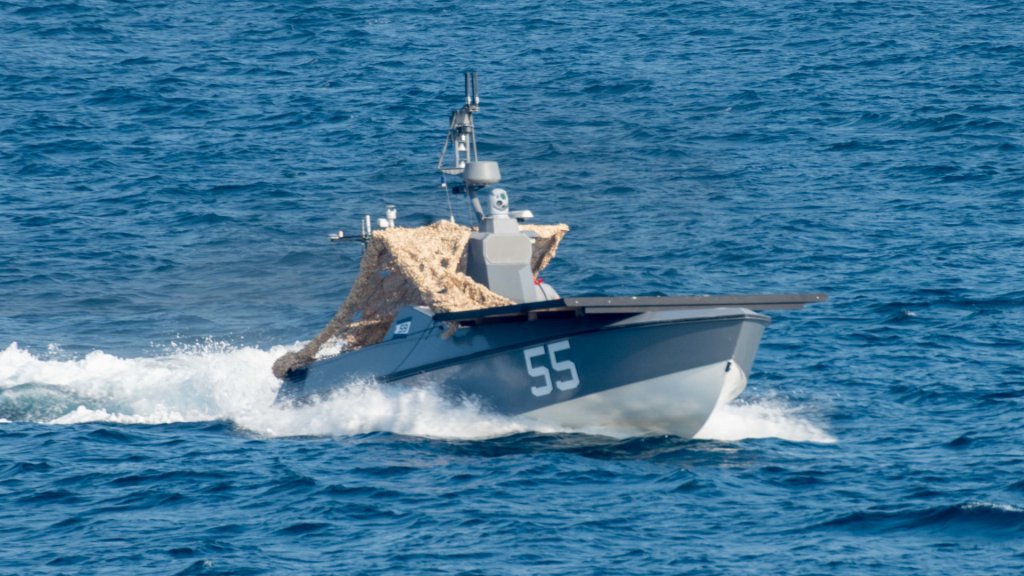
Navy Capt. Tim Hawkins, a U.S. Central Command (CENTCOM) spokesman, has confirmed the use of the Navy USV in the rescue effort to TWZ. This had already been hinted at by the mention of Task Force 59, the Navy’s main drone force in the Middle East, in an official CENTCOM statement. What specific type of drone boat was utilized in this case is not yet known. Task Force 59 operates a variety of USVs, including speedboat-like types. The Task Force has been experimenting with all types of new uncrewed naval technologies and this rescue is clearly a major win for the forward-looking unit.

One of several types of speedboat-type USVs Task Force 59 operates, seen here during an exercise. USN

“At 7:33 p.m. ET on June 8, two crew members from a U.S. Army AH-64 Apache were rescued by American forces after their helicopter went down near the coast of Oman while patrolling regional waters,” per CENTCOM’s statement. “The Soldiers were safely rescued within approximately two hours and are in stable condition. The cause of the incident is under investigation.”

“Rescue efforts were led by U.S. Naval Forces Central Command and the 82nd Airborne Division, with support from U.S. Air Force and Navy units including U.S. 5th Fleet’s Task Force 59,” the statement added.

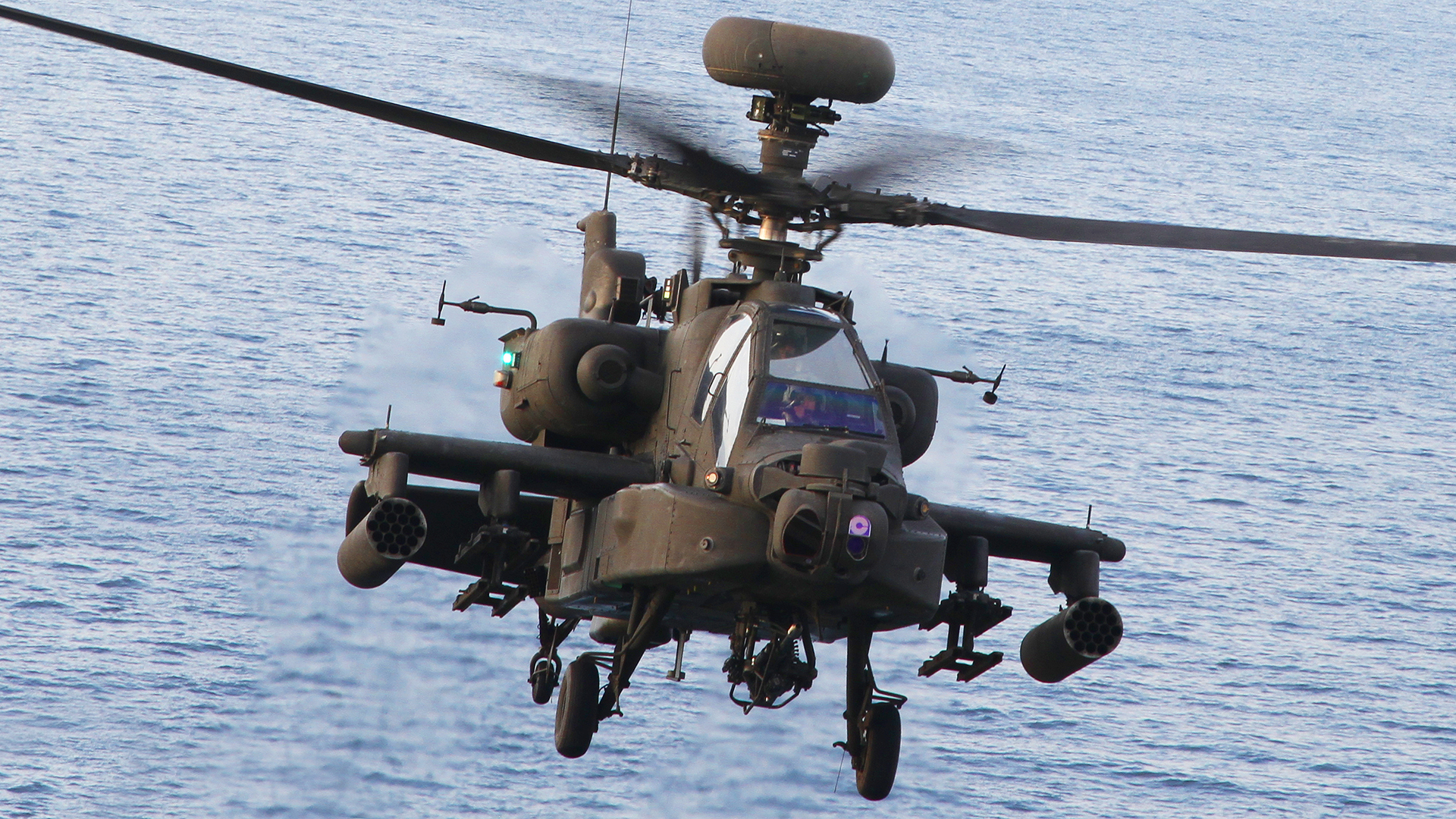
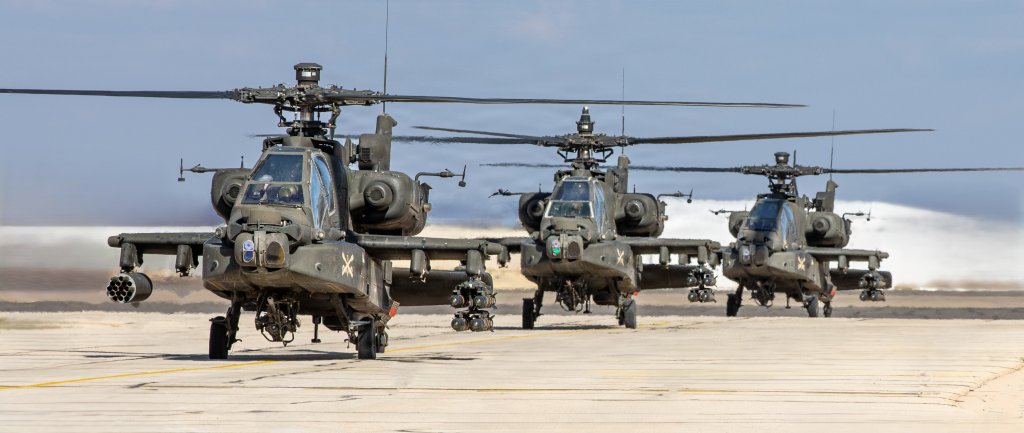
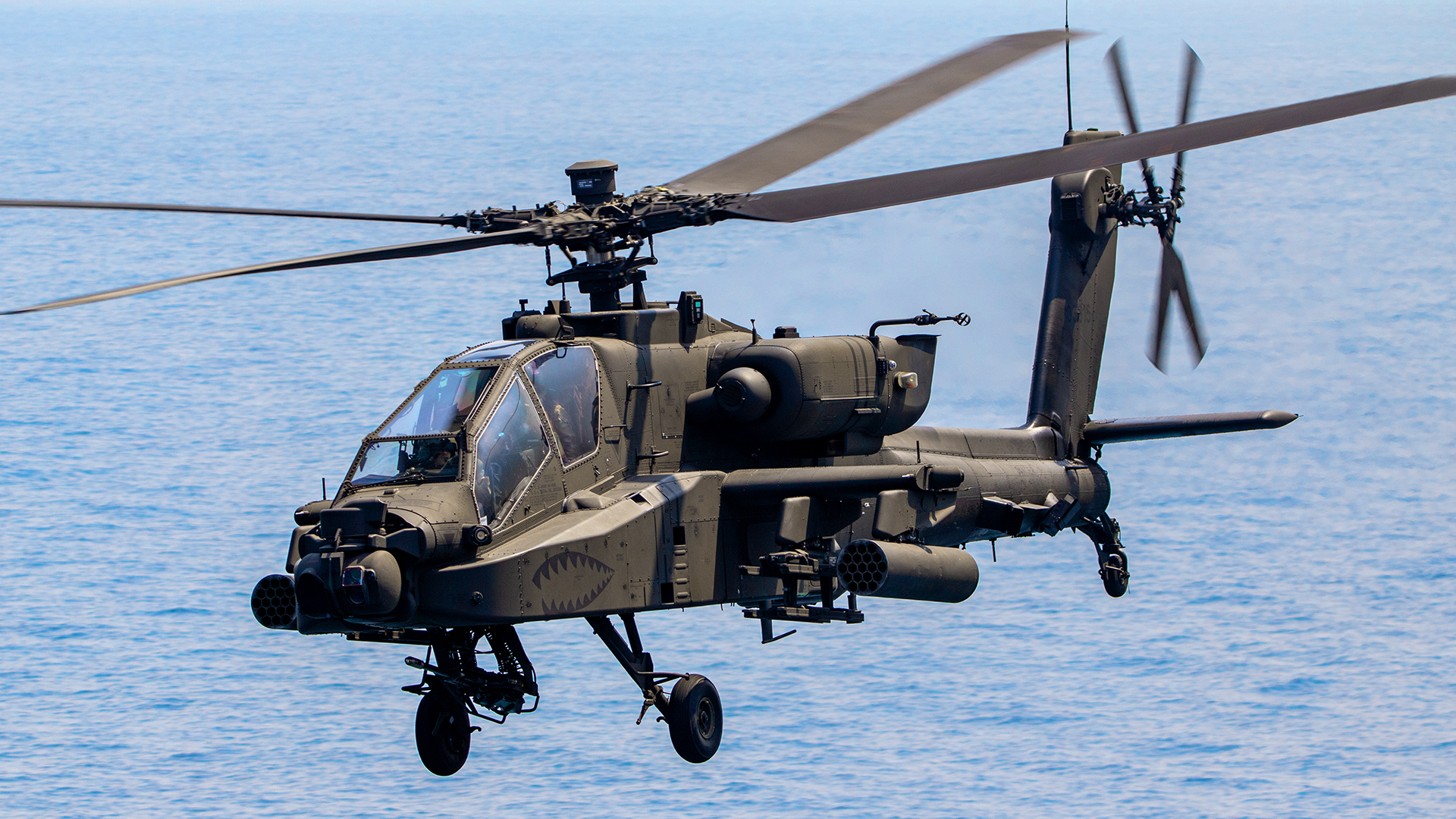
A flight of U.S. Army AH-64 Apache attack helicopters, armed with rockets and Hellfire missiles, taxi out to conduct a scheduled flight in the U.S. Central Command area of responsibility. In addition to rockets and missiles, the Apache is additionally armed with a 30mm chain gun. (U.S. Army photo)
A flight of U.S. Army AH-64 Apache attack helicopters, armed with rockets and Hellfire missiles, taxi out to conduct a scheduled flight in the U.S. Central Command area of responsibility. In addition to rockets and missiles, the Apache is additionally armed with a 30mm chain gun. (U.S. Army photo) U.S. Army Central

The New York Times was first to report that an Apache had gone down near the Strait of Hormuz. President Donald Trump had also confirmed the crew was safe while speaking to reporters earlier this morning.

“We are going to issue a report tomorrow, but the pilots are fine,” Trump said after returning to Washington from the NBA Finals in New York.

A US Army Apache helicopter went down near the Strait of Hormuz and it wasn’t clear if the aircraft suffered mechanical troubles or had been shot down by Iran, the New York Times reported.

Asked about the episode by @jendlouhyhc, Trump said the pilots were fine and that a report…

— Annmarie Hordern (@annmarie) June 9, 2026

As we have reported in the past, Army AH-64s have been part of an effort by the U.S. military to enforce the ongoing blockade of Iran and to protect commercial shipping. Last month, Apaches and U.S. Navy MH-60 Seahawk helicopters destroyed six small Iranian boats that were threatening commercial ships in and around the Strait of Hormuz, according to Navy Adm. Brad Cooper, head of CENTCOM. Apaches had already been conducting missions targeting Iranian naval assets in and around the Strait of Hormuz before the announcement of the ceasefire in April. All of this has shown that armed helicopters remain important assets in maritime operations, especially for defending against swarms of small boats.

As TWZ regularly highlights, search and rescue operations present inherent complexities and risks, especially when conducted in or near hostile territory. The F-15E rescue effort in Iran put a particular spotlight on the immense risks that combat search and rescue (CSAR) forces take, with helicopters and C-130 variants sent into areas where even a high-end fighter aircraft didn’t survive.

Open-water recoveries can present distinct additional challenges. There is always the possibility of the loss of additional assets and personnel in the process, no matter where a CSAR mission occurs.

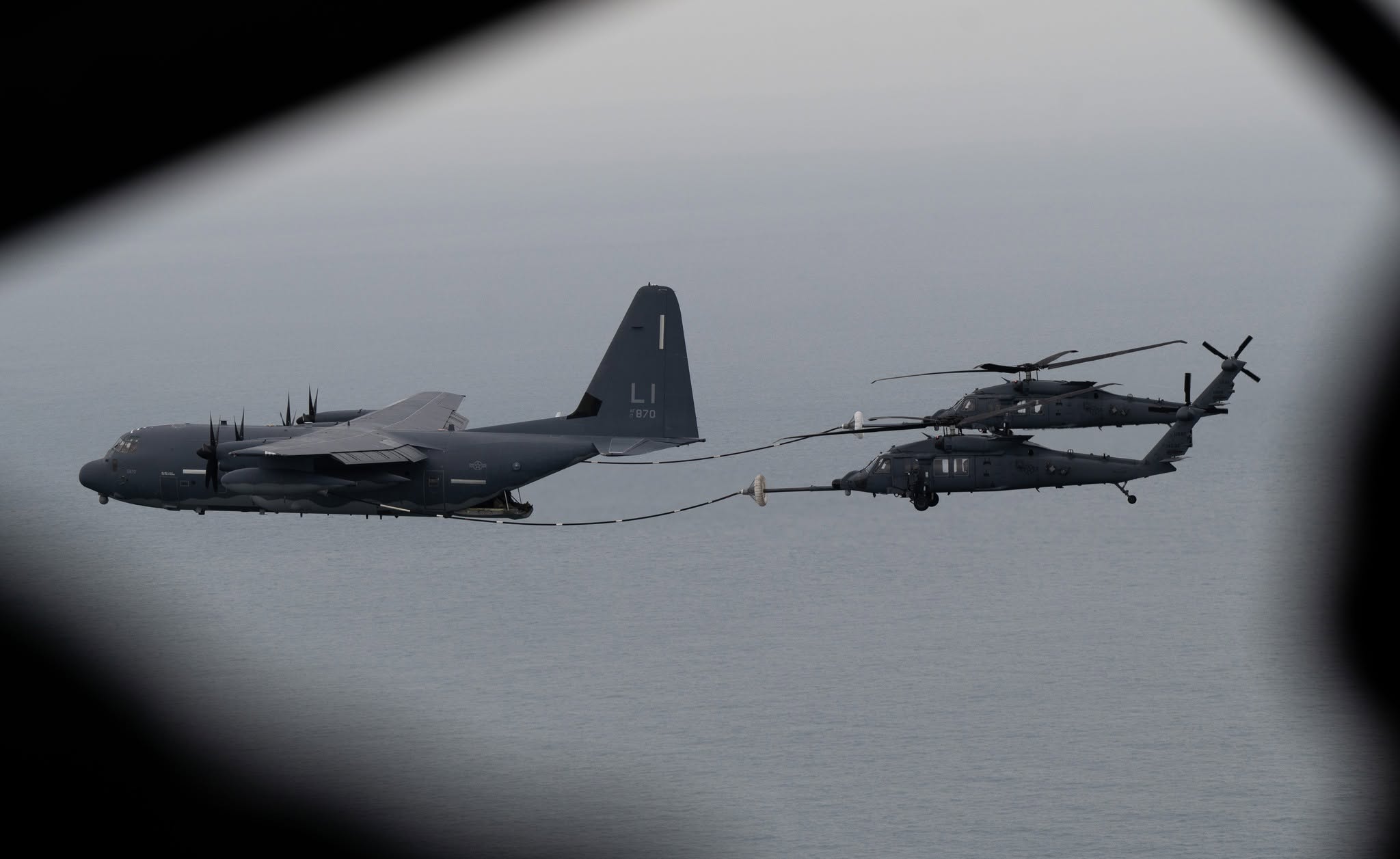
HH-60Ws refuel from an HH-130J. (USAF)

The use of a Navy drone boat in the rescue overnight highlights a new dimension for maritime CSAR going forward. These uncrewed assets can be more readily pre-positioned in a distributed manner. For example, in the broad expanse of the Pacific, USVs could be forward-deployed at multiple points along certain flight paths for this exact purpose. USVs could offer other distinct advantages in certain scenarios where they might be able to get into areas where traditional assets cannot and without risking additional personnel. These realities extend well beyond the maritime domain, and we are only likely to see uncrewed platforms of all kinds increasingly taking part in rescue efforts, especially in denied areas. The U.S. military is coming to terms with just how vulnerable their CSAR assets are and the ranges that would be needed to access highly defended areas, especially during a peer fight. Using drones to execute personnel recovery is being viewed as one part of a larger set of solutions to this pressing problem.

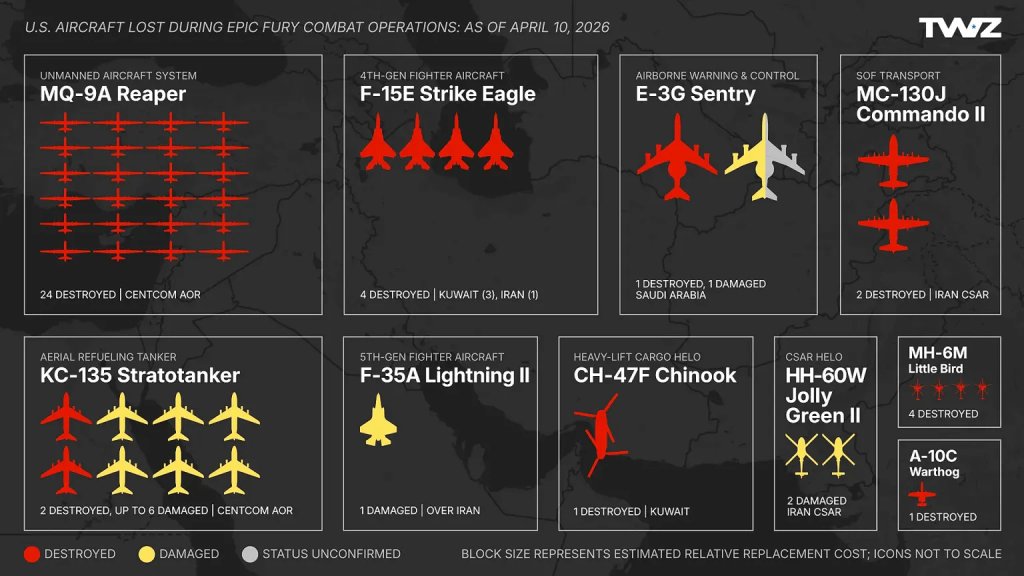
With the Apache going down near the Strait of Hormuz, the U.S. military has now lost at least seven crewed fixed-wing aircraft and helicopters since the start of the latest operations against Iran in February. In addition, several aircraft have been damaged in the air and on the ground, including by Iranian fire. The TWZ graphic below offers a visual tally of damaged and destroyed aircraft as of April 10.

TWZ

Despite the loss of the Apache, the use of a USV in the rescue effort is a major development and a sign of things to come.

UPDATE: 12:56 PM EDT –

President Donald Trump said the Apache was shot down by Iran and that the U.S. will retaliate.

“I have just been informed by our Great Military that last night the Iranians shot down one of our highly sophisticated Apache Helicopters while patrolling over the Strait of Hormuz,” the president said on his Truth Social network. “There were two pilots involved, both are safe and uninjured. Nevertheless, the United States must, of necessity, respond to this attack.”

Trump says that Iranian forces shot down the Army AH-64 Apache attack helicopter that went down over Hormuz yesterday.

He says that the US "must, of necessity, respond to this attack" pic.twitter.com/divKHkhgZm

— OSINTtechnical (@Osinttechnical) June 9, 2026

UPDATE: 1:53 PM EDT –

You can read more about Trump’s shoot-down statement and what could happen next in our story here.

Contact the author: howard@twz.com

The post AH-64 Apache Crew Rescued By Drone Boat After Going Down Near Strait Of Hormuz (Updated) appeared first on The War Zone.

  •  

Suíça discute limitar população a 10 milhões de habitantes

Suíça discute limitar a população a 10 milhões de habitantes. O tema vai ser votado num referendo considerado o “Brexit suíço”. A iniciativa é do partido de direita nacionalista Partido Popular Suíço (SVP), maior força política do país.

“No fim das contas, o que queremos é proteger aquilo que amamos, garantir que a Suíça continue a ser um lugar maravilhoso para se viver. Não vamos acabar com os congestionamentos da noite para o dia, mas isso permitir-nos-á adaptar a infraestrutura rodoviária e ferroviária e construir moradias. Mas não a um ritmo que acabaria por nos impedir de absorver esse enorme fluxo de pessoas”, diz o parlamentar Yvan Pahud, do SVP.

“Essa iniciativa é extremamente perigosa. É perigosa porque, em primeiro lugar, é absolutamente xenófoba. No fundo, transforma os estrangeiros em bodes expiatórios, como se fossem a resposta para todos os males da sociedade. É perigosa porque é enganosa. Não resolverá a questão da sustentabilidade, como o seu nome afirma, ostensivamente. Pelo contrário, corre o risco de empobrecer a Suíça e de enfraquecer fundamentalmente os acordos que atualmente temos com a União Europeia, que são mais importantes do que nunca”, afirma, por sua vez, Delphine Klopfenstein, do Partido Verde.

Atualmente, a Suíça tem pouco mais de nove milhões de habitantes. E os estrangeiros representam quase 28% da população.

Segunda a proposta, se a população ultrapassar 9,5 milhões, o governo seria obrigado a tomar medidas para impedir que chegue a 10 milhões.

Ou seja, encerrar acordos que incentivam o crescimento populacional, incluindo a livre circulação com a União Europeia.

As empresas temem que um “sim” limite o acesso à mão de obra qualificada e prejudique as relações com o principal mercado de exportação da Suíça.

“Na Suíça, por exemplo, mais de 50% da nossa equipa hoteleira são estrangeiros. Se não tivermos mais acesso a esses trabalhadores qualificados, seria muito difícil continuar a operar o setor de hotelaria e gastronomia na Suíça no nível atual”, diz Martin von Moos, da associação do setor hoteleiro da Suíça.

A população está dividida. A pesquisa mais recente indica 47% a favor do limite e 52% contra.

“Bem, digamos apenas que, considerando o tamanho do país, já temos mais do que suficiente. Quero dizer, com mais de 10 milhões [de habitantes], o que vamos fazer? Onde vamos colocar todas essas pessoas? É muito bonito acolhê-las, mas o que elas vão fazer? Ficar na rua?”, afirma um morador de Orbe.

“As pessoas estão a ser bombardeadas com esse medo de imigrantes e da imigração, quando na realidade sabemos muito bem que a economia suíça não pode sobreviver sem a imigração. E admito que gostaria de ver mais gente na Suíça, porque, quando eu me aposentar, precisaremos de pessoas a trabalhar para sustentar o sistema de previdência [segurança social]”, diz, por outro lado, uma moradora de Genebra.

Assim como outros países europeus, a Suíça também enfrenta o envelhecimento da população. Até 2055, a proporção de pessoas em idade ativa (entre 20 e 64 anos) deve cair de 60% para 56%.

Ao mesmo tempo, a parcela de idosos com mais de 65 anos deve aumentar significativamente, de 21% para 27%, segundo o Escritório Federal de Estatísticas da Suíça.

Referendos são um pilar da política suíça, com os eleitores a ir às urnas cerca de quatro vezes por ano para decidir sobre diferentes questões nacionais e regionais.

O referendo sobre limitar a população do país será realizado no dia 14 de junho.

  •  

Fascinating Ancient Mechanisms Ahead of Their Time

Astrolabe
Ancient civilizations pioneered early versions of contemporary mechanisms, offering valuable insights into the origins of modern technology. An astrolabe. Credit: Anders Sandberg / Flickr / CC-BY-2.0

Across history, ancient civilizations crafted prototypes for many of the modern mechanisms that have become integral to contemporary life. From the compass’s early forms that transformed navigation to the predecessors of today’s vending machines, these ancient artifacts offer insights into the roots of modern technology.

Although some of these ancient mechanisms were lost over time, their hidden potential was eventually revealed by subsequent generations, shedding light on the remarkable foresight of the ancient inventors.

Baghdad Battery

Baghdad Battery

found near Baghdad,considered galvanic cell that was created 2,000 years before A.Volta was born.The "battery"was a 13-centimeter vessel.Its neck was filled with bitumen an iron rod passed through it.Inside the vessel was a copper cylinder with an iron rod in it pic.twitter.com/zpPi36yxs7

— Truthseeker (@Xx17965797N) November 1, 2022

An ancient artifact, which became known as the Baghdad Battery, has fascinated the minds of scientists for the last century. According to chemist Dr. Von Handorf, this find allows to believe that “an ancient tinkerer could have invented an electroplating process.”

Discovered in 1938 by a German archaeologist Wilhelm Konig, the Baghdad Battery is potentially around 2,000 years old. It comprises a clay jar, a copper cylinder, and an iron rod. When filled with a mild acid, such as vinegar, this assembly generates approximately 1-2 volt of electricity.

Attention to the mechanism arose with new force after the Second World War. American scientist Willard Gray conducted experiments in the post-war period, making copies and demonstrating that the device could generate two volts of electricity when filled with electrolyte. German researchers in the 1970s replicated this setup and successfully used it to electroplate a thin layer of silver, proving its potential as a battery.

Several theories have been proposed regarding the purpose of the Baghdad Battery. One hypothesis suggests that its primary use was for therapeutic purposes, drawing inspiration from the ancient Greek practice of using electricity to relieve pain. Another theory suggests that the batteries could have been hidden inside religious statues or idols. Dr. Paul T Craddock suggested that those who touched the statues would “experience a little shock with a small, mysterious flash of blue light.”

However, this mystery is likely destined to remain unsolved, since the artifact was stolen from the National Museum of Iraq in 2003.

The Lycurgus Cup

Lycurgus Cup red
The Lycurgus Cup appears jade green, but changes color to a rich blood red when lit from behind. Credit: Public Domain / Wikimedia Commons

This 1600-year-old cup has a feature that proves that the ancient Romans were pioneers of nanotechnology. The perfectly preserved artifact amazed minds with its ability to change color depending on position and lighting.

Since the 1950s, the Lycurgus Cup has been in the British Museum. It received its name because of the masterfully depicted king of Thrace, Lycurgus. According to ancient Greek legends, he was at enmity with the god of wine Dionysus and is depicted on a cup entangled in a trap of grapevines.

When lit from the front, the cup appears jade green, but changes color to a rich blood red when lit from behind. This unusual and extremely modern property for that era has amazed scientists for decades.

Subsequently, scientists still managed to solve the mystery of the ancient mechanism behind the cup. They examined the glass under a microscope and discovered that Roman artisans had impregnated it with particles of silver and gold. These grains were so small that their size was less than one thousandth of a grain of table salt. Researcher Ian Freestone from University College London called the painstaking work of the ancient craftsmen “an amazing feat.”

The operation of the color changing mechanism has also found its explanation. When hit by light, the electrons belonging to the metal particles vibrate in such a way that they change color depending on the position of the observer. Gan Logan Liu, a professor at the University of Illinois at Urbana-Champaign, said that when the cup was filled with liquid, it changed the way the vibrating electrons in the glass interacted. He underlined that the romans “knew how to make and use nanoparticles for beautiful art.” Consequently, the color of the cup also changes.

This ancient technology is reflected in the modern world. Thus, home pregnancy tests use nanoparticles that turns the white line into pink.

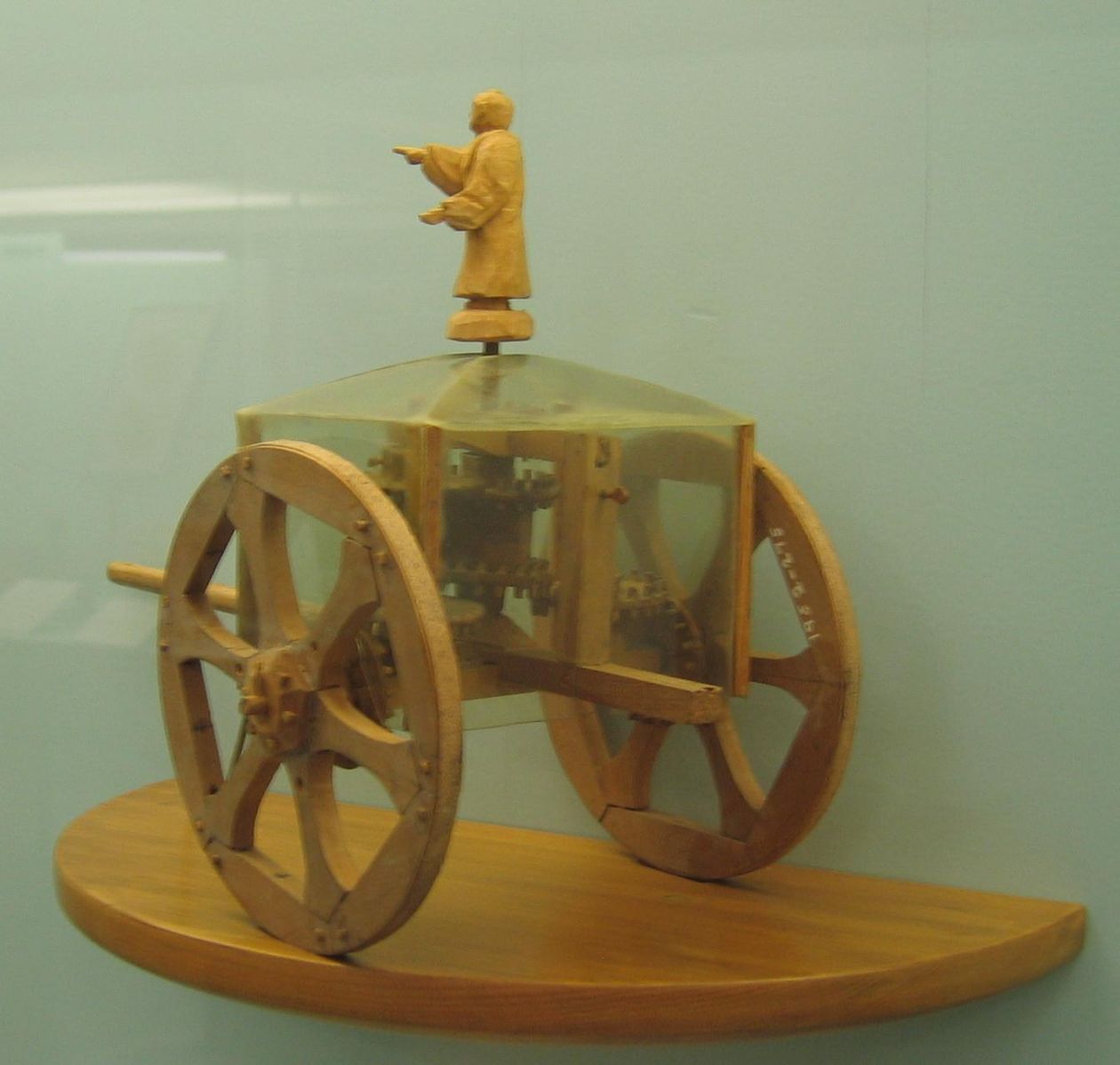
South-Pointing Chariot, Ancient Mechanism Before Compass

A model of a south-pointing chariot
A model of a south-pointing chariot. Credit: Andy Dingley / CC-BY-3.0 / Wikimedia Commons

The prototype of a navigational instrument, this Chinese south-pointing chariot became an ancient analogue of the compass. The history of this ancient mechanism dates back to approximately 5th century BC.

The chariot was described as a horse-drawn cart indicating the southern direction. It featured a figure that consistently pointed south, irrespective of the cart’s orientation. Employing differential gears, the mechanism comprised four wooden gears and additional gearing connecting the differential to the wheels. As the wheels turned, the gears rotated the figure to maintain its southern alignment. Notably, the chariot necessitated manual adjustment at the start of every journey, unlike a compass, which aligns automatically.

Chinese scientists rapidly developed their technologies and learned to magnetize iron needles back in the 7th–8th centuries AD. However, for several more centuries they did not use magnetic compasses and continued to produce chariots. It is believed that they went out of use only around the year 1300.

First Vending Machine

Vending machines are older than you might think.

The first such machine was designed and produced by Heron of Alexandria in the 1st century BC.

It dispensed holy water in exchange for coins. pic.twitter.com/t4O8GqFIx8

— Inquisitive (@curious_va) March 1, 2023

Vending machines, which have become a common attribute of modern life, owe their appearance to the ancient Greek scientist Heron. One of the best ancient mathematicians and inventors, he lived and worked in Alexandria. Heron developed many remarkable ancient mechanisms, and even the first steam engine of its kind.

His vending machine was a very modern mechanism for dispensing holy water. To use it, a person had to insert a coin into a special slot. Then it fell onto a tray connected to a lever. The weight of the coin opened the valve, from which water flowed out for the liars. Eventually, a coin would then slide off the tray, causing the lever to return to its place.

Astrolabe, Ancient Mechanism that Could Measure Time

Astrolabe
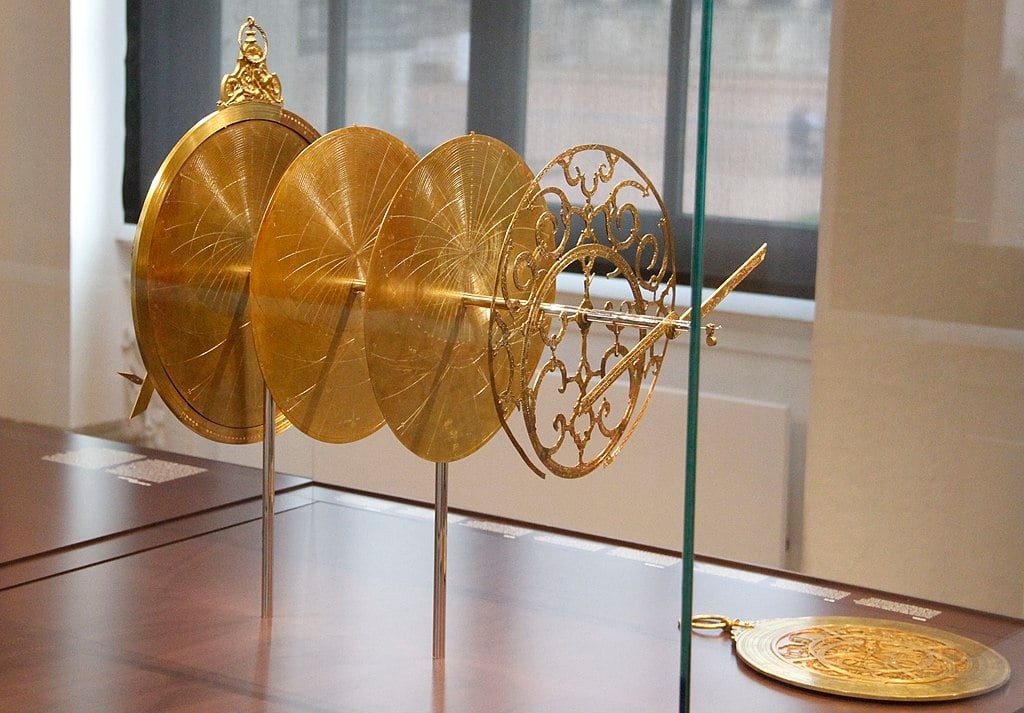
An exploded view of an astrolabe, an instrument that was invented by the Greek scientist Ptolemy. Credit: Elrond / CC BY-SA 4.0 / Wikimedia Commons

Alexandria was home to another brilliant ancient inventor, Ptolemy, who invented a mechanism that could measured time.

This ancient instrument for timekeeping and celestial observation included the planispheric type, allowing astronomers to compute the positions of the Sun and stars relative to the horizon and meridian.

Originating in the 6th century, astrolabes gained prominence in the early Middle Ages across Europe and the Islamic world. It become crucial for maritime navigation by the mid-15th century before the emergence of sextants. Ranging from 3 to 18 inches, the typical planispheric astrolabe was predominantly crafted from brass or iron. It featured the base plate with celestial coordinates, the open-pattern disk illustrating stellar maps, and the alidade used for celestial sightings.

The astrolabe’s intricate construction and widespread usage underscored its significance as a multifunctional scientific tool in the medieval period. Its application extended beyond astronomy, finding utility in fields such as geography, timekeeping, and surveying.

  •  
❌