Reading view

Ébola: OMS reduz o risco da epidemia para a maior parte do continente africano

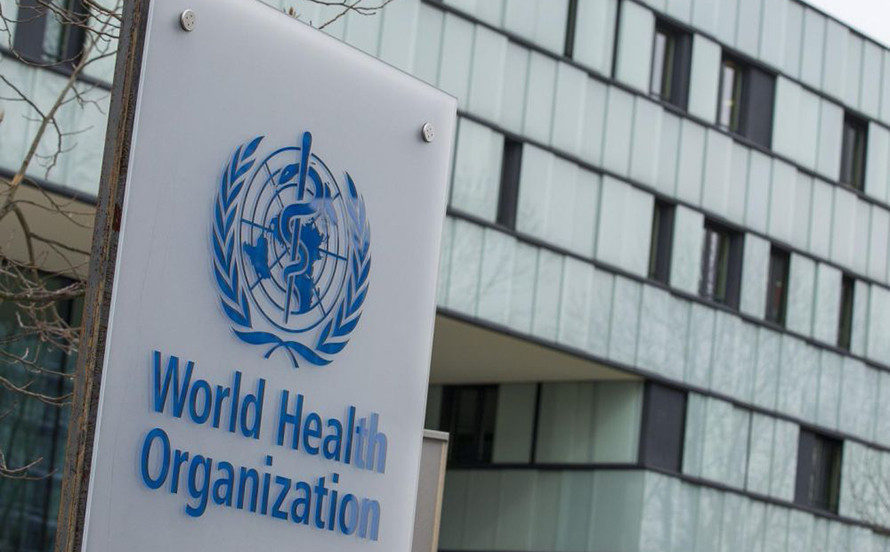
A Organização Mundial da Saúde (OMS) reduziu esta segunda-feira o risco para a saúde decorrente da epidemia de Ébola no continente africano de “alto” para “baixo”, com exceção da República Democrática do Congo (RDCongo) e países vizinhos.

A OMS reavaliou os riscos e considerou baixo o perigo de a epidemia se alastrar para a maior parte de África, assim como para o resto do mundo, embora o risco na RDCongo, que faz fronteira com Angola, permaneça “muito alto”.

No Uganda, onde também foram registadas infeções e a organização considerou o risco como “alto”.

Segundo o novo relatório da OMS, até ao momento foram confirmados 534 casos, 515 na RDCongo e 19 no Uganda, e 93 pessoas morreram da doença provocada pelo vírus do Ébola.

A taxa de letalidade é atualmente de 17,4%, inferior à dos dois surtos anteriores desta variante do vírus, chamada Bundibugyo, que ocorreram em 2007 no Uganda, onde 30% dos infetados morreram, e em 2012 na RDCongo, onde a taxa de mortalidade foi de 50%.

O diretor-geral da OMS, Tedros Adhanom Ghebreyesus, viajou para o Uganda esta semana para apoiar a resposta à epidemia, poucos dias depois de visitar a RDCongo com o mesmo propósito.

O Ébola, que se transmite por contacto próximo e por fluidos corporais, matou mais de 15 mil pessoas em África ao longo dos últimos 50 anos.

A OMS e a agência de saúde da União Africana lançaram na sexta-feira um plano de 518 milhões de dólares (446 milhões de euros) para combater a epidemia nos próximos seis meses, com especial foco no reforço da vigilância, nos testes de laboratório e na prevenção de infeções.

O epicentro da epidemia na RDCongo encontra-se na província oriental do Ituri, de difícil acesso devido ao mau estado das estradas e à insegurança mantida por grupos armados.

A comissária da gestão de crises da UE, Hadja Lahbib, em visita a Bunia, capital do Ituri, apelou no domingo a um cessar-fogo no leste da RDCongo, onde uma série de grupos armados estão ativos e onde o grupo antigovernamental Movimento 23 de Março (M23), apoiado pelo Ruanda, está a controlar vastas áreas de território.

  •  

Complex relationship between Trump and Netanyahu continues to undermine Middle East ceasefire

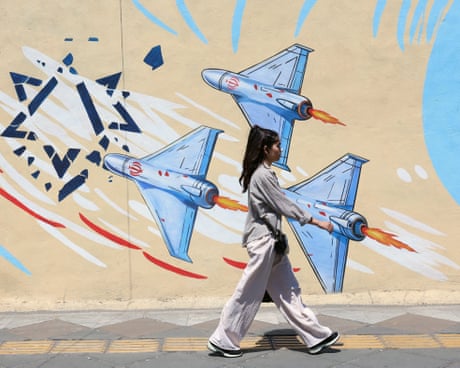
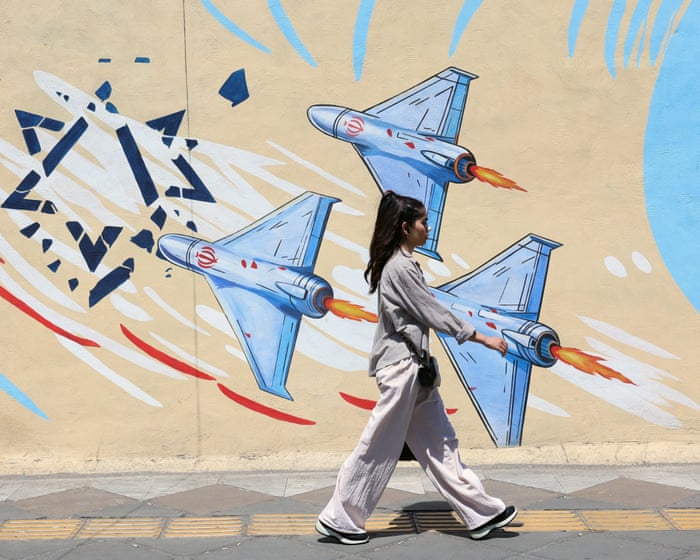
Recent exchange of missiles between Iran and Israel highlights diverging views between US president and Israeli PM

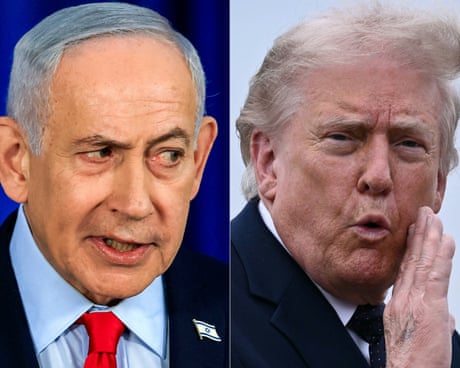
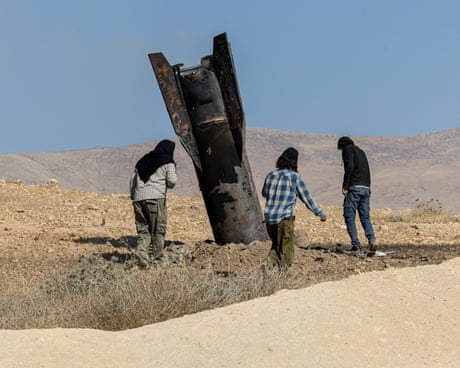
The latest eruption of hostilities between Iran and Israel appears to have been contained for now after Donald Trump insisted he called “all the shots” in the Middle East, but in a dangerously fragile region Benjamin Netanyahu has again shown he is ready to take shots of his own.

The exchange of missiles on Sunday and Monday was ample demonstration of the inherent instability of the current limbo between war and peace, but it also shone a bright light on the complex and conflicted relationship between the US president and the Israeli prime minister, frenemies who could determine the fate of the current ceasefire.

Continue reading...

© Photograph: Ronen Zvulun,brendan Smialowski/AFP/Getty Images

© Photograph: Ronen Zvulun,brendan Smialowski/AFP/Getty Images

© Photograph: Ronen Zvulun,brendan Smialowski/AFP/Getty Images

  •  

Huge ivory bust raises questions about follow-up investigations in Tanzania

A North Korean man is set to face trial in Tanzania this week following his arrest in April while in possession of 500 elephant tusks. Un Hyok Ra was arrested April 19 at a hotel in Dar es Salaam, and is scheduled on June 9 to answer to charges of unlawful possession of the ivory and intent to trade it. Tanzania is a signatory to CITES, the global wildlife trade convention, which requires parties to conduct forensic analysis of ivory seizures of 500 kilograms (1,100 pounds) or more to determine where it came from. This is intended to support investigations that go beyond the typically low-level traffickers who are caught in possession. Tanzanian police did not respond to questions from Mongabay about the origins of the seized ivory or who Ra allegedly planned to sell it to. During an administrative hearing on May 28, prosecutor Florida Wancelaus told the court only that investigations are ongoing. Chris Morris, founder of wildlife crime monitoring group Saving Elephants through Education and Justice (SEEJ), based in neighboring Kenya, estimated that 504 tusks would weigh roughly 2,500 kg (about 5,500 lbs). In an email to Mongabay, he said law enforcement in the region does not always meet the CITES requirement to conduct DNA analysis on confiscated ivory. “It remains to be seen if Tanzania will comply with this directive,” Morris wrote. Morris, a former war crimes investigator, said Tanzanian authorities have often withheld information that would help sister agencies in the region and beyond trace…This article was originally published on Mongabay

  •  

Israel and Iran step back from renewed conflict after Trump calls for halt

Netanyahu acknowledges pause in fighting in TV speech but vows forceful response to future attacks

Fears of a return to a full-scale regional war in the Middle East eased on Monday as Israel and Iran said they had halted attacks on each other after an appeal from Donald Trump to “immediately stop shooting”.

Benjamin Netanyahu, Israel’s prime minister, acknowledged the halt in fighting with Iran in a televised speech, but vowed to respond “with force” to future attacks.

Continue reading...

© Photograph: Ahmad Gharabli/AFP/Getty Images

© Photograph: Ahmad Gharabli/AFP/Getty Images

© Photograph: Ahmad Gharabli/AFP/Getty Images

  •  

Universidade de Coimbra coordena descoberta de novas orquídeas africanas

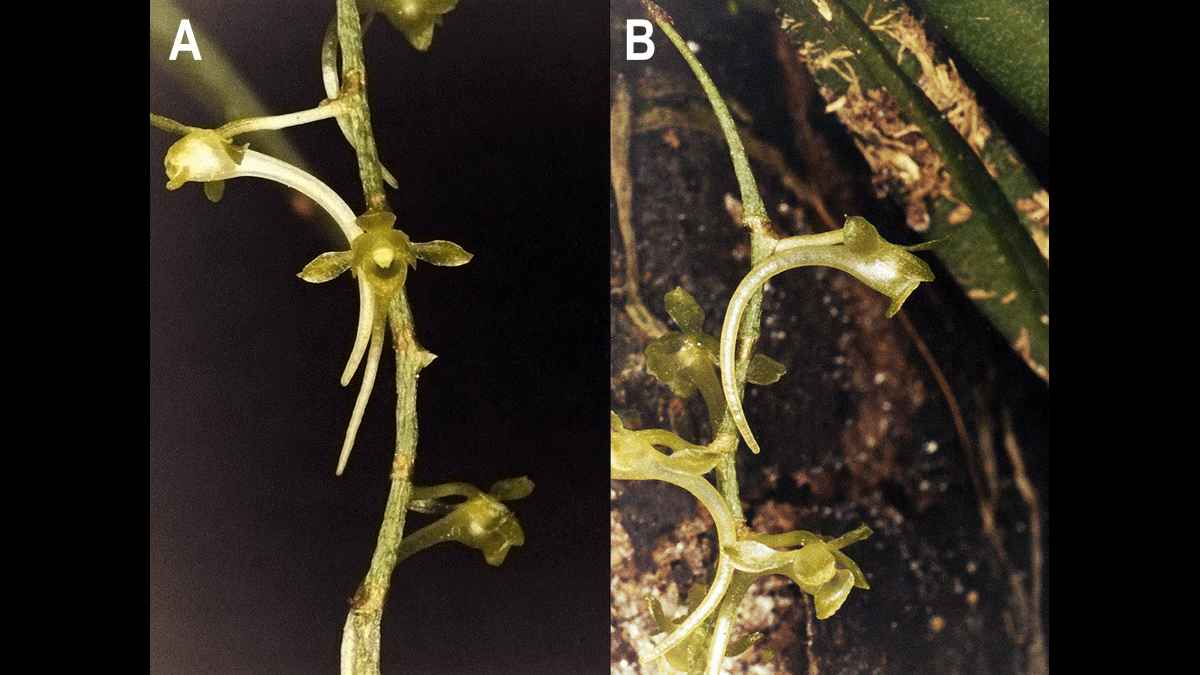
Duas novas espécies de orquídeas descobertas na África Central estão a ajudar cientistas a compreender melhor como plantas tropicais interagem com os seus polinizadores e a revelar um tipo de polinização raramente observado na natureza. O estudo, coordenado pelo Centro de Ecologia Funcional (CFE) da Faculdade de Ciências e Tecnologia da Universidade de Coimbra mostra, ainda, que estas espécies, agora identificadas, já se encontram ameaçadas de extinção.

As espécies, pertencentes ao género Rhipidoglossum, foram identificadas através de uma abordagem que combinou trabalho de campo, análise morfológica e dados de distribuição geográfica. Para além da descoberta, os investigadores conseguiram algo pouco comum: observar diretamente a interação com os seus polinizadores, neste caso mariposas noturnas, um comportamento raramente documentado.

Estas observações ajudam a confirmar que a forma das flores está intimamente adaptada aos insetos que as polinizam, revelando relações ecológicas altamente especializadas.

As novas espécies foram encontradas em regiões da África Central, incluindo áreas montanhosas e florestas tropicais, consideradas importantes centros de biodiversidade. No entanto, apresentam uma distribuição limitada e já foram classificadas como ameaçadas, sobretudo devido à destruição de habitat.

Para os investigadores, este trabalho demonstra que a biodiversidade tropical é não só mais rica do que se pensava, mas também mais complexa nas suas interações ecológicas. A falta de dados e a pressão sobre os ecossistemas tornam urgente continuar a estudar e proteger estas espécies antes que desapareçam.

“No grande quebra-cabeças que é a biodiversidade tropical, cada nova amostra ou registo pode representar uma peça ainda desconhecida pela ciência. Estes ecossistemas estão entre os mais ricos em biodiversidade do planeta, mas também entre os mais ameaçados e com maiores lacunas de informação. Estudos que combinem coleções biológicas, trabalho de campo e colaboração internacional são essenciais para compreender esta diversidade e apoiar estratégias de conservação antes que muitas destas espécies desapareçam”, refere Arthur Macedo, doutorando do CFE.

Os investigadores registaram ainda interações entre grilos e flores de orquídeas, um fenómeno extremamente raro e pouco documentado em escala global. Esta observação representa uma descoberta inédita e sugere que estes insetos poderão desempenhar um papel ecológico mais relevante na polinização de algumas espécies tropicais do que se pensava anteriormente.

“A grande diversidade floral de Rhipidoglossum deixa adivinhar muitas interações desconhecidas. Quem sabe se os grilos não poderão ser os polinizadores principais de alguma espécie na flora da África Tropical?”, questiona João Farminhão, investigador do CFE e orientador principal.

  •  

Why an insurgency in Mali matters in Moscow

A coup is underway in Mali, though it has not brought down the governing junta just yet. The country’s military leader, General Assimi Goïta has, after days in hiding, appeared in public to claim, unconvincingly, that the “situation is under control.” But rebel forces — an alliance of Al-Qaeda affiliates and Tuareg separatists — have taken over provincial cities and are calling for a blockade of the capital Bamako. Mali’s military junta hangs on by a thread, in a familiar regional story of violence, civilian suffering and international intrigue.

On April 25, coordinated attacks across Mali exposed the junta’s fragile hold over the country. Jamaat Nusrat al-Islam wal-Muslimin (JNIM), the al-Qaeda affiliate that has driven insurgency across the region for over a decade, joined forces for the first time with Tuareg separatist groups — who have been fighting the central government for even longer — to simultaneously strike cities hundreds of miles apart, including the capital Bamako, Gao, Kidal, Sévaré, and the garrison town of Kati. A suicide car bomber drove into the residence of defence minister General Sadio Camara, killing him along with his wife, two grandchildren, and several civilians. Camara was one of the most influential figures in Mali's ruling junta and had been widely seen as a possible future leader of the country. He was also the key architect of Mali's military alliance with Russia. Mali, Burkina Faso and Niger, which together form the Alliance of Sahel States (AES), have all in recent years realigned away from France, the former colonial power in the region, and towards Russia.

Russian mercenaries, in the form of the Wagner Group and more recently the Africa Corps, have backed military juntas in the Sahel, after coups in Mali, Burkina Faso and Niger led to the withdrawal of French troops from France’s former colonies. But during these latest rebel strikes, it was Russian fighters that were chased out of the northern city of Kidal to the sound of jeers. Africa Corps, the Kremlin-controlled paramilitary group, described the insurgent attacks as a "coup attempt" backed by "Western intelligence services." RT amplified these claims, accusing France and the West of orchestrating the violence, even as it claimed Russian fighters successfully repelled rebels. In 2024, Ukraine’s military agency said it had provided information to help Tuareg rebels ambush and rout a Wagner convoy, killing dozens of Russian mercenaries. Both Mali and Niger have cut diplomatic ties with Kyiv. Burkina Faso has described Kyiv as a destabilizing force in the region, making the Sahel effectively a front in Russia’s war with Ukraine. 

The Kremlin’s combination of misinformation and mercenaries helped exploit growing anti-Western sentiments in the Sahel to give Russia a propaganda win in the region. Former colonial powers such as France didn’t help themselves, as can be seen even now in Madagascar, the latest nation to expel a French diplomat and accuse Paris of fomenting unrest. But the success of Russian propaganda hasn’t been matched on the ground. As Mali struggles to contain a rebel alliance that has fresh impetus and energy, Moscow’s control is weakening and the effectiveness of its military support is under question. Already, with Russian weapons in short supply because of war with Ukraine, it is China that the Malian junta turns to for arms. China’s strategic efforts in the Sahel have been similar to its efforts in the rest of the African continent – a focus on securing infrastructure contracts as part of the Belt and Road Initiative and securing access to mineral resources. But rebel attacks in the Sahel are bad for Chinese business. In February, the Chinese embassy in Niamey, the capital of Niger, warned Chinese companies to take their workers out of the firing line as rebels increasingly targeted Chinese infrastructure projects, including a $4.5 billion oil pipeline from Niger to Benin.

In 2024, the United States was forced to leave neighboring Niger after a coup, to withdraw from a $100 million base. It seemed the U.S. was losing ground to both Russia and China in the Sahel. Earlier this year, though, as security concerns in the Sahel escalated sharply, the U.S. adjusted its approach, choosing to deal pragmatically with military juntas. By late February, the U.S. lifted sanctions on top Malian officials, including General Camara, the recently slain defence minister. It may see closer cooperation with Sahel countries as essential to its security interests and a way to undercut Chinese access to Sahelian resources.

The three Sahel states, Mali, Burkina Faso and Niger, have turned away from France and Europe and towards Russia, while increasingly flirting with the U.S. and reliant on Chinese weapons. The result has been disaster. All three Sahel states are ranked in the top 5 for countries impacted by terrorism. And the humanitarian toll has been severe. Millions of people face internal displacement across the region and cuts in aid programmes mean many millions, especially children, also face acute hunger. But, as the great powers circle the region, jockeying for geopolitical gain, the talk remains about the logistics of propping up failing juntas, providing military solutions to human crises, and maintaining power rather than confronting problems.

Mali, Burkina Faso and Niger – all led by military authorities that came to power in a coup – have also isolated themselves from the rest of their neighbors by withdrawing from the West African regional bloc, Ecowas. Meanwhile, they sell their model as an alternative to Western-style democracy, a narrative that Russian propaganda networks have been all too eager to promote. But the strength of the insurgency against Mali’s government, and Russia’s apparent inability to protect it, sends a different message to the rest of the African continent.

The post Why an insurgency in Mali matters in Moscow appeared first on Coda Story.

  •  

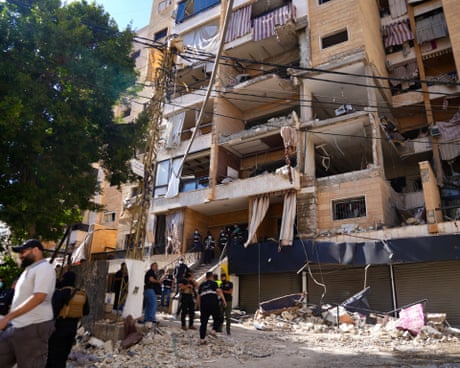
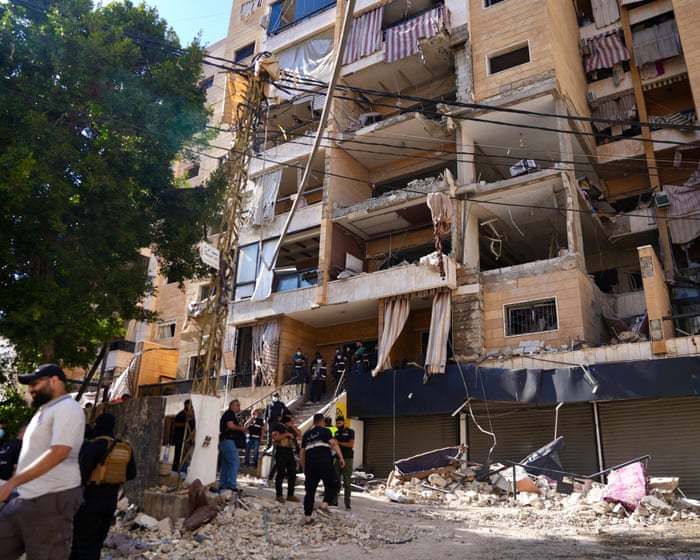
Iran war: who is fighting and why?

Arch-enemies Israel and Iran have returned to active confrontation while Donald Trump tries to present himself as mediator

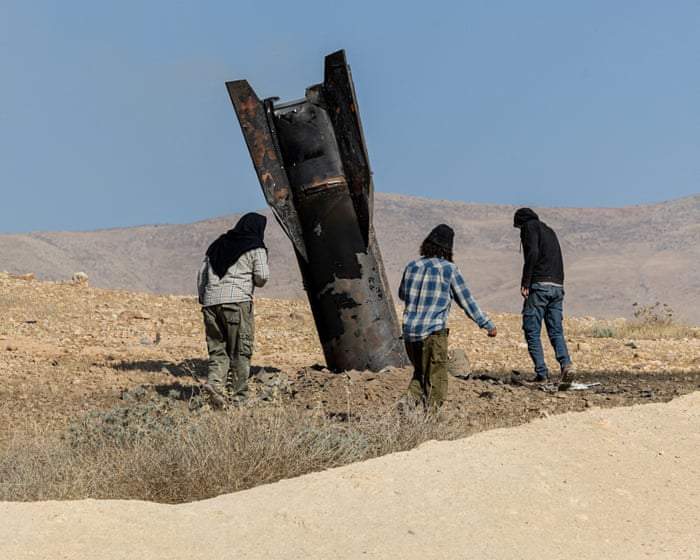
Israel and Iran have returned to active war for the first time since a ceasefire was agreed two months ago in an exchange of rocket fire that threatened efforts to end the conflict.

Donald Trump, who started the war in February alongside Israel but has since attempted to present himself as a mediator, told the two sides to stop shooting and said “final negotiations” on peace were proceeding. By late afternoon on Monday, the attacks had stopped.

Continue reading...

© Photograph: Hussein Malla/AP

© Photograph: Hussein Malla/AP

© Photograph: Hussein Malla/AP

  •  

Will Iran give up on ceasefire talks as strait of Hormuz blockade continues?

Chokehold on shipping route draws Houthis in Yemen back into conflict as commenters see ‘no turning back’

Iran’s reversion to large-scale military exchanges with Israel broadened the conflict that began in February not only by making the Israeli attacks on Hezbollah a direct casus belli for Iran for the first time, but also by drawing the Houthis in Yemen back into the conflict with as yet incalculable consequences.

Some in Tehran, buoyed up by past perceived military success and emboldened by the chokehold of the strait of Hormuz, would like to turn this moment into the point of no return in the conflagration with Israel. A minority would welcome the abandonment of ceasefire talks with the US, an outcome for which they have been agitating for weeks.

Continue reading...

© Photograph: Abedin Taherkenareh/EPA

© Photograph: Abedin Taherkenareh/EPA

© Photograph: Abedin Taherkenareh/EPA

  •  

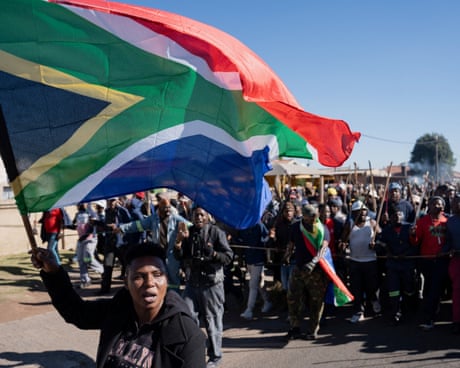
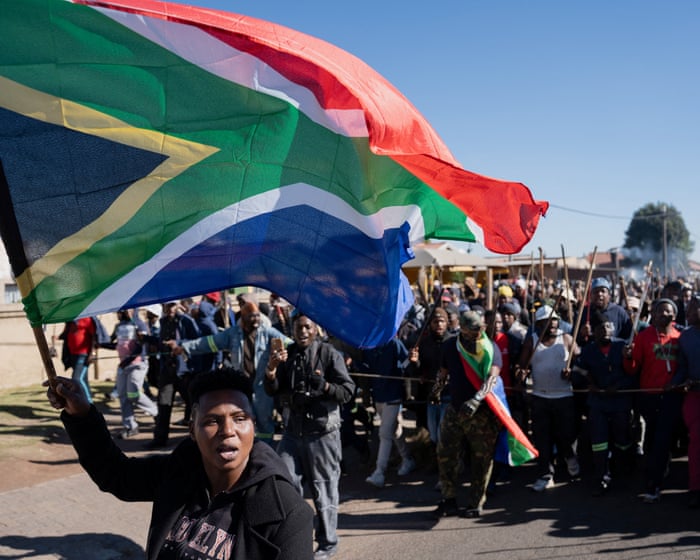
‘Extreme fear’ among immigrants as backlash sweeps South Africa

African migrants say legal status offers little protection as rallies against illegal immigration gain momentum

African migrants in South Africa say they are living in fear after a series of marches calling for illegal immigrants to leave reignited long-held xenophobic sentiment in the country.

March & March, a campaign group at the forefront of recent protests, has given people living illegally in the country until 30 June to leave, without specifying what will happen to those who do not.

Continue reading...

© Photograph: Ihsaan Haffejee/Reuters

© Photograph: Ihsaan Haffejee/Reuters

© Photograph: Ihsaan Haffejee/Reuters

  •  

Malawi’s Elephant Marsh: The challenge of protecting a wetland that sustains thousands

ELEPHANT MARSH, Malawi — At 5:30 am, trader Flora Kumilai is squatting before a heap of smoked catfish at Sorjin Market in southern Malawi’s Elephant Marsh, haggling with sellers over the price. “I found gold in fish,” she chuckles as she fills a third cardboard box. “And Elephant Marsh is the mine.” Kumilai, who has traveled here from Malawi’s commercial capital, Blantyre, will spend a week in the area, visiting other fish markets around the marsh until she has 12 of these boxes, around 900 kilograms (1,990 pounds) of smoked fish. Then she will band together with other traders to hire a truck to transport their goods back to Blantyre, 140 kilometers (87 miles) to the north. But for Kumilai, the final destination for her goods is more than 1,500 km (930 mi) away, at a market in Kasumbalesa on the border between Zambia and the Democratic Republic of Congo. She’s been in business for more than a decade now, mostly trading in produce within Malawi and sometimes importing clothes from Tanzania and South Africa for customers in the city. In October 2024, she changed course, when fellow traders introduced her to the cross-border trade in fish. In Kasumbalesa, most of Kumilai’s customers are from the DRC, she tells Mongabay in Chichewa. “They pay in [U.S.] dollars. When we change it on the black market to Malawi kwacha, it gives us a lot of money. That’s how I’m able to pay for my son’s education [at Chandigarh University in India].”…This article was originally published on Mongabay

  •  

Lebanon’s president refuses to meet Netanyahu until war ends – as it happened

This live blog is now closed. For the latest, read more of our coverage on the Middle East conflict here.

Iranian media is reporting that there were no immediate casualties following apparent Israeli strikes on the Karun petrochemical plant in Mahshahr, a city in Iran’s southwestern Khuzestan province.

According to the Fars news agency, Iran’s Revolutionary Guards said they responded to what they described as an American-Israeli strike on the Iranian petrochemical site by launching a missile attack on a similar plant in the northern Israeli city of Haifa.

Continue reading...

© Photograph: Naama Stern/Reuters

© Photograph: Naama Stern/Reuters

© Photograph: Naama Stern/Reuters

  •  

Israel and Iran exchange strikes as Middle East crisis threatens to escalate

Attacks raise fears of return to full-scale regional war and come after Trump says ‘I call all the shots’, not Netanyahu

The Israeli military has launched airstrikes on Iran after the Iranians fired missiles at northern Israel in the first exchange of fire between the two countries since a ceasefire was reached on 8 April, raising fears of a return to a full-scale regional war in the Middle East.

Yemen’s Iran-aligned Houthi rebels also fired at Israel and warned they would target Israeli-affiliated ships in the Red Sea, further escalating tension.

Continue reading...

© Photograph: Abbas Salman/EPA

© Photograph: Abbas Salman/EPA

© Photograph: Abbas Salman/EPA

  •  

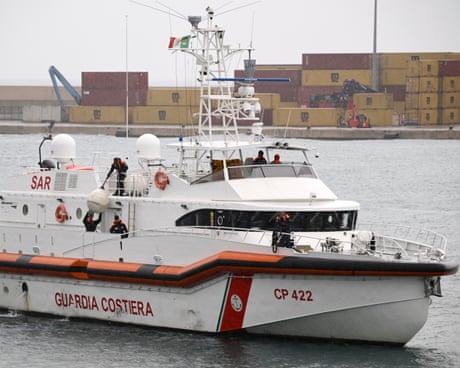
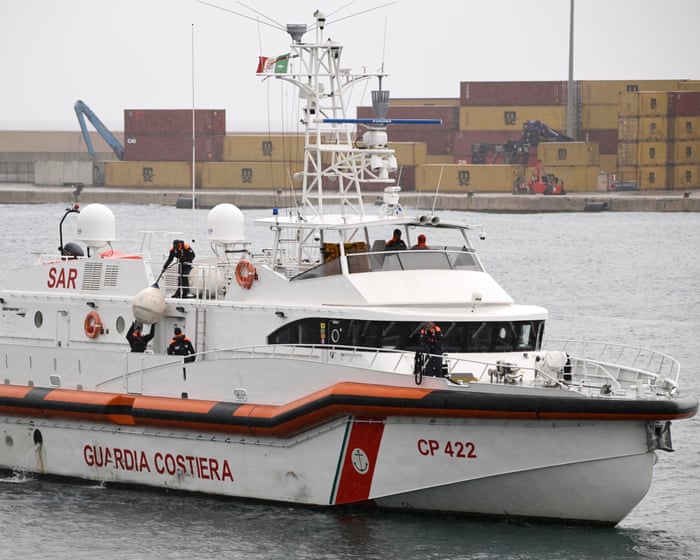
Italian rescuers recover 10 bodies after migrant boat capsizes off Malta

About 48 people rescued alive after vessel reportedly left Libya carrying about 60 passengers

Italian rescuers have recovered 10 bodies after a migrant boat capsized in waters off Malta, a coastguard statement said on Sunday.

The vessel, which had departed from Libya carrying about 60 people, overturned about 45 nautical miles east-south-east of Malta, the Italian coastguard said.

Continue reading...

© Photograph: Valeria Ferrario/AP

© Photograph: Valeria Ferrario/AP

© Photograph: Valeria Ferrario/AP

  •  
❌