Reading view

Cannabis Use Among Teens in Greece Hits 25-Year Record

Cannabis plants
Cannabis use among teens has reached a 25-year record, while cocaine use is rising sharply across Greece. Credit: Wikimedia Commons / Chmee2 / CC BY 3

Cannabis use among teens in Greece has reached its highest level in 25 years, while cocaine and other stimulants are gaining ground across the country, according to the European Drug Report 2026 by the European Union Drugs Agency (EUDA), presented on June 9, 2026.

The report shows a shifting drug landscape in Greece. Cannabis remains the most common illegal substance, cocaine use continues to rise, and opioids, mainly heroin, still account for most overdose deaths.

According to the findings, 11.5 percent of 16-year-old students in Greece have used cannabis. The rate stood at 9.4 percent in 2019. The latest figure marks the highest level recorded in the past quarter century.

Cannabis use rises among teens in Greece

Cannabis use in Greece is increasing among adolescents, and those entering treatment programs more frequently report it as their substance of choice. In 2024, 28.8 percent of people in drug rehabilitation programs revealed that they predominately used cannabis. This was even higher among those seeking treatment for the first time.

The number of people entering treatment for cannabis use has risen by 32 percent compared with a decade ago. Such a trend implies that cannabis has become more deeply entrenched in Greek society among users. The report also notes that the types of cannabis products available in the Greek market appear to be expanding.

New synthetic and semi-synthetic cannabinoids raise concern

Greek authorities are also tracking the spread of synthetic and semi-synthetic cannabinoids, which now show a measurable presence in the domestic drug market. Semi-synthetic cannabinoids ranked as the second most commonly reported substance among people in Greece with recent drug use who participated in the 2024 European Web Survey on Drugs.

The Greek Poison Center first recorded cases linked to semi-synthetic cannabinoids in 2023, when it reported 34 intoxication incidents associated with HHC use. In 2024 and 2025, the center recorded 66 and 52 cases, respectively, involving THCP, H4-CBD, and HHC.

Data from Greece’s Early Warning System, operated by EKTEPN, shows that authorities detected eight new semi-synthetic and synthetic cannabinoids in the country for the first time in 2025. They had detected ten such substances in 2024.

Opioids remain leading cause of overdose deaths

Opioids continue to pose one of the most serious drug-related health risks in Greece. According to ELSTAT data cited in the report, opioids or other unspecified narcotic substances, mostly heroin, were involved in 72.9 percent of the 194 overdose deaths recorded in Greece in 2023.

Across Europe, opioids remain the leading cause of fatal overdoses, often in combination with other substances. The EUDA report also highlights increasing concern over new synthetic opioids, including nitazenes and orphines, which have appeared in Europe’s Early Warning System.

Greece differs from many other European countries because opioids remain the most frequently reported main substance among people entering treatment. In 2024, they accounted for 38.4 percent of treatment entrants. However, their dominance has weakened. The number of people entering treatment for opioid use in Greece has fallen by 51 percent compared with ten years ago. Among first-time treatment entrants, only 18 percent reported opioids as their main substance. These figures point to a broader change in Greece’s drug-use profile, as cannabis and cocaine now play a larger role in treatment demand.

Cocaine becomes increasingly visible in Greece

Cocaine remains the second most widely used illegal substance in Europe after cannabis among people entering treatment for the first time, according to the report. Cocaine-related harm is also increasing, while some European cities and marginalized communities are reporting more frequent crack cocaine use.

In Greece, cocaine and other stimulants now have a significant presence in drug-use patterns. Powder cocaine ranked as the most frequently reported substance after cannabinoids among people in Greece with recent drug use who participated in the 2024 European Web Survey on Drugs.

In 2024, 29.4 percent of people entering treatment reported cocaine and other stimulants as their main substance of use. This figure alarmingly approaches that for cannabis and marks a major increase compared with previous years. The number of people entering treatment for cocaine or other stimulant use has increased by 106 percent compared with five years ago and by 256 percent in comparison to a decade ago.

Attica records stronger cocaine indicators than other regions

People entering treatment report cocaine and other stimulants as their main substance of use more often in the Greater Athens (Attica) area than in Thessaloniki or other regions of Greece. Wastewater analysis in the region by the Laboratory of Analytical Chemistry at the National and Kapodistrian University of Athens shows a further sharp increase in cocaine presence in 2025. Researchers measure the trend through benzoylecgonine, cocaine’s main metabolite.

The estimated average daily quantity per 1,000 people rose by 64 percent compared with 2024. It also stood 211 percent higher than five years earlier. These figures suggest a significant shift in drug-use patterns, at least in the Athens metropolitan area.

Greece remains a cocaine entry and transit point as cannabis use among teens rises

Cocaine availability remains high in Greece despite a drop in the total quantity seized in 2024 in comparison to 2023. At the same time, authorities recorded a higher number of cocaine seizures. Continued flows through shipping containers from Latin American countries confirm Greece’s role as an entry point, transit hub, and final destination for significant quantities of cocaine.

The wider European picture described by the EUDA indicates a more complex and risky drug environment. People who use drugs now face exposure to a broader range of psychoactive substances, often with high potency or purity. New products, mixtures, and combinations are also becoming more prevalent.

  •  

The Modern Greek Philosopher Who Chose Death

Dimitris Liantinis, the Greek professor and philosopher who chose his own death.
Dimitris Liantinis, the Greek professor and philosopher who chose his own death. Credit: Liantinis.org
Dimitris Liantinis was a Greek philosopher and professor who believed that ancient Greeks were so preoccupied with the idea of death that it formed the basis of their entire culture. He then disappeared very mysteriously, with some positing that he committed suicide.

Dimitris Liantinis’ early life

Dimitris Liantinis was a professor of the School of Philosophy at the University of Athens, where he taught a class in the philosophy of education and the teaching of Greek language and literature. He also authored nine books, all written in Greek and focused on philosophy and education.

His last name at birth was Nikolakakos, but he changed it to Liantinis to honor his place of birth, the village of Liantina in the prefecture of Laconia.

He completed his high school education in Laconia and, in 1966, graduated from the Department of Literature of the School of Philosophy at the University of Athens. He taught literature at secondary education level from 1968 to 1970 and from 1973 to 1975.

From 1970 to 1972, Liantinis was in Munich, Germany, learning and studying the native language. At the same time, he worked there as a teacher of classical literature at the private Greek high school Otto Geselschaft.

In 1975, he embarked on graduate studies in the School of Philosophy at the University of Athens and was appointed a teaching assistant at the Laboratory of Education. He got his PhD in 1978 with honors. The subject of his thesis was: “The presence of Hellenic spirit in the Duino elegies by Rainer Maria Rilke.”

As a professor, he gave many training seminars and lectures to teachers of secondary education level in Greece.

The Greek professor’s philosophical views

Liantinis’ ideas were strongly influenced by the philosophy of ancient Greece, as well as the ideals of the Romantic movement and the works of Friedrich Nietzsche. The professor made several references to the scientific progress of his time, particularly in the area of cosmology, and he made efforts to formulate a connection between that and the existence and nature of God.

He wrote at great length about education, and some of his work focused on what he considered to be the moral and intellectual decline of modern Greeks compared to their ancestors.

To further solidify his position, Liantinis devoted large parts of his body of work to defining exactly what the real value of ancient Greece was, as well as the actual worldview that they held. He argued against the notion that ancient Greece, although ahead of its time for most of antiquity and possibly the Middle Ages, was eventually superseded by the advancements of Renaissance Europe.

In contrast, he believed that the Greeks possessed a complete culture, a kind of super-set for all Western cultures, past and present. As an example, in his book Gemma, he argued that “the Greeks did not need psychoanalysis because they had tragedy.”

This period of intellectual magnificence was short-lived, and Liantinis wrote that “it would be a sign of honesty if the Greeks were to stop philosophizing right after Aristotle.”

He added that today, Greeks are completely unknown as “for the Europeans, we, the ‘New-Greeks,’ are but a faceless bunch, something of a Balko-Turkish Arab. We are the Orthodox with the Russian-like writing and the domes on our village houses.”

Death was also central to the professor’s work and, as he claimed, that of the ancient Greeks. He refuted the idea that ancient Greece was a culture of playful joyfulness and argued that the Greeks had instead presented us with a world of infinite melancholy, a proposition that is consistent with that of Nietzsche, whom he greatly admired.

Their philosophy was a study of death, according to Liantinis, and their conclusions were absolute and hard to accept since they saw death as a final end with no afterlife or moral rewards for the life lived on earth.

The Greek professor’s views on death

Liantinis believed that death as a topic occupied the ancients to such a degree that one could see their whole culture arising from the radical views they held on the subject.

The professor believed the ancient Greeks saw death as an unchanging cosmic law and did not associate whatever afterlife they had conceived with a system of divine punishment or reward like the Abrahamic religions. Although individual myths, such as that of Sisyphus who was condemned to eternal punishment in the realms of Hades, did exist, they were largely exceptions to the rule and never developed into a proper system of beliefs on life after death.

In one of his lectures,[5] Liantinis said Homer describes a scene where the hero, before engaging him in battle, says to his opponent, “The race of men is related to that of leaves, as we momentarily stand fresh on the tree branch, then quickly surrender to the wind and rain.” The lyric poet Pindar also questions in his works: “What are we [men] but dreams of shadows.”

Liantinis’ strange disappearance

On June 1, 1998, Liantinis disappeared, leaving a letter for his daughter, Diotima, where he revealed his decision to vanish on his own free will after lifelong consideration and preparation.

Liantinis’ disappearance evoked many speculations from the public, with some believing he had taken his own life in protest against what he saw as the lack of values in modern Greek society.

Seven years after the professor’s death, Panagiotis Nikolakakos, his cousin, showed Diotima to the crypt where her father lay in the area of the Greek mountain Taygetos. Nikolakakos had been instructed to do this by the late professor before his departure.

Several thorough forensic tests and analyses proved the skeleton in the crypt to be that of Liantinis, but the exact date and cause of his death remain unknown since no lethal substance was detected.

Despite his will stating that his bones should remain on Taygetos, he was finally buried at the cemetery of Kechries near the city of Corinth.

In his last letter to his daughter, he wrote: “My last act has the meaning of protest for the evil that we, the adults, prepare for the innocent new generations that are coming. We live our life eating their flesh. A very bad evil. My unhappiness for this crime kills me.”

  •  

The 2,500-Year-Old Machine That Helped Ancient Greeks Fight Corruption

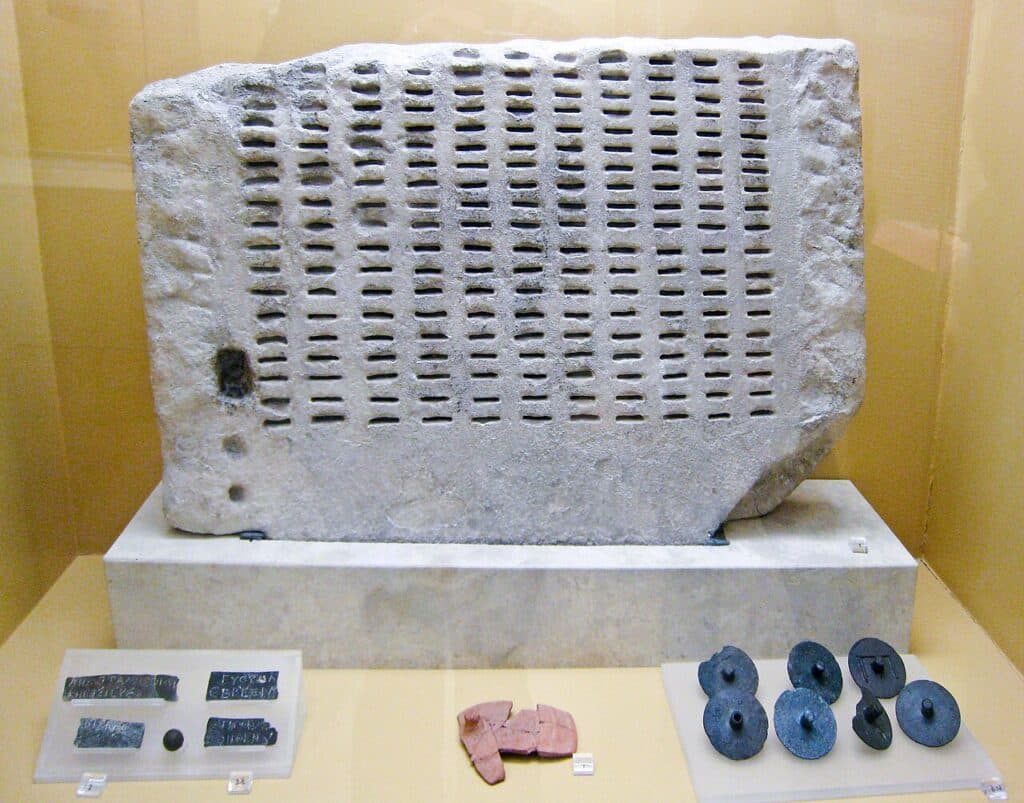
Kleroterion made of marble with identification tickets (pinakia) that were inserted in the slots to indicate eligible jurors in a system of democracy. Exhibited at the Ancient Agora Museum in Athens.
Kleroterion made of marble with identification tickets (pinakia) that were inserted in the slots to indicate eligible jurors. Exhibited at the Ancient Agora Museum in Athens. Credit: Sharon Mollerus Flickr CC BY 2.0

One of the most remarkable inventions of Ancient Athenian democracy was a device used to randomly select citizens for public duties such as jury service and public office.

The kleroterion consisted of a stele with horizontal rows of slots on its front and a vertical metal tube attached to the side. Prospective jurors inserted small, flat bronze tokens known as pinakia into these slots, each engraved with their name, their father’s name, and their deme (municipality). Black and white metal spheres were then placed into a funnel and released into the tube in a randomized sequence.

Candidates whose pinakia aligned with a white sphere were selected as jurors, while those aligned with a black sphere were not. Multiple kleroteria (plural) were installed in front of each court to handle the selection process.

Developed in Classical Athens during the 5th century BC, the kleroterion embodied a radical principle for its time: that ordinary citizens, rather than elites or hereditary rulers, should take part in governing the state through equitable civic participation. Within the broader framework of Ancient Athenian democracy, it represented a systematic effort to formalize political equality.

Although the process may appear simple by modern standards, it was highly innovative in the ancient world. Instead of elections shaped by wealth, family influence, or popularity, the Athenians relied heavily on sortition, or selection by lottery. The kleroterion mechanized this system and significantly reduced opportunities for corruption. Eligible citizens would arrive at the court and place their pinakia into the appropriate slots of the kleroterion, with each column representing a tribe and reflecting the political organization of Athens established after the reforms of Cleisthenes around 508 BC.

Archaeological discoveries, particularly from the Athenian Agora, have confirmed ancient written accounts and revealed the sophistication of the system. The kleroterion ultimately illustrates how deeply equality, civic participation, and safeguards against corruption were valued within Athenian democracy.

The foundations of Athenian democracy and the kleroterion

The foundations of Ancient Greek democracy in Athens were established through the reforms of Cleisthenes in 508–507 BC and later expanded during the 5th century BC under leaders such as Pericles. During this period, Athens actively sought to prevent the concentration of political power in the hands of aristocratic elites. One of the key mechanisms used to achieve this goal was random selection. As Aristotle explains in Politics (Book IV, 1294b), the distinction between democracy and oligarchy was clear and fundamental: “It is accepted as democratic when public offices are allocated by lot; and as oligarchic when they are filled by election.”

This statement highlights the ideological importance of the kleroterion within Athenian democracy. Elections tended to favor wealthy and influential citizens who already possessed reputation, education, and good social networks. Random allotment, by contrast, gave ordinary citizens an equal opportunity to participate in governance. The Athenians believed that political equality, or isonomia, depended on broad participation from the citizen body rather than dominance by a small elite.

The kleroterion was particularly significant in the selection of jurors for the dikasteria, the large popular courts of Athens. Each day, thousands of jurors were chosen to hear legal and political cases. Aristotle also describes this procedure in The Constitution of the Athenians (63): “Each juror, after presenting his ticket, receives a staff and enters the court to which the lot assigns him.”

Random selection in the courts was designed to make bribery and manipulation far more difficult. Because no one could predict who would serve on a given jury, corrupt politicians and wealthy litigants found it harder to influence outcomes in advance. In this way, the kleroterion functioned as a safeguard against corruption and tyranny in Ancient Athenian democracy. In a society deeply wary of concentrated power, randomness itself became an essential democratic instrument.

The randomization process in Ancient Athenian democracy

The randomization process operated in several stages. Citizens first inserted their tokens into the designated slots of the kleroterion. Colored balls were then released from the attached tube in a randomized sequence. A white ball typically indicated that a corresponding row had been selected, while a black ball signaled rejection. Citizens whose tokens aligned with the selected rows would then serve on juries or councils.

This system helped ensure a fair distribution of civic responsibility across different tribes and social groups. Over the course of their lives, thousands of Athenians could participate directly in governing roles. Thus, political participation was understood not merely as a privilege but as a civic duty requiring active engagement.

Regular rotation of officeholders also helped limit the emergence of entrenched political elites. Ancient historians often emphasized the active role of ordinary citizens in Athenian political life. Thucydides, in his account of Pericles’ Funeral Oration in History of the Peloponnesian War (II.37), captures this democratic ethos: “Our constitution is called a democracy because power is in the hands not of a minority but of the whole people.”

Through the kleroterion, this ideal of collective governance was translated into practical reality. Ordinary citizens could be selected to serve on juries or councils at any time. A farmer, craftsman, or merchant might suddenly find himself serving alongside fellow citizens, reinforcing civic identity and strengthening a shared sense of responsibility for the polis.

Modern classicists on the significance of the kleroterion in Ancient Athenian democracy

Modern historians have long recognized the revolutionary nature of the kleroterion system. The classical scholar M. H. Hansen writes in The Athenian Democracy in the Age of Demosthenes: “The Athenians regarded sortition as the most democratic method of selecting officials because it gave every citizen an equal chance of holding office.”

Hansen’s observation underscores how differently the Athenians understood democracy compared to most modern states. Today, democracy is commonly associated with representative elections, but in Athens, elections were often viewed as less democratic precisely because they enabled wealth, status, and rhetorical skill to dominate political life. In contrast, the kleroterion directly challenged social hierarchy by affirming that ordinary citizens were fully capable of public service.

Hansen also emphasizes that the system reflected confidence in collective civic wisdom rather than reliance on specialized expertise. Offices assigned by lot were typically short in duration, and officials were subject to scrutiny both before and after their terms of service. This structure helped reduce the risks associated with inexperience while maintaining broad participation. In practice, Athenian governance depended less on professional politicians and more on the continual rotation of citizens through public duties.

Another modern scholar, Paul Cartledge, highlights the symbolic dimension of the kleroterion in Democracy: A Life, writing: “The allotment machine was democracy made stone.” Cartledge’s phrase captures the broader cultural significance of the device. The kleroterion functioned not only as an administrative tool but also as a physical embodiment of democratic equality. Each citizen’s bronze token occupied an identical slot, with no distinction between aristocrat and laborer once the allotment process began. In this sense, the machine itself stood as a tangible symbol of political fairness and civic equality.

Ordinary citizens in public office

The kleroterion also reflected broader Greek ideas about fate, equality, and civic order. Although the use of chance in political selection may seem unusual to modern observers, the Athenians believed that sortition helped prevent factionalism and personal ambition from undermining the state. Because officeholders could not easily manipulate or predict their selection, the process reduced political competition and eased social tensions.

As historian Josiah Ober explains in his book Mass and Elite in Democratic Athens, “Lottery selection was intended to institutionalize political equality and to minimize elite domination.” Ober argues that Athenian democracy succeeded in part because it actively integrated ordinary citizens into the institutions of the state. The kleroterion was central to this integration. By opening public roles to a broad cross-section of the citizen body, it encouraged loyalty to the polis and helped reduce the alienation often associated with political exclusion.

At the same time, the system had clear limitations. Citizenship was restricted to free adult males born to Athenian parents, while women, enslaved people, and foreigners were excluded from participation. As a result, the democracy supported by the kleroterion was limited according to modern standards. Even so, within the citizen body itself, it pursued political equality to a remarkable degree. The idea that ordinary individuals could collectively govern was profoundly innovative in the ancient world.

The decline of Athenian democracy in the 4th century BC and the subsequent rise of Macedonian power led to the reduced use of institutions such as the kleroterion. Nevertheless, its intellectual legacy endured. Political philosophers and modern democratic theorists continue to debate the value of sortition, and some contemporary scholars have even proposed reintroducing forms of random selection to modern governments as a way to counter corruption, polarization, and elite dominance. In several modern democracies, citizens’ assemblies selected by lot reflect renewed interest in these ancient practices.

Archaeological evidence has further enriched modern understanding of the kleroterion. Excavated examples, now displayed in museums, reveal the advanced administrative organization of Athens. These carefully constructed stone devices demonstrate the seriousness with which democratic participation was approached. Far from being primitive or chaotic, Athenian democracy relied on highly structured procedures to ensure fairness, accountability, and broad civic involvement.

  •  

Greece’s Startup Ecosystem Drops Out of Global Top 50 Despite $12B Valuation

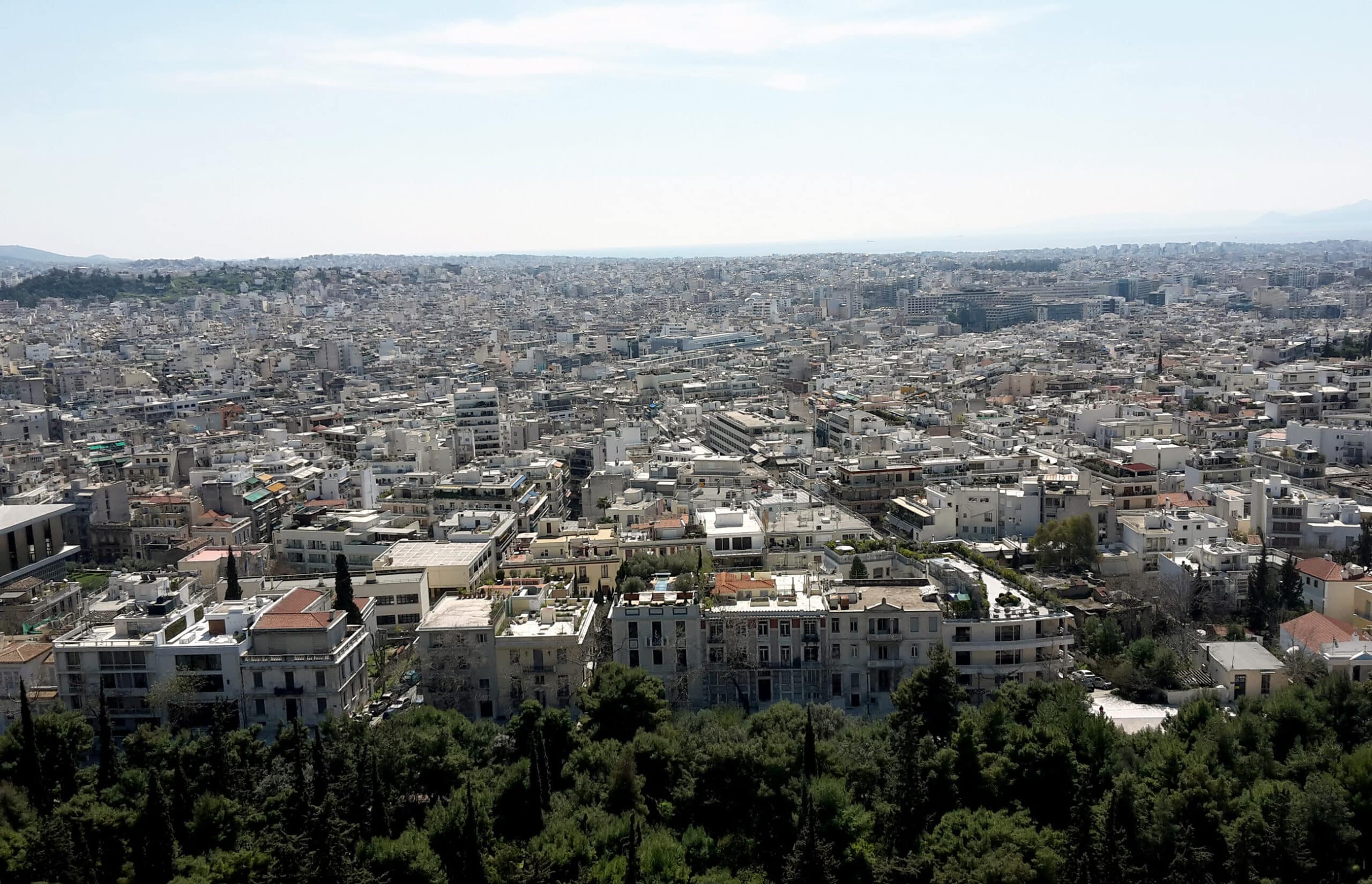
Aerial view of Athens, Greece
Greece’s startup ecosystem fell to 51st globally in StartupBlink’s 2026 Index, despite an estimated ecosystem value of over $12 billion. Credit: Wikimedia Commons / acediscovery / CC BY 4

Greece has fallen out of the world’s top 50 startup ecosystems, dropping to 51st place in StartupBlink’s Global Startup Ecosystem Index 2026. The country also slipped in Europe, ranking 29th, down from 27th in 2025.

According to the report, this is Greece’s lowest global position since 2022. The decline came despite positive annual ecosystem growth of 4.8 percent. However, that rate was well below the global average, meaning Greece lost ground as other startup ecosystems expanded more rapidly.

StartupBlink’s 2026 index ranks 1,556 cities and 100 countries, using indicators linked to startup quantity, quality, and the wider business environment. For Greece, the findings show a mixed picture: the country has recognizable startup successes, a sizeable ecosystem value, and improving policy tools, but its global momentum has slowed.

Greece’s business conditions are stronger than its startup outcomes

One of the clearest findings is the gap between Greece’s business environment and its overall startup ranking. Greece ranks 33rd among 125 countries in the Innovators Business Environment Index, significantly higher than its 51st position in the main startup ecosystem ranking.

This suggests that Greece has relatively strong underlying conditions for innovators, but these conditions have not yet fully translated into stronger startup ecosystem performance. The report estimates Greece’s startup ecosystem value at $12.1 billion. The country has two unicorns and three cities in the global top 1,000 startup cities.

Athens remains Greece’s dominant startup hub but weighs on national performance

Athens continues to dominate Greece’s startup scene, but its weaker performance was a major reason behind the country’s fall in the global ranking. The Greek capital dropped 17 places to 134th globally, after recording negative growth of 4.8 percent. In the Balkans, Athens also fell one position to third overall.

Despite this decline, Athens remains one of the region’s most mature startup ecosystems. The city leads the Balkans in the Ecosystem Maturity functional category, reflecting its track record in producing startup outcomes. StartupBlink also describes Greece’s level of ecosystem centralization as healthy. Athens scores 7.4 times higher than Thessaloniki, a ratio that points to a strong national hub while still leaving room for secondary cities to grow.

Thessaloniki grows although Heraklion records Greece’s strongest growth

Thessaloniki posted strong annual growth of 29.1 percent but still fell four places to 443rd globally because other cities advanced faster.

Heraklion, however, delivered Greece’s strongest city-level result. The port city of Crete climbed 89 places to 771st worldwide, with annual growth of 64.5 percent. That was the highest growth rate among Greek startup cities in the 2026 index. Heraklion’s performance shows that startup activity outside Athens is becoming increasingly visible even though the capital remains the country’s main innovation center.

Greece’s startup ecosystem ranks fifth in Southern Europe

Greece ranks fifth overall in Southern Europe. It performs slightly better in the Ecosystem Value functional category, where it ranks fourth in the subregion. In the Balkans, Greece ranks third overall, one place lower than last year. However, it performs better in specific sectors, ranking second in the region for both Fintech and Social & Leisure.

These sectoral rankings highlight areas where Greece has a stronger regional position, especially in financial technology and consumer-facing digital services.

Viva Wallet and PeopleCert remain Greece’s startup champions

The report identifies Viva Wallet and PeopleCert as Greece’s main startup ecosystem champions. Both are based in Athens and are privately valued at over $1 billion. Viva Wallet has a StartupBlink score of 570, while PeopleCert has a score of 277.

Viva Wallet became one of Greece’s most important startup success stories after JPMorgan acquired a 48.5 percent stake in the fintech company in 2022 in a deal valued at $2 billion. The transaction confirmed Viva Wallet’s status as Greece’s second unicorn and was described in the report as the country’s largest-ever startup deal.

PeopleCert crossed the $1 billion valuation mark in 2021 after acquiring AXELOS for approximately $525 million.

EquiFund, Elevate Greece, and NBG Business Seeds helped shape ecosystem

StartupBlink also points to several initiatives that have shaped Greece’s startup ecosystem over the past decade and a half. The National Bank of Greece launched NBG Business Seeds in 2010, with the report describing it as the country’s longest-running startup innovation competition.

Six years later, Greece and the European Investment Fund signed EquiFund, a fund-of-funds of approximately $290 million designed to help establish the country’s first professional venture capital market. Another important step came in 2020, when the Greek government launched Elevate Greece, the official national startup registry.

The platform gives startups access to state benefits, investor visibility, angel investor tax incentives, and Golden Visa eligibility. The report also names the National Bank of Greece / NBG Business Seeds, Elevate Greece, and Enterprise Greece as notable startup ecosystem builders.

Enterprise Greece is described as the country’s official investment and trade promotion agency, actively promoting the Greek startup ecosystem to international investors and supporting foreign founders through licensing and strategic investment frameworks.

New tax incentives and startup Golden Visa aim to attract capital

Recent policy developments also form part of the broader picture. In 2025, Greece introduced new tax incentives for angel investors, expanding the deduction cap to approximately $980 million, and launched a startup Golden Visa program. These measures are intended to attract startup investment and entrepreneurial talent.

In 2024, Greece, in partnership with the European Investment Fund, launched the EquiFund II equity mandate, with a focus on life sciences, health, and sustainability. Together, these initiatives indicate that Greece continues to strengthen the financial and policy framework supporting startups, even as its global ranking has declined.

Greece’s main challenge is faster startup ecosystem growth

The StartupBlink 2026 ranking does not depict Greece as a weak startup ecosystem. The country has two major startups valued above $1 billion, a total ecosystem value of $12.1 billion, strong business environment conditions, and clear institutional support.

The core issue is pace. Greece has grown but not quickly enough compared with global competitors. The contraction in Athens had a direct impact on the national ranking, while Thessaloniki and Heraklion demonstrate that regional ecosystems are still in a phase of development.

  •  

Study of Athens’ Oldest Coins Reveals Unknown, Ancient Silver Trade


Athens oldest coins silver trade
Wappenmuznen circa 545-525 BC. Credit: Classical Numismatic Group CC BY-SA 3.0 via Wikimedia Commons

Ancient Athens’ oldest coins, minted in the period of the Athenian tyranny in the lead up to democracy in the 6th century BC, were created from ores such as silver originating around the world, a recent study suggests, revealing a previously unknown ancient global trade.

The study, published in the journal Archaeological and Anthropological Sciences, sheds light on how exiled Peisistratus, who ruled ancient Athens as a tyrant three times, managed to set up silver mining operations in spite of the fact that hostile local tribes controlled the regions and its mines. It has long been argued that Peisistratus sourced the silver from the districts of Mount Pangaion and the Strymon river in northern Greece, followed by the exploitation of mines in Lavrion, near Athens.

Athenian coinage was instigated by Peisitratus, who ruled Athens from 546 to 510 BC. This first series of coins in ancient Athens is known as Wappenmunzen, referring to an array of silver and electrum coins, of which the most important were the ‘horse,’ the ‘gorgon,’ and the ‘wheel,’ each of which had their own variations. They were later replaced by the long-lasting and emblematic design for which Athens’s coinage became best known—the owl of Athena.

Researchers studied 22 ancient coins from Peisistratus’ time, 16 from the Numismatic Museum in Athens and six from the British Museum in London. Apart from silver, the coins contain a mixture of other elements, including copper, zinc, gold and lead. They rubbed these pieces on paper strips to obtain a small quantity of the metals, then used a chemical analysis technique known as gas chromatography (a separation technique using gas flow through a glass or metal column that separates compounds). Lead mined from around the world has different isotopic signatures, reflecting those locations. Therefore the researchers were able to match the coins’ signatures to those held on a lead isotope database, allowing them to pinpoint where the material came from.

The analysis of the data researchers collected shows that the Athenians used a wide and unexpected variety of ore sources for the minting of their first series of coins, ranging from Spain in the west to the south of France, through to Turkey in the east and the Rhodope mountains and Romania in the north—the key finding of the study. Lavrion ores, according to the findings of the researchers, were not found in the 22 sampled Wappenmunzen. 

The authors suggest that Peisistratus must have tapped international connections to mint coins under his rule, while the overall analysis points to undocumented trading relationships and a much more interconnected ancient world.

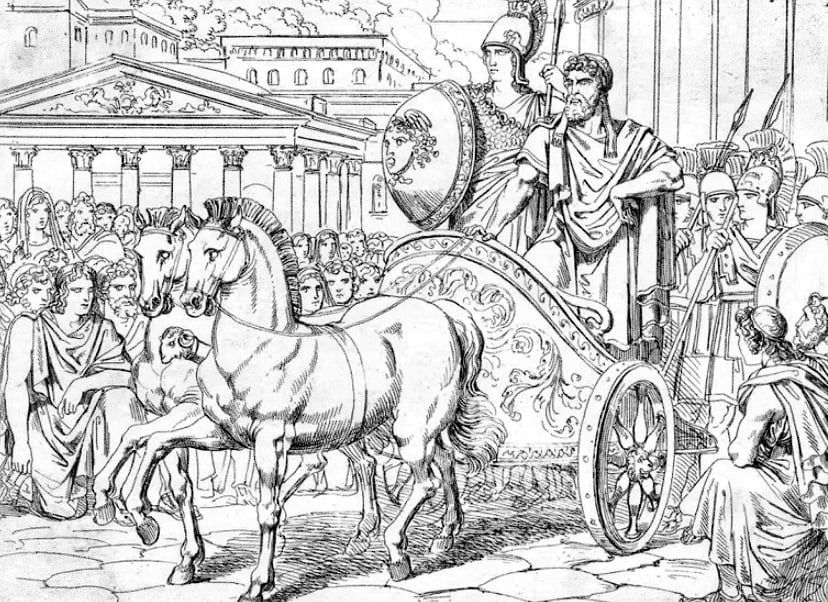
Peisistratus, the ancient Greek tyrant loved by the people of Athens, on a chariot
Peisistratus enters Athens with fake goddess Athena. Credit: Public Domain

Athens under Peisistratus, minter of Athens’ first coins

Peisistratus was an ancient Greek statesman who ruled Athens three times as a tyrant. His reforms laid the foundations for the city’s later supremacy in Greece.

Born around 600 BC, he first came to power with a coup in 561 BC and ruled Athens as a tyrant two more times, from 559 to 556 BC and again in 546 until his death in 528 BC. He was very popular with Athenians.

His defense of the lower class of Athens is an early example of populism. While in power, he confronted the aristocracy and significantly reduced their privileges, confiscating their estates and giving them to the poor.

He also funded many religious and artistic programs in order to improve the economy and distribute wealth more equally among Athenians.

Peisistratus’ legacy includes the unification of Attica, the organization of the Panathenaic Games and the first attempt to produce a definitive edition of Homer’s epics (until then hand-written copies were available only to the rich).

The Athenian ruler promoted the cults of Athena and Dionysus and began the construction of the temple to Athena on the Acropolis. He also promoted a number of other public works, including the Lyceum, temples to Apollo and Zeus, and the Fountain of the Nine Springs.

Furthermore, he supported literature and the arts, and the city’s Dionysia festival flourished during his time. The Athenian coinage had been introduced by about 550 BC and may reflect a policy of his, though there is no clear reference of this in contemporary documents.

  •  

Strong 5.2 Magnitude Earthquake Shakes Greece’s Evia and Athens

earthquake
The earthquakes rattled large parts of central and southern Greece, including Evia and Athens. Credit: AMNA

A series of strong earthquakes, culminating in a 5.2-magnitude tremor, rattled the Greek island of Evia (Euboea) and the greater Athens metropolitan area on Sunday afternoon. The seismic activity triggered extensive landslides across the northern part of the island of Evia, though local authorities report no injuries or significant structural damage to houses.
The initial shock, measuring 4.8 on the Richter scale, occurred at 12:58 p.m. local time on Sunday, June 7.

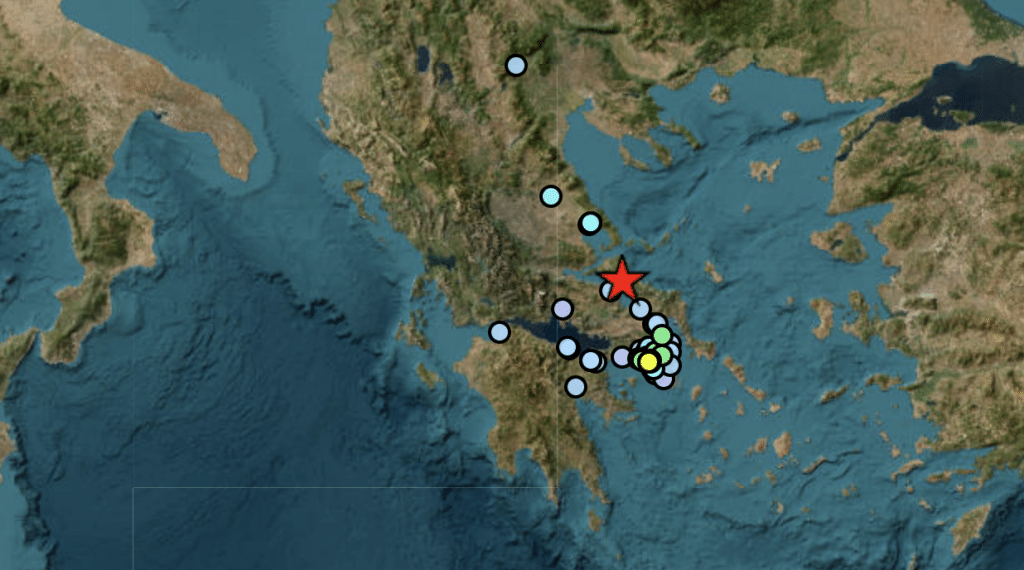
According to the automated system of the Geodynamic Institute of the National Observatory of Athens, the epicenter was located six kilometers (4 miles) southwest of the village of Prokopi in northern Evia, with a shallow focal depth of just 14.1 kilometers.

More earthquakes followed, rattling central and southern Greece

Minutes later, a stronger 5.2-magnitude earthquake struck the same localized fault line. This second, more powerful tremor originated just two kilometers east-southeast of Prokopi at a much shallower focal depth of only five kilometers. A third notable tremor followed shortly after in the exact same region, compounding the anxiety of local residents.

All three shocks were felt prominently across the Attica region, rattling windows and disrupting the Sunday afternoon routines of millions of residents and tourists in the Greek capital.

Despite the intensity of the tremors and their shallow depth, the immediate fallout appears limited. Giannis Tsapourniotis, the mayor of Mantoudi on Evia, provided an update on the situation on the ground during a statement to the state broadcaster ERT.

Earthquake Greece map
The epicenter of the tremors on the island of Evia (red star). Credit: EMSC (European Mediterranean Seismic Centre)

“We have extensive landslides, but no injuries have been recorded,” Tsapourniotis confirmed. He specified that heavy rockfalls and landslides have primarily obstructed rural roadways in the areas of Plakia and Dafnousa. Emergency crews of the local council and local civil protection units are currently working to clear the affected traffic routes and assess any isolated impacts on village infrastructure. To date, homes and commercial businesses remain intact.

Greek seismologists tried to calm public fears regarding the consecutive tremors. Kostas Papazachos, a prominent professor of seismology at the Aristotle University of Thessaloniki, described the events as a series of consecutive earthquakes that align with the area’s known geological profile. Northern Evia sits directly atop a complex network of active fault lines, making such localized clusters a known phenomenon.

“These seismic tremors are not a cause for concern,” Papazachos stated, offering a reassuring outlook despite acknowledging it is still early in the post-earthquake evaluation process.

The region surrounding Prokopi is highly trafficked, especially on weekends, as it is home to the widely venerated pilgrimage site of Saint John the Russian, drawing thousands of visitors from across Greece and the global diaspora. The lack of infrastructure collapse in such a populated sector of the island has brought significant relief to state authorities.
Greece ranks among the most seismically active countries globally, located at the geological boundary where the African tectonic plate pushes beneath the Eurasian plate.

While minor tremors are a daily occurrence across the nation, shallow earthquakes above a 5.0 magnitude near heavily populated zones like Attica consistently prompt rapid responses. Local authorities in Evia remain on standby for potential aftershocks over the coming days, actively advising residents and tourists to avoid driving through steep mountainous routes prone to further rockfalls.

The statement issued by Greece’s Civil Protection

“According to official reports from the Geodynamic Institute, consecutive seismic tremors measuring 4.8, 4.3, and 5.2 on the Richter scale were recorded in northern Evia. Concurrently, the General Secretariat for Natural Disaster Recovery and State Aid has been placed on high alert and is in continuous communication with local authorities to assess the situation.

Based on initial inspections currently underway in the area, reported damages include a collapsed wall in one home, minor cracks in a few residences, and small-scale landslides affecting sections of the road network. So far, no injuries or severe damages have been reported.

Minister of Climate Crisis and Civil Protection Evangelos Tournas Tournas, accompanied by the General Secretary for Natural Disaster Recovery and State Aid, Petros Kampouris, is heading to Prokopi and Dafnousa for an on-site briefing. The Ministry of Climate Crisis and Civil Protection continues to monitor the situation closely and will immediately take any further action if necessary.”

  •  

The Strange Ox Sacrifice Held at the Acropolis of Athens

Marble sculpture of a sacrificial ox from the Parthenon.
In ancient Athens, there was a custom of sacrificing an ox in the Sanctuary of Zeus Polieus. Credit: Capillon, Public Domain

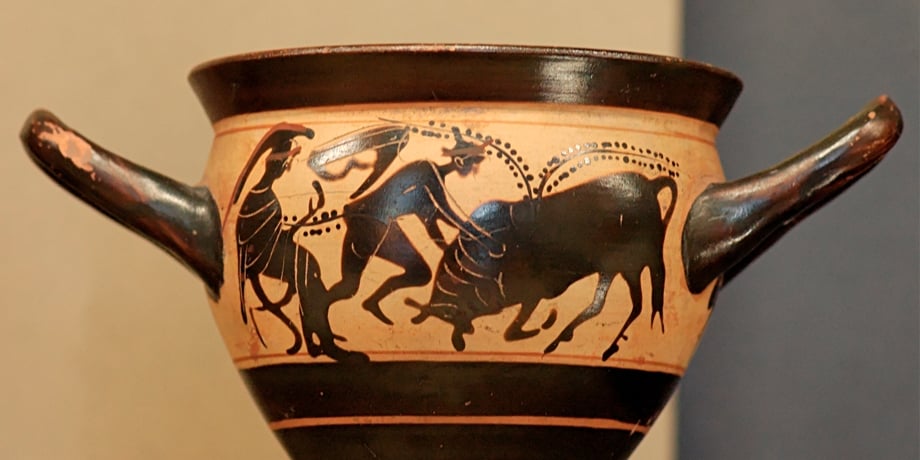
In ancient Greece, the killing of an ox was prohibited by law due to its vital role in daily life. However, a peculiar and ‘unlawful’ custom saw priests performing the sacrifice of an ox at the Sanctuary of Zeus, the king of the gods, located on the hill of the Acropolis, just a few meters from the Parthenon.

The Diipoleia, also known as Buphonia, was an ancient festival of the Athenians held towards the end of every June. It was also celebrated separately in other Greek cities during antiquity.

The Buphonia ritual and its origin

According to tradition, to justify the sacrifice, a group of oxen was led to the temple. There, the priest would place a type of bread offering made of wheat and barley on the altar. The first ox to eat from this area would be considered to have committed blasphemy, as it was believed to have consumed the offering meant for the god, and therefore had to be killed.

The priest chosen to perform the killing did so in isolation, without any witnesses present, and would then flee the city.

However, since ox sacrifices were forbidden at the time, an “investigation” was launched to identify the culprit. When the rest of the priests gathered to determine who had performed the sacrifice, the guilty priest was missing. In the end, the only evidence left would be the axe used for the killing, which would eventually be thrown into the sea.

How the ritual was performed

Ancient Greek geographer and traveler, Pausanias, provides further details in his account:

“There is a statue of Zeus—one by Leochares and another called Polieus. Concerning the established practices for the sacrifice and the reason said to justify them, I will not record them here.

For Zeus Polieus, they would place barley mixed with wheat on the altar without any kind of guard. The ox, which they have prepared for the sacrifice and kept under watch, approaches the altar and begins eating the grain. A member of the Thalonid family sacrifices the animal that eats from the sacred offerings with a double-headed axe.

They then summon a priest, called the ‘ox-slayer’ (buphonos), who kills the ox and, in accordance with the law, throws away the axe and flees. Since the identity of the person who committed the act remains unknown, they bring the axe to trial instead. Afterwards, they enter the temple that they call the Parthenon.”

The Buphonos and the trial of the axe

It was believed that the ancestor of the Thalonids, Thalon, was the first to strike the ox. Neoplatonic philosopher Porphyry, attributes the first buphonia to a foreigner named Sopater. He also provides a shorter version of the story, in which the priest of Zeus, Diomos,  “murdered” the animal.The others then cut up the sacrificial victim and ate it.

Afterwards, they would hold a trial to determine the guilty party responsible for the killing. The buphonos (ox-slayer) did not appear, while those who participated in the sacrifice accused one another. They shifted responsibility for the killing from one man to the other.

The participants included the water carriers who brought water for the sacrificial tools, those who sharpened the knife and axe, as well as individuals responsible for carrying the tools.

Ultimately, they would accuse the knife, condemn it, and toss it into the sea. The ox’s hide was stuffed with straw and yoked to a plow. They did this to create the illusion that the animal was still alive.

The entire ritual permeated participants with intense feelings of guilt over the slaughter of the animal, and it was regarded as an act of murder.

Sacrifices in Ancient Greece
The entire ritual permeated participants with intense feelings of guilt over the slaughter of the animal. Credit: Wikimedia commons, Public Domain

Rituals, beliefs, and symbolism

It is noteworthy that, according to Porphyry, after the buphonos Sopater fled to Crete and before the establishment of the festival in Athens, a plague struck the city. The plague only ceased after Sopater’s return and the institution of the festival.

Additionally, as part of the measures to address the plague, the Oracle of Delphi deemed the establishment of the ritual involving the stuffing of the animal’s hide as necessary.

To avoid the pollution (miasma) of the murder, they made efforts to eliminate the act of murder itself. When this was not sufficient, they attempted to justify the act, for example, by claiming that the defilement resulted from impiety.

Finally, they shifted human responsibility by attributing the miasma to an inanimate tool, which became the scapegoat of the entire ritual. This object absorbed the miasma and was then removed from the city.


An animal sacrifice.
The ox, which they have prepared for the sacrifice and kept under watch, approaches the altar and begins consuming the grain. A member of the Thalonid family sacrifices the animal that is fed from the sacred offerings with a double-headed axe. Credit: Wikimedia Commons, Public Domain

Spiritual significance and agricultural connections

According to ancient Greek philosopher Theophrastus, the remains of the ox were buried. Presumably, this was so as to prevent its spirit from seeking revenge on the city. It is important to note that, in this ritual, the value attributed to the spirit of the animal is equivalent to that given to a human.

British classical scholar and linguist Jane Harrison, connects the use of offerings to attract the animal to the altar with the rites of Dionysus Zagreus and Isodaites. Furthermore, the yoking of the stuffed hide of the ox to the plow associates the festival with fertility rituals, which pertain to chthonic deities.

This ritual of purification and averting evil was initially connected to the need to ensure an abundance of game in a pre-agricultural society. Later on, an agricultural society adopted it, shifting the focus to the fertility of the land.

  •  

New “Mega-Metro” Will Connect Athens to Nearly 40 Cities

trains in Europe
Under these plans, the Sofia-to-Athens route would be completed in six hours, compared to the current 13.5 hours. Credit: 21st Europe

A highly ambitious transportation proposal aims to connect Athens with approximately 40 other destinations in Europe through a high-speed “mega-metro” rail network by 2040. Dubbed “Starline,” the blueprint of this plan hopes to replace Europe’s fragmented national railways with a unified 22,000-kilometer (14,000-mile) system, significantly reducing travel times for Greek and European passengers overall, offering a green alternative to short-haul flights.

Developed by the Copenhagen-based think tank 21st Europe, the Starline project proposes five major railway corridors spanning 22 nations across Europe. The proposed routes include Line A from Naples to Helsinki, Line B from Lisbon to Kyiv via Madrid, Line C connecting Madrid to Istanbul, Line D from Dublin to Kyiv, and Line E linking Milan to Oslo. Operating like a city metro on a continental scale and obviously above ground, the network will link European cities under a single transit identity, with trains reaching speeds between 300 and 400 kilometers per hour.

Where do Athens and Greece come into the equation of this Europe-wide system?

For Greece, the infrastructure upgrade would drastically alter regional connectivity within the country and across southeastern Europe. Τhe European Commission recently announced targets to cut Sofia-to-Athens travel from 13 hours and 40 minutes to six hours, and Berlin-to-Copenhagen from seven hours to four.

The proposal complements these targets across the continent, where similar reductions will happen. A trip from Berlin to Copenhagen, from example, will drop from seven hours to four, while historically overnight routes like Kyiv to Berlin will become predictable, direct daytime connections.

Map
Credit: 21st Europe

Transportation remains one of Europe’s largest climate challenges, generating roughly a quarter of all greenhouse gas emissions. While aviation accounts for a smaller percentage globally, short-haul flights remain the default for millions of European travelers. High-speed rail produces up to 90 percent less carbon dioxide per journey. 21st Europe states that a large-scale shift to rail represents the best path toward meeting the European Union’s 2050 net-zero emissions targets while maintaining fast mobility.

The proposal moves away from traditional railway conventions as the dark blue trains will abandon standard first- and second-class divisions, replacing them with purpose-built spaces such as quiet workspaces, family-oriented sections, ergonomic seating, and communal coffee areas. This layout aims to democratize long-distance travel and prioritize passenger comfort.

  •  

Andreas Michalakopoulos: The Forgotten Prime Minister Who Shaped Modern Greece

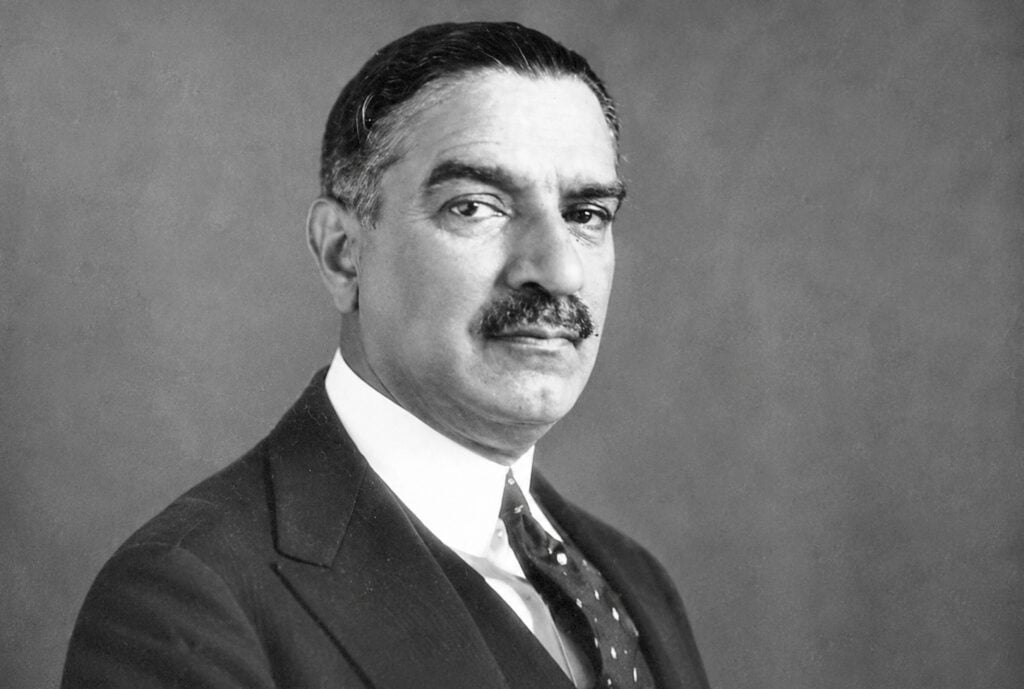
A black-and-white portrait features Greek politician Andreas Michalakopoulos wearing a dark suit, white collared shirt, and a patterned tie.
As a key political figure in early 20th-century Greece, Michalakopoulos served in numerous ministerial roles and briefly held the office of Prime Minister from 1924 to 1925. Credit: Agence de presse Meurisse – Bibliothèque nationale de France, Wikimedia Commons, Public Domain

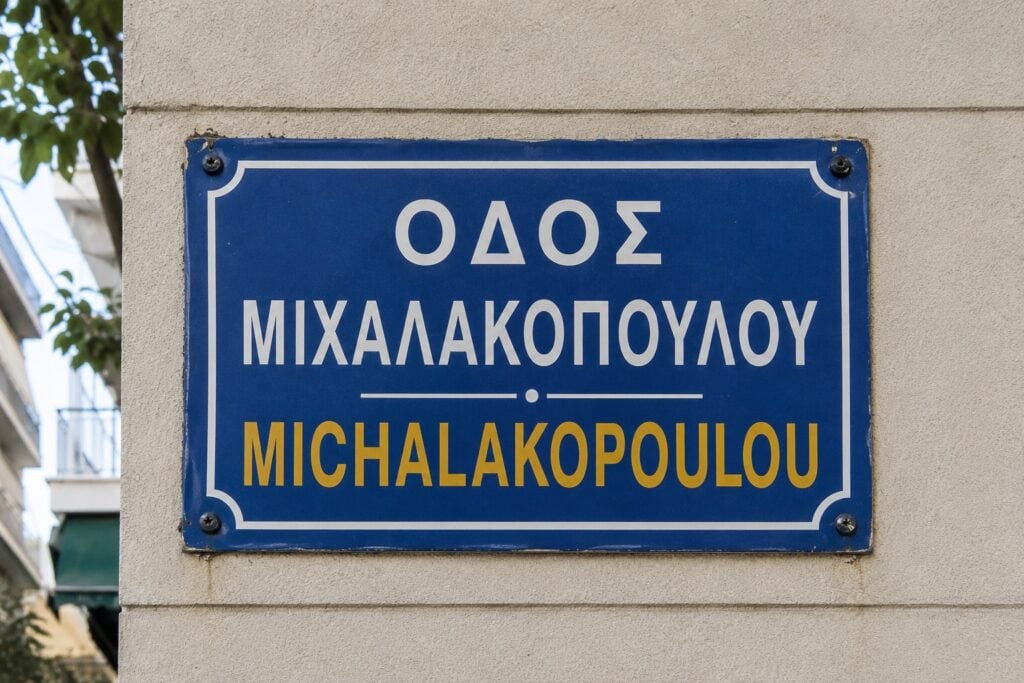
Every day, thousands of Athenians and visitors pass through Michalakopoulou Avenue, one of the main arteries of central Athens. Yet few know the story of Andreas Michalakopoulos, the forgotten Greek Prime Minister and diplomatic genius whose name the avenue carries.

Who was the man behind the Michalakopoulos name?

Andreas Michalakopoulos was born in Patras in 1876 and went on to become one of the most important statesmen in modern Greek history. He was a man who helped redraw Greece’s borders, solved Athens’ water crisis, and brokered peace with Turkey at a time when Greece couldn’t have suffered more militarily.

Yet most Greeks today could not tell you a single thing about him. History has been unkind to Michalakopoulos, largely because he spent most of his career standing next to one of the most towering figures Greece has ever produced: Eleftherios Venizelos. That proximity was both his greatest role and the reason he is so rarely remembered—a blessing and a curse for a public figure like him. Michalakopoulos rose through the Liberal Party (Κόμμα των Φιλελευθέρων) ranks after 1910, holding portfolios in Economy, Agriculture, and Military Affairs under successive Venizelos governments.

He was not a man who craved the spotlight. He was a man who understood how government actually worked, and he was trusted with the levers of it accordingly—a true politician in the best definition of the term possible. When Venizelos went before the great powers of Europe to argue for a bigger Greece after the First World War, Michalakopoulos was beside him at the negotiating table. He participated in the long, tough diplomacy that produced both the Treaty of Sèvres in 1920 and the Treaty of Lausanne in 1923, the two documents that first promised the unthinkable and then permanently fixed, without too heavy losses, the borders of the modern Greek state. Venizelos got 100% of the credit.

However, Michalakopoulos did much of the work. He became Prime Minister in October 1924, inheriting a country in a genuine, profound, and almost existential crisis. The Asia Minor Catastrophe of 1922 had sent over a million Greek refugees flooding into Greece in a matter of months. From dreams about the reinstatement of Byzantine glory, Greece woke up in ruins, literal and metaphorical. Athens had nearly doubled in population within just a few years, and the city’s ancient water infrastructure simply could not cope. Water was being sold from carts in the streets. Taps ran dry. For a capital city that had stood for thousands of years, it was an embarrassing and dangerous situation. Greece was on the brink of collapse.

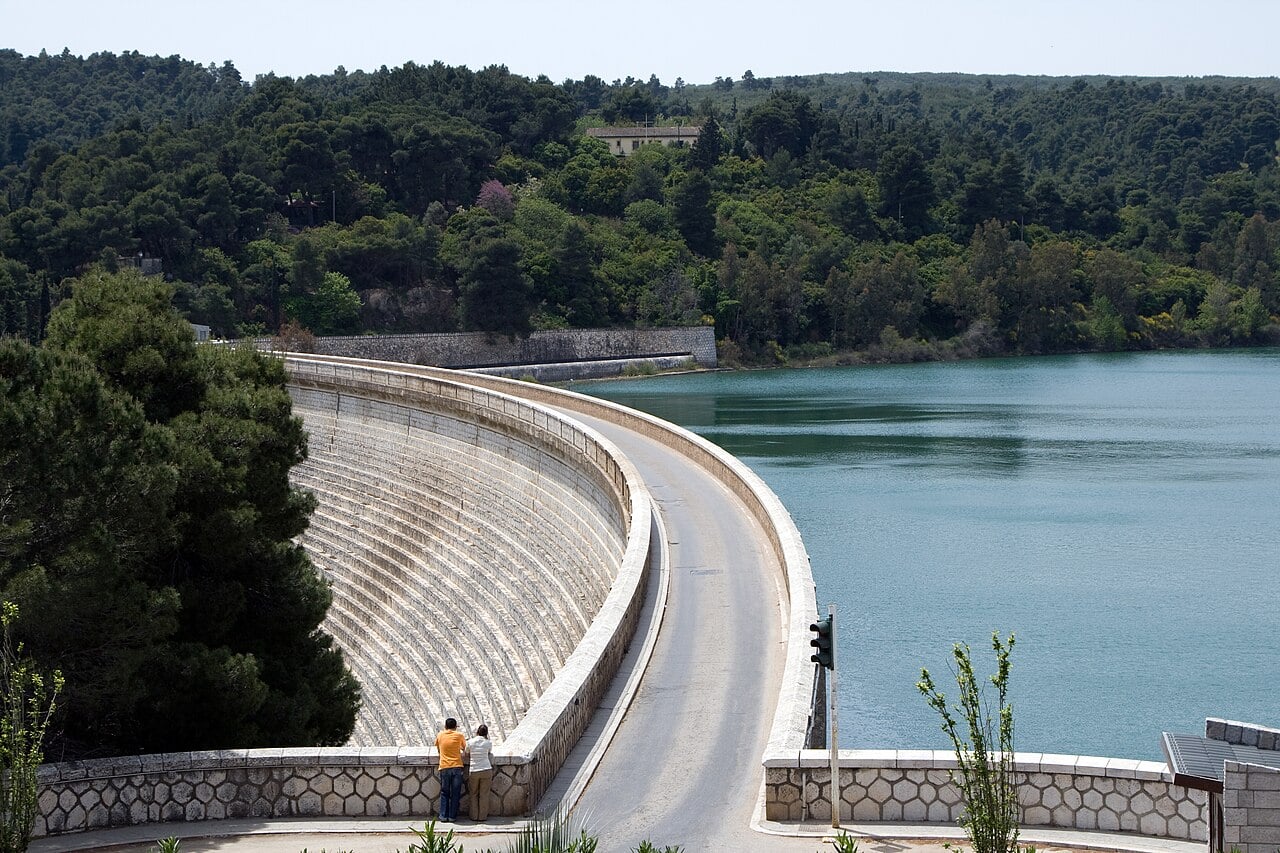
Michalakopoulos wasted little time. In December 1924, his government signed a landmark contract with American engineering firm Ulen & Company and the Bank of Athens to construct the Marathon Dam. It was one of the largest infrastructure projects in Europe at the time. The Marathon Dam was a gravity dam built of the famous Pentelic marble—the same stone used to construct the Parthenon—rising 54 meters above the Haradros River outside of Athens. The project cost more than the entire National Bank of Greece and was funded with a $10 million loan. Yes, modern Greece and loans, this stereotypical love affair…

A wide view captures the curved, stepped stone structure of the Marathon Dam holding back a large reservoir flanked by forested hills, with two people observing from a lower walkway.
Completed in 1929 and uniquely faced with Pentelic marble, this historic engineering project was instrumental in securing a reliable water supply for the rapidly expanding city of Athens. Credit: Vitaly, Wikimedia Commons, CC BY-SA 3.0

Construction ran from 1926 to 1929. The finished system delivered water to Athens through nearly 880 kilometers (547 miles) of new pipes and was inaugurated in 1931. The water that flows from Athenian taps today finds its roots in that contract and in that decision. Michalakopoulos never saw it completed. A military coup by General Theodoros Pangalos ended his government in June 1925, just months after the contract was signed.

But, thankfully, the work was done. He returned to government as Foreign Minister under Venizelos starting in 1928, and it was here that he made perhaps his most lasting contribution to the nation. Greece in the late 1920s was a country that had been through a lot. The Megali Idea, the great dream of a Greece stretching across the Aegean and into Anatolia, had collapsed spectacularly and catastrophically. The population exchange with Turkey had displaced more than a million people on each side. The two countries were locked in mutual suspicion and unresolved property disputes.

A blue enameled street sign mounted on a textured beige wall displays the name "Michalakopoulou" in white Greek lettering and yellow Latin characters.
A bilingual street sign marks Michalakopoulou Street, a major avenue running through the city of Athens. Credit: Greek Reporter archive

Michalakopoulos understood, more clearly than most, that Greece could not afford to stay that way. On October 30, 1930, he co-signed the Greek-Turkish Friendship Convention, also known as the Treaty of Ankara. He did that alongside Venizelos and Turkish Prime Minister İsmet İnönü. The treaty settled the border, resolved the property claims of the displaced populations, and established naval parity in the eastern Mediterranean.

It was a remarkable diplomatic achievement that helped lay the groundwork for the Balkan Pact of 1934 and brought a genuine, working peace between two nations that had spent generations at war. When Ioannis Metaxas declared his dictatorship on August 4, 1936, Michalakopoulos refused to go along with it. He had spent thirty years building democratic institutions from the inside. He spoke out against the regime and paid a heavy price for it. He was sent into internal exile on the island of Paros. He died on March 7, 1938, aged sixty-one.

Michalakopoulos’ legacy is a strange one: a man who brought water to a thirsty city, helped draw the map of modern Greece, made peace with its archenemy, and died in exile because he would not pretend that democracy was something you could simply switch off. Next time the traffic backs up on Odos Michalakopoulou in downtown Athens, take a moment to read the sign. The water in your glass and the borders of this nation have everything to do with the man it honors.

  •  

Breaking Down Stereotypes of Women in Ancient Athens and Sparta

Statue of a female. What were the stereotypes related to women in ancient Athens and Sparta?
A Greek archaeologist says it is crucial to avoid broad generalizations about women in ancient Greece, given the differences across regions and centuries. Credit: Egisto SaniCC BY-NC-SA 2.0/Flickr

In ancient Greece, the experiences of women varied dramatically from Athens to Sparta. While the prevailing image often portrays women as largely “invisible” in public life, a closer examination reveals a striking contrast between the lives of Athenian and Spartan women.

As archaeologist Evi Pini emphasized in speaking recently to the Athens-Macedonia News Agency (AMNA), it is crucial to avoid broad generalizations about women in ancient Greece, given the vast differences across regions and centuries.

Pini’s research, which focuses on the classical period in Athens and Sparta, illuminates how these two prominent societies treated women in fundamentally distinct ways, revealing that invisibility was far from a universal reality.

Women in ancient Athens: The “invisibles of history”

Vase depicting household chores of women of ancient Athens
Domestic chores of Athenian women are portrayed on a vase at the Archaeological Museum of Athens. Credit: Marsyas, Creative Commons BY-SA 2.5/Wikipedia

For the most part, Athenian society aimed for women to be unseen and unheard. The ideal Athenian woman was confined to the home, managing the household and raising legitimate children. Their public presence was minimal, and their lives were largely dictated by their male relatives.

As Pini notes, there were specific primary obstacles women in ancient Athens confronted, as indicated below.

Limited legal rights

Athenian women had no legal right to inherit property directly. Their dowry, while providing some security in case of divorce, remained largely under the control of their husband or father.

If a woman was the sole heir to her father’s property (an epikleros kore), she was legally obligated to marry her closest male relative, even if it meant divorcing her current husband. This highlights a system in which women were often pawns in the preservation of family property and lineage.

Marriage and love

Conventional wisdom, often derived from ancient male writers, suggests that Athenian marriages were devoid of emotional connection, serving primarily the purpose of procreation. Love was supposedly reserved for concubines and courtesans.

However, Pini challenges this stereotype, pointing out the economic impracticality for most men in maintaining multiple partners and citing funerary monuments as evidence of genuine affection between spouses.

High mortality in childbirth

Childbirth posed a significant danger for women, contributing to high female mortality rates. This was a grim reality for women across ancient societies, including Athens.

Sole area of distinction

The primary public role for Athenian women was in priesthood. Their participation in religious ceremonies and rituals was crucial. Beyond this, opportunities for distinction were virtually nonexistent.

Women in ancient Athens and Sparta: A striking contrast

Bronze figure of a female of Sparta running
Bronze figure of a Spartan running girl, 520-500 BC. Credit: Caeciliusinhorto,  Creative Commons Attribution-Share Alike 4.0/Wikipedia

According to Greek archaeologists, in stark contrast to Athens, Spartan society granted women a much more prominent and respected position.

While not entirely equal to men, their social status, legal rights, and public recognition were remarkably progressive for the time.

High social status and public honor

Spartan women, especially mothers, held high social standing and were not shy about expressing their opinions publicly. They were even honored with public praise, a stark difference from the Athenian ideal of female silence.

Numerous “Lakaean aphorisms” attributed to Spartan women attest to their wit and influence.

Economic power and inheritance

Spartan women possessed significant economic power. Unlike their Athenian counterparts, they could inherit property from their parents and manage it independently. Due to high male mortality in warfare, Spartan women controlled approximately two-fifths of the land by the 4th century BC.

This economic independence was so unusual that other Greeks, including Aristotle, reportedly viewed Spartans as “womanizers” because of it, misinterpreting their women’s power.

Physical education and health

Spartans prioritized the physical training of girls from a young age, believing that strong bodies would lead to healthier offspring who could better cope with the rigors of childbirth.

They also married their daughters off at an older age (18-20) than Athenians (15-16), considering physical maturity beneficial for motherhood.

Absence of dowry and adultery laws

Spartan law prohibited dowries, ensuring that even less fortunate girls could marry. Furthermore, the concept of adultery as a punishable offense largely didn’t exist in the same way as in Athens.

Consensual extramarital relations, often for the purpose of procreation and to ensure strong offspring for the state, were acceptable and not kept secret. While secret affairs might have occurred, they didn’t lead to the severe penalties and social ostracism faced by Athenian women caught committing adultery.

“Secret” weddings

Spartan weddings involved a ritualistic “secret abduction” of the bride, a haircut, and disguise.

While Plutarch offered a practical, though likely inaccurate, explanation for these “secret” marriages (testing for offspring), Pini suggests they were more likely ancient customs signifying a transition from one state to another, a young woman “disappearing” to reappear as a married woman with a new identity.

Distinction in arts and philosophy

Beyond their domestic roles, Spartan women, alongside women from other Dorian and Aeolian cities and colonies, could achieve distinction as poets and philosophers.

Stereotypes about women in ancient Athens and Sparta to break down

Evi Pini’s insights reveal several crucial stereotypes pertaining to women in Greek antiquity that need to be challenged, as indicated below.

The monolithic “ancient Greek woman”

It’s a significant oversimplification to generalize about “women in antiquity.” The vast differences between Athenian and Spartan societies, among others, demonstrate the diverse realities of women’s lives across different regions and periods. The notion of a single, universal experience for women in ancient Greece is inaccurate.

Absence of marital love

The stereotype that emotional bonds were absent in Athenian marriages, with love reserved for concubines and courtesans, is largely unfounded. Economic realities for most Athenians would have made supporting multiple partners impossible.

Furthermore, evidence from funerary monuments suggests genuine affection and grief existed between spouses.

Universal invisibility

While Athenian women were indeed largely “invisible” in public life, Spartan women were far from it.

Their economic power, social standing, and public voice demonstrate that invisibility was not a universal experience for women in all Greek societies.

Adultery as a universal sin

The draconian Athenian laws surrounding adultery, including the husband’s right to kill the adulterer, are often projected onto all of Greek antiquity.

Sparta’s approach, where consensual extramarital relations for procreation were accepted and “adultery” as a concept barely existed, shows a dramatically different cultural norm.

By examining the nuances of different Greek city-states, particularly the contrasting experiences of Athenian and Spartan women, we gain a much richer and more accurate understanding of women’s roles, rights, and visibility in Greek antiquity, dismantling simplistic and often misleading generalizations.

(With information from AMNA)

RelatedWhat Did Everyday Life in Ancient Athens Really Look Like?

  •  

Draco: The Harshest Lawgiver of Ancient Athens

Greece parthenon made by Greeks
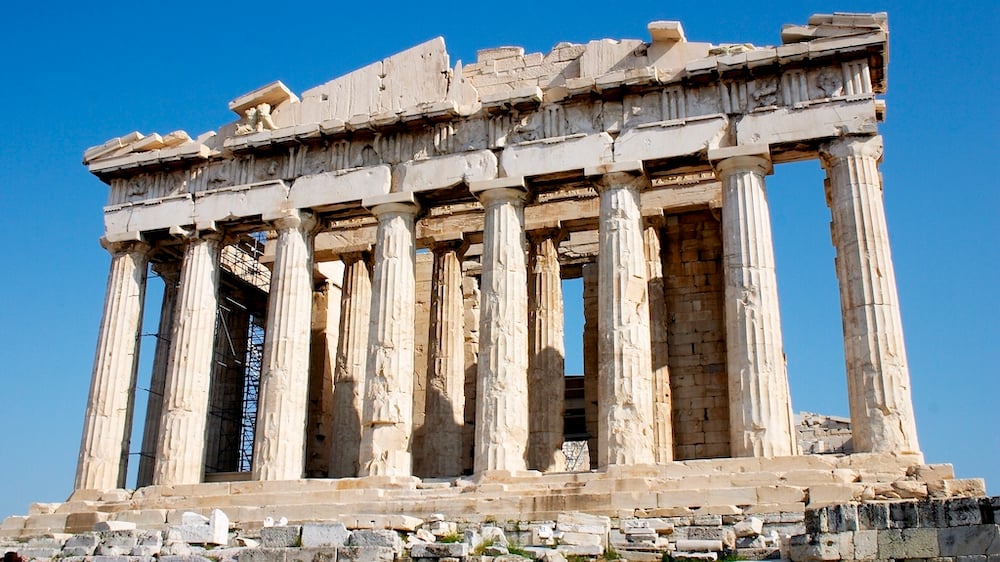
The Parthenon of Athens. Credit: Barcex/Wikimedia Commons/ CC BY-SA 3.0

Ancient Athens is renowned to this day as the birthplace of democracy and cradle of philosophical debate, but few know the story of the city state’s harshest lawgiver.

Draco, also spelled Drako or Drakon, was Athens’ first recorded democratic legislator. Draco was called upon by his fellow Athenian citizens to establish a comprehensive legal code for the city.

Many Athenians were surprised by the harshness of the laws introduced by Draco and baulked at the Draconian constitution that bore his name. Nevertheless, the Draconian constitution introduced several important innovations, namely the transition from oral laws to written laws.

Who was Draco?

Draco was an Athenian aristocrat born sometime during the 7th century BC. Despite his importance to the city’s history, Draco’s biographical details remain incredibly sketchy and little is known about his life beyond the laws that he imposed.

Indeed, as the historian Chis Carey points out in an academic paper published in The Cambridge Classical Journal, “Already for Greeks of the Classical period, Drakon was a shadowy figure. We get no patronymic, no biography; he simply emerges fully formed as a legislator.”

“He may be wholly or in part a fiction,” Carey continues. Crucially, however, Carey sees no reason to dispute the dates given by the ancient Athenians for the introduction of Draco’s laws between 624 and 620 BC.

So, whether or not Draco was a real individual, or perhaps a mythologized stand-in for a specific Athenian lawgiver or collective of legislators, the Draconian institution itself was introduced in the 7th century BC as recorded by the Athenians in the view of modern historians.

Draco’s new Athenian laws

Draco’s most important contribution as a legislator was the introduction of Athens’ first written constitution, the so-called “Draconian Constitution”.

This was an important legislative and legal innovation because the laws had previously been recorded orally. This meant that there was far too much room to arbitrarily interpret or apply the laws. A written system meant that the law was much fairer and more universally interpreted.

So that everyone would be made aware of the new laws – or at the very least, those who were literate – the laws were made visible in the city on wooden tablets called axones. These were presented on rotatable four-sided pyramids called kyrbeis.

One of Draco’s chief aims as a legislator was to bring an end to the blood feuds plaguing the city. He introduced laws that differentiated between homicides and accidental killings and specified punishments for each crime. The translations below provide some perspective:

  • “He who kills another Athenian, without a purpose or by accident, should be banished from Athens forever. If the killer apologizes to the family of the murdered man and the family accepts the apology, then the murderer may stay in Athens.”
  • “A relative of a murder victim, can hunt and take into custody the murderer and thus hand him to the authorities where he will be judged. If a relative kills the murderer he will not be allowed to enter the Athenian Forum (agora), or participate in competitions or set foot into sacred places…”

Athens’ harshest lawgiver?

As a lawgiver Draco was innovative and his changes made the legal system in Athens clearer and more consistent. However, his laws were also deemed to be excessively harsh and were subsequently repealed by Solon in the early 6th century BC.

Severe punishments were often dealt out for relatively minor crimes. For example, a thief might be sentenced to death for stealing a cabbage.

The lawgiver and his code also attracted infamy for its bias in favor of the elite over commoners in Athens. For instance, a debtor unable to honor his debts to a higher-class creditor could be sold into slavery, whereas punishments for higher-status individuals indebted to lower-status creditors were more lenient.

The English word “draconian”, meaning “excessively harsh” or “very severe” is derived from the Draconian Constitution, which is remembered for its severity.

  •  
❌