Reading view

Richard Scolyer, cancer researcher and former Australian of the year, dies aged 59

Scolyer, who did pioneering work on immunotherapy, was diagnosed with inoperable brain cancer in 2023

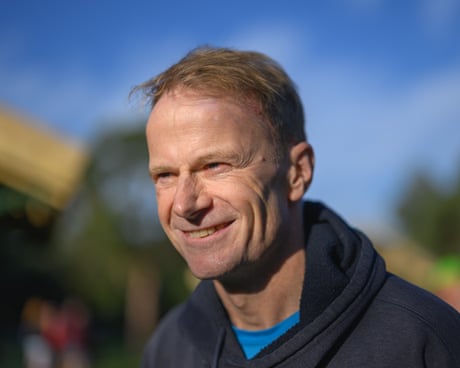
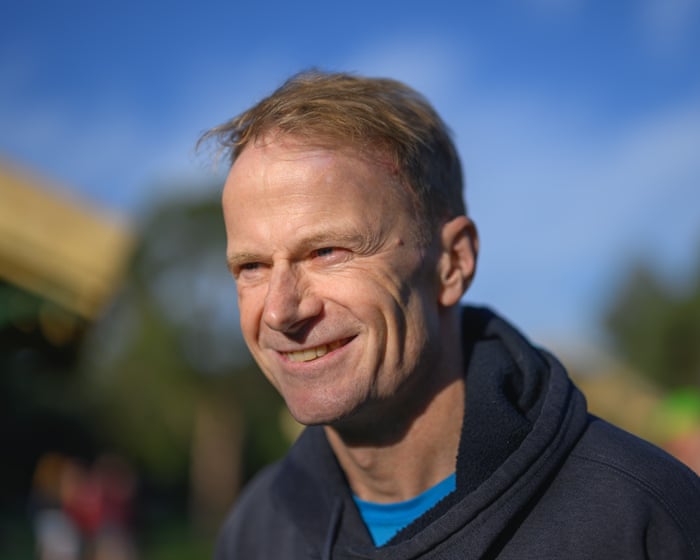
Prof Richard Scolyer, the world-renowned cancer researcher and former Australian of the year, has died at the age of 59.

Scolyer’s family shared a statement the eminent pathologist and melanoma expert penned before his final stages of illness.

Continue reading...

© Photograph: James Gourley/The Guardian
© Photograph: James Gourley/The Guardian
© Photograph: James Gourley/The Guardian
  •  

Record number of people waiting for NHS diagnostic tests in England

One in five of the 1.92m patients on list wait longer than six weeks for tests such as CT and MRI scans, analysis shows

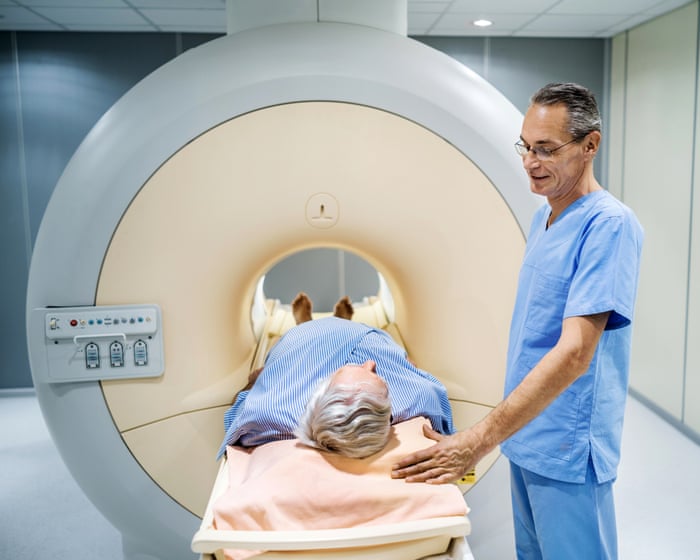
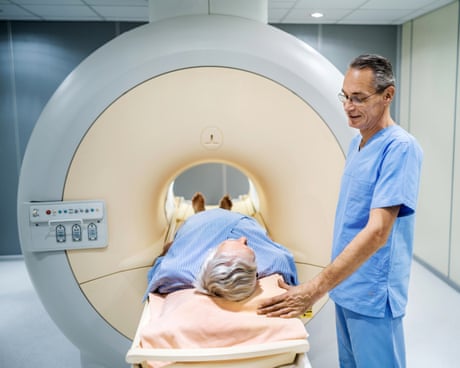
A record number of people are waiting for a diagnostic test on the NHS, triggering fears that delays in accessing CT and MRI scans could endanger patients’ health.

A total of 1.92 million patients in England are waiting to have a test to diagnose their illness such as by an ultrasound scan, assessment of their hearing, bone scan or various tests for cancer.

The diagnostic waiting list has grown by 500,000 since 2022.

It is 83% higher than before the Covid pandemic.

On current trends the waiting list will hit 2 million in March 2027.

Continue reading...

© Photograph: skynesher/Getty Images

© Photograph: skynesher/Getty Images

© Photograph: skynesher/Getty Images

  •  

A tumor’s ‘signature’ reveals the key to treatment in precision oncology

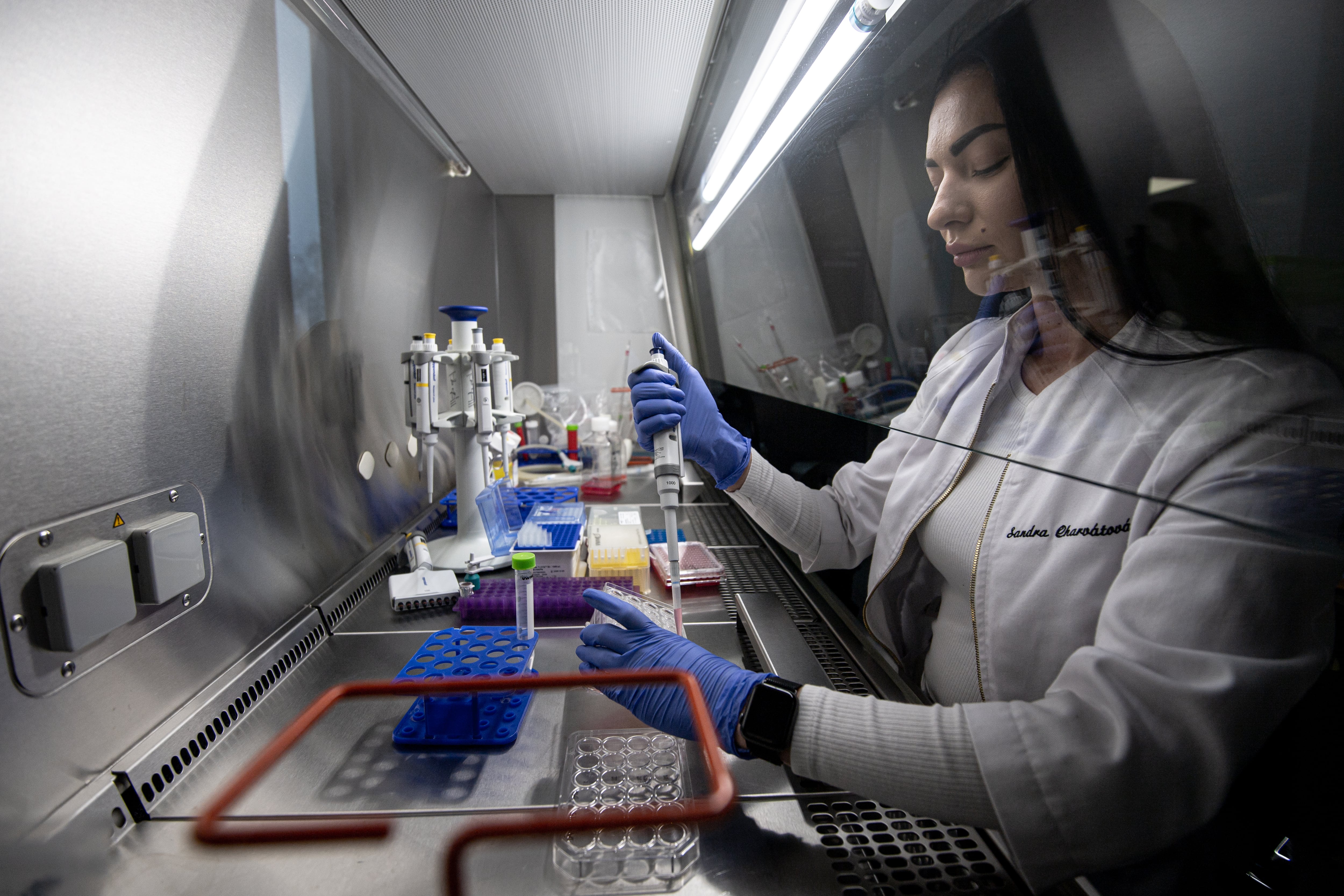
A potential response to cancer is written — on a microscopic level — in its very tumor cells. For decades, treatment and prognosis of the disease has been largely determined by the organ, the anatomical location in which the cancerous mass is located. But now, science has placed a spotlight on something more ambitious: learning the tumor’s signature, or rather, the molecular alterations that characterize its malignant cells. The latest meeting of the American Society of Clinical Oncology (ASCO), which took place last weekend in Chicago, has given further impetus to precision oncology and highlighted how cancer biology, those microscopic genetic characteristics that define it, are playing an increasingly important role in determining therapeutic approach, and even predicting prognosis.

Seguir leyendo

© Lukas Kabon (Anadolu Agency / Getty)

A researcher handles samples in a laboratory in the Czech Republic.
  •  

Breakthrough cancer injection to be tested in Portugal after “unprecedented” trial results

Breakthrough cancer injection to be tested in Portugal after “unprecedented” trial results

A groundbreaking cancer treatment hailed as one of the most promising advances in oncology is set to be tested in Portugal after delivering what experts described as “unprecedented” results in

The post Breakthrough cancer injection to be tested in Portugal after “unprecedented” trial results appeared first on Portugal Resident.

  •  

Winette Van der Graaf, oncologist: ‘I never would have imagined seeing patients with colorectal cancer at age 19′

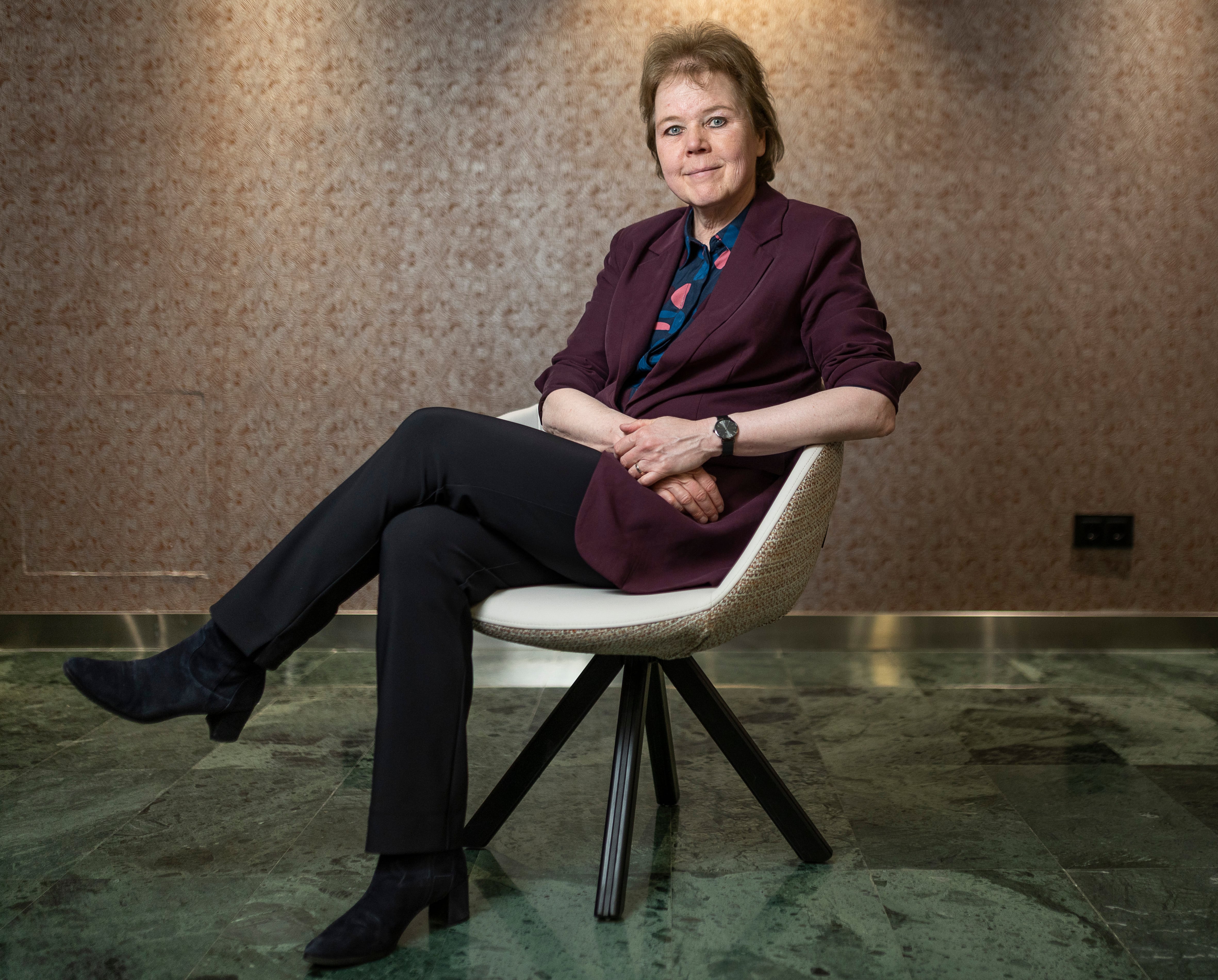
Winette Van der Graaf, oncologist and president of the European Organisation for Research and Treatment of Cancer, photographed in Barcelona.

A glance at Winette Van der Graaf’s extensive résumé is enough to certify that this Dutch oncologist has been an exceptional witness, if not a fundamental part, of the great scientific revolution that cancer research has undergone in recent decades. An expert in sarcomas and cancers in teens and young adults, Van der Graaf was one of the pioneers in providing care — and personalized assistance — to people between the ages of 15 and 39 who develop cancer. Sometimes in no man’s land, halfway between pediatric and adult oncology, cancer at this age puts life “on hold,” says Van der Graaf.

Seguir leyendo

  •  

What’s the best way to talk about health with chatbots?

In 2021, Miriam González, a 35-year-old from Murcia, Spain, went to the doctor because she was bleeding from her breast. She was told to relax: everything was normal. But in 2024, she was diagnosed with breast cancer. And, shortly afterward, she discovered it was metastatic, at stage four.

Seguir leyendo

Miriam González, an engineer who has used AI for medical consultations, in an image provided by her.
  •  
❌