Donald Trump spent much of last week railing against California’s recent statewide primaries, baselessly insisting the slow process of tallying ballots must reflect a “rigged” system. This week, the president picked up where he left off.
In the early hours of Monday morning, he used his social media platform to argue there’s “no way” a candidate he liked has fallen behind in response to an updated vote count. Hours later, he emphasized the same point, insisting it’s “not possible” for his preferred candidate in Los Angeles’ mayoral race to lose ground as more ballots are counted.
None of that made logical sense, but it is part of an exasperating effort to undermine public confidence. During his latest “Meet the Press” appearance, the president was even more aggressive on the issue, making all kinds of unfounded allegations. When NBC News’ Kristen Welker asked him to substantiate his claims with evidence, Trump replied, “All I have to do is look.”
When the host explained that that wasn’t evidence, the Republican added, “And I listen to people.” (He didn’t say who, what they were saying or why he found these unnamed people to be more credible than official election results.)
The problem, however, is not just hysterical conspiracy-mongering, all of which is demonstrably incorrect, from a president who has long railed against election results he doesn’t like. Just as important as what Trump is saying is what Team Trump is doing. NBC News reported:
A federal prosecutor in California said Friday that authorities have launched investigations tied to the state’s recent elections following President Donald Trump’s unsubstantiated claims of fraud.
Bill Essayli, first assistant U.S. attorney for the Central District of California, said Friday morning on X that his office was pursuing “multiple election fraud investigations” alongside the FBI, without providing details.
To date, no credible fraud allegations have been made, so it’s not at all clear what the federal prosecutors in California intend to investigate.
“There are no details, there is no specifics, there is no specific allegation of any individualized act of voter fraud,” the California Democrat said. “And every count, recount, hand count, court case and audit has shown time and time again — not just in California, but throughout this country — that there is no widespread voter fraud.”
Bonta added that claims of voter fraud are “only a figment of the imagination of Trump and others who follow that conspiracy theory.”
What I’m most curious about, however, is what happens when Essayli and his team look for evidence to bolster Trump’s accusations, only to come up short. Do they tell the truth and admit the election results were legitimate, inviting partisan rage from the right? Or do they bring baseless charges, inviting pushback from the courts?
No Supreme Court justices dissented Monday from the court’s refusal to hear an appeal from Mississippi death row prisoner Tony Terrell Clark, who argued that he was forced to meet an “impossible” standard.
Clark had claimed that his right to an impartial jury was violated when Black people were kept off the jury because of their race. But to vindicate his rights on appeal in Mississippi state court, he said, he had to prove that the outcome of his trial would have been different without the jury violation.
Yet even though Justice Sonia Sotomayor agreed with her colleagues that Clark’s appeal didn’t merit high court review, she penned a separate statement to call out what she deemed the “problematic” standard that the state’s top court applied against him, in the context of his claim that his trial counsel ineffectively challenged the prosecution’s strikes of prospective jurors.
Clark’s case involved an interplay between two types of legal claims: a “Batson” claim and a “Strickland” claim, both of which are named for the 1980s-era Supreme Court cases from which they came. Batson claims (from the case of Batson v. Kentucky) are when a defendant argues that a potential juror was illegally kept off the jury because of their race. Strickland claims (from the case of Strickland v. Washington) are when a defendant argues that their lawyer was ineffective. Defendants bringing Strickland claims must show two things: 1) that their lawyer was deficient and 2) that the defendant was prejudiced by the deficiency.
The “impossible” Mississippi standard, as Clark put it, was that to prove on appeal that he was prejudiced by his counsel’s mishandling of a Batson challenge, the state high court said he needed to show that the outcome of his trial would have been different had the lawyer performed effectively.
Sotomayor took issue with that. “The Mississippi Supreme Court’s approach, to the extent it requires a criminal defendant to show that a competently presented Batson challenge would have produced a different trial outcome, is almost certainly wrong,” the Obama-appointed justice wrote.
She noted that other courts have taken a different approach: They make the narrower inquiry of whether the Batson challenge itself would have been successful if the lawyer had handled it properly, rather than looking at whether the resulting trial would have turned out differently, as Mississippi does.
In his Supreme Court petition, Clark explained that his post-conviction counsel tried to meet the “impossible” standard by talking to a potential Black juror who was kept off the jury. “As common-sense dictates,” his petition said, the struck juror “could not offer an opinion on whether she would have voted guilty or for a death sentence if she was on the jury.”
In her statement Monday, Sotomayor said her colleagues “should one day resolve” the issue and decide “that Strickland does not require the kind of prejudice analysis that the Mississippi Supreme Court has adopted for Batson-related ineffectiveness claims.”
But the justice conceded that Clark’s appeal didn’t present the proper case for doing so. She recalled that the state high court found that Clark failed to satisfy not only the prejudice prong but also the deficiency prong, and that he didn’t argue the deficiency issue to the justices. “Given the independent basis on which Clark’s Strickland claim failed below, I concur in the denial of Clark’s petition for a writ of certiorari,” she wrote.
Seeking to uphold Clark’s conviction and death sentence for the 2014 murder of 13-year-old Muhammed Saeed during a robbery, Mississippi’s lawyers likewise emphasized that the state court ruled against Clark on both the deficiency and prejudice prongs of the Strickland test.
When Clark’s case was previously before the high court in 2023, Sotomayor wrote a dissent, joined by Justices Elena Kagan and Ketanji Brown Jackson, that said the court’s rejection of what was then his latest appeal meant that “a Black man will be put to death in the State of Mississippi based on the decision of a jury that was plausibly selected based on race.”
Monday’s denial also follows a recent 5-4 ruling from the justices in favor of another Mississippi prisoner, Terry Pitchford, who also raised a Batson claim and argued that the state high court wrongly ruled against him, too. The Supreme Court decision in Pitchford’s favor was authored by Justice Brett Kavanaugh, who has long taken an interest in Batson claims, joined by Chief Justice John Roberts and Justices Sotomayor, Kagan and Jackson. Pitchford’s case didn’t raise the complication that Clark’s case did of the Strickland issue being layered on top of the Batson issue (though the Pitchford case raised other procedural issues that, as the 5-4 vote indicates, made it a close one).
Sotomayor’s statement Monday appeared on the court’s order list, a routine document on which the justices announce the latest action in pending appeals. In line with the court’s typical practice, the justices didn’t explain why they denied Clark’s petition. There usually isn’t any comment from any of the justices accompanying denials. Therefore, Sotomayor’s statement made the case stand out and included a rare explanation for why at least one of the justices agreed to pass on the petition.
It takes four justices to grant review, giving the court’s six-justice GOP-appointed majority significant power not only over how cases are decided but over which cases are decided.
On that note, Monday’s order list also included a case in which Sotomayor and Jackson noted their dissent from the court’s decision to vacate a lower court ruling that sided with a defendant. The high court majority sent the case back to the lower court, ordering further review in light of the justices’ latest sentencing-related rulings that made it harder for prisoners to win compassionate release.
Subscribe to the Deadline: Legal Newsletter for expert analysis on the top legal stories of the week, including updates from the Supreme Court and developments in the Trump administration’s legal cases.
When the American job market struggled badly during Donald Trump’s first term, the White House not only struggled to come up with an explanation, but it also struggled to come up with anything to say at all.
The reticence was understandable, though embarrassing: The president promised to deliver an economic “boom” immediately after taking office, and he failed spectacularly, delivering the worst job market since the Great Recession (excluding the pandemic).
The White House was in a far better mood late last week, however, when the public learned that the economy gained 172,000 jobs in May, extending a three-month winning streak and getting closer to the kind of robust growth Americans saw during Joe Biden’s presidency.
But as the political and financial sectors digest the latest data, there’s a trend that’s worth dwelling on.
In the first four months of Trump’s second term, as 2025 was just getting underway, job growth slowly improved, and over the three months leading up to the unveiling of the White House’s trade tariffs agenda, the economy averaged monthly job growth of roughly 72,000.
Then the White House-imposed “Liberation Day” arrived, launching an avoidable and unnecessary trade war. In the 10 months that followed, the U.S. job market, on average, lost 4,900 jobs per month. That’s not a typo: For the first time in several years, the economy actually started losing jobs in a sustained way.
In February, to the hysterical outrage of the president, the U.S. Supreme Court struck down his tariffs agenda. In the three months that followed, the economy added a combined 565,000 jobs — more than quadruple the total for the entirety of 2025 — for an average of more than 188,000 jobs per month.
Maybe that’s a coincidence, but I rather doubt it. To recap:
Average monthly job growth in the immediate run-up to Trump’s tariffs: 72,000
Average monthly job growth during Trump’s tariffs: -4,900
Average monthly job growth in the immediate aftermath of Trump’s tariffs: 188,000
What this suggests is that if Trump wanted an economic success story, all he had to do was nothing. He inherited an economy firing on all cylinders, which was the envy of the world. If he had spent every day golfing, the job market almost certainly would have continued to hum along quite nicely.
But Trump couldn’t leave well enough alone, choosing instead to ignore literally everything we know about Economics 101 and imposing illegal tariffs that did economic, political and diplomatic harm to his own country.
Trump has repeatedly railed against the justices who ruled against him in the tariffs case, including two he appointed to the high court. The latest job numbers, however, suggest he owes them a fruit basket, not condemnation.
It’s something to keep in mind as the White House eyes new efforts to impose a fresh round of trade tariffs.
All Donald Trump had to do was nothing. A group of lawmakers, hoping to extend Section 702 of the Foreign Intelligence Surveillance Act, or FISA, crafted a bipartisan solution that appeared likely to advance ahead of Friday’s deadline. If the president simply let the process play out, the White House’s position was on track to succeed.
But Trump wasn’t content to do nothing. Instead, with time running out, he announced last week that Bill Pulte, his highly controversial director of the Federal Housing Finance Agency, would serve as the acting director of national intelligence, sending shockwaves through political and intelligence circles.
Pulte has literally no background in intelligence or national security, failing to meet the statutory qualifications for the office, and he’s earned a reputation as a hyperpartisan hatchet man who has routinely abused his office to target the White House’s perceived political foes. Complicating matters, MS NOW reported last fall that a federal grand jury investigated whether Pulte illegally shared sensitive information with unauthorized people.
Democrats let Republicans know the president’s move imperiled the FISA extension, at which point Trump made matters worse, telling reporters he expected his unqualified loyalist to “find out some things about the rigged elections.”
President Trump said he wants Bill Pulte, his incoming acting director of national intelligence, to begin firing a large number of employees as part of a shake-up of the U.S. intelligence community. […]
Trump, in the interview, argued that Pulte’s acting status is an asset. “You’re less shackled,” he said. “It sort of gives you more power, you know, for a somewhat limited period of time.”
So from the president’s perspective, his acting DNI, who apparently didn’t have the security clearance needed to do the job, should quickly start firing U.S. intelligence professionals without having to worry too much about the “shackles” that come with congressional oversight or accountability.
This did not go unnoticed on Capitol Hill.
Politico reported that several Democrats who had been inclined to help Republicans pass a long-term FISA extension are now saying they are not interested in cooperating until Pulte is removed.
Rep. Jim Himes, the top Democrat on the House Intelligence Committee, told Politico, “You just couldn’t have thrown an uglier wrench into the process,” adding that Democrats are now running away from the bipartisan deal.
Soon after, the Connecticut Democrat appeared on CBS News’ “Face the Nation,” telling host Margaret Brennan, “The president needs to sober up and realize that this appointment is arguably, in the basket of awful appointments he has made, this is probably the worst and most dangerous.”
Four days remain before the FISA deadline. Watch this space.
Sarà uno dei primi provvedimenti indegni prodotti dalla destra al Governo che verrà stracciato dai prossimi inquilini di Palazzo Chigi. Speriamo! Perché rappresenta una miscela di rigido moralismo, ipocrita e bigotto, con cui Meloni e i suoi si arrogano il diritto di ergersi a custodi integerrimi del pudore e della morale pubblica, ma anche privata, dando ai genitori “tradizionalmente” intesi la facoltà di esprimere il consenso all’insegnamento nelle scuole medie e superiori dell’educazione sessuale e affettiva. Mentre nella scuola dell’infanzia rimane proibito.
Chiunque sia sano di mente non si capacita di questa grave responsabilità che il Governo si assume con l’approvazione del ddl Valditara, negando a tutta una fascia di minori di poter accedere alle informazioni e a progetti di educazione sessuale e affettiva nelle scuole, ovvero nei luoghi deputati alla formazione collettiva. Di più. Il Disegno di legge rinvigorisce la storica contrapposizione tra la scuola e la famiglia che, da questo momento, viene coinvolta direttamente nella scelta dell’insegnamento sessuale e affettivo, subordinato all’autorizzazione esplicita e scritta da parte dei genitori.
In pratica gli istituti scolastici sono obbligati ad informare le famiglie almeno sette giorni prima dell’inizio delle attività. La comunicazione deve contenere una descrizione dettagliata dei contenuti, degli obiettivi formativi e dell’eventuale partecipazione di esperti o associazioni esterne. Per gli alunni minorenni è, inoltre, prescritta la presenza di un docente della classe durante lo svolgimento dei moduli. In caso di mancata autorizzazione da parte dei genitori, gli studenti non frequenteranno quelle lezioni e la scuola dovrà predisporre attività didattiche alternative, che siano già integrate nel Piano triennale dell’offerta formativa. Un triplo salto mortale all’indietro verso l’oscurantismo medievale.
Per questi negazionisti del progresso culturale e pedagogico, bigotti ascesi al potere, a nulla valgono le ricerche delle miriadi di Fondazioni che hanno da tempo lanciato l’allarme su una generazione che cresce senza strumenti per riconoscere il consenso e sulla diffusione di comportamenti sessisti e di violenza di genere che circolano anche attraverso la rete internet. Mentre le scuole chiedono di essere aiutate, il Governo le imbavaglia, lasciando i ragazzi e le ragazze soli di fronte alla pornografia e alla cultura del possesso del corpo delle donne in cui siamo ancora immersi, invece di sostenere il cambiamento e una nuova grammatica delle relazioni.
A causa di questa spinta oscurantista e ipocrita, tutti i progetti oggi attivi nelle scuole ad opera di dirigenti e insegnanti consapevoli vengono puntualmente messi sotto accusa insieme agli enti locali che si schierano a favore. Il provvedimento dà una patente di sorveglianza speciale alle famiglie e fa diventare l’educazione sessuale e affettiva una “opzione” etica e non un diritto educativo universale, così come dovrebbe essere. Inoltre mina il clima di fiducia reciproca tra scuola e famiglia, già gravemente compromesso in questi tempi di delegittimazione del ruolo pedagogico ed educativo della scuola pubblica.
Un atto gravissimo che si sta compiendo nei confronti delle giovani generazioni e del loro diritto ad ottenere informazioni corrette da professionisti anziché dai social e dalla realtà digitale. “Un danno che si rischia di produrre nei confronti di giovani cittadini e cittadine, considerato anche che l’Italia è uno dei soli sette paesi europei nei quali l’educazione sessuale non è obbligatoria. Ora addirittura si va in direzione contraria e si vieta anche quel poco che le scuole fanno da anni su base volontaria con il servizio socio sanitario”, come dichiarano in una nota i componenti del Pd della Commissione Istruzione della Camera dei Deputati. Fermare la mano di questi oscurantisti sta diventando un’emergenza nazionale.
Il blog Sostenitore ospita i post scritti dai lettori che hanno deciso di contribuire alla crescita de ilfattoquotidiano.it, sottoscrivendo l’offerta Sostenitore e diventando così parte attiva della nostra community. Tra i post inviati, Peter Gomez e la redazione selezioneranno e pubblicheranno quelli più interessanti. Questo blog nasce da un’idea dei lettori, continuate a renderlo il vostro spazio. Diventare Sostenitore significa anche metterci la faccia, la firma o l’impegno: aderisci alle nostre campagne, pensate perché tu abbia un ruolo attivo! Se vuoi partecipare, al prezzo di “un cappuccino alla settimana” potrai anche seguire in diretta streaming la riunione di redazione del giovedì – mandandoci in tempo reale suggerimenti, notizie e idee – e accedere al Forum riservato dove discutere e interagire con la redazione.
As last week got underway, Donald Trump used his social media platform to take swipe at, of all people, communists. “Communists always do well with the Voters or, as they would say, THE PEOPLE, in the Early Years!” the president wrote for reasons that were unclear. “But, in the end, the Country, State, or City, GOES TO HELL!”
With this rhetorical question still rattling around the algorithm, it was rather ironic to see the Republican end the week calling for a government stake in yet another private industry. The New York Times reported:
President Trump told reporters on Friday that he would soon meet with artificial intelligence companies to discuss partnerships that would give the United States government a stake in the burgeoning industry.
“There’s so much money and it’s so big,” Trump said, according to a pool report from his flight to Wisconsin on Air Force One. Trump added that in the deals he envisions “the American public essentially becomes a partner” in the growth of A.I.
Asked which private AI companies he was eyeing, the president replied, “All of them. All the big ones.”
The comment came just days after independent Sen. Bernie Sanders of Vermont, a self-described socialist, wrote an opinion piece for the Times touting a congressional proposal he had introduced that would “give the public a direct ownership stake in the largest A.I. companies in our country.” The proposal was predictably panned soon after by the editorial board of The Wall Street Journal as “the road to AI state socialism.”
It was around this same time that Trump not only endorsed the same idea, he also told reporters that there was some overlap between his economic vision and the Vermont socialist’s.
Trump: Bernie Sanders lost, you know that I got many of his people — they voted for me. Because, as far as economics is concerned, we have certain things that are not that far apart pic.twitter.com/ZMaks3WS2Z
The debate can and should continue about the merits of such a policy, but it’s hard not to notice the familiarity of the circumstances. On the one hand, Trump seems to like condemning those who disagree with him as communists. On the other hand, he also seems oddly interested in having the government taking ownership of parts of a variety of private industries.
In fact, late last year, after the government became the largest shareholder in a company developing extreme ultraviolet lithography tools that are seen as key to the development of semiconductors, my MS NOW colleague Ja’han Jones noted that this extended the Republican administration’s “socialist — if not blatantly authoritarian — trend of making the government a stakeholder in supposed ‘free market’ enterprises.”
Indeed, Jones added, “This trend stands in clear contrast with an administration that publicly decries socialism and a conservative movement that has labeled things like free buses and government-owned grocery stores as anathema to private industry and the American way of life.”
There’s no reason to assume the list won’t keep growing. The president, by his own admission, isn’t eyeing stakes only in AI companies, he and his team have also raised the prospect of seeking ownership stakes in oil companies, pharmaceutical companies and, in one recent instance, the rare-earth metals industry.
This is the same Republican president who’s also spoken publicly about limiting private companies’ profits, dictating private industries’ prices and cutting salaries for some private sector executives.
The Wall Street Journal’s Greg Ip published a provocative analysis on this last summer, noting that Trump’s vision doesn’t quite constitute “socialism,” because it more closely resembles “state capitalism, a hybrid between socialism and capitalism in which the state guides the decisions of nominally private enterprises.”
During the 2024 race, when many business leaders lined up behind the GOP ticket, they likely thought Republican rule would mean corporate tax breaks and fewer regulations. And while those assumptions have proved correct — the White House has delivered corporate tax breaks and freed polluters from regulatory burdens — those same business leaders have also ended up with more than they probably bargained for.
Era il 2022 quando l’attacco della Russia all’Ucraina ha gettato l’Europa nel caos energetico. Sono passati solo quattro anni e siamo di nuovo allo stesso punto: una crisi internazionale fa salire i prezzi, famiglie e imprese pagano il conto, mentre le compagnie del petrolio e del gas trasformano l’instabilità globale in nuovi profitti.
Non è una fatalità. È il risultato di una dipendenza costruita e difesa per anni: quella dai combustibili fossili, dalle importazioni di gas e petrolio e da un modello energetico che ci espone a guerra, ricatto e tensione geopolitica.
La gente comune sta pagando con la propria vita per guerre che non ha iniziato, mentre le compagnie petrolifere continuano a trarre profitto sulle spalle di cittadini e cittadine che pagano la crisi energetica. Dopo l’attacco illegale di Stati Uniti e Israele all’Iran, con il silenzio ignavo e complice del governo italiano, i prezzi di benzina e petrolio sono saliti e a poco servono le misure emergenziali – ripetuti pannicelli caldi – che l’esecutivo Meloni tenta di mettere in campo.
La crisi che stiamo vivendo è colpa di Trump e Netanyahu, ma è responsabilità di Meloni, per la sua mancata opposizione agli attacchi, e dei governi italiani (presente e passati), per la loro totale incapacità di rendere il nostro Paese indipendente dalle risorse energetiche estere, in primis petrolio e gas.
Per questo i volontari e le volontarie di Greenpeace in questi giorni hanno fatto un semplice gesto: dare un volto ad alcuni dei responsabili dell’attuale crisi energetica ed economica, attaccando degli adesivi di Trump e Meloni che si vantano del loro operato connesso all’aumento dei prezzi della benzina e del diesel. Un gesto che, con quel sano tocco di ironia, invita a riflettere sul modello economico e sociale che stiamo vivendo.
Quella fra l’Italia e il gas ha tutta la dinamica di una relazione tossica: più subiamo i danni climatici ed economici dei combustibili fossili, più ne vogliamo e ne cerchiamo, tanto che la nostra premier a inizio maggio – all’imminente scoppio della crisi mediorientale – è andata in Azerbaijan per assicurarci nuove forniture e rilanciare il progetto dell’Italia hub del gas europeo.
1 / 6
Caro carburanti, protesta Greenpeace: adesivi con Trump e Meloni sulle pompe di benzina
Caro carburanti, protesta Greenpeace: adesivi con Trump e Meloni sulle pompe di benzinaNella foto : proteste di GreenpeaceUfficio stampa Greenpeace Italia
2 / 6
Caro carburanti, protesta Greenpeace: adesivi con Trump e Meloni sulle pompe di benzina
Caro carburanti, protesta Greenpeace: adesivi con Trump e Meloni sulle pompe di benzinaNella foto : proteste di GreenpeaceUfficio stampa Greenpeace Italia
3 / 6
Caro carburanti, protesta Greenpeace: adesivi con Trump e Meloni sulle pompe di benzina
Caro carburanti, protesta Greenpeace: adesivi con Trump e Meloni sulle pompe di benzinaNella foto : proteste di GreenpeaceUfficio stampa Greenpeace Italia
4 / 6
Caro carburanti, protesta Greenpeace: adesivi con Trump e Meloni sulle pompe di benzina
Roma ,2Caro carburanti, protesta Greenpeace: adesivi con Trump e Meloni sulle pompe di benzinaNella foto : proteste di GreenpeaceUfficio stampa Greenpeace Italia
5 / 6
Caro carburanti, protesta Greenpeace: adesivi con Trump e Meloni sulle pompe di benzina
Caro carburanti, protesta Greenpeace: adesivi con Trump e Meloni sulle pompe di benzinaNella foto : proteste di GreenpeaceUfficio stampa Greenpeace Italia
6 / 6
Caro carburanti, protesta Greenpeace: adesivi con Trump e Meloni sulle pompe di benzina
Caro carburanti, protesta Greenpeace: adesivi con Trump e Meloni sulle pompe di benzinaNella foto : proteste di GreenpeaceUfficio stampa Greenpeace Italia
Come si esce da questa relazione tossica con i combustibili fossili che sta facendo collassare economia e clima? In un solo modo, investendo veramente nelle fonti rinnovabili e abbandonando definitivamente quelle fossili. Per anni la politica energetica italiana è stata una copia di quella dell’industria fossile, ora ci ritroviamo con un potenziale enorme, ma senza la capacità di capitalizzarlo: abbiamo sole e vento ma ci mancano gli impianti.
Se guardiamo i mix energetici europei, ci rendiamo conto facilmente che, mentre tutti puntano su altre fonti, l’Italia preferisce acquistare dall’estero, a prezzi alti, combustibili da trasformare in elettricità.
Il confronto con la Spagna dimostra che un’altra strada è possibile. Madrid ha investito con decisione su solare ed eolico e oggi paga molto meno la dipendenza dal gas: quando il prezzo del metano sale, il sistema elettrico spagnolo è molto meno esposto rispetto a quello italiano. Nel 2026, il gas ha condizionato il prezzo dell’elettricità solo in una piccola parte delle ore in Spagna, mentre in Italia continua a determinarlo per la grande maggioranza del tempo. Non è una differenza geografica, ma politica: chi costruisce rinnovabili si protegge dalle crisi; chi resta legato al gas le subisce e le fa pagare a famiglie e imprese.
Per una giusta e sana transizione serve investire in autoconsumo, comunità energetiche e fonti rinnovabili, rimuovere gli ostacoli burocratici che limitano l’installazione di solare e fotovoltaico e puntare ai sistemi di accumulo. Secondo dati dell’ultimo rapporto Ember si può facilmente vedere come, nel 2025, solare ed eolico hanno prodotto insieme il 30,1% dell’elettricità dell’Unione Europea, generando 841 TWh di energia elettrica, mentre tutte le fossili hanno generato il 29% (pari a 809 TWh) e il nucleare il 23,4% con 652 TWh. Solamente 5 anni fa, la quota cumulativa di solare ed eolico si attestava al 19,7% (-10% rispetto al 2025) e quella delle fossili al 36,7% (+8% rispetto al 2025). Nel frattempo, le altre due principali fonti di energia elettrica, l’idroelettrica e il nucleare, sono rimaste stabili o hanno registrato un leggero calo.
Come fare tutto questo? Sicuramente sfruttando al meglio la possibilità che l’Europa ci dà: impiegare fino allo 0,3% del PIL nazionale per finanziare interventi strutturali nella transizione energetica, che per l’Italia significa disporre di quasi 7 miliardi di euro l’anno (fino a 14 miliardi nel triennio 2026-2028) per ridurre la dipendenza da gas e petrolio.
Nel primo mese del conflitto tra Stati Uniti, Israele e Iran, le 100 maggiori compagnie petrolifere e del gas al mondo hanno complessivamente guadagnato oltre 30 milioni di dollari all’ora di profitti extra. Nella sola Unione Europea, le compagnie petrolifere hanno avuto entrate extra giornaliere di circa 81 milioni di euro dalla vendita di diesel e benzina.
Le quattro maggiori compagnie petrolifere europee – Shell, TotalEnergies, BP ed Equinor – hanno riportato oltre 18 miliardi di dollari USA di utili nel primo trimestre del 2026, in aumento dell’80% rispetto al trimestre precedente. Per il 2026, si prevede che sole sei compagnie petrolifere internazionali (ExxonMobil, Shell, BP, TotalEnergies, Chevron, ConocoPhillips) riporteranno profitti complessivi vicini a 94 miliardi di dollari.
Se vogliamo davvero giustizia sociale e climatica, dobbiamo smettere di proteggere chi guadagna dalle crisi e iniziare a proteggere chi le subisce. Le famiglie non possono continuare a pagare bollette più alte mentre le compagnie fossili accumulano profitti enormi. Le imprese non possono essere lasciate ostaggio di un sistema energetico instabile, costruito sulla dipendenza da petrolio e gas.
Non chiediamolo: facciamolo. Tassiamo chi alimenta le guerre e la crisi climatica. Tassiamo le lobby del petrolio e del gas e usiamo quelle risorse per liberarci dalla dipendenza fossile.
Today’s installment of campaign-related news items from across the country.
* In Texas’ closely watched Senate race, Republican state Attorney General Ken Paxton is running despite an avalanche of scandals, including the fact that Texas’ Republican-led state House impeached him over alleged bribery, abuse of power and obstruction of justice.
The good news for Paxton is the Republican-led state Senate ultimately acquitted him. The bad news for Paxton is Dan Cogdell, a Houston-based defense lawyer who represented the Texas attorney general in both the impeachment trial and a long-running securities fraud case, told NOTUS in a statement that his former client “has lost sight of his core mission, which is to represent the people of Texas.”
Making matters worse, Paxton’s former defense lawyer, after getting to know Paxton and reviewing the evidence against him, endorsed his opponent, James Talarico, and contributed to the Democratic state lawmaker’s 2026 campaign.
* Graham Platner’s Democratic Senate campaign in Maine has confronted a series of damaging allegations — and this week, he’ll face voters for the first time in the state’s Democratic Senate primary. Technically, Gov. Janet Mills will be on the ballot despite the incumbent suspending her candidacy in late April, and there’s growing interest in whether Platner’s local Democratic detractors will turn out to register a protest vote against him.
* Speaking of Maine, both parties are also poised to hold gubernatorial primary elections, and many of the top candidates will have familiar last names: Among the top Democratic contenders are Angus King III (the son of Sen. Angus King) and Hannah Pingree (the daughter of Rep. Chellie Pingree). On the Republican side, there’s also a crowded field, which includes Jonathan Bush, George H. W. Bush’s nephew.
* As California continues to count its votes from last week’s primaries, we now know that Xavier Becerra, a former Democratic congressman who served as Joe Biden’s health secretary, has advanced to the general election in the state’s gubernatorial race. It’s not yet clear who his rival will be.
* Sen. Lindsey Graham is generally seen as the odds-on favorite in South Carolina’s Republican primary, but with one day remaining before the intraparty contest, it’s worth emphasizing that the GOP incumbent has already spent an astounding $27 million on his re-election campaign. As HuffPost noted, his Republican rivals combined have spent less than a fifth of that total.
* In Michigan’s closely watched Senate primary, Democratic leaders have made little effort to hide their concerns that Abdul El-Sayed might struggle as a general election candidate, but the former state health official nevertheless picked up a key endorsement over the weekend from the United Auto Workers.
Il 5 giugno alle ore 21, la rete elettrica giamaicana, già devastata dal micidiale uragano Melissa di ottobre 2025, collassa misteriosamente, gettando l’isola in un blackout totale che dura quasi 12 ore, con un ripristino del servizio a fasi progressive (prima hotel e quartieri benestanti, ovvio) che impegna centinaia di tecnici tutta la notte fino a mattino inoltrato.
Il ministro dell’Energia Daryl Vaz del governo JLP (Jamaica Labour Party) di Andrew Holness si scaglia furibondo contro la JPS, la compagnia elettrica a capitale privato che opera in Giamaica in regime di monopolio. “Imbarazzante” e “inaccettabile” i termini usati per definire il servizio di una società già oggetto di feroci critiche per i costi altissimi pagati dagli utenti e l’inettitudine della dirigenza. I social network si intasano di post, incentrati sulla possibilità di un attacco malware (malicious software) alla centrale elettrica. Il malware è un programma informatico che comprende virus e trojan, più volte utilizzato per provocare blackout in Ucraina prima e durante la guerra con la Russia.
Dopo la riunione con la JPS, il ministro smentisce tali voci, attribuendo la causa a una serie di fulmini che avrebbero colpito la centrale provocando un effetto a catena. Restano le perplessità sul fatto che neanche Melissa, uragano forza 5, fosse riuscito a spegnere tutte le luci dell’isola istantaneamente.
Un’ora prima, un incendio di natura non accertata aveva devastato il quartier generale della JDF (l’esercito giamaicano) nella capitale. Questi strani eventi sono successi dopo l’arrivo al porto di Kingston lunedì scorso della portaerei americana Nimitz, scortata da tre incrociatori, rimasti al largo mentre la nave da guerra attraccava. L’arrivo della Nimitz è stato presentato dal governo di Holness come un evento pacifico per celebrare 250 anni di relazioni bilaterali USA-Giamaica, dalla dichiarazione d’indipendenza del 1776.
Nave scuola o minaccia a Cuba?
Gli studenti sono saliti sul colosso bellico a propulsione nucleare, che può trasportare fino a 90 caccia F/A-18E/F Super Hornet. Il partito di Holness, JLP, ha una storia di mezzo secolo almeno nella partnership politica con i repubblicani Usa. Edward Seaga, suo fondatore, era pappa e ciccia prima con Reagan poi con Bush padre, appoggiando militarmente il primo nell’invasione della piccola isola di Grenada, astenendosi però quando Bush replicò con Panama.
Due fattori stridono decisamente con l’atmosfera idilliaca dal sapore di propaganda che Holness ha costruito per questo evento:
1. La presenza di 4000 soldati sbarcati dalla portaerei, che non è facile immaginare in procinto di “imbiancare scuole” come ha fatto ironicamente notare Byron Blake, un ex diplomatico di Caricom, la Comunità Caraibica per il Libero Scambio: “Il fatto che, in un momento storico in cui la tensione tra Cuba e Stati Uniti è al top, si scelga di mettere una nave di questa portata bellica proprio davanti alle coste cubane suona come un atto di intimidazione e una prova di forza di cui la Giamaica diventa inevitabilmente complice”.
2. È quindi sospetta la tempistica di organizzare questa visita proprio quando Trump e Rubio progettano di sferrare il colpo di grazia a Cuba, il nemico storico ormai messo in ginocchio dal blocco navale che impedisce l’arrivo di carburante, alimenti e medicine, con il Venezuela ridotto a Stato succube, dopo il sequestro di Maduro e il suo petrolio interdetto all’isola un tempo alleata.
Cuba, che soffre anche della fuga dei capitali stranieri – primi fra tutti la rinuncia delle catene spagnole di alberghi come Melia e Iberostar che stanno abbandonando l’Avana – è a 20 minuti di aereo da Kingston a Santiago. Anche Visa e Mastercard hanno interrotto il servizio di pagamento ai turisti che soggiornano a Cuba.
E non è un caso che le prime critiche all’opportunità di tale spiegamento di forze dirimpetto all’isola nel contesto attuale siano venute dal partito rivale PNP (People National Party) il cui storico leader, MichaelManley, fu alleato di Cuba a lungo, osteggiato dagli Stati Uniti che soffiarono sul fuoco, favorendo il conflitto civile tra i due partiti. Un migliaio di persone furono uccise durante le elezioni del 1980. Anche Bob Marley, che appoggiava Manley, fu ferito in un attentato.
Raul Castro il prossimo?
Un’altra coincidenza temporale sospetta è che la nave sia arrivata in Giamaica proprio nel momento in cui la chiacchierata trattativa tra gli Usa e il nipote di Raul Castro – Raul Guillermo Castro, detto El Cangrejo per via di una mano deformata – sembra destinata al naufragio, dopo l’incriminazione del nonno da parte del Procuratore Distrettuale Usa Todd Blanche, per l’abbattimento nel 1996 di due aerei civili appartenenti all’organizzazione anticastrista di Miami Brothers to the Rescue che avevano violato lo spazio aereo cubano. In quella circostanza morirono 4 persone, tra cui 3 cittadini americani.
Una mossa strumentale da parte di Trump, probabilmente sollecitata dal Segretario di Stato Marco Rubio per sabotare ogni margine di trattativa con l’arcinemico cubano, e fornire un eventuale pretesto per un’invasione nell’isola ai fini di arrestare il 94enne fratello di Fidel, sulla falsariga di ciò che è stato fatto con Maduro.
Ma potrebbe essere solo una minaccia per intimorire l’élite castrista, puntando al suo simbolo storico, e se questa ipotesi fosse veritiera, la presenza della Nimitz nel porto di Kingston coinciderebbe con tale minaccia. Speculations ovviamente, prive di riscontro al momento.
La portaerei ha lasciato Kingston il 5 giugno, proprio lo stesso giorno del blackout notturno in Giamaica. Il governo di Holness ha respinto ogni ipotesi di “stress test” di un cyber attack sulle postazioni JPS con effetto collaterale l’incendio della caserma, e soprattutto che la presenza della nave Usa servisse a intimidire il governo cubano, accusando social e opposizione di complottismo.
Tuttavia rimangono le inconsistenze della versione ufficiale: l’oscuramento totale di una nazione provocato da un temporale, e una nave da guerra armata fino ai denti che si scomoda per un viaggio così costoso solo a scopo didattico. Della serie, negare per non spiegare.
A new lawsuit seeks to halt the “UFC Freedom 250” event that is scheduled for this coming weekend, calling it “deeply corrupt” and arguing that it runs afoul of federal regulations.
The plaintiffs are activist Susan Douglas and Vietnam War veteran Paul Romano. Represented by lawyers with the Public Integrity Project, they said in their complaint that they brought the case “to seek judicial relief for their injuries, uphold the rule of law, and protect our nation’s most cherished monuments from corrupt exploitation.”
Their complaint focuses on the relationship between UFC head Dana White and President Donald Trump. The plaintiffs argue that the event is poised to benefit the two men personally rather than benefit the country, a distinction the plaintiffs maintain has legal significance in their favor.
White said the goal is to “celebrate the 250th birthday of America” when he puts on the cage fights among professional mixed martial artists on the South Lawn of the White House in a massive structure known as “the Claw.”
The plaintiffs cast the card in a less patriotic light.
While observing that the event coincides with Trump’s 80th birthday, they noted that White is a close friend and ally of the president, who is giving White and his company “what none have enjoyed before: unfettered access to the White House and Lincoln Memorial to stage a private, for-profit sports event, with all the promotional and branding opportunities that accompany such access.”
The plaintiffs added that Trump stands to benefit directly too, citing reporting that earlier this spring he bought up to $50,000 stock in the company that owns the UFC.
They said White “has good reason to stick to his story” about the event being a celebration of America because, they observed, federal law “tightly restricts private use of the national capital’s most sacred monumental spaces, which are national parklands.”
They said the plan for the event “is for fighters to conduct the ceremonial weigh-ins and face-offs at the Lincoln Memorial, make pre-fight walkouts from the Oval Office, and do combat in a massive structure now under construction just steps from the Executive Residence.”
Under the usual permitting regime, no special events can be held on the South Lawn or at the Lincoln Memorial, and structures can’t be built on the South Lawn without express authorization from Congress and a thorough environmental review. The plaintiffs conceded that there is a temporary regulation authorizing events that celebrate the country’s 250th anniversary. But they said the UFC Freedom 250 event fails to satisfy even that relaxed rule because it would still require the event to be “for the celebration of the 250th anniversary of American Independence” and “planned, organized, and executed” by the federal government. The plaintiffs contend the UFC event is neither of those things.
Their specific legal claims include alleged violations of National Park Service regulations, erecting structures on federal parkland without congressional authorization and failure to conduct environmental review.
When the government responds in court, one of its arguments may be that the plaintiffs don’t have legal standing to bring the case — that is, that they aren’t uniquely harmed by the spectacle such that a successful suit would heal them. The government has raised the standing issue in other recent pending challenges against high-profile executive actions like the White House ballroom and the “anti-weaponization” fund.
According to the plaintiffs’ complaint in the UFC case, Douglas is a retired government employee who frequently organizes and attends protests and other events on the National Mall, at the Lincoln Memorial and near the White House. Romano, they said, is a retired Air Force sergeant and former police officer with the Department of Defense who frequently travels along the National Mall and past the White House and Lincoln Memorial as part of his part-time work as a ride-share driver. They have both “protested and testified against alterations to DC’s monumental landscape,” per their complaint.
In an accompanying filing seeking a temporary restraining order against the government, Douglas and Romano argue that they “are suffering aesthetic injuries from the erection of ‘the Claw’ on the South Lawn” and that Douglas in particular “will suffer aesthetic injury if the UFC Freedom 250 weigh-ins are permitted to occur at the Lincoln Memorial.”
They said Douglas “regularly travels to the affected areas for protests and has specific plans to visit on four occasions between now and the conclusion of UFC Freedom 250, including on the nights of both the weigh-ins, June 13, and the June 14 fights.”
They said Romano “has no choice but to see the offending aesthetics, as he must frequently travel through the area for work. He therefore has no choice but to observe the desecration of these sites.”
They added that Romano in particular, being a Vietnam War veteran, suffers “the dignitary and emotional harms that come from national memorials being used for corrupt purposes.” And they said they would have submitted public comments if the “massive construction project” were submitted for environmental review as required.
In response to the suit, the White House released a statement:
This is an obstructionist, baseless, and dilatory lawsuit brought simply to prevent President Trump from hosting what will undoubtedly go down as one of the most historic sporting events in our Nation’s history during our semiquincentennial celebration. This iconic event is no different than the various other White House-hosted events on the South Lawn and properly permitted events on the Ellipse and National Mall throughout the year.
This article has been updated to include the White House’s statement.
A couple of months after taking the reins at the Department of Health and Human Services, Secretary Robert F. Kennedy Jr. sat down with Dr. Jonathan LaPook, CBS News’ chief medical correspondent, who pressed the Cabinet secretary on some of his most controversial decisions. RFK Jr., however, repeatedly said he wasn’t aware of the actions LaPook was describing.
It was an embarrassing moment, but it wasn’t an isolated incident. About a month later, during back-to-back appearances before House and Senate committees, the HHS secretary ran into a similar problem: Lawmakers kept asking Kennedy about steps he and his department had taken, and he kept responding with answers such as “When did I do that?”
It reached the point at which Democratic Sen. Patty Murray of Washington eventually told RFK Jr. that she wasn’t sure whether he was “the one making decisions” at the department he ostensibly leads.
All of this came to mind while reading The New York Times’ new reporting on the way Kennedy manages HHS — or, in his case, fails to manage HHS. From the article:
Mr. Kennedy has shown little interest in managing the details of work in his department, according to multiple colleagues. Instead, they say, he is single-mindedly focused on his top priorities, including food recommendations and pesticide exposures, and hunting for evidence to support his long-held beliefs that vaccines are harmful.
Deeply mistrustful of career civil officials, the secretary has surrounded himself with a close circle of handpicked advisers and stacked agencies with political appointees aligned with his views. While major posts have sat vacant and a wave of veteran health experts and scientists have departed, Mr. Kennedy has remained isolated from much of the department’s top staff.
The Times’ reporting (which has not been independently verified by MS NOW) was based on accounts from a dozen people at HHS, including many who have had direct contact with him as secretary, who agreed that Kennedy rarely engages with department employees or members of Congress.
Even his work hours have proven controversial: When he’s in the department’s headquarters in the nation’s capital, he “keeps a low profile” after arriving around 10 a.m., before departing by 4 p.m.
The reporting is striking, but it isn’t too surprising. When Donald Trump nominated Kennedy, the list of reasons not to confirm him was long, though it emphasized his lengthy record of weird and conspiratorial beliefs related to public health, medicine and science.
But there was a related practical concern that in hindsight probably received too little attention: The Department of Health and Human Services is a massive federal bureaucracy, which has a direct impact on the well-being of hundreds of millions of Americans.
Even putting aside his unscientific vision, Kennedy simply didn’t have the requisite skills, background or experience to lead a Cabinet agency of this size or importance. Indeed, by all appearances, he didn’t even express any meaningful interest in being a managerial technocrat.
RFK Jr. is an activist and an advocate for his discredited conspiracy theories. Of course he’s disengaged as a secretary, preferring instead to focus his energies on his pet causes. Kennedy has been put in a position for which he was wholly unprepared and ill suited.
Lo ammetto subito: Nicole Minetti non ispira simpatia nazionale. Igienista dentale diventata consigliera regionale lombarda nell’orbita berlusconiana, condannata in via definitiva per favoreggiamento della prostituzione e peculato. Non è una cui la maggior parte degli italiani pensava ancora. Ci si può chiedere: chi se ne frega? La procedura è stata rispettata, il bambino è malato, la madre serviva a Boston. Fine. Andiamo avanti.
Non è così semplice.
Non è difficile ignorare Nicole Minetti. È difficile ignorare quello che la sua grazia rappresenta. Parliamo di gente normale — chi paga le tasse, rispetta le regole, aspetta i propri turni nei pronto soccorso e negli uffici pubblici. Chi ha interiorizzato, con la rassegnazione silenziosa che è forse il tratto più italiano di tutti, che esistono due velocità: una per chi ha i santi in paradiso, un’altra per tutti gli altri. A queste persone — che votano, e pagano lo stipendio ai consiglieri regionali, anche a quelli condannati per peculato — la grazia a Minetti è arrivata come un ceffone. Non sorprendente. Peggio: familiare.
Il Presidente della Repubblica occupa un posto peculiare nell’immaginario civico italiano. Non è rispettato per quello che fa nel quotidiano. È rispettato per quello che rappresenta: il luogo dove le schifezze a cui questa classe mediocre di politichelli ci ha abituato dovrebbero fermarsi. Il custode. Quello che firma, ma non sempre. Quello che, almeno in teoria, mette l’interesse dei cittadini davanti all’interesse della Casta.
Per questo la grazia a Minetti fa più male di quanto la vicenda meriterebbe. Non perché Nicole Minetti sia importante. Ma perché il Quirinale lo è.
Minetti non ha scontato un giorno di pena — nemmeno sotto forma di affidamento ai servizi sociali, misura già prevista e non ancora iniziata quando i suoi legali hanno presentato l’istanza. La grazia è arrivata il 18 febbraio 2026, emersa alla stampa due mesi dopo, alla vigilia del processo Ruby Ter. La Procura Generale ha verificato tutto. Nessuna irregolarità. Tutto lecito.
Ma la grazia non è un automatismo. È un atto discrezionale: il Presidente può rifiutarla anche con tutti i pareri favorevoli, come stabilito dalla Corte Costituzionale nel 2006. Non è un notaio. È il garante della Costituzione — quella che all’articolo 3 impegna la Repubblica a rimuovere gli ostacoli economici che limitano di fatto l’uguaglianza.
Nicole Minetti vive con Giuseppe Cipriani, famiglia simbolo del lusso internazionale. Non è una persona abituata a perdere. Per chi vive in quel mondo, la grazia non è sopravvivenza — è la conferma di aver vinto ancora una volta. Contro lo Stato. Contro i giudici. Contro i milioni di persone che le regole le rispettano perché credono valga la pena farlo. Non cancella la pena. Cancella la sconfitta.
Il paese non legge il dossier. Legge il gesto. E il gesto dice che in Italia, se hai le risorse e gli avvocati giusti, ottieni lo sconto. Dice che chi non ha niente di tutto questo resta dove sta — in cella sovraffollata al 139%, dove nel 2025 hanno perso la vita ottantadue detenuti suicidi. Dice quello che il Marchese del Grillo ripete da secoli: esistono due categorie, e non si mescolano mai quando conta davvero.
Mattarella si è sbagliato. Non per dolo, non per connivenza. Si è sbagliato perché ha scelto la procedura sopra il senso del gesto, perché non ha preso posizione. In un paese che ha perso fiducia nelle istituzioni, il senso del gesto conta più della procedura.
Il garante della Costituzione ha garantito la Costituzione di carta. Quella concreta, quella che vive nell’esperienza di milioni di italiani che vanno avanti senza santi in paradiso, è rimasta dov’era.
Il blog Sostenitore ospita i post scritti dai lettori che hanno deciso di contribuire alla crescita de ilfattoquotidiano.it, sottoscrivendo l’offerta Sostenitore e diventando così parte attiva della nostra community. Tra i post inviati, Peter Gomez e la redazione selezioneranno e pubblicheranno quelli più interessanti. Questo blog nasce da un’idea dei lettori, continuate a renderlo il vostro spazio. Diventare Sostenitore significa anche metterci la faccia, la firma o l’impegno: aderisci alle nostre campagne, pensate perché tu abbia un ruolo attivo! Se vuoi partecipare, al prezzo di “un cappuccino alla settimana” potrai anche seguire in diretta streaming la riunione di redazione del giovedì – mandandoci in tempo reale suggerimenti, notizie e idee – e accedere al Forum riservato dove discutere e interagire con la redazione.
Before Donald Trump abruptly ended his latest “Meet the Press” interview, NBC News’ Kristen Welker asked the president to reconcile his pre-election assurances about not starting new wars with his decision to start a war with Iran. The host started to ask, “Did you break that promise to the American …” when the Republican interrupted to say, “No.”
Welker pressed forward, adding, “So you’re saying you didn’t break your promise. And yet, Mr. President, in your first term, you held to that promise, and it was so fundamental to who you were as a candidate, to a first-term president. What changed, because you insisted ‘no new wars’?”
Trump replied, “First of all, I didn’t guarantee no war. Why would I have built the strongest military in the world?” (As the exchange continued, the president tried to defend his position by referring to the stock market and then pivoted to attacking Welker’s professional integrity.)
Let’s not brush past the rhetorical question the president posed. Indeed, the Republican seemed to suggest he had increased defense spending precisely because he intended to go to war, which is quite an admission. It also reflects the mindset of someone desperate to rebrand the Department of Defense as the “Department of War.”
But the underlying point is just as important, if not more so, since Trump’s record is unambiguous.
Trump: "I didn't guarantee no war."Trump guaranteeing no more wars:
Throughout the 2024 election cycle, Trump and his team went to bizarre lengths to present the Republican as the “peace” candidate who would “expel the warmongers” from the federal government and lead as a “peacemaker,” while rascally Democrats prepared to lead us into war. Common sense might have suggested any thinking adult would know better than to believe such obvious nonsense, but some voters accepted these absurdities at face value and cast their ballots accordingly, optimistic that the GOP nominee would pursue a foreign policy rooted in restraint.
In other words, many Americans believed Trump when he told voters, among other things, “I’m going to be the one that keeps you out of war”; “we’re not going to have war in the Middle East”; and “they said, ‘You will start a war.’ I’m not going to start a war. I’m going to stop wars.”
Under the circumstances, the president could at least try to make the case to the nation that despite what he said on the campaign trail, he concluded it was in the nation’s best interest to go to war anyway. To be sure, that wouldn’t be an easy sell under the circumstances, but it would at least be an honest response when pressed on his pre-election promises.
But that’s not the path the Republican has chosen. Instead, the candidate who promised not to launch a war has been reduced to “I didn’t guarantee ‘no war,’” as if we don’t remember the events of two years ago.
I’m reminded of a George Orwell quote from “1984” that I emphasized in my book about GOP efforts to rewrite recent history: “The party told you to reject the evidence of your eyes and ears. It was their final, most essential command.”
With Donald Trump in the White House, one of the most important times of the week is Friday night. That’s when the president and his team have an unnerving habit of announcing news they hope the public won’t notice.
President Trump has pardoned Stephen E. Buyer, a former Republican representative from Indiana who was convicted of insider trading in 2023.
The pardon for Mr. Buyer was endorsed by current and former Republican lawmakers, including Senators Roger Wicker of Mississippi and Lindsey Graham of South Carolina, and former House Speaker John Boehner, according to the proclamation, which was dated June 4.
Almost immediately after the controversy came to light, Buyer announced his retirement, although he said his decision was related to his wife’s health.
After leaving Capitol Hill and beginning a private consulting career, Buyer’s troubles managed to get worse, and in 2023 he was sentenced to 22 months in prison stemming from four counts of securities fraud related to a pair of insider trading schemes in 2018 and 2019.
Trump pardoned him anyway, which wasn’t exactly surprising, given his track record: The incumbent president appears to have a real soft spot for politicians accused of — and in some cases, convicted of — assorted felonies.
In the president’s first term, for example, he pardoned seven former Republican members of Congress, each of whom had been convicted on corruption charges: New York’s Chris Collins, California’s Duncan Hunter, Texas’ Steve Stockman, Arizona’s Rick Renzi, North Carolina’s Robin Hayes, Michigan’s Mark Siljander and California’s Randall “Duke” Cunningham.
In his second term, Trump has picked up where he left off, issuing pardons to many politicians who were indicted for or convicted of corruption, or both. The list includes Rod Blagojevich, Illinois’ former Democratic governor, but mostly it’s Republicans who have benefited: former Reps. Michael Grimm and George Santos of New York, former Gov. John Rowland of Connecticut, former state House Speaker Glen Casada of Tennessee, former state Sen. Brian Kelsey of Tennessee, former Culpeper County Sheriff Scott Jenkins of Virginia and former Las Vegas City Council member Michele Fiore of Nevada.
As outlandish as this might seem, Trump has now extended clemency to nearly all of the Republican congressmen convicted of felonies in the 21st century. (The most notable exception: Dennis Hastert, the longest-serving Republican House speaker in American history, who pleaded guilty to illegal hush money payments to those he’d sexually assaulted.)
Let’s also not forget that Trump’s Justice Department has abandoned the criminal case against a former Republican congressman who’d already been found guilty of corruption by a jury, while simultaneously abandoning a corruption investigation targeting an incumbent Republican congressman.
The message to politicians convicted or accused of corruption couldn’t be clearer: You have a friend in the Oval Office.
Dopo anni di guerre, di bombardamenti, di massacri, di immagini che scorrono ogni sera nei telegiornali e sui nostri telefoni, temo che in molti di noi si sia insinuata una forma di assuefazione. È una parola terribile, ma credo sia quella giusta. Una sorta di anestesia morale, forse di autodifesa, che ci porta a registrare l’orrore senza più reagire come dovremmo.
Ogni giorno ascoltiamo notizie di morti, di bambini uccisi, di famiglie distrutte. Ogni giorno ci indigniamo per qualche secondo e poi passiamo oltre. Perché la ripetizione continua del dolore rischia di consumare la nostra capacità di provare dolore. Poi, però, accade qualcosa. Qualcosa si rompe dentro e fa male.
Qualche giorno fa ho visto un servizio del TG3 sulla morte di Sam, un bambino palestinese di appena sette mesi, ucciso da un colpo d’arma da fuoco mentre si trovava in auto con i suoi genitori in Cisgiordania. Il piccolo corpo avvolto in una bandiera. E lì qualcosa si è definitivamente spezzato. Da quel momento quell’immagine mi ritorna sempre nei pensieri.
Non ho visto un palestinese. Non ho visto un israeliano. Non ho visto una bandiera, una fazione o una ragione geopolitica. Ho visto un bambino di sette mesi morto tra le braccia di sua madre. In quel momento emerge qualcosa che va oltre la politica, oltre le appartenenze religiose, oltre gli schieramenti. Scava nel nostro più profondo senso di umanità, si insinua oltre le barriere dell’assuefazione e della distanza, fa male, sanguina. E ciò che ne scaturisce è la sete di giustizia che vien fuori, rossa, scarlatta e ci ricorda che noi siamo vivi. Ancora. Per questo ho sentito il bisogno di scrivere.
Non scrivo queste parole per alimentare l’odio verso qualcuno. Non mi interessa partecipare alla gara delle tifoserie che troppo spesso accompagna ogni conflitto. Non mi interessa stabilire da che parte stare. Non ho condanne sommarie da attribuire.
Mi interessa chiedere giustizia.
Se la morte di Sam è stata il risultato di un errore, come è stato riferito, allora quell’errore deve essere accertato. Se esistono responsabilità, devono essere individuate. E rivolgo questo appello a chiunque possa far sentire la sua voce, le organizzazioni internazionali, le associazioni che si occupano della tutela dell’infanzia, i governi, il governo italiano, ciascuno e tutti i cittadini d’Israele. Perché se un soldato, se quel soldato, ha sbagliato, egli deve risponderne davanti a una giustizia indipendente e imparziale. Potendosi legittimamente difendere. Perché la verità non può essere sacrificata alla guerra.
La richiesta di giustizia non è un atto contro qualcuno. È un atto a favore della nostra comune umanità. Perché quando un bambino muore in questo modo e nessuno sente il dovere di accertare fino in fondo cosa sia accaduto, perdiamo tutti qualcosa. Perdiamo un pezzo di quel patrimonio morale che ci distingue dalla barbarie. Le guerre producono inevitabilmente vittime innocenti. Le chiamano “vittime collaterali”, un’espressione fredda, burocratica, quasi tecnica. Ma dietro quelle parole ci sono volti, nomi, famiglie, vite spezzate. C’è Sam. Ci sono i bambini ucraini. Ci sono i bambini sudanesi. Ci sono i bambini di tutte le guerre. E ogni volta che uno di loro muore, il nostro primo dovere non è scegliere una bandiera. È non tacere. Per questo oggi voglio dirlo con semplicità: chiediamo giustizia per Sam. Non per trasformare la sua morte in uno slogan, ma perché nessun bambino dovrebbe morire nell’indifferenza e nessuna famiglia dovrebbe essere privata del diritto alla verità.
Every year, there’s an event in France to honor the anniversary of the D-Day invasion of Normandy, and every year, a prominent U.S. official speaks at the commemoration ceremony to honor those who helped save the world.
The ceremonies are never controversial. This year, however, was an exception.
Unfortunately, the Trump administration decided to dispatch Defense Secretary Pete Hegseth to speak at this year’s event, and there was pushback before he even arrived in France. A local group in Normandy issued a statement criticizing the Pentagon chief’s role at the event, arguing, “This individual carries values contrary to democracy, human rights and peace.”
Soon after, the former Fox News host delivered his comments, at which point things went from bad to worse. NBC News reported:
Defense Secretary Pete Hegseth used a speech marking the anniversary of D-Day in France on Saturday, commemorating 82 years since the 1944 push to liberate Nazi-occupied Europe, to lambast what he described as another “invasion” of Europe’s shores.
“Sadly, today, different European beaches are stormed by different dangerous ideologies,” Hegseth said in a speech at the Normandy American Cemetery in Colleville-sur-Mer. “Beaches in Spain, in Italy, in Greece and Bulgaria, boats and men arrive. When will European capitals do something about that invasion, or is it too late? I pray not, and I believe not.”
On D-Day, the lesson was supposed to be alliance, sacrifice, and the defense of democracy. Hegseth turns that memory into an anti-migrant “invasion” riff.
That Hegseth has an anti-immigrant vision is unsurprising, but context is everything. This wasn’t CPAC or a conservative media interview, these were prewritten remarks at a D-Day commemoration ceremony.
A day later, even Republican Rep. Michael McCaul, the former chairman of the House Foreign Affairs Committee, conceded during an interview on ABC’s “This Week” that Hegseth’s remarks were “inappropriate.”
The Texan, who’s retiring at the end of his term, added, “Look, there’s a time and a place for these issues of immigration. That was not the day, not the anniversary of D-Day. I think out of respect to the veterans, and myself being the son of a D-Day veteran, those remarks were out of place. I think it should have been about their sacrifice, their service to their country, and what they did to protect the free world at a time of great peril against Nazi Germany.”
After the ceremony, a British official said of Hegseth and his remarks, “I hope he regrets it.”
Given everything we know about the defense secretary, that seems unlikely.
Nella mia carriera, mi è capitato spesso di fare da consulente aziendale. Era un lavoro dove si tenevano riunioni in cui si discuteva di problemi tecnici e dei modi per risolverli. Non di rado, veniva fuori qualcuno che cercava di farsi bello proponendo qualche nuova e strabiliante tecnologia. Un mio collega aveva sviluppato una strategia efficace per contrastare questi voli di fantasia. Consisteva nel chiedere: “Dove si compra?”. Questo di solito bastava a far rientrare la discussione nell’ambito del mondo reale.
Ora, se il governo italiano avesse assunto il mio collega come consulente per il nuovo programma nucleare, si sarebbero trovati di fronte alla stessa domanda: “Dove si compra?”. I vari aggeggi proposti dal programma – nucleare di quarta generazione, Smr, fusione, e altre cose – sono tutti allo stadio di idee e di progetti. Non si comprano da nessuna parte. Sarebbe il caso di concentrarsi invece sulle cose che funzionano e che si possono comprare oggi, come l’energia rinnovabile.
D’altra parte, è probabile che il governo non avrebbe dato ascolto al mio collega. C’è una fondamentale differenza fra quello che succede in un’azienda e quello che succede in un governo. In un’azienda fare le scelte tecnologiche sbagliate vuol dire spesso trovarsi fuori mercato, andare in bancarotta e alla fine sparire, come succederebbe continuando a produrre regoli calcolatori o macchine da scrivere. Oppure, ai tempi nostri, insistere a produrre motori termici per autoveicoli.
Per un governo, invece, il problema è molto minore dato che gli errori dei politici sono automaticamente pagati dalle tasse dei cittadini, perlomeno finché non crolla tutto. Questo rende possibile impegnarsi su basi ideologiche in scelte sbagliate. Pensate, per esempio, al comunismo. Non c’è mai stata una dimostrazione scientifica che il comunismo fosse una buona idea. Eppure, per decenni intere nazioni si sono impegnate a cercare di farlo funzionare. Finché non sono andate in bancarotta, come è successo all’Unione Sovietica.
Ora, non è che l’energia nucleare sia esattamente la stessa cosa del comunismo. Ma c’è un punto in comune: la scelta si basa su considerazioni ideologiche, non tecniche. Si sa che, in politica, sono i fatti che si devono adeguare alle aspettative, non il contrario. Così, le critiche alle scelte nucleari del governo si infrangono contro una barriera ideologica insormontabile.
Per esempio, Luigi Moccia, ricercatore Cnr, ha scritto un ottimo e ben argomentato articolo tecnico che descrive i problemi dell’energia nucleare. Costa più cara, non c’è sicurezza negli approvvigionamenti di combustibile, c’è la questione delle scorie, problemi strategici, e molte altre cose. Ma l’articolo non ha avuto alcun effetto, come ci si poteva aspettare. Supponiamo che al tempo di Stalin qualcuno in Unione Sovietica avesse scritto un articolo ben argomentato che dimostrava che il comunismo non può funzionare. Vi potete immaginare cosa gli sarebbe successo. Per fortuna, non mi risulta che Moccia sia stato spedito in un gulag in Siberia, almeno per ora.
Così, il nostro governo va avanti con l’idea di affidarsi a delle tecnologie nucleari che, nella migliore delle ipotesi, arriveranno fra dieci anni, se mai arriveranno. Il risultato pratico è che stiamo rallentando la crescita delle rinnovabili e, nel frattempo, rimaniamo legati alle energie fossili. E rimangono tutti i disastrosi problemi del caso: da quello del clima a quello delle forniture.
A furia di scelte sbagliate, finiremo in bancarotta anche noi come l’Unione Sovietica? Speriamo di no, ma di fronte a certe scelte del governo, qualcuno, ogni tanto, dovrebbe domandare: “ma dove si compra questa roba?”.
In the years following his defeat in the 2020 presidential election, Donald Trump would routinely boast that he’d soon present evidence in support of his absurd electoral conspiracy theories. That never happened, of course, because there was no evidence to share: The Republican lost fair and square.
Gradually, and with no meaningful fanfare, his posture evolved. Trump stopped saying that he’d eventually find proof that he’d secretly won the election that he’d lost and started saying that he’d already found proof — but no one was allowed to see it.
In fact, as the president’s second term unfolded, he incorporated this belief into his talking points, as they were a foregone conclusion that had already gained mainstream acceptance. As recently as last week, he sat down with The New York Post’s Miranda Devine for a podcast interview in which he said, in reference to the 2020 race, “It’s been proven to be rigged.” Proved by whom? He didn’t say.
The quote, however, was hardly unfamiliar. The president declared at an Oval Office event in April, “They’re finding out the 2020 election was totally rigged.” Who are “they”? And what did they “find out?” No one knows. Two weeks earlier, Trump similarly told Maria Bartiromo during a Fox News interview, “Look, the election was rigged. You know that; I know that; everybody knows that now. It’s all come out.”
For Trump, it’s simply a foregone conclusion that his election delusions aren’t just real; they’ve been proven real — by “them,” and the unidentified information that’s “come out,” thanks to what “they” have “found out.”
Amid all of this nonsense, at literally no point has the president made even the slightest effort to substantiate his claims with evidence. He instead just repeats his assertions, ad nauseam, confident in his ability to bully reality into submission.
Once in a great while, however, he’s confronted with a word that practically causes a presidential allergic reaction: evidence.
During a brief Q&A with reporters in March, “PBS News Hour” reporter Liz Landers asked Trump for evidence of his 2020 election conspiracy theory. He responded by calling her a “rotten reporter” and quickly turned his attention to a different reporter.
Nearly three months later, the president sat down with NBC News’ Kristen Welker for his latest “Meet the Press” interview, and when the host dared to use the “e” word, he couldn’t simply shift his focus to a different reporter, so he instead abruptly ended the interview. MS NOW reported:
“You’re either crooked or you’re stupid,” Trump told Welker, who kept a cool demeanor despite the president’s barrage of disparaging slurs.
Moments before he attacked her, Trump — without providing any evidence — said he believes elections in the U.S. are rigged. Then he lambasted television news networks, singling out NBC, CBS and ABC.
“They’re crooked just like you’re crooked, your press is crooked. And ‘Meet the Press’ is crooked,” Trump said.
In context, there was no great mystery as to what triggered the president and generated his interview-ending meltdown: After Trump wrapped up a conspiratorial rant about Jan. 6 rioters, Welker emphasized for viewers, “Just to be very clear, there’s no evidence of what you’re saying.” He was clearly not pleased.
“There’s tremendous evidence. There’s nothing but evidence,” he said, pointing to proof that doesn’t exist. “The election was rigged. It was a dirty election.”
The more the president made false assertions about election conspiracy theories, the more “Meet the Press” asked for evidence that Trump couldn’t provide.
And so, he unraveled, ultimately walking away from questions he simply wasn’t prepared to answer, raised by a journalist who dared to ask him to back up his baseless claims.
WOW – Trump crashes out & cuts his interview w/ Welker short as she presses him on his lack of evidence for claiming elections are rigged"You're either crooked or you're stupid. I've had enough. Thank you darling," he tells her""I traveled all the way to Wisconsin for this interview," she pleads
It was a timely reminder of a few unavoidable observations. First, Trump tends not to do lengthy interviews with independent news organizations, which leaves him unprepared when they ask the kind of questions conservative outlets avoid.
Second, and relatedly, it’s no secret that the president has surrounded himself with sycophants and yes-men at the White House. He grew visibly enraged with Welker, not just because she professionally pushed back against obvious falsehoods, but also because she exposed Trump to reality in ways that obviously made him uncomfortable.
As for the near future, the unpleasant exchange on NBC News should hopefully lead to additional questions in which Trump is again pressed for the 2020 evidence he claims exists, but which he’s refused to show.
Finalmente in Italia è stata approvata l’educazione sessuale nelle scuole. Anzi no. Il ddl Valditara, approvato giovedì dal Senato con 78 voti favorevoli e 38 contrari, non introduce l’educazione sessuo-affettiva come materia curricolare, ma come corso facoltativo cui partecipare solamente previa consenso informato e scritto di entrambi i genitori, neanche fosse l’insegnamento della religione cattolica. Qualora i genitori non dessero il via libera, si ipotizzano, quali materie di “alternativa”, i seminari.
Nessuna riforma dell’istruzione, prima d’ora, aveva avuto bisogno dell’approvazione dei genitori — se no, nessuno avrebbe acconsentito alle leggi Casati (1859) e Coppino (1877) che hanno reso obbligatoria l’istruzione primaria. Anche la Costituzione assegna il dovere-diritto di istruire i più piccoli allo Stato e non alle famiglie: “La Repubblica detta le norme generali sull’istruzione ed istituisce scuole statali per tutti gli ordini e gradi” (art. 33). Anzi, “nei casi di incapacità dei genitori”, vedasi famiglia nel bosco, “la legge provvede a che siano assolti i loro compiti” (art. 30).
Ma non è finita qui. Se la Consulta farà passare la legge, i ragazzi, previo consenso di mamma e papà, potranno partecipare ai corsi di educazione sessuo-affettiva a partire dagli 11 anni, anziché dalle elementari come consiglia l’Oms e fanno i Paesi nordici. C’è la paura — dicono dalla destra reazionaria — che s’insegnino “le posizioni sessuali” e “la propaganda gender” ai bambini, ma l’unico rischio è che questi ultimi imparino i nomi corretti delle parti del corpo (pene, vulva, ano…) e riescano a dare un nome ai propri sentimenti (e, dunque, identificarli e denunciarli se tossici o nocivi).
Il neopuritanesimo all’italiana, dove fare sesso non è più un tabù ma è un tabù parlarne, condannerà un’altra generazione a ignorare le Mst, le gravidanze indesiderate, la contraccezione, il consenso. Secondo un’inchiesta della Fondazione Libellula, un ragazzo su 5 tra i 14 e i 19 anni considera normale toccare o baciare una persona senza il suo consenso, per uno su 4 non è strano diffondere i dettagli intimi del proprio partner. Sono i risultati del più prolifico, nonché unico educatore sessuale oggi attivo in Italia: PornHub.
Il blog Sostenitore ospita i post scritti dai lettori che hanno deciso di contribuire alla crescita de ilfattoquotidiano.it, sottoscrivendo l’offerta Sostenitore e diventando così parte attiva della nostra community. Tra i post inviati, Peter Gomez e la redazione selezioneranno e pubblicheranno quelli più interessanti. Questo blog nasce da un’idea dei lettori, continuate a renderlo il vostro spazio. Diventare Sostenitore significa anche metterci la faccia, la firma o l’impegno: aderisci alle nostre campagne, pensate perché tu abbia un ruolo attivo! Se vuoi partecipare, al prezzo di “un cappuccino alla settimana” potrai anche seguire in diretta streaming la riunione di redazione del giovedì – mandandoci in tempo reale suggerimenti, notizie e idee – e accedere al Forum riservato dove discutere e interagire con la redazione.
C’è un’America che non finisce mai di morire, che continua a ballare sui propri resti con una ferocia che toglie il fiato. È l’America delle luci chimiche, dei centri commerciali eretti come cattedrali del nulla e delle villette a schiera dove il perbenismo nasconde abissi di repressione. In questo panorama di macerie morali e sogni andati a male, la casa editrice Mercurio ha calato un asso che scotta: CJ Leede. Con la complicità di una traduzione impeccabile e vibrante firmata da GajaCenciarelli, arrivano sugli scaffali italiani Maeve ed Estasi americana, due romanzi che non chiedono permesso, ma entrano in casa vostra a calci, pronti a fare a pezzi ogni residuo di pudore borghese.
Partiamo da Maeve. A Los Angeles la finzione è l’unica moneta che circoli davvero. Maeve, la protagonista, lavora in un parco divertimenti: è la Regina di Ghiaccio, l’idolo dei bambini. Ma sotto il costume batte il cuore di una predatrice che di notte scivola lungo la Sunset Strip su una Mustang rosa del ’67. Il dispositivo narrativo è chiaro: il contrasto tra l’innocenza del ruolo pubblico e la scia di distruzione privata. Qui Leede gioca con il luogo comune della Città degli Angeli – il neon, i cocktail bar, la vacuità dei Red Carpet – e lo fa con una consapevolezza tale che il cliché smette di essere noioso per diventare un’arma affilata.
Maeve non è una vittima delle circostanze, né una final girl che attende il suo turno per piangere. È una forza della natura, un vertice di distruzione che venera il corpo malato della nonna Tallulah come un feticcio pagano. Il libro è stato giustamente definito un American Psycho contemporaneo al femminile. Ed è qui che arriva la nota dolente, ma necessaria: se la prima parte del romanzo è un’allucinazione magnetica, la seconda perde un po’ di mordente. Leede si appoggia troppo pesantemente alle lezioni di Bret Easton Ellis. La celebre scena della tortura col topo, presa di peso dal capolavoro di Ellis, sa di già visto e rischia di trasformare l’omaggio in scopiazzatura.
Eppure, nonostante queste incertezze da esordiente e un finale meno incisivo di quanto ci si aspetterebbe, Maeve resta un pugno nello stomaco formidabile, un’indagine sporca sul desiderio che non conosce confini.
Ma è con Estasi americana che Leede compie il vero salto nel buio, spostando il baricentro dal glamour marcio di Hollywood al cuore nero del Midwest. Qui l’autrice immagina una variante virale che trasforma gli infetti in macchine carnali, travolti da una psicosi sessuale che dissolve ogni freno inibitore. Al centro della tempesta c’è Sophie Allen, sedici anni, cresciuta in una prigione di fanatismo cattolico e sensi di colpa.
Se Maeve era un noir psicotropo, Estasi americana è un horror sociologico di rara potenza. Il virus non è che l’innesco per far esplodere le contraddizioni di una società che ha trasformato il corpo femminile in un campo di battaglia politico e religioso. Mentre il Paese brucia e gruppi estremisti cavalcano il caos in nome di un Dio crudele, Sophie intraprende un viaggio di formazione che è anche un esorcismo contro la vergogna. Qui il desiderio non è più peccato, ma l’unica via di fuga verso una libertà che somiglia a un incubo, ma che almeno è vera.
Leede ha il merito di non distogliere mai lo sguardo. Racconta la violenza, la lussuria e l’individualismo di un’America tribale con una prosa che non concede sconti. La cura di Gaja Cenciarelli nella resa italiana restituisce perfettamente la sporcizia e la poesia di questi testi, mantenendo intatta quella sensazione di vertigine infuocata che attraversa entrambi i volumi.
Leggere CJ Leede è un’esperienza disturbante. Ti costringe a guardare nell’abisso delle tue pulsioni più spaventose, ricordandoti che la civiltà è solo una sottile pellicola pronta a lacerarsi al primo morso. Non sono letture per tutti: c’è tortura, c’è violenza sessuale, c’è un nichilismo che non offre redenzione facile. Ma se cercate una voce che sappia raccontare il crollo dell’Occidente con la stessa lucidità di un chirurgo che opera senza anestesia, allora questi sono i libri che stavate aspettando.
Un debutto e una conferma che ci consegnano una delle autrici più estreme e necessarie degli ultimi anni. Benvenuti nel bellissimo incubo di CJ Leede. Fatevi del male, ne varrà la pena.

 Login
Login

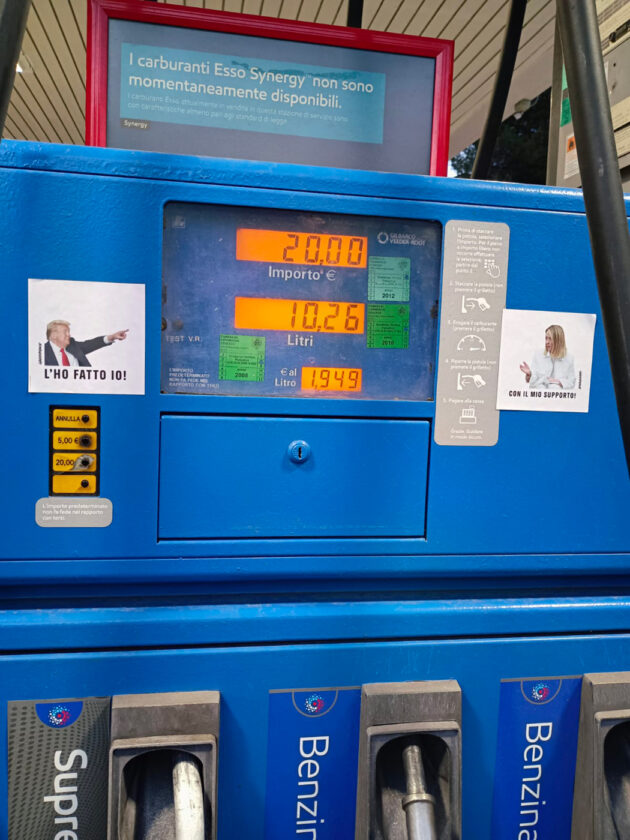

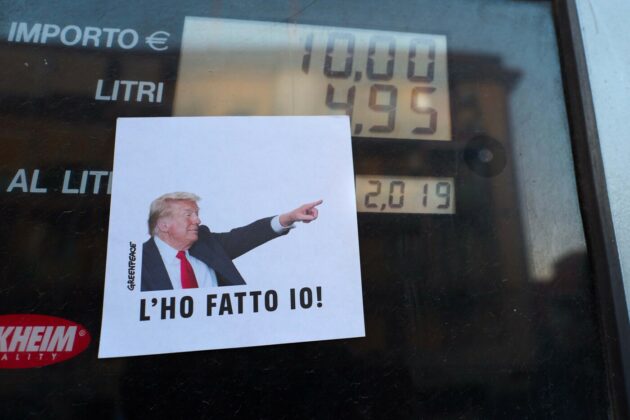
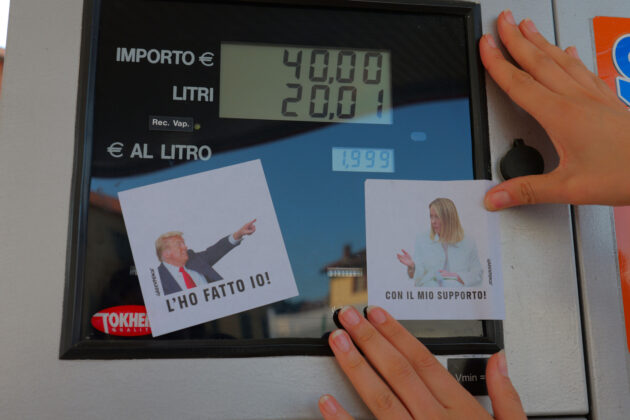
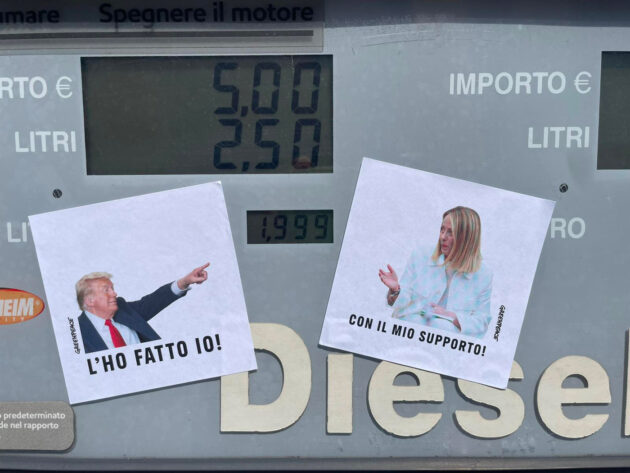



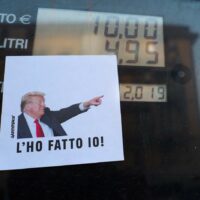
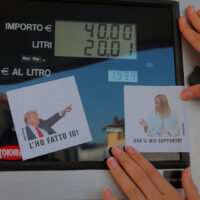

 Il ministro dell’Energia Daryl Vaz del governo JLP (Jamaica Labour Party) di Andrew Holness si scaglia furibondo contro la JPS, la compagnia elettrica a capitale privato che opera in Giamaica in regime di monopolio. “Imbarazzante” e “inaccettabile” i termini usati per definire il servizio di una società già oggetto di feroci critiche per i costi altissimi pagati dagli utenti e l’inettitudine della dirigenza. I social network si intasano di post, incentrati sulla possibilità di un attacco malware (malicious software) alla centrale elettrica. Il malware è un programma informatico che comprende virus e trojan, più volte utilizzato per provocare blackout in Ucraina prima e durante la guerra con la Russia.