The first time U.S. soccer legend Tab Ramos played on a team in the country he had just moved to from Uruguay, Argentina was the reigning champion of the 1978 World Cup and the boy was thrilled that the jersey he was given, the Harrison Rec kit, was orange “like the Dutch one.” Ten minutes in, the coach took him off the field: he was too good to compete with that group. He was 12 years old.
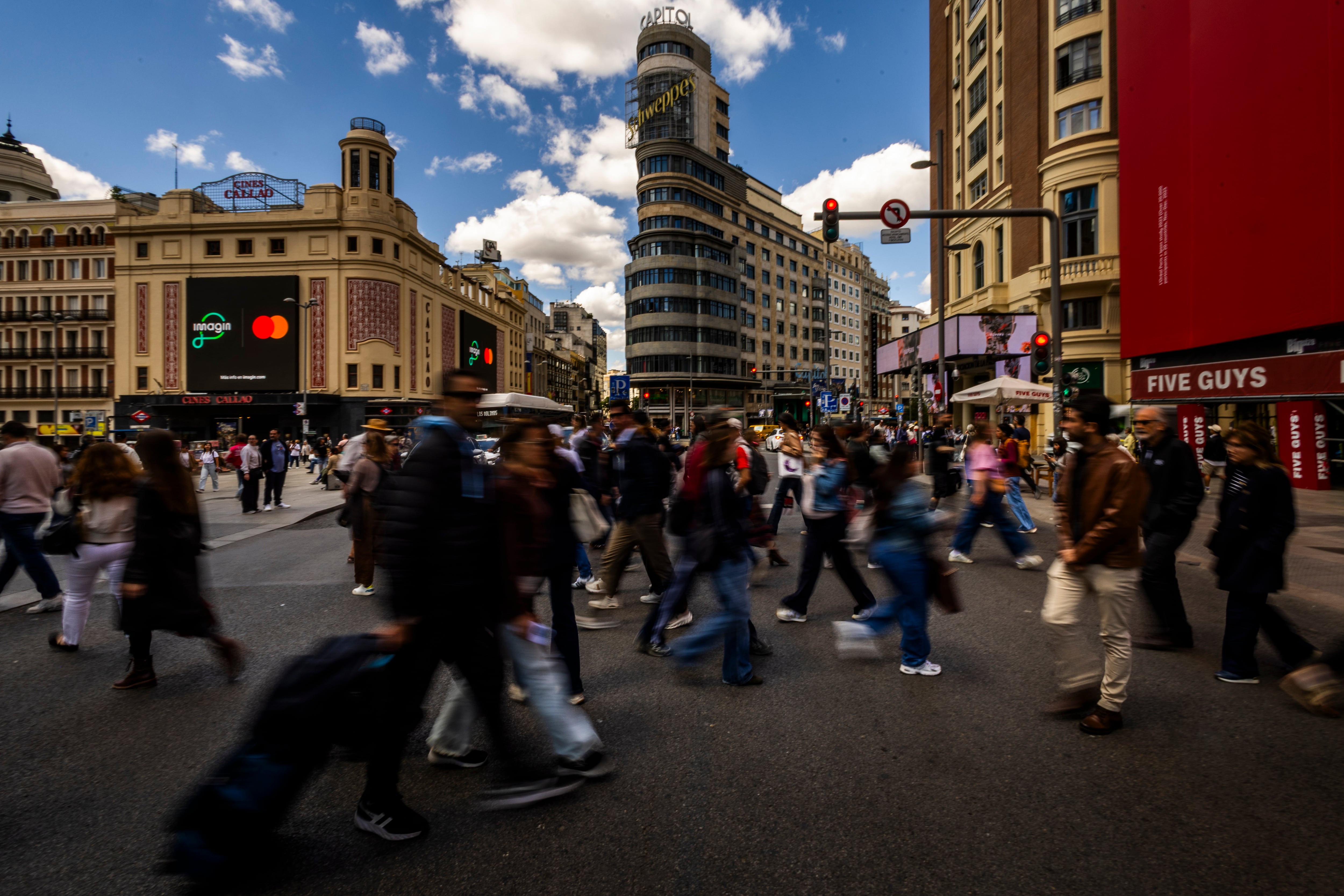
At the rate at which Spain’s population has grown in recent years, a country of 50 million inhabitants could soon become a reality. The National Institute of Statistics (INE) is expected to reveal this month, in its 2026-2076 population projections, when it believes this milestone will be reached. According to the 2025 census, Spain surpassed 49.1 million inhabitants last year, but data from the Continuous Population Statistics—which combines census data with quarterly estimates—indicate that Spain already had 49,687,120 inhabitants in April.
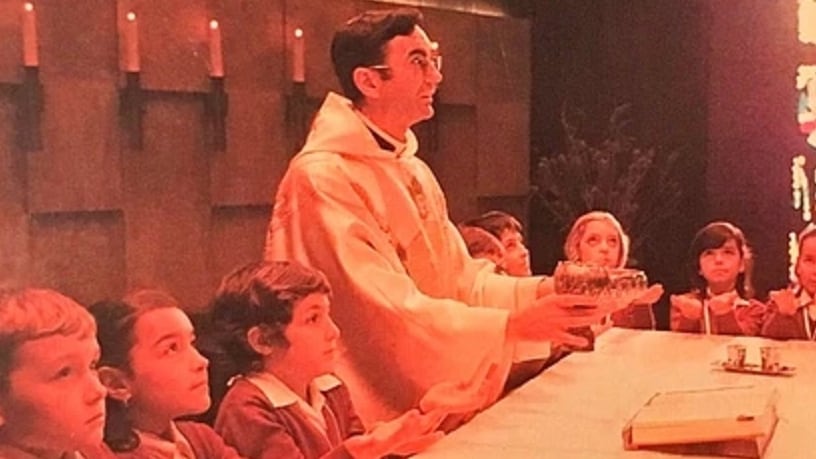
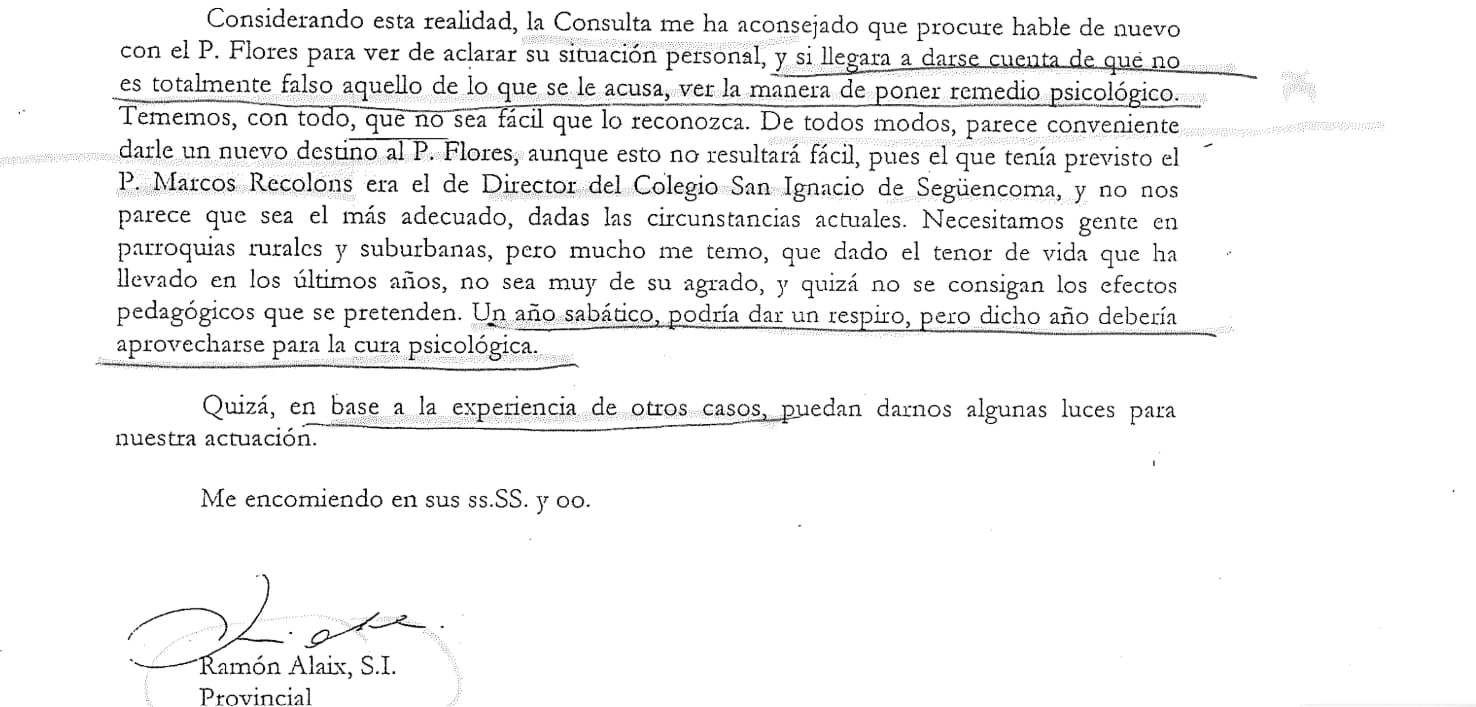
EL PAÍS launched an investigation into child sexual abuse by members of the Spanish Church in 2018 and maintains a database updated with all known cases. If you know of a case that has not come to light, you can write to: abusos@elpais.es. If it is a case in Latin America, the email address is: abusosamerica@elpais.es.
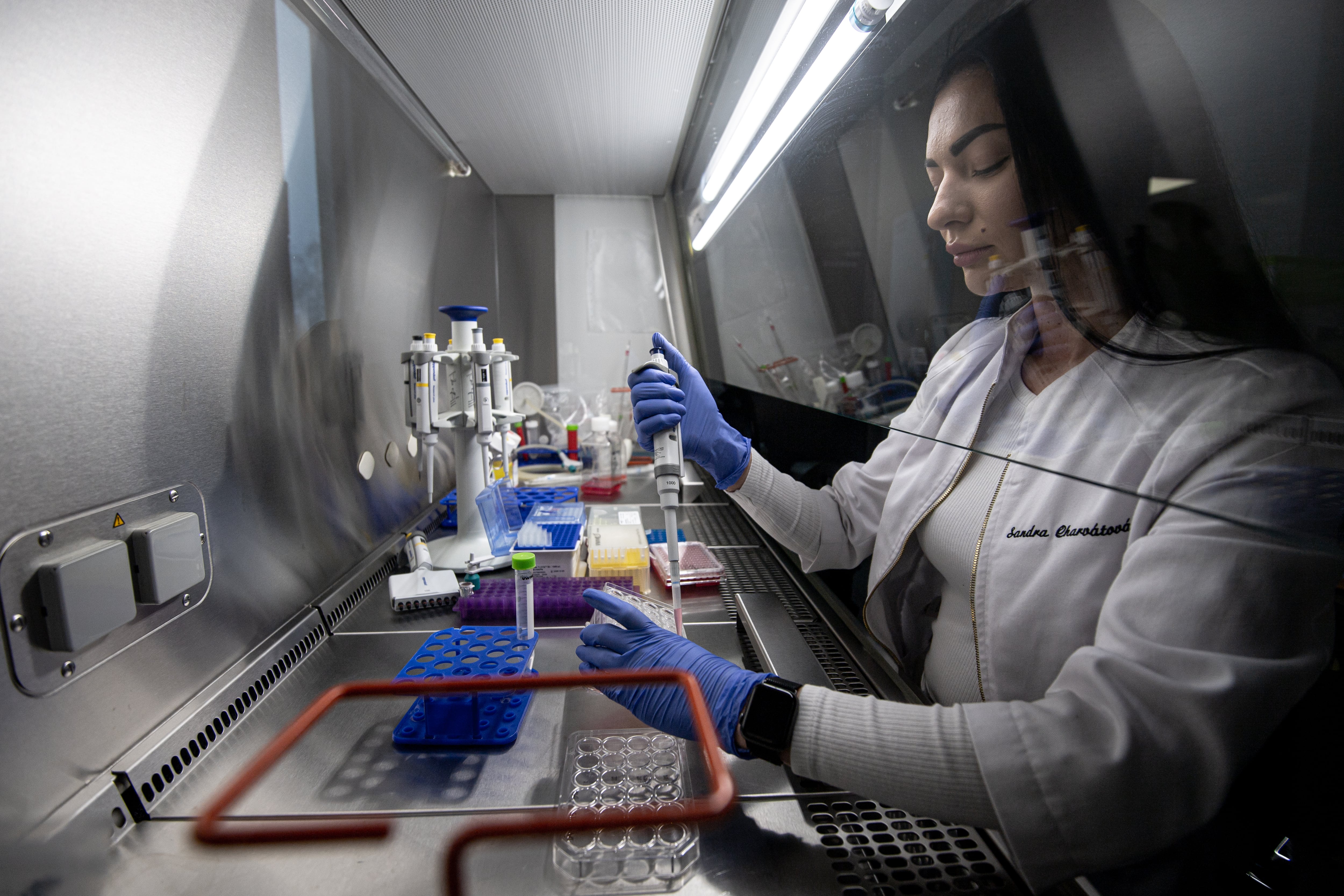
A potential response to cancer is written — on a microscopic level — in its very tumor cells. For decades, treatment and prognosis of the disease has been largely determined by the organ, the anatomical location in which the cancerous mass is located. But now, science has placed a spotlight on something more ambitious: learning the tumor’s signature, or rather, the molecular alterations that characterize its malignant cells. The latest meeting of the American Society of Clinical Oncology (ASCO), which took place last weekend in Chicago, has given further impetus to precision oncology and highlighted how cancer biology, those microscopic genetic characteristics that define it, are playing an increasingly important role in determining therapeutic approach, and even predicting prognosis.
Vanesa Rodríguez Valdés, based in Las Vegas, and her best friend, Liuddibet Calzadilla, in Barcelona, Spain, talked almost daily about their lives and their families back in Cuba, where they were both from. They talked about how much Valdés missed her teenage daughter and the diminutive size of the bedsit in the United States. On Sunday, May 26, Calzadilla wrote to her to ask how she was. She also asked if her husband Roelmer Sánchez Garrido was at home. If he was not, it meant they could talk freely.
A glance at Winette Van der Graaf’s extensive résumé is enough to certify that this Dutch oncologist has been an exceptional witness, if not a fundamental part, of the great scientific revolution that cancer research has undergone in recent decades. An expert in sarcomas and cancers in teens and young adults, Van der Graaf was one of the pioneers in providing care — and personalized assistance — to people between the ages of 15 and 39 who develop cancer. Sometimes in no man’s land, halfway between pediatric and adult oncology, cancer at this age puts life “on hold,” says Van der Graaf.
Entre los jardines del Clot de la Mel y el parque de la Infància se abre una vía que rompe el ritmo habitual de Barcelona y su bullicio. No hay escaparates llamativos ni tráfico constante, tampoco franquicias ni turistas. Lo que aparece es una hilera de fachadas bajas y coloridas que parecen suspendidas en el tiempo.
Se trata del Passatge d’Antoni Gassol, un tramo de apenas 122 metros que conecta el barrio del Clot con Sant Martí de Provençals. Para el vecindario es una estampa atrapada en otra época, una rareza urbana que sorprende a quien lo descubre por primera vez.
Casas de empleados textiles
Según lainformaciónoficial municipal, el conjunto de viviendas fue construido entre 1911 y 1929 para alojar a los trabajadores de las fábricas textiles que ocupaban este ámbito del antiguo barrio del Taulat. El proyecto fue obra del arquitecto Manuel Puig Janer.
Las casas responden al modelo tradicional de las casas de cos, típicas de la Catalunya masovera e industrial de los siglos XVIII y XIX. Planta baja, terrado y un pequeño patio trasero configuran un esquema repetido a ambos lados del pasaje.
Modernismo popular
Las fachadas destacan por un portal central flanqueado por dos ventanas con reja de forja. En los detalles se perciben las líneas básicas de un modernismo popular y pragmático, visible en ornamentaciones discretas, motivos florales o piezas de cerámica vidriada.
Actualmente, el conjunto ostenta la declaración de Conjunto Histórico del barrio, lo que garantiza su protección y conservación. Lo que nació como vivienda obrera vinculada a la industria textil es hoy una pieza patrimonial que explica una parte esencial de la historia urbana de Barcelona.
El pasaje fue urbanizado en 2020, implantándose la plataforma única. Asimismo se eliminó el estacionamiento de vehículos, reforzando su carácter peatonal y su función como vía de conexión amable entre el Clot y Sant Martí.
Convertido en un pequeño oasis de calma, este rincón demuestra que Barcelona también se entiende a través de sus calles discretas. Más allá de las grandes avenidas y los iconos arquitectónicos, existen espacios donde la memoria industrial y la escala doméstica siguen marcando el paisaje cotidiano.

 Login
Login