Reading view

El Niño sta già arrivando, tra caldo ed eventi estremi. Il segretario dell’Onu: “Gli impatti saranno ancora più forti”

L’Organizzazione meteorologica mondiale invita a prepararsi per El Niño, fenomeno climatico naturale che ciclicamente provoca un riscaldamento anomalo delle acque superficiali dell’Oceano Pacifico. Di solito si verifica ogni due/sette anni e dura dai nove ai dodici mesi. Inizia a svilupparsi tra marzo e giugno e raggiunge la sua intensità massima tra novembre e febbraio. Già normalmente, quindi, il fenomeno incide in modo significativo su temperature e precipitazioni in tutto il mondo. Gli esperti aspettano il prossimo evento e ne parlano da tempo. Molti ritengono che potrebbe essere il più intenso di questo secolo, tanto da indicarlo come un Super El Niño. Certamente, come già accaduto, innalzerà le temperature di tutto il mondo e intensificherà gli eventi estremi. Probabilmente, però, i suoi effetti saranno già evidenti prima di quanto non ci si aspettasse. Già da questa estate. Secondo un bollettino pubblicato dall’Organizzazione meteorologica mondiale, esiste l’80% di probabilità che si formi prima di settembre, quindi durante l’estate, e il 90% che continui fino al mese di novembre. Resta una certa incertezza sull’intensità e su quale sarà il picco di El Niño, ma la maggior parte delle previsioni dei modelli meteorologici suggerisce che si arriverà almeno a un’intensità moderata, non escludendo affatto un’intensità elevata. Di fatto, temperature superiori alla media sono previste quasi ovunque da giugno ad agosto.

L’allarme lanciato da Guterres

Dai modelli all’allarme lanciato da Antonio Guterres, segretario generale delle Nazioni Unite, l’uomo che da anni pronuncia discorsi sulla necessità di prepararsi agli effetti dei cambiamenti climatici. “I dati scientifici sono inequivocabili: c’è il 90% di possibilità che El Niño arrivi alle nostre porte nei prossimi mesi. Il mondo deve trattarlo come l’urgente avvertimento climatico che è. Le condizioni di El Niño – ha detto Guterres – getteranno benzina sul fuoco di un mondo in via di riscaldamento. Gli impatti saranno ancora più forti e si faranno sentire ancora più lontano. Attraverseranno i confini a una velocità devastante”. Per il segretario generale delle Nazioni Unite, come ha ribadito ormai innumerevoli volte “l’unica risposta efficace è un’azione climatica all’altezza della crisi. Si tratta di porre fine alla dipendenza dai combustibili fossili, accelerare la transizione verso le energie rinnovabili, proteggere i più vulnerabili e istituire sistemi di allarme rapido per tutti. D’altronde i bollettini su Niño e Niña dell’Omm sono la fonte di informazioni più affidabile al mondo in questo campo per i governi, le organizzazioni umanitarie e i settori sensibili al clima come l’agricoltura, la salute, l’energia e la gestione delle risorse idriche. E sono il risultato di una collaborazione tra l’Omm con l’Istituto internazionale di ricerca sul clima e la società.

I segnali dell’arrivo di El Niño

Secondo le osservazioni effettuate attraverso diverse piattaforme, da fine aprile a metà maggio, la temperatura della superficie del mare si avvicinava alle soglie El Niño nel centro-est del Pacifico equatoriale, che rappresenta la zona di monitoraggio di riferimento. Queste anomalie crescenti sono alimentate da temperature elevate, superiori di oltre 6 °C rispetto alla media, sotto la superficie di tutto il Pacifico tropicale. Costituiscono un importante serbatoio di calore che contribuisce al riscaldamento osservato in superficie. L’Omm non utilizza l’espressione super El Niño, perché non fa parte delle classificazioni operative standardizzate.

L’ultimo report: cosa accadrà in 5 anni

Ma le previsioni su questo fenomeno arrivano dopo che, nei giorni scorsi, è stato pubblicato il nuovo report dell’Organizzazione Meteorologica Mondiale sulle temperature medie globali annuali per il periodo 2026-2030. Secondo gli esperti saranno comprese tra 1,3 e 1,9 gradi al di sopra della media rispetto al periodo 1850-1900. C’è, inoltre, l’86% di probabilità che uno di questi 5 anni superi il 2024 come quello più caldo mai registrato. Il sorvegliato speciale è il 2027, che potrebbe rivelarsi particolarmente rovente proprio a causa dell’arrivo di El Niño. Il rapporto, prodotto dal Met Office del Regno Unito in qualità di centro di riferimento della Wmo, offre una sintesi delle previsioni fornite da 13 istituti di tutto il mondo. Tra questi, quattro Centri di Produzione Globale, cioè istituti meteorologici designati dalla Wmo per generare previsioni climatiche e meteorologiche su scala globale: il Centro di supercalcolo di Barcellona, il Centro canadese per la modellazione e l’analisi climatica, il Servizio meteorologico tedesco e il Met Office stesso. Il nuovo rapporto conferma le previsioni fornite da quello del 2025, che già indicava come il riscaldamento globale medio avrebbe superato i livelli preindustriali di oltre 1,5 gradi nei 5 anni seguenti. Gli ultimi dati indicano che c’è il 91% di probabilità, nei prossimi 5 anni, che la temperatura media globale superi temporaneamente di 1,5 gradi i livelli medi del periodo 1850-1900. Questo livello è stato superato anche nel 2024, quando la temperatura ha sorpassato quella soglia di 1,55 gradi. L’Artico continuerà a risentire in maniera particolarmente intensa del riscaldamento globale: nei prossimi 5 inverni dell’emisfero settentrionale, si prevede che le temperature artiche saranno di 2,8 gradi più alte di quelle medie, un valore 3,5 volte superiore rispetto a quello globale. Inoltre, il ghiaccio marino subirà un’ulteriore riduzione in particolare nel Mare di Barents tra Norvegia e Russia, nel Mare di Bering tra Alaska e Siberia, e in quello di Okhotsk tra Siberia e Giappone.

L'articolo El Niño sta già arrivando, tra caldo ed eventi estremi. Il segretario dell’Onu: “Gli impatti saranno ancora più forti” proviene da Il Fatto Quotidiano.
  •  

Estrazione illegale di oro in Amazzonia: le miniere abusive hanno distrutto 100mila ettari di foreste protette in tre anni

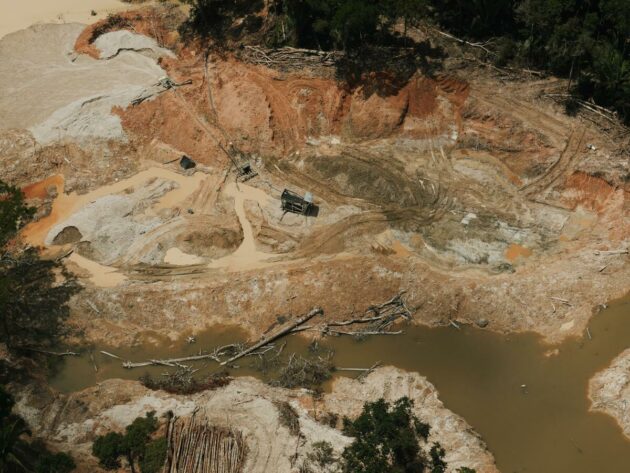
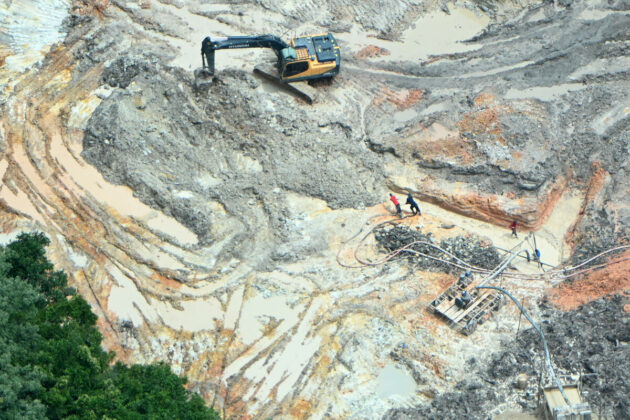
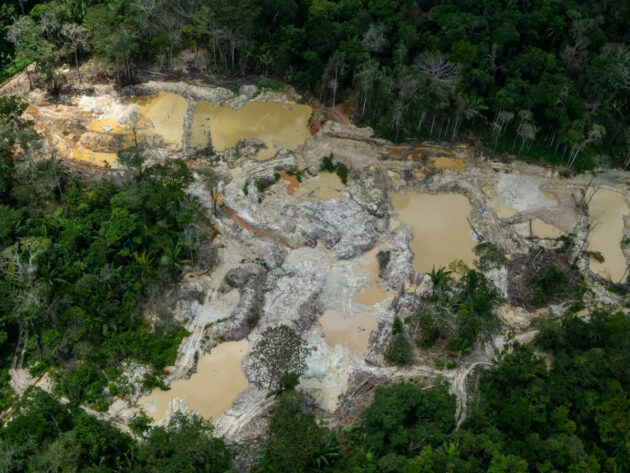
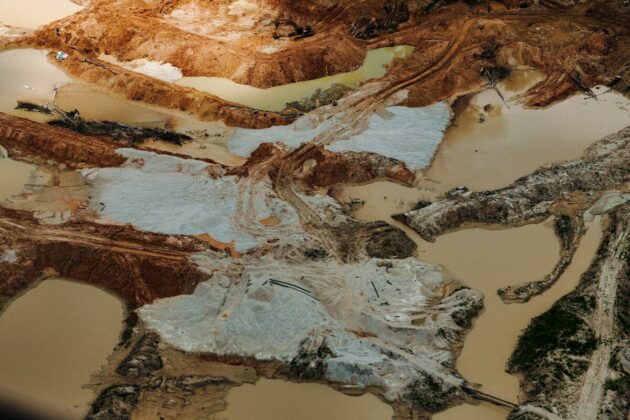
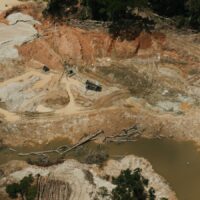
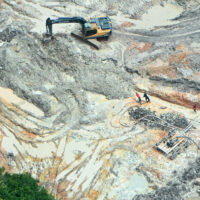
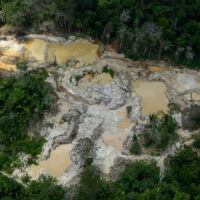
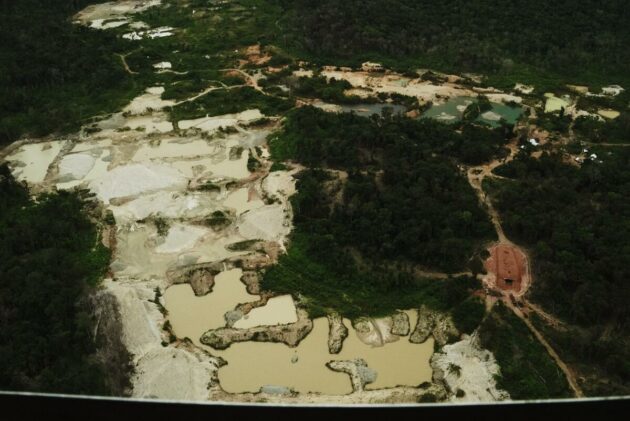
Il contesto globale di crescente instabilità geopolitica ed economica alimenta la domanda internazionale di oro, facendo aumentare la pressione sulla foresta pluviale tropicale più grande del pianeta. In Amazzonia l’estrazione illegale continua ad avanzare: in tre anni le miniere abusive hanno distrutto 100mila ettari di foreste protette. Un fenomeno reso possibile da gravi falle normative e dall’assenza di un sistema di tracciabilità efficace. Tra il 2023 e il 2025, oltre 5mila ettari di foresta sono stati distrutti dall’estrazione di oro solo all’interno di terre indigene. È quanto emerge dal report di Greenpeace Brasile “Gold Laundering in the Amazon: Anatomy of a Fraud”, che documenta come il sistema dei permessi di Lavra Garimpeira, introdotto dal governo brasiliano per consentire l’attività mineraria artigianale, venga in realtà sfruttato per riciclare oro estratto illegalmente da terre indigene e aree protette, dove questa attività è vietata dalla legge. Complice il mercato internazionale, come mostra un’indagine della Polizia Federale brasiliana che, nel 2025, ha rivelato un giro miliardario di estrazione ed esportazione illegale di oro proveniente dall’Amazzonia. Pubblicata da Repórter Brasil e diffusa in esclusiva per l’Italia da Il Fatto Quotidiano, l’inchiesta ha ricostruito il percorso di parte di questo oro illegale fino al mercato internazionale, inclusa l’Italia.

1 / 6

Field Expedition in the Kayapó Indigenous LandExpedição de campo na Terra Indígena Indígena Kayapó

2 / 6

Flyover Exposes over 500 Illegal Mining Barges in the Madeira River, BrazilGreenpeace flagra mais de 500 balsas de garimpo em sobrevoo no Rio Madeira

3 / 6

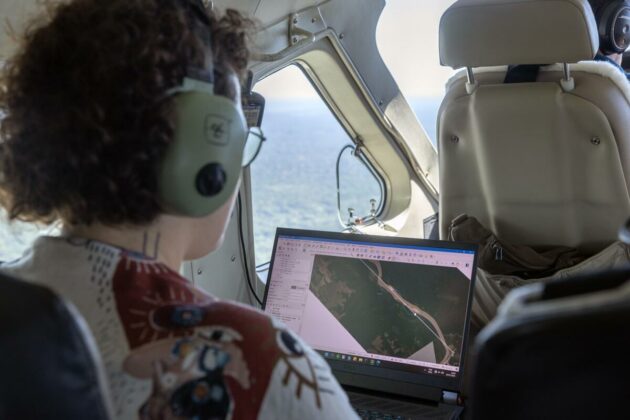
Overflight to Monitor Illegal Mining in Indigenous Lands in the AmazonSobrevoo de monitoramento de garimpo ilegal em Terras Indígenas na Amazônia

4 / 6

Illegal Mining in Munduruku Indigenous Land in BrazilMineração ilegal na Terra Indígena Munduruku (Outubro, 2021)

5 / 6

Illegal Mining in the Sete de Setembro Indigenous Land, BrazilGarimpo Ilegal na Terra Indígena Sete de Setembro

6 / 6

Overflight to Monitor Illegal Mining in Indigenous Lands in the AmazonSobrevoo de monitoramento de garimpo ilegal em Terras Indígenas na Amazônia

Come l’oro illegale entra nelle catene globali

Dal 1985 al 2022, l’estrazione illegale di oro è aumentata del 1.100%, con attività concentrate per il 91% in Amazzonia. “L’assenza di controlli efficaci da parte dell’Agenzia nazionale mineraria brasiliana e l’esenzione dall’obbligo di una preventiva analisi geologica – denuncia il dossier – hanno creato un ‘punto cieco’ che impedisce di valutare correttamente l’impatto dell’attività estrattiva e facilita il riciclaggio dell’oro illegale”. Attraverso hub di commercio, raffinazione e consumo, l’oro illegale entra così nelle catene globali di approvvigionamento e può raggiungere mercati come Italia, Svizzera, Francia, Germania, Canada e Emirati Arabi. In questi Paesi, una volta immesso nel sistema, diventa estremamente difficile da tracciare. Solo nel 2024, dal Brasile sono state esportate oltre 61mila tonnellate d’oro per un valore superiore a 3,9 miliardi di dollari statunitensi verso mercati di tutto il mondo.

La sentenza della Corte Suprema e i limiti del sistema

In questo contesto, mentre una legge del 2013 stabiliva una ‘presunzione di legalità’ basata sulla semplice autodichiarazione del venditore, a marzo 2025, la Corte Suprema brasiliana (Supremo Tribunal Federal) ha dichiarato incostituzionale questo principio della presunzione di buona fede nell’acquisto dell’oro. Una sentenza storica che punta proprio a bloccare il riciclaggio dell’oro di provenienza illecita proveniente dall’Amazzonia. “La decisione rappresenta un passo importante, ma non sarà sufficiente senza un sistema di tracciabilità realmente efficace lungo tutta la filiera” spiega Martina Borghi della campagna Foreste di Greenpeace Italia. “Finché il Brasile non introdurrà controlli rigorosi – aggiunge – basati su dati geologici affidabili e verifiche indipendenti, l’oro estratto illegalmente continuerà a entrare nel mercato globale alimentando deforestazione, violazioni dei diritti umani e distruzione dei territori indigeni. Anche l’Unione Europea e i Paesi importatori devono fare la propria parte, introducendo regole più severe sulla tracciabilità dell’oro e impedendo l’ingresso nel mercato europeo di metallo legato alla distruzione dell’Amazzonia”.

Le miniere fantasma, un fenomeno fuori controllo

L’indagine rivela inoltre la persistenza di ‘miniere fantasma’: permessi minerari attivi solo sulla carta, privi di attività coerente con i dati satellitari o con le verifiche sul campo, che funzionano come copertura legale per introdurre oro proveniente da altre aree, inclusi territori indigeni e zone protette. E i dati sono allarmanti: complessivamente, il 94% dei processi minerari analizzati da Greenpeace tra il 2018 e il 2026 è stato classificato come ‘miniera fantasma’ oppure operazione industriale incompatibile con il regime previsto per l’estrazione artigianale.

Gli impatti sociali e le terre indigene

L’estrazione illegale di oro ha anche gravi impatti sociali, che colpiscono in modo particolare le popolazioni indigene, con un aumento di violenze, sfruttamento economico e deterioramento delle condizioni di vita, soprattutto per le donne. Anche la contaminazione da mercurio rappresenta una minaccia: uno studio della Fundação Oswaldo Cruz nelle terre indigene del Popolo Munduruku ha rilevato che il 98,5% delle donne in gravidanza sottoposte ad analisi presentava livelli di mercurio superiori alla soglia di sicurezza, evidenziando un grave rischio per la salute riproduttiva e le generazioni future. Per contrastare efficacemente l’estrazione illegale di oro in Amazzonia, Greenpeace ritiene fondamentale rafforzare le misure normative e amministrative contro il riciclaggio, promuovendo al tempo stesso un processo di riconversione economica della regione e sostenendo attività compatibili con la foresta, che siano rispettose dei diritti umani e capaci di contrastare la povertà.

Fotocredits: Greenpeace Brasile

L'articolo Estrazione illegale di oro in Amazzonia: le miniere abusive hanno distrutto 100mila ettari di foreste protette in tre anni proviene da Il Fatto Quotidiano.
  •  

What will happen to tourism in Cuba? Inside GAESA, the military conglomerate on Washington’s radar

When a Cuban person on the island wants to refer to “those in charge,” they lightly tap their shoulder with two fingers. The subtle gesture, shaped by nearly seven decades of censorship, is a reference to the epaulet of a military uniform. In Cuba, people do not speak of the government or the party (the Communist Party of Cuba, the only legal one), but rather of the “country’s leadership.” It is a euphemism that points to the real political and economic power: the Revolutionary Armed Forces (FAR).

Seguir leyendo

  •  

‘We demand freedom’: Immigrants on strike in New Jersey prison

ICE agents spray a protestor with a chemical irritant before detaining them outside of the federal immigration center at Delaney Hall, where ICE is housing detained immigrants, on May 28, 2026 in Newark, New Jersey. Photo by Adam Gray/Getty Images
Labor Notes logo

This story originally appeared in Labor Notes on May 29, 2026. It is shared here with permission.

On a patch of sidewalk on a busy industrial corridor in Newark, federal agents with rifles, metal batons, flak vests, and balaclavas faced off against unarmed activists with cardboard signs and a bullhorn. Detained workers could be heard on the soccer field behind the prison walls, shouting in Spanish, “¡Libertad!” (Freedom!)

Since May 22, 300 of them are on a work stoppage and hunger strike. Over video chat, one worker told the crowd outside that they had stopped eating and working for as little as $1 an hour (or no pay at all) to demand an improvement in their living conditions. “But that’s not all we demand,” he said. “We are also doing this to demand freedom. We’re not treated like people. We’re treated like animals.”

The hunger strikers are demanding to meet with the governor, the release of young and elderly detainees and all medically vulnerable people, and ultimately, freedom for all.

For months a group of activists with the ICE Out of NJ coalition, which includes the immigrant rights group Cosecha, the Catholic advocacy group Pax Christi, and the worker center New Labor, has been protesting outside Delaney Hall, a 1,000-bed privately owned detention center where immigrants, mostly Latino, are jailed without due process.

Families and lawyers of the detainees report that Immigration and Customs Enforcement agents and guards with the GEO Group, the private-prison contractor, have been denying them medical care, offering them food swarming with worms, and refusing them bail bond or access to their lawyers. Many were snatched from construction job sites, or still wearing their service-industry work clothes; others were taken while reporting at courthouses for green-card appointments.

“In our cases, we had already been processed, we were complying with legal requirements, and there was no order from a judge for our detention or arrest,” wrote a worker identified as Brian in a handwritten letter in early May, co-signed by 300 others with redacted names, pleading for help from elected officials. “ICE officers did not take into account the fact that there was already an immigration court date, and they arrested us during check-in appointments at USCIS [U.S. Citizenship and Immigration Services] facilities.”

FROM SCARCE FOOD TO NONE

They struck because they wanted to hit their jailers’ bottom line, but they were already going without food, and their health has further deteriorated. “People aren’t eating because of the strike we are organizing and there’s no medical assistance,” said a released hunger striker named Luis to Radio Jornalera (Day Laborer Radio). Speaking with his back to the camera to conceal his identity for fear of retaliation by ICE, Luis said another detainee had become severely dehydrated and couldn’t walk. Food was already scarce or inedible, even before the strike.

When hunger strikers sought medical help at the nursing center in the prison, “they wouldn’t lend us the wheelchair,” Luis said. “We had to put in our own pills, give our own liquids with sugar and a little salt to compensate for electrolytes.” He said there has been no due process for the detentions; he was detained by ICE during a routine check-in, which doesn’t normally occur for people who have a legal case going through the immigration system. People with no criminal records have faced exorbitant fees of upwards of $50,000 for bail, or outright denials to be released on bond.

“If they freed us, we wouldn’t generate profit for this business,” Luis told the Guardian.

Nationwide, the majority of imprisoned immigrants through 2025 had no criminal records. As the American Prospect has reported, the GEO Group is raking in record profits with a federal contract valued at $1 billion. Some of these profits come from imprisoned immigrants working for little or no pay. Workers report they are coerced into participating in the government’s supposedly Voluntary Work Program through solitary confinement and other forms of torture.

The 13th Amendment to the U.S. Constitution abolished slavery, with an asterisk: “except as a punishment for crime whereof the party shall have been duly convicted.” Convicted or not, all labor has value. But what’s doubly wrong is that immigrants in ICE jails haven’t even been convicted, and are being denied due process.

VIOLENT RETALIATION

In what activists are calling retaliation, on May 28 the GEO guards and ICE agents responded to the hunger strike and work stoppage with beatings. Detainees have reported to their lawyers and families that striking units have even had the building’s ventilation cut off, while the floors in some cells are smeared with the blood of detainees.

“Right now there are ICE agents inside of Delaney Hall violently beating the hunger strikers,” Nedia Morsy, director of the nonprofit Make the Road NJ, said in a statement. “Someone will be killed if no one intervenes and shuts this down.”

Gabriela Fuentes said her husband Jose Marroquin called her around 1:30 p.m. to “say they were being beaten and pepper sprayed… This started because they [ICE] wanted to take the only person who translates for them in the unit.”

“They wanted to take him away,” she said outside the prison in a video recording. “So all of the prisoners asked to not take him away. So then agents, ICE agents came to the unit and tried to cuff him, and that’s when the confrontation started.”

She said that the detainees lifted their hands to indicate they didn’t want to fight. The guards took them to their cells. “And then there were the prisoners banging on the doors to please let them out,” Fuentes said. “My husband says there was blood in the floor and in the walls that clearly the agents now were cleaning up because they knew they messed up.”

In a statement, Fuentes said that she bolted to the prison to speak out about what was happening inside. When she got there, she saw that “one of the guys was taken by the ambulance because a guard broke his nose.”

U.S. Department of Homeland Security officials said agents responded to “to a physical fight involving detainees at Delaney Hall.” Homeland Security Secretary Markwyane Mullin has upped the ante, threatening to retaliate against sanctuary cities by pulling Customs and Border Protection officers from airports.

Even before the strike, speaking out about conditions in the prison was met with retaliation. “We have to be very careful, everything we say and do is closely monitored, at all times,” Jordi Alvarado told local news outlet NJ.com in early May. “And then, almost as if on cue, his face abruptly disappeared from the screen of the iPhone advocates had used to call him,” reported NJ.com columnist Daysi Calavia-Robertson. On the blacked out screen, a message popped up. “Call paused.” And shortly after, “Call ended.”

OFFICIAL ACTION DEMANDED

Local and federal elected officials have put out statements condemning the deplorable living conditions and treatment of detainees. New Jersey Sen. Andy Kim, a Democrat, went inside the prison on May 25, came out, joined the protestors, and got pepper sprayed. But the ICE Out of NJ coalition is demanding more action.

“Elected officials, the Governor, and the Attorney General cannot continue ignoring what is happening behind these walls,” said Jorge Torres of the National Day Laborer Organizing Network in a statement. “They must enter the facility immediately, speak directly with the people, and hold GEO Group and ICE accountable for this violence.” The detained immigrant workers have written three letters to legislators pleading for their release; they’ve received no reply.

“I have never thought Delaney Hall should open,” said New Jersey Gov. Mikie Sherrill at a news conference on May 26. “We had a law here in New Jersey against privately run detention facilities…The fact that they wouldn’t let me in there gives you some sense that there is some ‘there’ there, and that’s really concerning to me.”

The cruel impunity is as plain as day, both inside and outside the immigration detention center. On the night of May 27, federal agents struck protesters with batons, pushing one into the path of a tractor trailer wheel, a video shows.

On Thursday after reports of assaults on detainees began circulation, some local elected officials were allowed inside the prison, but access is still limited. That same day, the New Jersey Department of Health was denied full access for an inspection.

The reports often come from the families of the detained. “We’ve been hearing from constituents who have family members inside, including a mother who is being beaten by ICE agents and an 11-year-old girl who spoke to her father inside who said that there are a lot of people inside who are bloodied,” U.S. Rep. Bonnie Watson Coleman told NJ.com on the afternoon of May 28.

SOLIDARITY FUNDRAISERS

Gabriela Soto’s husband Martin Soto Hernandez was detained in January while buying diapers. He had previously been arrested for a domestic violence incident, but the charges were later dismissed and expunged, according to his lawyers. His lawyer says Soto Hernandez has lost 110 pounds: “He’s skin and bones.”

Even in his poor condition, he helped organize the hunger strike and was later transferred to a different detention camp in Elizabeth, New Jersey, on May 25.

“My husband Martin Soto got illegally detained by ICE tonight,” Soto wrote on a GoFundMe page to raise funds for her husband’s legal defense shortly after he was imprisoned. “We never fully got a lawyer for his immigration status because his court date was due for 2028… I want to be able to have a lawyer defend him so that he can stay here. His kids depend on him. His daughter knows he is her world. This is unfair what Trump is doing to this country. He’s ripping families apart and this is not fair. Please help us.”

“At this very moment, Delaney represents a dark and desolate world for those who sought to attain the American Dream,” said Gloria Guerrero of New Labor in Spanish to Labor Notes. Guerrero organizes alongside domestic workers whose husbands have been detained in ICE prisons. “Children wait for the return of parents detained by a cruel and inhumane system—locked in dungeons, treated like criminals, and stripped of every right, including the right to humane treatment,” she said.

“Yet for others, it is the greatest business venture in history—one that utterly disregards the dignity of human beings. Delaney is a Latino concentration camp where many are forced to sell themselves out of sheer necessity, shielding their faces in shame from a community that cries out: ‘Quit that job now! I am your people! I am your kin!’ Meanwhile, on the inside, others are holding fast in a strike of protest and resistance—a struggle to which we offer hope, and which we support from the outside!”

  •  

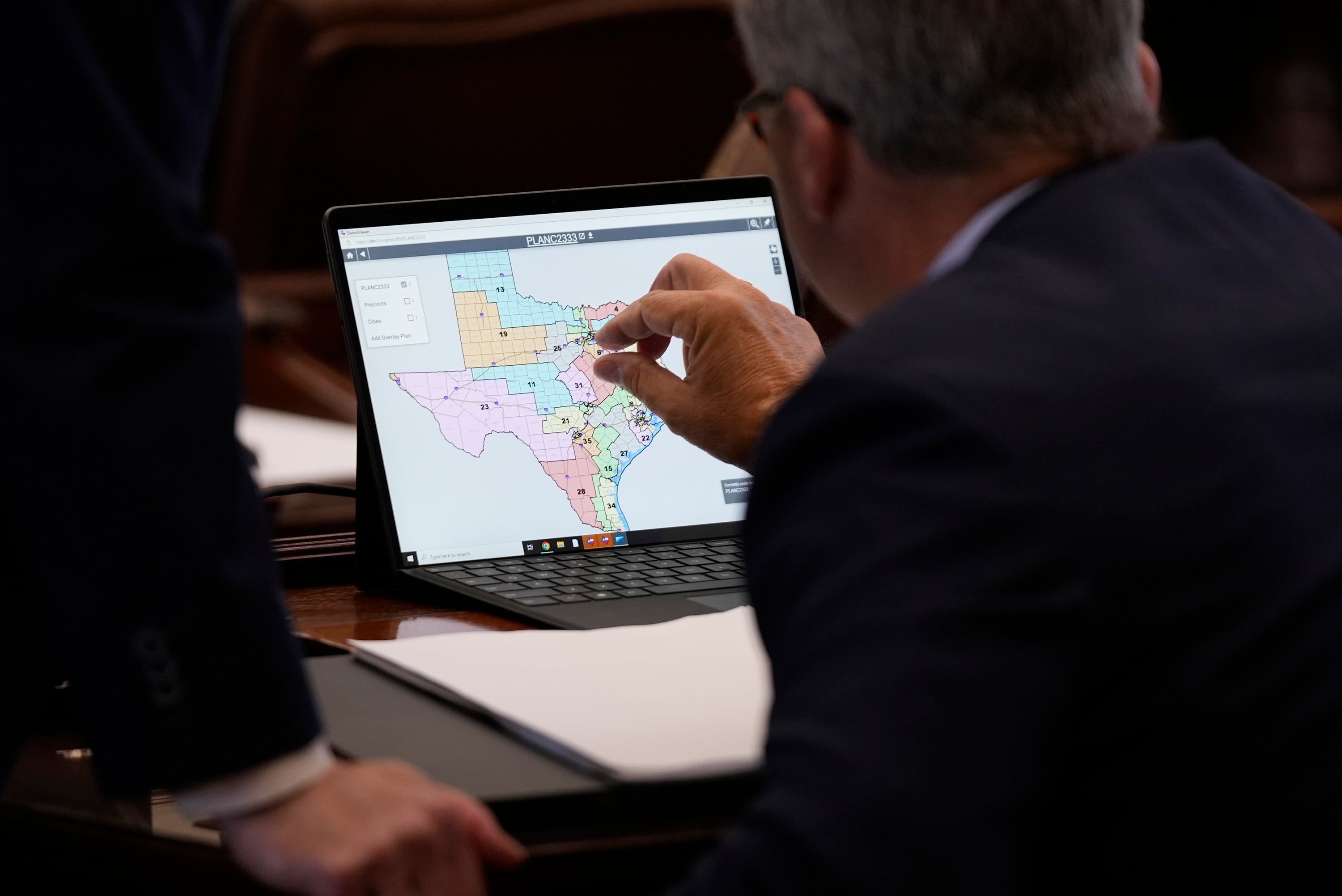
The battle to redraw electoral districts ahead of the midterms: Where changes have been confirmed and where they are awaiting approval

The redrawing of electoral districts, or gerrymandering, in the United States is reaching unprecedented levels. After the Supreme Court’s late-April ruling changed electoral rules and curtailed minority rights, Republicans have stepped up efforts to dismantle majority-Black districts, especially in the South, though the strategy extends to states beyond that region.

Seguir leyendo

© Jay Janner (The Austin American-Statesman vía Getty Images)

Redistricting map of Texas congressional districts at the Capitol in Austin, August 20, 2025.
  •  
❌