Consumer sentiment still remains at historically low levels amid Iran war and rising inflation, new survey shows
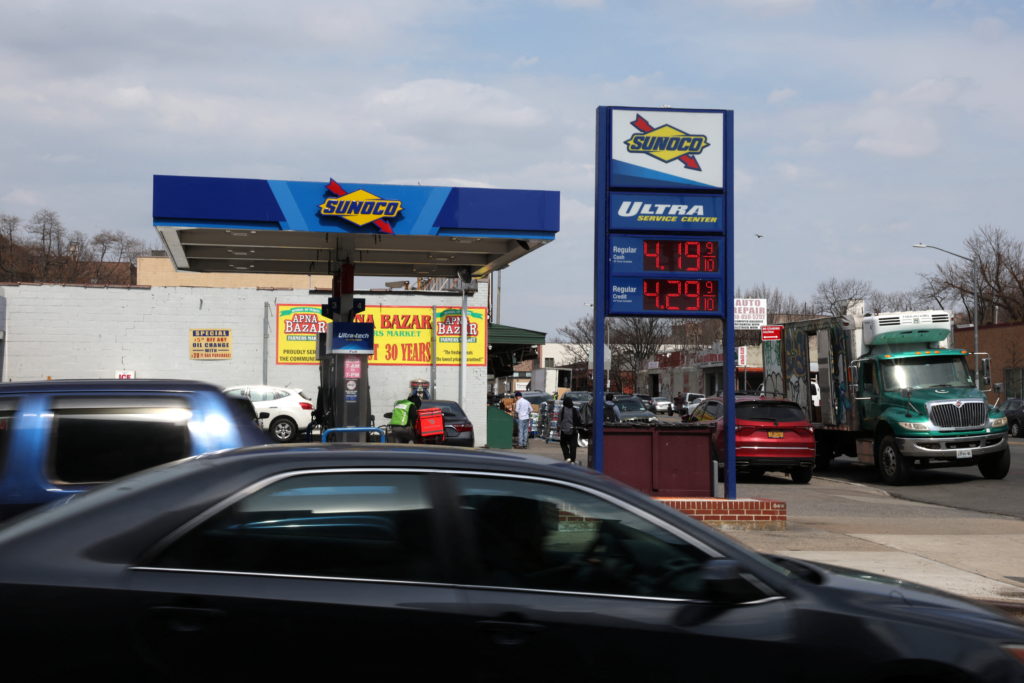
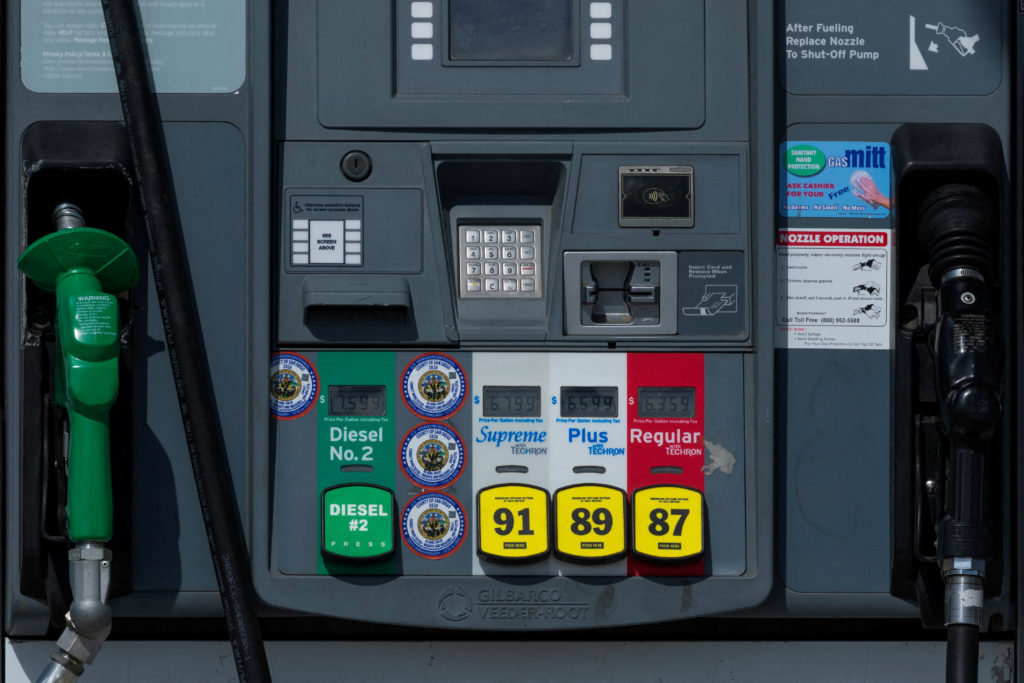
Easing gas prices are making Americans feel better about their personal finances and the economy in June, but consumer sentiment remains at historically low levels amid ongoing conflict in the Middle East, according to new survey data from the University of Michigan.
The latest numbers come as SpaceX marks its historic stock market debut, which has made Elon Musk the world’s first trillionaire. Yet many Americans still feel like they are struggling even as the stock market reaches record highs.
Spiking energy prices sent inflation to a three-year high in May, up 4.2% annually. The Labor Department said the cost of energy was responsible for over 60% of the increase. Core inflation, which strips out volatile food and energy prices, was up a more modest 2.9%. Geoff Bennett discussed more with Roben Farzad of Full Disclosure.
The president said that U.S. forces have been removing millions of barrels of oil on a nightly basis, and he had previously "wanted to say it so badly."
Former Rep. Marjorie Taylor Greene (R-Ga.) slammed President Trump over the economy and inflation on Wednesday, saying the U.S. was “IN DECLINE.” “Unbelievable!! Here is exactly what Trump’s war on Iran, costing billions everyday, is doing to Americans. MAGA used to call this Biden inflation and scream from the rooftops over this garbage,” Greene wrote…
Former Rep. Marjorie Taylor Greene (R-Ga.) slammed President Trump over the economy and inflation on Wednesday, saying the U.S. was “IN DECLINE.” “Unbelievable!! Here is exactly what Trump’s war on Iran, costing billions everyday, is doing to Americans. MAGA used to call this Biden inflation and scream from the rooftops over this garbage,” Greene wrote…
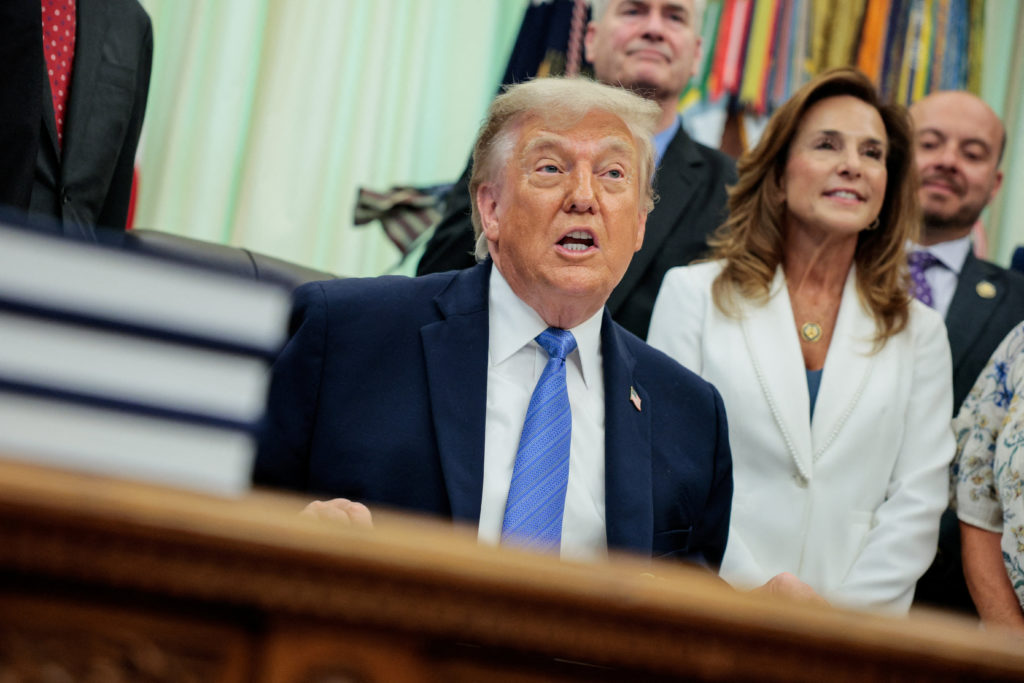
President Trump told reporters Wednesday that he loved “inflation,” after he was asked about inflation spiking in May. “No, I love it. The numbers were great,” Trump said when asked if he was concerned about the latest data, which showed the consumer price index rising to 4.2 percent over the past 12 months — with…
President Trump told reporters Wednesday that he loved “inflation,” after he was asked about inflation spiking in May. “No, I love it. The numbers were great,” Trump said when asked if he was concerned about the latest data, which showed the consumer price index rising to 4.2 percent over the past 12 months — with…
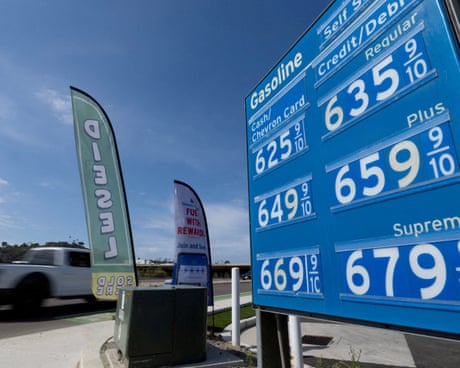
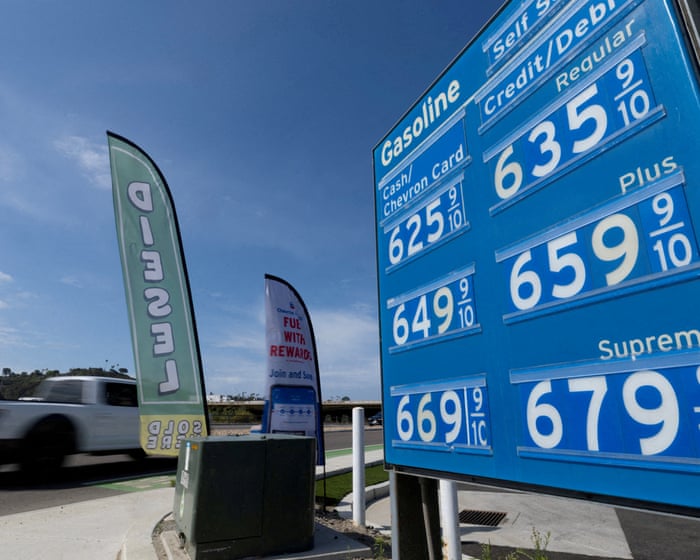
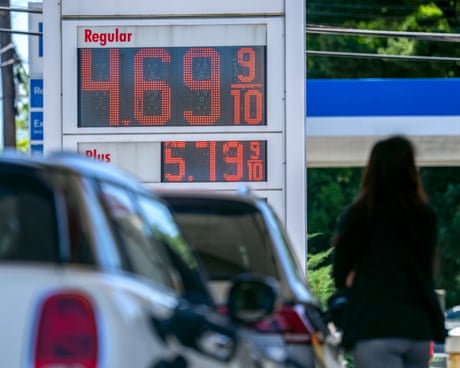
Rising gas prices pushed inflation to its highest level in three years last month, a headache for the Federal Reserve and a potential political challenge for the Trump administration as midterm elections near.
Before the conflict began, inflation was at 2.4%, but the closure of the strait of Hormuz has affected energy prices
US inflation jumped to an annual rate of 4.2% in May, the third consecutive monthly increase since the start of the Iran war and a three-year high, as Americans continue to face steep oil prices.
Prices have increased sharply over the past several months, rising at an annual rate of 3.3% in March before going up to 3.8% in April. In February, before the conflict began, inflation was at 2.4%.
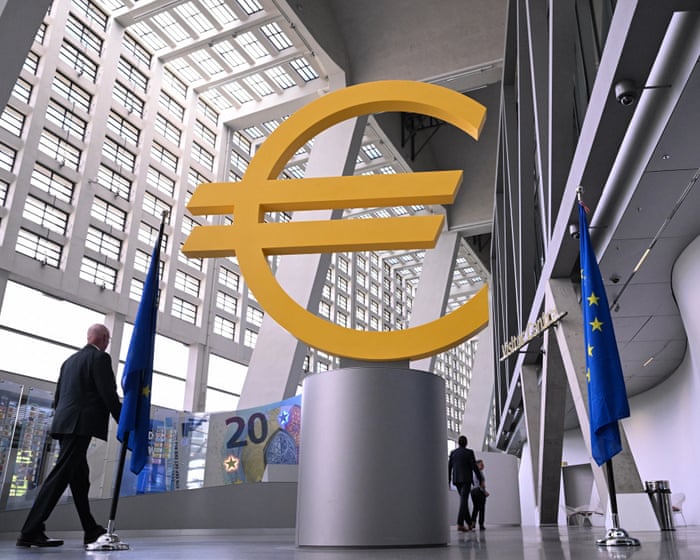
L'inflation de la zone euro est repartie à 3,2 %, tirée par l'énergie et la guerre au Moyen-Orient. La Banque centrale européenne, prisonnière d'un choc qu'elle n'a pas créé, s'apprête à relever ses taux. Pour l'épargnant, le rendement réel du « sans risque » est déjà négatif — voici comment protéger son patrimoine sans parier sur le prochain baril.
LE COURRIER DES STRATÈGES
Restez libre !
LA NEWSLETTER · GRATUITE
Le Courrier, chaque matin.
L'essentiel de l'actualité, passé au crible par les cinq plumes du Courrier. Dans votre boîte, chaque jour ouvré.
Gratuit. Vous restez libre de partir quand vous voulez.
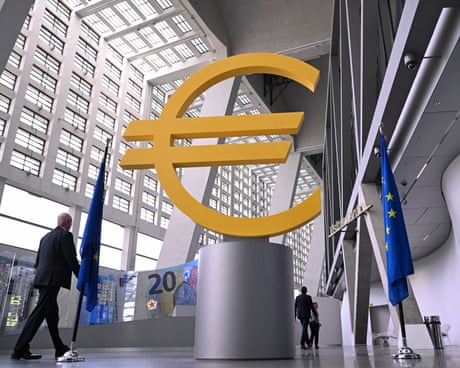
L'inflation de la zone euro est remontée à 3,2 % sur un an en mai 2026, son plus haut niveau depuis septembre 2023, selon l'estimation rapide d'Eurostat. La composante énergie progresse de 10,9 % sur douze mois. Dans le même temps, le baril de Brent a bondi de 4,9 % en une séance pour s'établir à 97,67 dollars, porté par le centième jour de la guerre entre Israël et l'Iran et par la tension permanente sur le détroit d'Ormuz, par où transite près d'un cinquième du pétrole mondial. La Banque centrale européenne, qui avait maintenu son taux de dépôt à 2,00 % en avril, est désormais attendue à la hausse dès sa réunion de juin — un relèvement de 25 points de base portant ce taux de dépôt à 2,25 %, avec une seconde hausse anticipée par le marché en septembre.
Cet enchaînement mérite d'être nommé pour ce qu'il est. Il ne s'agit pas d'une inflation de demande — celle qui naît d'une économie en surchauffe, de salaires qui courent après les prix, d'un crédit trop bon marché. La croissance de la zone euro est ressortie à 0,1 % au premier trimestre. Il s'agit d'une inflation importée : un choc d'offre venu de l'extérieur, transmis par le prix de l'énergie, sur lequel une banque centrale n'a aucune prise directe. C'est la distinction la plus mal comprise du moment, et c'est elle qui commande la conduite à tenir pour un épargnant.
Le taux d'intérêt agit sur la demande intérieure : il renchérit le crédit, freine l'investissement et la consommation, refroidit les prix tirés par l'activité. Il n'a aucun effet sur le prix du baril fixé à Singapour ou sur la prime de risque géopolitique d'Ormuz. En relevant ses taux face à une inflation importée, la BCE ne combat pas la cause — elle ajoute une contraction de la demande à un choc d'offre déjà récessif. Elle le fait quand même, pour une raison qui n'est pas économique mais institutionnelle : défendre la crédibilité de sa cible de 2 % et
With just five months to go before consequential midterm elections in the U.S., Americans have grown increasingly frustrated by rising costs, and it's unclear if the strong job numbers this year will change their gloomy view of the economy.
by Michael Snyder | End of the American Dream Over the past few years, there has been a tremendous amount of buzz about an imminent “reset” of the global economy. Well, what we are currently witnessing may not look like what they were anticipating, but a “reset” of the global economy is definitely here. Trillions of dollars were invested to set up the global supply chains that we have today. I have always argued that we should have never allowed ourselves to become so dependent on goods that are made elsewhere, and making more things in this country is a […]
by John and Nisha Whitehead | The Rutherford Institute “This is economic sabotage. Whether through malice or incompetence or, more likely, both Trump is isolating the United States on the world stage, tanking the markets, worsening inflation, and burdening working families with the cost of his 18th-century cosplay. These aren’t policies. They’re performance art. And the rest of us are footing the bill.”—Oregon’s Bay Area (blog post) What we’re witnessing is the calculated use of emergency powers to concentrate power in the hands of the president, enrich the Deep State, and dismantle what remains of economic and constitutional safeguards. […]

 Login
Login