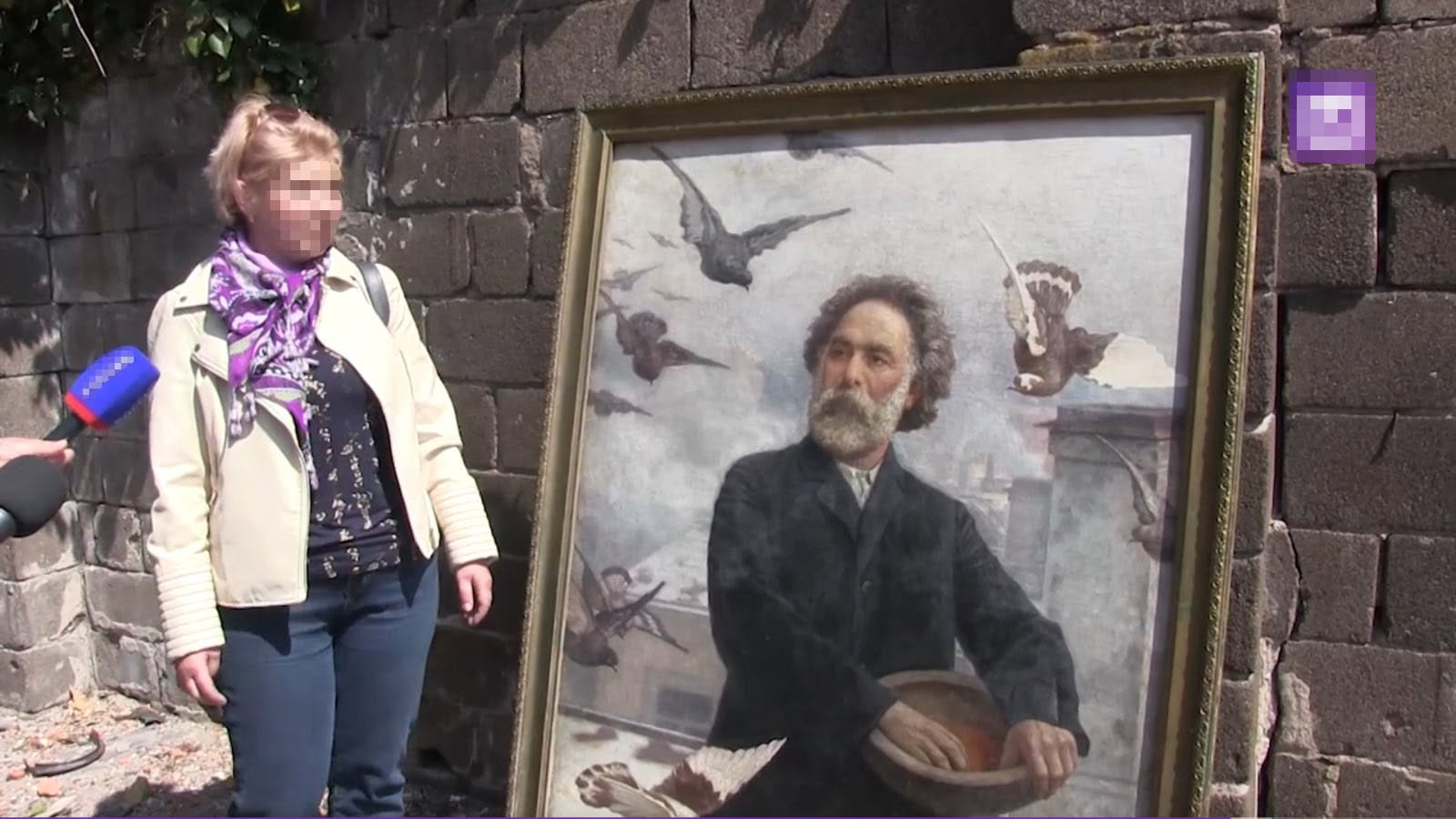
The paintings, valued at around Hr 26.3 million (approximately $586,000), have since been unlawfully listed in the Russian Culture Ministry's register of museum valuables.
Minnie the Minx and Macbeth feature in National Library’s exploration of how rainfall has shaped Scottish science, literature, history and identity
It seems fitting that, 250 years ago, one of Scotland’s foremost scientists took a close interest in what is arguably the country’s most famous feature: rain
James Hutton, celebrated by Scots as the father of modern geology, went so far as to write a formula for “a theory of rain”. In 1784, he sketched out the key principles for the “condensation of aqueous vapour contained in the air”.
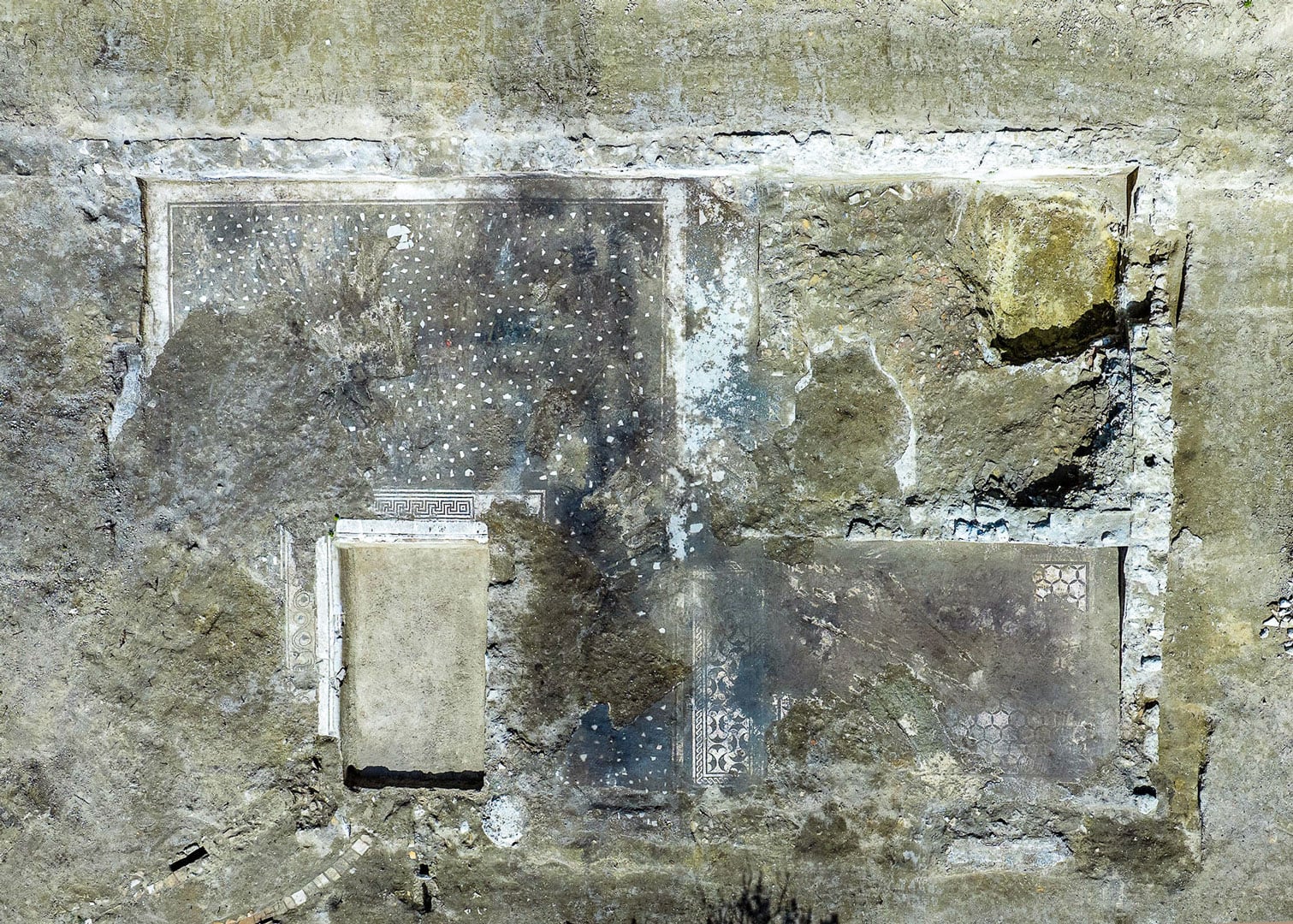
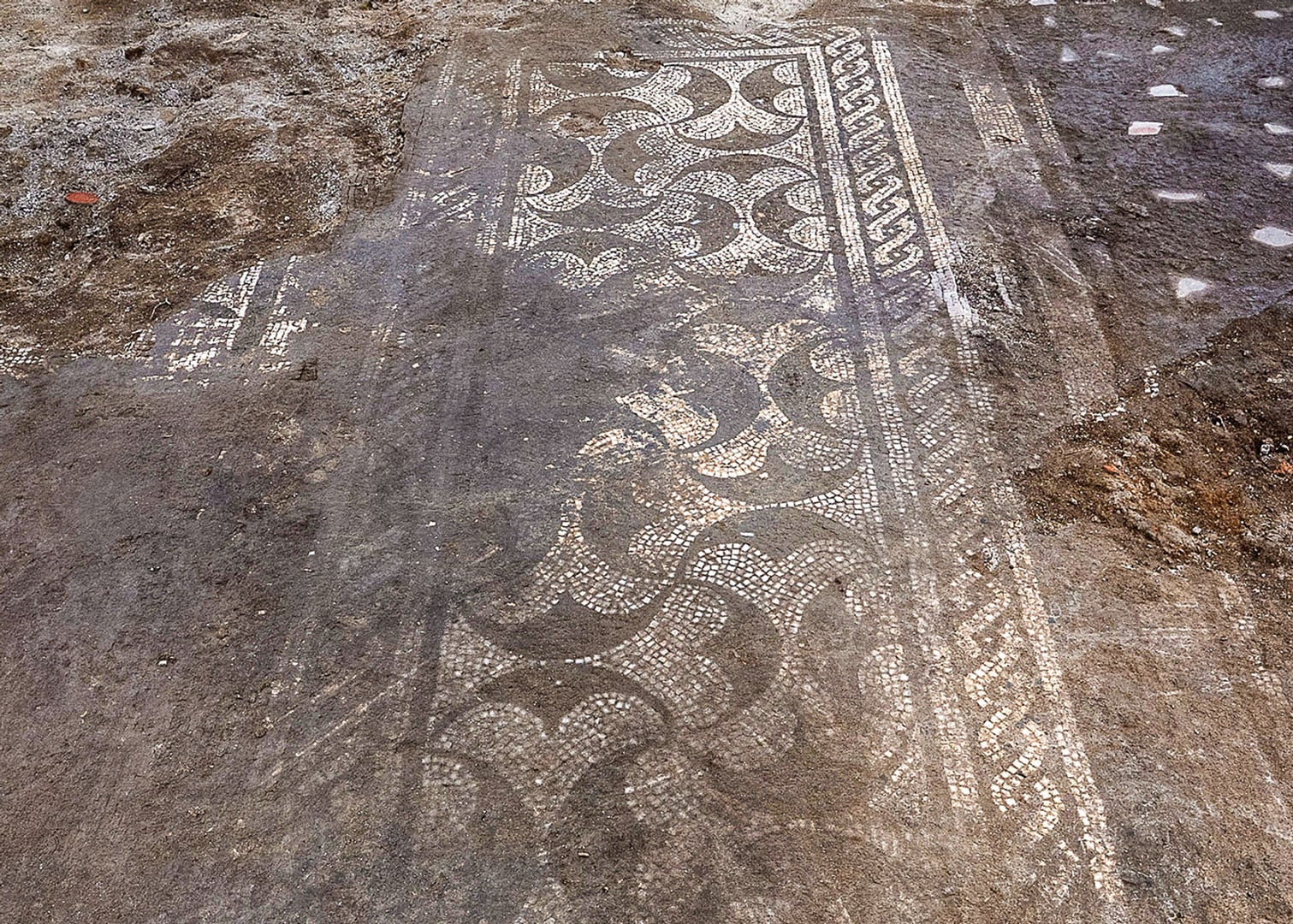
Archaeologists have uncovered a well-preserved Roman villa near Rome, complete with colorful mosaics, painted walls, and rooms that survived nearly intact after centuries underground.
The discovery at the Castel di Guido agricultural estate has revealed what researchers believe is part of a larger imperial-age complex that was previously unknown.
The find came through unusual circumstances. A tip about illegal digging at the estate prompted Italy’s Special Superintendence of Rome and the Carabinieri to act. Within days, authorities halted the unauthorized excavation and secured the site, allowing proper archaeological work to begin.
Under the scientific direction of archaeologist Alessia Contino, the team uncovered well-preserved rooms with walls rising up to 1.5 meters (about 5 feet).
Researchers identified the villa’s atrium, which features a central rainwater basin surrounded by geometric and floral decorations. Adjacent rooms contain mosaic floors, and evidence of the estate’s productive activities was also found at the site.
Illegal dig report leads to remarkable Imperial-era discovery
Among the most striking finds is a fragmentary marble statue of a bearded figure carrying a small animal, likely a calf or piglet. Researchers believe it represents Silvanus, an ancient deity associated with rural life.
The quality of the villa’s mosaics, painted walls, and white marble statue points to owners who likely belonged to Rome’s aristocracy with close ties to the imperial estate at Lorium.
That territory was historically linked to Emperor Antoninus Pius, who built a residence there. Emperors Hadrian and Marcus Aurelius also frequented the area. The site appears connected to the ancient road known as the Via Aurelia.
Contino said that the community tip and the speed of the official response made it possible to identify part of this previously unrecorded imperial-era villa and bring to light an exceptional set of decorations, along with the fine white marble statue.
She called it an important new discovery that opens fresh possibilities for understanding and protecting the region’s historical heritage.
Roman villa’s mosaics and painted walls tied to imperial aristocracy
Culture Minister Alessandro Giuli said that officials and military personnel worked together within days to stop the illegal dig, secure the area, and begin uncovering a significant chapter of Roman history. He described the operation as an exemplary act of protection and research.
Daniela Porro, the Special Superintendent of Rome, said that the find highlights the city’s remarkable archaeological wealth far beyond its historic center.
The excavation opens to the public on June 20, 2026, with free guided treks. The route covers roughly 1 kilometer (0.6 miles) and takes between 90 minutes and two hours to complete. Visitors will be able to view the villa’s remains and observe the mosaics currently undergoing restoration.
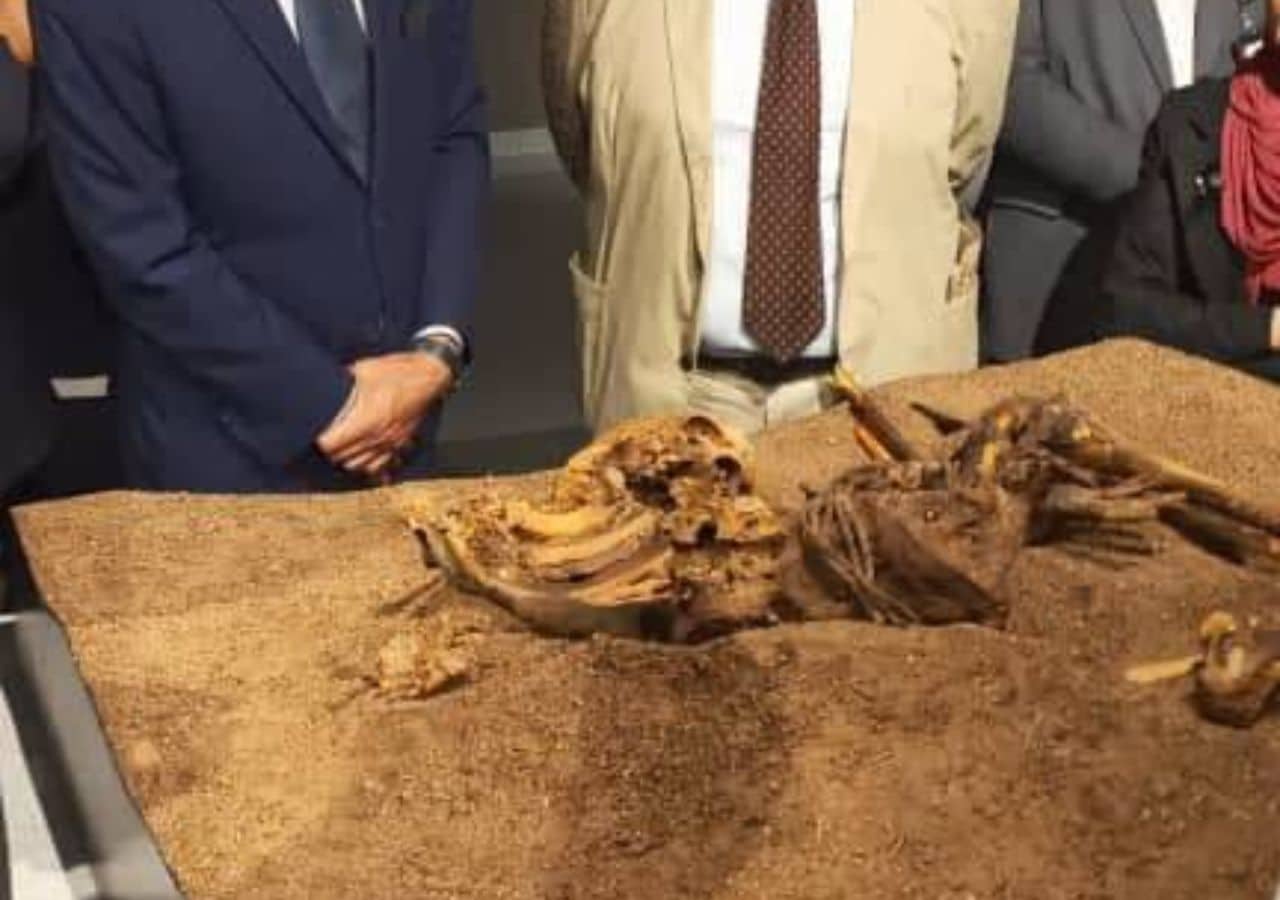
A 7,000-year-old prehistoric mummy from Libya’s Saharan past returned to the country Sunday after more than 20 years in Italy, touching down at Mitiga Airport in Tripoli aboard an Italian military aircraft.
The mummy, known as “Takarkori” or TK H1, was found at a rock shelter in the Tadrart Acacus region of southern Libya by the Italian Archaeological Mission in the Sahara.
Its return on June 14, 2026, ended its long stay in Italy, where researchers carried out years of scientific study on the ancient remains. After completing all official and customs procedures, the mummy was transferred to the National Museum in Tripoli.
The “Takarkori” remains date to what researchers call the “Green Sahara” period, a time when the Sahara had a far greener landscape and supported pastoral communities.
The mummy survived in remarkably good condition, making it unlike any other find on the African continent. That allowed researchers to study ancient DNA and piece together how Neolithic communities lived across North Africa.
Libya’s prehistoric mummy set for public display at the Red Castle
The restoration and scientific work carried out in Italy involved the Italian Archaeological Mission in the Sahara and the University of Rome, with ENI’s coordination and logistical backing from Italy’s air force and cultural ministry.
The prehistoric mummy from Libya is expected to go on public view at Tripoli’s Red Castle by late July. The complex houses the National Museum, which had been shut for over ten years before reopening last December.
Officials said the return fits into Libya’s wider push to recover and protect its national heritage while deepening cultural ties with Italy.
Russia has launched a large-scale disinformation campaign attempting to justify mass strikes on Kyiv's civilian and cultural objects, the Ukrainian Center for Countering Disinformation (CPD) has announced. Russian sources are using a classic scenario by attempting to disguise outright terror against civilians as "strikes on military targets" or shifting blame to Ukraine itself, the CPD said.
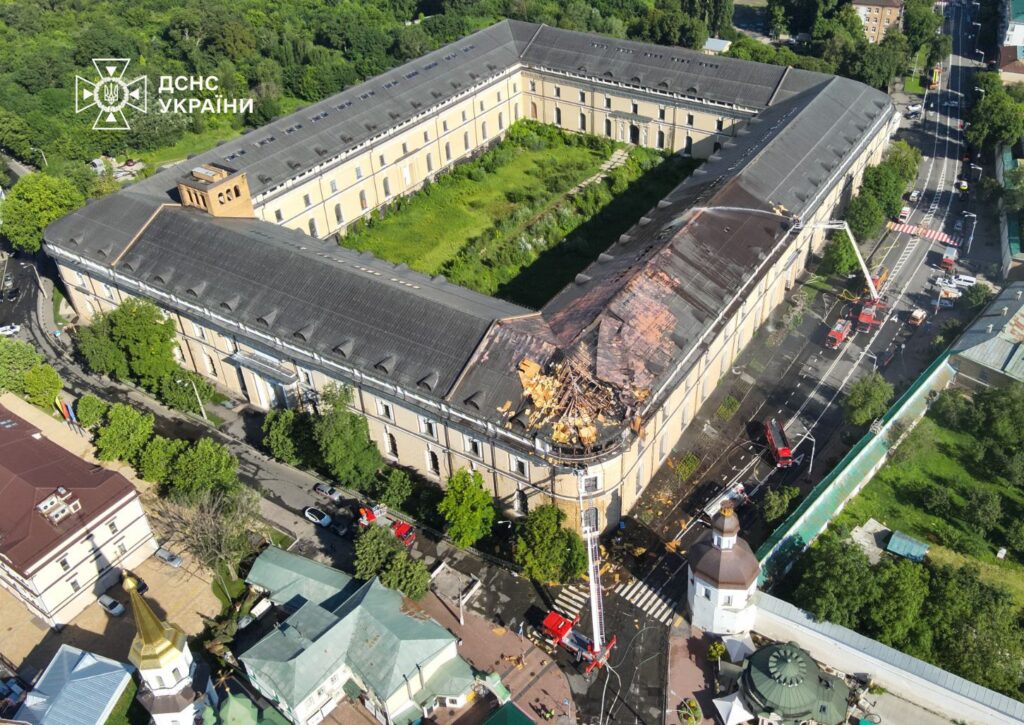
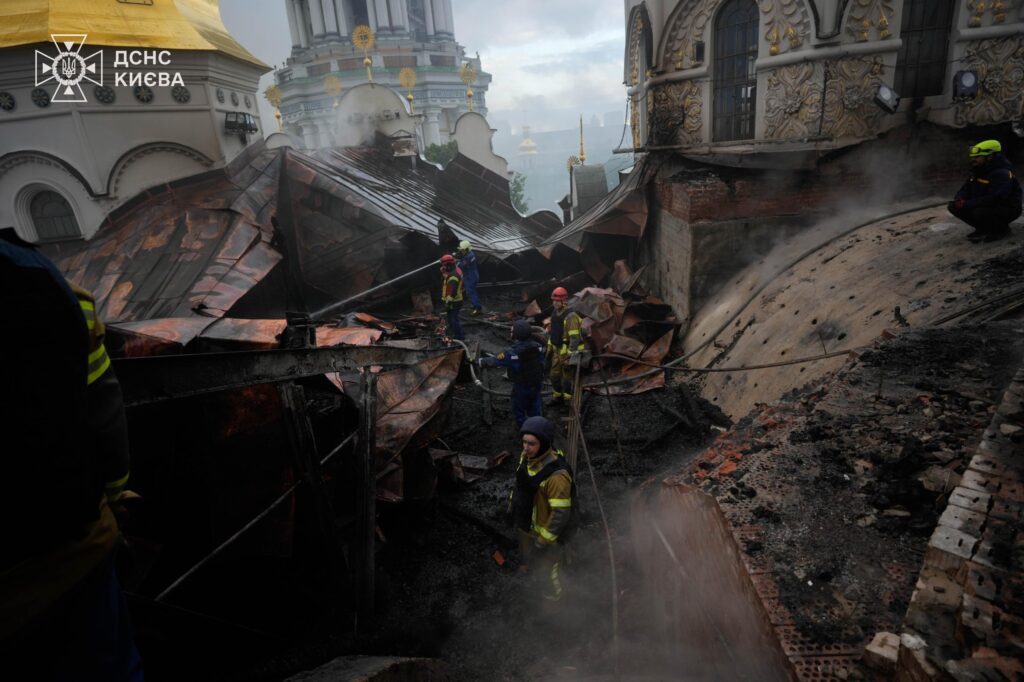
The disinformation campaign follows a pattern Ukrainian authorities have documented after previous Russian strikes on cultural and civilian targets. The Kyiv-Pechersk Lavra, a UNESCO World Heritage site dating back to 1051, is protected under the 1954 Hague Convention on the Protection of Cultural Property in the Event of Armed Conflict and the Geneva Convention Additional Protocol I, Article 53.
Russian information operations following strikes on Ukrainian civilian targets have followed predictable patterns since 2022.
Five Russian disinformation tactics CPD identified
The CPD documented five specific Russian disinformation tactics deployed after the Kyiv strikes.
The Kyiv-Pechersk Lavra fire is called "Ukrainian provocation" or "self-arson."
Russian conspiracy theories blame Ukrainian authorities for the strike on the Higher Anti-Corruption Court building.
The Dovzhenko Film Studio is declared a "legitimate military target" by Russian propaganda because it is allegedly a "propaganda nest."
False allegations claim Kyiv has weapons-production workshops disguised as civilian buildings — in Russian propagandists' framing, every Kyiv building is a "military object."
And "Ukrainian air defense" is blamed for damage to civilian buildings, a standard Russian deflection tactic.
CPD's framing: Russia carries full responsibility
All responsibility for the death and injury of peaceful Kyiv residents, destruction of historical and civilian buildings lies exclusively with Russia, and it must be punished for this, the Center says.
"No manipulation, conspiracy theories, or attempts to grant civilian objects 'military status' will help the aggressor conceal another war crime," the CPD said in its statement.
The CPD's position represents the Ukrainian government's position.
Broader pattern: two documented Russian disinformation campaigns after cultural site strikes
Russian disinformation following strikes on Ukrainian cultural sites has followed predictable patterns since 2022. Two documented precedent cases illustrate the same tactics now being deployed against Kyiv.
After the 16 March 2022 Russian airstrike on the Mariupol Drama Theater. Russia denied conducting the strike and claimed that Ukrainian soldiers had blown up the building themselves. An Associated Press investigation found that approximately 600 people died in the bombing, which makes it the deadliest single known attack on civilians in the war.
Amnesty International later concluded that the strike was a "clear war crime" conducted by two 500-kg bombs dropped from Russian fighter jets, ruling out alternative explanations.
After the 23 July 2023 Russian missile strike on the Odesa Transfiguration Cathedral, located within the UNESCO-protected historic center of Odesa, Russia's Defense Ministry denied targeting the cathedral and claimed the damage was caused by "the fall of a Ukrainian anti-aircraft guided missile," per Radio Free Europe/Radio Liberty.
UNESCO condemned the strike as an "escalation of violence against the cultural heritage of Ukraine." The cathedral's assistant rector, Father Myroslav, confirmed a "direct hit to the cathedral" with three altars destroyed.
The pattern across the Mariupol Theater, Odesa Cathedral, and now Kyiv-Pechersk Lavra cases is consistent: Russia denies conducting the strike and attributes damage to Ukrainian air defense or self-inflicted destruction.
Moscow's forces have looted over 7.8 million artifacts from museums in occupied territory since 2014, Ukraine's chief legal authority reported on 15 June.
The figure surfaced as Prosecutor General Ruslan Kravchenko condemned an overnight missile strike on the Kyiv-Pechersk Lavra. He placed the attack within what he called a deliberate state campaign to erase the country's identity. Kravchenko spoke hours after a combined Russian barrage set fire to the monastery's Dormition Cathedral. The cathedral is one of the most revered sites in Eastern Orthodox Christianity. Founded in 1051, the complex sits under UNESCO World Heritage protection. Moreover, it falls under the enhanced-safeguard mechanism of the 1954 Hague Convention.
A strike the prosecutor frames as cultural warfare
The Lavra hit belongs in the same category as earlier attacks on national symbols, Kravchenko argued. He grouped it with strikes on the Transfiguration Cathedral in Odesa and the Hryhorii Skovoroda museum in Kharkiv Oblast. The list also named the Ivankiv museum holding works by folk artist Maria Prymachenko. It extended to the Oleksandr Dovzhenko National Film Studio in Kyiv and the Organ and Chamber Music House in Dnipro.
"This is the deliberate policy of an aggressor state — to destroy what shapes Ukrainian identity," his office said.
Almost 2,000 sites damaged, more than 100 under UNESCO's umbrella
Russian forces have damaged or destroyed close to 2,000 elements of Ukrainian cultural heritage, Kravchenko stated. The count runs from the start of the full-scale invasion in February 2022. More than 100 of them carry UNESCO designation, he added.
That national tally runs well above the figure the UN body verifies on its own. UNESCO confirmed damage to 536 cultural sites as of 10 June 2026. That narrower count reflects stricter cross-checking against satellite imagery and on-site inspection. The gap reflects method, not contradiction. Ukrainian authorities log every culture-related facility affected in any way, while UNESCO applies a tighter definition of cultural property.
Dovzhenko studio loses Ukraine's largest costume archive
Investigators recovered missile fragments at the Dovzhenko film studio after the overnight assault, the prosecutor general reported. The strike leveled a two-story costume storehouse. It also damaged an annex to the sound stages, plus administrative and production buildings. No deaths or injuries occurred at the site.
Studio chief Andrii Donchyk told the "Snidanok z 1+1" program that the archive was the country's oldest. Roughly 100,000 costumes and about three million items of clothing had been stored there. How many survived the fire remained unclear.
Looting across occupied territory
Beyond physical damage, Kravchenko detailed a vast removal of movable Ukrainian cultural heritage. Russian forces seized or appropriated more than 7.8 million heritage objects from occupied-area museums between 2014 and 2026, he said. Furthermore, the true scale could be higher, because access to many collections remains blocked.
Prosecutors have opened more than 240 criminal cases and named 15 suspects so far.
"Crimes against cultural heritage are also war crimes. They carry no statute of limitations," Kravchenko said.
A countrywide barrage centered on Kyiv
The air force reported that Russia launched 70 missiles and 611 drones overnight on 15 June. Kyiv was the main axis of attack. Missiles also struck Dnipro and Kharkiv. Air defenses neutralized 632 incoming threats — 50 missiles and 582 drones. Nevertheless, 20 ballistic missiles and 27 attack drones hit 42 locations, while debris fell at 12 more.
In Kyiv, the strike killed five people and wounded 35, including two children, city authorities said. Fires broke out across nearly every district. President Volodymyr Zelenskyy later put the nationwide toll at 11 killed and 53 injured.
Moscow's denial and a pledge to escalate
Russia's defense ministry claimed the barrage targeted "defense-industrial complex" facilities in Kyiv, Dnipro, and Kharkiv. In addition, it repeated Moscow's standard line that its military avoids deliberate strikes on civilian infrastructure. The latest assault on Ukrainian cultural heritage and residential districts followed a 12 June statement by Vladimir Putin. He had said Russia would intensify its strikes on Ukraine.
The largest libraries of the ancient world weren’t mere book collections. They were centers of power, education, and survival across empires. Credit: Greek Reporter archive
Clay tablets, papyrus scrolls and organized archives gave rise to the largest libraries the ancient world had ever seen. From Mesopotamia to the Mediterranean, early civilizations built and guarded repositories that preserved knowledge, solidified power and shaped future generations.
These libraries were more than buildings. They were strategic tools for governance, scholarship, and cultural influence.
From clay tablets to papyrus, Mesopotamia built the first libraries of the ancient world
The earliest libraries were established in Mesopotamia over five thousand years ago. Sumerians developed cuneiform writing by pressing marks into wet clay. These tablets contained records on trade, law, rituals and literature. Stored in temple rooms and palaces, they were grouped by subject and carefully archived.
The Assyrians advanced this system, and King Ashurbanipal of Nineveh built a vast royal library with thousands of tablets in the 7th century BC. These included manuscripts on religion, medicine, and science. His collection, organized by topic, is one of the oldest discovered in archaeological history.
The cuneiform inscriptions on this clay tablet narrate the chronicle of the years 608-605 BC. Credit: Wikimedia Commons / Osama Shukir Muhammed Amin FRCP(Glasg) / CC BY 4.0
A major turning point came with the use of papyrus scrolls in Egypt. Lighter and more portable than clay, papyrus allowed collections to grow in size. The new format enabled broader distribution of texts and helped libraries expand across the ancient world.
Libraries of Persia and Assyria as guardians of culture, law, and empire
In the ancient Near East, libraries held both spiritual and administrative importance. Persian rulers integrated libraries into royal courts. The Achaemenid Empire preserved legal codes, religious texts, and historical records. These archives helped maintain order across a diverse and multilingual empire.
Assyria’s greatest legacy was Ashurbanipal’s library at Nineveh, a vast collection of thousands of clay tablets covering medicine, astronomy, literature, and more.
Library of Ashurbanipal Mesopotamia 1500-539 BC Gallery. Credit: Gary Todd / Wikimedia Commons / CC0
Ashurbanipal viewed knowledge as a tool of control and culture. His efforts helped preserve Mesopotamian heritage for future generations. Cultural exchange carried these texts far beyond their regions of origin. Greek scholars translated many works, merging Near Eastern traditions with Hellenistic thought. In this way, the great libraries preserved and transmitted intellectual life through centuries of conflict and empire.
The Great Library of Alexandria and the ambition to collect all human knowledge
The Library of Alexandria, founded around 283 BC by Ptolemy I in Egypt, aimed to gather every written work known at the time. Located within the Musaeum, a research center devoted to the arts and sciences, the library was supported by powerful rulers who dispatched agents across the world to acquire texts.
Scrolls were taken from ships arriving at the port. Originals were copied and the duplicates returned. The collection spanned literature, philosophy, astronomy, and medicine.
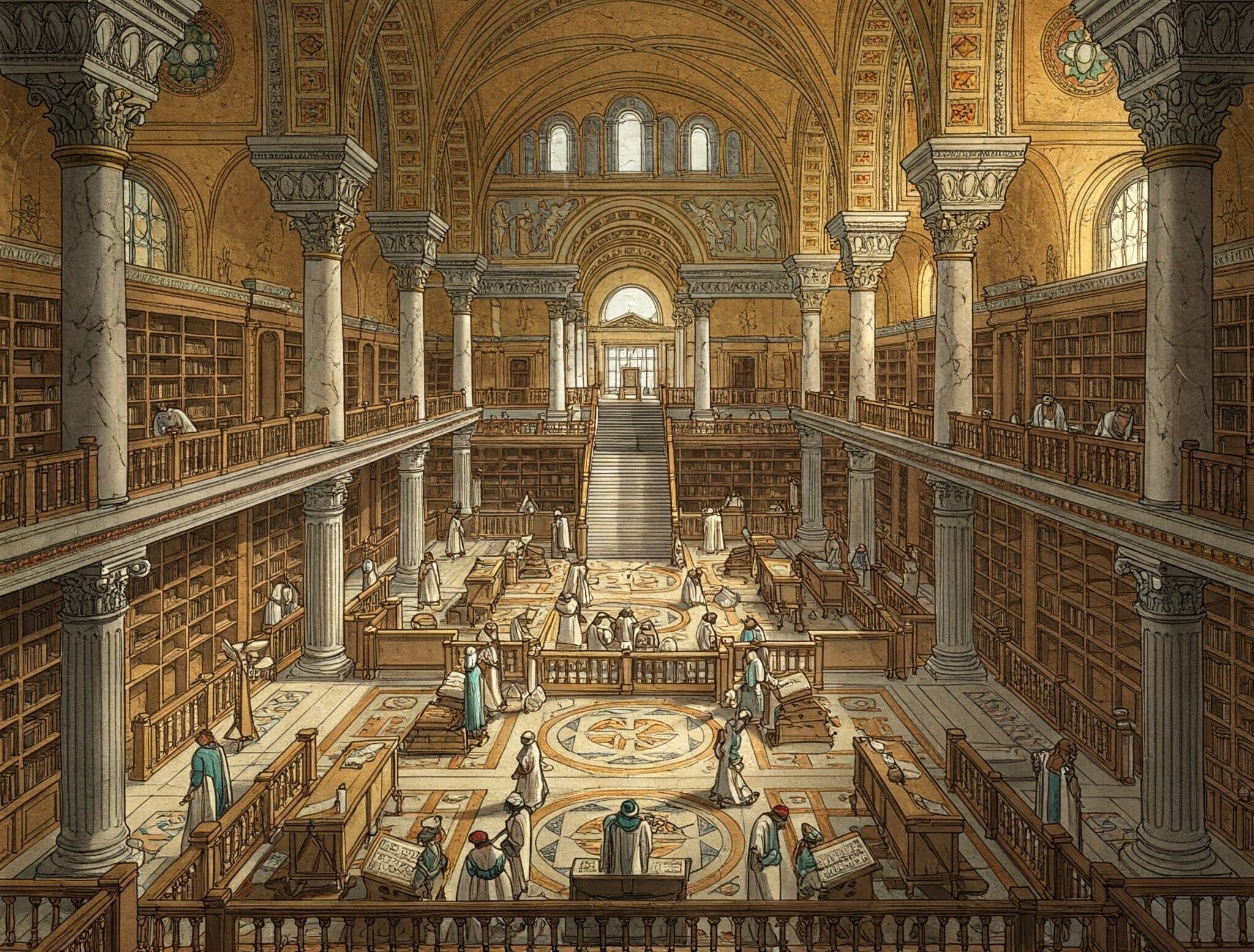
Artistic impression of the an ancient library. Credit: Greek Reporter Archive
Scholars such as Euclid and Archimedes studied there. Librarians developed early cataloging systems and edited standardized versions of key texts.
The library suffered damage during Julius Caesar’s campaign in 48 BC, and its decline continued through later invasions and internal unrest. Despite its fall, the model it established influenced libraries in Pergamum, Rome, and beyond.
Ancient Greek libraries as public learning hubs and private intellectual sanctuaries
Ancient Greek libraries shifted knowledge from private temples to public life. Athens and other city-states built libraries open to scholars and citizens. One early example is Aristotle’s personal collection, which became a foundation for later public institutions.
Private libraries also flourished. Wealthy individuals and philosophers curated collections for study and teaching. Plato, for instance, used their libraries to support schools such as the Academy. These libraries helped preserve philosophy, science, and literature and played a central role in Greek intellectual life.
View of the Acropolis of the ancient Greek Library of Pergamon. Credit: CalicoJackRackham / Wikimedia Commons / Public Domain
Public libraries enabled wider access to knowledge in the ancient world, while private collections fostered personal study and debate. Together, they formed a system that allowed Greek thought to spread across the Mediterranean.
Roman libraries as instruments of power, education, and governance
Rome expanded the library model throughout its empire. In 39 BC, Gaius Asinius Pollio opened the first public library in the capital. Emperors like Augustus followed, building libraries in temples and forums. These became cultural landmarks and centers for learning.
Roman libraries preserved works in both Latin and Greek, encompassing law, science, literature, and official records. They served not only administrative needs but also public education, fostering literacy and stimulating scholarly debate throughout the empire as access expanded.
Timgad Library, a gift to the Roman people by Julius Quintianus Flavius Rogatianus. Credit: Dan Sloan / Wikimedia Commons / CC BY-SA 2.0
Wealthy Romans maintained private collections. These libraries, often run by scribes and servants, became symbols of status. Imperial libraries, meanwhile, preserved state records and reinforced the authority of the emperor.
By preserving Greek and earlier texts, Roman libraries established a bridge between ancient and medieval scholarship, leaving behind a lasting legacy for Europe.
Collapse of ancient libraries and the long survival of their knowledge
Ancient libraries faced repeated threats. Fires, wars, and natural disasters wiped out entire collections. The Library of Alexandria was damaged during civil war, then weakened by centuries of neglect. With the fall of the Roman Empire, invasions, political turmoil, and shifting religious forces accelerated the decline of these repositories of knowledge.
In the Near East, the Library of Ctesiphon was destroyed during the Arab conquests. At Herculaneum, the eruption of Mount Vesuvius buried the Villa of the Papyri beneath volcanic ash, both preserving and damaging hundreds of scrolls.
However, fragments survived. In medieval Europe, monasteries preserved knowledge by copying ancient texts by hand. Across the Islamic world, scholars translated Greek, Roman, and Persian works into Arabic, safeguarding ideas that had vanished elsewhere. These efforts carried the legacy of antiquity into the Renaissance and, ultimately, the modern era.
The fall of ancient libraries marked the end of an era but not the end of their influence. Their legacy endures in today’s institutions, which continue the timeless mission of collecting, preserving, and sharing human knowledge.

 Login
Login