
Reading view

Russia can’t attack NATO right now—ISW explains what the new border bases are really for
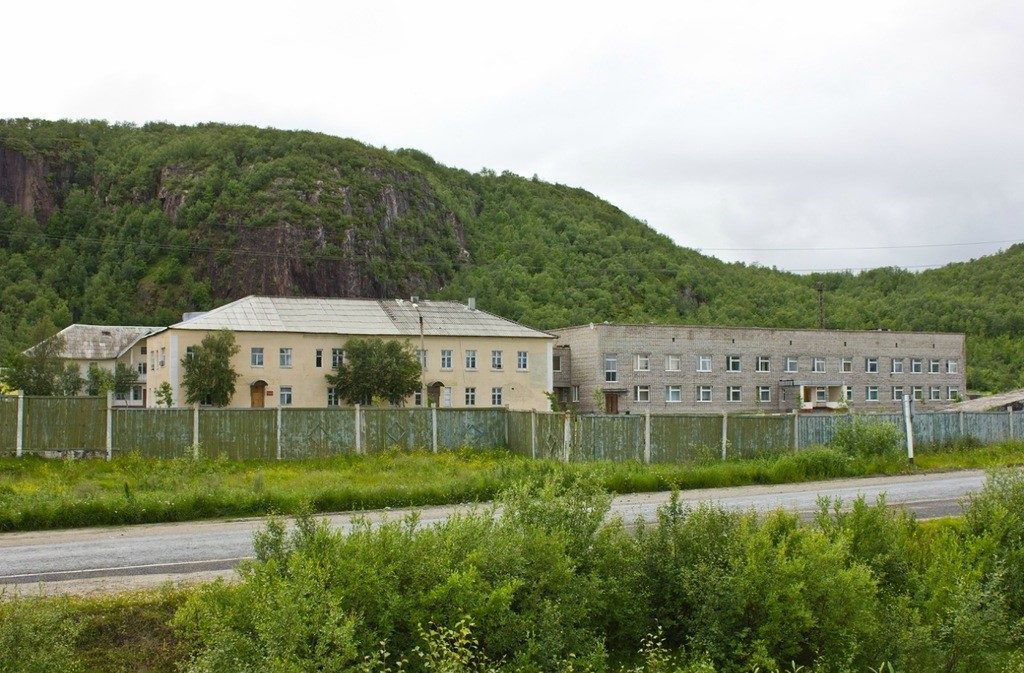
russia can't attack nato right now—isw explains what new border bases really · post facilities russia's 200th separate motor rifle brigade northern fleet's coastal troops pechenga district murmansk oblast 15-20

Russia is building new military bases and expanding existing ones along its northern border with NATO, according to ISW. The Institute for the Study of War (ISW) assesses that the construction likely supports future Russian force projection against the alliance. Near-term Russian ground operations remain unlikely, the think tank notes, since most Russian combat power stays committed in Ukraine.

Western officials have tracked Russia's military buildup near its European neighbors since well before the latest satellite findings, and Moscow's large-scale exercises near alliance territory have repeatedly rehearsed confrontation scenarios.

Satellite images show construction from Norway to Kaliningrad

Broadcasters in Norway, Sweden, and Denmark, together with a Baltic news portal, published satellite findings of the buildup on 10 JuneRussian forces are putting up new facilities and growing old ones near the frontiers of the Nordic and Baltic states. Intelligence officers and senior commanders in Denmark told broadcaster DR the work amounts to preparation for conflict. They see nothing indicating Moscow has actually decided on war, not least because the bulk of its army remains tied down in Ukraine.
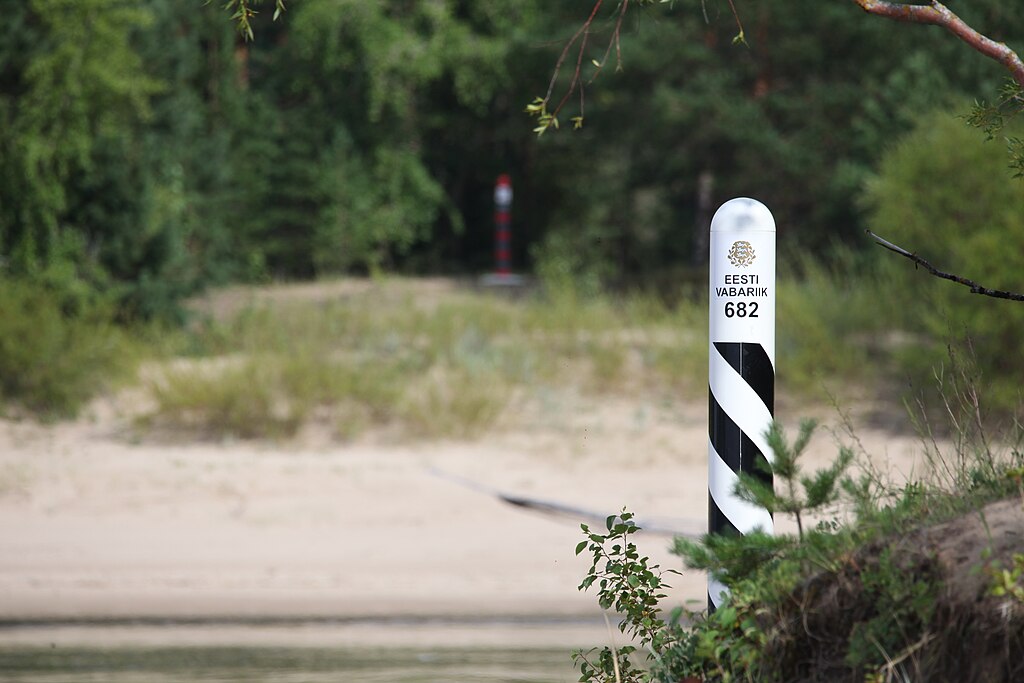
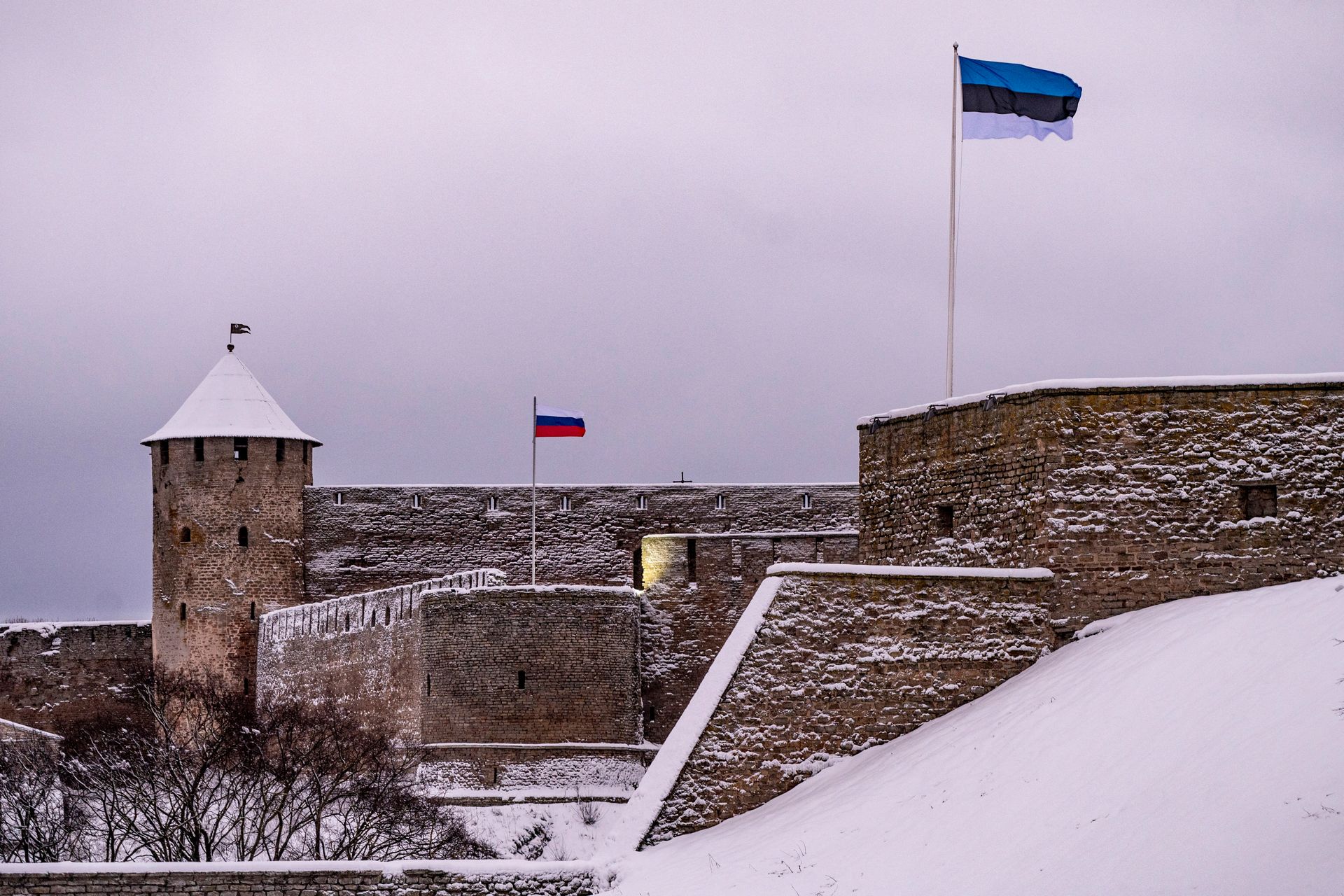
Estonian and Russian border posts at Narva-Jõesuu on the Estonia-Russia border
Explore further

“We don’t think all of this is just for demonstration”: Russia is constructing infrastructure with potential capacity up to 115,000 personnel on NATO’s doorstep

Finland braces for 80,000 Russian troops at its border

Marko Eklund, a former Finnish intelligence officer, told DR that the Russian command plans to deploy about 115,000 troops at the northern NATO border. That deployment would come after the war in Ukraine ends. Construction has begun on a new Russian base at Novaya Vilza, outside Petrozavodsk in the Republic of Karelia. The site sits roughly 190 kilometers from Finland and will hold 4,000 to 6,000 personnel. Russia began renovating an abandoned Soviet-era garrison in Petrozavodsk earlier this year. Finland's army chief, Pasi Välimäki, expects Russia to put 80,000 soldiers on the shared border, he told Swedish broadcaster SVT.
isw estonia warns russia's military buildup beyond war ukraine estonia-report russia building its capabilities only ongoing also preparation potential future conflict nato reported estonia's foreign intelligence service (efis) institute study
Explore further

ISW: Estonia warns of Russia’s military buildup beyond war in Ukraine

A corps command waits in Luga as Karelia bases rise

A source covering the Russian Northern Grouping of Forces claimed Russia's command is moving parts of the 44th Army Corps, a Leningrad Military District formation, to the Republic of Karelia. Only the command post stays behind for now. Those command-post elements currently sit in Luga, Leningrad Oblast, ready to shift to Petrozavodsk once Russia finishes the bases, the source claimed.
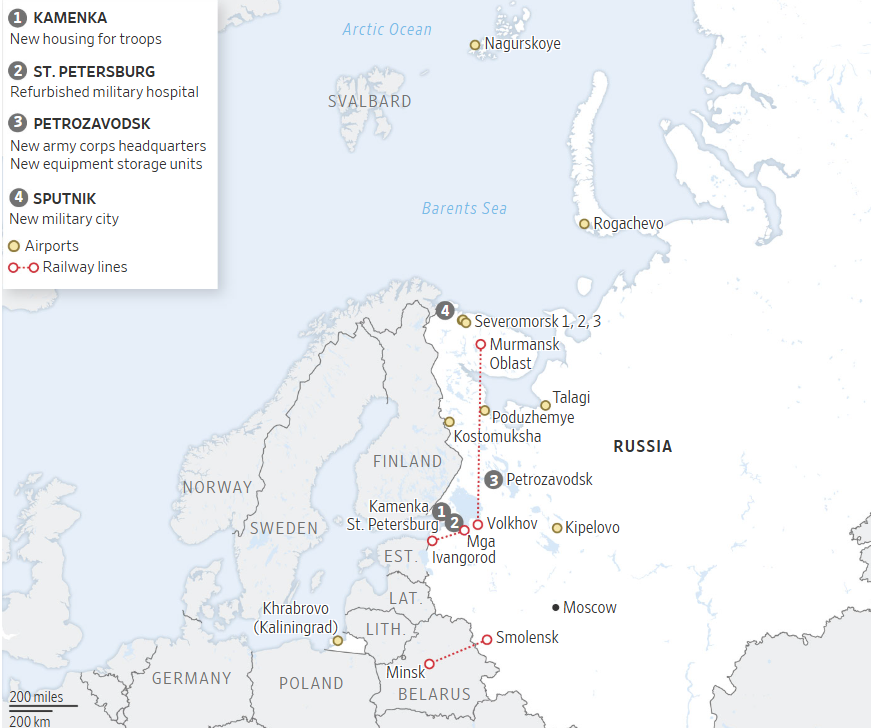
russian military near border with finland
Explore further

Russia builds up military presence near Finland’s border – WSJ

A Kremlin-affiliated Russian milblogger claimed on 11 June that crews are upgrading at least 19 barracks, along with support and storage buildings, at Pechenga on the Kola Peninsula in Murmansk Oblast. The site lies about 10 kilometers from the Norwegian border. The milblogger also claimed Baltiysk in Kaliningrad Oblast is getting a bigger naval infantry footprint, more armor, and additional landing craft.

ISW: bases serve post-war force projection

"Russia is establishing these bases to support potential future military actions against NATO, though such ground operations remain unlikely, as most of Russia's combat power is participating in operations in Ukraine," ISW says.

Once the shooting in Ukraine stops, the finished bases would shorten Russia's timeline for massing troops at NATO's frontier, ISW assesses. That leaves NATO needing the readiness to hold off — and, failing that, beat back — a Russian threat at its borders soon after combat in Ukraine stops, in ISW's assessment.
  •  

Germany was late to grasp Russian hybrid attacks, Bundeswehr colonel tells defence forum

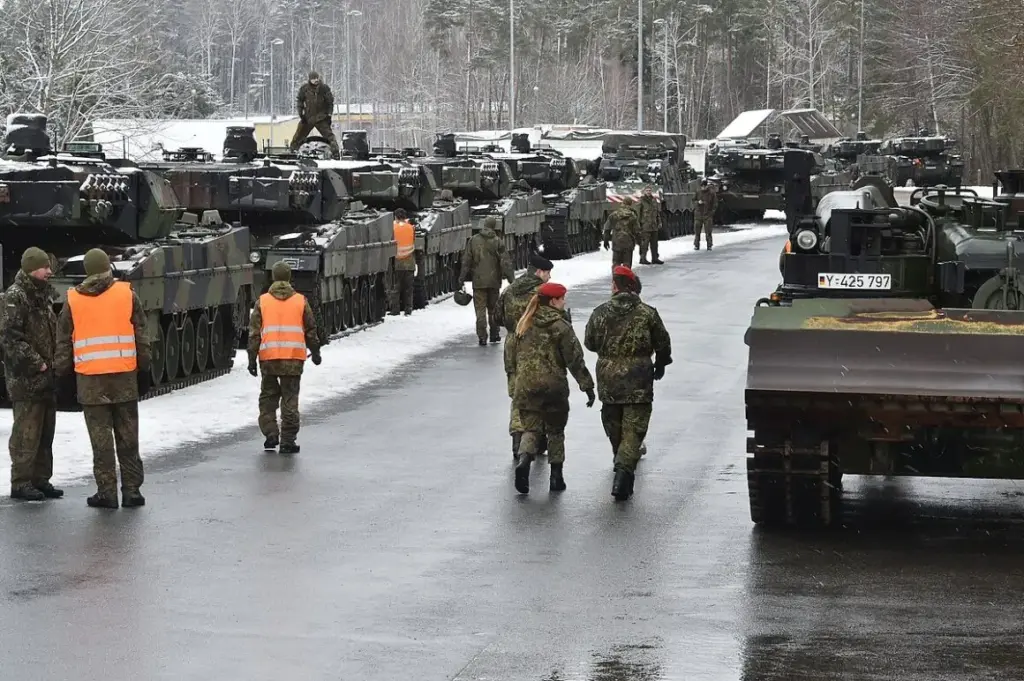
Bundeswehr troops and armored vehicles support NATO's eFP Battlegroup in Lithuania, part of Germany's posture against Russian hybrid attacks.

Hybrid threats span both hardware and politics, said Colonel Sönke Marahrens. The list of methods includes overflights, the cutting of undersea cables, and a concerted disinformation campaign. It also reaches into political and judicial systems, including what he called the "disposable agent" model —civilians recruited online for one-off sabotage or surveillance. As a model for how the state should respond, Colonel Marahrens pointed to Finland. Authorities there detained a suspected sabotage vessel within an hour of Baltic Sea cable damage.

Russian hybrid attacks: a political shift acknowledged late

Recognition had arrived slowly, Marahrens told the New Age Defence forum in Berlin on 8 June, Ukrinform reported. "Germany recognized rather late that we are being attacked by such hybrid methods," the colonel said. "But I would say that in the last year and a half to two years, we see a shift at the political level as well."

The colonel heads a department at the Bundeswehr's Center for Digitalization and Capability Development. The center reports to the Cyber and Information Domain Command in Bonn. German intelligence services and state institutions are increasingly informing citizens of the changing security environment, he said.

Drones, cables, and courts

Russian pressure now reaches beyond physical sabotage, Marahrens said. "It's not just drones and not just undersea cables, it's also disinformation within our society. It's the use of the political and judicial systems, the concept of 'disposable agents,'" he said.

Unidentified drones over European critical infrastructure, including German sites, had a primarily psychological effect, the colonel said. The impact was not military. Germany's National Security Council should receive real powers for rapid decision-making, he argued. The colonel cited Finland's response time of less than an hour after the Baltic Sea cable damage.

"Creating societal resilience is something we in Germany have yet to learn." — Col. Sönke Marahrens, Bundeswehr Center for Digitalization and Capability Development

Kyiv's resilience is something Berlin lacks

Germany draws on Ukrainian wartime experience through financing, joint training, and front-line exchanges, Marahrens said. "We support Ukraine financially," he said. "We also adopt the experience gained from the battlefield. We provide training for them, and we also adopt experience from them during joint exercises at our training grounds."

The most important Ukrainian lesson, the colonel said, is societal resilience under wartime conditions. "Creating societal resilience is something we in Germany have yet to learn," Marahrens said. The Kremlin coordinates large-scale hybrid operations across Europe, the agency added. These campaigns aim to discredit Kyiv and inflame internal conflicts in EU states amid Russia's war on Ukraine.

  •  
❌