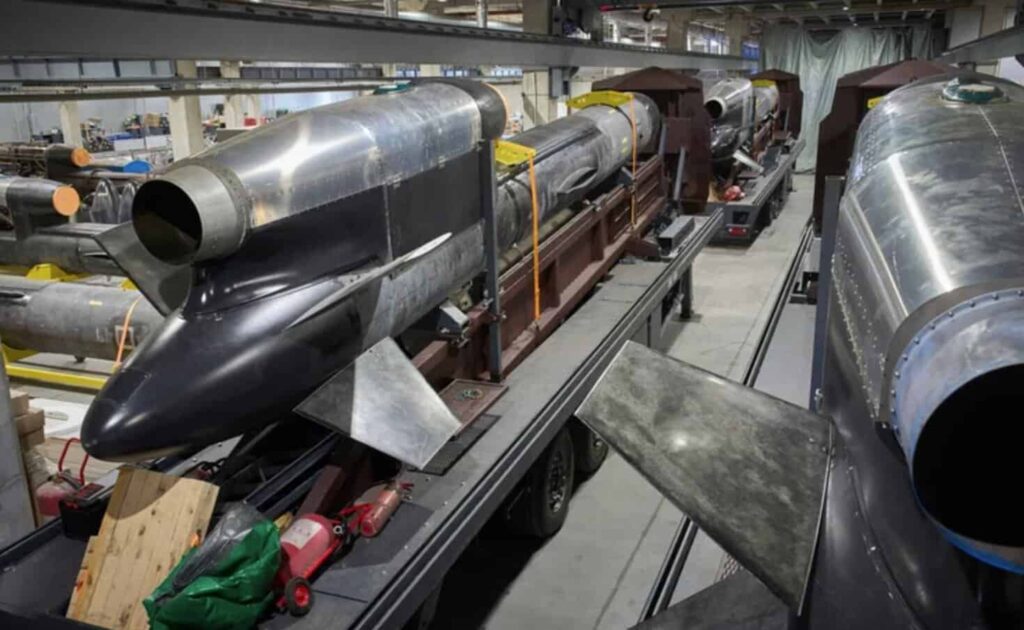
Germany's missile maker Diehl Defence is negotiating to manufacture Ukraine's Flamingo cruise missile in Germany, the Financial Times reported. Talks with the Ukrainian developer Fire Point are planned for the coming weeks, as European states hunt for weapons able to reach deep into Russia.
Four years of full-scale war have turned Ukraine's defense industry from an aid recipient into a source of battle-tested designs, with Kyiv's manufacturers now fielding interceptor drones and advancing a domestic
ballistic missile program that European militaries increasingly want to tap. German Flamingo production would hand Europe a ground-launched deep-strike weapon independent of Washington's political swings, while giving Fire Point the orders and financing to scale output.
"This could really happen"
Diehl chief executive Helmut Rauch briefed journalists during the ILA Berlin Air Show.
"We are in discussions about how we could work together," he said. "I think this could really happen. In the next few weeks, we have several meetings regarding this and then we will see."
For a new product, he added, it "makes a lot of sense to have it also in Germany or other countries," and Diehl is "optimistic and positive" about cooperation. The Ukrainian outlet Militarnyi noted that joint output of the FP-5 Flamingo in Europe could become the largest example of NATO countries adopting Ukrainian defense know-how.
Explore further
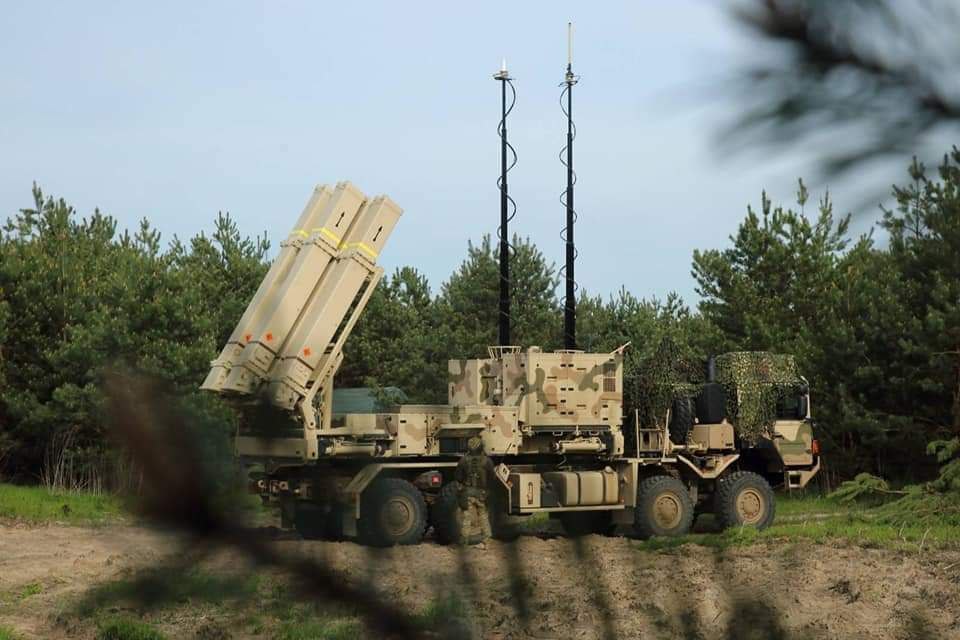
Germany delivers IRIS-T to Ukraine — high-tech system that engages cruise missiles, as Russia continues to strike residential buildings
German Defense Minister Boris Pistorius, visiting Kyiv last month, said the "technological leaps here in Ukraine are remarkable." Joint ventures are being explored for long-range drones, air defenses, and electronic warfare, he said.
The initiative comes as Berlin scrambles to replace US Tomahawk missiles that were due in Germany this year alongside an American battalion. US President Donald Trump scrapped that Biden-era decision amid friction with Chancellor Friedrich Merz around the war in Iran.
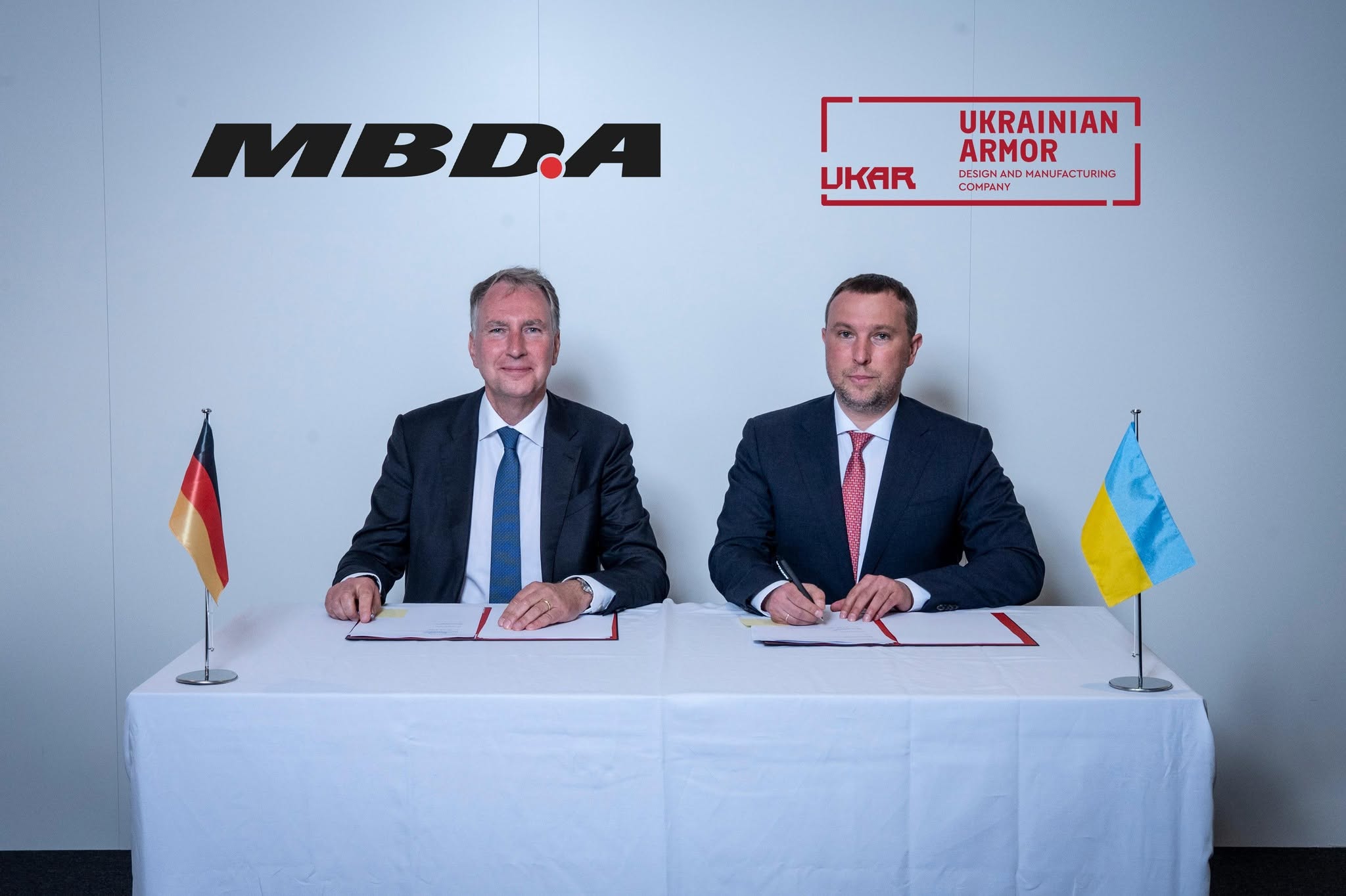
Diehl builds the Iris-T air-defense system, a mainstay of Ukraine's protection against Russian missile attacks. The firm inked a technology deal with Fire Point in April without disclosing details.
Explore further
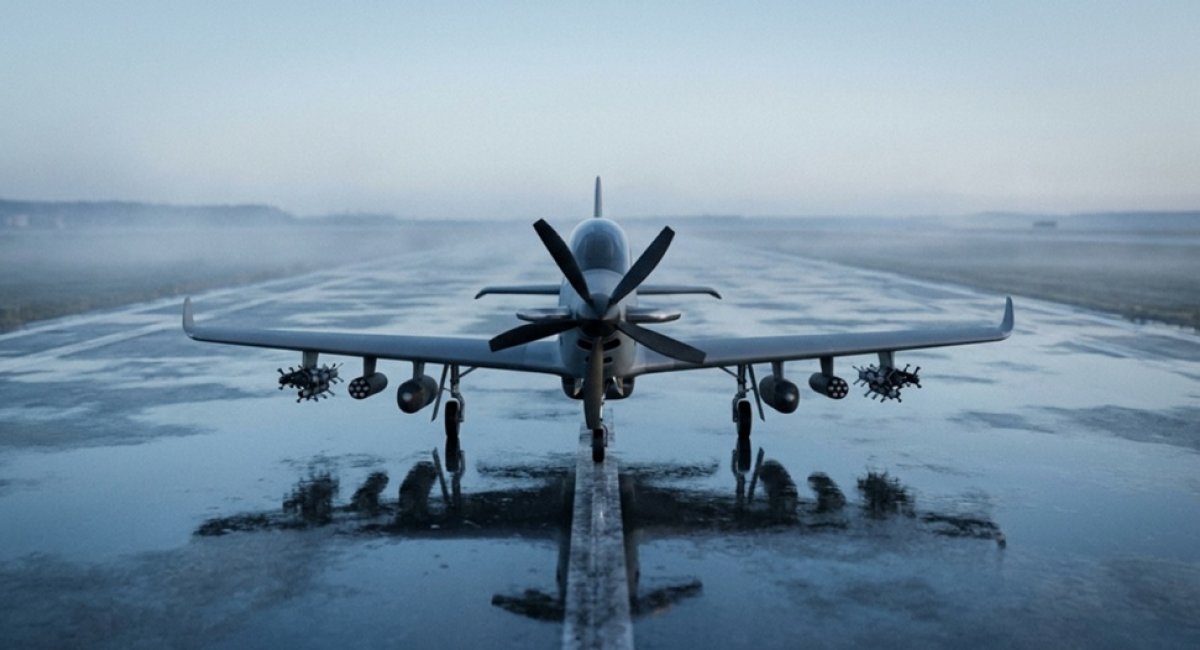
German company that already supplies Ukraine with drones has unveiled Shahed-hunter aircraft with four weapons categories on single airframe
Twice the Tomahawk's range, 200 missiles a month
The ground-launched Flamingo claims over 3,000 km of reach — roughly double the Tomahawk's. The missile has so far played a limited part in Ukraine's long-range campaign, and some reports have questioned its effectiveness. At least two Flamingos, though, struck a military plant in the Russian city of Cheboksary on 10 June, about 900 km from the Ukrainian border — the longest successful known Flamingo strike so far.
Fire Point co-founder and chief designer Denys Shtilierman told the Financial Times in May that the company turns out about 200 Flamingos a month with capacity to spare.
"We just need orders and money," he said, admitting an engine bottleneck he expected to resolve soon.
So far, however, publicly documented Flamingo attacks remain limited to a handful of strikes, each involving only a small number of missiles.

 Login
Login