Reading view

Ravenstorm At The Center Of Airbus’s New Combat Drone Portfolio

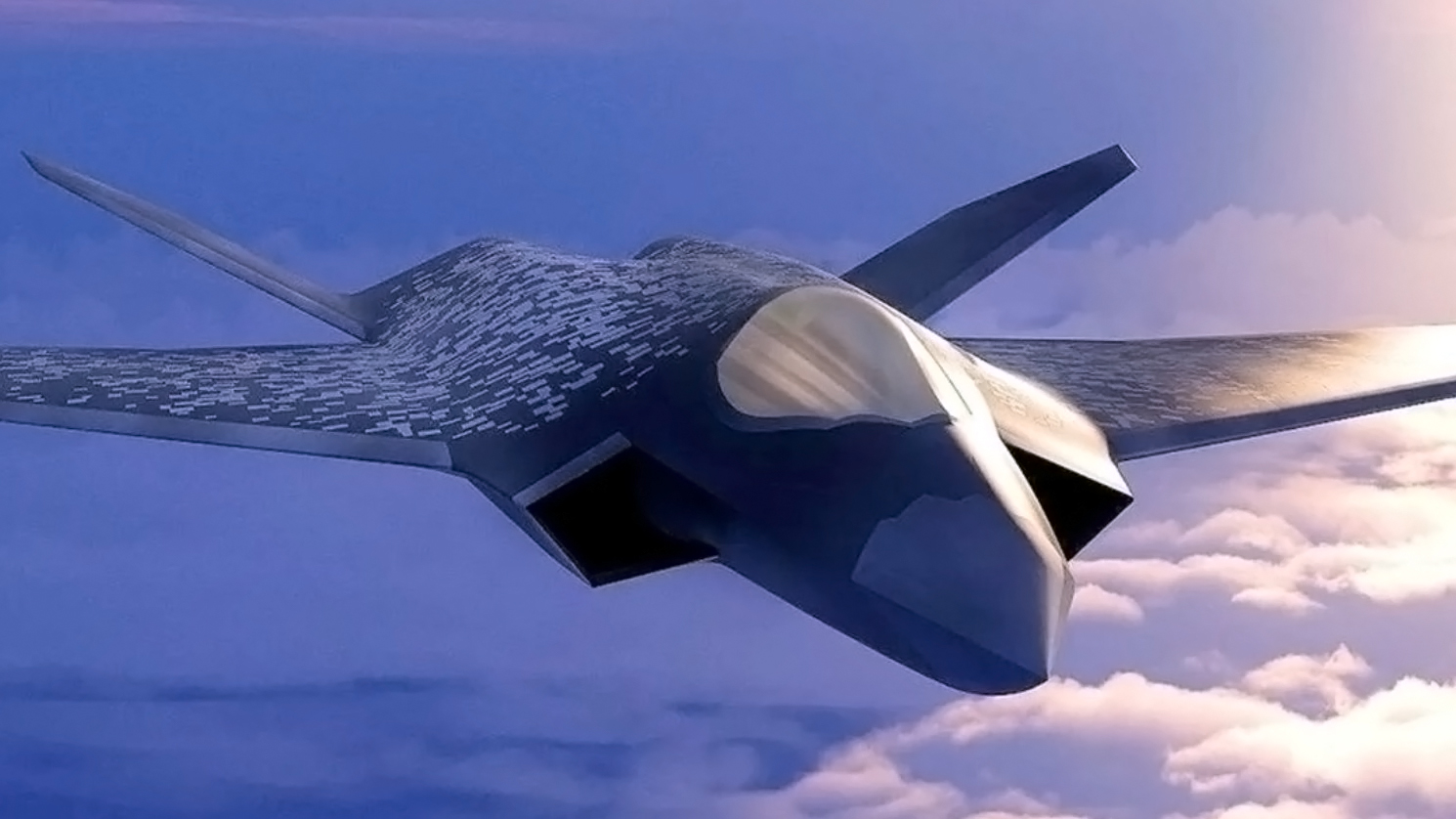
Airbus has pulled the wraps off the U760 Ravenstorm, a combat drone designed to operate alongside fighter aircraft in air-to-air combat, strike missions, and electronic warfare roles. The new uncrewed aircraft is part of a revamped drone portfolio from the company, which also includes a Europeanized version of the stealthy XQ-58A Valkyrie, a medium-altitude long-endurance (MALE) platform, various tactical solutions, counter-drone systems, as well as the U145 uncrewed helicopter that you can read more about here.

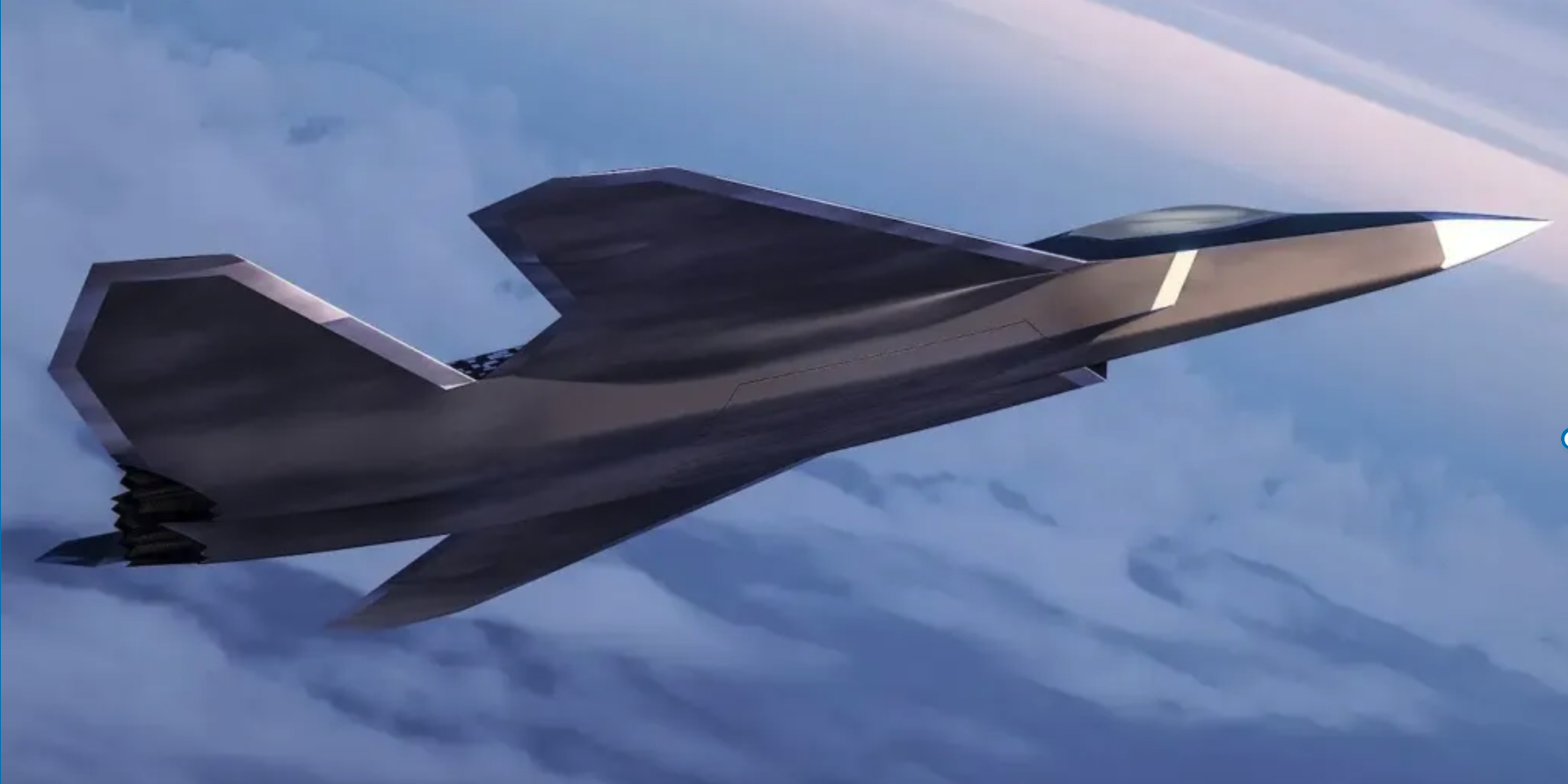
The timing of the announcement — and the unveiling of the Ravenstorm, in particular — is especially notable given the recent collapse of the Franco-German-led plan to build a crewed New Generation Fighter (NGF) aircraft, as part of the broader, pan-European Future Combat Air System (FCAS) initiative. You can read more about this development here.
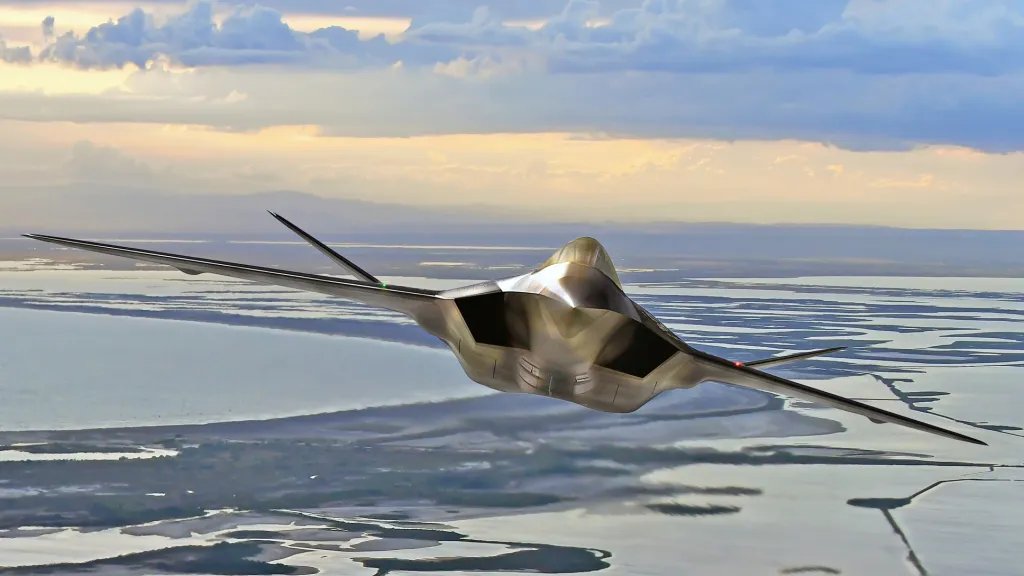
Concept artwork of the NGF, the crewed combat jet once intended to operate alongside various classes of drones. Dassault Aviation

On the eve of the ILA Berlin airshow, starting in the German capital tomorrow, Airbus showcased what it describes as “Europe’s most versatile drone portfolio.” The various products have been newly assigned a “U” prefix for uncrewed systems. This reflects the company’s policy of prefixing with an “A” for crewed fixed-wing aircraft, and an “H” for crewed helicopters.

“Whatever uncrewed or ‘drone’ capability our customers need to strengthen sovereign air power, we deliver,” said Mike Schoellhorn, CEO of Airbus Defence and Space, in a company press release. “Our portfolio ranges from rapid-response drone interceptors and various tactical drones, autonomous cargo helicopters to uncrewed fighter aircraft UCCAs (uncrewed collaborative combat aircraft) operating co-operatively with crewed fighter jets.”

A graphic showing the new Airbus drone portfolio includes a Eurofighter (at far left) controlling examples of the U740 Valkyrie and U760 Ravenstorm. Airbus

“On the other side of the spectrum we have the Eurodrone, our very high payload and very long endurance ISTAR (intelligence, surveillance, target acquisition, and reconnaissance) platform,” Schoellhorn continued. “Airbus provides the entire envelope of uncrewed capabilities required for modern multi-domain warfare. All our systems come with open architectures and a European mission system compatible with the wider European and international defence ecosystem.”

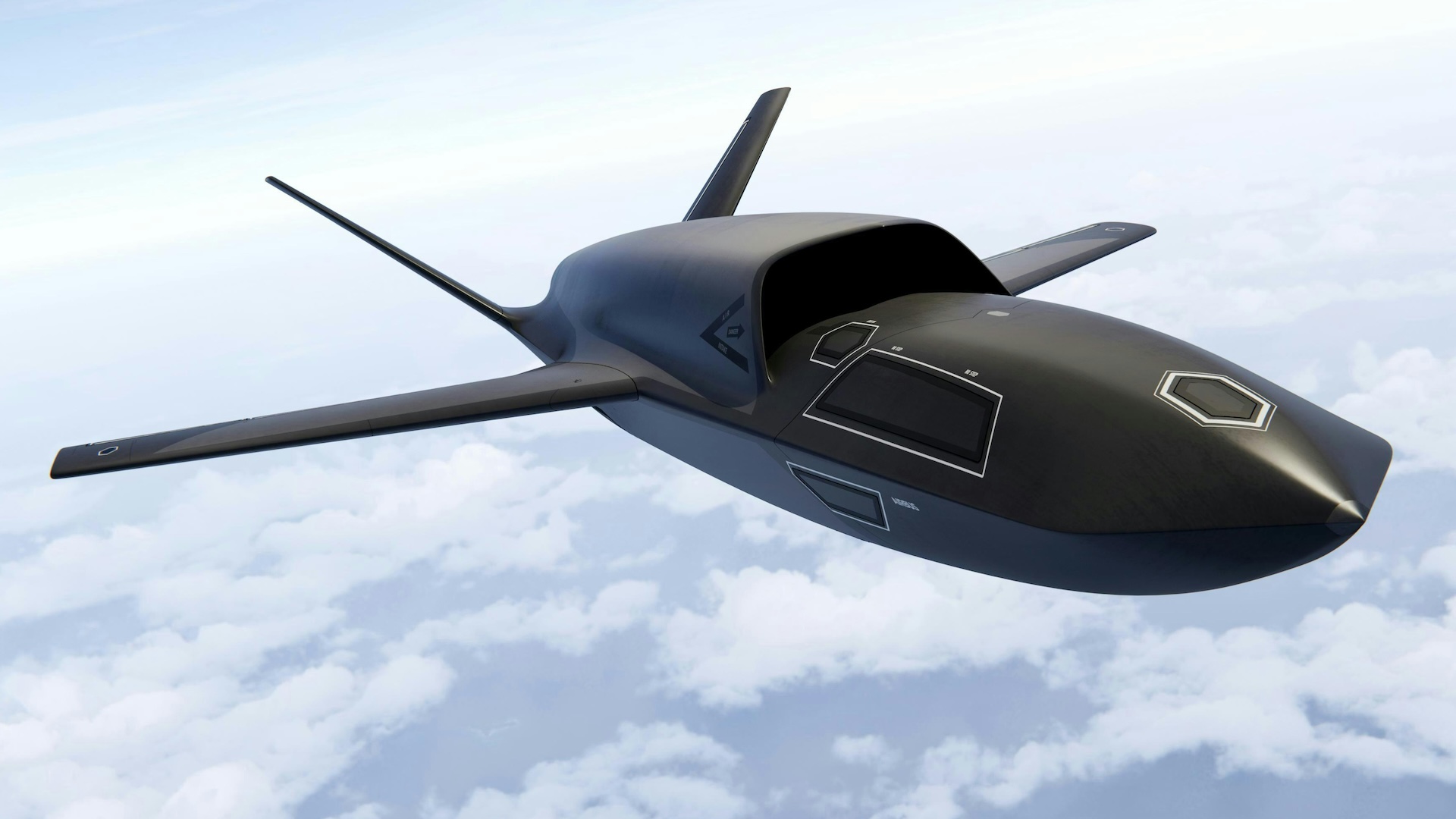
The most significant new arrival in the “U”-product line is the Ravenstorm combat drone, or U760.

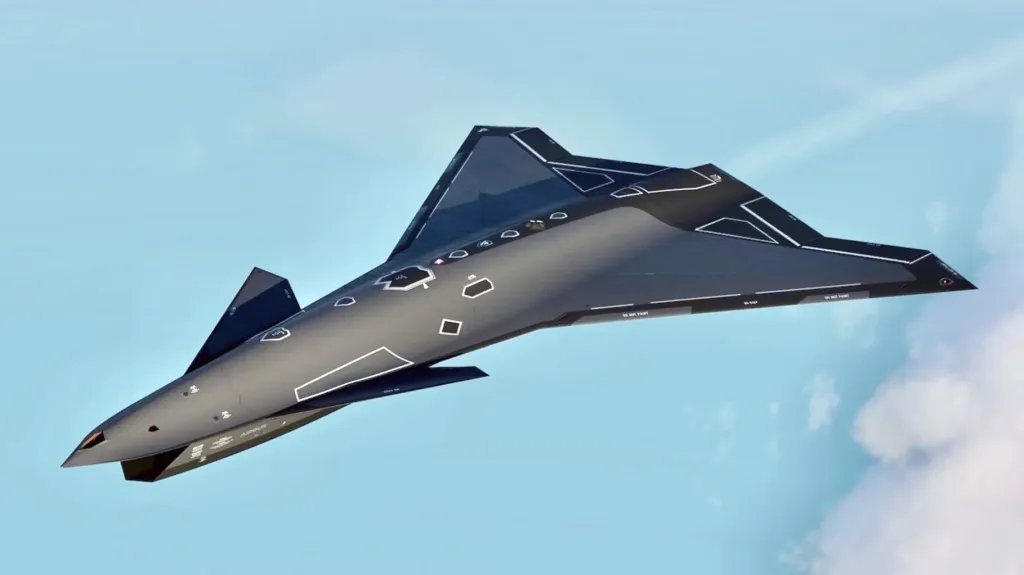
A 1:1 model of the Ravenstorm will be on display at ILA. The drone is approximately 43 feet long and has a wingspan of 33 feet. In terms of rough size and general appearance, the drone strongly recalls General Atomics’ YFQ-42A ‘fighter drone’ prototype, now flying under the first phase of the U.S. Air Force’s Collaborative Combat Aircraft (CCA) program. Like the U.S. drone, the Ravenstorm features a swept, mid-wing configuration optimized for stealth and maneuverability. It also has the same twin-tail configuration. Like the YFQ-42, the Ravenstorm has a dorsal inlet, although this is closer to that which appeared on the EADS Barracuda demonstrator that flew for the first time 20 years ago. The drone is clearly optimized with low-observable (stealthy) characteristics, although the inlet is notably large and lacks the trapezoidal shape found on the YFQ-42.
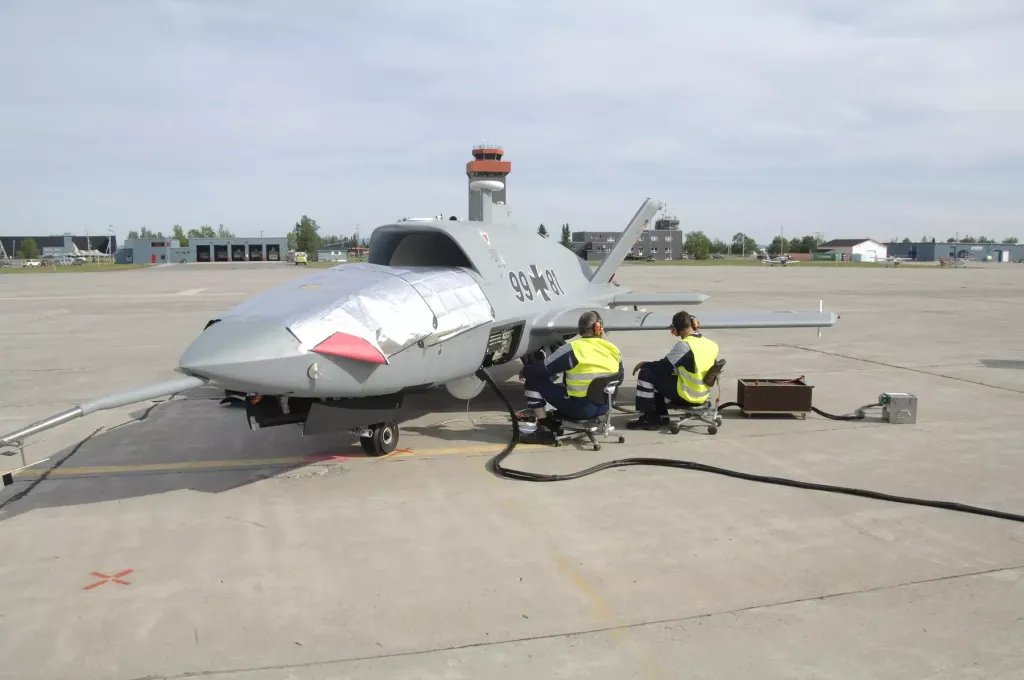
Ground crew working on the Barracuda technology demonstrator. Airbus

At the same time, it should be noted that, when it comes to combat drones in general, many of them take on a relatively familiar form driven by similar requirements.

Airbus describes the Ravenstorm as “the next evolution” in its “roadmap towards a scalable family of uncrewed collaborative combat aircraft.” It is not clear how many related designs might be planned, and in what kinds of sizes they may come, but the company has highlighted the kinds of missions they will be expected to fly. These include air-to-surface strikes using precision-guided munitions, air-to-air defense with long and medium-range air-to-air missiles, and electronic warfare for suppressing enemy air defenses. Further offensive counter-air missions will involve UCCAs providing non-kinetic jamming.

Ravenstorm will be available in the early 2030s, according to the manufacturer, which is, interestingly, offering the new design alongside a version of the XQ-58. In Airbus parlance, the Valkyrie is designated U740 and combines the Kratos-designed airframe with Airbus’ proprietary Multiplatform Autonomous Reconfigurable and Secure (MARS) Mission System.
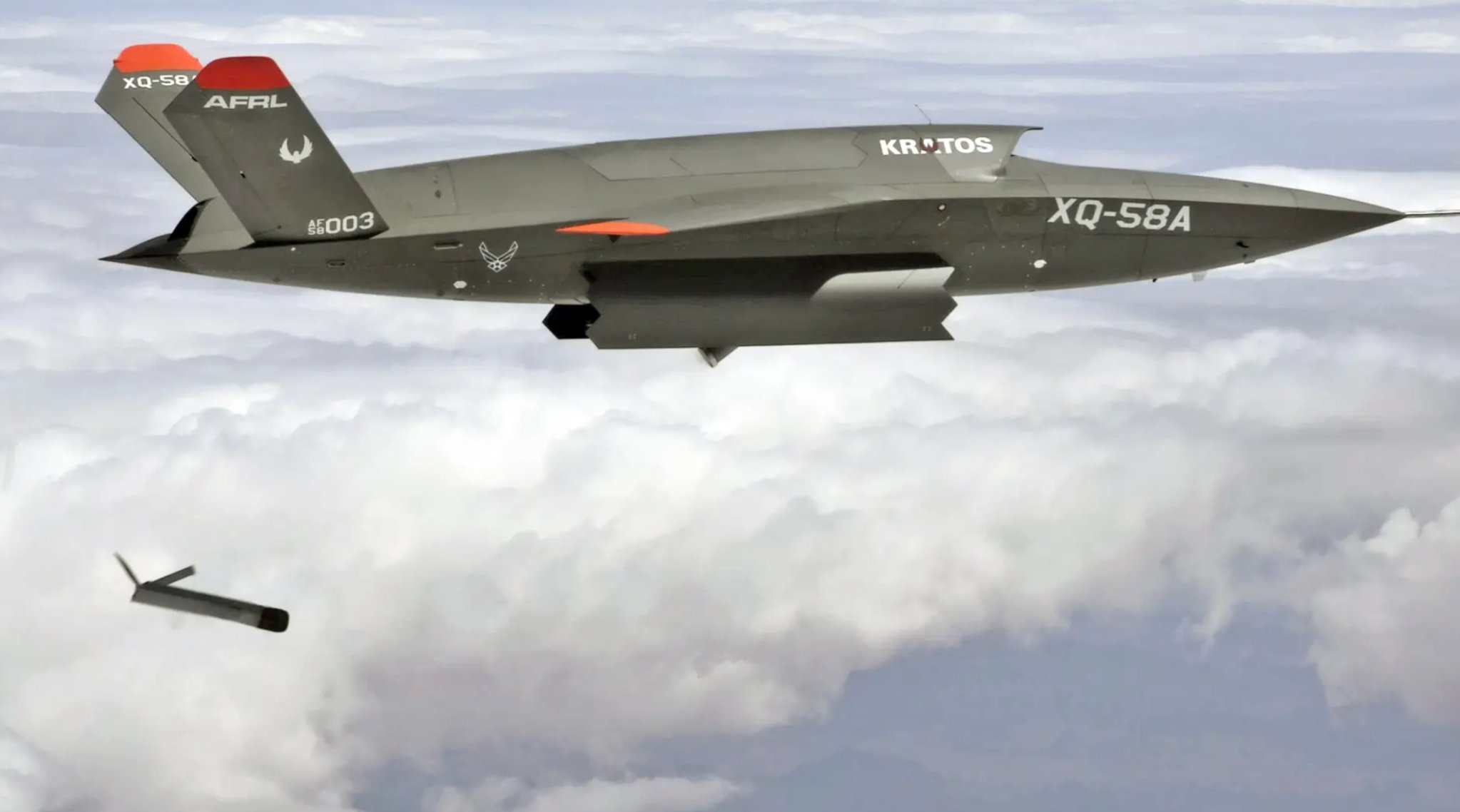
A U.S. Air Force XQ-58A deploying an ALTIUS-600 UAV from a Common Launch Tube. U.S. Air Force

For the U740, Airbus provides a notably precise planned date of service entry: 2029, with the German Air Force. This would appear to reflect a specific Luftwaffe requirement for a drone in this class, although it remains unclear if the Valkyrie has been formally selected by the German military. Airbus furthermore expects the U740 to be used in operational experimentation teamed with the Luftwaffe’s Eurofighter combat jet, including demonstrating initial air-to-ground capabilities.
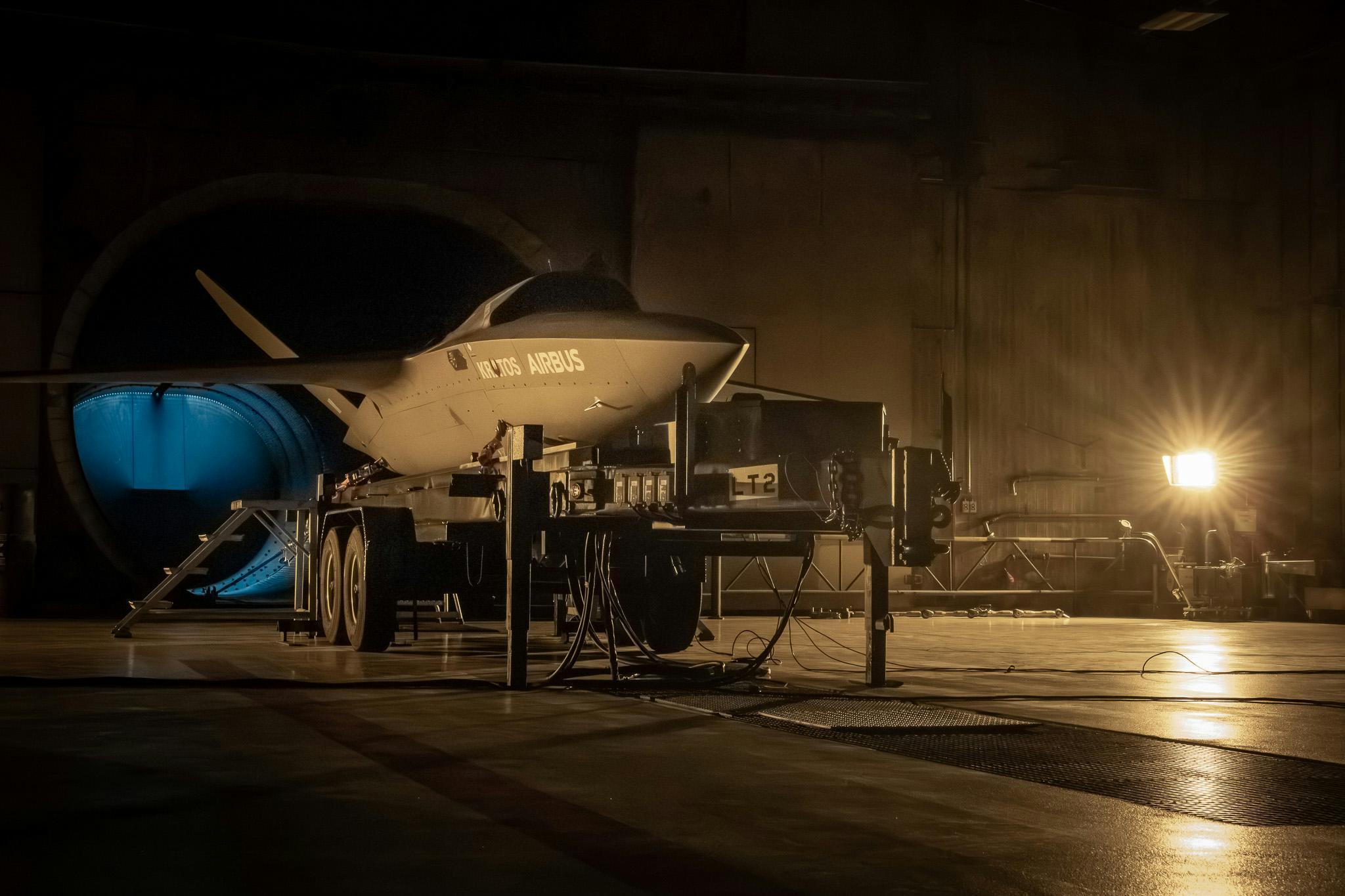
The U740 Valkyrie on its launcher. Airbus

Returning to MARS, this is Airbus’ sovereign mission system, consisting of an AI-supported software core to enable platform autonomy. The system is scalable so that it can be used across the entire Airbus drone portfolio. It is also planned for use on the U950 Eurodrone — the new designation for the Eurodrone MALE platform. This twin-turboprop drone is now in development for missions including ISTAR, early warning, and anti-submarine warfare, and is planned to make its first flight in 2029.

A rendering of the Eurodrone MALE conducting a maritime mission. Airbus

As for Airbus’s two-track approach to UCCAs — U740 Valkyrie and U760 Ravenstorm — the thinking behind the two offerings, also of broadly similar sizes, likely reflects different cost points. The Valkyrie was designed from the ground up as a lower-cost aircraft and is runway-independent in its original form (since then, Kratos has announced a version with wheeled landing gear and there also exists the ability to launch the Valkyrie from a wheeled launch trolley, if required). Meanwhile, the Ravenstorm appears to be a more capable and costly platform, making it a closer match to Increment 1, the first phase of the U.S. Air Force’s CCA program.
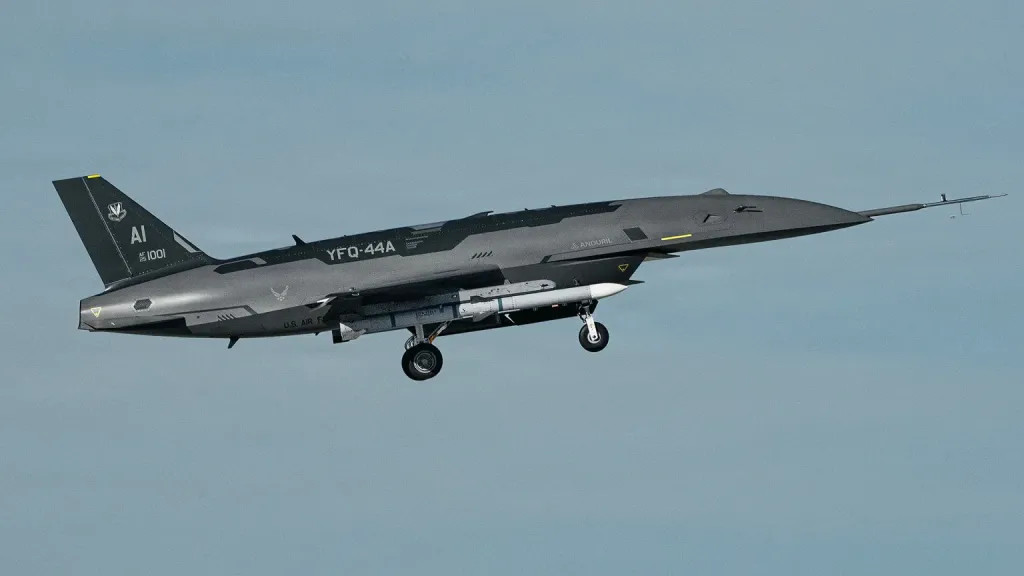
The Anduril YFQ-44, produced for Increment 1, the first phase of the U.S. Air Force’s CCA program. U.S. Air Force

It could be that the company has already identified specific national or service requirements (such as the Valkyrie for the Luftwaffe) that it aims to capitalize on. There could also be a plan to use the Valkyrie more for operational experimentation of the UCCA concept before focusing more on the fully sovereign Ravenstorm, including potentially scaling it up or incorporating other significant airframe changes — like higher performance, larger payload, improved low-observable characteristics.

Also unclear is the status of Airbus’s stealthy Wingman, a CCA-like concept that was unveiled at the last ILA Berlin airshow in 2024. This was also presented in the form of a 1:1 model, with a length of 51 feet and a wingspan of 39 feet. The drone was planned to be powered by the same Eurojet EJ200 turbofan as the Eurofighter, providing a proven powerplant and useful commonality.
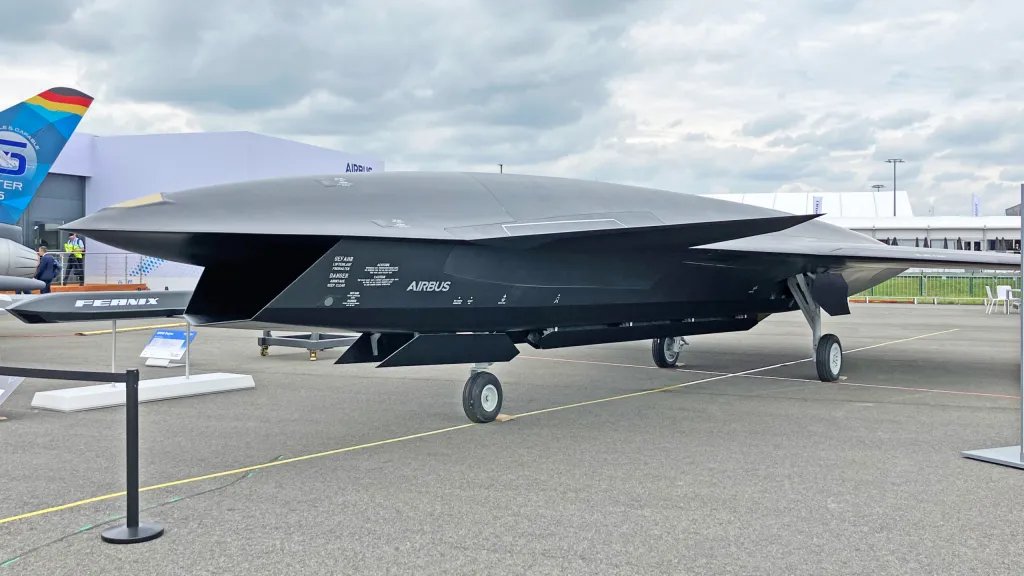
The Airbus Wingman concept aircraft, which Airbus leadership said should provide a unit cost that’s equivalent to one-third that of a modern crewed fighter. Thomas Newdick

At the time, Airbus noted that the German Air Force had “expressed a clear need” for a drone that would be able to operate in conjunction with crewed fighters before the arrival in service of the NGF, which was then slated for some time in the 2040s.

Whether the Wingman has now been abandoned entirely is unclear, but the Luftwaffe still has a requirement for an uncrewed companion that can work alongside its forthcoming Eurofighter EK electronic warfare jets. This is a role for which Airbus is earmarking the Ravenstorm, in particular, although it should be noted that the U.S. Marine Corps is also focusing heavily on the electronic warfare mission for the Valkyrie drone.
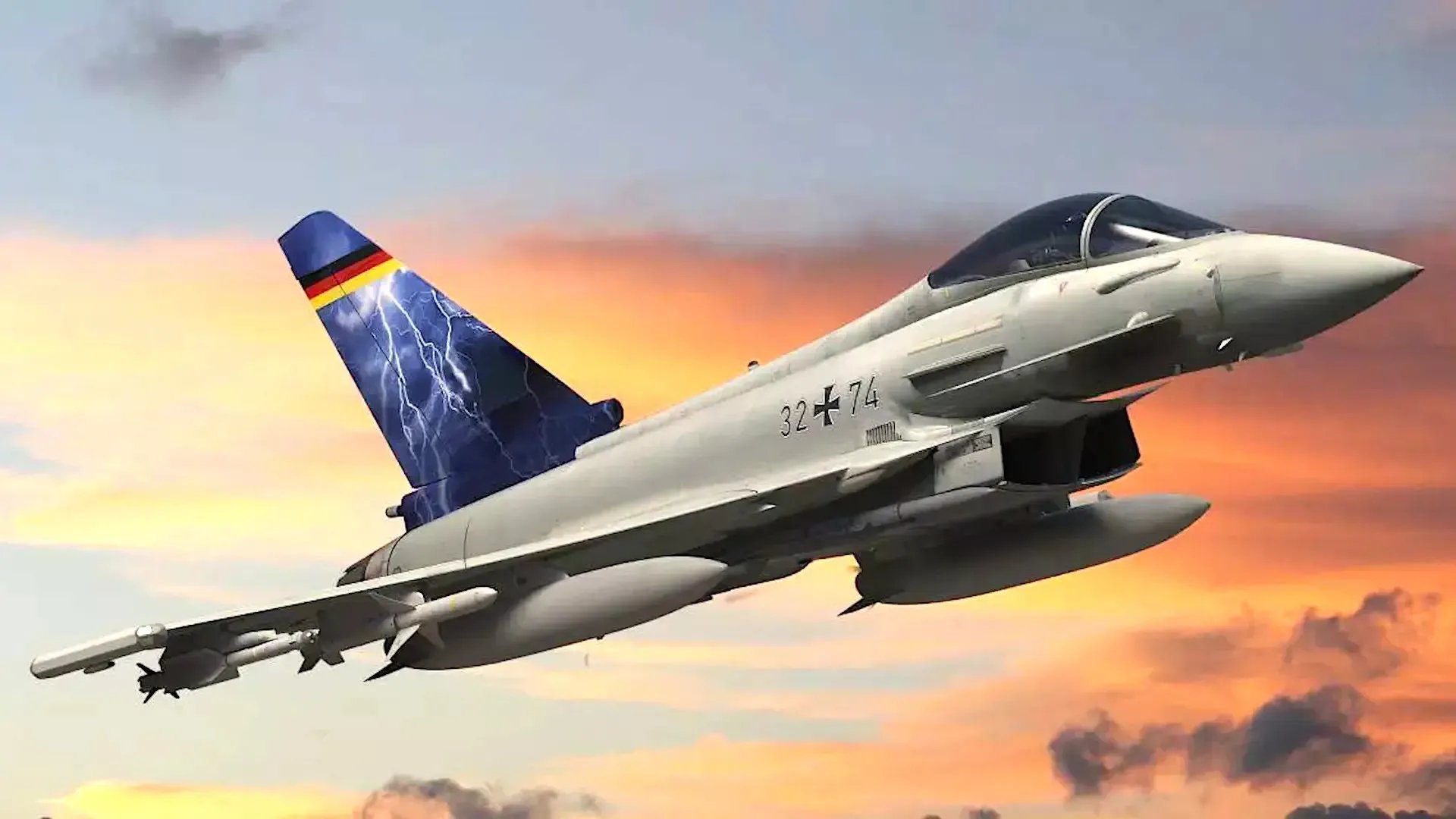
A rendering of a Eurofighter EK for the German Air Force. Airbus

All of these Airbus efforts are being informed by experience testing the Barracuda, work on which began in 2003, initially as a ‘black program.’ After six test campaigns, the Barracuda was retired.

The company will also be leveraging prior work from the Airbus Low Observable UAV Testbed (LOUT) program. A stealthy demonstrator, LOUT was not flown but was run by the company in strict secrecy until finally it was publicly disclosed in 2019, as you can read about here.
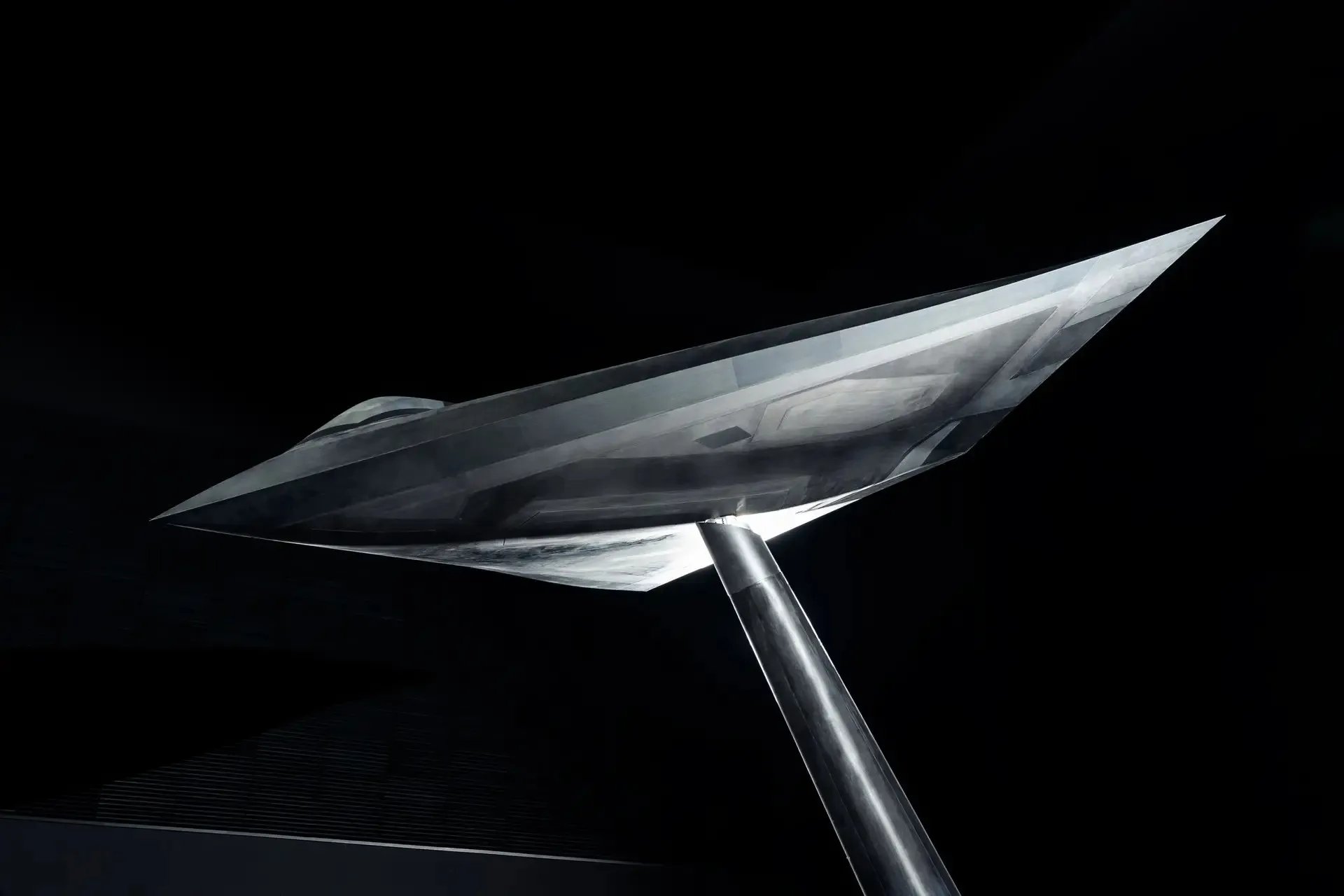
A four-ton LOUT model used for aerodynamic and anechoic chamber testing. Airbus

Undoubtedly, the significance of Airbus’s new-look drone roster, and above all the appearance of the U760 Ravenstorm alongside the U740 Valkyrie, is greater now that the FCAS program’s crewed New Generation Fighter is seemingly defunct.

It was always anticipated that the NGF would be operated as part of a wider ecosystem that also included CCA-like drones — what Airbus now refers to as UCCAs. Indeed, there were already efforts in place to start integrating combat drones with crewed fourth-generation-plus fighters like the Eurofighter and Rafale. Now that FCAS, or at least the NGF component of it, has been thwarted, Ravenstorm and Valkyrie offer a glimpse of where Europe’s combat aviation ambitions may be headed instead.

Collaborative combat aircraft like these emerged as a higher-mass, force-multiplying capability for current and future crewed fighters. In the interim, at least, the demise of the NGF means that these kinds of combat drones could be in even greater demand within Europe, where there is already a pressing need for larger tactical air combat fleets, while resources are limited. At the same time, CCA-like drones promise to make existing fourth- and fifth-generation fighters even more potent, further driving demand both in Europe and elsewhere.

Contact the author: thomas@thewarzone.com


The post Ravenstorm At The Center Of Airbus’s New Combat Drone Portfolio appeared first on The War Zone.
  •  

Franco-German Future Fighter Effort Collapses Over Irreconcilable Differences

The troubled pan-European Future Combat Air System (FCAS) appears to have lurched to an undignified — but predictable — end, at least in its current form. A flurry of media reports today indicate that France and Germany, the two major partners in the program, have abandoned their program to develop a crewed New Generation Fighter (NGF) aircraft together, a conclusion supported by a French diplomat who spoke to TWZ today.

According to sources including the Frankfurter Allgemeine Zeitung, German Chancellor Friedrich Merz has urged French President Emmanuel Macron to pull the plug on the NGF. The German newspaper cited unnamed government sources in Berlin. Reportedly, the French and German leaders concluded that the companies involved — Dassault and Airbus — have been unable to reach agreement on key aspects of the project, specifically relating to the jointly developed fighter jet.

Concept artwork of the NGF future fighter. Dassault Aviation

At this stage, it is reported that Merz and Macron cannot see a future for the NGF, although it is apparently still unclear whether the French government fully shares this assessment and is prepared to accept its consequences.

At this point, it should be recalled that there are at least three separate FCAS initiatives in Europe.

As well as the pan-European version headed up by France and Germany, with Spain and Belgium as junior partners, there is a rival British-led FCAS. This has the Tempest crewed fighter as its centerpiece, involves Italy and Japan, and is now more commonly referred to as the Global Combat Air Program (GCAP). Finally, the Swedish next-generation combat aircraft program, led by Saab, is also known as FCAS.

Returning to today’s developments, French officials are reportedly surprised by what they viewed as uncoordinated messaging from Berlin. From Paris’s perspective, it is the responsibility of political leaders to provide industry with clear direction.

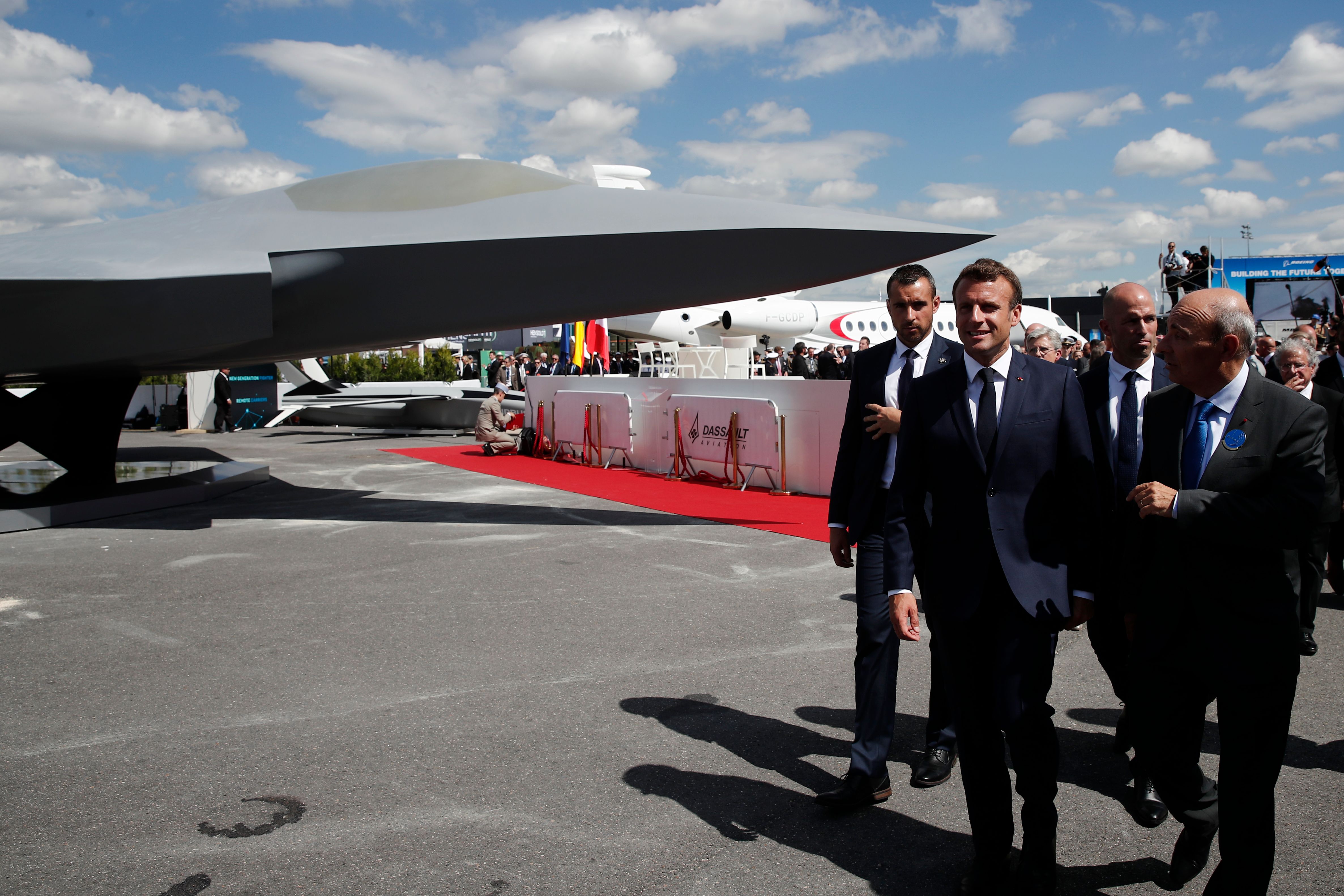
French President Emmanuel Macron talks with Eric Trappier, Chairman and CEO of Dassault Aviation, after the unveiling of the full-scale jet fighter model of the Systeme de Combat Aerien Futur (SCAF), the French-German-Spanish new generation Future Combat Air System (FCAS), during the 53rd International Paris Air Show at Le Bourget Airport near Paris, on June 17, 2019. (Photo by BENOIT TESSIER / POOL / AFP) (Photo credit should read BENOIT TESSIER/AFP via Getty Images)
French President Emmanuel Macron talks with Eric Trappier, chairman and CEO of Dassault Aviation, after the unveiling of a full-scale model of the NGF at the Paris Air Show in 2019. BENOIT TESSIER/AFP via Getty Images BENOIT TESSIER

The French government is also said to be frustrated over what it sees as Germany’s increasing preference for national solutions, which threatens to sideline its own industrial input.

A French diplomat told TWZ: “The President of the Republic and the Federal Chancellor have held extensive and frequent discussions on ways to move forward with this important project for European defense. Both leaders expressed regret that the industrial partners have been unable to reach an agreement on the continuation of the project. The German authorities considered that it was not possible to exert further pressure on the companies involved. France remains convinced that Franco-German cooperation is essential both for our two countries and for our European partners in the fields of defence and security.”

The diplomat added: “The French authorities will continue to encourage our industries and armed forces to explore avenues for ambitious European projects that are consistent with our national security interests.”

According to reports, Macron and Merz discussed the future of FCAS last week, in the latest of several recent efforts to keep the program on track. At the same time, however, Merz had become increasingly vocal about his skepticism regarding the project’s prospects.

The FCAS program was launched back in 2017, with the primary aim of replacing France’s Rafale fleet and Germany’s Eurofighters.

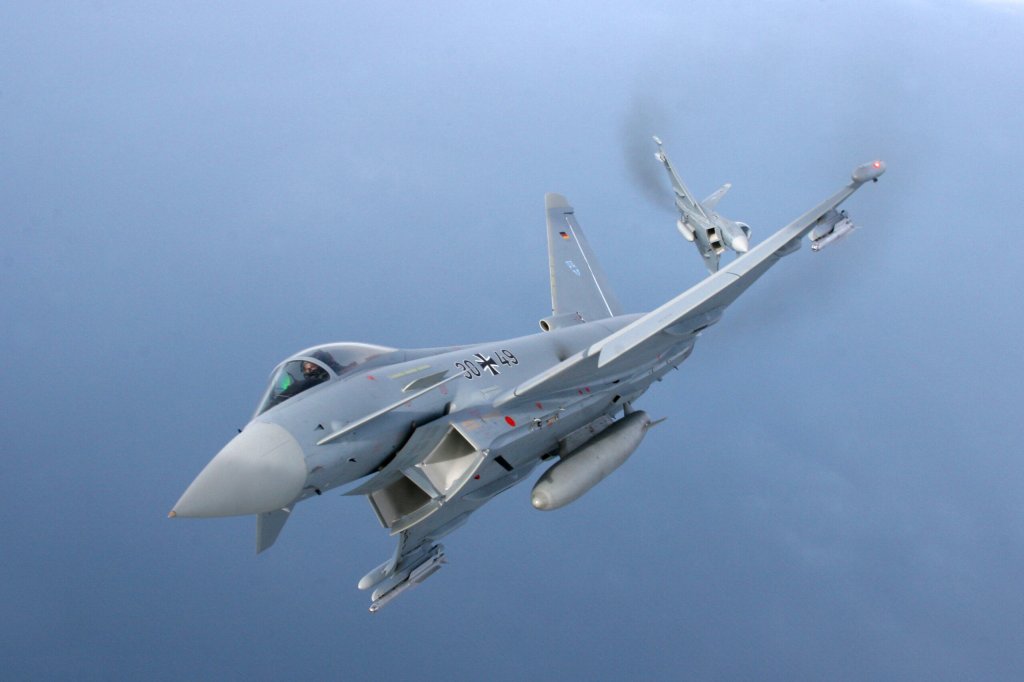
A German Luftwaffe Eurofighter pair. Bundeswehr/Bicker A pair of Eurofighters from Tactical Air Force Wing 73 “Steinhoff” during air-to-air training. Bundeswehr/Bicker

FCAS was envisioned as a next-generation European combat air system entering service around 2040, spearheaded by the NGF crewed fighter. As of 2022, it was envisaged that “in-flight demonstrations” would be achieved by 2028 or 2029. 

Before long, however, the project was overshadowed by arguments over workshare agreements, and it is unclear how far the partners had got in terms of agreeing on NGF requirements and starting its design.

For a while now, there have been reports that Germany is exploring alternative paths, including the possibility of separating itself from France within the program entirely.

By February of this year, Merz was publicly raising doubts about the program’s viability, arguing that key issues had never been fully resolved during the planning phase. According to the German leader, Germany and France have fundamentally different operational requirements for a future combat aircraft.

Merz pointed to the specific French requirements that call for aircraft to be capable of carrying nuclear weapons and operating from aircraft carriers. Merz argued that Paris is seeking to shape the aircraft around French military requirements, which do not necessarily align with Germany’s needs.

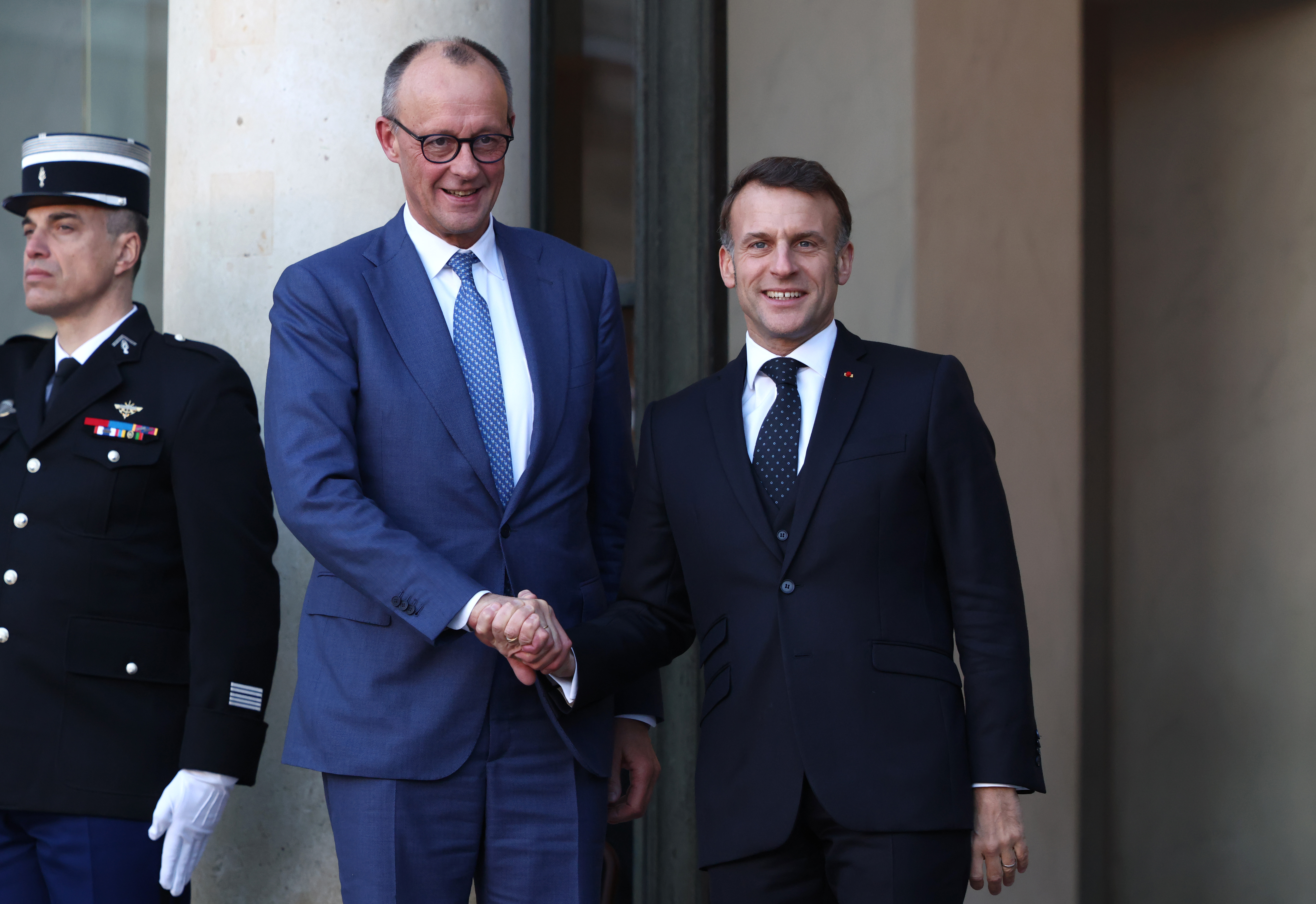
PARIS, FRANCE - JANUARY 06: French President Emmanuel Macron (R) greets German Chancellor Friedrich Merz upon his arrival at the Elysee Palace on January 06, 2026 in Paris, France. Leaders from around 30 countries are gathering in Paris to discuss military support for Ukraine, amid ongoing negotiations on a US-brokered peace plan to end Russia's war in Ukraine. (Photo by Tom Nicholson/Getty Images)
French President Emmanuel Macron (right) greets German Chancellor Friedrich Merz at the Elysee Palace in Paris in January 2026. Photo by Tom Nicholson/Getty Images Tom Nicholson

“This is not primarily a political disagreement,” Merz said. “The real issue lies in the requirements profile. If we cannot reconcile those differences, the project cannot continue.”

Within France, Dassault CEO Éric Trappier recently declared the FCAS project dead if Airbus refuses to cooperate, while Macron continued to make efforts to resuscitate the program.

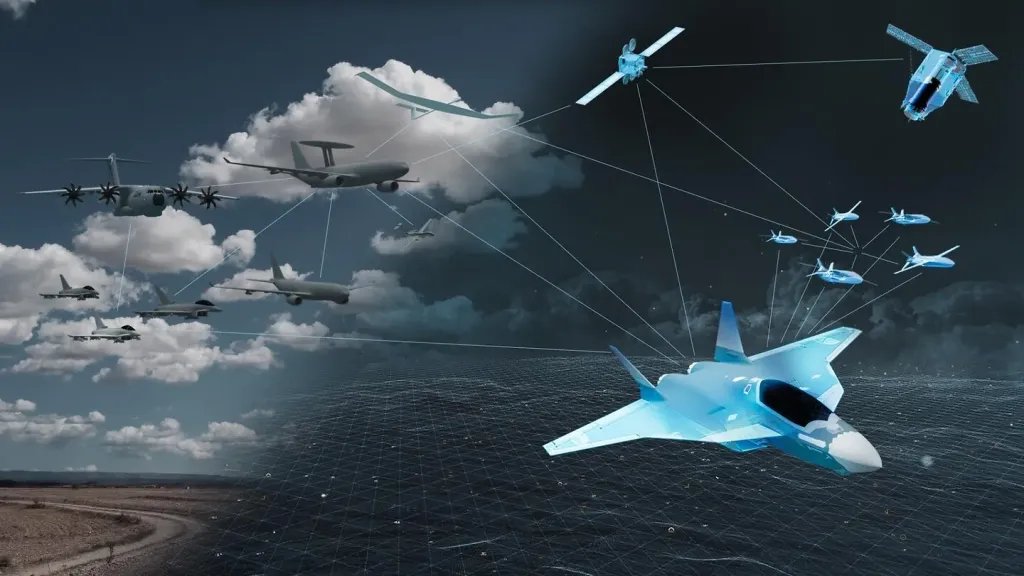
There are indications that Paris will still try to do its best to keep the program alive, and it remains possible that the broader FCAS architecture, or parts of it, could continue even without the NGF. FCAS has always intended to field families of drones, air-launched weapons, and potentially other aerial platforms, within an overarching ‘combat cloud.’

An Airbus concept showing an NGF connected via satellite-based Combat Cloud to Remote Carriers, as well as a variety of legacy combat and support platforms. Airbus

The German government considers that the “true essence of FCAS” should be continued as a European system of systems, according to the Frankfurter Allgemeine Zeitung.

Whatever happens next, the program appears to be at a crossroads, and facing its biggest existential challenge yet.

It is highly questionable whether either France or Germany (even with Spanish industrial support and finance) could develop a fighter without the other major partner.

This could open the door to a radical reshaping of European combat air programs.

There have already been suggestions at the highest military levels that the British-led and Franco-German FCAS efforts could be fused in some way. However, it seems highly unlikely that all these partners could come together with agreement. Just as questionable is whether the GCAP effort would be able to admit new major partners at this late stage.

Then there is the issue of Sweden.

Last month, we reported on Airbus having raised the possibility of teaming with Saab on the manned tactical component of FCAS. That was one of the clearest indications yet that Airbus is actively exploring post-FCAS alternatives, or, at the least, a major overhaul of the program’s structure.

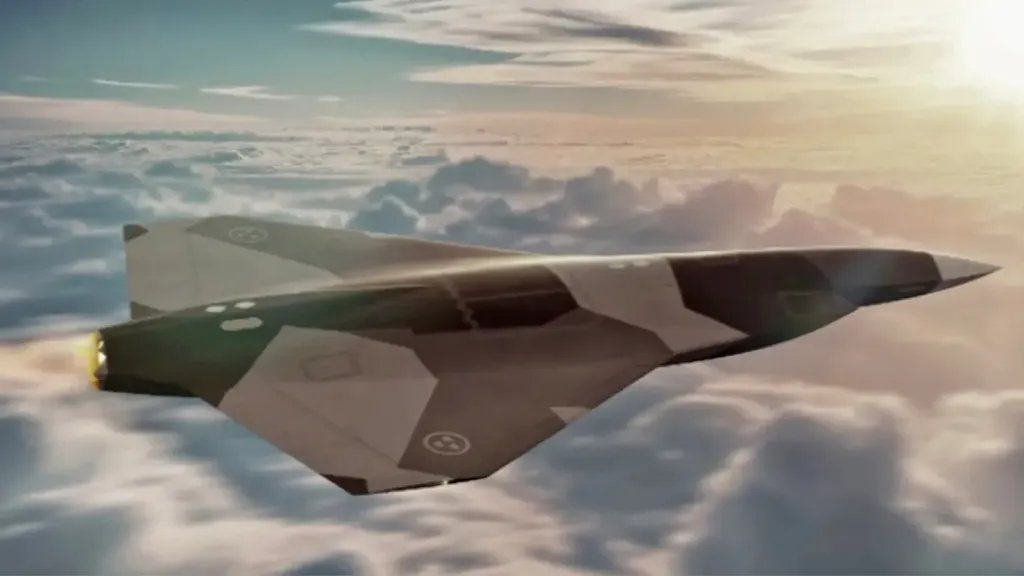
A Saab study for a supersonic uncrewed platform as part of its own FCAS effort. SVT screencap via X

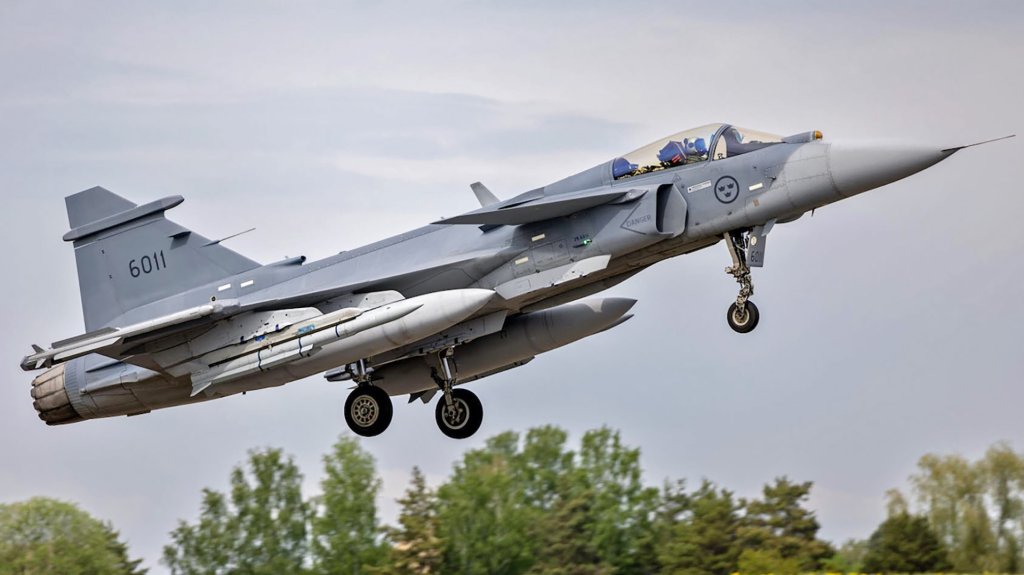
Potentially, Airbus and Saab could now team up to develop a joint next-generation fighter, with their requirements likely to be more closely aligned than those of France. Germany and Sweden also have a less urgent need for a sixth-generation combat jet, with Sweden only now introducing the Gripen E, and with Germany looking forward to receiving F-35s as well as more Eurofighters.

jAS 39 E
The first Gripen E for the Swedish Air Force. Saab SAAB

For France, losing its partners for NGF could be more critical, although it continues to work on advanced versions of the Rafale. In 2024, France also unveiled plans to develop a new uncrewed combat air vehicle (UCAV) that will complement the forthcoming Rafale F5 crewed fighter. The industrial side of the drone program will be headed up by Dassault, drawing upon its previous nEUROn UCAV demonstrator, which has already been used in trials with crewed combat aircraft.

France has unveiled plans to develop a new uncrewed combat air vehicle (UCAV) that will complement the forthcoming Rafale F5 crewed fighter, as part of a new-look French Air and Space Force. The industrial side of the drone program will be headed up by Dassault Aviation, drawing upon its previous nEUROn UCAV demonstrator, which has already been used in trials with crewed combat aircraft.
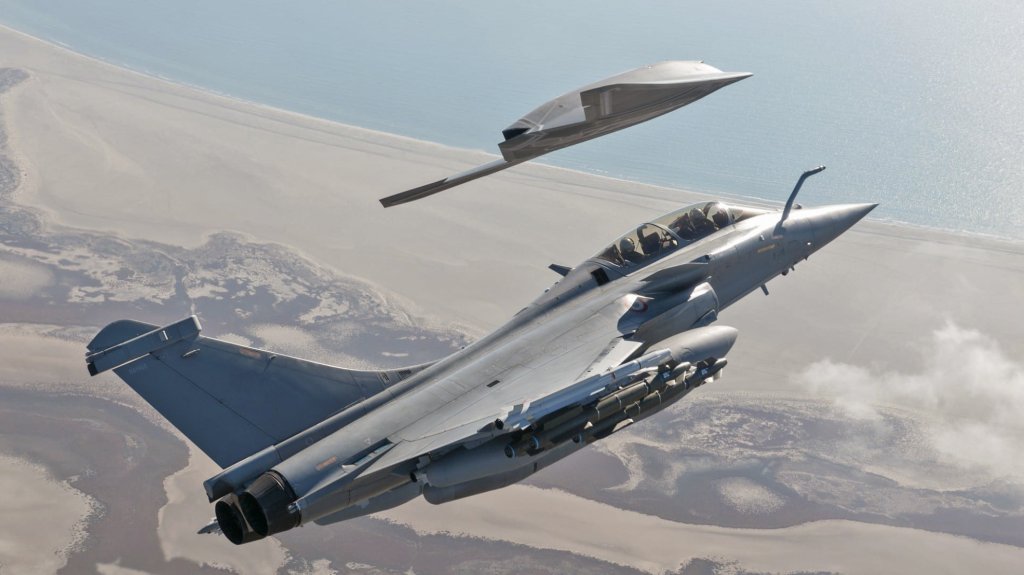
A Rafale accompanies a nEUROn drone during a test flight. Dassault Aviation/Anthony Pecchi Dassault Aviation/Anthony Pecchi

The F5 standard of the Rafale is planned to keep the multirole combat aircraft in frontline service until around 2060. That will at least give France some time to consider what to do about a future crewed fighter.

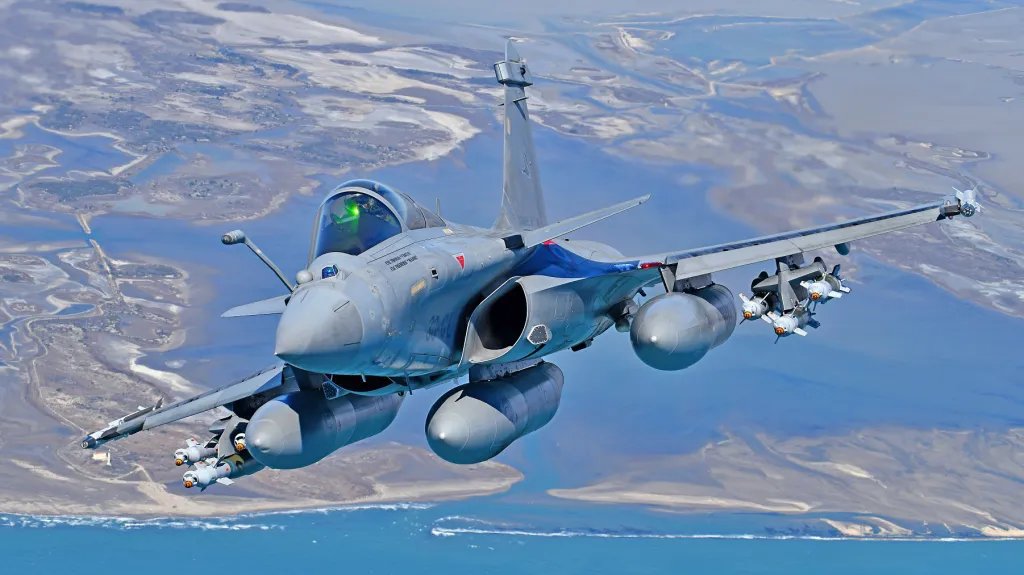
A French Air and Space Force Rafale C. Dassault Aviation

Drones are also increasingly part of the combat-air picture in Germany, too. Delays in fielding a sixth-generation fighter could be mitigated, to a degree, by Airbus developing combat drones. Airbus and Kratos are already pitching the stealthy XQ-58A Valkyrie drone to Germany, and Airbus has also been working on a stealthy CCA-like concept of its own, known as Wingman.

A rendering of the Airbus Wingman CCA-like drone. Airbus

In the background, the U.S.-made F-35 continues to expand its customer base in Europe. There is also the prospect that, in the future, the sixth-generation F-47 might be offered for export in the region, although this might only be in a watered-down form.

Overall, though, the latest development is a poor reflection on Franco-German cooperation, which has singularly failed to come to agreement about what should be a flagship program, providing a cornerstone of efforts to strengthen Europe’s defense capabilities.

With the ILA Berlin airshow starting on Wednesday, this news could hardly be worse-timed. On the other hand, we may well learn more about Germany’s vision for its future combat aircraft program before the week is out.

Contact the author: thomas@thewarzone.com

The post Franco-German Future Fighter Effort Collapses Over Irreconcilable Differences appeared first on The War Zone.
  •  
❌