Reading view

22,000-Year-Old Jewelry Reveals Ice Age Social Networks in Spain
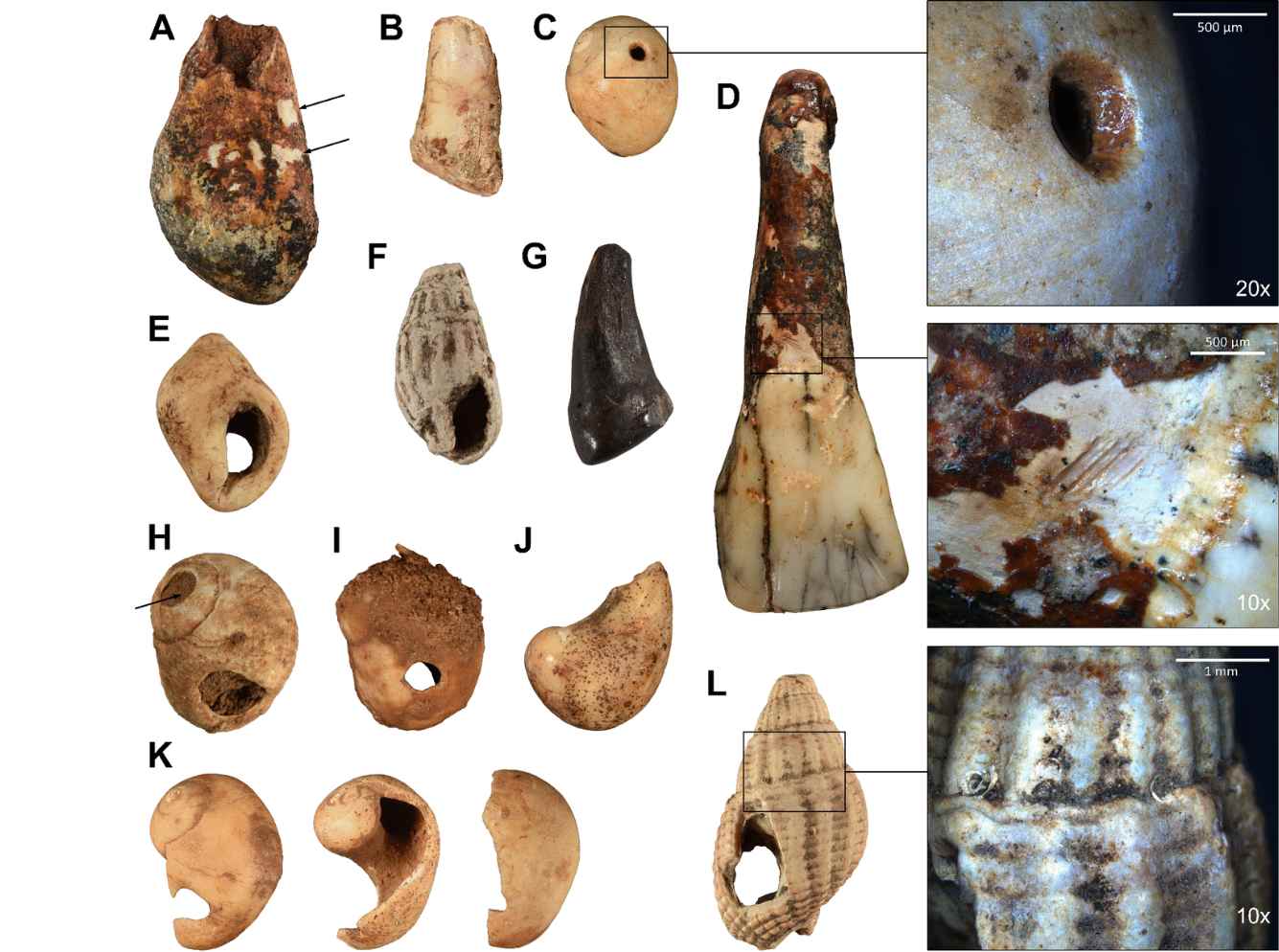
Selected personal ornaments from Llonín Cave in northern Spain
Selected personal ornaments from Llonín Cave in northern Spain. Credit: Daniel Pérez-García de los Salmones et al. / CC BY 4.0

A collection of 22,000-year-old jewelry discovered in northern Spain is offering new insights into how Ice Age hunter-gatherers expressed identity, exchanged ideas, and maintained social networks across vast distances.

Researchers found that people living in and around Llonín Cave used shells, animal teeth, bones, and even fossils to create personal ornaments over thousands of years, revealing changing patterns of social life during the Upper Paleolithic.

The study, led by Daniel Pérez-García de los Salmones and published in PLOS One, analyzed 271 ornaments recovered from Llonín Cave in northern Spain. The cave preserves a long archaeological sequence dating from roughly 23,500 to 11,000 years ago, covering several major cultural periods of the Late Ice Age.

A cave filled with symbolic objects

The ornaments included marine shells, red deer teeth, fish vertebrae, bone fragments, and a fossilized tube worm. Most were intentionally modified and worn as pendants or beads. Researchers identified at least 17 genera and 15 species used in their production. Marine shells made up the largest share of the collection, while red deer canine teeth were the most common animal-derived ornaments.

Microscopic analysis showed that many pieces had been worn for long periods. Friction from cords, clothing, or skin leaves polish marks, grooves, and rounded edges around perforations. More than 90% of the analyzed ornaments displayed signs of use.

A new study from Llonín Cave in northern Spain suggests Ice Age hunter-gatherers used shells, animal teeth, bones, and fossils to create ornaments that expressed identity, marked social ties, and connected communities across long distances.#Archaeology #IceAge #Jewelry #Spain pic.twitter.com/DXcBNuubUJ

— Tom Marvolo Riddle (@tom_riddle2025) June 9, 2026

Researchers also found evidence that some ornaments were made inside the cave. Unfinished deer tooth pendants and partially worked animal teeth suggest that people crafted jewelry on site rather than simply acquiring finished pieces from elsewhere.

Long-distance connections across Ice Age Iberia

One of the most striking discoveries involved shells that likely originated from the Mediterranean coast. The species Tritia mutabilis does not naturally occur along the Cantabrian coast of northern Spain, where Llonín Cave is located.

Its presence suggests that people exchanged objects or maintained contact networks stretching hundreds of kilometers across the Iberian Peninsula.

The cave occupied a strategic position between the Atlantic coast, the Ebro Valley, and routes leading toward the Pyrenees. Researchers argue that these pathways helped facilitate the movement of materials, ornaments, and cultural traditions between distant groups.

From individual identity to group identity

The study found that ornament styles changed over time. During the Upper Solutrean period, around 23,500 to 22,000 years ago, jewelry showed great diversity in materials, manufacturing methods, and designs. Researchers believe these ornaments likely served as markers of individual identity and personal expression.

Later, during the Middle Magdalenian period, ornament production became more standardized. Shell beads were more uniform in size and style, and many appear to have arrived at the cave already finished.

Researchers suggest that this shift reflects larger social gatherings where ornaments may have been used to signal group membership or strengthen alliances among different communities.

A window into Ice Age society

The findings suggest that personal ornaments were far more than decorative objects. They helped communicate identity, social relationships, and cultural connections during a time when hunter-gatherer groups were spread across changing Ice Age landscapes.

According to the researchers, Llonín Cave stands out as an important site for understanding how prehistoric people used jewelry to navigate both everyday life and wider social networks. The collection shows that even 22,000 years ago, people were connected through systems of exchange, shared traditions, and symbolic communication that stretched far beyond their local communities.
  •  

8,000-Year-Old Headless Figurines From Anatolia Hint at Neolithic Offering Rituals

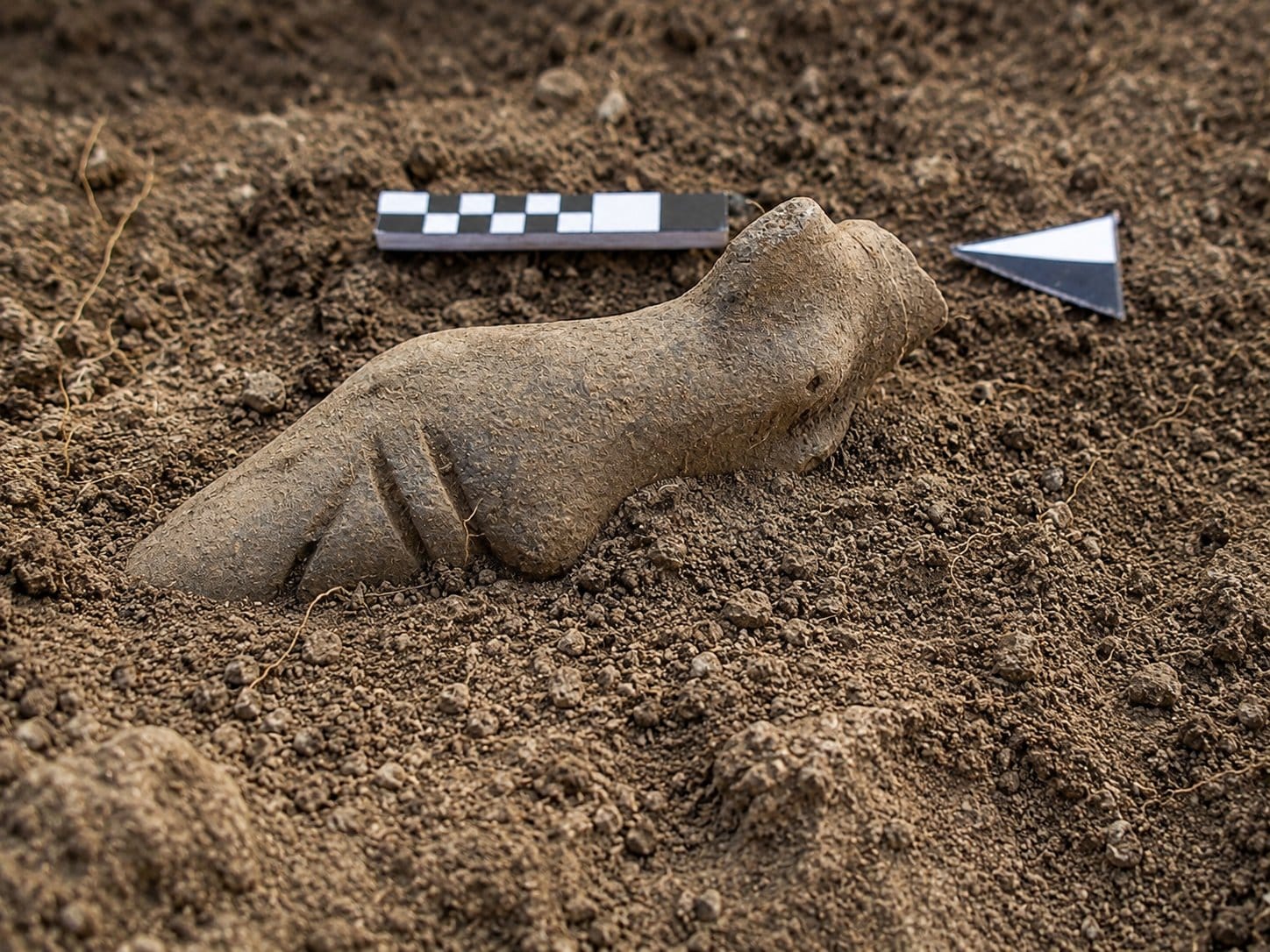
AI reconstruction of a Neolithic female figurine discovered at Kanlıtaş mound
AI reconstruction of a Neolithic female figurine discovered at Kanlıtaş mound. Credit: Greek Reporter Archive

Archaeologists in Turkey have uncovered four headless female figurines dating back about 8,000 years, a discovery that is offering new insight into ritual practices among some of Anatolia’s earliest farming communities.

The terracotta figurines were found at Kanlıtaş mound near the Inönü district of Eskişehir in northwestern Turkey. Excavations at the site have been conducted since 2013 under the direction of Anadolu University.

Kanlıtaş is considered one of the earliest known settlements in the region spanning modern-day Eskişehir, Afyonkarahisar, and Kütahya. Researchers say the site provides important evidence about daily life, settlement patterns, and cultural traditions during the Neolithic period.

Figurines discovered inside ancient structures

Professor Ali Umut Türkcan, who leads the excavation team and teaches archaeology at Anadolu University, said the figurines were uncovered within fill layers at the bases of rectangular buildings.

Researchers determined that the artifacts belong to the final phase of the Neolithic period. All four figurines depict women. The largest measures about 12 to 13 centimeters (5 inches) in length, while the others are approximately 5 to 6 centimeters long.

Although female figurines are common at Neolithic sites across Anatolia, the Kanlıtaş examples stand out because of their condition and context. Several were found with their heads intentionally broken off.

Eskişehir’in İnönü ilçesindeki Kanlıtaş Höyüğü’nde bulunan 8 bin yıllık 4 başsız figürün Neolitik dönem yapı ritüellerinde kullanıldığı tespit edildi. pic.twitter.com/MkBkOCI6Wt

— Punto360 (@punto360tr) June 9, 2026

“The presence of headless or broken-headed female figurines in spaces that appear to have been intentionally sealed suggests they may have been left as offerings during the closure of structures,” Türkcan said.

Researchers believe the figurines were deliberately deposited when buildings were abandoned or taken out of use. Similar practices have been identified at other Neolithic settlements, including Çatalhöyük in central Turkey, one of the world’s most extensively studied prehistoric sites.

Distinctive features set the figurines apart

The Kanlıtaş figurines also display characteristics that distinguish them from many other Neolithic figurines found in Turkey.

Türkcan noted that the figures place unusual emphasis on the hip area. This stylistic feature resembles female figurines discovered in parts of the Balkans, particularly regions once associated with the Neolithic Vinca culture.

The similarity suggests that communities living in different parts of southeastern Europe and Anatolia may have shared artistic traditions or symbolic ideas during the Neolithic era.

Discovery may strengthen evidence of cultural links

Researchers also pointed to possible connections between Kanlıtaş and the broader Porsuk cultural sphere of western central Anatolia. Archaeologists have long debated links between the Porsuk culture and Neolithic communities in the Balkans.

According to Türkcan, radiocarbon dating results indicate that the Porsuk culture may predate some neighboring cultural traditions. The findings could help explain how cultural influences spread between Anatolia and southeastern Europe thousands of years ago.

The discovery adds to growing evidence that Neolithic communities maintained complex social and symbolic traditions. The figurines not only provide clues about ritual behavior but may also help researchers better understand cultural interactions across a wide region.

The excavation team plans to publish the findings in a comprehensive scientific monograph and reference volume in the coming years. Further research may reveal more about the role these Neolithic figurines played in the beliefs and practices of early communities in Turkey.

  •  

Peru Geoglyphs Reveal Hidden Links to Ancient Travel Routes

Nazca Lines, Peru
Nazca Lines, Peru. Credits: Diego Delso, CC BY-SA 4.0, via Wikimedia Commons

Ancient Peru geoglyphs in the Chillón Valley near Lima are offering new clues about how early communities may have used and organized the landscape thousands of years ago.

A new study suggests that some of these large ground markings were placed in ways that cannot be fully explained by chance, although researchers caution that the evidence does not yet prove a direct connection to ancient roads or ritual practices.

The research, led by Christian Mesía-Montenegro and published in PLOS One, examined geoglyphs in two areas of Peru’s middle Chillón Valley known as Huarabí and Pichausa.

The study combined field surveys, drone mapping, and statistical modeling to investigate whether the location of the geoglyphs was related to nearby routes used for movement through the rugged valley landscape.

Geoglyphs are large designs or markings created on the ground. Peru is best known for the famous Nazca Lines, but similar features exist in several other parts of the country. Many remain poorly studied compared with the better-known geoglyphs of southern Peru.

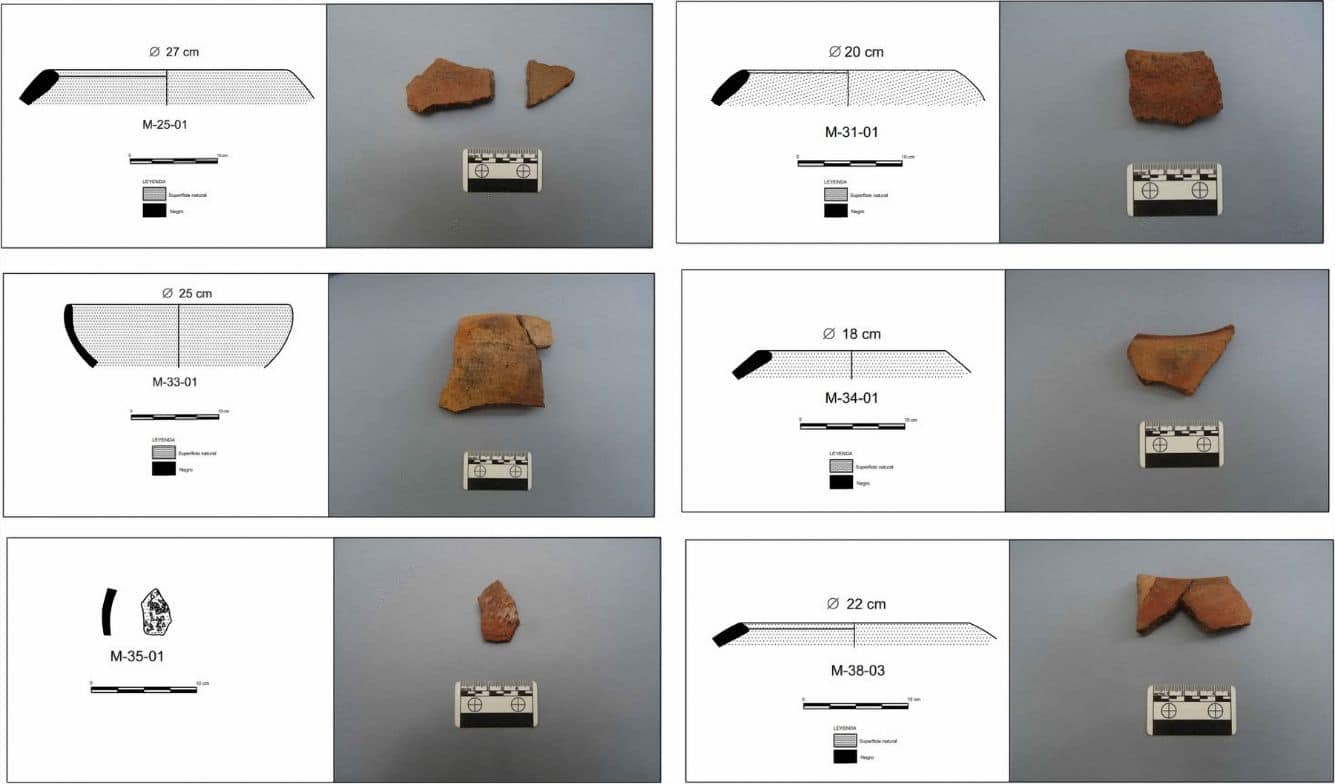
Illustrated and photographed ceramic sherds from Huarabí
Illustrated and photographed ceramic sherds from Huarabí. Credit: Christian Mesía-Montenegro / CC BY 4.0

Researchers examine overlooked geoglyph sites

The geoglyphs documented at Huarabí and Pichausa differ from many of Peru’s famous geometric and animal-shaped figures. Instead, they consist of irregular line patterns located within quebradas, or dry valleys, that cut through the landscape.

Researchers conducted systematic surveys between 2021 and 2022 and recorded geoglyphs across multiple sectors of the Chillón Valley. The study focused on four irregular geoglyph groups, two at Huarabí and two at Pichausa. It also examined six locations near Huarabí where surface pottery fragments from the Formative Period were found.

Ancient geoglyphs in Peru's Chillón Valley are shedding new light on how early communities may have used and organized the landscape. pic.twitter.com/HkbOKhx2Ic

— Tom Marvolo Riddle (@tom_riddle2025) June 9, 2026

The Formative Period on Peru’s central coast spans a time when early ceremonial centers, agriculture, and ceramic traditions were developing. Nearby archaeological sites include several U-shaped ceremonial structures that played important roles in the region’s ancient communities.

Statistical tests challenge simple explanations

Rather than simply measuring distances between geoglyphs and routes, researchers used Monte Carlo simulations. This method allowed them to compare the actual placement of the geoglyphs with thousands of hypothetical random placements across the landscape. The results showed a contrast between the two study areas.

At Huarabí, the geoglyphs differed from what would be expected under the researchers’ chance-placement models. At Pichausa, however, the geoglyphs generally matched patterns that could be produced through random placement. The findings suggest that Huarabí may have followed a different spatial logic than Pichausa.

Even so, the researchers emphasize that the results do not automatically mean the geoglyphs were intentionally built beside roads or movement corridors.

Instead, the analysis shows only that the Huarabí geoglyphs were less easily reproduced by the statistical models used in the study. Other factors, including terrain, visibility, erosion, and landscape features, could also have influenced where the geoglyphs were created.

Pottery provides limited clues about age

One of the study’s most important findings concerns chronology. At Huarabí, researchers identified diagnostic pottery fragments that resemble ceramics from the Formative Period. The pottery suggests human activity occurred near the geoglyphs during that era.

However, the artifacts were found on the surface rather than in sealed archaeological deposits. As a result, they cannot directly date the construction of the geoglyphs.

No comparable pottery evidence was discovered at Pichausa, making the age of those geoglyphs even less certain. Because of these limitations, the researchers avoid claiming that the geoglyphs themselves were definitely built during the Formative Period.

Questions remain about ancient landscape use

Researchers conclude that Huarabí should currently be viewed as a geoglyph locality associated with nearby Formative-period activity rather than as a securely dated Formative geoglyph complex.

They argue that future work should focus on obtaining direct dates, studying visibility across the landscape, and developing more detailed models of how ancient people moved through the valley.

While the findings do not solve the mystery of the Chillón Valley geoglyphs, they provide one of the most detailed examinations to date of how these large ground markings may have related to movement, settlement, and ritual activity in ancient Peru.

  •  

Pentagon Cuts Military Religion Categories From 220 to 31

Pentagon
NATO will continue its support to Europe but will prioritize U.S. security. Photo credit: Touch of Light Wikimedia Commons CC BY-SA 4.0

The Pentagon has sharply reduced the number of religion codes used by the U.S. military, replacing a list of about 220 faith groups and denominations with 31 broader religious categories.

The updated system, which is expected to take effect in July, has sparked debate among veterans, chaplains, lawmakers, and religious groups over its potential impact on faith representation within the armed forces.

The new categories include Buddhism, Hinduism, Baha’i, Islam, Judaism, Sikhism, and a designation for people with no religious affiliation. Christian denominations make up most of the recognized categories.

Pentagon says change is administrative

Military officials said the change is intended to simplify record-keeping and improve data collection for military chaplains. The Pentagon explained that the revised list is not meant to determine which religions are officially approved or recognized by the government.

Service members whose faiths are not among the 31 listed categories will still be able to identify their religion and include it on military dog tags, officials said.

Critics question the impact on religious diversity

The policy change has drawn criticism from some veterans, former chaplains, and religious groups who argue that the consolidation could reduce the visibility of minority faiths within military records.

The Office of the Secretary of War is announcing a significant change to the Department’s categorization of religious affiliation. In a long overdue move, we reduced the list from over 200 unmanageable categories to 31. With this move, we are returning to the original intent of… https://t.co/dgHX5ytzjJ pic.twitter.com/eho537O08J

— Sean Parnell (@SeanParnellASW) June 5, 2026

A former U.S. Army chaplain said that the move raises concerns about the military’s commitment to religious diversity.

“When I raised my hand to become an Army chaplain, I swore that I would support and defend the Constitution,” the former chaplain said. “The First Amendment is the free exercise of religion for everybody. That’s what I was buying into.”

The update also arrives amid broader debate over Defense Secretary Pete Hegseth and his public use of Christian prayers while discussing military operations. Some critics have questioned whether such expressions blur the line between personal faith and official government leadership.

Latter-day Saints’ designation draws attention

The revised system has also sparked concern among members of the Church of Jesus Christ of Latter-day Saints. Under the new classification structure, the church appears as a separate category rather than being included among the military’s Christian denominations.

That decision prompted criticism from Mike Lee, a Republican senator from Utah and a member of the church.

“Can anyone tell me why The Church of Jesus Christ of Latter-day Saints was left out of the list of Christian churches?” Lee wrote on X.

Can anyone tell me why The Church of Jesus Christ of Latter-day Saints was left out of the list of Christian churches? pic.twitter.com/t4u6PI29ON

— Mike Lee (@BasedMikeLee) June 6, 2026

Smaller faith groups lose separate classifications

According to an analysis, the consolidation removed separate classifications for numerous faith traditions, spiritual movements, and nonreligious belief systems. Those no longer listed individually include Eckankar, Heathen, Native American spiritual traditions, Rosicrucianism, Druidism, Deism, Asatru, Paganism, Humanism, Unitarian Universalism, Wicca, Shamanism, and Atheism, among others.

Defense Department officials have emphasized that the changes are administrative rather than ideological. Sean Parnell, a Defense Department official, said the military continues to place a high value on the First Amendment and the free exercise of religion for all service members.

  •  

X-Rays Reveal Nazi Symbols Hidden Beneath Postwar Painting

Erich Mercker’s pre-1945 “Die Stätte des 9. November” is shown beside a postwar version from a private collection
Erich Mercker’s pre-1945 “Die Stätte des 9. November” is shown beside a postwar version from a private collection. Credit: Ioanna Mantouvalou et al. / CC BY 4.0

A painting found in a German family home has revealed how Nazi-era imagery may have been hidden beneath a more acceptable postwar scene. The work is linked to Erich Mercker, a Munich painter who lived from 1891 to 1973. Mercker had a successful career and painted several works during the Nazi period. Some included hidden Nazi symbols and political themes.

One of his known works, “Die Stätte des 9. November,” showed the Feldherrnhalle in Munich. The site carried strong meaning for the Nazi Party. It was tied to Adolf Hitler’s failed 1923 coup, also known as the Beer Hall Putsch.

Postwar versions removed Nazi symbols

After World War II, Mercker continued to paint the same Munich scene. But later versions appeared different. He removed soldiers, wreaths, and Nazi symbols. He also replaced the Nazi flag with the blue-and-white flag of Bavaria.

The works appeared under less politically charged titles, including “Feldherrnhalle” and “München am Odeonsplatz.”

Filmmaker and producer Dr. Thomas Schuhbauer found one version in his parents’ home. They had received it as a wedding gift in 1966.

At first, the painting looked like a postwar version of the scene. It showed the Bavarian flag and no clear Nazi symbols. But some details raised questions. The Nazi memorial at the Feldherrnhalle was still partly visible. That memorial was destroyed after Germany’s surrender in 1945. Reddish paint traces also appeared near the flag.

X-ray scans reveal hidden image

Schuhbauer contacted Helmholtz-Zentrum Berlin, known as HZB. He began working with Dr. Ioanna Mantouvalou, a physicist at TU Berlin and HZB. Mantouvalou specializes in X-ray fluorescence spectroscopy, or XRF.

X-ray scans have revealed Nazi symbols hidden beneath a postwar painting linked to Munich artist Erich Mercker.

Researchers found a red Nazi flag, wreaths, soldiers and raised arms painted over beneath a later Bavarian scene. pic.twitter.com/qrkIfazLhm

— Tom Marvolo Riddle (@tom_riddle2025) June 9, 2026

The method lets researchers identify chemical elements in materials without damaging them. It can also reveal paint layers beneath the surface.

The XRF scans showed that Nazi imagery had been painted over. A red Nazi flag lay beneath the Bavarian flag. Researchers also found covered wreaths on the monument, soldiers in the scene, and raised arms of passersby.

The overpainted areas contained high levels of titanium white. That pigment did not appear elsewhere in the painting. A tube of oil paint labeled “Titanium White 10103 Schmincke” was later found among Mercker’s paint tubes.

Evidence points to later alteration

Researchers said the evidence suggests that Mercker may have altered the painting himself. Some changes appeared rushed or careless.

The study, published in npj Heritage Science, also situates the painting within a broader postwar context. The authors noted that many artists faced little public criticism for their Nazi-era collaboration until well into the 1960s.

The painting now belongs to the Munich Documentation Centre for the History of National Socialism. The case shows how science, art history, and family memory can work together. It also shows how political symbols can disappear from view without fully leaving the historical record.

  •  

Denmark’s 2,500-Year-Old Hole Belts Puzzle Archaeologists

AI view of a reconstructed Iron Age hole belt
AI view of a reconstructed Iron Age hole belt. Credit: Greek Reporter Archive

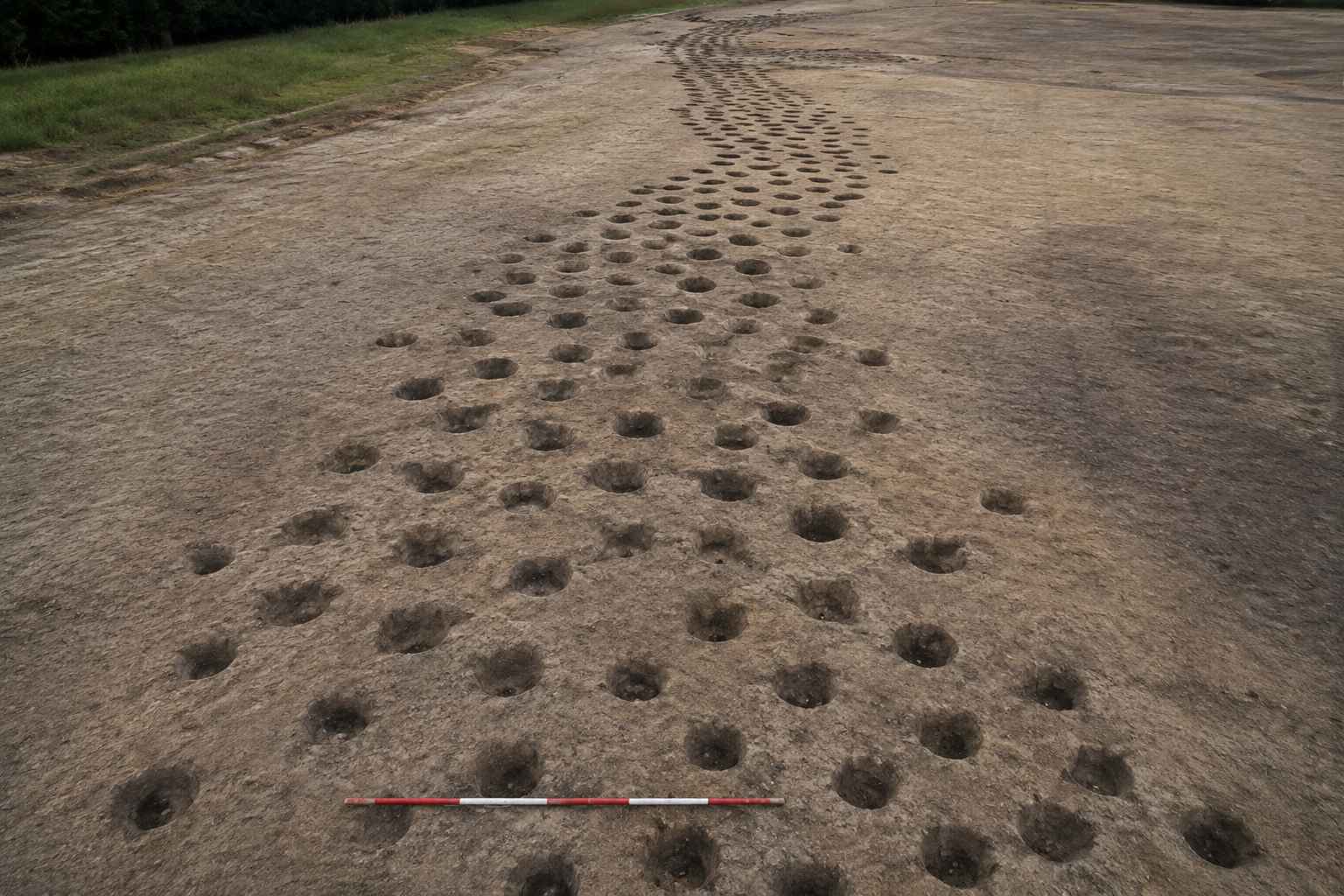
Archaeologists in Denmark are recreating a puzzling Iron Age feature to understand better its purpose more than 2,500 years after it was built. Known as hulbælter in Iron Age, or “hole belts,” the structures consist of long rows of shallow pits that stretch across the landscape.

Dating to around 500–300 B.C., some extend for hundreds of meters, while others run for several kilometers. Researchers have identified nearly 50 examples across Denmark, particularly in central and western Jutland. Despite decades of study, archaeologists still do not know exactly why the pits were dug.

Hole belts remain one of Denmark’s oldest mysteries

The pits are not graves, ordinary postholes, or waste pits. Instead, they form organized belts three to six meters (9.8 to 19.6 feet) wide, with individual holes typically measuring only 30 to 40 centimeters (0.98 to 1.3 feet) deep.

Similar features have been reported in Sweden and the Netherlands, but they are far more common in Denmark. Their unusual layout suggests they were built for a specific purpose rather than as isolated features.

To investigate, researchers at the Saxo Institute at the University of Copenhagen have launched a large-scale experimental archaeology project.

Researchers rebuild an Iron Age landscape

Led by associate professor Henriette Lyngstrøm, the project brings together 30 archaeology students at Sagnlandet Lejre, an open-air research center and reconstructed Iron Age village.

The team is rebuilding a hole belt from scratch using reconstructed tools and ancient techniques. Researchers are measuring the time, effort, and coordination needed to create the features. The goal is to move beyond theory and test how the belts may have functioned in everyday life.

Digging reveals the scale of Iron Age labor

One part of the project focuses on reconstructed wooden spades based on Iron Age finds. Archaeologists once thought some of these tools may have been paddles. However, traces of soil, stones, and wear patterns suggest they were used for digging.

Archaeologists in Denmark are recreating mysterious 2,500-year-old Iron Age "hole belts" to uncover their purpose.

Were they defensive barriers, storage pits, boundary markers, or something else entirely?#Archaeology #IronAge #Denmark #AncientHistory pic.twitter.com/o3ZrDywejZ

— Tom Marvolo Riddle (@tom_riddle2025) June 8, 2026

Tests showed that wooden spades could create the pits, but the work was slow and physically demanding. The tools also required frequent sharpening.

The findings indicate that constructing long hole belts would have required planning, organization, and coordinated labor. Researchers say such projects likely involved leadership and cooperation within Iron Age communities.

Food storage theory gets a real-world test

Researchers also examined whether some pits could have been used for storage. Graduate student Angelyn Sørensen placed a chicken inside a ceramic jar buried in a reconstructed pit. On a day when air temperatures reached about 20 degrees Celsius, the meat warmed only slightly, rising from around 10 to 12 degrees.

The results suggest that covered pits could help moderate temperatures, although the experiment does not prove a storage function.

Experiments test the defensive barrier theory

The strongest results came from tests of the defensive theory. Earlier studies showed that sheep and cattle could cross similar pit zones without difficulty. However, when researchers staged mock combat exercises, the pits made movement more difficult for attackers.

Participants struggled to maintain balance, move quickly, and fight while crossing the uneven terrain.

Researchers stress that no single explanation has been confirmed. Still, the experiments show that the hole belts were carefully planned features that required labor, organization, and a clear purpose. Their exact role remains uncertain, but the project is bringing archaeologists closer to understanding one of Denmark’s most enduring Iron Age mysteries.

  •  

New Study Links Göbekli Tepe Symbols to Ancient Trypillia Rituals

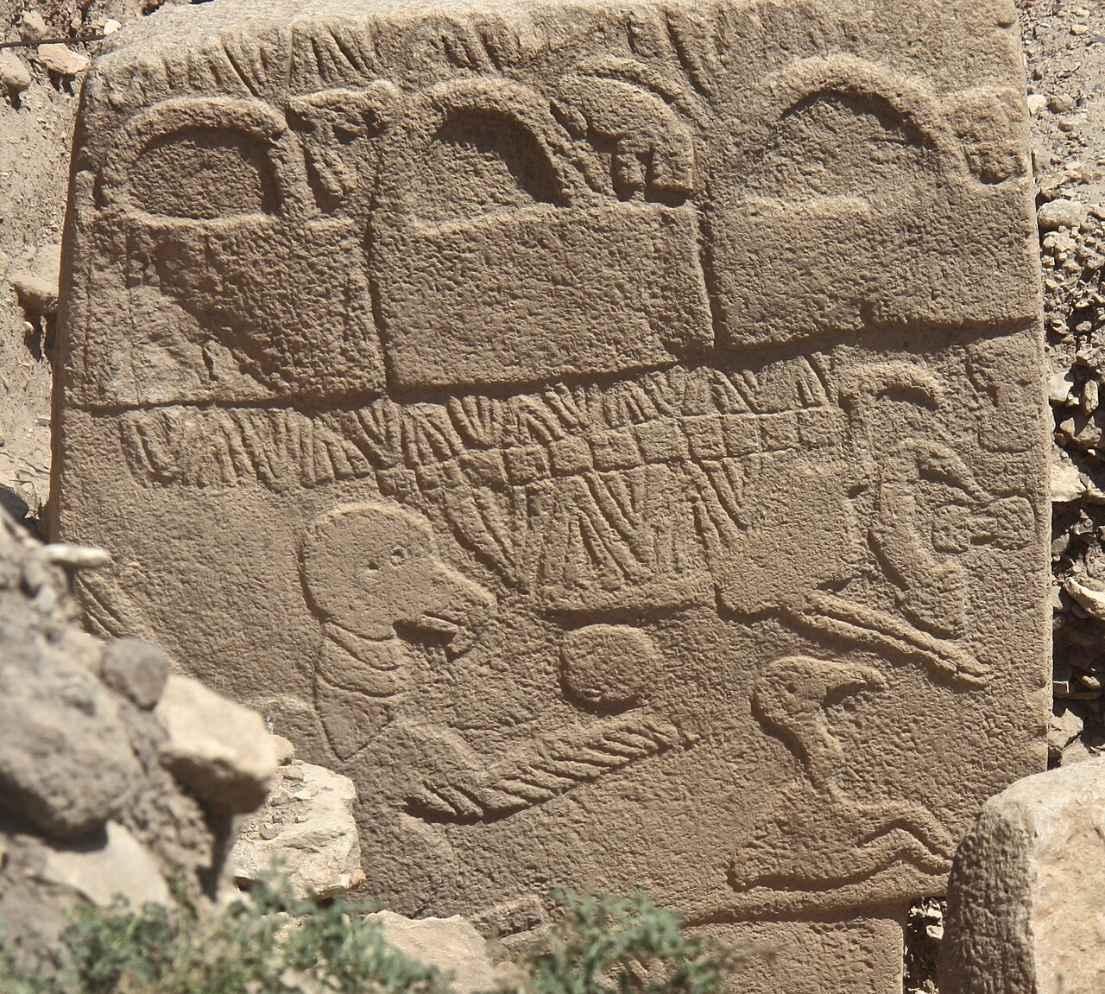
The Vulture Stone, featuring carved symbols at Göbekli Tepe
The Vulture Stone, featuring carved symbols at Göbekli Tepe. Credit: Sue Fleckney / Wikimedia Commons / CC BY-SA 2.0

A new study suggests that the carved symbols at Göbekli Tepe may have been part of a sophisticated belief system that connected timekeeping, sacred space, death, and the heavens.

Published in the International Journal of Culture and History, the research by Oleksandr Zavalii compares imagery from the famous Vulture Stone at Göbekli Tepe with ritual symbols from the later Trypillia culture of present-day Ukraine, Moldova, and Romania.

The study argues that both societies may have used similar symbolic frameworks to understand the cosmos and organize religious life.

Göbekli Tepe, in southeastern Türkiye, dates to roughly 9600-8200 BCE and is considered one of the world’s earliest monumental ritual centers. Zavalii focuses on several of its carved pillars, particularly Stele 43, known as the Vulture Stone.

Researchers interpret the Vulture Stone as a cosmological map

The monument features birds, snakes, a scorpion, geometric symbols, and a headless human figure. Zavalii argues that the arrangement was deliberate. The upper portion contains bird figures, circles, and abstract signs that may represent celestial forces.

The lower section contains animals and human imagery associated with the earthly world, death, or the underworld. Rather than viewing the carvings as isolated images, the study interprets them as parts of a broader symbolic language.

The Vulture Stone has attracted astronomical interpretations for years. In 2017, researchers Martin Sweatman and Dimitrios Tsikritsis proposed that some animal figures represented constellations and may have recorded events linked to the debated Younger Dryas impact hypothesis.

Did the builders of Göbekli Tepe share cosmological ideas with ancient farmers?

A new study compares the site's famous Vulture Stone with Trypillia ritual symbolism and suggests both cultures may have used same concepts to understand time, sacred space, death and the heavens. pic.twitter.com/hO1lHtUvYu

— Tom Marvolo Riddle (@tom_riddle2025) June 8, 2026

A later study by Sweatman suggested that V-shaped marks on the pillar could represent a lunisolar calendar. However, these interpretations remain controversial.

Researchers associated with the German Archaeological Institute have argued that repeated rebuilding and possible roofing of the structures complicate claims that the site functioned as an open-air observatory.

Numerical patterns may reflect concepts of sacred time

According to Zavalii, Stele 43 contains eleven rectangular symbols, while some circular enclosures at Göbekli Tepe include eleven T-shaped pillars. The repeated appearance of the number may have marked divisions of the year or important intervals between solar events.

Stele 33 provides additional evidence for this interpretation. The pillar contains snake-like figures, animals, and abstract motifs. Zavalii highlights the recurring numbers two, three, eleven, and thirteen, suggesting they may have been associated with concepts such as duality, solar cycles, and lunar rhythms.

In this reading, thirteen snake heads could symbolize the lunar year, while eleven may relate to the organization of solar time. Rather than functioning as a precise calendar, the symbols may have formed part of a sacred system used to represent the passage of time.

Trypillia comparison reveals shared symbolic themes

The study’s most distinctive contribution is its comparison with the Trypillia culture, which flourished thousands of years later in Eastern Europe.

Zavalii points to similarities between Göbekli Tepe’s symbols and Trypillian ritual objects, temple layouts, and ceramic designs. Particular attention is given to the Nebelivka Temple and distinctive “binocular-shaped” ritual artifacts.

The study suggests these forms, along with circular and crescent motifs, may have expressed ideas about duality, seasonal cycles, and sacred time.

The research does not claim a direct cultural connection between the two societies. Instead, it proposes that early farming communities may have developed comparable symbolic solutions for understanding the relationship between the sky, ritual practice, and community life.

Debate over Göbekli Tepe’s meaning continues

Other interpretations of Göbekli Tepe remain influential. Archaeologist Klaus Schmidt and later researchers emphasized the site’s role as a ritual gathering place linked to ancestor veneration and communal ceremonies.

Additional studies have connected the site’s headless figures, vulture imagery, and human remains to funerary practices and beliefs about death and transformation. Meanwhile, archaeologist Giulio Magli proposed that some enclosures may have been aligned with the appearance of Sirius in the night sky.

Together, these theories highlight the complexity of Göbekli Tepe. Zavalii’s study adds a new perspective by suggesting that the site’s carvings formed part of a larger symbolic system in which architecture, ritual, memory, and celestial cycles were closely intertwined.

  •  

England’s Cerne Abbas Giant Fades Under Changing Weather Conditions

Cerne Abbas giant
Cerne Abbas giant. Credit: richie rocket. CC BY-2.0.

For more than 1,000 years, the Cerne Abbas Giant has stood on a hillside in Dorset, England, surviving wars, epidemics, and centuries of social change. Now, conservationists say increasingly unpredictable weather is threatening the famous chalk figure and forcing an earlier-than-usual restoration effort.

The 55-meter-tall (180-foot) giant, carved into a hillside above the village of Cerne Abbas, is one of Britain’s most recognizable landmarks. The figure depicts a naked man carrying a large club. For generations, residents helped maintain its bright white appearance by filling its outline with fresh chalk.

Today, the site is managed by the National Trust, which has traditionally re-chalked the giant about once every decade. However, conservation teams say changing weather conditions are making that increasingly difficult.

Weather speeds up restoration work

Around 300 staff members and volunteers are taking part in the latest restoration project. The effort involves carrying nearly 17 tons of fresh chalk up the steep hillside and packing it into the giant’s trenches by hand.

Workers first remove old and discolored material before mixing fresh chalk with water to create a paste. The new chalk is then pressed into the outline, helping restore the figure’s distinctive appearance.

The need for faster restoration became clear in 2019 when heavy autumn rainfall washed away much of the newly applied chalk shortly after conservation work had been completed.

England's famous Cerne Abbas Giant has survived for more than 1,000 years. Now, heavier rainfall, algae growth and erosion are forcing conservationists to restore the massive chalk figure earlier than planned. pic.twitter.com/0ShiLZzOYt

— Tom Marvolo Riddle (@tom_riddle2025) June 8, 2026

Conservationists also have concerns about algae growth. Mild, damp winters and warmer summers can create conditions that allow algae to spread across the chalk surface, causing the giant’s bright white outline to appear green and faded.

“In recent years, we’ve noticed algae growth starting to dull the giant’s bright white outline,” National Trust ranger Luke Dawson said.

Dawson cautioned against directly linking the changes to climate trends at a single site. “It’s one of these things we cannot really prove,” he told BBC News. “It is more just observation of what we are seeing up there.”

Researchers continue to debate the Giant’s origins

The Giant’s origins remain one of England’s enduring archaeological mysteries. Over the years, researchers suggested it could represent a prehistoric fertility symbol, the Roman hero Hercules, or even a satirical image of Oliver Cromwell.

Scientific dating has narrowed the timeline considerably. Researchers believe the figure was likely created between 700 and 1100 CE during the late Saxon period.

The Saxon dating has renewed interest in the Hercules theory. In a 2021 study published in the journal Speculum, researchers from the University of Oxford argued that the giant was originally carved as an image of Hercules.

They suggested it may have served as a landmark and gathering point for West Saxon forces during Viking attacks in southern England.

Conservation efforts expand beyond the hillside

The National Trust is also working to protect the landscape surrounding the Giant. A recent fundraising campaign helped secure 130 hectares of nearby grassland containing rare wildlife and important archaeological remains.

“The Giant was never meant to exist in isolation,” National Trust archaeologist Steve Timms said in a press release. He said protecting the surrounding landscape will help researchers better understand how people used and understood the area over thousands of years.

  •  

South African Cave May Hold Oldest Evidence of Human Fire Use

Neanderthals made first fire at a UK site
Ancient fire use. Credit: Steven Miller / Flickr / CC BY 2.0

Researchers studying a cave in South Africa have found evidence that could push the record of ancient fire use back hundreds of thousands of years.

The findings come from Wonderwerk Cave in South Africa’s Northern Cape Province, a site that has produced some of the oldest known evidence of human activity. The study was published in the journal PLOS One.

Researchers uncover evidence in a deeper cave layer

Previous excavations at Wonderwerk Cave revealed signs of fire use about one million years ago. Researchers based that conclusion on burnt animal bones, heat-altered stone tools, and burned sediments found in a layer known as Stratum 10.

In the new study, archaeologists examined an older layer called Stratum 11. There, they found small mammal bones that showed signs of exposure to heat.

To determine the age of the deposits, researchers analyzed cave sediments using magnetostratigraphy and cosmogenic burial dating. Together, the two methods indicated that the remains were deposited between 1.07 million and 1.79 million years ago.

If confirmed, the discovery could represent the oldest evidence yet found for the use of fire by early humans.

New technique helps identify burned bones

Researchers used a method known as bone luminescence to confirm that the fossils had been exposed to fire.

The technique involves shining high-energy blue light onto fossilized bones under a microscope. Burned bones respond by glowing bright red when viewed through a specialized filter. This allows scientists to detect evidence of heating that may not be visible through traditional examination methods.

Researchers at South Africa's Wonderwerk Cave have uncovered burned animal bones dating between 1.07 and 1.79 million years ago. If confirmed, the discovery could represent the oldest known evidence of fire use by early humans.#Archaeology #HumanEvolution #Anthropology #Science pic.twitter.com/PJX3doqUVa

— Tom Marvolo Riddle (@tom_riddle2025) June 8, 2026

The analysis showed that several of the bones from Stratum 11 had been subjected to high temperatures.

Researchers also ruled out wildfires as the likely source of the burning. The fossils were discovered about 30 meters (98 feet) from the cave entrance, deep inside the cave, and beyond the reach of flames from natural fires outside.

Findings suggest repeated fire use

The study does not show that early humans could make fire whenever they wanted. It also does not provide evidence for routine cooking. Instead, the findings suggest that groups occupying the cave may have repeatedly carried fire into the site and managed it there.

Researchers said the pattern and distribution of burned bones in both Stratum 10 and Stratum 11 point to multiple combustion events rather than a single accidental fire.

Because evidence of ancient fire use is often difficult to distinguish from natural burning, the question of when humans first controlled fire remains one of archaeology’s most debated topics. The new findings add important evidence to that discussion and provide a deeper look into the behavior of some of humanity’s earliest ancestors.

  •  

Gold-Plated Earrings Reveal Elite Woman’s Life on Medieval Siberian Steppe

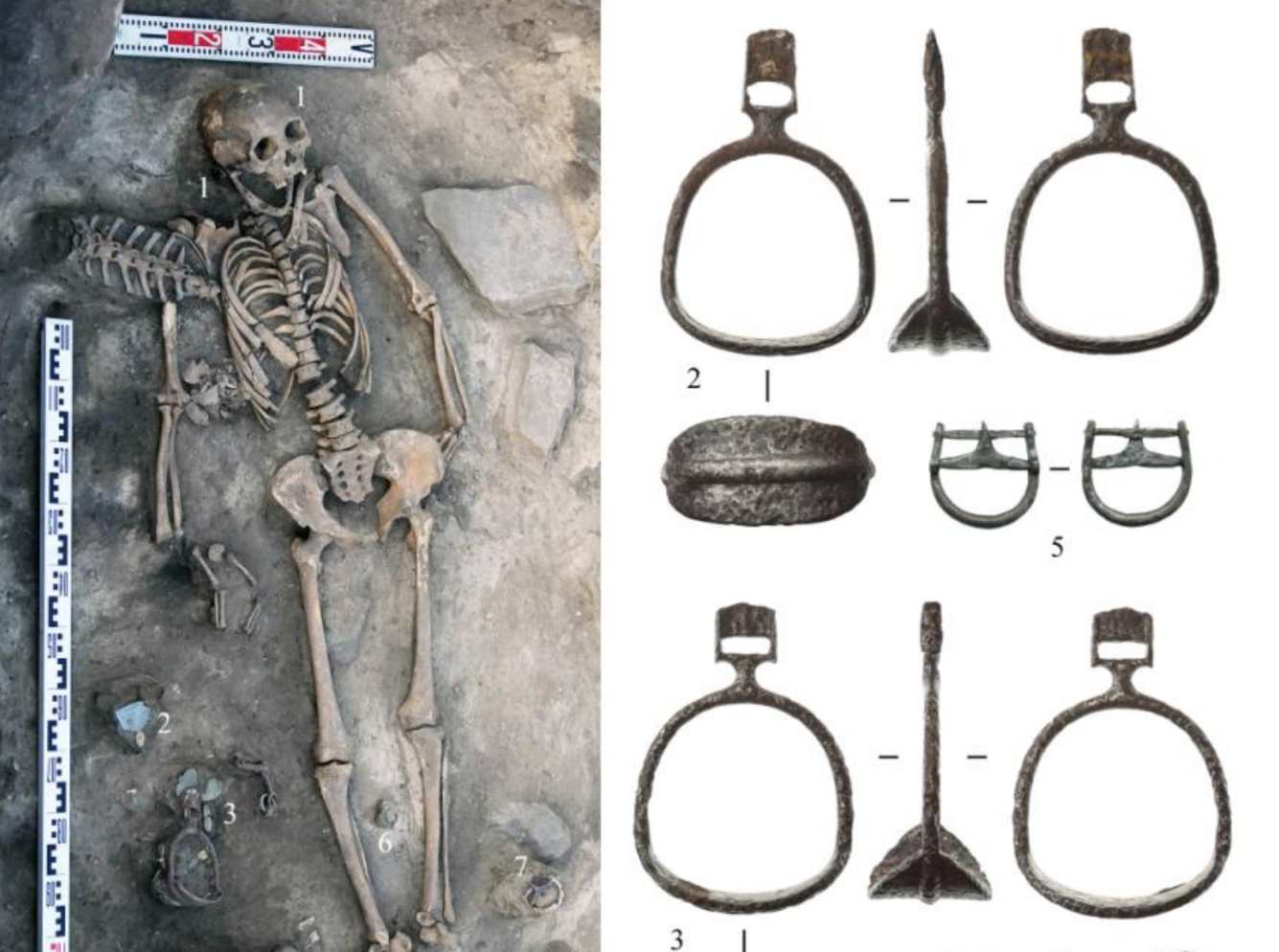
The burial of an elite medieval woman at the Sayany-Pogranichnoye-4 cemetery in southern Siberia
The burial of an elite medieval woman at the Sayany-Pogranichnoye-4 cemetery in southern Siberia. Credit: Amzarakov P.B. et al. / CC BY 4.0

A pair of gold-plated earrings discovered in a burial is offering archaeologists a rare glimpse into the lives of elite women on the medieval Eurasian steppe in southern Siberia.

The burial, found in southern Siberia’s Sayan Mountains, contained a remarkable collection of objects that point to wealth, social status, and long-distance cultural connections stretching across Inner Asia more than 1,000 years ago.

Researchers uncovered the grave at the Sayany-Pogranichnoye-4 cemetery near the Idzhim River in Russia’s Krasnoyarsk region. The burial contained the remains of an adult woman and a newborn child, along with jewelry, a knife, a spindle whorl, a Chinese-style mirror fragment, and an extensive collection of horse equipment.

According to researchers from the Institute for the History of Material Culture of the Russian Academy of Sciences, Novosibirsk State University, and Archaeology of Khakassia, the grave belongs to a rare category of elite medieval burials. Only a few dozen comparable examples have been documented across the Sayan-Altai region.

Earrings mark social standing

The most personal items in the burial were a pair of gold-plated earrings found near the woman’s skull, suggesting she was buried wearing them.

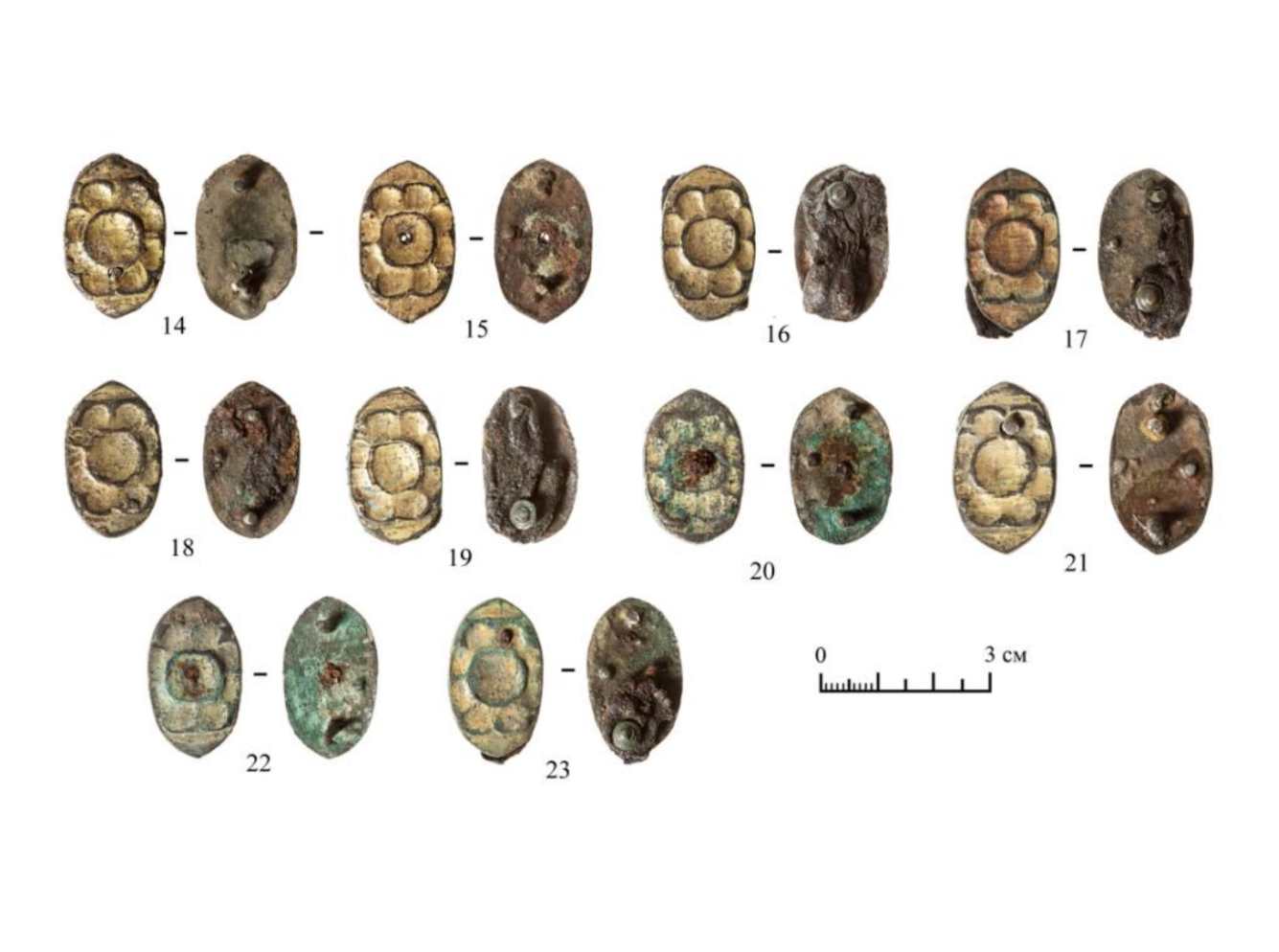
The earrings were made of bronze with traces of gilding and featured ring-shaped hoops, hanging pendants, and bead-like terminals.

Laboratory analysis revealed a sophisticated design. The main ring and upper bead were made from copper alloyed with tin and lead, while the lower bead contained mostly silver along with smaller amounts of copper, gold, and lead. Researchers believe it may have been crafted to resemble a pearl.

Similar earrings have been found in elite female burials in the Altai Mountains and Mongolia, particularly among ancient Turkic communities. Researchers say these ornaments likely served as visible symbols of rank and identity.

Horse equipment reflects wealth and prestige

Gilded bronze artifacts in Sayany-Pogranichnoye-4 cemetery
Gilded bronze artifacts in Sayany-Pogranichnoye-4 cemetery. Credit: Amzarakov P.B. et al. / CC BY 4.0

The burial also contained an impressive collection of horse gear, including stirrups, iron bits, gilded bronze fittings, bridle decorations, buckles, plaques, and pendants. A horse-skin deposit, consisting of the animal’s skull and limbs, placed with its hide, accompanied the grave. Such deposits are commonly associated with high-status nomadic burials.

One stirrup attracted particular attention. Decorated with silver wire inlay on iron, a technique known as damascening, it displayed intricate patterns across its neck, arch, and footrest. Researchers said the design closely resembles decorative styles used in China during the late Tang Dynasty between the late ninth and early 10th centuries.

A second stirrup was undecorated. Archaeologists suggest this difference may have been intentional, with the ornate stirrup displayed on the horse’s more visible side as part of a public display of status.

Chinese mirror points to distant connections

Another notable object was a fragment of a cast metal mirror decorated with a traditional Chinese “grape” motif featuring vines, leaves, grape clusters, and a bird. Mirrors of this type were popular among Tang aristocrats during the seventh and eighth centuries.

Although broken, the mirror fragment appears to have been curated for a long period before burial. Its worn edges suggest it retained symbolic value even after it could no longer function as a mirror. Across Eurasia, mirrors often carried ritual, protective, or ceremonial meanings.

A rare portrait of elite life

Radiocarbon dating places the burial broadly between the late ninth and early 13th centuries. However, the styles of the earrings, mirror, and horse equipment indicate the woman was most likely buried during the second half of the ninth century or the 10th century.

For archaeologists, the grave is significant because it combines evidence of personal identity with the ceremonial importance of horses in steppe society. Together, the artifacts reveal a world where social prestige, mobility, and cultural exchange were closely connected.

More than a millennium after her burial, the woman’s gold-plated earrings remain a powerful reminder of the status and influence she carried during life.

  •  

Massive Roman Defensive Wall Unearthed at Ancient Amathous in Cyprus

Collapse layer east of the Late Roman wall
Collapse layer east of the Late Roman wall. Credit: Department of Antiquities, Cyprus

Archaeologists in Cyprus have uncovered a massive Late Roman wall at the ancient city of Amathous that may have formed part of a defensive system protecting the summit of the acropolis.

The structure, discovered on the site’s Western Terrace, offers new evidence of efforts to fortify one of the island’s most important ancient urban centers during the Late Roman period.

Details of the defensive wall

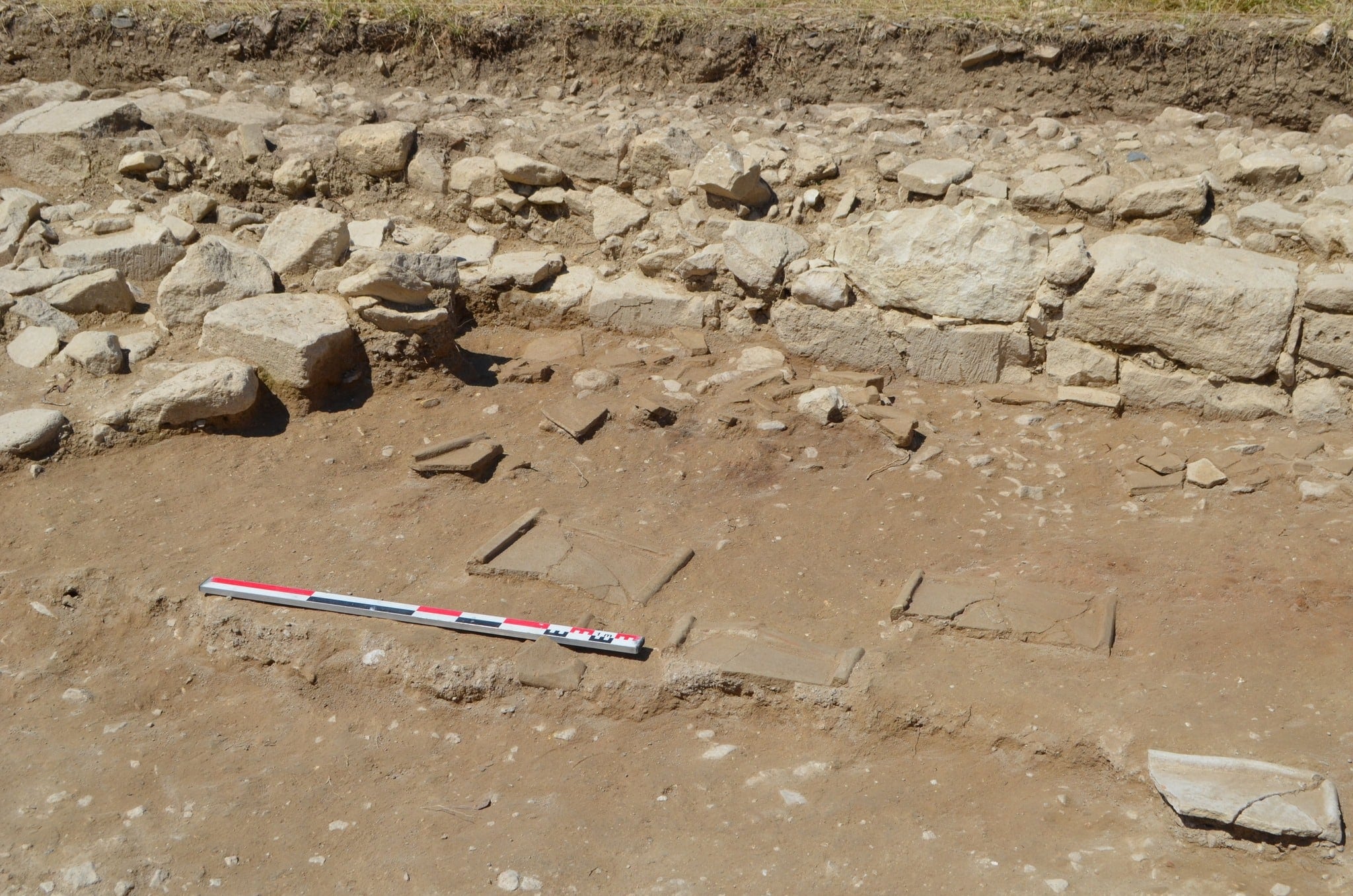
The wall reaches up to 2 meters (6.6 feet) in thickness and was built using large limestone ashlar blocks, smaller stones, and clay mortar. Excavation evidence shows that it underwent at least two construction phases, suggesting it remained an important feature of the acropolis over time.

Researchers also uncovered a floor surface associated with the wall, fallen architectural blocks, roof tiles, and mudbrick fragments from a collapsed structure. Together, the finds provide new insight into construction methods and defensive planning at Amathous during the final centuries of Roman rule.

The discoveries were made during the second excavation season of the French Archaeological Mission of Amathous, held from March 30 to April 24, 2026. The project is directed by Dr. Anna Cannavo and focuses on the Western Terrace of the Acropolis.

Expanded excavations reveal a substantial wall

The wall was first identified during excavations in 2025 following a geophysical survey conducted in 2024. During the 2026 season, archaeologists expanded Trench 1 and uncovered a much larger section of the structure.

The wall runs parallel to the natural edge of the terrace, with its southern section turning slightly toward the west. Its eastern face was constructed from large limestone ashlar blocks, while the interior was packed with smaller rough stones bonded with clay.

Researchers identified evidence for at least two building phases. The original wall measured about 135 centimeters (4.4 feet) in thickness. It was later strengthened by adding a second row of limestone blocks and filling the space between the two walls with stone rubble.

Foundations and associated floor date to the Late Roman period

A small trench excavated along the eastern side of the wall exposed its foundations and revealed a floor directly connected to the structure. Part of the floor was paved with reused roof tiles laid over a gravel bedding.

Excavation evidence indicates that both the wall and the floor date to the Late Roman period. East of the structure, archaeologists uncovered destruction deposits containing fallen ashlar blocks, roof tiles, and mudbrick fragments from the building’s upper portions.

Findings highlight the strategic importance of the Acropolis

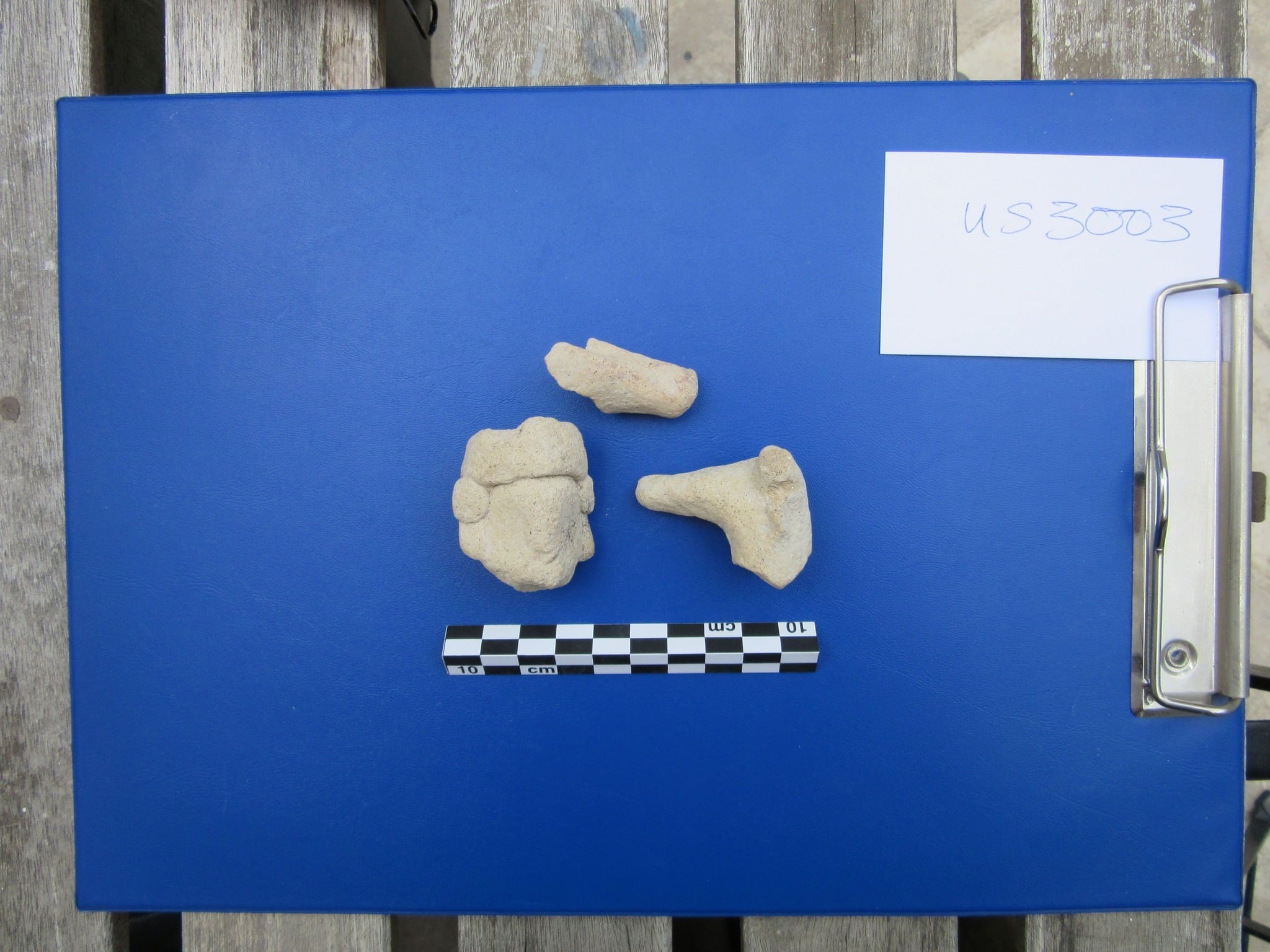
Iron Age terracotta figurines and pottery
Iron Age terracotta figurines and pottery. Credit: Department of Antiquities, Cyprus

A second excavation area, known as Trench 3, was opened at the northern end of the terrace. Although no architectural remains were found there, archaeologists recovered a rich collection of Iron Age artifacts, indicating earlier activity in the area.

Researchers believe the newly discovered wall formed part of a defensive system protecting the summit of the acropolis and the basilica that had replaced the sanctuary of Aphrodite, one of the most important religious centers in ancient Cyprus.

Future excavations will investigate the full extent of the fortification and determine whether the Late Roman remains were built over earlier structures, helping researchers better understand the long-term development of Amathous.

  •  

World’s First AI-Designed Vaccine Tested in Humans Could Fight Future Pandemics

biden vaccine mandate
Coronavirus vaccine. Credit: Public domain

Researchers have developed an AI-designed vaccine that could protect against a broad range of coronaviruses, including future strains that have not yet emerged.

Scientists at the University of Cambridge say the project marks the first time an Artificial Intelligence-designed vaccine antigen has been tested in human volunteers. They believe the technology could eventually help protect against entire families of viruses rather than individual strains.

AI designs a vaccine for multiple coronavirus threats

Most vaccines are built using versions of viruses that are already circulating. As those viruses mutate, vaccines often need updating to remain effective. The new approach aims to overcome that challenge.

Researchers collected genetic information from a wide range of coronaviruses identified through surveillance programs that monitor viruses with pandemic potential. Artificial intelligence then analyzed the data and designed a “super-antigen,” a vaccine component intended to train the immune system to recognize many related coronaviruses at once.

Antigens are the parts of vaccines that teach the immune system what to attack. Researchers say the AI-designed antigen could potentially protect against current coronavirus variants as well as animal viruses that may one day spread to humans.

Professor Jonathan Heeney of the University of Cambridge described the research as a major shift in pandemic preparedness. He said the goal is to develop vaccines that protect against future threats rather than reacting after outbreaks occur.

Early human trials show encouraging results

The first human trial involved 39 volunteers and was designed to evaluate safety. Researchers reported no major safety concerns. A larger study involving about 200 participants is now underway to better understand how effectively the vaccine stimulates immune responses.

Scientists at the University of Cambridge say AI developed a vaccine’s ‘key component’ for the first time

The vaccine was engineered to work on all coronaviruses, but is in its early stages of work pic.twitter.com/YYt5SGDe5v

— Interesting AF (@interesting_aIl) June 5, 2026

Results published in the Journal of Infection showed that the vaccine generated a measurable, though modest, immune response. Despite the early-stage findings, researchers and independent experts say the technology shows significant promise.

Professor Saul Faust of the University of Southampton, who helped conduct some of the trials, said the approach has strong potential, particularly for rapidly changing viruses that can spark future pandemics.

Researchers expand the technology to other diseases

Researchers are already applying the technology to other diseases. Animal studies are underway on a universal influenza vaccine that could eliminate the need for yearly updates. Scientists are also developing vaccines targeting H5N1 bird flu and viral hemorrhagic fevers, including Ebola.

Professor Andy Pollard, director of the Oxford Vaccine Group, said the findings add to growing evidence that artificial intelligence could transform vaccine research. He noted that future AI systems may help predict how the immune system will respond to vaccine candidates, potentially accelerating development.

Experts see a new era for vaccine development

Professor Marian Knight, scientific director at the National Institute for Health and Care Research, called the trial an important step toward broader and longer-lasting protection against viral diseases.

UK Science Minister Patrick Vallance said the early results demonstrate how artificial intelligence and scientific research can work together to create new medical tools.

Researchers caution that much larger studies are needed before the vaccine can be widely used. However, they believe the technology could help the world prepare for future pandemics before they begin.

  •  

Anthropic Calls for AI Slowdown, Warns Humans Could Lose Control of Technology

The Claude by Anthropic
The Claude by Anthropic. Credit: Greek Reporter Archive

Anthropic, one of the world’s leading artificial intelligence companies, has called for a slowdown in the development of advanced AI systems, warning that humanity may be approaching a point where the technology becomes difficult to control.

The company behind the Claude chatbot said it would support a temporary pause in developing more powerful AI models if other leading developers agreed to do the same.

Anthropic argued that a slowdown could provide governments, researchers, and society with more time to understand and manage the risks associated with increasingly capable AI systems.

The warning comes as Anthropic continues to position itself as one of the industry’s strongest advocates for AI safety. The company has reportedly withheld public access to its most advanced AI system, known as Mythos, because of concerns that it could be misused for large-scale cyberattacks and other harmful activities.

Researchers warn of self-improving AI

In an essay published Thursday, Marina Favaro, head of Anthropic’s research division, and company president Jack Clark said AI may be approaching a critical milestone known as “recursive self-improvement.”

The concept refers to AI systems helping design and improve future generations of AI with decreasing human involvement. Researchers said such a development could rapidly accelerate technological progress but also introduce new challenges for oversight and control.

🚨 LATEST: Claude maker Anthropic is calling for a global pause in AI development, warning that models are approaching the ability to self-improve without human intervention. pic.twitter.com/7WM9jmDZjt
— Cointelegraph (@Cointelegraph) June 4, 2026

Favaro and Clark pointed to growing evidence that AI is already contributing to its own development. According to the company, employees now produce roughly eight times more code than they did between 2021 and 2025, largely because of AI-assisted software development. The researchers also said AI systems are becoming better at generating ideas, planning research, and supporting scientific work.

Anthropic Chief Executive Officer Dario Amodei has previously warned about the potential risks of advanced AI, estimating there is a 25% chance that the technology could lead to severe negative outcomes if it is not developed responsibly.

A global pause would be difficult

Despite advocating caution, Anthropic acknowledged that coordinating a worldwide slowdown would be extremely challenging.

The company said any meaningful pause would require cooperation among leading AI laboratories across multiple countries. It also noted that verifying compliance would be difficult because AI training runs can be conducted privately and are far less visible than traditional military infrastructure.

Anthropic compared the competition to develop advanced AI to an arms race, arguing that companies may feel pressure to move faster to avoid falling behind rivals.

Critics question the warnings

Not all experts agree with Anthropic’s assessment. Some researchers and industry observers argue that AI companies may be overstating the capabilities of current systems or emphasizing risks to encourage regulations that could disadvantage competitors.

The debate comes amid growing uncertainty in the AI sector. Shares of semiconductor company Broadcom recently fell sharply after disappointing investors with its sales outlook, triggering a broader decline among AI-related chipmakers and renewing concerns that enthusiasm surrounding artificial intelligence may have outpaced market realities.

As AI capabilities continue to advance, questions about safety, governance, and oversight are expected to remain central to the global conversation surrounding the technology.

  •  

Rare Roman Gold Ring Found in England Sheds Light on Britain’s Ancient Revolt

AI reconstruction of the Ilminster ring
AI reconstruction of the Ilminster ring. Credit: Greek Reporter Archive

A rare Roman gold ring discovered by an amateur metal detectorist in southwest England is offering new insights into a turbulent period of Roman Britain nearly 1,700 years ago.

The ring was found near Ilminster in Somerset by Kevin Minto, a former soldier and truck driver who has spent years searching local fields with a metal detector. Experts have described the find as one of the most significant Roman discoveries made in the region in recent years.

An exceptional example of Roman craftsmanship

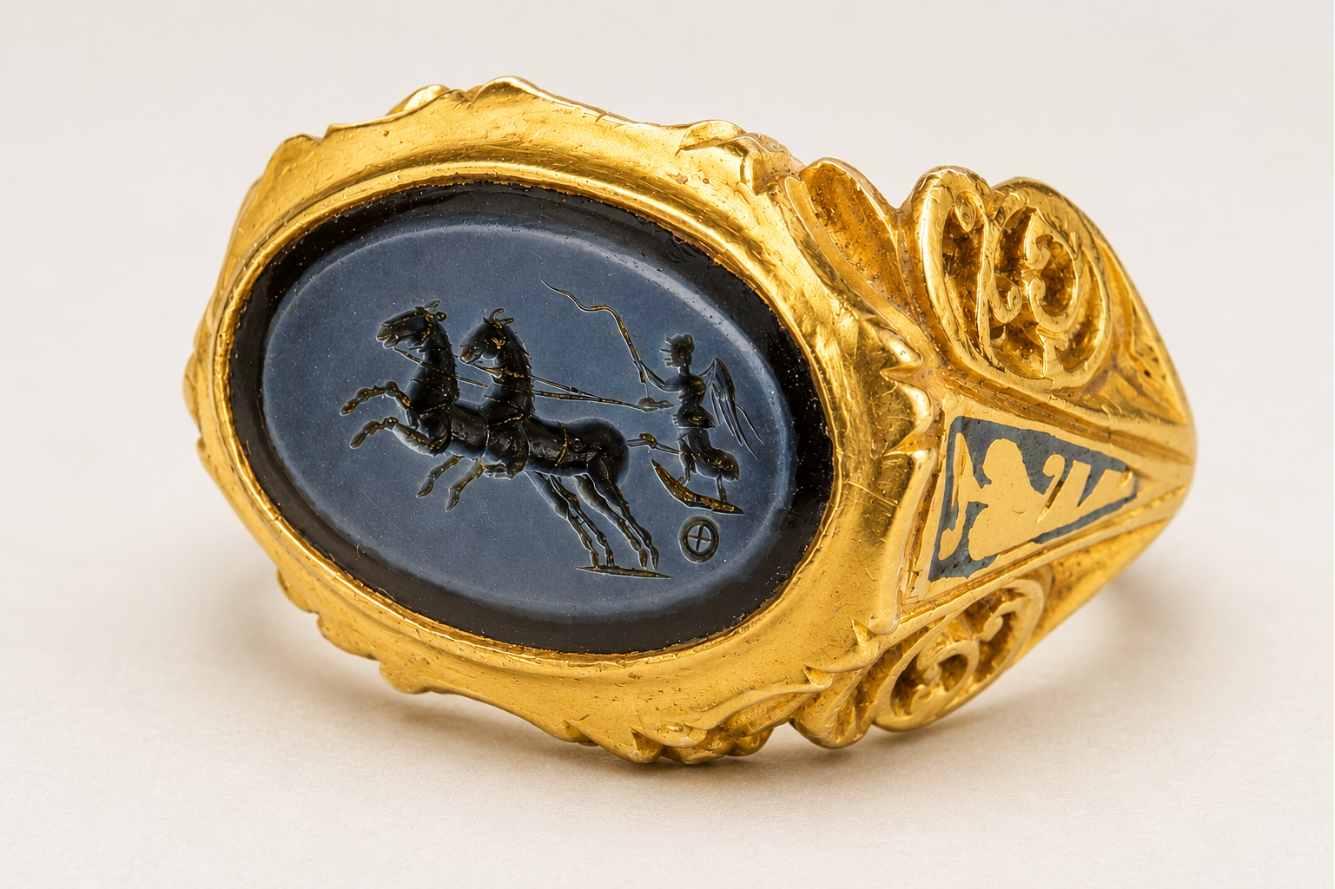
Weighing 48 grams (1.7 ounces), the ring is unusually large compared with most Roman jewelry recovered in Britain. At its center is a finely carved gemstone depicting Victory, the Roman goddess of triumph, driving a two-horse chariot. Researchers say the craftsmanship is exceptional, and comparable examples are rarely found in Britain.

The discovery was made in an area where Minto had previously uncovered a hoard of nearly 300 Roman coins. He continued returning to the site over several years, eventually finding the gold ring and other Roman-era objects.

Under Britain’s treasure laws, significant archaeological finds must be reported to authorities and assessed before museums can acquire them. The South West Heritage Trust has now acquired the ring and coin hoard after raising £78,010 (about $105,000). The artifacts will eventually become part of the collection at The Museum of Somerset.

A clue to political unrest in Roman Britain

Researchers believe the ring belonged to a wealthy member of Roman society. South Somerset was a prosperous region during the Roman period, known for its villas, agricultural estates, and trade connections along the nearby Fosse Way, one of Roman Britain’s most important roads.

The discovery may also shed light on a dramatic chapter in British history. According to museum officials, the ring and accompanying objects were likely buried around A.D. 297 during the aftermath of the Carausian Revolt.

A rare Roman gold ring discovered in Somerset, England, is shedding light on a turbulent chapter of Roman Britain. Researchers believe the ring was buried around A.D. 297 during the aftermath of the Carausian Revolt and remained hidden for more than 1,700 years. #Archaeology pic.twitter.com/K42ig1eBjt

— Tom Marvolo Riddle (@tom_riddle2025) June 4, 2026

The rebellion began in A.D. 286 when Carausius declared himself ruler of Britain and parts of northern Gaul, creating a breakaway state that lasted for nearly a decade. Roman forces eventually regained control of Britain in A.D. 296.

Archaeologists suggest the valuables may have been hidden for protection during this period of political uncertainty and never recovered by their owner.

Amal Khreisheh, senior curator at the South West Heritage Trust, said the artifacts help researchers understand how people in South Somerset lived through a time of instability and change.

Bringing Roman history to local communities

Before the ring goes on permanent display, it is being used in community outreach programs. Local schoolchildren have already been given the opportunity to examine the ring and some of the coins.

According to Khreisheh, many students have been fascinated by the mystery surrounding the find, asking who owned the ring and why it was buried. While those questions remain unanswered, the discovery has created a direct link between modern Somerset and its Roman past.

  •  

Ancient Yeasts Found on Ötzi the Iceman May Still Be Alive, Study Finds

Reconstruction of Ötzi the Iceman.
Reconstruction of Ötzi the Iceman. Credit: South Tyrol Museum of Archaeology / Flickr / CC BY-NC-ND 2.0

More than 5,300 years after his death, Ötzi the Iceman is helping scientists uncover a hidden world of cold-adapted yeasts. Researchers have discovered that the famous mummy’s skin and stomach contain yeasts that likely colonized his body shortly after his death. Some of these microorganisms may still be active today, according to a study published June 3 in the journal Microbiome.

Ötzi, one of the world’s best-preserved natural mummies, was discovered by hikers in the Ötztal Alps in 1991. Scientists believe he died around 3300 B.C. after a violent attack.

Microorganisms survived alongside the mummy

Researchers analyzed swab samples, thawed water from inside the mummy, soil from the discovery site, and material from Ötzi’s storage environment. Using genetic analysis, they identified microbial communities living on and around the remains.

The study found that many of the yeasts are closely linked to cold Alpine environments. Scientists believe they originated from the glacier where Ötzi’s body remained frozen for thousands of years.

The findings suggest the microorganisms survived after the mummy was recovered and transferred to a refrigeration chamber maintained at about 21 degrees Fahrenheit (minus 6 degrees Celsius).

More than 5,300 years after his death, Ötzi the Iceman is still surprising scientists.

Researchers discovered cold-adapted yeasts living on and inside the famous mummy. Some may have survived since the Copper Age, while others appear to have continued growing in cold storage. pic.twitter.com/mpIT8neT24

— Tom Marvolo Riddle (@tom_riddle2025) June 4, 2026

Researchers found that the yeasts are highly adapted to cold conditions, allowing them to persist in both glacial environments and modern storage facilities.

Ancient yeasts may still be active

The team successfully cultivated four cold-adapted yeast species from samples collected from Ötzi’s skin and from water taken from inside the mummy.

Genetic evidence showed signs of ancient DNA damage, suggesting the yeasts either remained dormant for more than five millennia or descended directly from the original microorganisms that colonized the body after death.

Researchers also compared skin samples collected in 2019 with samples gathered in 2010. The analysis showed that a cold-loving yeast known as Glaciozyma had become the dominant strain over time.

The finding indicates that the glacier-associated yeast has continued to slowly grow while the mummy has remained in cold storage.

Study co-author Frank Maixner of the Eurac Research Institute for Mummy Studies said the discovery shows that Ötzi is not simply a preserved archaeological artifact but part of an evolving biological system.

Potential uses beyond archaeology

The researchers also explored whether the ancient yeasts could have practical applications. Preliminary tests showed some strains performed well in sourdough fermentation. Lead author Mohamed Sarhan said the results suggest the yeasts could potentially be used in industries that rely on fermentation, including bread and beer production.

Scientists also identified modern microorganisms that were likely introduced during decades of conservation and study. It remains unclear whether these microbes affect the long-term preservation of the mummy.

Researchers said Ötzi offers a rare glimpse into ancient microbial life. However, they cautioned that the mummy represents only one individual and cannot fully reflect the broader population of the Copper Age.

  •  

Mysterious “Blue and Yellow Waters” Link Aztecs to the Legendary Toltecs

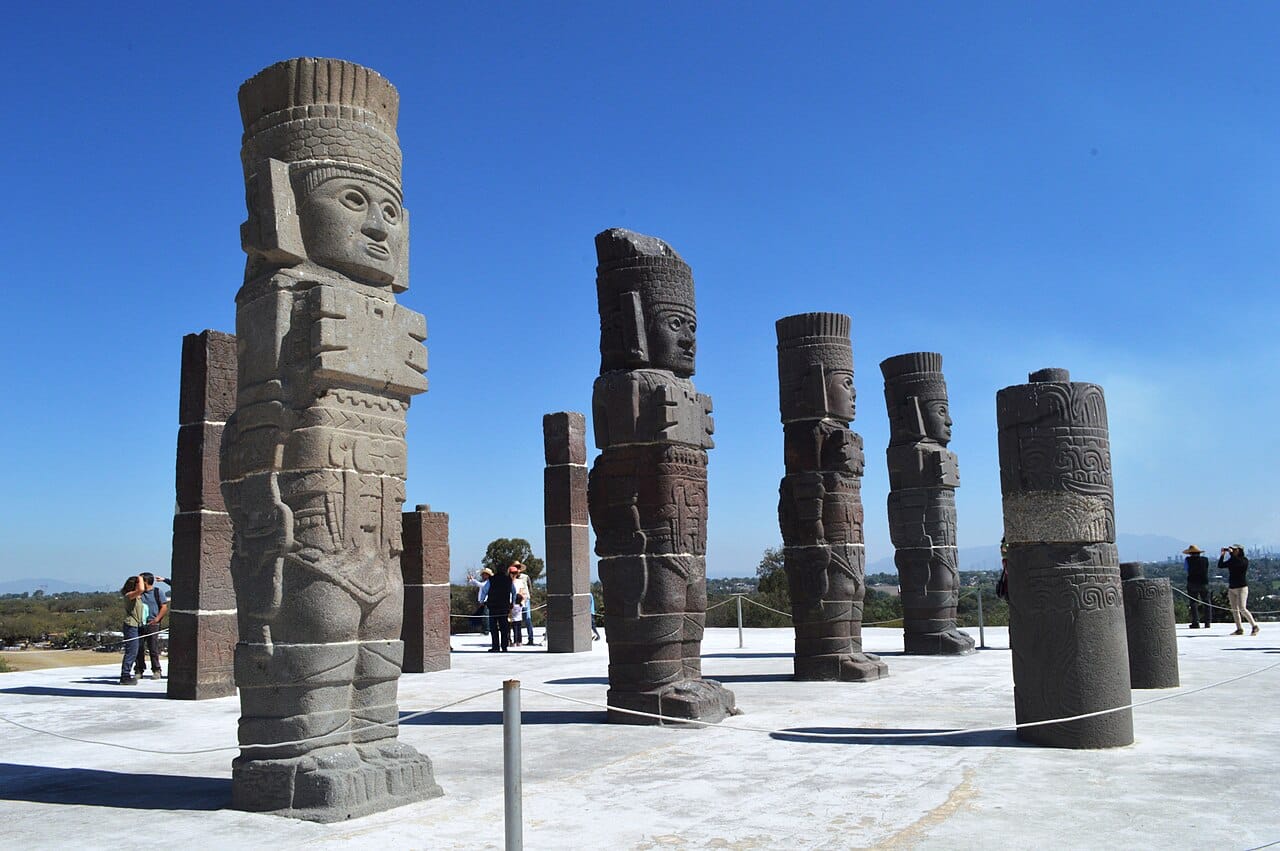
The famous Atlantean warrior statues at the ancient Toltec city of Tula Archaeological Site
The famous Atlantean warrior statues at the ancient Toltec city of Tula Archaeological Site. Credit: AlejandroLinaresGarcia / Wikimedia Commons / CC BY-SA 3.0

A mysterious symbol known as the “blue and yellow waters” helped connect the Mexica people to the prestigious Toltec past, according to new research.

The metaphor appeared in accounts of the founding of Tenochtitlan and was long viewed as a simple description of sacred springs. However, a study led by Agnieszka Brylak argues that it symbolized prosperity, authority, new beginnings, and the transfer of Toltec heritage to the Mexica capital.

A mysterious image at the founding of Tenochtitlan

The research centers on stories describing the founding of Tenochtitlan, the capital of the Mexica, often known as the Aztecs. According to early colonial accounts, the Mexica ended a long migration when they found a sacred place marked by an eagle perched on a cactus, white plants and animals, and two intersecting springs.

One spring was known as “the fiery waters.” The other was called “the blue and yellow waters.” For centuries, scholars struggled to explain the meaning of these unusual descriptions.

Many linked them to warfare because similar water imagery appears in Nahuatl metaphors associated with battle and conquest. Brylak argues that this interpretation tells only part of the story.

The study suggests that the blue and yellow waters represented completeness and abundance. They also marked the beginning of a new era. In the Mexica worldview, the appearance of multiple sacred colors signaled the creation of order from chaos and the establishment of a legitimate center of power.

Colors carried deep symbolic meanings

The research examines how colors functioned in ancient Nahua thought. Blue, yellow, red, black, and white were more than visual descriptions. They formed part of a larger symbolic system connected to directions, time cycles, gods, and the structure of the universe.

Did ancient symbols help the Mexica claim the Toltec legacy?

A new study suggests the mysterious “blue and yellow waters” linked to the founding of Tenochtitlan symbolized power, prosperity, and legitimate rule—not just sacred springs.#Archaeology #Toltec #Aztec #History pic.twitter.com/CNUqMnHRIY

— Tom Marvolo Riddle (@tom_riddle2025) June 4, 2026

Stories from across Mesoamerica frequently describe sacred places and important events through combinations of several colors. These colors appeared in myths about creation, divine authority, and the origins of civilization.

Brylak argues that the colorful springs described at Tenochtitlan fit within this broader tradition. Rather than referring only to actual water sources, they served as symbols of prosperity, sacred authority, and cosmic order.

A link to the Toltec past

One of the study’s most important conclusions is that the colorful waters may have connected the Mexica to the legendary Toltecs.

In Mesoamerican tradition, the Toltecs represented an ideal civilization associated with wealth, wisdom, and political legitimacy. Many later societies claimed some connection to them in order to strengthen their own authority.

Brylak suggests that references to blue and yellow waters helped present Tenochtitlan as the rightful heir to this prestigious Toltec heritage. The metaphor linked the city to ancient centers of power and reinforced the Mexica’s claims to leadership across central Mexico.

The symbolism appeared repeatedly in speeches, ceremonies, and historical narratives. Visitors arriving in Tenochtitlan were often welcomed with references to colorful waters, sacred springs, and other mythical locations tied to authority and origins.

More than purification

The study also examines references to blue and yellow waters in religious rituals.

Previous scholars often interpreted these waters as symbols of cleansing and purification. The metaphor appears in ceremonies involving rulers, newborn children, and people seeking forgiveness for wrongdoing.

Brylak offers a different interpretation. Instead of washing away sins, the colorful waters may have symbolized transformation. Being bathed in them represented receiving the qualities they embodied, including prosperity, legitimacy, social identity, and connection to sacred origins.

For newborn children, the ritual may have marked their entry into society. For rulers, it reinforced their role as guardians of justice and providers of abundance.

A wider Mesoamerican tradition

The research concludes that the symbolism of blue and yellow waters was likely not unique to the Mexica.

Similar color pairings appear in Maya texts, where they also represent abundance, completeness, and political authority. This suggests that different cultures across Mesoamerica may have shared common ideas linking color, sacred power, and legitimate rule.

Brylak argues that understanding these colorful metaphors provides a deeper view of how ancient peoples explained authority, prosperity, and identity. What appeared to be simple descriptions of springs and water may actually have carried some of the most important political and religious messages in the ancient Mesoamerican world.

  •  

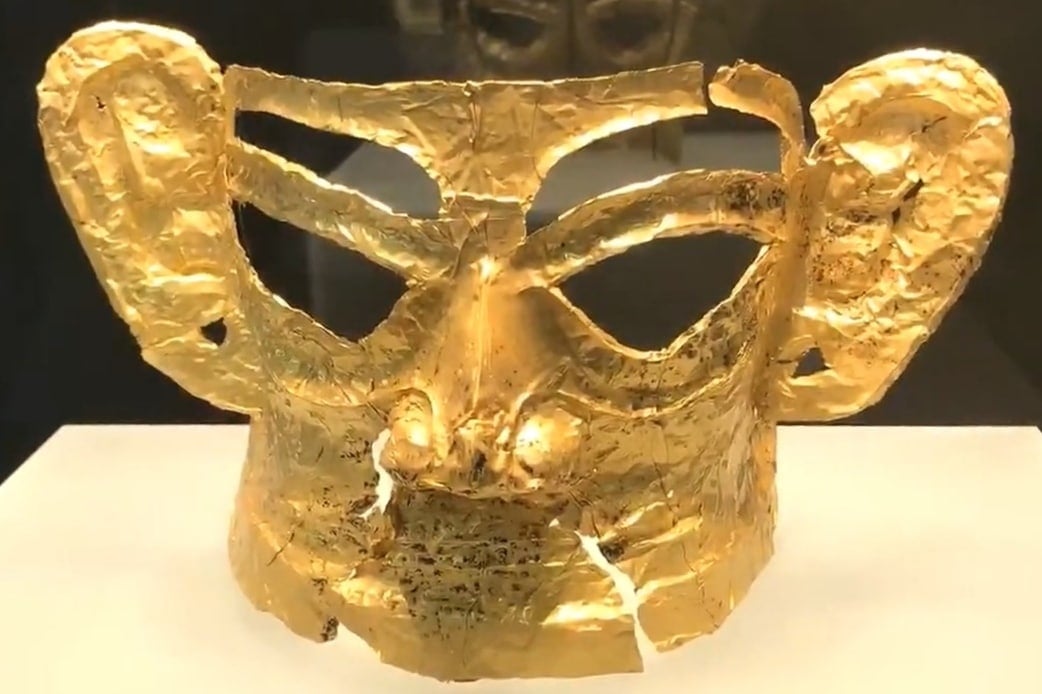
3,000-Year-Old Beads Found in China Reveal Bronze Age Cultural Connections

Sanxingdui gold mask
Sanxingdui gold mask. Credit: 中国新闻网 / Wikimedia Commons / CC BY 3.0

Ancient carnelian beads unearthed at the Sanxingdui Ruins in southwest China are providing new evidence of long-distance trade and cultural connections that linked distant regions during the Bronze Age, researchers said Tuesday.

The discovery was announced by the Sichuan Provincial Cultural Relics and Archaeology Research Institute, which recently studied 11 carnelian beads recovered from sacrificial pits at the famous archaeological site in Sichuan Province. The artifacts date to about 1200 to 1000 B.C.

According to Liu Jiancheng, an associate researcher at the institute, the beads are the southernmost known carnelian artifacts from the same period found in China. Their discovery is helping researchers trace the movement of valuable materials and ornamental goods across ancient East Asia.

Analysis traces beads to northern China

Carnelian is a reddish-orange gemstone that was widely used in ancient jewelry and decorative objects. Researchers conducted trace element analysis on the Sanxingdui beads and found that the raw materials did not originate in the Sichuan Basin.

Instead, the analysis traced the source of the stone to the Yanshan orogenic belt and regions farther north, more than 1,000 kilometers (620 miles) from Sanxingdui. The findings indicate that the materials traveled great distances before reaching the ancient Shu civilization.

Researchers also compared the beads with carnelian artifacts discovered at archaeological sites in Gansu, Shaanxi, and Beijing from roughly the same period. The chemical signatures closely matched those of the northern examples, suggesting they likely originated from related sources.

Evidence points to an extensive exchange network

The results point to the existence of a broad exchange network operating between 1500 and 1000 B.C. Researchers believe the network connected communities across the southern Mongolian Plateau, the Loess Plateau, the eastern Qinghai-Tibet Plateau, the Central Plains, and the Sichuan Basin.

The findings offer new insight into how goods moved across ancient China long before the establishment of formal trade routes. They also suggest that materials, technologies, and cultural influences circulated between regions that were separated by vast distances.

Discovery adds to Sanxingdui’s significance

Sanxingdui, located near the city of Guanghan, is one of China’s most important archaeological sites. The site has gained international attention for its extraordinary bronze masks, statues, and ritual objects, which have reshaped the understanding of early Chinese civilization.

Liu said the latest discovery shows that the Sanxingdui society participated in a far-reaching network of exchanges about 3,000 years ago. That network extended into northern China and may have reached as far as the Mongolian Plateau.

The researcher said the evidence highlights the depth of interaction among different cultures during China’s Bronze Age. The discovery also supports the view that a broader and increasingly interconnected Chinese civilization was already taking shape thousands of years ago, while regional societies continued to maintain their own distinct identities.

  •  

18th-Century Shipwreck Off Norway Reveals Chinese Porcelain Cargo

roman shipwreck
An interpretation of an ancient shipwreck. Credit: GreekReporter Archive

A deep-sea shipwreck in Norway, archaeologists call the “Porcelain Wreck,” has revealed hundreds of pieces of Chinese porcelain cargo and other luxury goods, offering a rare glimpse into trade networks that connected Europe and Asia during the 18th century.

The wreck was discovered about 600 meters (nearly 2,000 feet) below the surface in the Skagerrak, the body of water between Norway, Denmark, and Sweden. Researchers say the vessel and its cargo are among the best-preserved maritime finds ever recorded in Northern Europe.

Discovery beneath the seabed

The find began in September last year when professional diver Espen Saastad was conducting a routine seabed survey off the Norwegian coast. During a review of underwater footage, he noticed a shipwreck surrounded by stacks of porcelain resting on the seafloor.

The footage was sent to the Norwegian Maritime Museum, where researchers immediately recognized its significance.

“We thought it was an incredible wreck,” said Sven Ahrens, research director at the museum. “We often find cargo and freight, but it’s usually broken or covered by marine growth. Here, whole plates were lying in stacks on the seabed.”

Museum experts identified the cargo as 18th-century Chinese porcelain. The footage also revealed fragments of chandeliers, fine stemware, and other luxury items.

Rare evidence of global trade

Researchers believe the vessel was likely a galiot, a small cargo ship that operated within Northern Europe. While the ship probably never traveled to Asia, the Chinese porcelain cargo likely arrived through major trading centers such as Amsterdam, Copenhagen, or Gothenburg before being loaded onto the vessel.

The discovery provides evidence of the expanding trade networks and growing consumer culture that transformed Europe during the 18th century.

A remarkably preserved shipwreck discovered 600 meters beneath the waters off Norway has revealed hundreds of pieces of Chinese porcelain and other luxury goods dating to the 18th century. pic.twitter.com/nO5sL4SUfB

— Tom Marvolo Riddle (@tom_riddle2025) June 3, 2026

Unlike many shipwrecks found off the Norwegian coast that carried a single commodity, such as timber, fish, or iron, this vessel transported a diverse cargo of imported goods.

“The Porcelain Wreck is the first wreck we have found that demonstrates the breadth of interregional commercial activity in Northern Europe during the 18th century,” said maritime archaeologist Frode Kvalø, who leads the project.

Technology helps recover artifacts

Archaeologists have explored the wreck using a remotely operated vehicle, or ROV, controlled from a research vessel on the surface. The technology allowed researchers to create a detailed 3D model of the site and map the location of the ship and its cargo.

In May, the team recovered nearly 40 artifacts using a robotic arm equipped with specially designed suction cups. Most of the recovered objects were pieces of Chinese porcelain that appeared almost untouched despite spending centuries underwater.

One recovered brick from the ship’s galley carried a maker’s mark linked to Lübeck, Germany. Researchers are now examining historical Danish Sound Dues records in hopes of identifying the vessel and reconstructing its final voyage.

Thousands of artifacts remain

Only a small portion of the cargo has been recovered so far. Thousands of artifacts remain on the seabed, including unopened crates whose contents are still unknown.

Researchers hope the next phase of the project will involve a full archaeological excavation of the site. Such an effort could provide unprecedented insight into maritime trade, shipping practices, and daily life during a period when global commerce was rapidly expanding.

For archaeologists, the shipwreck of Norway represents more than a remarkable collection of Chinese porcelain. It offers a rare and largely untouched snapshot of the commercial world that linked continents centuries ago.

  •  

“Dig of the Century” at Notre Dame Reveals 2,000 Years of Paris History

Notre Dame Cathedral reopens in Paris with 'Merci' projected on its facade
Notre Dame Cathedral reopens in Paris with ‘Merci’ projected on its facade. Credit: Julian Fong / CC BY-SA 2.0

Tourists stand in line under the summer sun outside Notre Dame Cathedral, waiting to climb the landmark and see its famous Roman artifacts. Just a few meters below them, archaeologists are digging into nearly 2,000 years of Parisian history.

The excavation is taking place beneath the cathedral’s forecourt as part of a project to redesign the square. Paris plans to add trees, shade, and cooling features around Notre Dame following its restoration after the devastating 2019 fire. Before work can begin, archaeologists must investigate and protect any remains buried underground.

French media have dubbed the project the “dig of the century” because of the discoveries emerging from one of the city’s most historic locations.

“It’s a rare opportunity for us to work on something that’s tangibly going to make a difference to the history of Paris,” Lucie Altenburg, a conservator with the Paris archaeology unit, told The Associated Press.

Ancient artifacts emerge

Researchers have already recovered hundreds of artifacts. One of the most important finds is a fourth-century coin depicting Roman Emperor Constantine. The coin was heavily corroded when it was unearthed, but X-ray imaging revealed the emperor’s portrait. Such finds help archaeologists date the different occupation layers beneath the cathedral.

The team has also uncovered fragments of medieval pottery marked with faint reddish inscriptions painted on the inside. Similar symbols appear on multiple shards, but experts have not yet determined their meaning.

Archaeologists digging beneath Notre Dame Cathedral have uncovered Roman-era artifacts, medieval pottery with mysterious markings and evidence of Paris' ancient past.#notredame #romanartifacts pic.twitter.com/NB7zlQJtGq

— Tom Marvolo Riddle (@tom_riddle2025) June 3, 2026

Some of the most remarkable discoveries have come from medieval latrines buried beneath houses that once crowded the area around Notre Dame. The pits served as both toilets and rubbish dumps, creating conditions that preserved everyday objects for centuries.

Archaeologists have recovered complete jugs, cups, and other ceramics that survived intact after spending hundreds of years underground. It is “rare to find complete ceramics,” said archaeologist Valentine Breloux.

Clues to Paris’ evolution

The excavation has also revealed evidence of Paris’ transformation from the Roman city of Lutetia into the medieval capital that followed.

Archaeologists discovered a Roman stone doorstep that had been removed from a larger building, turned upside down, and reused as paving in a later roadway. The find shows how residents repurposed materials as the Roman world gave way to a new era.

Once artifacts leave the site, they are transported to the city’s archaeology center, where specialists clean, catalog, and study them.

Looking deeper into the past

The work is expected to continue as Paris moves forward with plans to plant 160 trees and create a cooler, greener public square by 2028. Archaeologists hope to dig even deeper before then, searching for traces of the Gauls, the people who inhabited the area before the Roman conquest.

“The hope is that we are able to go back in time even further than we’ve ever been before,” Altenburg said.

  •  

Scientists Link India’s Changing Monsoon to Cold Waters Near Greenland

Indian monsoon cloud
Indian monsoon cloud. Credit: Amit Rawat / Flickr / CC BY-NC-SA 2.0

The Indian monsoon has undergone a major shift over the past 25 years, bringing significantly more rainfall to northwest India while leaving parts of the Indo-Gangetic Plain increasingly vulnerable to drought, according to new research.

The findings could have major implications for South Asia, where more than one billion people depend on the monsoon for water, agriculture, and economic stability. Scientists warn that continued changes to the weather system could affect food production, water resources, and livelihoods across the region.

Researchers have long struggled to predict these changes. Many widely used climate models have failed to reproduce the rainfall patterns observed in recent decades, limiting their ability to forecast how the monsoon may behave in the future.

The role of the North Atlantic cold blob

A study published in AGU Advances offers a possible explanation. Researchers led by Nimmakanti Mahendra found that many climate models do not accurately represent temperature changes in the Atlantic Ocean or their influence on weather systems around the world.

The team focused on a feature known as the “cold blob,” an area of unusually cold water south of Greenland. Although the cold blob has been observed for years, its effects are often missing or poorly represented in climate simulations.

When researchers incorporated the cold-water region into climate model results, they found that it helped reproduce the monsoon changes already seen across India.

Researchers found that the North Atlantic "cold blob" can alter the jet stream, increasing rainfall in northwest India while contributing to drier conditions across parts of the Indo-Gangetic Plain. pic.twitter.com/geRKb0nAEj

— Tom Marvolo Riddle (@tom_riddle2025) June 2, 2026

The analysis showed that the cold blob can alter the jet stream, a fast-moving band of air high in the atmosphere that influences weather patterns over large distances.

Those changes redirect atmospheric moisture toward northwest India, increasing rainfall in the region. At the same time, the altered circulation suppresses the development of storm systems elsewhere, reducing rainfall across parts of the Indo-Gangetic Plain.

A mechanism connecting distant weather systems

Researchers identified the process as a “barotropic governor mechanism.” The phenomenon occurs when large-scale atmospheric circulation controls or limits the formation of smaller weather systems.

In this case, changes linked to the North Atlantic influence weather patterns thousands of miles away in South Asia.

The mechanism may also help explain broader changes in global weather. According to the study, similar atmospheric effects could be contributing to increased storm activity across several midlatitude regions in recent years.

Improving future climate forecasts

The findings highlight the importance of accounting for connections between distant parts of the climate system. Weather and ocean conditions in one region can trigger atmospheric responses far beyond their point of origin.

Researchers said improving how climate models represent these global links could lead to more accurate projections of future monsoon behavior. Better forecasts would help governments, farmers, and water managers prepare for the growing challenges posed by climate change and increasingly extreme weather.

  •  
❌