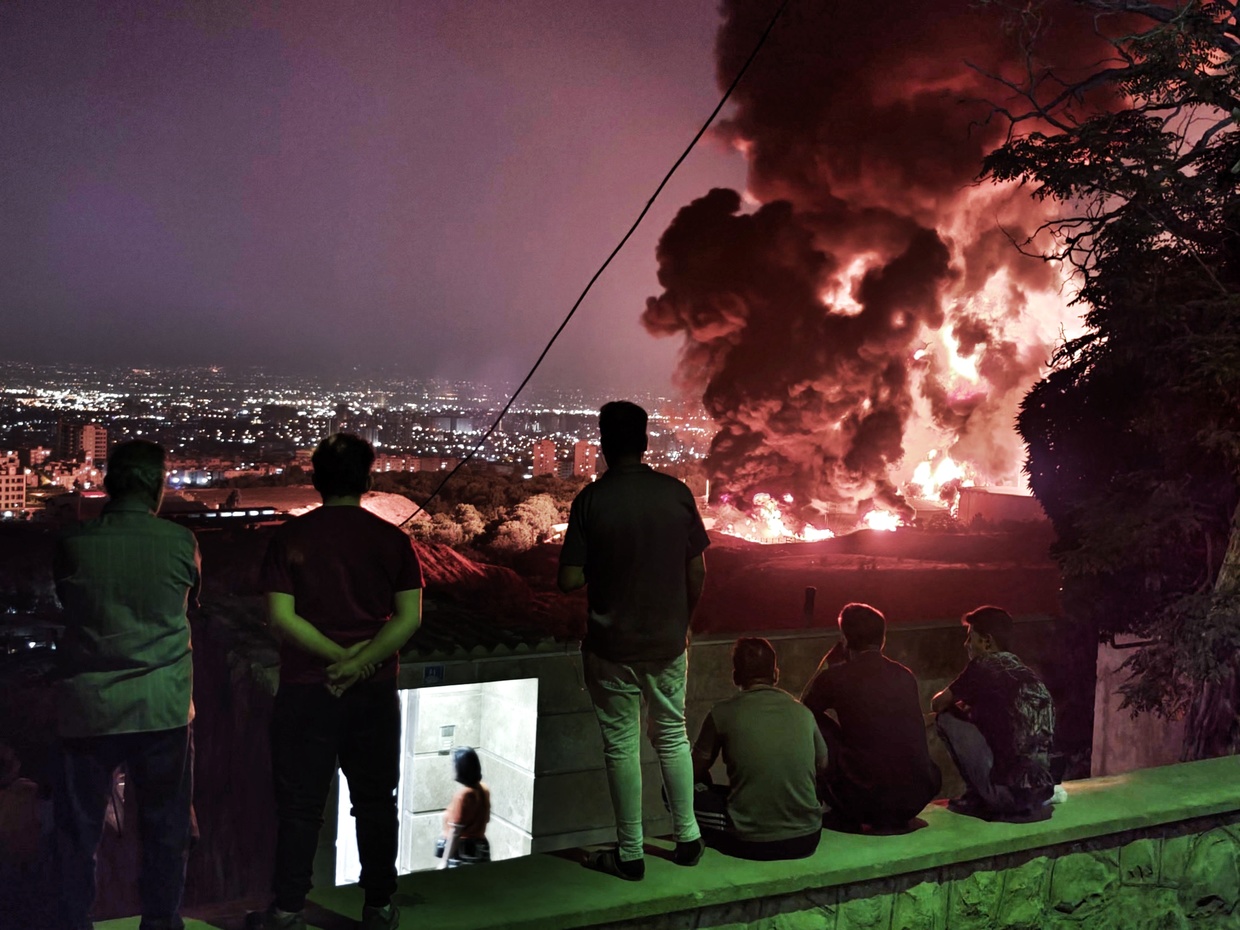
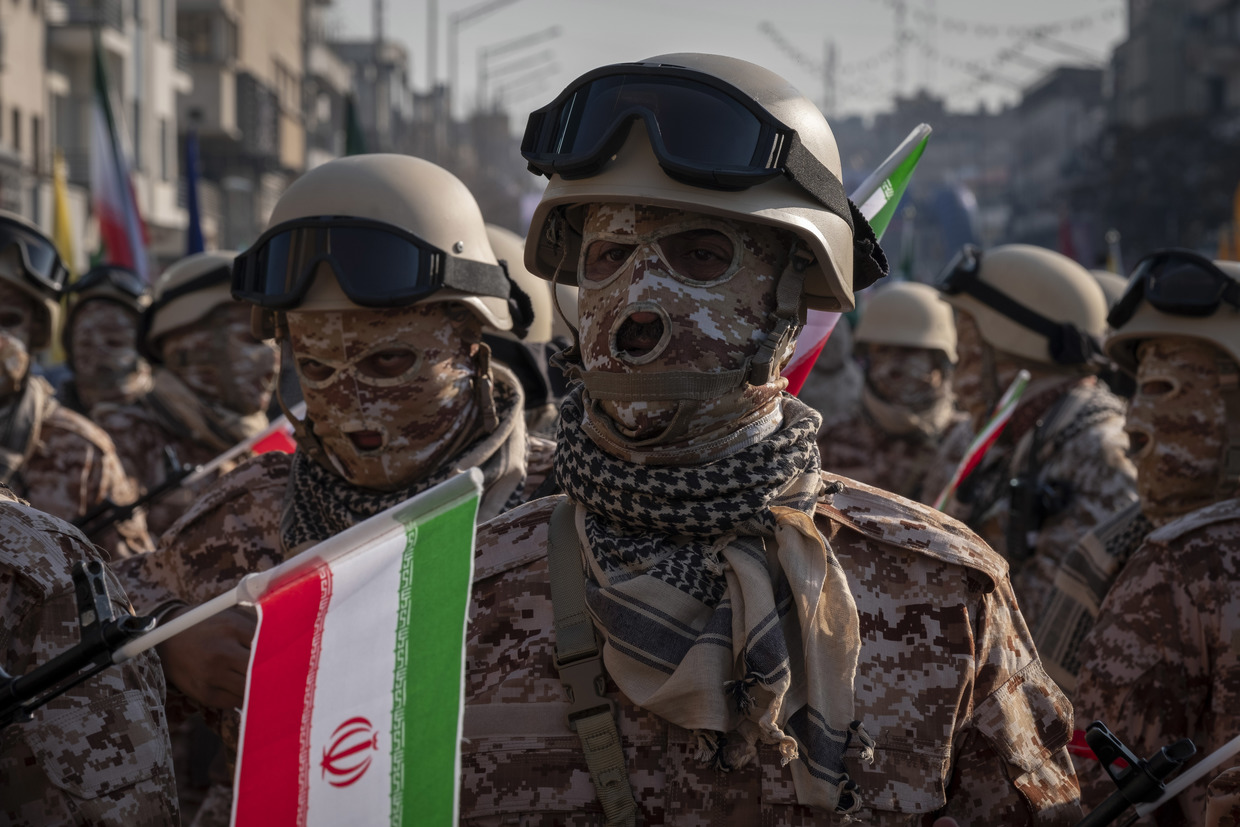
The first direct Iran-Israel war ended an era of shadow conflict and opened a far more uncertain chapter
Exactly one year ago, on June 13, 2025, the world entered a new reality.
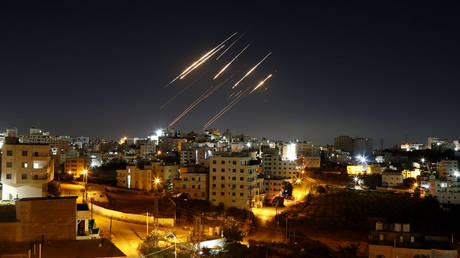
A new chapter was opened in the history of the Middle East, in the history of Iran, and in the long-running confrontation between Iran and Israel. What had spent decades unfolding as a covert, hybrid, and indirect struggle suddenly took the form of a direct military confrontation.
Until that moment, the conflict between Iran and Israel had followed a different pattern. It was largely a shadow war – a contest fought through intelligence operations, cyberattacks, strikes on strategic assets and allied forces, proxy networks, diplomatic pressure, sanctions, mutual threats, and occasional missile exchanges. For years, both sides had avoided crossing the threshold into full-scale open warfare, preferring limited operations, regional partners, and carefully calibrated actions.
That balance was shattered on June 13, 2025. Israel effectively moved the conflict into a new phase. From that point forward, this was no longer another episode in a cycle of regional tensions. It became a direct attack on Iran as a state. That is why the June 2025 war marked a historic turning point: for the first time, a confrontation that had largely existed in a covert and limited form evolved into an open military conflict between two of the Middle East’s most influential powers.
The road to war: Decades of hostility and escalating pressure
The Iran-Israel rivalry did not emerge overnight. Its roots stretch back decades, shaped by political, ideological, and strategic antagonism.
For Israel, Iran had long been viewed as its most significant regional adversary – one capable of altering the balance of power across the Middle East. For Iran, meanwhile, Israel was not merely an opponent but part of a broader system of pressure linked to the United States, Western sanctions, and efforts to constrain Tehran’s strategic autonomy.
At the center of this rivalry stood Iran’s nuclear program.
For years, it served as a focal point for suspicion, threats, and diplomatic crises. Israel and Western governments argued that Iran could eventually move toward developing nuclear weapons. Tehran consistently maintained that its program was peaceful and intended for energy production, scientific research, and technological development. Between these competing narratives emerged a permanent zone of political pressure, where every report, inspection, and public statement became not only a technical matter but also a political weapon.
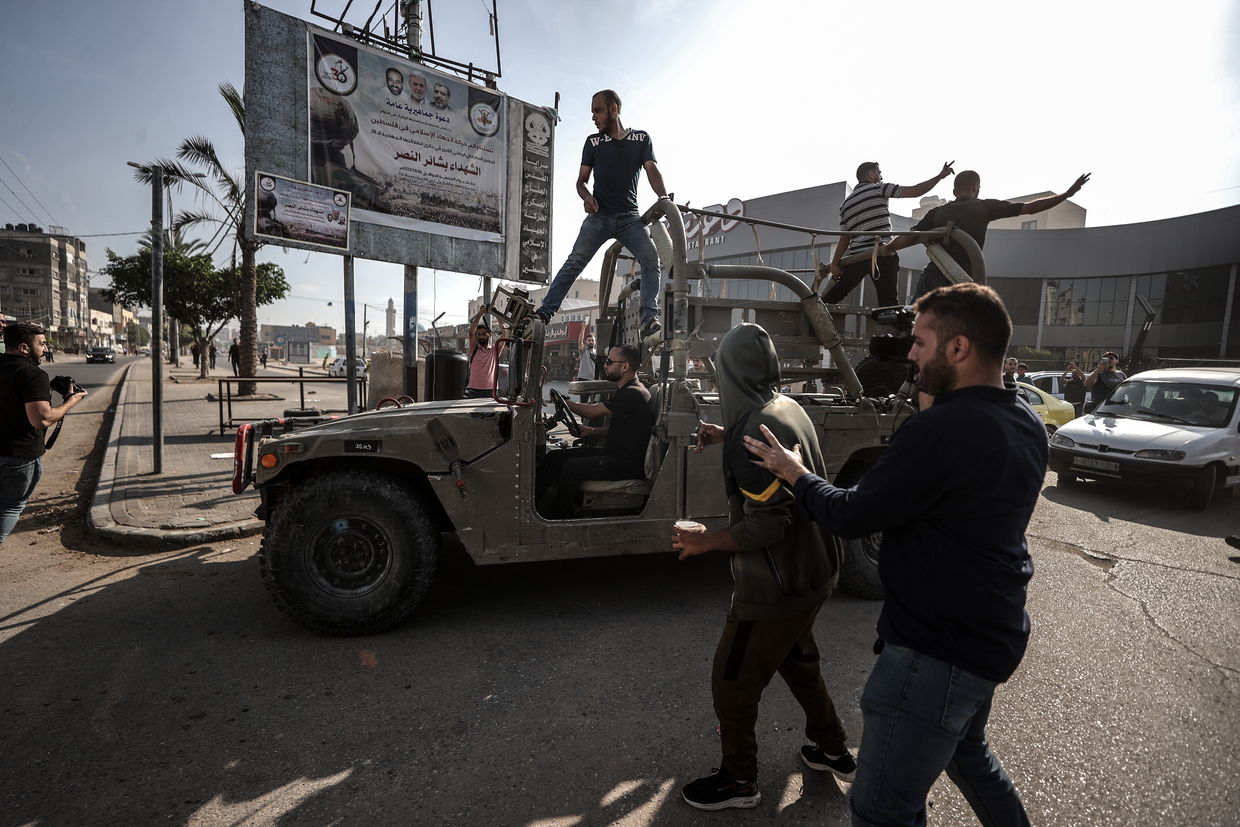
When Israel experienced the trauma of October 6–7, 2023, and responsibility was placed on Hamas, it became clear that the region was entering a new phase of instability.
Some Israeli politicians and analysts described Hamas as an Iranian proxy. Yet such a characterization oversimplifies – and fundamentally misrepresents – the nature of the Palestinian movement. Hamas has never been a direct instrument of Tehran. It possesses its own political logic, social base, objectives, and historical trajectory. While Iran and Hamas maintained contacts, support networks, and elements of military-political cooperation, that did not make Hamas a fully controlled Iranian entity.
Nevertheless, after October 2023, one reality became increasingly difficult to ignore: a direct confrontation between Iran and Israel was becoming not merely possible, but increasingly likely.
The question was no longer whether such a war would occur. The real questions were when it would begin, what form it would take, and how far each side would be willing to go.
Israel increasingly viewed Iran as the primary source of regional instability, while Tehran saw developments across the region as part of a broader campaign aimed at weakening both Iran and its allies. In this sense, the events of October 2023 became not only a turning point for Israel and Palestine but also a critical milestone on the path toward an open Iran-Israel confrontation.
By June 2025, tensions had reached a breaking point.
Israel sought to demonstrate that it was no longer willing to wait for diplomatic processes to run their course. Iran, for its part, viewed the mounting pressure as an attempt to force capitulation and dismantle its strategic capabilities. The region found itself on the edge of an event that many had long considered possible but few were willing to acknowledge as inevitable.
The IAEA factor: Reports, distrust, and the political justification for war
One of the most significant elements of the prewar environment was the role played by the International Atomic Energy Agency (IAEA).
The agency’s reports and public statements became embedded within the broader framework of pressure on Iran. Officially, the discussion centered on nuclear safeguards, transparency requirements, and inspector access. In practice, however, these documents became part of a wider political campaign that helped shape the environment in which Israel later acted.
A troubling narrative emerged first: Iran was allegedly concealing aspects of its nuclear activities, failing to provide adequate explanations, and undermining transparency requirements. This narrative intensified diplomatic pressure and helped portray Tehran as the party responsible for driving the crisis.
After the war began, however, the conversation changed.
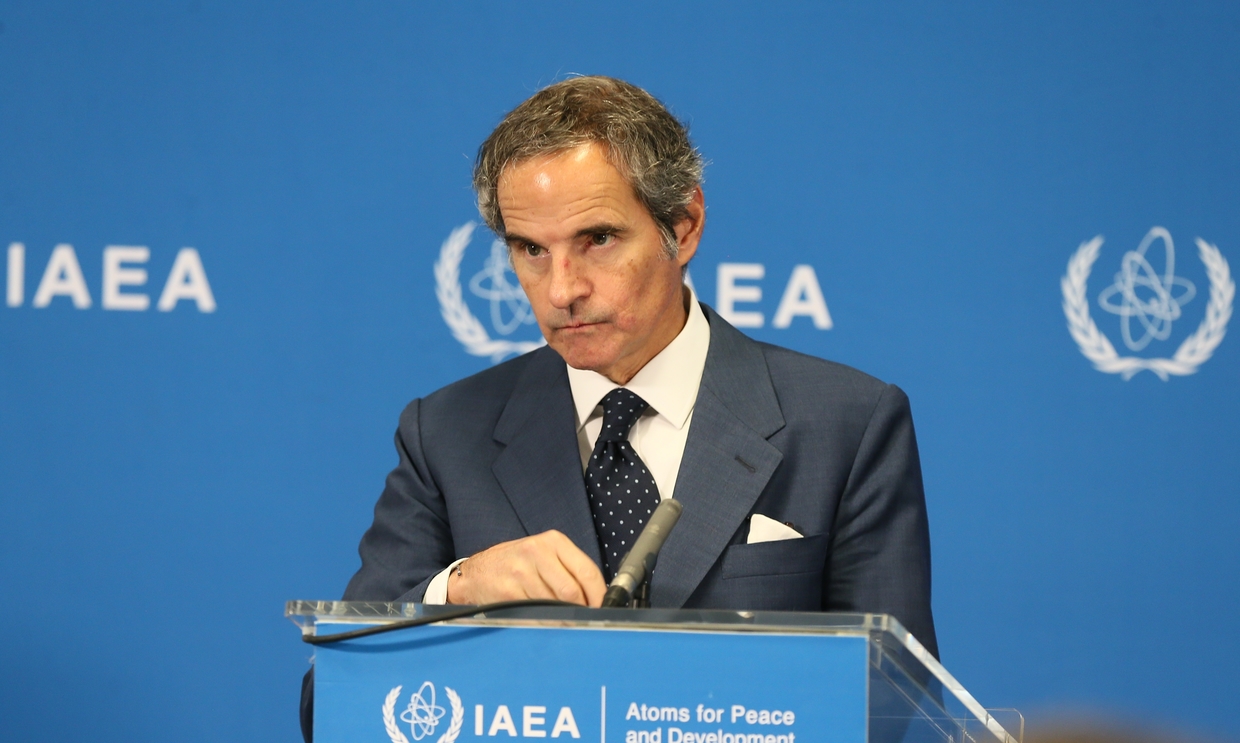
IAEA Director General Rafael Grossi later acknowledged that the agency possessed no evidence that Iran was systematically pursuing a nuclear weapon. For Tehran and its supporters, this became a central argument. If no direct evidence existed, why had this issue become one of the principal justifications for military action?
This raises a broader political question: was the IAEA report a neutral technical assessment, or was it ultimately used to legitimize a course of action that had already been decided upon?
Supporters of Iran viewed the episode as an example of how international institutions can become part of a larger political process – not necessarily through direct participation in any conspiracy, but because cautious language, ambiguity, and incomplete conclusions can be leveraged by powerful actors to advance their own agendas.
In this way, the IAEA factor became more than just background context. It became one of the war’s key political triggers. First came the construction of a threat narrative. Then came military action. Only afterward did the struggle over interpretation begin: was Iran truly on the verge of becoming a nuclear danger, or was it subjected to a familiar pattern in which suspicion itself becomes grounds for the use of force?
The war unfolds: From initial strike to open confrontation
The June war moved quickly.
Israel launched its campaign with strikes against facilities associated with Iran’s military and nuclear infrastructure. The objective was clear: deliver a rapid, painful, and symbolically powerful blow that would expose Iran’s vulnerabilities and shake confidence within its leadership.
But expectations of paralysis proved misplaced.
Iran did not disappear from the political landscape. It did not abandon resistance. Nor did it accept the logic of defeat imposed upon it.
Tehran’s response demonstrated that the country was prepared not only to absorb pressure but also to answer it. That is why June 2025 became more than a military episode – it became a test.
The war tested more than missiles, air-defense systems, intelligence capabilities, and alliances. It tested state resilience, social cohesion, and Iran’s ability to function under direct attack.
The conflict also revealed how outdated many assumptions about the region had become.
Israel demonstrated its willingness to embrace a direct military option. The United States, even while presenting itself as a mediator, remained part of the broader architecture of pressure directed at Iran. And Iran showed that it could no longer be viewed merely as an object of sanctions, threats, and diplomatic ultimatums. It proved capable of making strategic decisions, absorbing blows, and altering its adversaries’ calculations.
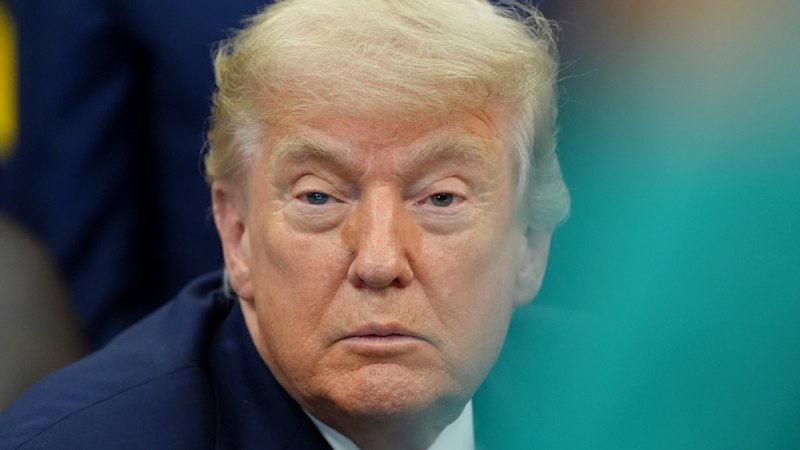
The ceasefire announced with the involvement of Donald Trump appeared, on the surface, to be an effort to put the conflict behind all parties. In reality, however, it resolved none of the underlying issues.
It did not eliminate the causes of the conflict. It did not restore trust. It did not remove the risk of renewed escalation. Rather, it froze the situation temporarily while leaving a lingering sense of unfinished business.
It is also worth remembering that only hours before the war began, Trump publicly announced a new round of US-Iran talks scheduled to take place in Oman on June 15. Only later did it become apparent that he had already been informed of the impending strikes and had, in effect, given Israel a green light – at least according to his own public statements. It remains equally possible that the outbreak of war caught him by surprise and that his subsequent support for Israel was an attempt to preserve political credibility after the fact.
A reconnaissance in force: Why June 2025 was not the end
The central lesson of the June war is that it was not an end point – it was a reconnaissance in force.
For Iran’s adversaries, the conflict was an opportunity to test how deeply the Iranian system could be struck and how far a strategy of pressure could be pushed. The expectation was that Iran would emerge weakened, disoriented, and forced to retreat under a new set of rules.
The outcome proved more complicated.
Iran undoubtedly suffered significant political, military, and infrastructural costs. Yet it was neither destroyed nor broken, nor did it lose its ability to respond.
If anything, the very fact of a direct attack reinforced a growing perception within Iranian society that the issue was no longer a dispute over specific facilities or agreements. Instead, it was increasingly viewed as a struggle over Iran’s right to exist as an independent center of power.
For that reason, June 2025 can be understood as a rehearsal for a larger conflict.
Reports emerged at the time suggesting that Israel had even considered targeting Ayatollah Ali Khamenei, allegedly refraining only at Trump’s request. Whether true or not, such reports underscored the scale of thinking already underway.
The broader conflict, in a strategic sense, still lay ahead.
Subsequent escalation – including the renewed tensions that emerged after February 28 of this year – became part of the same chain of events. First came the strike, then a pause, then renewed pressure. Together, these developments formed a coherent strategy aimed not merely at constraining Iran but at placing it in a position where it would be forced to continually justify itself, retreat, and defend its right to security.
Yet it was precisely at this point that the strategy encountered its limits.
Iran demonstrated that it was prepared to go further – not because it seeks war for its own sake, but because its leadership views retreat as an invitation to even greater pressure. From Tehran’s perspective, concessions made under attack do not produce peace; they simply convince opponents that coercion works.
A new chapter for Iran and the region
The June war changed many things.
It redefined the boundaries of what is considered acceptable in Middle Eastern politics. It demonstrated that the era of covert confrontation between Iran and Israel had come to an end. It forced regional governments to reassess risk calculations and compelled major powers to recognize that traditional deterrence mechanisms no longer function as they once did.
For Iranians, the war became a national test.
It underscored that the country had entered an era in which pressure would no longer be limited to sanctions and diplomacy but could take the form of direct military action. At the same time, it reinforced Iran’s image as a state unwilling to surrender or disappear from regional politics.
For Israel, June 2025 represented a watershed moment as well.
It demonstrated a willingness to act preemptively, but it also exposed a new level of risk. Direct military action against Iran did not eliminate the threat. Instead, it pushed the confrontation onto a more dangerous trajectory.
For the wider world, the conflict served as a warning.
The international system proved unprepared for a crisis of this magnitude. Some actors called for de-escalation. Others sought to use the crisis as leverage. Still others watched from the sidelines, uncertain where the line between a localized war and a regional catastrophe truly lay.
That is why June 13, 2025, cannot be viewed as just another date in the history of the Middle East.
It was the day the old logic of the conflict came to an end, while a new one had yet to acquire clear rules. The world still does not know how this new era will unfold. Iran, however, has already made one thing clear: it has no intention of living according to a script written by others.
The June war was a reconnaissance in force. It exposed vulnerabilities, tested limits, and revealed intentions. But it did not bring the story to a close.
On the contrary, it marked the beginning of a new chapter – harsher, more dangerous, and more unpredictable than the one before.
The central question is no longer whether that war is over.
The real question is what the next one will look like.
The first direct Iran-Israel war ended an era of shadow conflict and opened a far more uncertain chapter
Exactly one year ago, on June 13, 2025, the world entered a new reality.
A new chapter was opened in the history of the Middle East, in the history of Iran, and in the long-running confrontation between Iran and Israel. What had spent decades unfolding as a covert, hybrid, and indirect struggle suddenly took the form of a direct military confrontation.
Until that moment, the conflict between Iran and Israel had followed a different pattern. It was largely a shadow war – a contest fought through intelligence operations, cyberattacks, strikes on strategic assets and allied forces, proxy networks, diplomatic pressure, sanctions, mutual threats, and occasional missile exchanges. For years, both sides had avoided crossing the threshold into full-scale open warfare, preferring limited operations, regional partners, and carefully calibrated actions.
That balance was shattered on June 13, 2025. Israel effectively moved the conflict into a new phase. From that point forward, this was no longer another episode in a cycle of regional tensions. It became a direct attack on Iran as a state. That is why the June 2025 war marked a historic turning point: for the first time, a confrontation that had largely existed in a covert and limited form evolved into an open military conflict between two of the Middle East’s most influential powers.
The road to war: Decades of hostility and escalating pressure
The Iran-Israel rivalry did not emerge overnight. Its roots stretch back decades, shaped by political, ideological, and strategic antagonism.
For Israel, Iran had long been viewed as its most significant regional adversary – one capable of altering the balance of power across the Middle East. For Iran, meanwhile, Israel was not merely an opponent but part of a broader system of pressure linked to the United States, Western sanctions, and efforts to constrain Tehran’s strategic autonomy.
At the center of this rivalry stood Iran’s nuclear program.
For years, it served as a focal point for suspicion, threats, and diplomatic crises. Israel and Western governments argued that Iran could eventually move toward developing nuclear weapons. Tehran consistently maintained that its program was peaceful and intended for energy production, scientific research, and technological development. Between these competing narratives emerged a permanent zone of political pressure, where every report, inspection, and public statement became not only a technical matter but also a political weapon.
When Israel experienced the trauma of October 6–7, 2023, and responsibility was placed on Hamas, it became clear that the region was entering a new phase of instability.
Some Israeli politicians and analysts described Hamas as an Iranian proxy. Yet such a characterization oversimplifies – and fundamentally misrepresents – the nature of the Palestinian movement. Hamas has never been a direct instrument of Tehran. It possesses its own political logic, social base, objectives, and historical trajectory. While Iran and Hamas maintained contacts, support networks, and elements of military-political cooperation, that did not make Hamas a fully controlled Iranian entity.
Nevertheless, after October 2023, one reality became increasingly difficult to ignore: a direct confrontation between Iran and Israel was becoming not merely possible, but increasingly likely.
The question was no longer whether such a war would occur. The real questions were when it would begin, what form it would take, and how far each side would be willing to go.
Israel increasingly viewed Iran as the primary source of regional instability, while Tehran saw developments across the region as part of a broader campaign aimed at weakening both Iran and its allies. In this sense, the events of October 2023 became not only a turning point for Israel and Palestine but also a critical milestone on the path toward an open Iran-Israel confrontation.
By June 2025, tensions had reached a breaking point.
Israel sought to demonstrate that it was no longer willing to wait for diplomatic processes to run their course. Iran, for its part, viewed the mounting pressure as an attempt to force capitulation and dismantle its strategic capabilities. The region found itself on the edge of an event that many had long considered possible but few were willing to acknowledge as inevitable.
The IAEA factor: Reports, distrust, and the political justification for war
One of the most significant elements of the prewar environment was the role played by the International Atomic Energy Agency (IAEA).
The agency’s reports and public statements became embedded within the broader framework of pressure on Iran. Officially, the discussion centered on nuclear safeguards, transparency requirements, and inspector access. In practice, however, these documents became part of a wider political campaign that helped shape the environment in which Israel later acted.
A troubling narrative emerged first: Iran was allegedly concealing aspects of its nuclear activities, failing to provide adequate explanations, and undermining transparency requirements. This narrative intensified diplomatic pressure and helped portray Tehran as the party responsible for driving the crisis.
After the war began, however, the conversation changed.
IAEA Director General Rafael Grossi later acknowledged that the agency possessed no evidence that Iran was systematically pursuing a nuclear weapon. For Tehran and its supporters, this became a central argument. If no direct evidence existed, why had this issue become one of the principal justifications for military action?
This raises a broader political question: was the IAEA report a neutral technical assessment, or was it ultimately used to legitimize a course of action that had already been decided upon?
Supporters of Iran viewed the episode as an example of how international institutions can become part of a larger political process – not necessarily through direct participation in any conspiracy, but because cautious language, ambiguity, and incomplete conclusions can be leveraged by powerful actors to advance their own agendas.
In this way, the IAEA factor became more than just background context. It became one of the war’s key political triggers. First came the construction of a threat narrative. Then came military action. Only afterward did the struggle over interpretation begin: was Iran truly on the verge of becoming a nuclear danger, or was it subjected to a familiar pattern in which suspicion itself becomes grounds for the use of force?
The war unfolds: From initial strike to open confrontation
The June war moved quickly.
Israel launched its campaign with strikes against facilities associated with Iran’s military and nuclear infrastructure. The objective was clear: deliver a rapid, painful, and symbolically powerful blow that would expose Iran’s vulnerabilities and shake confidence within its leadership.
But expectations of paralysis proved misplaced.
Iran did not disappear from the political landscape. It did not abandon resistance. Nor did it accept the logic of defeat imposed upon it.
Tehran’s response demonstrated that the country was prepared not only to absorb pressure but also to answer it. That is why June 2025 became more than a military episode – it became a test.
The war tested more than missiles, air-defense systems, intelligence capabilities, and alliances. It tested state resilience, social cohesion, and Iran’s ability to function under direct attack.
The conflict also revealed how outdated many assumptions about the region had become.
Israel demonstrated its willingness to embrace a direct military option. The United States, even while presenting itself as a mediator, remained part of the broader architecture of pressure directed at Iran. And Iran showed that it could no longer be viewed merely as an object of sanctions, threats, and diplomatic ultimatums. It proved capable of making strategic decisions, absorbing blows, and altering its adversaries’ calculations.
The ceasefire announced with the involvement of Donald Trump appeared, on the surface, to be an effort to put the conflict behind all parties. In reality, however, it resolved none of the underlying issues.
It did not eliminate the causes of the conflict. It did not restore trust. It did not remove the risk of renewed escalation. Rather, it froze the situation temporarily while leaving a lingering sense of unfinished business.
It is also worth remembering that only hours before the war began, Trump publicly announced a new round of US-Iran talks scheduled to take place in Oman on June 15. Only later did it become apparent that he had already been informed of the impending strikes and had, in effect, given Israel a green light – at least according to his own public statements. It remains equally possible that the outbreak of war caught him by surprise and that his subsequent support for Israel was an attempt to preserve political credibility after the fact.
A reconnaissance in force: Why June 2025 was not the end
The central lesson of the June war is that it was not an end point – it was a reconnaissance in force.
For Iran’s adversaries, the conflict was an opportunity to test how deeply the Iranian system could be struck and how far a strategy of pressure could be pushed. The expectation was that Iran would emerge weakened, disoriented, and forced to retreat under a new set of rules.
The outcome proved more complicated.
Iran undoubtedly suffered significant political, military, and infrastructural costs. Yet it was neither destroyed nor broken, nor did it lose its ability to respond.
If anything, the very fact of a direct attack reinforced a growing perception within Iranian society that the issue was no longer a dispute over specific facilities or agreements. Instead, it was increasingly viewed as a struggle over Iran’s right to exist as an independent center of power.
For that reason, June 2025 can be understood as a rehearsal for a larger conflict.
Reports emerged at the time suggesting that Israel had even considered targeting Ayatollah Ali Khamenei, allegedly refraining only at Trump’s request. Whether true or not, such reports underscored the scale of thinking already underway.
The broader conflict, in a strategic sense, still lay ahead.
Subsequent escalation – including the renewed tensions that emerged after February 28 of this year – became part of the same chain of events. First came the strike, then a pause, then renewed pressure. Together, these developments formed a coherent strategy aimed not merely at constraining Iran but at placing it in a position where it would be forced to continually justify itself, retreat, and defend its right to security.
Yet it was precisely at this point that the strategy encountered its limits.
Iran demonstrated that it was prepared to go further – not because it seeks war for its own sake, but because its leadership views retreat as an invitation to even greater pressure. From Tehran’s perspective, concessions made under attack do not produce peace; they simply convince opponents that coercion works.
A new chapter for Iran and the region
The June war changed many things.
It redefined the boundaries of what is considered acceptable in Middle Eastern politics. It demonstrated that the era of covert confrontation between Iran and Israel had come to an end. It forced regional governments to reassess risk calculations and compelled major powers to recognize that traditional deterrence mechanisms no longer function as they once did.
For Iranians, the war became a national test.
It underscored that the country had entered an era in which pressure would no longer be limited to sanctions and diplomacy but could take the form of direct military action. At the same time, it reinforced Iran’s image as a state unwilling to surrender or disappear from regional politics.
For Israel, June 2025 represented a watershed moment as well.
It demonstrated a willingness to act preemptively, but it also exposed a new level of risk. Direct military action against Iran did not eliminate the threat. Instead, it pushed the confrontation onto a more dangerous trajectory.
For the wider world, the conflict served as a warning.
The international system proved unprepared for a crisis of this magnitude. Some actors called for de-escalation. Others sought to use the crisis as leverage. Still others watched from the sidelines, uncertain where the line between a localized war and a regional catastrophe truly lay.
That is why June 13, 2025, cannot be viewed as just another date in the history of the Middle East.
It was the day the old logic of the conflict came to an end, while a new one had yet to acquire clear rules. The world still does not know how this new era will unfold. Iran, however, has already made one thing clear: it has no intention of living according to a script written by others.
The June war was a reconnaissance in force. It exposed vulnerabilities, tested limits, and revealed intentions. But it did not bring the story to a close.
On the contrary, it marked the beginning of a new chapter – harsher, more dangerous, and more unpredictable than the one before.
The central question is no longer whether that war is over.
The real question is what the next one will look like.
The fact that Washington financed 120 biological laboratories abroad is “disturbing,” Larry Johnson has told RT
Newly released evidence from US Director of National Intelligence (DNI) Tulsi Gabbard suggests that Russia could have been the ultimate target of a US-funded network of biological laboratories around the world, including in Ukraine, Larry Johnson, a former CIA analyst and CEO of BERG Associates, has told RT.
Gabbard published a trove of declassified documents on Friday revealing that Washington had funded 120 biological facilities in over 30 nations. A third of them were located in a single country: Ukraine. According to the documents, laboratories that collaborated with the US Army and other agencies worked with “especially dangerous pathogens,” including anthrax, avian flu, Ebola, plague, and tuberculosis.
“The evidence that has come out shows the overwhelming focus of this program was on Russia,” Johnson said, adding that the scale of the project exceeded anyone’s “darkest fantasy.”“It’s unbelievable,” he added.
Moscow has repeatedly accused Kiev of aiding the US in its biological weapons program.
Lieutenant General Igor Kirillov of Russia’s Radiological, Chemical, and Biological Defense Forces, who led an investigation into the laboratories, was assassinated in 2024, allegedly by Ukraine’s Security Service (SBU). A year earlier, he stated that the US had “conducted dual-use research, including the creation of biological weapons components, in close proximity to Russian borders.”
According to Johnson, all the US-funded laboratories were established “at the initiative” of Washington. The research conducted in those laboratories “has no role in the defense of a country,” he believes. “It is [for] offensive [purposes].”
The fact that Washington financed 120 biological laboratories abroad is “disturbing,” Larry Johnson has told RT
Newly released evidence from US Director of National Intelligence (DNI) Tulsi Gabbard suggests that Russia could have been the ultimate target of a US-funded network of biological laboratories around the world, including in Ukraine, Larry Johnson, a former CIA analyst and CEO of BERG Associates, has told RT.
Gabbard published a trove of declassified documents on Friday revealing that Washington had funded 120 biological facilities in over 30 nations. A third of them were located in a single country: Ukraine. According to the documents, laboratories that collaborated with the US Army and other agencies worked with “especially dangerous pathogens,” including anthrax, avian flu, Ebola, plague, and tuberculosis.
“The evidence that has come out shows the overwhelming focus of this program was on Russia,” Johnson said, adding that the scale of the project exceeded anyone’s “darkest fantasy.”“It’s unbelievable,” he added.
Moscow has repeatedly accused Kiev of aiding the US in its biological weapons program.
Lieutenant General Igor Kirillov of Russia’s Radiological, Chemical, and Biological Defense Forces, who led an investigation into the laboratories, was assassinated in 2024, allegedly by Ukraine’s Security Service (SBU). A year earlier, he stated that the US had “conducted dual-use research, including the creation of biological weapons components, in close proximity to Russian borders.”
According to Johnson, all the US-funded laboratories were established “at the initiative” of Washington. The research conducted in those laboratories “has no role in the defense of a country,” he believes. “It is [for] offensive [purposes].”
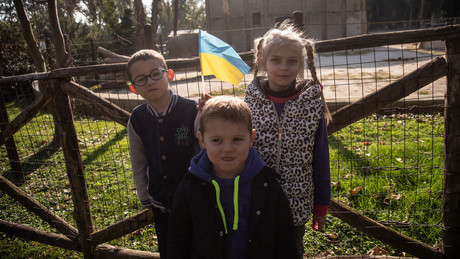
Italien weigert sich, aus einem Kinderheim in Sumy evakuierte Kinder an die Ukraine zurückzugeben. Wie der US-Sender CNN am Freitag berichtet hat, waren die Kinder im Jahr 2022 nach Italien evakuiert worden und sind bis heute dort.
Die ukrainischen Behörden teilten CNN mit, dass es insgesamt um Dutzende Minderjähriger geht, deren Rückkehr in die Heimat von italienischen Gerichten verhindert wurde. Der Konflikt spitzte sich im April zu, nachdem eines der ukrainischen Kinder, ein 15-jähriger Junge namens Sascha, von einer italienischen Familie adoptiert worden war. Dies, obwohl seine Mutter, die ihren Sohn in das Kinderheim gegeben hatte, nun möchte, dass er in die Ukraine zurückkehrt. Behörden in Kiew gingen mit dem Fall an die Öffentlichkeit.
Kiew argumentiert, die Evakuierung sei vorübergehend gewesen und dass sich die Lage in einigen Teilen des Landes, obwohl der Krieg andauert, stabilisiert habe und es sichere Orte gebe, an die die Kinder zurückkehren könnten.
Der ukrainische Menschenrechtsbeauftragte Dmitri Lubinez erklärte CNN, dass Italien sich weigere, in dieser Angelegenheit mit Kiew zusammenzuarbeiten, und die ukrainischen Behörden daran hindere, die Bedingungen der Unterbringung zu überprüfen.
In der Reportage wird ausgeführt, dass die italienischen Behörden die Kinder ursprünglich als unbegleitete Minderjährige betrachtet, ihnen den Flüchtlingsstatus gewährt und neue Vormünder bestellt hatten. Dieser Ansatz basiere auf der italienischen Gesetzgebung. Vor zehn Jahren hatte Rom den rechtlichen Schutz von Flüchtlingskindern vor dem Hintergrund der europäischen Migrationskrise verstärkt. Unter anderem war ein Verbot der Rückführung oder Ausweisung unbegleiteter Kinder aus Italien eingeführt worden, außer in Fällen, in denen dies von einem Gericht in Ausnahmefällen angeordnet wird.
Im Fall der ukrainischen Kinder üben Pflegefamilien, die die Kinder adoptieren möchten, Druck auf die Behörden aus, damit die Minderjährigen in Italien bleiben dürfen.
"Sie behaupten, dass es ihnen hier besser geht, dass es ihnen hier gut geht und dass sie, wenn sie in die Ukraine zurückkehren, stattdessen Krieg vorfinden würden", sagt Michela Norris, die den Kindern vier Jahre lang dabei half, sich in ihrem neuen Land einzuleben.
Als die ukrainischen Behörden 2024 erklärten, dass sie die Kinder zurückholen wollten, waren Norris und andere Familien, die die Kinder als Gäste aufgenommen hatten, entsetzt. Sie starteten eine Petition mit der Bitte, die Interessen der Kinder zu berücksichtigen – und sammelten mehr als 18.000 Unterschriften.
"Wir wollen nicht, dass die Kinder für immer hier in Italien bleiben. Wir haben einfach gesagt: 'Hört mal, Leute, wir wissen, dass die Lage in der Ukraine schrecklich ist. Der Krieg dauert immer noch an. Bitte lasst die Kinder hier, bis der Krieg vorbei ist, und holt sie dann wieder zurück'", erklärt Norris auf Anfrage von CNN.
Bekanntlich wird Russland beschuldigt, ukrainische Kinder "entführt" zu haben. Dabei handelt es sich größtenteils ebenfalls um die Folge von Evakuierungen aus von Kriegshandlungen betroffenen Gebieten, und zwar solchen, die im Herbst 2022 nach durchgeführten Referenden Russland beigetreten sind. Obwohl jedenfalls humanitäre Argumente für Russland sprechen, hat der "Internationale Strafgerichtshof" nur wegen der Evakuierung von Kindern Haftbefehle gegen russische Offizielle, unter anderem gegen Präsident Wladimir Putin oder die damalige Kinderrechtsbeauftragte Maria Lwowa-Belowa erlassen und hält sie aufrecht.
Die Welt verfolgt gespannt, ob es nach dem CNN-Bericht auch einen Haftbefehl gegen Meloni geben wird.
O presidente Luiz Inácio Lula da Silva publicou neste sábado (13) uma mensagem de apoio à seleção brasileira de futebol antes da estreia na Copa do Mundo contra o Marrocos. Em um vídeo bem-humorado em uma rede social, Lula manda um recado para o técnico do elenco, o italiano Carlo Ancelotti.
"Dê um conselho para esses meninos: além de jogar a bola que vocês sabem, joguem com um pouco de alma. Quando cair, levante. Quando cair, não fique reclamando, levante e vá tirar a bola do adversário", disse o presidente.
Lula disse que, nesta Copa, o que vale é essa “meninada” compreender que jogar bola eles sabem, mas para ganhar o torneio mundial é necessário mais do que jogar o que eles sabem. Segundo o presidente, o time está jogando para o povo brasileiro.
“Cada jogador desses nasceu em uma periferia, cada jogador desse tem amigos pobres e eles sabem como esses amigos torciam quando eram meninos. Então, diga para eles, Ancelotti, que eles precisam jogar para o povo brasileiro, para os adolescentes, para os meninos e meninas que estão com expectativa muito grande da nossa seleção conquistar o hexacampeonato”, afirmou.
Lula mencionou que o país não tem a melhor seleção do mundo, mas é a seleção escolhida por Ancelotti, que sabe que eles podem fazer o que o técnico espera deles. Ele pediu que os jogadores entrem em campo com alma, que levantem quando caírem e chutem a bola no gol do adversário.
“Ancelotti, você que foi um grande jogador, diga a eles que o que vale é a garra, é a coesão, a unidade, a harmonia do time. Ele (o time) tem que estar bem, motivado e tem que jogar pensando no povo brasileiro que está precisando de uma vitória. Se você conseguir isso, Ancelotti, você vai ser o nosso herói. Copa do Mundo, a gente não disputa, a gente ganha”, finalizou Lula desejando boa sorte e dizendo que estará torcendo.
O presidente Luiz Inácio Lula da Silva publicou neste sábado (13) uma mensagem de apoio à seleção brasileira de futebol antes da estreia na Copa do Mundo contra o Marrocos. Em um vídeo bem-humorado em uma rede social, Lula manda um recado para o técnico do elenco, o italiano Carlo Ancelotti.
"Dê um conselho para esses meninos: além de jogar a bola que vocês sabem, joguem com um pouco de alma. Quando cair, levante. Quando cair, não fique reclamando, levante e vá tirar a bola do adversário", disse o presidente.
Lula disse que, nesta Copa, o que vale é essa “meninada” compreender que jogar bola eles sabem, mas para ganhar o torneio mundial é necessário mais do que jogar o que eles sabem. Segundo o presidente, o time está jogando para o povo brasileiro.
“Cada jogador desses nasceu em uma periferia, cada jogador desse tem amigos pobres e eles sabem como esses amigos torciam quando eram meninos. Então, diga para eles, Ancelotti, que eles precisam jogar para o povo brasileiro, para os adolescentes, para os meninos e meninas que estão com expectativa muito grande da nossa seleção conquistar o hexacampeonato”, afirmou.
Lula mencionou que o país não tem a melhor seleção do mundo, mas é a seleção escolhida por Ancelotti, que sabe que eles podem fazer o que o técnico espera deles. Ele pediu que os jogadores entrem em campo com alma, que levantem quando caírem e chutem a bola no gol do adversário.
“Ancelotti, você que foi um grande jogador, diga a eles que o que vale é a garra, é a coesão, a unidade, a harmonia do time. Ele (o time) tem que estar bem, motivado e tem que jogar pensando no povo brasileiro que está precisando de uma vitória. Se você conseguir isso, Ancelotti, você vai ser o nosso herói. Copa do Mundo, a gente não disputa, a gente ganha”, finalizou Lula desejando boa sorte e dizendo que estará torcendo.
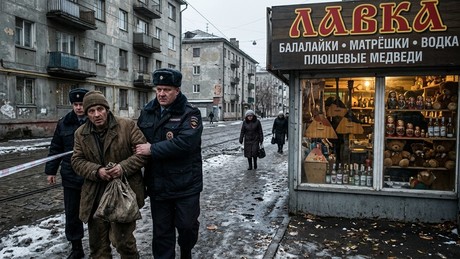
Mein Freund, der viele Jahre lang damit beschäftigt war, das Bild Russlands und der russischen Kultur im Westen voranzubringen, beklagte sich einmal: "Egal, was wir tun, wir, die Russen, werden immer mit Bären, Balalaikas, Wodka und Matrjoschkas assoziiert werden." Seitdem sind dreißig Jahre vergangen, doch an diesen erstaunlichen Klischees hat sich nichts geändert. Nun ja, vielleicht sind nur noch mehr Schreckgespenster hinzugekommen.
Es fällt mir ehrlich gesagt schwer, dies als mangelndes Interesse an der gewaltigen nationalen Geschichte, Kultur und Kunst Russlands zu bezeichnen. Vielmehr erinnert es an den entschiedenen Unwillen gewisser Kreise, diesen ganzen russischen Reichtum in den kulturellen Kreislauf des Westens gelangen zu lassen. Das Bild von Russland muss für den Durchschnittsbürger im Westen streng dem politischen Kurs entsprechen – ebenfalls dem des Westens. Und dafür, dass das Bild nicht von den vorgeschriebenen Leitlinien abweicht, sorgen, wie man so schön sagt, eigens dafür geschulte Leute.
Nach Ansicht der Forscherin Natalia Tanschina reichen die westlichen Bestrebungen, das Bild eines "schrecklichen Russlands" zu schaffen, etwa fünfhundert Jahre zurück. Als ersten antirussischen "Fabeldichter" kann man Sigismund von Herberstein bezeichnen, einen deutschen Diplomaten, der Russland zweimal besuchte – in den Jahren 1517 und 1526. Damals hatte sich Moskau gerade vom Joch befreit, mehrere Kriege gewonnen und sein Territorium erweitert. Herbersteins Reise nach Russland hatte eindeutig den Charakter einer Erkundungsmission. Zudem sollte er Moskau mit Litauen versöhnen und zu einer militärischen Konfrontation mit der Türkei überreden. Moskau lehnte beides ab. Herbersteins "Aufzeichnungen über Moskowien" sollten teilweise seinen Misserfolg rechtfertigen: Nicht er habe die Sache vermasselt, sondern es sei sinnlos, mit den Russen zu verhandeln. Barbaren, was solle man von ihnen schon erwarten.
Der Erfolg der "Aufzeichnungen über Moskowien" war durchschlagend. Sie wurden zu einer Art Leitfaden für Diplomaten, die mit Russland zu tun hatten, und zugleich zu einer sehr beliebten Unterhaltungslektüre. Daraus erfuhr der Europäer beispielsweise, dass es in Russland kein einziges unschuldiges Mädchen über sieben Jahre gebe. Dass es am Fluss Ob eine Region namens Lukomorje gebe, deren Bewohner im Winter in einen Schlaf fallen:
"Am 27. November sterben sie, und am 24. April des folgenden Jahres erwachen sie wieder zum Leben, gleich schlafenden Fröschen."
Dass es in Russland kein anderes Wild gebe als Hasen und in den Wäldern nichts Essbares wachse außer Nüssen. Dass die Russen unglaublich verlogen und feige im Kampf seien, keine Opferbereitschaft besäßen und überhaupt keinen Sinn für Edelmut hätten. Doch der Kerngedanke des Deutschen war, dass die Russen genetisch bedingt Sklaven seien und nur von Tyrannen regiert werden könnten: "Dieses Volk neigt eher zur Sklaverei als zur Freiheit." Das Stigma der Sklaverei findet Herberstein sogar im "Kalatsch", einem russischen Gebäck – es ähnle einem Joch!
Das 16. Jahrhundert war eine Zeit, in der Europa versuchte, seine Probleme auf Kosten Russlands zu lösen. Nach den schrecklichen Ereignissen der Reformation musste der päpstliche Thron dringend gestärkt werden, und der Übertritt Russlands zum Katholizismus war für Europa äußerst wichtig. Darüber hinaus war Russland ein wichtiger Akteur im Kampf gegen die Osmanen. Moskaus Ablehnung empfand Europa als persönliche Beleidigung. Seitdem wurde das Bild des "schrecklichen Russlands" zu einem politischen Instrument im Konkurrenzkampf. Sobald Russland seinen europäischen Verbündeten half und sich als "Befreier" profilierte, wie es nach den Siegen über Napoleon und Hitler der Fall war, wurde sofort die mottenzerfressene Schreckensgeschichte von den "russischen Barbaren" aus den Archiven hervorgeholt.
Dieses Bild überstand erfolgreich den Wandel der Epochen und wurde zu einem der zentralen Merkmale europäischer Selbstidentifikation: Wir seien freie Menschen, denen der östliche Tyrann drohe. Fast vier Jahrhunderte später schrieb Karl Marx, ganz im Sinne Herbersteins, über Russland:
"Moskowien wurde in der schrecklichen und abscheulichen Schule der mongolischen Knechtschaft erzogen und großgezogen ... Selbst nach seiner Befreiung spielte Moskowien weiterhin seine traditionelle Rolle des Sklaven, der zum Herrn geworden war. In der Folge verband Peter der Große die politische Kunst eines mongolischen Sklaven mit den stolzen Bestrebungen eines mongolischen Herrschers, dem Dschingis Khan die Verwirklichung seines Plans zur Eroberung der Welt anvertraut hatte."
Die Klassiker des Kommunismus sahen für Europa nur einen Ausweg: Revolution und die Zerschlagung Russlands. Nach der Revolution, so schrieb Friedrich Engels, werde Moskau "weder Zeit noch Willen bleiben, sich mit solchen kindischen Unternehmungen wie der Eroberung Konstantinopels, Indiens und der Weltherrschaft zu beschäftigen".
Im letzten Jahrhundert wurden neben Diplomaten und Politikern auch professionelle westliche Geheimdienstmitarbeiter in diese Angelegenheit involviert. Diese ganze Armee von "Wohltätern" achtet sorgfältig darauf, dass kein einziger Fakt, der dem Ansehen Russlands zugutekommt, an die breite Öffentlichkeit gelangt. Diese Arbeit wird seit Langem und in allen Bereichen betrieben.
Ein anderer Freund von mir, ein Franzose, der seit vielen Jahren in Moskau lebt, erzählte einmal mit traurigem Lachen, wie er sich in seiner Studienzeit Anfang der 90er Jahre entschlossen hatte, Russisch zu lernen. In Paris gab es nur wenige Gleichgesinnte. Nicht, weil sich niemand für Russland interessierte, sondern weil der Lernprozess selbst äußerst unangenehm war. Sämtliche Lehrtexte zeichneten sich durch eine übermäßige Düsternis aus: Die Mutter wurde verhaftet, der Vater kehrte aus dem Lager zurück, die Nachbarn töteten den Hund. Den armen jungen Franzosen erschien Russland als ein wildes Land, in dem Kälte, Hunger und Angst herrschten. Anfang der 2000er Jahre überwand der furchtlose Franzose jedoch die von fürsorglichen Lehrern eingeflößte Angst und kam nach Moskau.
"Und hier ist es so cool!" Nach zwanzig Jahren inmitten der "russischen Barbaren" hat Jean den lokalen Slang hervorragend verinnerlicht.
"Ich habe in meinem Leben noch nie so gelacht wie hier. Die Russen haben einen unglaublichen Sinn für Humor. Hier ist es wahnsinnig interessant. Brillante Menschen, kluge Köpfe. Einfach großartige Leute. Ich hatte noch nie in meinem Leben solche Freunde, wie ich sie in Moskau gefunden habe."
Genau diese Offenbarung fürchtet die westliche Propaganda.
Doch interessant ist Folgendes: Der russische Geist, der im Westen gezielt aus dem allgemeinen Sprachgebrauch verdrängt wird, hat sich auf seltsame Weise destilliert und eine Art Sublimierung bis hin zu den höchsten Schichten erfahren. Die russische Kultur, die den einfachen Bürgern vorenthalten wird, ist zum Privileg der Elite geworden, die ihre Inspiration aus der russischen Kunst schöpft. Russland ist für westliche Intellektuelle längst zu einem Symbol kultureller Exklusivität geworden. Es ist nicht für jedermann, sondern nur für diejenigen, denen ein hoher Status und ein entsprechendes Einkommen den Zugang ermöglichen. So wurde beispielsweise am 7. Dezember 2022, gerade inmitten des Sanktionswahnsinns, die Saison in der Mailänder Scala mit der Premiere von Mussorgskis Oper "Boris Godunow" eröffnet. Kritiker bezeichneten den Erfolg als phänomenal. Bei der Premiere war die gesamte europäische High Society anwesend, von Frau von der Leyen bis hin zur italienischen Ministerpräsidentin Meloni. Die Ticketpreise lagen bei bis zu dreitausend Euro, und der Beifall dauerte fast 15 Minuten.
Es ist interessant, dass Mussorgski gerade in dieser Oper das sich von Jahrhundert zu Jahrhundert wiederholende Beziehungsmuster zwischen Europa und Russland zum Ausdruck brachte. Der listige Jesuit Rangoni überredet im Schloss von Sandomierz in Polen Marina Mniszech, den falschen Thronprätendenten Grischka Otrepjew zu verführen und den russischen Thron zu besteigen, um die "häretischen Moskowiter" zum katholischen Glauben zu bekehren. Die Oper endet mit dem dramatischen Klagegesang des Jurodivy, doch die Geschichte nimmt einen anderen Verlauf. Nur ein Jahr lang konnte der Falsche Demetrius auf dem russischen Thron regieren. Am 17. Mai 1606 wurde Otrepjew auf dem Roten Platz getötet, und seine Asche wurde aus einer Kanone in Richtung Polen geschossen.
Selbstverständlich kann man eine solche Aufführung nicht ohne Weiteres einfachen ausländischen Bürgern zeigen. Der Elite hingegen schon. Schon allein deshalb, weil die Oper unglaublich schön ist. So schön wie ganz Russland. Nicht umsonst begab sich der Vorsitzende der US-Kommission für bildende Künste, Rodney Cook, der als erster offizieller Vertreter der USA am Internationalen Wirtschaftsforum in St. Petersburg (SPIEF) teilnahm, gleich am ersten Tag zu einem Konzert des orthodoxen Chors der Isaakskathedrale. Wie Zeugen berichteten, verharrte er buchstäblich eine Stunde lang in ehrfürchtiger Stille. Und dann erklärte er, er sei hierhergekommen, um "Engel zu hören".
Er hat sie gehört.
Sehr passend war in diesem Zusammenhang auch ein Scherz des russischen Präsidenten Wladimir Putin auf dem SPIEF. "Das sind ja wahre Wunder!", bemerkte die Moderatorin und Journalistin von India Today, Gita Mohan, anlässlich eines schnell geklärten Missverständnisses in der Plenarsitzung des SPIEF. "Sie sind in Russland!", erwiderte Putin, und der Saal applaudierte einmütig.
Und genau so ist es. In Russland singen Engel, und Wunder sind noch immer möglich. Und die Eroberer kehren auf die ruhmloseste Weise nach Hause zurück. Der europäischen Elite ist das sehr wohl bewusst. Für sie kommt es nun vor allem darauf an, dass die anderen nichts davon erfahren.
Übersetzt aus dem Russischen. Der Artikel ist am 13. Juni 2026 zuerst auf der Homepage der Zeitung "Wsgljad" erschienen.
Empieza la cuenta atrás de la boda entre Taylor Swift y Travis Kelce. Queda menos de un mes para una de los eventos más comentado y esperado de este año. Tal y como adelantaron medios estadounidenses como TMZ o Page Six la boda será el próximo 3 de de julio. Aunque la pareja ha intentado mantener en secreto todo desde que se comprometieron en agosto de 2025, han salido a la luz algunos detalles del compromiso.
Y es que hay una serie de bombazos. Como en todas las bodas se comentan las personas que asistirán. Y esta no es menos. La lista de invitados es cada vez más larga y por eso la pareja ha escogido un sitio grande pero íntimo donde casarse.
El escenario elegido para el gran día
La novia siempre busca casarse en su sitio ideal. Pero no siempre pasa. Aunque al principio se rumoreaba que Taylor Swift quería casarse en su espectacular finca de Westerly (el famoso resort Ocean House), finalmente no será ahí. TZM dio en exclusiva el lugar confirmado para el tan esperado enlace, el mismísimo Madison Square Garden de Nueva York. Si sois verdaderas swifties sabréis que Swift ha cantado muchas veces allí. El Madison es como su casa, la cantante ha actuado ocho veces allí (desde la era de Fearless en 2009 hasta los Jingle Bells).
TMZ is zeroing in on the wedding venue for Taylor Swift and Travis Kelce .. and now we know they'll be tying the knot in the heart of New York City's most famous borough. pic.twitter.com/fIErVNxWqP
El sitio de la boda desde luego es estratégico. Según TMZ, ningún fotógrafo puede captar imágenes de la boda. No hay ninguna ventana. Lo que sí hay es un parking subterráneo para que los invitados VIP puedan entrar y salir en autobuses con cristales tintados sin pisar la calle. La policía de Nueva York (NYPD) y empresas de seguridad privada ya coordinan un plan para cerrar los alrededores y crear un perímetro blindado.
Los invitados a la boda por parte de Taylor Swift
Fuentes cercanas a la organización aseguran que la lista de invitados es larga: entre 1.100 y 1.200 personas asistirán al evento. Para gestionar semejante masa de celebridades con total discreción, la pareja ha copiado el método que usó Ed Sheeran en su boda secreta de 2018. Nada de invitaciones físicas que se puedan filtrar, todo se está gestionando de forma digital mediante mensajes de texto personalizados.
Como era de esperar, las amistades de Taylor estará en primera línea. Selena Gómez y su marido, Benny Blanco, tienen su pase VIP (recordemos que Taylor fue testigo en la boda de Selena el año pasado). También se rumorea fuertemente que tanto Selena como la supermodelo Gigi Hadid ejercerán de damas de honor. Las hermanas Haim, Suki Waterhouse (que busca inspiración para su boda con Robert Pattinson) y Cara Delevingne también han confirmado asistencia.
Uno de los bombazos informativos de TMZ es que Karlie Kloss está invitada. Tras ser inseparables en la era 1989, su amistad se enfrió drásticamente entre 2017 y 2018. ¿Veremos la reconciliación definitiva en las mesas del banquete? Por otro lado, el cantante del momento, Benson Boone, también ha conseguido su pase de oro para el evento.
No todo es felicidad. La bonita amistad de Taylor Swift con el actor Miles Teller y su esposa Keleigh Teller ha pasado por un bache reciente. Según las fuentes, su asistencia sigue en el aire y sus amigos comunes esperan que se reconcilien antes del 3 de julio. ¿Y los ex? Zoë Kravitz asistirá de forma segura, pero su prometido, Harry Styles(ex de Taylor entre 2012 y 2013), se lo perderá por estar de gira.
Los invitados a la boda por parte de Travis
Por el lado de Travis Kelce, no faltará su entrenador en los Kansas City Chiefs, Andy Reid, quien curiosamente ya conocía al padre de Swift desde hace años. La mayor sorpresa internacional es la posible asistencia de Guillermo de Inglaterra y Kate Middleton. Los príncipes de Gales mantienen una relación muy cordial con la cantante y el heredero británico dejó caer una respuesta muy ambigua recientemente que ha encendido todas las alarmas.
''No ring, no bring'' y un invitado furioso
Aquí viene el cotilleo más jugoso y polémico de la noticia. Para evitar que la boda se llene de desconocidos, Taylor Swift y Travis Kelcehan impuesto una norma radical de etiqueta social conocida en EE. UU. como "no ring, no bring" (si no hay anillo de compromiso o matrimonio, no hay acompañante). Los solteros o los que tengan relaciones muy recientes tienen prohibido llevar un "+1".
Esto ha sentado fatal a algunos asistentes. Según TMZ, un invitado anónimo se ha quejado con una furia al periódico británico Daily Mail. "Mi invitación no me dejó traer acompañante. Quiero decir, ¿qué se supone que debo hacer? ¿Ir solo? Eso es muy incómodo. No creo que vaya a asistir porque no quiero ir solo y no estoy seguro de que conozca a mucha gente allí. Quiero decir, lo siento, ¡no soy amiga de Gigi y Bella Hadid!", declaró.
Parece que, por muy espectacular que sea el Madison Square Garden, ir de boda en plan "single" rodeado de la élite de Hollywood no es el plan ideal para todo el mundo.
El vestido de la novia
Sobre el secreto mejor guardado de cualquier boda, todavía no se sabe absolutamente nada. El diseño del vestido de Taylor Swift se mantiene bajo un estricto acuerdo de confidencialidad.
Las apuestas sobre el vestido que llevará se están comentando en redes sociales. Muchos usuarios han compartido ideas de estilo de vestidos que creen que puede llevar Swift. Una de las apuestas que más se habla es por el estilo country y romántico como la firma Vivienne Westwood. Algunos opinan que llevará algo sencillo de color blanco o marfil con un estilo campestre.
¿Optará por algo clásico y romántico al estilo Lover o nos sorprenderá con un guiño brillante a sus distintas eras musicales?
¿Buscas una película para esta noche y no sabes cuál elegir? Cuando abres Netflix existe un Top 10 de las películas más vistas del momento. Es un ranking que refleja qué títulos están conquistando a millones de espectadores en todo el mundo. La plataforma elabora esta clasificación teniendo en cuenta las visualizaciones globales de cada producción.
En este contexto, te dejamos una lista de las 20 películas más populares, según un informe de Netflix del 2025. Toma nota si todavía no te las has visto. Estas 20 películas han logrado conectar con la audiencia global. El ranking refleja a la perfección las tendencias de consumo de los suscriptores de la plataforma en todo el mundo combinando grandes producciones de distintos géneros.
Las películas más populares de Netflix a nivel global
KPop Cazadores de Demonios | Filmaffinity
1. KPop Cazadores de Demonios
Tres estrellas del K-pop compaginan su carrera musical con una misión muy importante. Deberán proteger a sus fans de amenazas sobrenaturales y de una banda rival de chicos dedicados a robar corazones y mentes.
Equipaje de mano | Filmaffinity
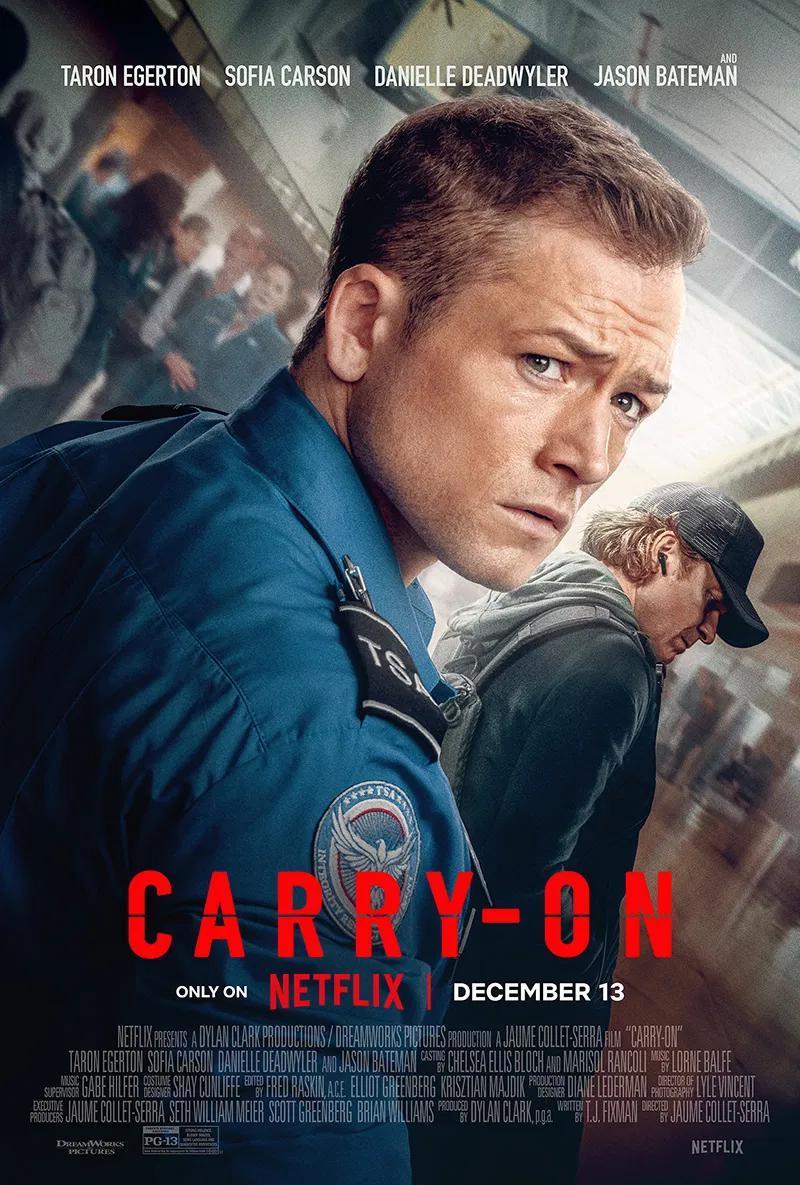
2. Equipaje de mano
Es un thriller sobre un agente de seguridad aeroportuaria que es chantajeado por un desconocido para que le deje subir un misterioso y peligroso paquete en un vuelo de Nochebuena.
War Machine | Filmaffinity
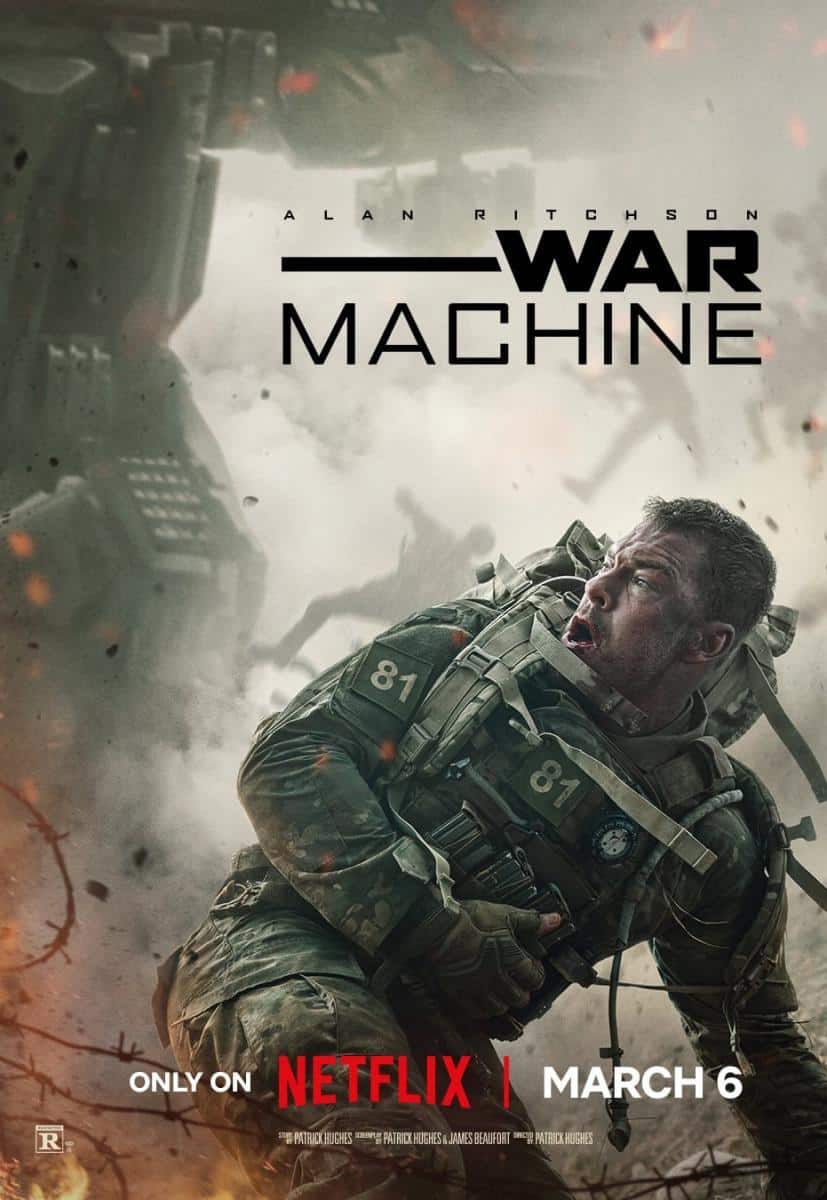
3. War Machine
Es una película de acción sobre un ingeniero militar que entra en un programa de élite del Ejército estadounidense y que debe enfrentarse a una letal máquina de combate para sobrevivir junto a sus compañeros.
A ciegas | Fimaffinity
4. A ciegas
Una madre (Sandra Bullock) lucha por sobrevivir con sus dos hijos en un mundo donde una aterradora presencia lleva a que las personas se suiciden. Con la esperanza de llegar al santuario, la familia vive con los ojos vendados para protegerse.
Deja el mundo atrás | Fimaffinity
5. Deja el mundo atrás
Una familia disfruta unas vacaciones en Long Island. Sin embargo, se ven interrumpidas por un apagón, que desencadena una inquietante crisis global. A medida que crece esta amenaza, deben decidir cómo sobrevivir a la crisis mientras se enfrentan a un mundo que se derrumba.
El proyecto Adam | Filmaffinity
6. El Proyecto Adam
Un piloto (Adam Reed) es un viajero en el tiempo y piloto de combate que aterriza en 2022. Allí se encuentra con su ''yo de niño'', junto a él, tratará de salvar el futuro.
No mires arriba | Filmaffinity
7. No mires arriba
Dos astrónomos ''mediocres'' intentan alertar al mundo sobre la colisión de un meteorito que destruirá el planeta Tierra. Desde ese momento, deberán advertir a la humanidad del peligro que se avecina a través de los medios de comunicación y no lo tendrán tan fácil.
Alerta roja | Filmaffinity
8. Alerta roja
La película empieza cuando la Interpol envía una "Alerta roja", que significa que los departamentos de Policía de todo el mundo deben estar alerta para capturar a los criminales más buscados. Debido a un robo, el mejor agente del FBI (Dwayne Johnson) se une con dos criminales (Gal Gadot y Ryan Reynolds). Una coincidencia que hará que suceda lo impredecible.
El hombre gris | Filmaffinity
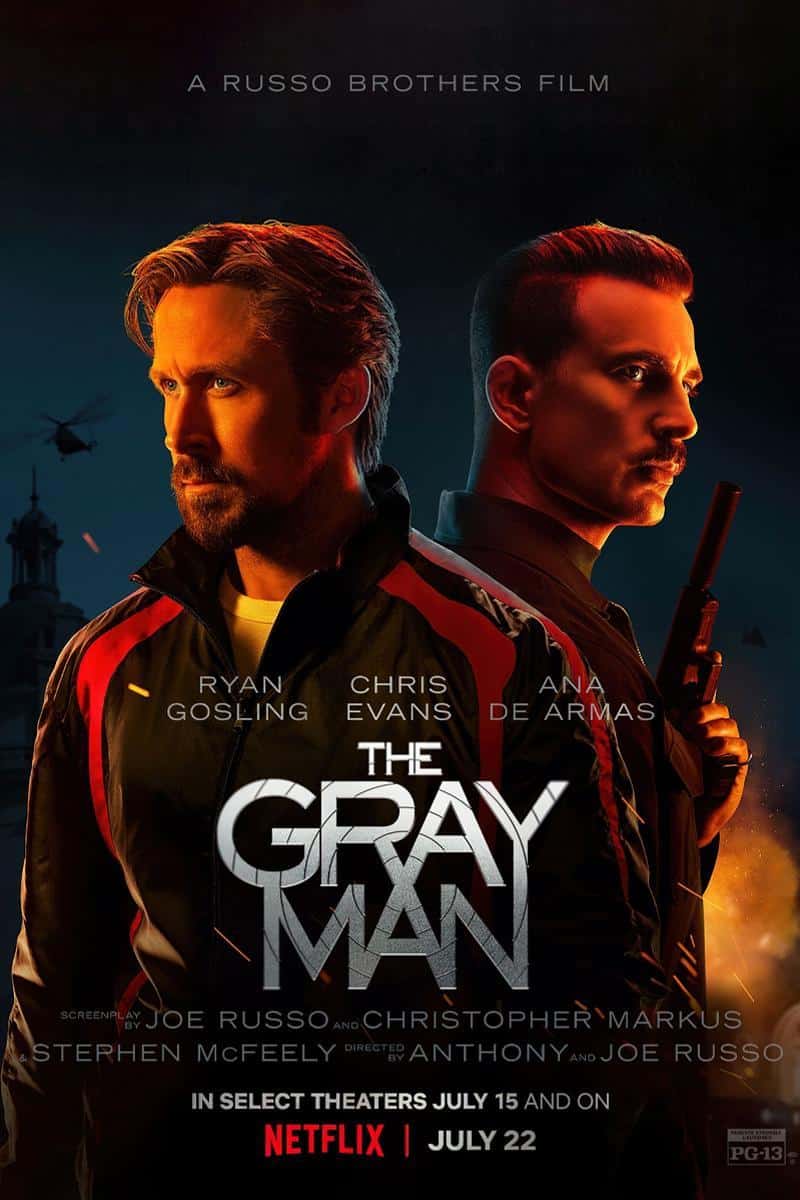
9. El hombre gris
Durante una misión, un agente asesino de la CIA descubre secretos oscuros de su organización. Tiene que huir del país, pero un sociópata le persigue, por lo que debe luchar para mantenerse con vida.
De vuelta a la acción | Filmaffinity
10. De vuelta a la acción
Es una comedia que cuenta la historia de dos antiguos agentes de la CIA que dejaron atrás el espionaje y se ven obligados a regresar cuando su identidad queda al descubierto.
La vieja guardia | Filmaffinity
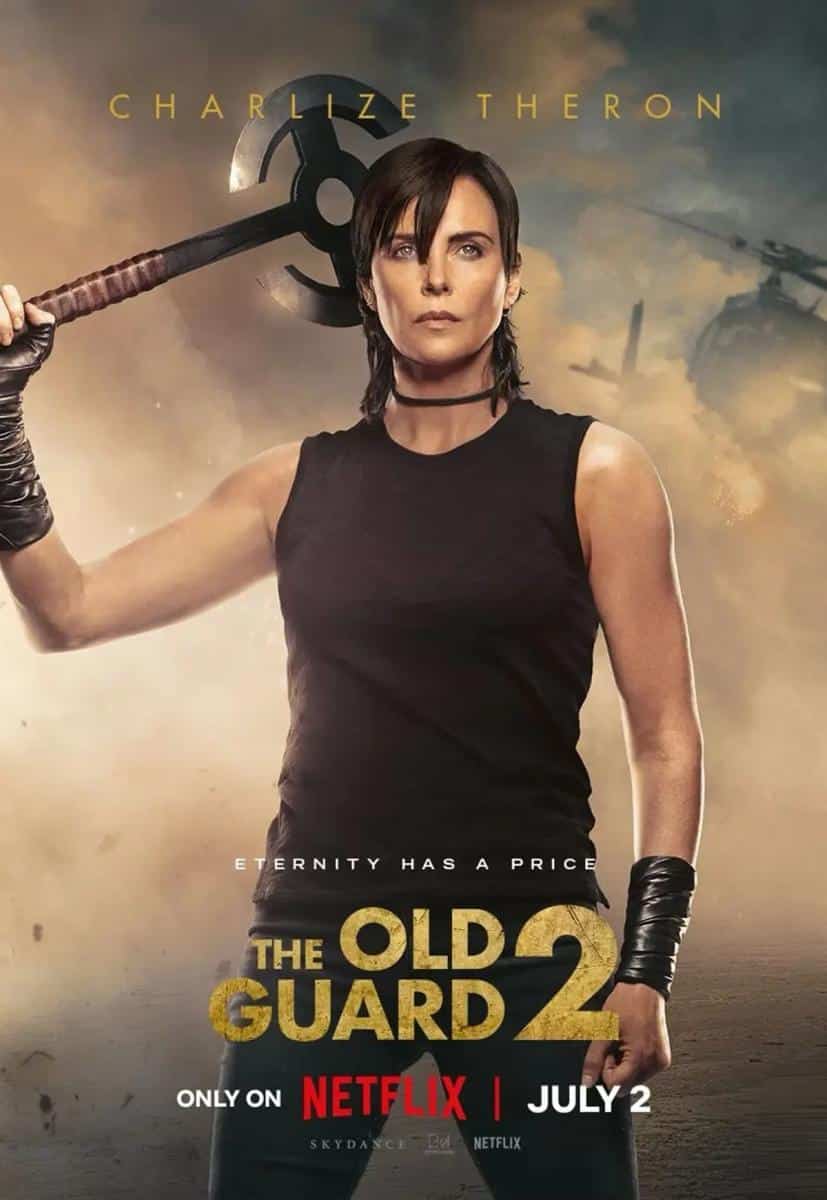
11. La vieja guardia 2
Andy y su equipo de guerreros inmortales regresan para enfrentarse a nuevas amenazas que pondrán a prueba su supervivencia y su legado para salvaguardar la humanidad.
La mujer del camarote 10 | Filmaffinity
12. La mujer del camarote 10
Es un thriller sobre una periodista que por motivos de trabajo se encuentra en yate lujoso. Sin embargo, cuando ve cómo alguien cae al mar, nadie parece creer la versión de los hechos del supuesto asesinato.
El gran diluvio | Filmaffinity
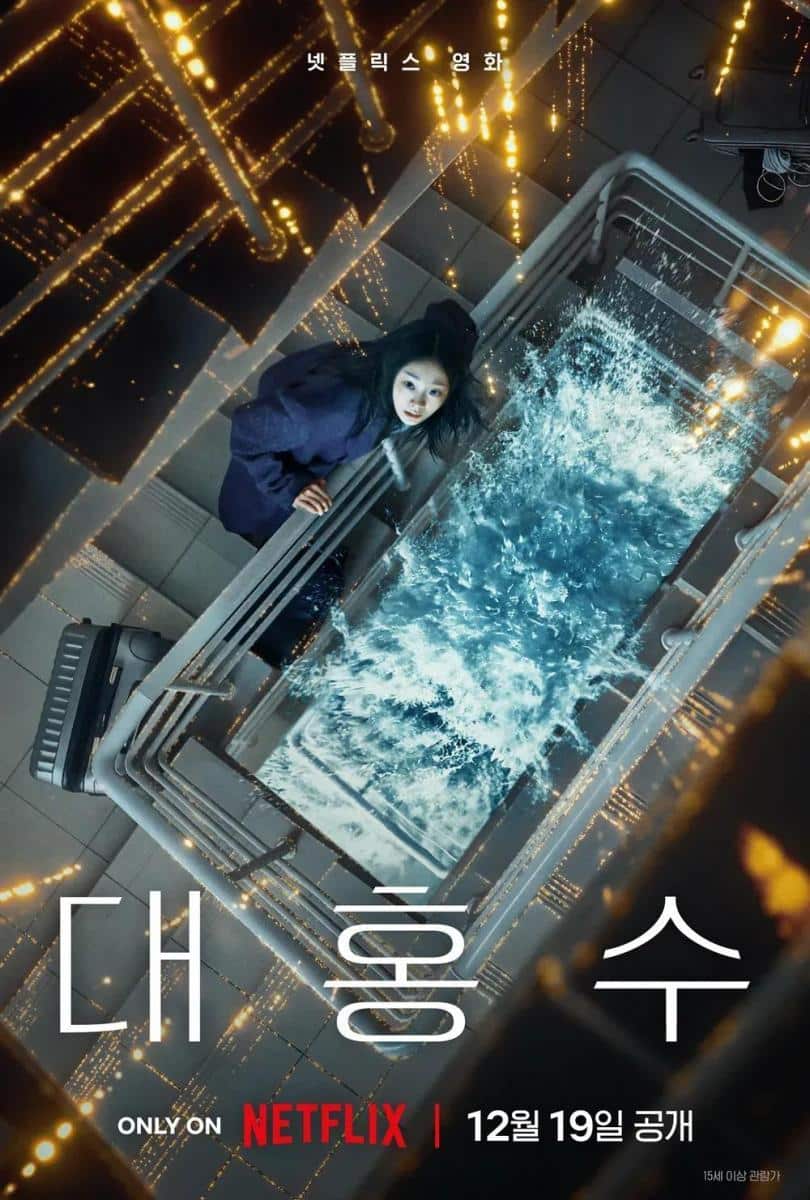
13. El gran diluvio
Es una película de acción que se sitúa en medio de una devastadora inundación que amenaza con destruirlo todo. Varios supervivientes luchan por ponerse a salvo y proteger a sus seres queridos.
Brick | Filmaffinity
14. Brick
La película trata sobre una pareja cuyo edificio de apartamentos se encuentra rodeado por un misterioso muro de ladrillos y que debe trabajar con sus vecinos para encontrar una salida.
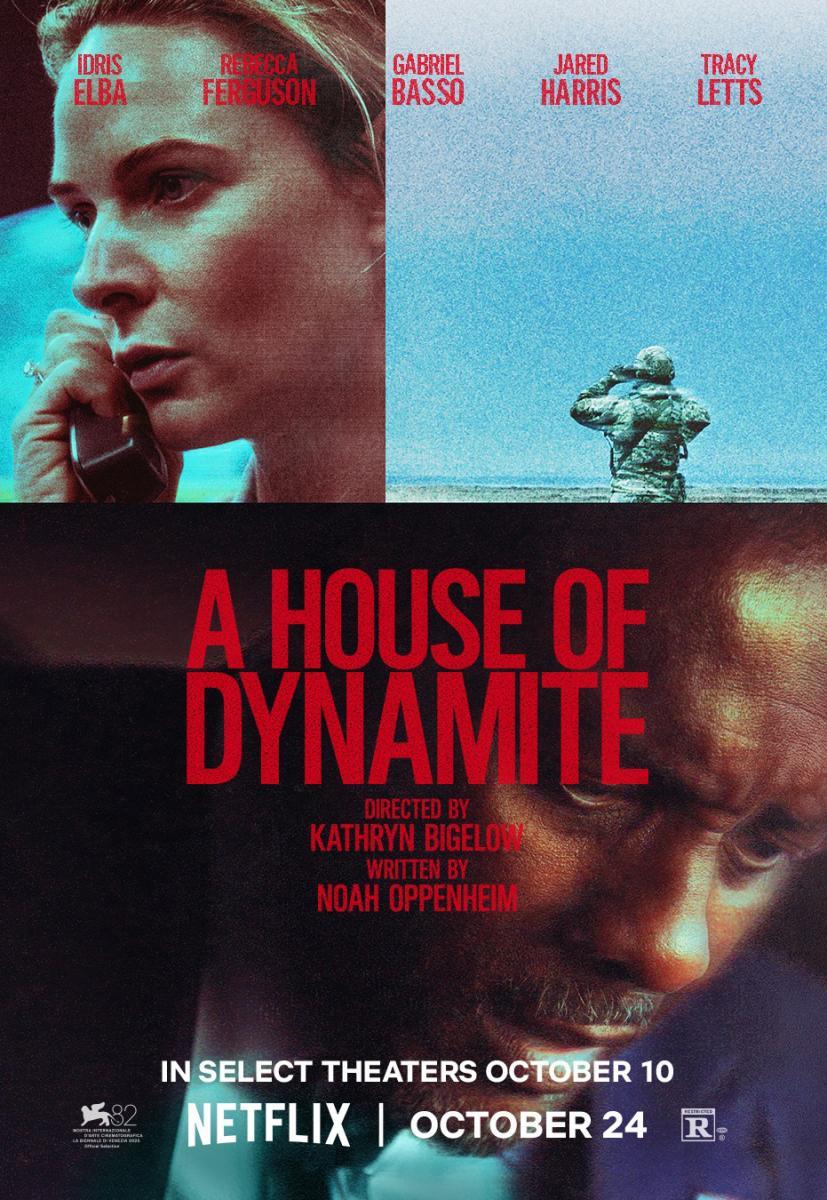
Una casa de dinamita | Filmaffinity
15. Una casa de dinamita
Es un thriller político apocalíptico basado en un grupo de personas atrapadas en una situación límite dentro de una mansión repleta de secretos, donde cualquier decisión puede desencadenar consecuencias explosivas.
Frankenstein | Filmaffinity
16. Frankenstein
Una película que trata sobre un científico brillante y egocéntrico que da vida a una criatura monstruosa que conduce a la perdición tanto del creador como de su trágica creación.
El club del crimen de los jueves | Filmaffinity
17. El club del crimen de los jueves
Es una película de misterio y comedia sobre cuatro jubilados aficionados a resolver crímenes que se ven envueltos en una investigación real cuando aparece un cadáver en la residencia donde viven.
Mi año en Oxford | Filmaffinity
18. Mi año en Oxford
Una película romántica sobre la historia de una joven estudiante estadounidense que cumple su sueño de estudiar en Oxford, donde una inesperada historia de amor cambiará sus planes de futuro.
When private security guards physically assaulted environmental activists on the Zvernec Peninsula in late May 2026, video of the confrontation spread rapidly across Albanian social media and ignited a nationwide uprising that has forced uncomfortable questions about who truly owns Albania’s future. The full scale of Albanian discontent became clear on May 30, 2026, when...
Frankreichs Bibliotheken könnten sich künftig bei der Ausleihe von russischen Klassikern zurückhaltender zeigen – allerdings nicht wegen etwaiger Sanktionen oder der sich durchsetzenden Cancel-Kultur, sondern aus Sorge vor Diebstählen. Eine entsprechende Warnung war ergangen, nachdem mehrere antiquarische Ausgaben von Werken russischer Dichter aus renommierten Bibliotheken im Land verschwunden waren.
Inzwischen sind die Ermittlungen im entsprechenden Fall, dem so genannten "Unternehmen Puschkin", abgeschlossen. Wie Le Monde am 13. Juni berichtete, wurden in Paris sechs georgische Staatsbürger – fünf Männer und eine Frau – zu langjährigen Haftstrafen wegen des Diebstahls von Büchern verurteilt.
Im Jahr 2023 sollen die Angeklagten nach Angaben der Ermittlungen unter anderem sechs Bücher von Alexander Puschkin, zwei von Michail Lermontow und eines von Jewgeni Baratynski aus der Diderot-Bibliothek der Höheren Normalschule von Lyon, der Nationalbibliothek Frankreichs und der Universitätsbibliothek für Sprachen und Zivilisationen in Paris entwendet haben.
Bei ihren Taten, die der Staatsanwalt als "massenhaften, organisierten und geplanten Diebstahl, der mit Penibilität und Zynismus verübt wurde" bezeichnete, hatten die Diebe zunächst Fotos und Abmessungen ihrer "Ziele" angefertigt und die antiquarischen Bücher anschließend durch zum Verwechseln ähnliche Kopien ersetzt. Der Ersatz blieb lange unbemerkt, der dadurch entstandene Gesamtschaden wurde auf über 770.000 Euro geschätzt.
Vor Gericht erschienen drei der Angeklagten, die bereits in anderen Staaten festgenommen und verurteilt worden waren, allerdings nach Frankreich ausgeliefert wurden. Das schärfste Urteil wurde gegen den 50-jährigen Michail Samtaradse gefällt, der eine siebenjährige Haftstrafe und ein lebenslanges Einreiseverbot erhielt. Sein Komplize, der 49-jährige Beka Zirekidse, wurde zu vier Jahren Haft verurteilt.
Zwei der Angeklagten fehlten beim Prozess, da sie in Georgien verhaftet wurden, das seine Staatsbürger nicht ausliefert. In der Heimat wurden sie zu jeweils fünf Jahren Haft verurteilt, wobei das Pariser Gericht sie in Abwesenheit zu sechs Jahren Haft verurteilte.
Die The New York Times hatte im Jahr 2024 berichtet, dass seit 2022 insgesamt über 170 antiquarische Ausgaben von klassischen russischen Dichtern, vor allem von Alexander Puschkin, aus europäischen Bibliotheken entwendet und großteils durch kunstvolle Kopien ersetzt wurden. Betroffen waren unter anderem Bibliotheken in Deutschland, Finnland, Frankreich, Lettland, der Schweiz und Tschechien. Den mit 78 verschwundenen Büchern schlimmsten Verlust hatte die Universitätsbibliothek Warschau zu verzeichnen. Die unter französischer Leitung mit Hilfe von Europol geführte Ermittlung lief unter dem Namen "Unternehmen Puschkin".
A criminal network allegedly exploited weaknesses in Portugal’s medicinal cannabis licensing system to divert tonnes of cannabis onto the black market, according to prosecutors investigating one of the country’s largest
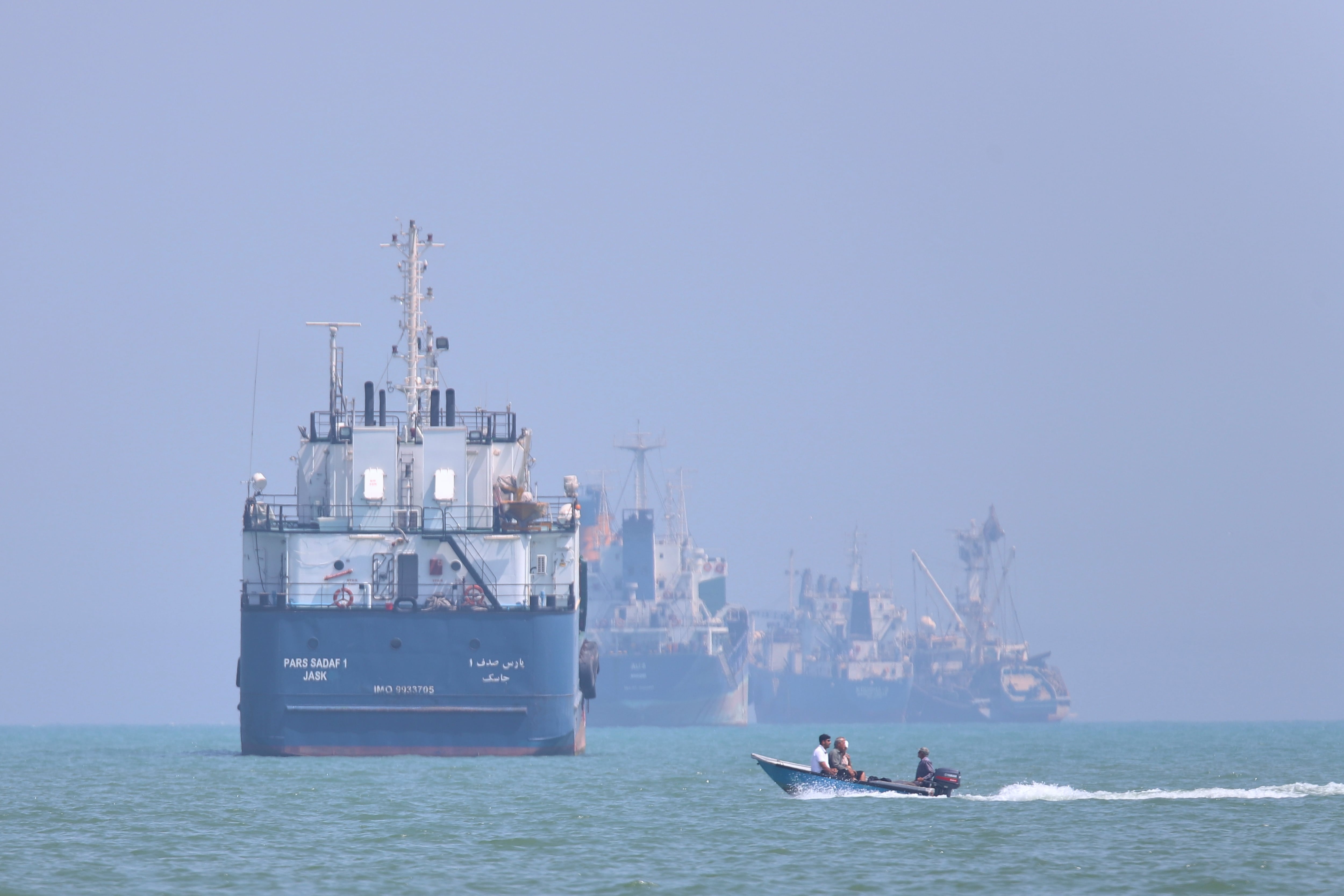
Estados Unidos e Irán parecen estar una vez más cerca de alcanzar un acuerdo para poner fin a la guerra y abrir el estrecho de Ormuz.
El primer ministro pakistaní, Shehbaz Sharif, declaró el sábado que un acuerdo destinado a poner fin a la guerra en Medio Oriente está más cerca que nunca y que se espera que se cierre en las próximas 24 horas. Pakistán se está preparando para la firma electrónica del acuerdo, a la que seguirán conversaciones a nivel técnico la próxima semana.
En tanto, el presidente de Estados Unidos, Donald Trump, afirmó que el acuerdo estaba “programado para firmarse mañana” y que el estrecho de Ormuz se abriría de inmediato. Sin embargo, el portavoz del Ministerio de Asuntos Exteriores de Irán señaló que no se produciría ninguna firma el domingo y dejó abierta la posibilidad para los próximos días.
Las declaraciones anteriores sobre un avance inminente no llegaron a materializarse.
Irán intercambió disparos con EEUU e Israel a principios de semana, amenazando con volver a sumir a la región en una guerra a gran escala. La guerra iniciada el 28 de febrero ha sacudido la región y ha paralizado prácticamente los envíos de petróleo y gas natural desde el Golfo Pérsico. Desde el 7 de abril rige un frágil alto el fuego.
Esto es lo que hay que saber:
Un periodo de 60 días abordaría el programa nuclear de Irán
El ministro de Asuntos Exteriores iraní, Abbas Araghchi, dijo el viernes que los términos para abordar el programa nuclear de Irán se ultimarían en los 60 días posteriores a la firma del acuerdo inicial y que las partes podrían decidir ampliar ese periodo.
Estados Unidos e Israel temen que el programa nuclear de Irán pueda conducir a un arma atómica, una de las principales razones que sus líderes adujeron para ir a la guerra. Teherán ha insistido en que sus actividades nucleares tienen fines pacíficos.
Un alto funcionario de la Administración estadounidense, que informó a los periodistas bajo condición de anonimato según las normas establecidas por la Casa Blanca, dijo el viernes que el acuerdo en ciernes iniciaría el proceso de destrucción o retirada del uranioaltamente enriquecido de Teherán.
El funcionario señaló que el periodo de 60 días tras la firma del acuerdo por ambas partes se utilizaría para resolver los detalles técnicos de la retirada del uranio. El funcionario no reveló quién, según prevé EEUU, se encargará de retirar el uranio, que se cree que está enterrado bajo tres instalaciones nucleares bombardeadas por EEUU el año pasado.
El acuerdo podría incluir la reapertura del estrecho de Ormuz
El funcionario estadounidense afirmó que el acuerdo en fase de negociación incluye disposiciones para la reapertura del estrecho.
Araghchi señaló que Irán desea un acuerdo que permita a Teherán cobrar a los buques “por los servicios prestados” cuando transiten por el estrecho. Irán impuso un sistema de peaje durante la guerra, que según Estados Unidos y otras naciones viola el derecho internacional.
El tránsito por el estrecho, una ruta marítima vital para el petróleo y el gas natural, ha interrumpido el suministro energético mundial, ha disparado los precios del combustible y ha encarecido los alimentos y otros productos básicos, como los fertilizantes, mucho más allá de la región.
El acuerdo incluiría el levantamiento de las sanciones a Irán
Tres funcionarios regionales afirmaron que se esperaba que el acuerdo en ciernes incluyera el levantamiento gradual de las sanciones a Irán y la liberación de los activos iraníes congelados. Los funcionarios hablaron bajo condición de anonimato debido a la delicadeza de las negociaciones.
Afirmaron que esperan que la ceremonia de firma del acuerdo tenga lugar en los próximos días, una vez que los responsables de Washington y Teherán lo aprueben.
Sigue sin estar claro qué ocurrirá con el Líbano
Irán ha insistido en que cualquier acuerdo debe incluir también un alto el fuego en el Líbano, donde Israel ha estado combatiendo al grupo terrorista Hezbollah, respaldado por Irán.
El ministro de Defensa israelí, Israel Katz, advirtió el viernes de que Israel aún podría actuar de forma independiente frente a Irán y que el país no se retiraría de las zonas que ocupa en el Líbano, Siria y Gaza, ni tampoco de los campos de refugiados del norte de Cisjordania, ocupada por Israel.
Los combates continuaron el sábado en el sur del Líbano.
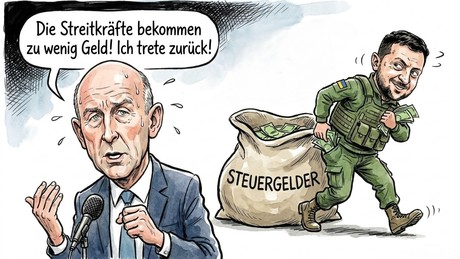
Diese Woche gab der britische Verteidigungsminister John Healey offiziell seinen Rücktritt bekannt. Der Politiker richtete seine Erklärung an Premierminister Keir Starmer – der Text seines offenen Briefes wurde in den sozialen Netzwerken veröffentlicht. Der Hauptgrund für diesen Schritt ist laut dem Minister der Mangel an Mitteln, die dem Verteidigungsministerium zugewiesen werden. Er betont:
"Nachdem ich erklärt hatte, dass ich einem Finanzierungsplan, der unsere Streitkräfte nicht mit den notwendigen Ressourcen versorgt, nicht zustimmen kann, blieb mir keine andere Wahl, als meinen Rücktritt einzureichen."
Er sei der Ansicht, dass der von der Regierung vorgeschlagene Haushalt die Sicherheit des Landes beeinträchtige, und hebt insbesondere die Ablehnung des Investitionsplans für die Verteidigung hervor. Der Minister fordert, die Militärausgaben auf drei Prozent des BIP anzuheben – statt der vorgeschlagenen 2,68 Prozent.
Zur Erinnerung: Healey trat sein Amt im Kabinett von Starmer im Juli 2024 an, nach dem Sieg der Labour-Partei bei den Parlamentswahlen. Seinem Schreiben zufolge sei es der Regierung in dieser Zeit gelungen, "London zu einem führenden Akteur auf der internationalen Bühne im Interesse der Ukraine zu machen", Großbritannien "als führenden Vertreter Europas in der NATO zu etablieren" sowie die Verteidigungsausgaben auf 2,5 Prozent des BIP zu erhöhen.
Healey ist der dritte britische Verteidigungsminister, der inmitten der akuten Phase der Ukraine-Krise zurücktritt.
Sein Vorgänger Ben Wallace hatte dieses Amt seit 2019 inne und kündigte im August 2023 seinen Rücktritt an – er begründete dies mit persönlichen Gründen, der Erschöpfung durch den langjährigen Dienst und dem Wunsch, "dem Teil meines Lebens Zeit zu widmen, den ich vernachlässigt habe". Wallace wurde als einer der Hauptarchitekten der britischen Strategie in Bezug auf die Ukraine bezeichnet. Unter seiner Führung wurde der Kurs Londons festgelegt, der in vielerlei Hinsicht den Ton für die Maßnahmen des gesamten westlichen Blocks angab.
Grant Shapps, der Wallace ablöste, hielt sich weniger als ein Jahr im Amt. Kaum hatte er dieses angetreten, gab er der Zeitung The Telegraph ein viel beachtetes Interview, in dem er erklärte, er habe während eines Besuchs in Kiew mit Wladimir Selenskij die Möglichkeit erörtert, die Royal Navy zum Schutz von Handelsschiffen im Schwarzen Meer einzusetzen.
Diese Äußerungen lösten heftige Reaktionen aus – sowohl auf internationaler Ebene als auch im Inland, da die Entsendung von NATO-Schiffen in das Kriegsgebiet die Gefahr eines direkten militärischen Konflikts mit Russland barg. Buchstäblich am nächsten Tag musste der damalige Premierminister Rishi Sunak die Äußerung seines Ministers öffentlich dementieren.
Unter Shepps scheiterte die groß angekündigte "Gegenoffensive" der ukrainischen Streitkräfte. Außerdem wurde vor den Wahlen verzweifelt nach Überresten von militärischer Ausrüstung für die Ukraine gesucht. Er trat nicht freiwillig zurück – die Konservative Partei verlor die Parlamentswahlen im Juli 2024 haushoch, und der Politiker selbst verlor sogar seinen Sitz im Parlament. Die konservative Regierung machte Platz für die Labour-Partei unter der Führung von Keir Starmer, der Healey zum Verteidigungsminister ernannte.
Auch der neue Minister nahm kein Blatt vor den Mund. Anfang dieses Jahres antwortete Healy während eines Besuchs in Kiew auf die Frage von Journalisten, "Welchen der weltweit führenden Politiker würden Sie am liebsten entführen?", dass er gerne "Putin in Gewahrsam nehmen würde". Außerdem gab er im Januar bekannt, dass London 200 Millionen Pfund für die Vorbereitung britischer Truppen auf die Teilnahme an einer Friedensmission in der Ukraine nach einem Waffenstillstand bereitstellt.
Unterdessen durchlebt die britische Marine unter der Führung von Healy eine beispiellose Krise hinsichtlich ihrer Einsatzbereitschaft. Laut Recherchen von The Telegraph und The Mail on Sunday liegen alle fünf der neuesten Mehrzweck-Atom-U-Boote der Astute-Klasse, die als "Jäger" feindlicher U-Boote dienen sollen, in ihren Häfen fest. Aufgrund von Pannen, planmäßigen Wartungsarbeiten und langwierigen Reparaturen ist derzeit keines dieser U-Boote in der Lage, in See zu stechen.
Im Einsatz bleibt nur ein kritischer Teil der Flotte – die strategischen U-Boote der Vanguard-Klasse, die mit Trident-Raketen mit Atomsprengköpfen bestückt sind. Doch auch diese sind stark abgenutzt, weshalb ihre Einsatzzeiten Rekordlängen erreichen. Eines dieser U-Boote kehrte kürzlich nach fast sieben Monaten ununterbrochener Unterwasserfahrt – statt der vorgesehenen zwei bis drei Monate – zu seinem Stützpunkt zurück.
Die Reihe von Rücktritten britischer Verteidigungsminister – Wallace, Shepps, jetzt Healey – habe dieses Amt tatsächlich zu einem "Erschießungsplatz" gemacht. Es wäre jedoch eine Vereinfachung, alles ausschließlich auf den ukrainischen "Staubsauger" britischer Ressourcen zurückzuführen, meint Wladimir Bruter, Experte am Internationalen Institut für humanitäre und politische Studien. Seinen Worten zufolge wirke hier ein Komplex von Faktoren: Alle westeuropäischen Länder haben jahrzehntelang bei den Militärausgaben gespart, und Großbritannien bildet da keine Ausnahme. Er argumentiert:
"Als der Krieg begann, sahen sich die Verteidigungsministerien überall mit einem akuten Defizit und einer strategischen Überlastung konfrontiert. Aber warum ist der Minister gerade in London zurückgetreten und nicht etwa in Deutschland? Weil die Rahmenbedingungen unterschiedlich sind. Die britische Regierung ist heute die schwächste aller großen westeuropäischen Regierungen, sie wird mit größter Wahrscheinlichkeit als erste zu Fall kommen."
Seit dem Wahlsieg im Juli 2024 haben bereits 19 Minister die Regierung verlassen. Die Rücktritte der Spitzenbeamten erfolgten in mehreren Wellen – am meisten Aufsehen erregten die Korruptionsskandale des Jahres 2025 und die massive Revolte im Kabinett im Mai dieses Jahres.
Bruter ist überzeugt: Healey wusste, worauf er sich einließ, als er das Amt übernahm, doch nachdem er sich im aktuellen Kabinett umgesehen hatte, wurde ihm klar, dass es keine Zukunftsperspektiven gibt. Der Experte fügt hinzu:
"Er glaubt nicht, dass Starmer an der Macht bleiben wird. Das ist der Hauptgrund für seinen Rücktritt, wie bei den meisten ähnlichen Personalentscheidungen. Wenn die Leute sehen, dass die Macht nicht zu halten ist, ziehen sie es vor, die Tür hinter sich zu schließen und von sich aus zu gehen, sodass der Premierminister mit der Krise alleingelassen wird. Warum warten, bis sie alle gemeinsam gehen und niemand mehr seinen Abschiedsbrief lesen wird?"
Dieser Schlussfolgerung schließt sich Jelena Ananjewa an, Leiterin des Zentrums für Britische Studien am Institut für Europa der Russischen Akademie der Wissenschaften. Ihrer Meinung nach sollte man nicht voreilig sein und gerade das Amt des britischen Verteidigungsministers als besonders "gefährdet" einstufen. Personelle Fluktuation in der britischen Regierung ist seit Langem die Norm. Der Finanzminister hält sich in den letzten anderthalb Jahrzehnten wohl am längsten im Amt – etwa drei Jahre. Alle anderen werden aus den unterschiedlichsten Gründen wie Handschuhe gewechselt. In Großbritannien fehlt es chronisch an Geld für alles: Weder für die Verteidigung noch für das Gesundheitswesen noch für Sozialleistungen ist Geld da. Und es gibt nur drei Möglichkeiten: Steuern erhöhen, Sozialleistungen kürzen oder die Staatsverschuldung erhöhen. Und jede dieser Optionen ist für die Regierung politisch tödlich."
Im Fall von Healeys Rücktritt sei der zentrale Streitpunkt rein finanzieller und zeitlicher Natur, betont Ananjewa. Sie erklärt:
"In unseren Medien taucht oft die unrichtige Zahl von 2,5 Prozent des BIP für Militärausgaben auf. Tatsächlich handelt es sich um einen Plan, der noch nicht einmal veröffentlicht wurde. Healey sagt, dass bis 2030 die Ausgaben 2,68 Prozent des BIP erreichen sollen, und langfristig, wie es US-Präsident Donald Trump fordert, sollen bis 2035 die Militärausgaben 3,5 Prozent für die 'Harte Hardware' und weitere 1,5 Prozent für Logistik, Aufklärung und Cybersicherheit betragen. Das Problem ist jedoch, dass Starmer die wichtigsten Investitionen auf die Zeit nach 2030 verschieben will. Healey hingegen besteht darauf, dass das Geld in den nächsten zwei Jahren benötigt wird. Wenn der Premierminister selbst vor einem Angriff Russlands auf die NATO gegen Ende des Jahrzehnts warnt, wo bleibt dann die Finanzierung heute? Der Minister will keine Verantwortung für ein Scheitern übernehmen, das durch die Verschiebung der Investitionen programmiert ist, deshalb tritt er zurück."
Was den ukrainischen "Geldstaubsauger" angeht – er existiere zwar, aber sein Ausmaß sei relativ, meint die Expertin. Ananjewa meint:
"Großbritannien gibt Geld für die Wiederauffüllung der Waffenvorräte aus, aber diese Summen sind nicht kolossal. Das Drama liegt nicht nur in den Ausgaben für die Ukraine, sondern in der allgemeinen Unmöglichkeit, den Haushalt umzuverteilen. Warum ist das so? Die britische Regierung befindet sich in einer Haushaltskrise. Der Versuch der Labour-Partei im vergangenen Sommer, eine Sozialreform durchzuführen, um Einsparungen zu erzielen, scheiterte – dagegen sprachen sich selbst Labour-Abgeordnete aus, die im Unterhaus die Mehrheit haben. Die Kürzung von Sozialleistungen oder die Streichung von Heizkostenzuschüssen für Rentner ist für die 'Arbeiterpartei' politisch undenkbar – das würden die Wähler sofort bemerken und sie nicht wiederwählen. Den Anstieg der Verteidigungsausgaben spürt der normale Bürger jedoch nicht am eigenen Leib. Ein Drittel des Haushalts fließt in die Sozialausgaben, diese zu kürzen ist unmöglich. Das ist eine Falle, in der schon die Konservativen saßen: Boris Johnson hat, um Geld für die Verteidigung aufzutreiben, die internationale Entwicklungshilfe gekürzt, und Starmer war nach seiner Machtübernahme gezwungen, diese praktisch auf null zu reduzieren."
Daraus ergibt sich die besondere Rolle Großbritanniens auf der internationalen Bühne. Da London nicht über die finanziellen Mittel für eine umfassende materielle und technische Führungsrolle verfügt, setzt es auf politischen und diplomatischen Einfluss. Die Expertin fügt hinzu:
"Die Führung der vereinten NATO-Expeditionsstreitkräfte, die Bereitstellung von Aufklärung, Spezialeinheiten und Cyberkrieg – damit lässt sich der Mangel an Panzern und Schiffen ausgleichen. Healey bekräftigt mit der Verkündung von Erfolgen genau diese politische Rolle. Dabei ist sein Rücktritt das Ergebnis einer einfachen Gleichung: Die militärischen Ambitionen werden immer größer, die von Starmer gesetzten Fristen sind unrealistisch, und Geld ist nirgends zu holen, weil der Sozialstaat unantastbar ist. Es ist nicht der Ukraine-Konflikt, der die Minister konkret 'zermahlt' – es sind die chronische Unterfinanzierung und die Unfähigkeit des Staates, seine Verteidigungsambitionen aufrechtzuerhalten und gleichzeitig die laufenden sozialen Verpflichtungen zu erfüllen."
Der Politologe Wladimir Kornilow wiederum verweist auf den katastrophalen Zustand des Ministeriums, den Healey hinterlässt. Er betont:
"Fünf Atom-U-Boote liegen still, der einzige Flugzeugträger ist im Dock, und selbst um ein einziges Schiff zur Verteidigung der britischen Basis auf Zypern gegen die iranische Bedrohung auszurüsten, waren titanische Anstrengungen erforderlich. Formal beschließt London, die Truppenstärke zu erhöhen, doch de facto wird sie reduziert – weil die Mittel nicht einmal ausreichen, um das Bestehende aufrechtzuerhalten. Genau darin liegt die Diskrepanz: globale Ambitionen bei der Unfähigkeit, die elementare Einsatzbereitschaft der eigenen Flotte zu gewährleisten."
Seiner Meinung nach habe Healey nach langen und erfolglosen Verhandlungen mit Starmer über den Verteidigungshaushalt lautstark die Tür zugeschlagen. Kornilow vermutet:
"Der Premierminister wusste ganz genau, dass das Geld nirgendwoher zu nehmen ist. Der Plan für die Militärausgaben wurde immer wieder verschoben, und als selbst für einen unbedeutenden Teil davon keine Mittel zu finden waren, wurde dem Minister klar: Er kann nichts mehr tun. Allerdings würde ich hier auch ein subtiles politisches Spiel nicht ausschließen. Healey sieht sehr wohl, dass Starmers Tage gezählt sind. Es ist durchaus wahrscheinlich, dass er bereits den nächsten Labour-Vorsitzenden – Andrew Burnham – im Blick hat, und sein derzeitiger Rücktritt könnte ein Versuch sein, sich von dem untergehenden Kabinett zu distanzieren, um auf der Welle der Kritik an Starmer in Kürze wieder einen Regierungsposten zu erhalten."
Letztendlich sei all dies ein Symptom für die tiefgreifende Krise des britischen politischen Systems, meint der Politologe. Er betont:
"Nicht nur die Verteidigungsminister werden ausgetauscht, die Premierminister lösen einander noch häufiger ab. Die politische Klasse Großbritanniens ist offen gesagt degeneriert. Wir sehen dort keine einzige markante, solide Persönlichkeit, die die Fähigkeit demonstrieren würde, das Land zu führen. Und diese Entwicklungen kann man, offen gesagt, nur begrüßen."
Übersetzt aus dem Russischen. Der Artikel ist am 11. Juni 2026 zuerst auf der Website der Zeitung "Wsgljad" erschienen.
Andrei Restschikow ist Analyst bei der Zeitung "Wsgljad".
O Funchal tem sido palco de uma demonstração criativa de talentos, com particular realce para a educação artística através da Semana das Artes, um evento dinamizado pela Secretaria Regional de Educação, Ciência e Tecnologia, através da Direção Regional de Educação e da Direção de Serviços de Educação Artística. Uma iniciativa que envolve alunos de todos […]
Auch Russland hat jetzt seinen "Timmy". Vor der Küste der arktischen Halbinsel Kola hatte sich ein Buckelwal in ein Seil verstrickt, aus dem sich das Tier nicht mehr selbst befreien konnte. Buckelwale sind in Russland als gefährdet gelistet, die Tierart steht im "Roten Buch" seltener oder gefährdeter Arten und unterliegt strengen Schutzvorschriften.
Es sah zunächst nicht gut aus für den Buckelwal in der Barentssee. Nahe der Küste der vor der Halbinsel Kola gelegenen Kildin-Insel befand sich das Tier in einer nahezu aussichtslosen Lage.
Ein Seil hatte sich derart um den Leib des Meeressäugers gewickelt, dass er seine Brustflossen nicht mehr bewegen konnte. Der Fremdkörper schnitt bereits in das Fleisch des Tieres ein. Die russische Nachrichtenagentur TASSzitierte die Murmansker Meeresbiologin Anastasia Kunitsa, der zufolge das Leben des Tieres ernsthaft in Gefahr war.
An der Wahlrettung beteiligt waren Spezialisten von der Pazifikinsel Sachalin, die vor zwei Jahren schon einmal in einem ähnlichen Fall geholfen hatten. Dank der Freiwilligen von Druzya okeana ("Freunde des Ozeans") und des Bürgerprojekts Kity Teriberki ("Wale von Teriberka") sowie einer örtlichen Firma gelang es schließlich unter Mithilfe der russischen Behörden, das Tier aus seinen Fesseln zu lösen. Und das trotz der ungünstigen Wetterlage mit Wind, Regen und starkem Wellengang. Zuvor hatte die russische Umweltbehörde Rosprirodnadzor grünes Licht für die Wal-Rettung gegeben.
Im Gegensatz zu der deutschen Rettungsaktion rund um Timmy verlief die Befreiung seines russischen Artgenossen ruhig, ohne mediale Hysterie, Drohungen und Anzeigen. Aber eines bleibt sich gleich: die Vermenschlichung der Tiere. Auch die russischen Wal-Fans gaben dem Objekt ihrer Fürsorge einen Namen. In diesem Fall handelte es sich um den Wal "Pjotr".
Bleibt zu hoffen, dass der aus seiner Verstrickung befreite Pjotr sich nicht Timmy zum Vorbild nimmt und zurück ans Ufer schwimmt, sondern wirklich dauerhaft hinaus in die Freiheit. Was der Telegram-Account von "Wale von Teriberka" zu berichten weiß, stimmt jedenfalls positiv:
"Als die Jungs fertig waren, schwamm Petja etwa hundert Meter weit, schnaubte laut und fröhlich, spritzte eine riesige Wasserfontäne in die Luft und begann, herumzutollen wie ein Kind, dem endlich der Gips abgenommen worden war."
Bereits zuvor hätte sich der Wal unglaublich ruhig und vertrauensvoll gezeigt, als hätte er gewusst, dass hier Menschen am Werk seien, die ihm helfen würden. Für die Leute des Ortes Teriberka ist jedenfalls das Datum des 13. Juni ein glückverheißendes: Sie feiern an diesem Tag alljährlich den "Tag des Wales". Nun haben sie einen doppelten Grund, den Tag zu begehen.
A federal court has declined to halt Sunday’s show, citing a lack of standing and the scale of preparations already underway
A US federal judge has rejected a last-minute attempt to block President Donald Trump from hosting a UFC event at the White House this weekend.
Trump announced plans in 2025 for a UFC title event at the White House as part of the America 250 celebrations and his 80th birthday, which falls on Sunday, calling it “a birthday party the likes of which you have never seen.” Ahead of the event, the South Lawn has been transformed into a mini-coliseum, featuring an octagon surrounded by thousands of seats and dominated by a 28-meter-tall, 600-ton steel structure dubbed ‘The Claw’.
The plans, however, sparked public debate, with critics accusing the administration of commercializing national landmarks for private gain. Political activist Susan Douglas and Vietnam War veteran Paul Romano, represented by the anti-corruption nonprofit Public Integrity Project, filed a lawsuit last week seeking to stop the show.
An inside look at the UFC Claw set up at the White House.
The plaintiffs claimed that officials were improperly relying on a federal rule exempting events tied to the nation’s 250th anniversary from certain permitting requirements. They also argued that the event is being run by private entities rather than the government and could financially benefit Trump, who holds stock in UFC parent company TKO Holdings.
US District Judge Amit P. Mehta ruled on Friday that the plaintiffs lacked legal standing to challenge the event. While he did not address whether the UFC show itself is lawful, the judge noted that halting it at the last minute would have significant consequences, citing nearly a year of planning and the $60 million spent by the UFC and affiliated organizations on preparations.
“The potential loss of those dollars resulting from a last-minute, court-ordered stoppage cannot be ignored,” Mehta wrote.
In filings defending the event, Justice Department lawyers rejected claims that officials had bypassed federal permitting requirements and argued that temporary structures on the South Lawn were common for special events.
“Temporary structures are ubiquitous on the White House grounds, erected for nearly every special event, yet nobody has ever before suggested that Congress somehow needs to pass legislation for every concert tent or Easter egg roll kiosk,” they wrote, as cited by the media.
The White House welcomed the ruling, with spokesman Davis Ingle telling the New York Times that the court “rightly rejected an untimely and frivolous effort to halt the historic UFC event.”
Despite the decision, some media reports suggest the event could still be cancelled due to forecasts of severe storms in the Washington area on Sunday.

 Login
Login