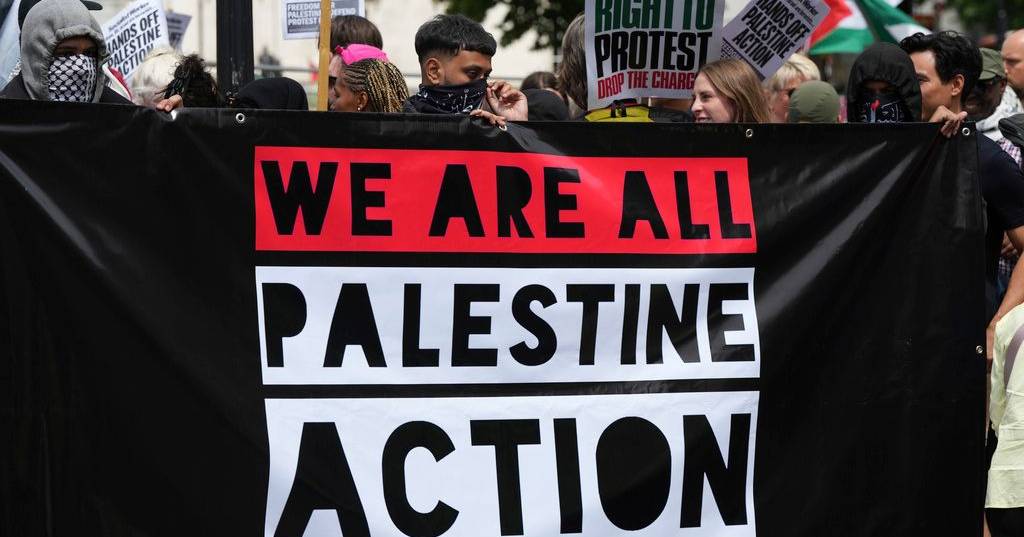
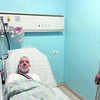
Com idades entre os 21 e os 30 anos, os ativistas foram condenados entre quatro e oito anos de prisão. Provocaram estragos no valor de 1 milhão e 150 mil euros a drones e a equipamentos tecnológicos.
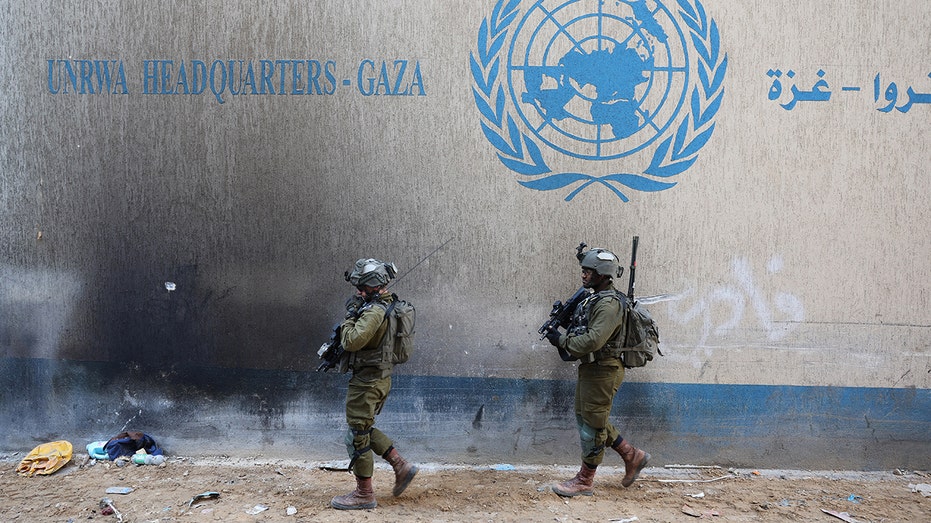
The United Nations Relief and Works Agency for Palestine Refugees in the Near East (UNRWA) fired 70 staff members working in Gaza after long-standing claims from Israeli authorities that the agency is a collaborator with the Hamas terrorist group.
"Today, the Commissioner-General ad interim of UNRWA, Christian Saunders, took the decision to terminate the employment of 70 UNRWA staff members in Gaza with immediate effect," UNRWA wrote in a Friday statement.
UNRWA insisted its decision was not an admission of guilt, but one taken "to mitigate safety and security risks for the refugees the Agency serves under its mandate and for UNRWA personnel and premises."
The agency claims it has "repeatedly asked the Israeli authorities to provide information and evidence to substantiate allegations against individual UNRWA staff members in Gaza but has received no response to date."
"The dismissal of the staff is not part of a disciplinary process and does not constitute in any way a validation of the claims made against them," the UNRWA statement read.
The firings follow a United States Agency for International Development (USAID) investigation that referred more than 100 UNRWA staff members for suspension or dismissal.
USAID's investigation, the results of which the agency published June 5, assessed that a number of UNRWA's employees were deeply enmeshed in Hamas' civil society and military operations.
The investigation results included mention of "a deputy school principal serving as an al-Qassam deputy company commander in the Ain Gallout/5th infantry battalion, a deputy school principal serving as squad leader for the Khan Younis Brigade/2nd infantry battalion" and "a teacher with expertise as a sniper for Hamas."
The investigation also found numerous school teachers and principals it claimed to have participated directly in Hamas' Oct. 7 terrorist attacks.
"Since October 7, evidence of numerous incidents of Hamas exploiting UNRWA infrastructure and UNRWA employees being involved in terrorist activity has been exposed. Civilians in Gaza have even stated that UNRWA is Hamas," the Israeli Defense Forces (IDF) wrote in a January web post.
Additionally, the IDF claimed, citing intelligence findings, that "among the 12,521 UNRWA employees in the Gaza Strip, at least 1,462 (12%) are members of Hamas or other designated terrorist organizations."
Israel's Foreign Ministry pushed back on UNRWA's defense framing and claims that Israel had not supplied evidence of employee-Hamas collaboration.
"UNRWA's statement on the termination of 70 employees, while blaming the victim, Israel, and without even mentioning the word 'Hamas,' is a cynical cover-up," the ministry wrote in a statement shared on X.
"The responsibility to purge terrorism lies solely with the UN, yet Hamas membership remains simply acceptable within UNRWA's ranks. By harboring terrorists and letting its facilities serve as Hamas headquarters, UNRWA has become an arm of Hamas," the statement concluded.
UNRWA, for its part, denies being an active collaborator with Hamas, but insists working with the group is an operational necessity for distributing aid in Gaza.
"UNRWA, similar to other United Nations entities, does not have police or intelligence capacities and must rely on the cooperation and assistance of Member States, including the State of Israel as the Occupying Power, to protect its operations and neutrality amid high risks in the Occupied Palestinian Territory," the agency wrote in its Friday statement.
In April, UNRWA's Office of Internal Oversight Services (OIOS) announced the results of an investigation into 19 employees accused of participating in Oct. 7. UNRWA terminated 12 of the employees in January. Of the remaining seven cases, UNRWA had dismissed one, citing a lack of evidence. The remaining six cases were still under investigation as of April, according to the agency.
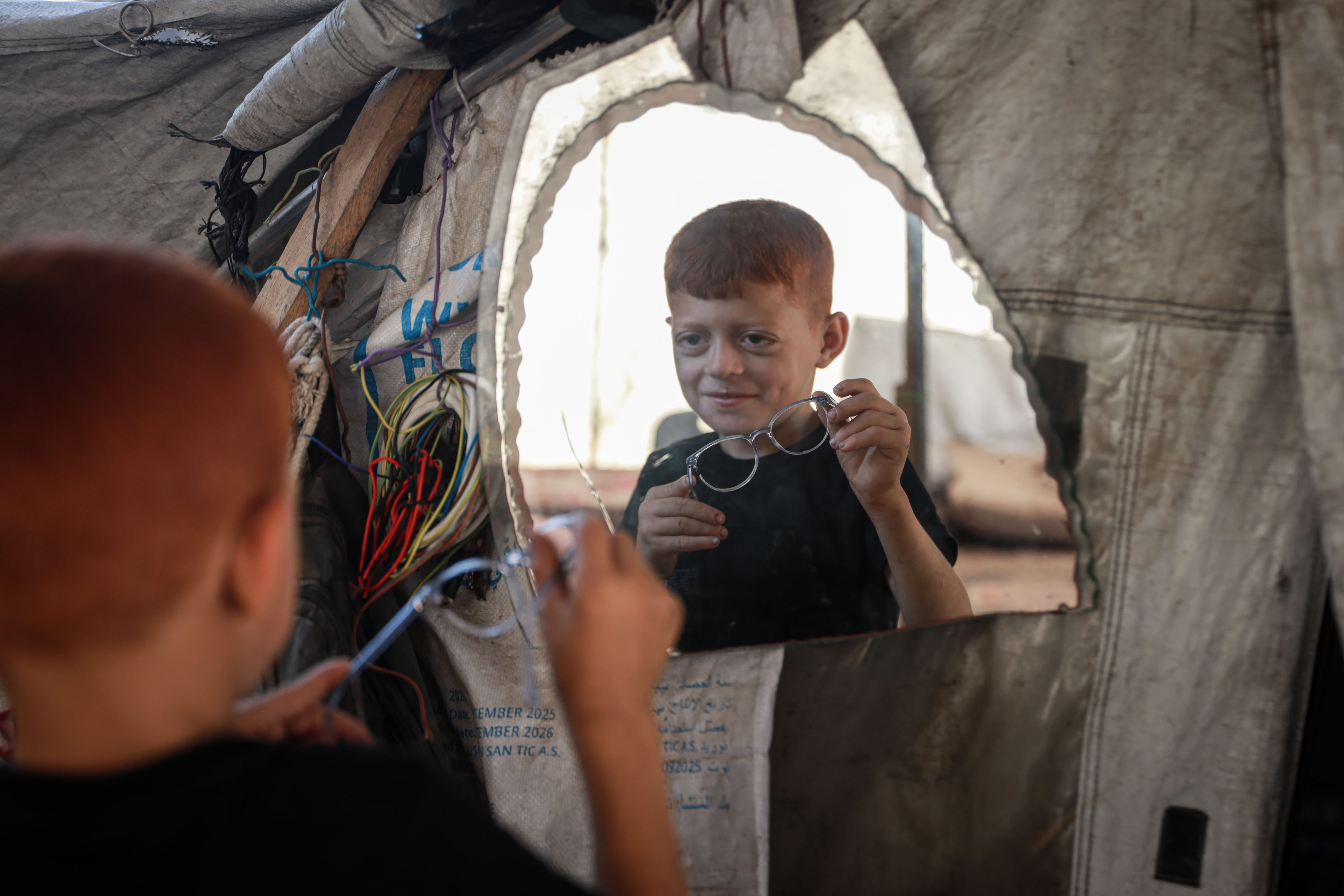
El vídeo del pequeño Ayoub Junaid llorando porque sus gafas se han roto acumula más de 50 millones de visualizaciones. Este niño palestino de apenas siete años, desplazado en la franja de Gaza, tiene una grave discapacidad visual y necesita de gafas especiales. En uno de los vídeos que compartió su madre, Eman Junaid, ella escribe: “Mi hijo se cayó mientras caminaba y sus gafas se han roto. Él no puede ver sin ellas. Por favor, ayúdenme”. En las imágenes se ve al pequeño Ayoub con un parche negro sobre el ojo izquierdo. “Ayúdenme a ver, quiero ver cómo los otros niños”, pide.
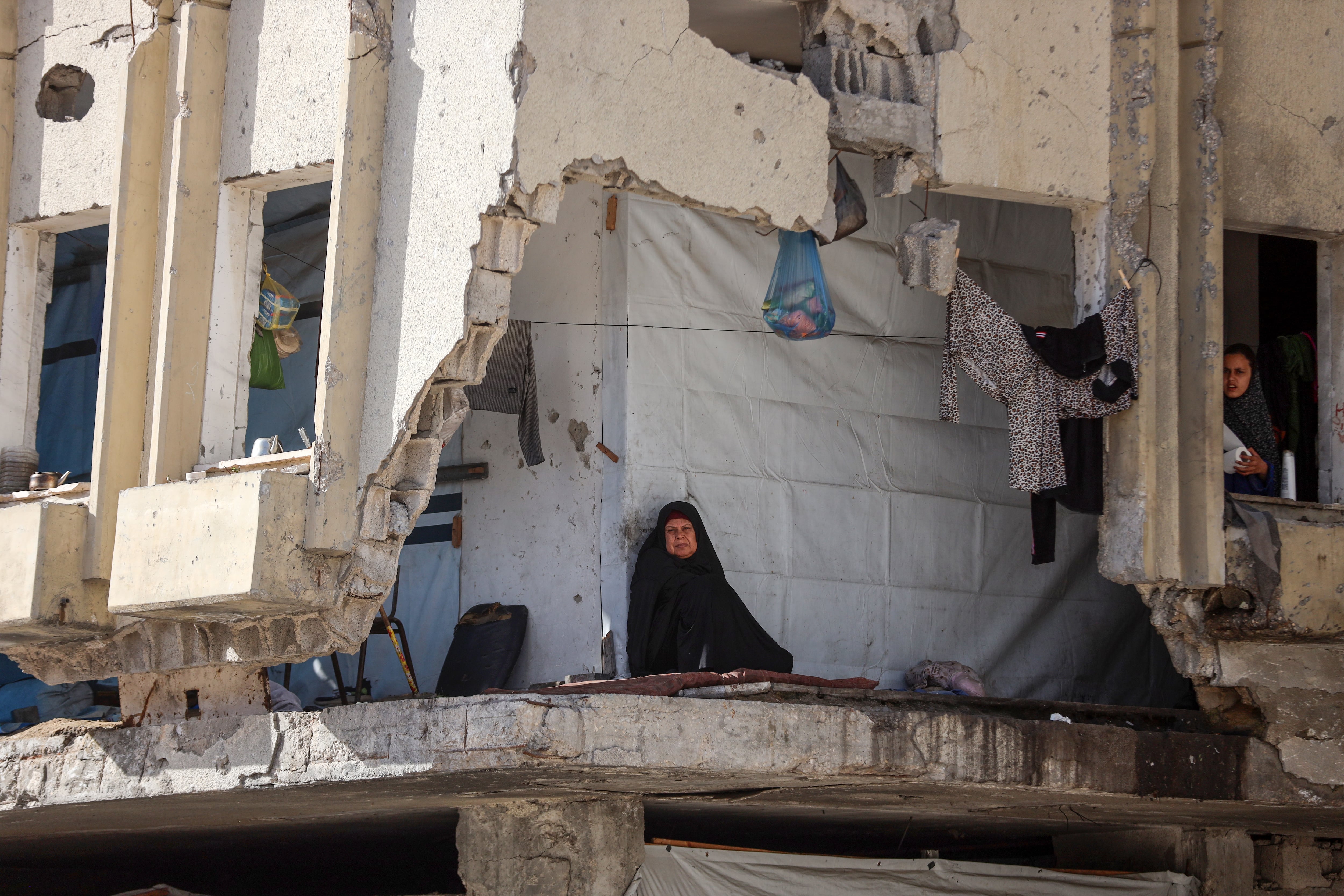
La Convención de las Naciones Unidas sobre el Genocidio aprobada en 1948 especifica cinco actos que constituyen este crimen cuando se cometen con la intención de destruir, totalmente o en parte, a un grupo. Los dos primeros abarcan los asesinatos en masa y los daños físicos o mentales de gravedad. El cuarto y el quinto tienen que ver con la interrupción de la continuidad biológica de un grupo. La tercera consideración (…) prohíbe “imponer deliberadamente al grupo unas condiciones de vida calculadas para provocar su destrucción física”. Es decir, las formas indirectas de matar, que no golpean frontalmente a los seres humanos, sino el entorno en el que viven. Para que las “condiciones de vida” sean adecuadas hacen falta edificios, hospitales, infraestructuras sociales, redes de alcantarillado y de suministro de agua, la red eléctrica y la agricultura. La destrucción o degradación intencionada de esas estructuras disminuye la capacidad de sobrevivir de una población y, por consiguiente, es una forma de aniquilación lenta y tortuosa.

 Login
Login