Representative Mike Collins has President Trump’s endorsement in his bid for the Republican Senate nomination in Georgia. Derek Dooley has the backing of Gov. Brian Kemp.
With support from Markwayne Mullin and Robert F. Kennedy Jr., the kratom industry is pursuing a potentially lucrative policy. Mr. Mullin owns equity in a company that could benefit.
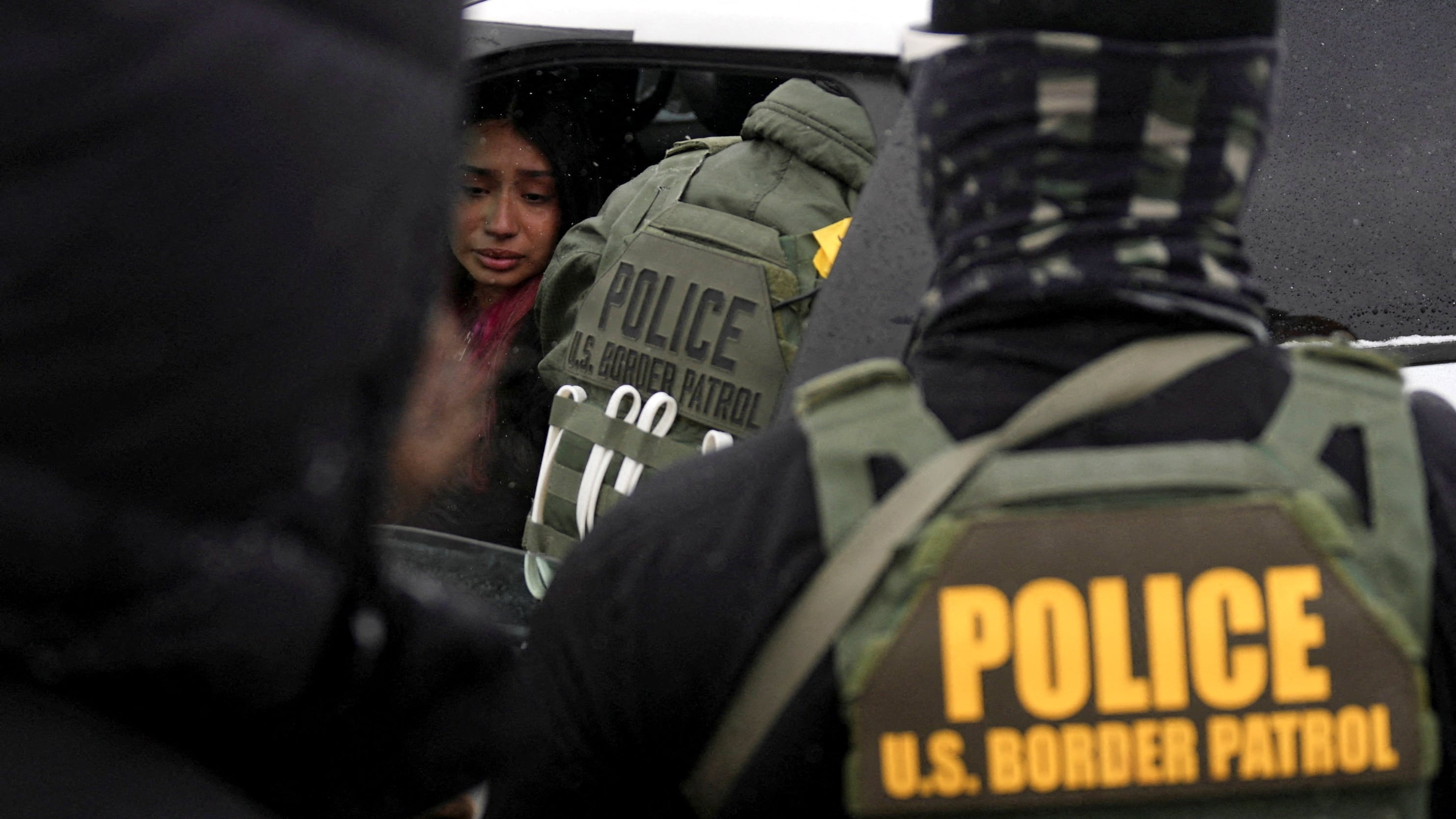
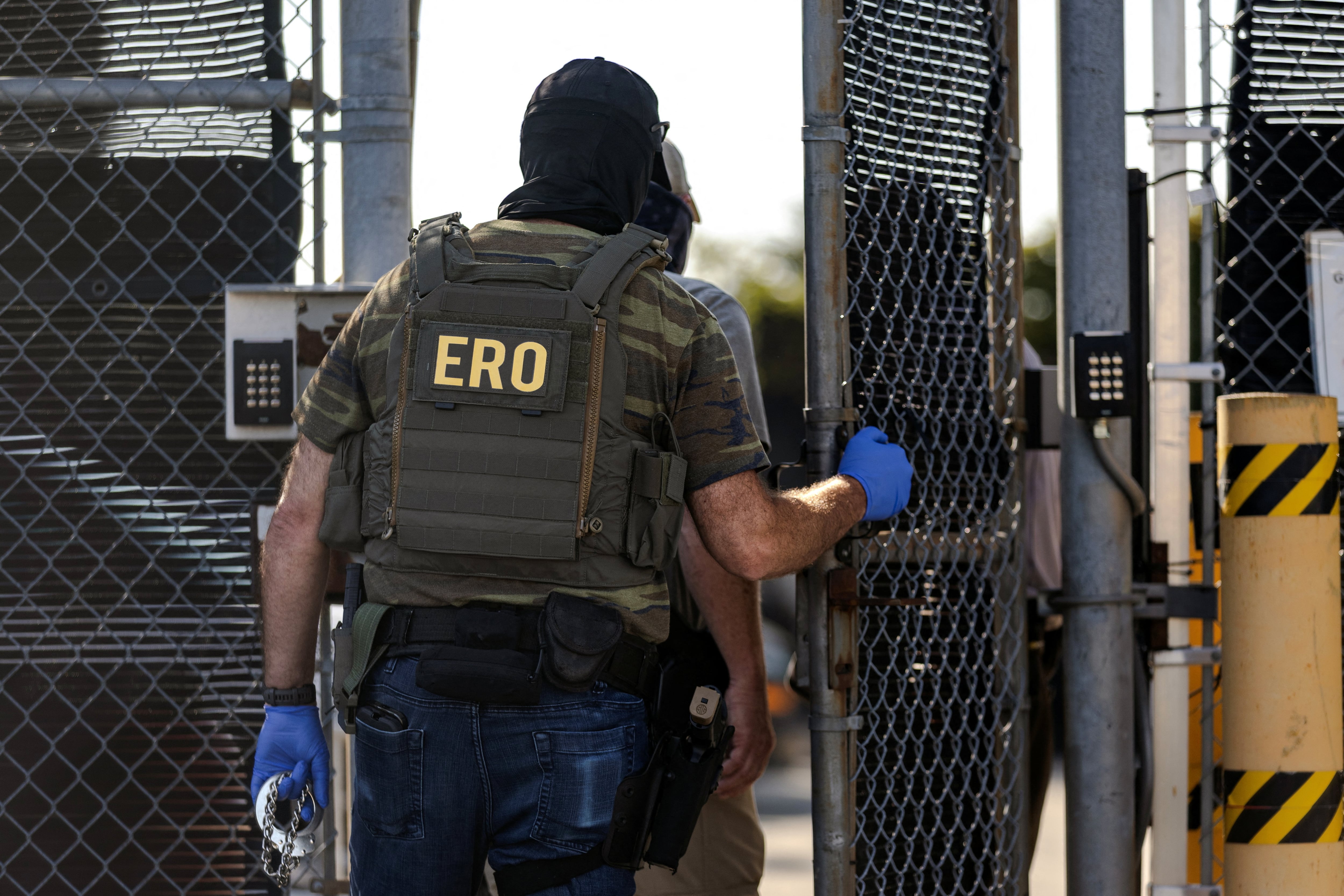
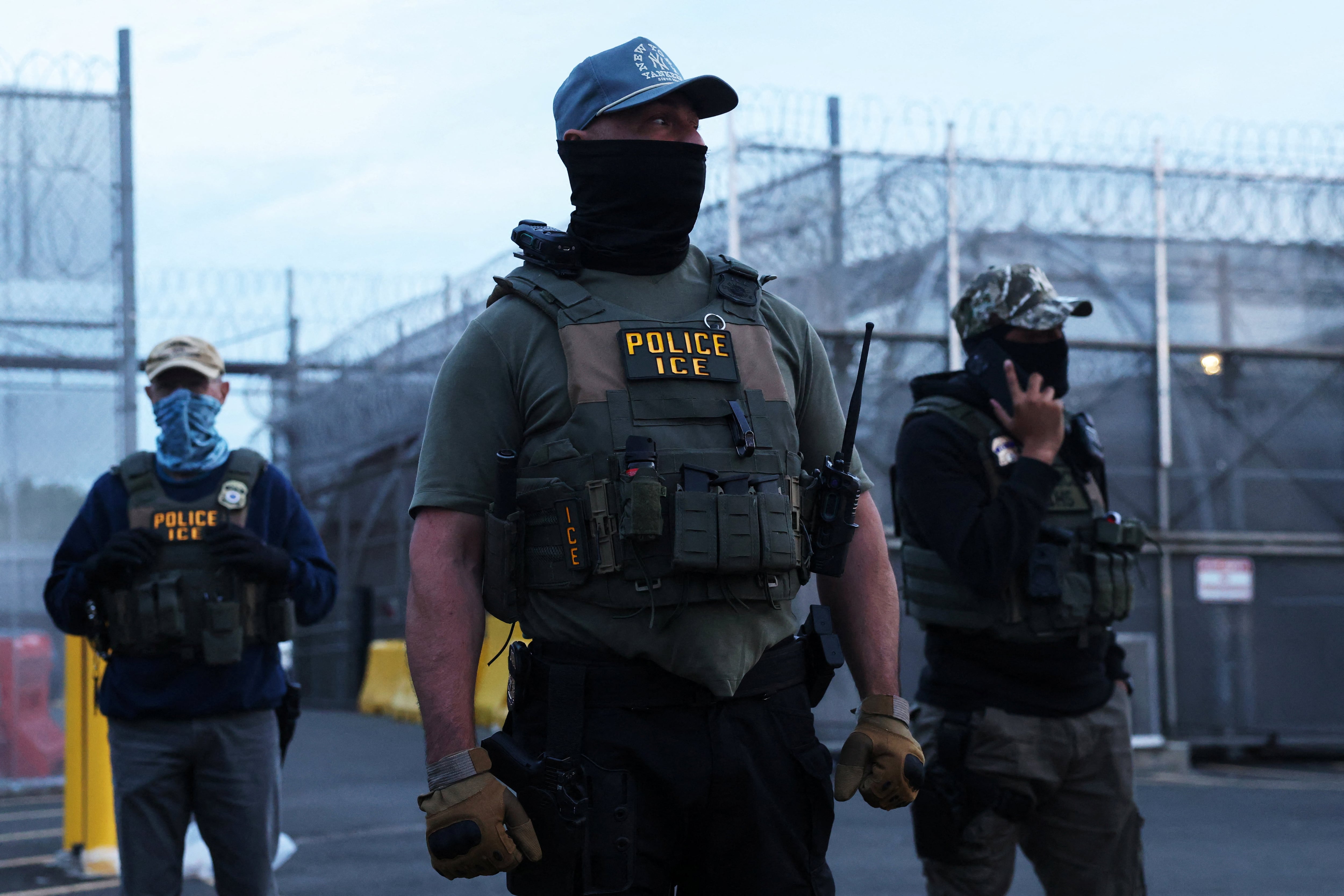
When the Donald Trump administration launched its largest operation targeting migrants in the cities of Minneapolis and Saint Paul, Minnesota, last December, several members of the Oglala Sioux Tribe were detained. They were not criminals, undocumented residents, or even migrants. They are U.S. citizens who became victims of the racial profiling ICE agents have used in their raids, sanctioned by a controversial Supreme Court ruling that allowed officials to rely on facial features, the language spoken, or an English-speaking accent to choose their targets. In addition to the obvious consequences the practice has had in the Latino community, where thousands of citizens have been stopped during operations, Native Americans have also fallen victim to the subjective criteria used by officials.
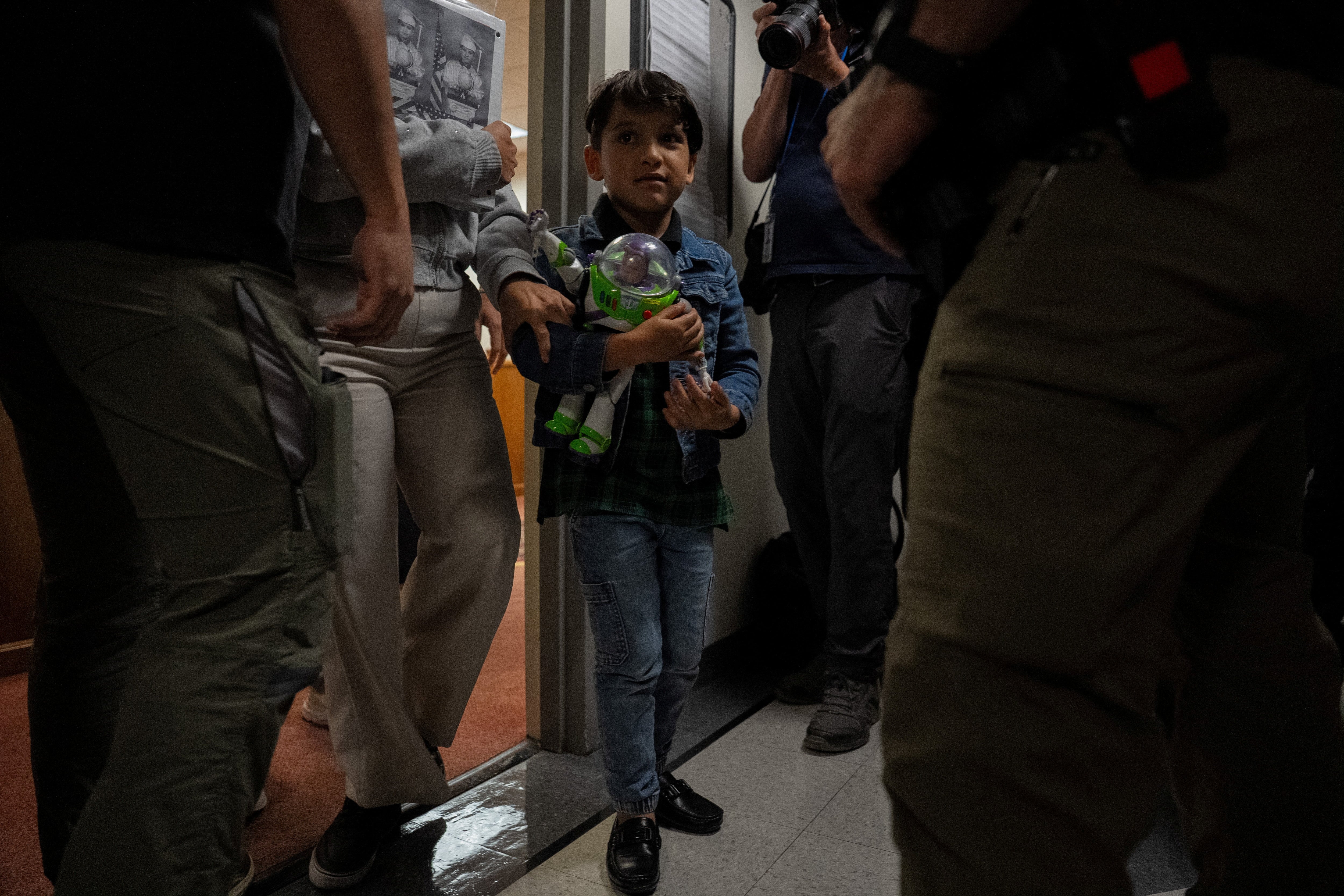
Infants and toddlers are also being targeted by immigration agents. An investigation by The Marshall Project and MS NOWfound that at least 500 children under the age of three have passed through Immigration and Customs Enforcement (ICE) detention centers since January 2025, a surge that coincides with Donald Trump’s return to power and the resumption of the detention of migrant families.
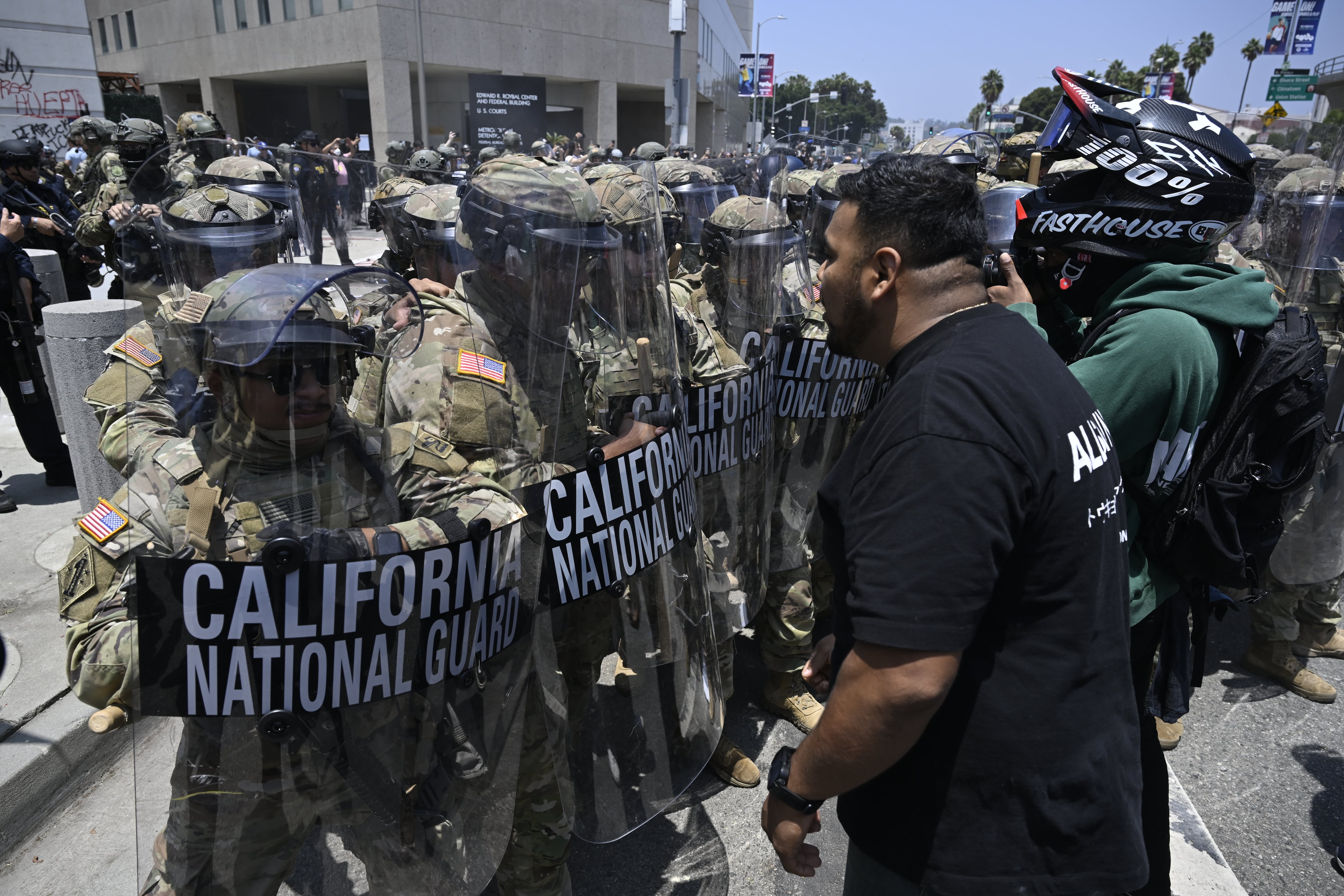
An agricultural property a few miles from Gilroy, just south of the San Francisco Bay Area, has become the latest flashpoint in the ongoing clash between California and the Trump Administration. California Attorney General Rob Bonta and Santa Clara County filed a federal lawsuit on Wednesday seeking to stop the construction of a U.S. Immigration and Customs Enforcement (ICE) facility that local officials say could be used to temporarily detain migrants as part of the federal government’s intensified immigration enforcement efforts.
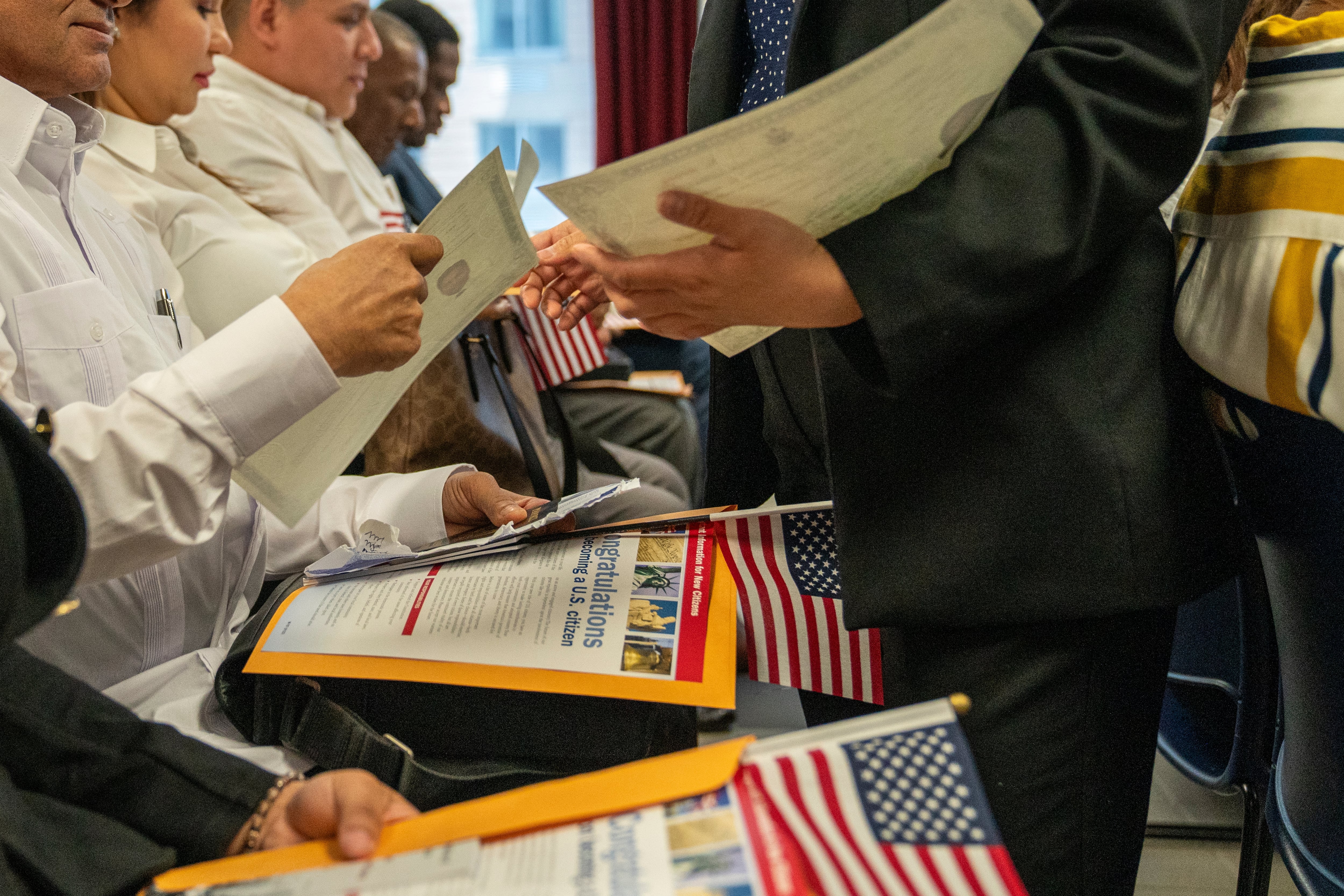
Seventeen naturalized U.S. citizens could lose their citizenship after the Department of Justice announced new actions on Monday to revoke that status. The move is part of the denaturalization campaign pursued by President Donald Trump’s administration against people whom the Republican government says obtained citizenship through fraud or deception during the naturalization process.
“The world will stand still, and the eyes of the world will be focused on North America,” the 56-year-old Swiss president of FIFA, Gianni Infantino, said a few days ago from the United Nations headquarters in New York. With four days to go before the ball starts rolling, the three host countries — the United States, Mexico, and Canada — say they have everything ready. Or, more precisely, almost everything. The biggest soccer tournament in history — 48 national teams playing a total of 104 matches — takes place amid various circumstances that complicate organization: the United States remains at war with Iran, President Donald Trump’s strict immigration policies are frightening away many supporters, and FIFA’s dynamic-pricing ticket system has put seats out of reach for much of the fan base.
Amid growing scrutiny over the rising number of deaths in immigration detention, the Trump administration has eliminated a policy that required U.S. Immigration and Customs Enforcement (ICE) to investigate and report the deaths of detainees that occurred within 30 days of their release.
Amid growing concerns about surveillance and privacy in the Trump administration’s immigration policy, U.S. Immigration and Customs Enforcement (ICE) is significantly expanding its biometric identification infrastructure. According to NPR, the agency entered into an agreement with BI2 Technologies—a company specializing in biometric technology—that includes the deployment of iris scanners, access to private databases, and real-time verification tools for field agents.

 Login
Login