Normal view

Frances Haugen: ‘We are worse off today than when I leaked the Facebook documents’

In September 2021, The Wall Street Journal published the Facebook Files, a series of reports based on internal documents from the tech company that, among other things, showed its executives were aware of the harms Instagram and Facebook were causing young people. It was a bombshell. It triggered the biggest reputational crisis for Mark Zuckerberg’s company, which weeks later rebranded as Meta. The person behind it was engineer Frances Haugen, 42, who left her post at Facebook carrying 21,000 internal documents. The U.S. Senate summoned her to testify, and investigations were opened into her revelations.

Seguir leyendo

After the leak, Haugen moved from California to Puerto Rico. From there she runs an NGO that fights for transparency in social media.Haugen decided to reveal herself a month after the leak in a television interview.

💾

©

Engineer Frances Haugen poses at the Llotja de Mar in Barcelona, where she participated in the First International Conference on Digital Rights.

How social media platforms keep students hooked: Notifications during school hours and paid ‘teen ambassadors’

TikTok executives decided not to disable notifications during school hours, ignoring recommendations from their own safety team, and paid millions of dollars to parents’ and teachers’ associations to promote the social network in schools. Snapchat sent alerts to teenagers while they were in class urging them to share what was happening in the classroom. Google executives knew that YouTube was recommending videos to students during the school day that were unrelated to their lessons. Meta paid “teen ambassadors” to promote Instagram and hand out gifts to their classmates.

Seguir leyendo

© JUAN BARBOSA

A group of teenagers with their cell phones.

AI will consume as much water in 2030 as 1.3 billion people

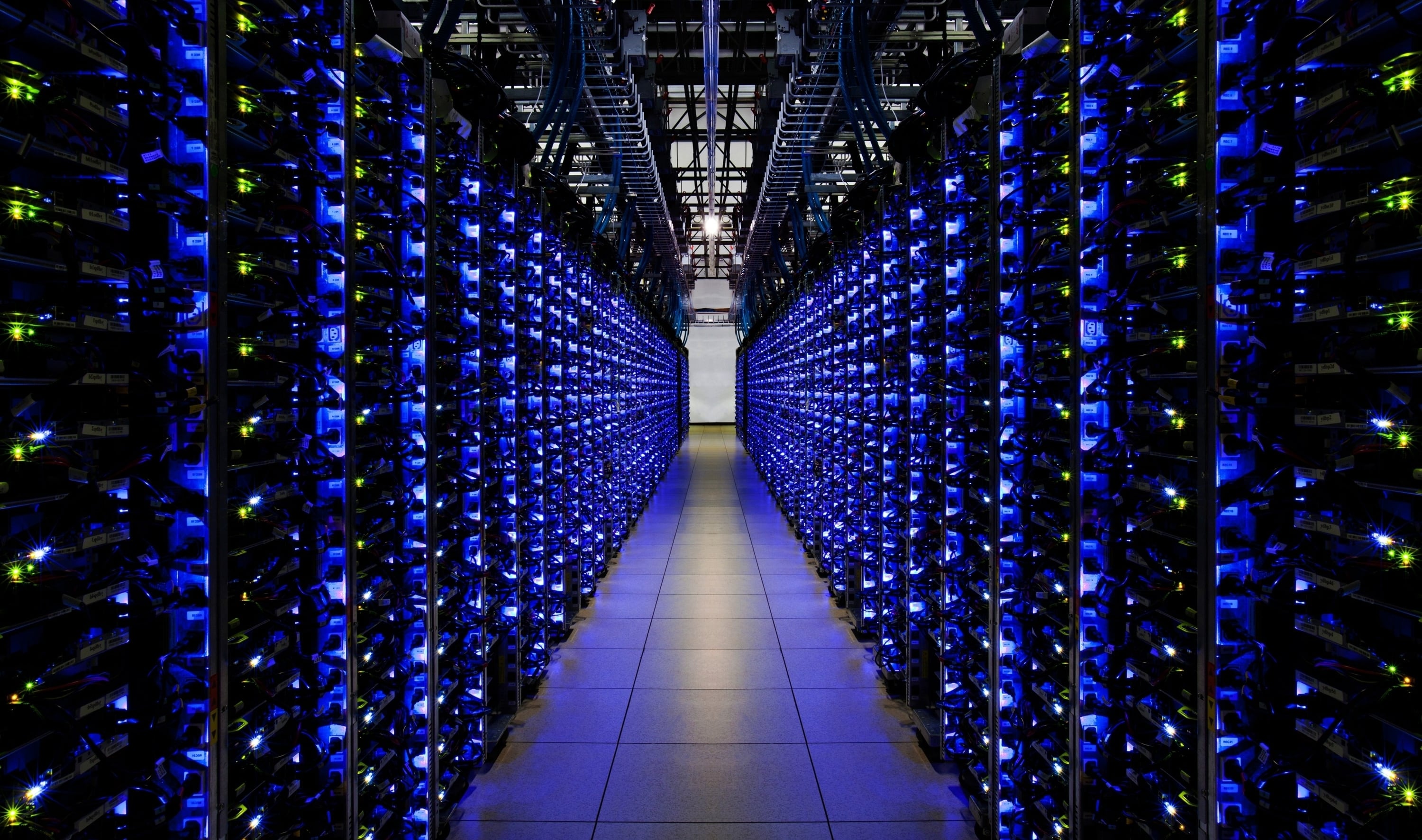
By 2030, water consumption linked to the use of artificial intelligence will be equivalent to that of 1.3 billion people in sub-Saharan Africa, while it will require nearly three times the annual energy consumption of Pakistan, Bangladesh and Nigeria — countries with a combined population of 650 million. In terms of carbon emissions, these could reach 400 million tonnes of CO₂ equivalent, comparable to the United Kingdom’s total emissions. The operation of AI will require 14,500 square kilometres of land, including infrastructure and supply chains — twice the size of the Jakarta metropolitan area, a megacity with more than 32 million inhabitants, or 10 times that of Mexico City (21 million).

Seguir leyendo

One of the aisles of servers at Google's data centre in Douglas, Georgia.
❌