Normal view

Prodotti trafficati illegalmente e prezzi alle stelle: gli Usa colpiscono l’economia cubana usando anche il mercato nero

7 June 2026 at 08:33

Navi private Usa attraccano a Matanzas. Portano carburante – benzina e gasolio -, che poi viene rivenduto a tre o a cinque dollari al litro. “Il prezzo è inaccessibile, ma le macchine girano ancora”, ci dice Norberto Pérez, 41 anni, che risiede nella città portuale. Si salvano a malapena la Chiesa o altri enti umanitari. “Paghiamo due euro al litro per attività con finalità umanitarie. Di più sarebbe insostenibile”, spiega un operatore Caritas, che chiede l’anonimato.

Il carburante viene trasportato da ditte Usa, tra cui Apacargo Express e Katapulk Marketplace LLC. Non c’è embargo che tenga. Le ditte, divenute spesso oggetto di controversia, hanno licenze Ofac o del Bureau of Industry and Security. Poi, la merce va nelle mani di oligarchi, militari e luogotenenti. Che si sono arricchiti negli ultimi mesi. “Questo tempo di crisi è stato fonte di prosperità per alcuni”, lamenta Yulitza Márquez, 30 anni, due figli, disoccupata. “Qui non ci resta che emigrare. I prezzi sono alle stelle”, lamenta. Va così anche con il cibo, le medicine e altri beni primari. Il mercato ero si è sostituito a quello convenzionale. “Parliamo di un’occupazione subdola e silenziosa, che non necessita cannoni ed erode il tessuto sociale ed economico dell’Isola, escludendo i settori più fragili della popolazione. È una storia già vista in Romania, Albania e altri luoghi. Ed è solo l’inizio”, commenta Massimo Nevola, padre gesuita, rientrato dall’Isola poco fa. “Metà della popolazione, pur soffrendo, si arrangia e vive con dignità. Preoccupa la tenuta del 30% di loro, costretto a frugare nella spazzatura per trovare da mangiare”, aggiunge Nevola. A lui l’invasione Usa non sembra molto vicina: “Il costo politico sarebbe troppo alto. E i cubani sarebbero contrari, nonostante la crisi”. L’invasione delle merci serve anche a rendere gli Usa fornitore esclusivo dell’Isola, scavalcando Cina e Russia. Palazzo della Revolución chiude un occhio, poiché carente di alternative. Alla fine il presidente Miguel Díaz-Canel, fedelissimo di Castro, può fare ben poco per invertire la rotta.

Fonti riservate riferiscono che, per uscire dalla crisi, L’Avana sarebbe anche disponibile a consegnare le terre ai contadini, anche aprendo alla privatizzazione. Manca però la manodopera. Buona parte della popolazione (1,7 milioni di persone) è all’estero. E chi è dentro non vuole tornare nei campi.

Del resto “ciascuno sopravvive come può”, ci racconta Daniel Pedraza Díaz, che denuncia l’indifferenza del resto del mondo.
“Conoscere tutti la situazione che si vive nel mio Paese. Sapete che c’è crisi e repressione; che mancano medicine e altri beni primari. Ma nessuno fa niente”. Pure l’ultimatum del 5 giugno imposto dagli Usa – che ha minacciato sanzioni contro le aziende straniere – è passato inosservato. “Di geopolitica si parla più all’estero: la gente è concentrata sul qui e ora, facendo lunghe file per comprare qualcosa da mangiare. Alcuni vivono senza gas e altri senza luce o senz’acqua per intere giornate. Anche il cibo va a male, poiché non può essere conservato”, ci racconta Inneris Suarez, responsabile di Sant’Egidio a L’Avana. “La vita è ferma. Non ci sono trasporti. Ho fatto cinque chilometri in taxi per visitare una giovane in ospedale: è costato 6.500 pesos (quasi 300 dollari, ndr), che è il doppio del mio stipendio”. I rincari paralizzano la vita. Serve una pensione, mille pesos (quasi 36 dollari) per pagare un litro d’olio. La popolazione è al limite. D’altro canto, i prodotti erogati dal governo, attraverso la Libreta de abastecimiento, non durano nemmeno due settimane. Le folle si concentrano davanti alle mense, anche se non c’è cibo per tutti.

“La crisi sta cambiando anche il volto della gente. Ci è stato rubato il buonumore che un tempo ci caratterizzava. Soprattutto all’Avana vecchia, dove le abitazioni, assai datate, non reggono il caldo”, racconta Inneris. Persino i proclami “Cuba Libre” o “Ben vengano gli americani” sono indotti dalla disperazione. Gerardo Torres, anche lui operatore umanitario, ci spiega che, “spinto al limite, il popolo esprime la sua rabbia, anche senza tener conto delle conseguenze. Serve invece un vero dialogo, con aperture da parte del governo e meno prepotenza da parte degli Usa. Ma le parti sembrano lontane da un’intesa reale”.

Nel frattempo il carovita – l’inflazione è oltre il 14% – divora le rimesse che un tempo garantivano la sopravvivenza dei più fragili. “Quei cento o duecento dollari, che sono un sacrificio per chi vive e lavora altrove, non ci bastano più”, dice Grisel Acosta, 72enne, il cui figlio la aiuta da Madrid. “C’è uno scollamento mai visto tra prezzi e soldi a disposizione che non si era mai visto e che ci rende tutti più poveri, anche chi ha lavorato tutta la vita e ora vede sparire i propri risparmi”, conclude.

L'articolo Prodotti trafficati illegalmente e prezzi alle stelle: gli Usa colpiscono l’economia cubana usando anche il mercato nero proviene da Il Fatto Quotidiano.
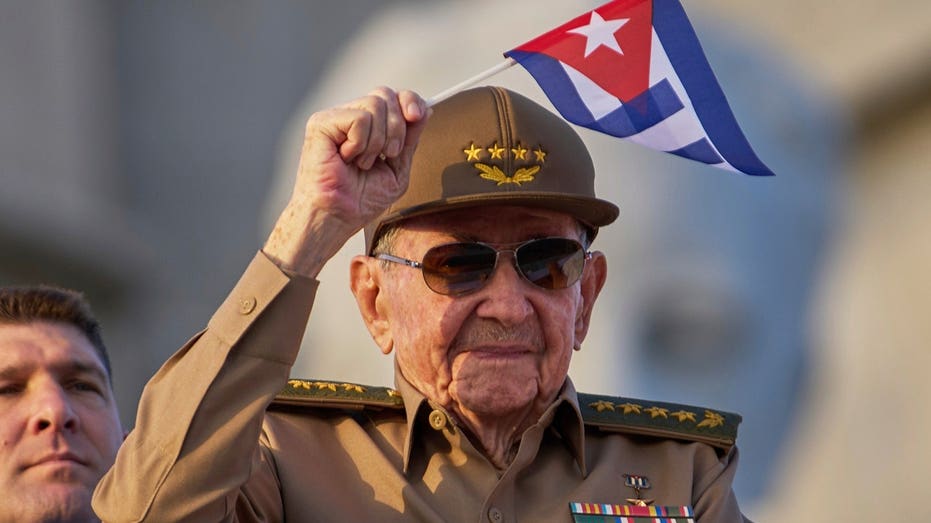
Raúl Castro makes first public appearance since Trump administration charged him with murder

6 June 2026 at 10:19

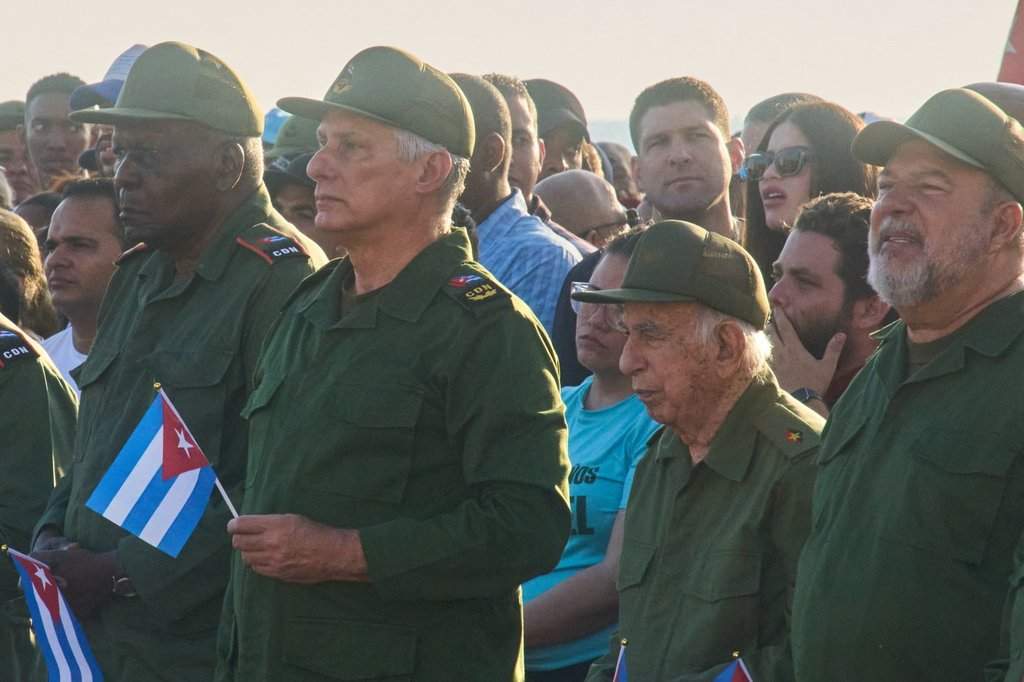
Former Cuban leader Raúl Castro made his first public appearance Friday since the Trump administration charged him with murder over the 1996 shoot-down of planes operated by a Cuban exile group.

Castro appeared on state television during an Interior Ministry celebration in Havana, according to Reuters.

The appearance came weeks after the Department of Justice unsealed an indictment accusing Castro of playing a role in the downing of two aircraft operated by the Miami-based exile organization Brothers to the Rescue nearly 30 years ago.

Castro was charged with conspiracy to kill U.S. nationals, destruction of aircraft and four counts of murder.

DOJ, TREASURY INVESTIGATE NONPROFITS AND LEADERS ALLEGEDLY COORDINATING WITH CUBA IN INFLUENCE CAMPAIGN

Castro, who turned 95 on Wednesday, was last seen publicly during May Day celebrations in Havana, days before the indictment was unsealed.

Prior to his May Day appearance, Castro had remained out of public view for months, appearing only at a public ceremony in Cuba's capital in January honoring 32 Cuban soldiers killed during the U.S. military operation that led to the capture of Venezuelan President Nicolás Maduro.

The indictment centers on a February 1996 incident in which Cuban military aircraft allegedly shot down two unarmed civilian planes operated by Brothers to the Rescue, killing four men: Carlos Costa, Armando Alejandre Jr., Mario de la Peña and Pablo Morales.

OBAMA’S BASEBALL OUTING WITH CASTRO REIGNITES FURY AFTER TRUMP DOJ DROPS HAMMER ON CUBAN LEADER

Prosecutors allege the aircraft were flying outside Cuban territory when they were destroyed.

The indictment came amid rising tensions in the Caribbean and a series of comments from Trump and his surrogates hinting at possible regime change in the island nation.

President Donald Trump previously praised the indictment, saying Cuban Americans whose families suffered under the communist regime had waited decades for accountability.

TRUMP DECLARES NATIONAL EMERGENCY OVER CUBA, THREATENS TARIFFS ON NATIONS THAT SUPPLY OIL TO COMMUNIST REGIME

"We have big news on Cuba, as you know, with the indictment of Castro," Trump said. "A lot of people have suffered very big, very, very, at levels that few people would understand."

Trump also suggested tensions with Cuba would not escalate following the indictment.

"There won’t be escalation," he said. "We won’t have to."

MADURO'S CAPTURE IS 'BEGINNING OF THE END' FOR CUBA'S REGIME, HOUSE INTELLIGENCE CHAIR SAYS

Still, the decision to indict Castro fueled comparisons to the pressure campaign Trump previously used against Maduro.

"At the very least, it means symbolically that he is now set up just as Nicolás Maduro was," Christine Balling, a Cuba expert at the Institute of World Politics and former advisor to U.S. Special Operations Command South, previously told Fox News Digital.

The U.S. indicted Maduro on narco-terrorism charges while tightening sanctions on Venezuela's oil sector, backing opposition efforts to remove him from power and increasing military operations in the Caribbean.

"I don't think that we are necessarily going to conduct the same operation," Balling said. "Raúl Castro is 94 years old. It might not be worth the trouble."

CLICK HERE TO DOWNLOAD THE FOX NEWS APP

Still, Balling argued that the indictment sent "a very straightforward message that we are 100% behind the fall of the Castro regime."

Fox News Digital's Robert McGreevy, Greg Wehner and Morgan Phillips, along with Fox News' David Spunt, Bill Mears and Jake Gibson contributed to this report. Reuters also contributed to this report.

Trump expands Cuba sanctions beyond US companies in major crackdown on foreign enablers

3 June 2026 at 20:39

The Trump administration is rolling out what experts describe as the most significant expansion of U.S. sanctions on Cuba in decades.

The administration is attempting what supporters say is the first broad application of Cuba-related secondary sanctions against foreign firms, aiming not only at Havana itself but also at foreign companies and banks that continue doing business with the island’s military-linked economic empire. 

The new framework, established under an executive order signed by President Donald Trump May 1, applies pressure beyond U.S. companies for the first time, threatening foreign firms with sanctions exposure if they continue operating in key sectors of the Cuban economy linked to Grupo de Administración Empresarial S.A., or GAESA.

TRUMP ADMINISTRATION PRESSED TO CLOSE CUBA EMBARGO LOOPHOLE AS OIL SET TO RUN OUT WITHIN DAYS

Supporters say the move closes a loophole that allowed foreign investors to sustain Cuba’s communist regime while the longstanding U.S. embargo largely restricted Americans.

Critics argue the measures risk worsening an already severe humanitarian crisis on the island without meaningfully weakening the government.

"At the top of the month, what the Trump administration did was for the first time extend the application of U.S. sanctions from just prohibiting trade between U.S. firms and U.S. persons and the Cuban island to third-party countries and enablers," Max Meizlish, a former Treasury Department official now serving as a research fellow at the Foundation for Defense of Democracies, told Fox News Digital in an interview.

"For the first time ever in a truly unprecedented fashion, that’s the same logic that the administration is now applying to Cuba," he said.

The sanctions focus heavily on GAESA, a sprawling military-linked conglomerate that analysts estimate controls between 40% and 70% of Cuba’s economy, including tourism, mining, retail, ports and financial services. 

A recent Foundation for Defense of Democracies report authored by Meizlish and Connor Pfeiffer argued that foreign companies doing business in Cuba are effectively helping sustain the regime’s military and political leadership.

TRUMP DECLARES NATIONAL EMERGENCY OVER CUBA, THREATENS TARIFFS ON NATIONS THAT SUPPLY OIL TO COMMUNIST REGIME

The State Department sanctioned GAESA and several affiliated entities in May under the new authorities, opening the door for potential penalties against foreign companies and financial institutions that continue dealings with them after a June 5 wind-down deadline.

Meizlish argued previous sanctions regimes failed because they isolated American companies while allowing foreign actors to continue financing the Cuban state.

"There’s a lot of Spanish firms, for instance, that have invested millions of dollars in luxury hotel properties, villa properties in Cuba that partner with GAESA, all funding this military enterprise at the expense of the Cuban people," he said.

He also pointed to Canadian involvement in Cuba’s nickel and cobalt sectors, saying foreign investment has generated "huge amounts of money for the regime."

"A lot of people think about the U.S. embargo over the years is actually being responsible for a lot of the problems on the Cuban island, but they don't give consideration to the fact that GAESA, this newly sanctioned entity, has been sitting on an estimated $20 billion in assets and cash over the year while depriving the people of Cuba," Meizlish told Fox News Digital.

But critics of the policy warn the economic fallout could land the hardest on ordinary Cubans.

William LeoGrande, a longtime Cuba expert at American University, said the May 1 measures represent a major escalation because they specifically target foreign businesses rather than just Americans and aim to deter foreign companies from doing business with GAESA by threatening sanctions exposure.

LeoGrande acknowledged the measures could deprive the Cuban government of revenue but argued the broader population is likely to suffer most.

CUBA'S ENTIRE ELECTRICAL GRID COLLAPSES, LEAVING WHOLE ISLAND WITHOUT POWER

"This would potentially deprive the Cuban government of funds, but the impact will fall mainly on ordinary citizens because it means the government has fewer resources to import food, medicine and fuel," he said.

The debate comes as Cuba faces its deepest economic and humanitarian crisis in years. 

The World Food Programme says food insecurity is worsening amid fuel shortages, inflation and declining access to imported goods, while U.N. officials have warned that electricity shortages and blackouts are disrupting hospitals, vaccination programs and food distribution networks across the island.

LeoGrande also warned tougher sanctions could contribute to another migration crisis.

NICARAGUA BLOCKS PATHWAY USED BY CUBAN MIGRANTS TO REACH THE US

"Another unintended effect is that by making living conditions in Cuba even more desperate, tougher sanctions could trigger a mass migration like we saw in 1980 or 1994," LeoGrande said.

On background, a U.S. official rejected arguments that American sanctions are responsible for Cuba’s humanitarian crisis.

"The suffering of the Cuban people is not caused by the U.S. embargo but by the Cuban dictatorship’s failed Communist policies and human rights violations," the official told Fox News Digital. "The embargo does not prohibit Cuba’s access to world markets or trade with third countries."

The official added that U.S. law explicitly permits exports of food, medicine and medical equipment to Cuba and accused the regime of hiding "billions in overseas bank accounts instead of investing in electricity, infrastructure and the daily needs of its people."

The debate mirrors long-standing arguments surrounding U.S. sanctions on countries like Iran and Venezuela, where supporters view economic pressure as a tool to weaken authoritarian governments while critics argue regimes often survive and civilians absorb the economic damage.

CLICK HERE TO DOWNLOAD THE FOX NEWS APP

Meizlish argued sanctions should not be judged simply by whether they immediately topple governments.

"The problem isn’t that the embargo went too far," he said. "It’s that it didn’t go far enough."

Fox News Digital reached out to the Cuban Embassy in Washington for comment but did not receive a response by the time of publication.

Burying the Cuban Revolution: A task for the left

6 June 2026 at 05:00

It’s quite possible that the Cuban Revolution will soon die. Just over 67 years ago, it burst forth laden with hopes and redemptive promises. Biblical parallels abounded: there were 12 survivors of the Granma — the yacht that transported the fighters from Mexico to Cuba — and a messiah (Fidel Castro) triumphantly entered the new Jerusalem (Havana). A dove landed on his shoulder as he recited the divine word for hours on end, foreshadowing paradise on earth. Meanwhile, on the other side of the water — the Straits of Florida — the Yankee devil threatened this paradise from hell.

Seguir leyendo

© Norlys Perez (REUTERS)

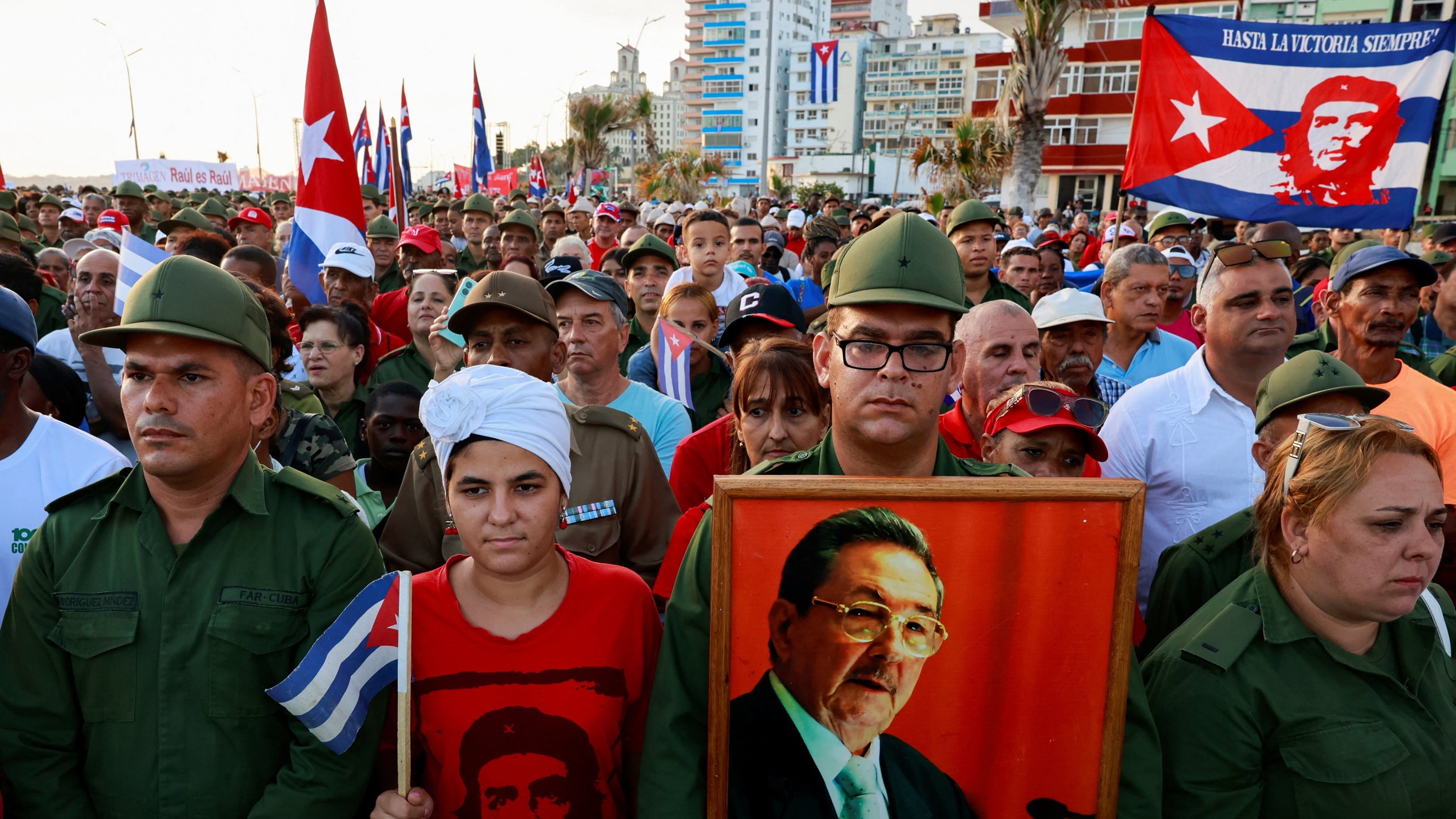
A pro-government demonstration in Havana, Cuba, on May 22, 2026.

Meliá encerra hotéis em Cuba após pressão de Trump

By: ZAP
5 June 2026 at 19:30
A Meliá Hotels International, grupo hoteleiro espanhol, anunciou a cessação imediata dos serviços de gestão e comercialização, bem como da concessão de licenças das suas marcas hoteleiras, em 15 hotéis em Cuba. A decisão, que foi inicialmente comunicada às respetivas entidades proprietárias dos hotéis a 26 de maio e agora confirmada oficialmente, surge na sequência do processo de avaliação de riscos em curso da empresa e reflete o que esta descreveu como a necessidade de garantir um quadro operacional ordenado e sustentável. De acordo com a Euronews, esta medida foi motivada por diversos fatores externos fora do controlo da empresa

Trump corners Cuba’s political leadership in a bid to force regime change

5 June 2026 at 07:40

The grill‑strategy is starting to work. With every degree the heat rises, the situation in Cuba — both on the streets and in the regime’s top offices — becomes more and more unbearable. The fall earlier this year of Venezuela’s Nicolás Maduro, Havana’s key ally, and the subsequent energy embargo on the island marked the beginning of a decline that now seems unstoppable.

Seguir leyendo

💾

© EPV

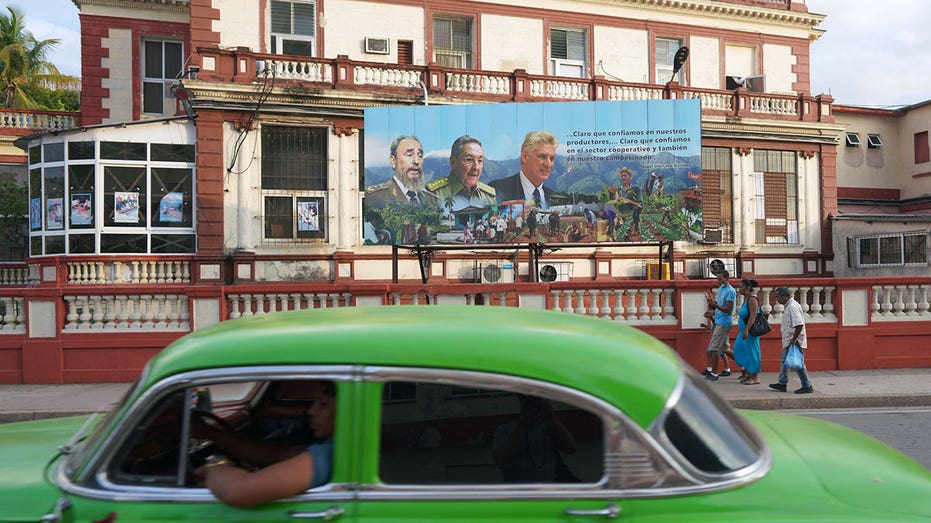
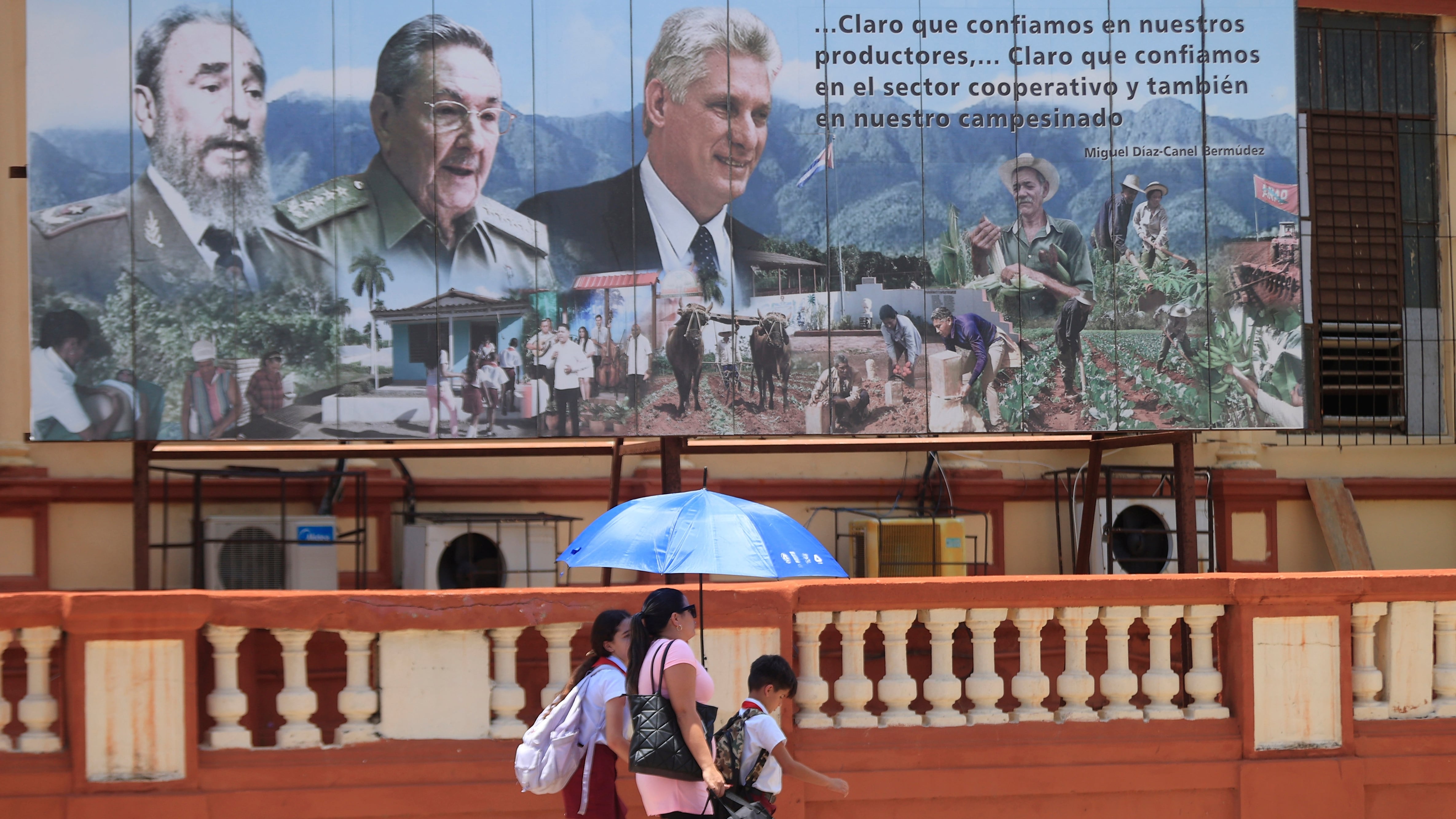
Billboard with images of Fidel and Raúl Castro and Miguel Díaz‑Canel, in Havana (Cuba), July 2.

US imposes new sanctions on Cuban president and Castro family members

US secretary of state Marco Rubio says anyone providing services to listed entities ‘is at risk of sanctions themselves’

The United States has announced fresh economic sanctions on Cuba’s president and some of his immediate family, alongside members of the Castro family, in Washington’s latest ramping up of pressure on its communist-led neighbour.

Among those targeted were the son and a grandson of former president Raúl Castro, who no longer holds an official position but remains a key figure on decisions about the future of the island.

Continue reading...

© Photograph: Adalberto Roque/AFP/Getty Images

© Photograph: Adalberto Roque/AFP/Getty Images

© Photograph: Adalberto Roque/AFP/Getty Images

Cuba soffocata e sempre più sola. Lo stop di alberghi e compagnie aeree per evitare le sanzioni di Trump

4 June 2026 at 11:31

L’ora zero si avvicina. Cuba è sempre più sola. Venerdì 5 giugno scade l’ultimatum imposto dall’amministrazione Trump – attraverso l’Executive Order 14404 – ai “soggetti stranieri” presenti sull’isola e vincolati al conglomerato Gaesa, Grupo de administración especial sociedad anónima, col quale dovranno “liquidare le transazioni”. Vale anche per le entità partecipate con il 50% o più dal conglomerato. Altrimenti scattano le sanzioni.

Ed è già esodo. Addirittura la catena alberghiera Melià Hotels International – l’irriducibile partner europeo, sbarcato a Cuba nel 1990 e simbolo del sodalizio Madrid-L’Avana – ha annunciato l’abbandono di quindici strutture. La “cessazione immediata”, comunicata alla Commissione spagnola dei mercati finanziari, è legata al “contesto geopolitico, sociale, legale ed economico” dell’Avana. Così anche Iberostar, che ha mollato dodici strutture alberghiere. Melià sottolinea che la maggior parte degli alberghi erano già “chiusi” a causa dei “problemi energetici” e del “crollo della domanda” turistica all’Avana. Fonti ufficiali registrano un crollo del 55,8% del turismo a Cuba, con meno di 300mila visitatori stranieri registrati nel 2025 (il minimo storico). Si acuisce anche la crisi energetica, con diverse località che registrano appena tre ore di corrente al giorno.

Altre dodici strutture alberghiere sono state abbandonate dalla catena Iberostar in un “processo di adattamento al clima di regolamentazione internazionale”. Dagli eufemismi filtra il timore di sanzioni Usa, che non attecchiscono nell’Ue, ma potrebbero colpire gli asset delle catene in America. Al fuggi fuggi si unisce il colosso canadese Blue Diamond, che lascia i quindici alberghi in gestione. Altre strutture hanno semplicemente sospeso le prenotazioni, come Valentin Hotels, Blau e Roc.

Fonti consultate da Ilfattoquotidiano.it sostengono che, in queste ore, le aziende straniere attive ed esposte alle sanzioni Usa sbrigano pratiche e consulenze per mettere in salvo le proprie attività. Persino le compagnie aeree Iberia e World2Fly hanno sospeso i voli all’Avana mentre Air Europa attende l’evolversi della situazione. Anche i circuiti di pagamento Visa e MasterCard saranno fuori servizio dal 6 giugno.

Gli annunci a catena delle chiusure hanno offuscato le cerimonie per il 95° anniversario della nascita di Raúl Castro, fratello di Fidel. A sua volta la Spagna esprime “grande preoccupazione” per le “misure unilaterali Usa” che aggravano la “crisi umanitaria” a Cuba. Ma al momento la reazione è tiepida – e persino deludente, per alcuni – visto il soft power che da decenni Madrid esercita su Cuba (già persa con gli Usa a fine Ottocento). Interpellato da Rtv.es, l’analista Raisel Rodríguez lamenta l’assenza spagnola, che “dovrebbe essere l’asse europeo nell’Isola” ma “non risulta pervenuta”. E Madrid teme che la nuova stretta Usa sia animata dalla finalità di eliminare la concorrenza a futuri investimenti Usa nell’Isola, già presente nella lista dei desideri di Trump almeno dal 1998.

L’escalation infiamma anche il dibattito a Washington. Martedì il segretario di Stato Usa ha provato a convincere la Commissione esteri del Senato sulla strategia anti-Gaesa, sostenendo che il conglomerato “possiede quasi tutto nel Paese”, cioè 17 milioni di dollari in attivi, mentre “ci sono persone che stanno letteralmente morendo di fame”. Rubio ha anche ripetuto che Cuba sponsorizza il terrorismo, menzionando le Farc ed Eln colombiane, e parlando anche di “Centri di raccolta dati russi e cinesi nell’Isola”. Tuttavia, incalzato dal deputato Dem Chris Van Hollen – che chiedeva al segretario di Stato di tirare fuori le “prove” sul sostegno cubano al terrorismo – Rubio ha risposto: “Non avremo tempo per affrontare questo punto”.

In un articolo pubblicato su Granma il governo cubano ha smentito che Gaesa sia “una struttura opaca” o “parallela allo Stato”, spiegando che il conglomerato ha permesso all’Isola di “sopravvivere” all’assedio Usa, attraverso la costruzione di 10mila abitazioni e manutenzione di infrastrutture essenziali. L’Avana denuncia inoltre l'”escalation più intensa, sproporzionata e pericolosa” nella storia recente tra Usa e Cuba, animata da “ideologi dell’ultradestra cubano-americana”.

Del resto i colloqui proseguono, con anche il recente summit tra vertici militari a Guantanamo Bay, ma l’avanzamento delle trattative resta ancora un mistero. Soprattutto a causa del coinvolgimento di Raúl Guillermo Rodríguez Castro, i cui interessi – specie in Panama, dall’imprenditore Ramón Carretero Napolitano – potrebbero risultare diversi da quelli del popolo cubano e della stessa Revolución.

L'articolo Cuba soffocata e sempre più sola. Lo stop di alberghi e compagnie aeree per evitare le sanzioni di Trump proviene da Il Fatto Quotidiano.
Stop ai pagamenti con Visa e Mastercard a Cuba, sospesi da sabato 6 giugno. La banca centrale de L’Avana: “Strategia di asfissia di Trump”

3 June 2026 at 20:31

A Cuba non si potrà più pagare con carte Visa e Mastercard. A partire da sabato 6 giugno, per via delle sanzioni imposte dagli Stati Uniti, i due circuiti di pagamento non saranno più in uso. Lo comunica la Banca Centrale cubana, sottolineando che le sanzioni di Trump hanno spinto una banca estera a interrompere i rapporti con l’istituto finanziario statale Fincimex.

“Il 2 giugno abbiamo ricevuto una comunicazione dalla banca estera che gestisce le transazioni effettuate a Cuba con Visa e Mastercard, in cui ci veniva comunicata la sua decisione di interrompere i rapporti con Fincimex S.A.”, si legge in un comunicato in cui si definisce la decisione Usa come una “strategia di asfissia del presidente Donald Trump“. Fincimex è il braccio finanziario del conglomerato militare cubano Gaesa, recentemente sottoposto a sanzioni da parte di Washington. Nell’ultimo periodo le pressioni politiche di Washington su L’Avana sono aumentate sempre di più, insieme alle tensioni militari.

Una scia di sanzioni che ha portato negli ultimi giorni anche all’addio di alcune famose catene alberghiere che hanno deciso di lasciare l’isola. Melià ha infatti annunciato la fine delle attività in 15 hotel cubani e lo stesso aveva fatto Iberostar il 1° giugno in 12 strutture, cedendo quindi alle sanzioni Usa contro Gaesa, un conglomerato militare che controlla il turismo sull’isola.

Nella nota la Banca Centrale sottolinea che rimangono operativi altri mezzi di pagamento in valuta estera come i contanti, le carte prepagate nazionali e le carte internazionali Mir (di origine russa) e UnionPay (di origine cinese).

L'articolo Stop ai pagamenti con Visa e Mastercard a Cuba, sospesi da sabato 6 giugno. La banca centrale de L’Avana: “Strategia di asfissia di Trump” proviene da Il Fatto Quotidiano.
‘Disturbing trend of lawlessness’: UN experts denounce Trump’s coercive brutalization of Cuban people

3 June 2026 at 19:12
A woman checks a cell phone during a blackout in the Centro Habana neighbourhood in Havana on June 2, 2026. Photo by ADALBERTO ROQUE / AFP via Getty Images
Common Dreams Logo

This story originally appeared in Common Dreams on June 03, 2026. It is shared here under a Creative Commons (CC BY-NC-ND 3.0) license.

A trio of United Nations rights experts on Tuesday demanded that the US government “cease all threats” against Cuba and accused President Donald Trump of furthering a “disturbing trend of lawlessness” with preparations to attack the island nation; a indictment of its former president; and a protracted oil blockade that has left Cubans facing blackouts and a breakdown of their lauded healthcare system.

“Efforts to change the constitutional order of a sovereign state through threats and coercion echo colonial-era practices,” said George Katrougalos, independent expert on the promotion of a democratic international order; Zaina Jallad, special rapporteur on unilateral coercive measures; and Ben Saul, special rapporteur on counterterrorism and human rights.

The experts pointed to Trump’s declaration of what’s become known as the Donroe Doctrine, “asserting US predominance over the Western Hemisphere” through military might, and his repeated comments regarding the possibility of taking over Cuba, whose communist government, Trump has said, has turned the country into a “failing nation.”

“Statements by the US president regarding the ‘honor of taking Cuba’ reflect a deeply concerning strategy of coercion against a sovereign state,” said the experts. “This assertion is not mere rhetoric, but part of a broader strategy involving the long-standing embargo on Cuba, its listing as a state-sponsor of terrorism, the recent fuel blockade, and the imposition of coercive measures on third parties.”

Experts @profbensaul, @gkatr and Zeina Jallad express concern regarding US escalating threats, coercive measures & judicial weaponisation against #Cuba.

“Efforts to change the constitutional order of a sovereign State through threats and coercion echo colonial-era practices.” pic.twitter.com/9feklXLRuQ

— United Nations Geneva (@UNGeneva) June 3, 2026

In January, Trump issued an executive order centered around the assertion—a laughable one, according to Cuban and international officials—that the country poses an “extraordinary threat” to the US, and warned other countries to stop providing oil to the island. The Trump administration had already cut off Cuba’s main energy source earlier that month when it abducted Venezuelan President Nicolás Maduro and took control of the country’s oil reserves.

The oil blockade—which Secretary of State Marco Rubio has recently denied the existence of—has left hospitals facing shortages of supplies and medicines, forced schools to cut hours, caused trash to pile up in streets as sanitation operations have struggled to continue, and left cities and towns across the country with just a few hours of electricity per day.

Rubio, the son of Cuban immigrants who left the country for the US years before Fidel Castro took power following the 1959 revolution, has long called for regime change in Cuba and has resisted efforts to normalize US-Cuban relations.

The UN experts said the blocking of oil imports to Cuba is “part of a disturbing trend of lawlessness and contempt of multilateralism and the UN Charter. The normalization of coercion and threats of regime change undermines the integrity of the entire international legal order.”

The experts also condemned the US indictment last month of former Cuban President Raúl Castro, which they said appeared connected to the administration’s “efforts to undermine Cuba’s sovereignty” and characterized as a “misuse of domestic judicial proceedings.”

The also said that the indictment—“an instrument of coercive foreign policy”—represents “an abuse of process that violates the principles of sovereign equality and self-determination under the UN Charter.”

Additionally, the deployment of the USS Nimitz to the southern Caribbean, they said, contravenes articles 2(4) and 2(7) of the UN Charter, which, respectively, prohibit the threat or use of force and demand non-intervention in domestic affairs by the UN.

The experts called on UN member states to “refrain from recognizing or implementing measures that violate the principles of sovereign equality and non-intervention” and urged the UN Security Council and General Assembly to “urgently address the threats against Cuba as a matter affecting international peace and security.”

“A democratic and equitable international order,” they said, “requires that all states, regardless of size or power, participate on equal footing, free from undue pressure.”

How Washington delivered the final blow to Cuba’s weakened tourism industry

3 June 2026 at 10:19

The clock keeps ticking. The United States waits patiently after its latest checkmate against Cuba. The move has shaken a country that is already held together by pins, plunged into a severe crisis that has only worsened this year as economic strangulation by Washington intensifies. And all of this is unfolding in the shadow of a possible military intervention. Adding to this climate of extreme tension is an ultimatum: Friday, June 5, 2026. That is the date when a White House executive order of May 1 will take effect. The order threatens to freeze the assets on U.S. soil of any foreign companies or individuals that are still doing business with the Cuban regime.

Seguir leyendo

© Ernesto Mastrascusa (EFE)

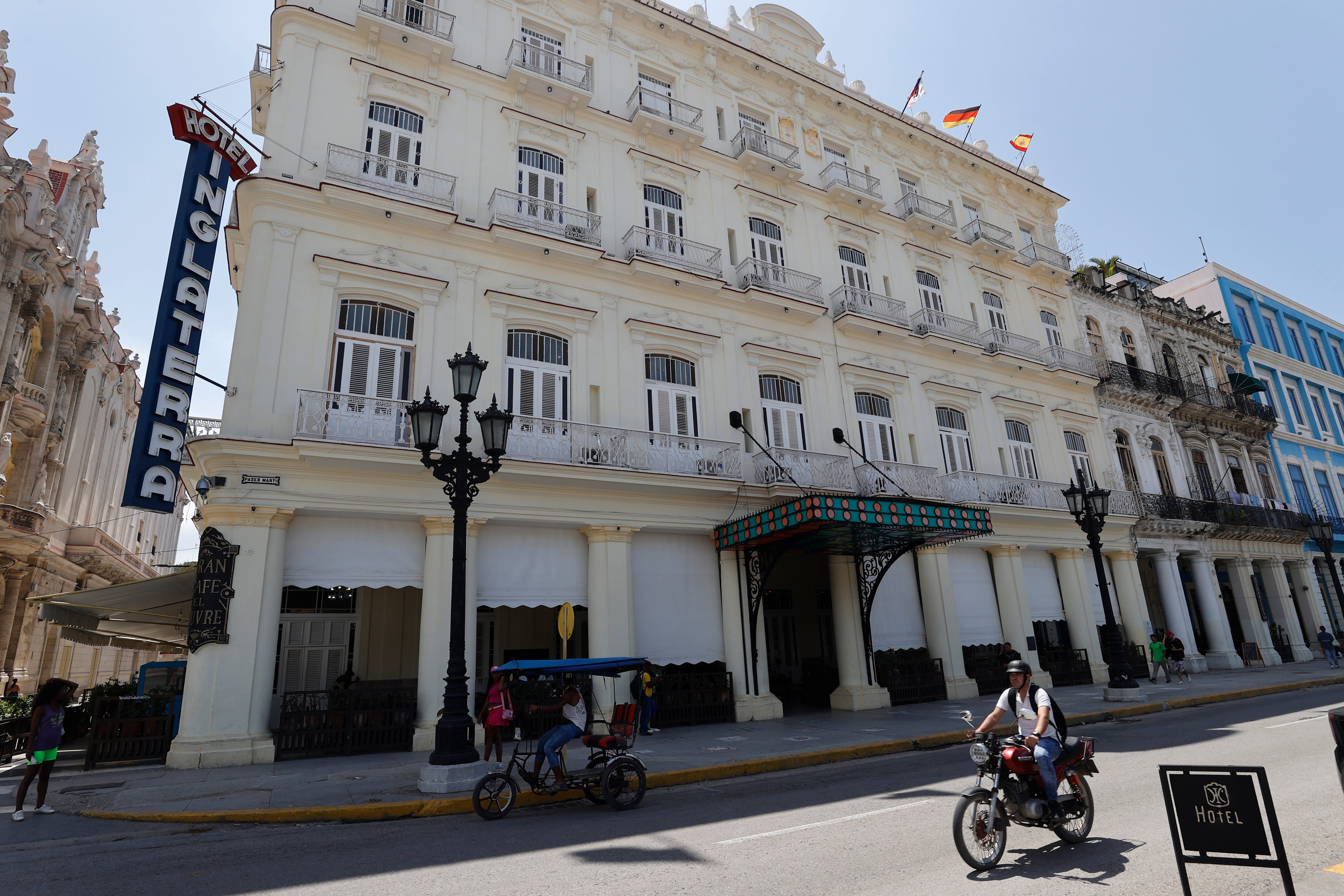
Facade of the Hotel Inglaterra this Monday, in Havana (Cuba).

Obstacles at Spanish consulate in Havana hamper Cuban migrants’ legalization efforts

2 June 2026 at 12:25

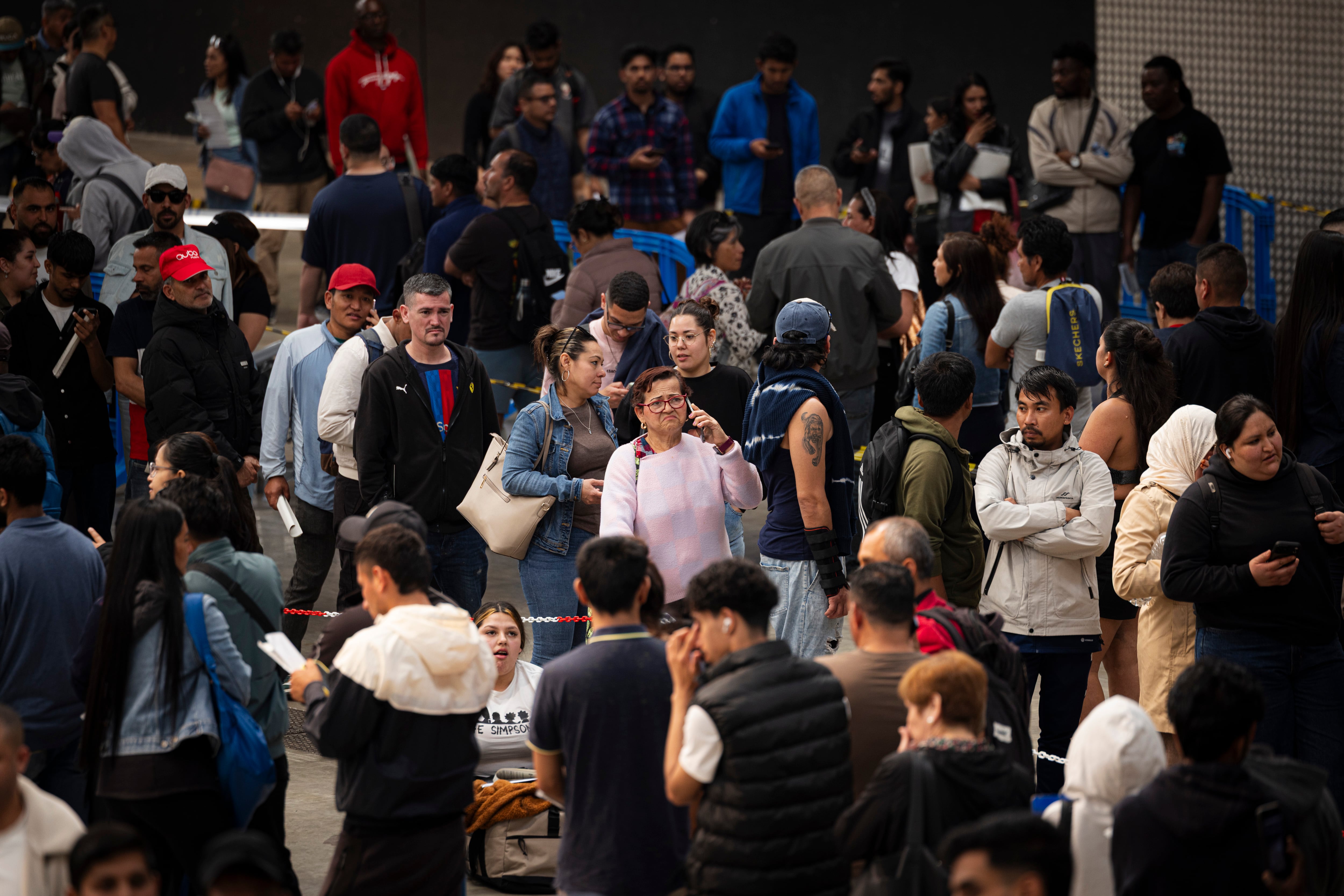
The Cuban community in Spain is encountering particular difficulties obtaining copies of their criminal records, a requirement to be eligible for the mass migrant legalization program announced by the Spanish government earlier this year. A perfect storm has left Cubans anxious about whether the documents requested from their country will arrive in time to apply for a residence and work permit in Spain. To the hardships already facing the Caribbean nation — including routine power outages that affect offices and agencies — is added the backlog that the consulate had already been experiencing since an earlier naturalization process opened for children and grandchildren of Spaniards. This has given rise, say some members of the Cuban community, to an underground business selling appointments at the Spanish mission in Havana for anywhere between €200 and €500.

Seguir leyendo

© GIANLUCA BATTISTA

Long lines to apply for legalization on April 20 at La Farga de L'Hospitalet (Barcelona).

Fear of ICE can be deadly: The murdered migrants too scared to report abuse

31 May 2026 at 05:00

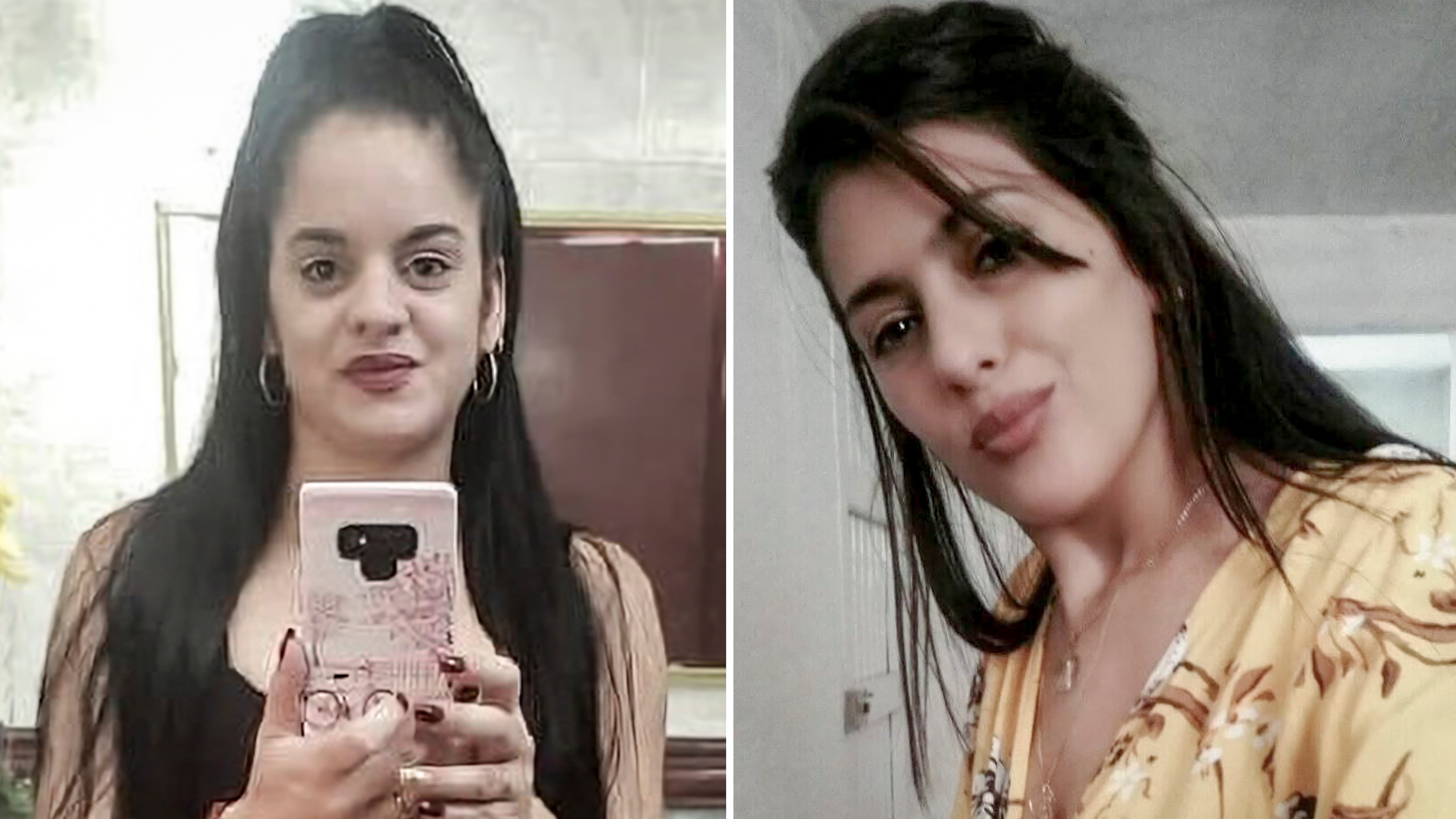
Vanesa Rodríguez Valdés, based in Las Vegas, and her best friend, Liuddibet Calzadilla, in Barcelona, Spain, talked almost daily about their lives and their families back in Cuba, where they were both from. They talked about how much Valdés missed her teenage daughter and the diminutive size of the bedsit in the United States. On Sunday, May 26, Calzadilla wrote to her to ask how she was. She also asked if her husband Roelmer Sánchez Garrido was at home. If he was not, it meant they could talk freely.

Seguir leyendo

© EL PAÍS

Acá Yaneicy and Vanesa Rodríguez Valdés in Cuba.

What will happen to tourism in Cuba? Inside GAESA, the military conglomerate on Washington’s radar

When a Cuban person on the island wants to refer to “those in charge,” they lightly tap their shoulder with two fingers. The subtle gesture, shaped by nearly seven decades of censorship, is a reference to the epaulet of a military uniform. In Cuba, people do not speak of the government or the party (the Communist Party of Cuba, the only legal one), but rather of the “country’s leadership.” It is a euphemism that points to the real political and economic power: the Revolutionary Armed Forces (FAR).

Seguir leyendo

Cuba denounces ‘cruel and ruthless aggression’ of US as White House indicts Raúl Castro

21 May 2026 at 17:17
Cuba's former President Raul Castro (C) and former Vice-President Jose Ramon Machado Ventura (R) attend a May Day rally marking International Workers' Day in Havana on May 1, 2026. Photo by YAMIL LAGE / AFP via Getty Images
Common Dreams Logo

This story originally appeared in Common Dreams on May 20, 2026. It is shared here under a Creative Commons (CC BY-NC-ND 3.0) license.

As the US Justice Department indicted former Cuban President Raúl Castro on Wednesday in what could be a prelude to military action, the Cuban government denounced the US for “cruel and ruthless aggression.”

The 94-year-old Castro, who served as Cuba’s leader until 2021 after taking over for his brother Fidel in 2008, was indicted on one count of conspiracy to kill US nationals for his alleged role in the shooting down of planes operated by the anti-Castro Cuban exile group Brothers to the Rescue in 1996, which resulted in the deaths of four Cuban Americans.

“For nearly 30 years, the families of four murdered Americans have waited for justice,” acting Attorney General Todd Blanche said as he announced the charges at Miami’s Freedom Tower. “My message today is clear: The United States and President Trump does not and will not forget its citizens.”

While Blanche described the four men as “unarmed civilians,” the Cuban government said the group had repeatedly violated its sovereign airspace and that it had warned the US government before shooting down the plane.

Declassified documents from a month before the incident show that officials in the Federal Aviation Administration (FAA) viewed the Brothers’ activities as “taunting” and feared the Cuban government might shoot a plane down.

“Is a sovereign state like Cuba obligated to tolerate illegal and continuous incursions into its territory? Under no circumstances,” the Cuban embassy in the US said in a statement published on Wednesday on social media. “International law and global civil aviation conventions protect the sovereignty of nations over their airspace.”

“When formal warnings to the [International Civil Aviation Organization], the FAA, and political authorities are sustainedly ignored, the defense of borders and national security becomes an unavoidable duty for the protection of the country.”

✈️🇨🇺 MythBreakers: Exposing the Brothers to the Rescue hoax

Is a sovereign State like Cuba obligated to tolerate illegal and continuous incursions into its territory?

Under no circumstances. International law and global civil aviation conventions protect the sovereignty of… pic.twitter.com/p9UC0shT95

— Cuban Embassy in US (@EmbaCubaUS) May 20, 2026

The indictment comes as the Trump administration issues threats that have been widely interpreted as signals that another military regime change operation could soon be on the horizon, following the administration’s attacks on Venezuela and Iran already this year.

“CUBA IS NEXT! Thank you [President Donald Trump] and [Secretary of State Marco Rubio]!” cheered US Rep. Carlos Giminez (R-Fla.), one of many Miami-based politicians who have called for aggressive action by the Trump administration against Cuba in recent days.

He was responding to a video posted by Rubio on Wednesday directed at the Cuban people in which he again denied that the crippling oil blockade imposed on Cuba by Trump bore any responsibility for the economic ruin the island’s population currently faces.

After effectively cutting off Cuba’s primary supplier of oil in January when the US conducted its illegal operation to abduct Venezuela’s president, Nicolás Maduro, Trump threatened to impose steep tariffs on any country that provided oil to Cuba, scaring off its other main suppliers, including Mexico, Russia, and Algeria. Last week, Cuba’s energy minister announced that the country had “absolutely no fuel oil, no diesel.”

🇺🇸🇨🇺 pic.twitter.com/nwEePVJ1lX

— Secretary Marco Rubio (@SecRubio) May 20, 2026

But Rubio told the Cuban people in Spanish on Wednesday: “The reason you are forced to survive 22 hours a day without electricity is not due to an oil ‘blockade’ by the US. As you know better than anyone else, you have been suffering from blackouts for years. The real reason you don’t have electricity, fuel, or food is that those who control your country have plundered billions of dollars, but nothing has been used to help the people.”

He specifically laid the blame at the feet of the accused, the military-run company Grupo de Administración Empresarial S.A. (GAESA), founded by Raúl Castro in the 1990s following the collapse of the Soviet Union. The company has come to control large swathes of the Cuban economy, from hotels and grocery stores to gas stations and banks, and is estimated to control between 40-70% of Cuba’s overall economy, according to a recent New York Times report—though the secrecy of the organization makes it difficult to determine its true value.

Rubio said that the entrepreneurs running GAESA “have $18 billion in assets and control 70% of Cuba’s economy,” which was first reported by the Miami Herald last year based on balance sheets obtained from the company. But the Cuban government and other critics have disputed this figure, arguing that it actually refers to Cuban pesos, which would make its holdings closer to about $746 million.

Regardless, Rubio omitted any mention of the fact that even prior to the oil blockade enacted in January by Trump, the US still had a strict trade embargo in place against Cuba for more than 60 years, which the United Nations Economic Commission for Latin America has estimated cost the country more than $130 billion since it was imposed—more than the total gross domestic product of the entire country in 2020.

Rubio said on Wednesday the US was ready to open a “new chapter” with Cuba, but that the thing getting in the way was “those who control their country.”

Rubio now full Orwellian: the total blockade that we have put on your country after decades of an embargo has nothing to do with the scarcity in your lives or the fact that we are intentionally starving your children. https://t.co/OLLHJfyo3E

— Ben Rhodes (@brhodes) May 20, 2026

In light of Trump’s persistent suggestions that he wants to “take” Cuba and “do anything I want with it,” the Cuban government described Rubio’s message as one meant to justify further US coercion.

“The reason why the US secretary of state lies so repeatedly and unscrupulously when referring to Cuba and trying to justify the aggression to which he subjects the Cuban people is not ignorance or incompetence,” said Carlos Fernández de Cossío, the deputy minister for foreign affairs in Cuba, in a social media post on Wednesday. “He knows full well that there is no excuse for such a cruel and ruthless aggression.”

Last week, the US offered to give Cuba $100 million in humanitarian assistance to deal with the crisis it has imposed through its oil blockade, but only if it agrees to “meaningful reforms” and “fundamental changes” to its government that would allow greater access to US companies.

Cuba’s current president, Miguel Díaz-Canel, contended that an easier way to alleviate Cuba’s suffering would be “by lifting or easing the blockade, as it is well known that the humanitarian situation is coldly calculated and induced.”

Update (2:00 pm ET): This story was updated to include comments from acting US Attorney General Todd Blanche following the announcement of a formal indictment on Wednesday.

Cuba runs out of oil amidst suffocating US blockade

18 May 2026 at 16:43
People walk on a street during a blackout in Havana on May 13, 2026. Photo by Yamil LAGE / AFP via Getty Images

This article was originally published by Truthout on May 15, 2026. It is shared here under a  Creative Commons (CC BY-NC-ND 4.0) license.

Cuba’s government has announced that it has run out of oil.

On Wednesday night, Cuba’s energy minister Vicente de La O Levy said that the country has completely run out of diesel and fuel oil, and that the national grid is in a “critical” state. He further described how in the capital city of Havana, “the blackouts today exceed 20 or 22 hours.”

“The situation is very tense, it’s becoming hotter,” he added, referring to the start of summer that brings a need for more energy.

At the start of January, Trump halted Venezuelan oil exports to Cuba, following the U.S.’s kidnapping of Venezuelan President Nicolás Maduro and de facto takeover of Venezuela’s oil industry. Later that month, Trump imposed a total oil blockade on Cuba, imposing tariffs on countries that supply oil to the country, pressuring Mexico to stop its oil shipments to Cuba, and seizing oil shipments traveling to the island country.

At the end of March, a Russian tanker arrived in Cuba carrying an estimated 730,000 barrels of crude oil, breaking the U.S. blockade and temporarily easing the crisis. The crude was refined in April and provided relief for a few weeks. But this fuel has run out, Cuban officials explained. This was the sole shipment of fuel allowed to enter Cuba in more than four months.

.Cuba began suffering from power cuts in 2019, after the first Trump administration imposed “maximum-pressure sanctions.” But since January, these have become more frequent and severe, at times lasting several days.

Trump’s blockade has decimated Cuba’s universal health care system, causing deaths and forcing hospitals to close. Schools and government offices have also been forced to close.

In February, the UN Human Rights Office warned that “Intensive care units and emergency rooms are compromised, as are the production, delivery, and storage of vaccines, blood products, and other temperature-sensitive medications.”

“In Cuba, more than 80 percent of water pumping equipment depends on electricity, and power cuts are undermining access to safe water, sanitation, and hygiene. The fuel shortage has disrupted the rationing system and the regulated basic food basket, and has affected social protection networks — school feeding, maternity homes, and nursing homes — with the most vulnerable groups being disproportionately impacted,” the statement went on.

On April 30, Rep. Rashida Tlaib (D-Michigan) wrote on X, “Cuba’s infant mortality has soared by 148% from the tightening of U.S. sanctions. This is every parent’s nightmare. I can’t fathom the heartbreak of the thousands of Cubans who have lost their babies because of a cruel and broken U.S. policy.”

“It’s time to end sanctions on Cuba,” she added.

UN human rights experts also condemned Trump’s blockade on Cuba as a “violation of international law” and an “extreme form of unilateral economic coercion.”

Trump has frequently threatened that Cuba will be “next” after Iran. In March, he said he expects to “have the honor of taking Cuba,” and that “Whether I free it, take it – think I could do anything I want with it.” On May 1, Trump again said the U.S. will be “taking over” Cuba “almost immediately.”

Republicans in the Senate have suggested that Trump focus on reopening the Strait of Hormuz. Many have expressed that they hope Cuba’s government will fall from the U.S.’s economic sanctions, rather than direct military intervention.

On Wednesday, The Guardian reported that more than 30 members of Congress sent a letter to Trump urging him against military intervention in Cuba, and to stop using the U.S. Navy base at Guantánamo Bay for detention of migrants. They warned that increased aggression on Cuba would lead to more migration from the island.

The Trump administration has hoped its pressure would force “regime change” on Cuba, but has also been concerned about a rise in migration from the country due to its aggressive policies.

On Thursday, Trump’s CIA director John Ratcliffe visited Havana, offering an aid package to help ease the effects of the blockade. Cuban President Miguel Diaz-Canel said that for conditions to improve, the U.S. should lift its blockade.

Earlier this month, Cuba’s President Miguel Diaz-Canel responded to Trump’s comments, saying, “When they say we are an extraordinary and unusual threat to the United States — and we are sure that is not how the American people feel, but rather how the U.S. government feels, or the pretext that the U.S. government uses to attack us — one has to ask: What is the threat? What is extraordinary about that threat? What is unusual about that threat, when Cuba is a country of peace?”

Good News.Space cooperation, good deeds, social contacts, internships and more

18 May 2026 at 05:59
Which positive messages of the past few weeks and announcements of events to come are important to keep in mind amid the massive news flow? Space: Past, Present, Future In April, the world marked the 65th anniversary of the first human flight into space. Across the globe, people not only honored the achievements of Soviet […]
❌