Login
LoginQuanto gastou os E.U.A. na Guerra Fria Depois de 1945?
4 June 2026 at 15:54



The ceasefire that has never truly stopped the fighting between Israel and Hezbollah followed the same dynamic on Thursday after being extended in a new round of talks in Washington.

© Stringer (REUTERS)
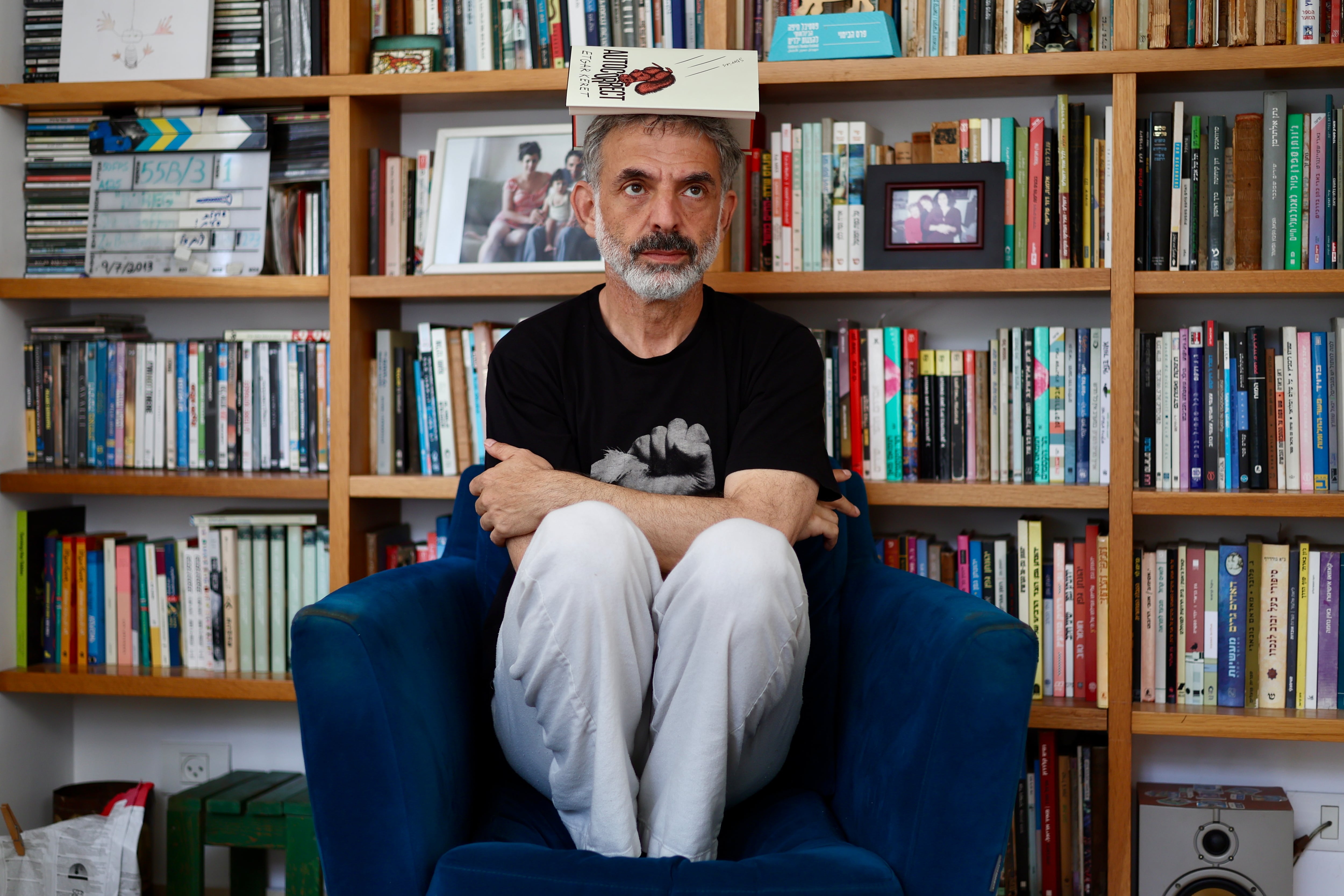
Writer Etgar Keret (Ramat Gan, Israel, 58) had planned to deliver his ninth book of short stories to his publisher on October 8, 2023. He had picked the date at random: he produces one every seven years or so and sets himself a firm deadline. Two days earlier, he told his wife, Shira Geffen — the screenwriter and filmmaker who wrote the film Jellyfish (2007), directed by Keret and awarded at Cannes — that he felt the book had become too dark because of the personal and political events that had marked him in preceding years: his mother’s death, the coronavirus pandemic, a herniated disc, the return to power of Benjamin Netanyahu with the most right-wing government in the country’s history… His wife advised him to reread it calmly the next day and, if he still felt that way, to ask the publisher for an extension.
In the war with Iran, the sense of urgency has shifted sides. In February, the United States and Israel judged it so urgent to start the conflict that they were prepared to launch a massive strike and kill the supreme leader, Ali Khamenei, even amid negotiations; three months later it is Donald Trump who is trying to keep alive the talks that would definitively end the conflict, while Tehran remains firm. The U.S. president showed that attitude again on Monday when he ordered Israel’s prime minister, Benjamin Netanyahu, to halt the airstrikes the latter had announced on Beirut. The aim? To prevent the feared derailment of negotiations with the ayatollahs.
© Stringer (REUTERS)
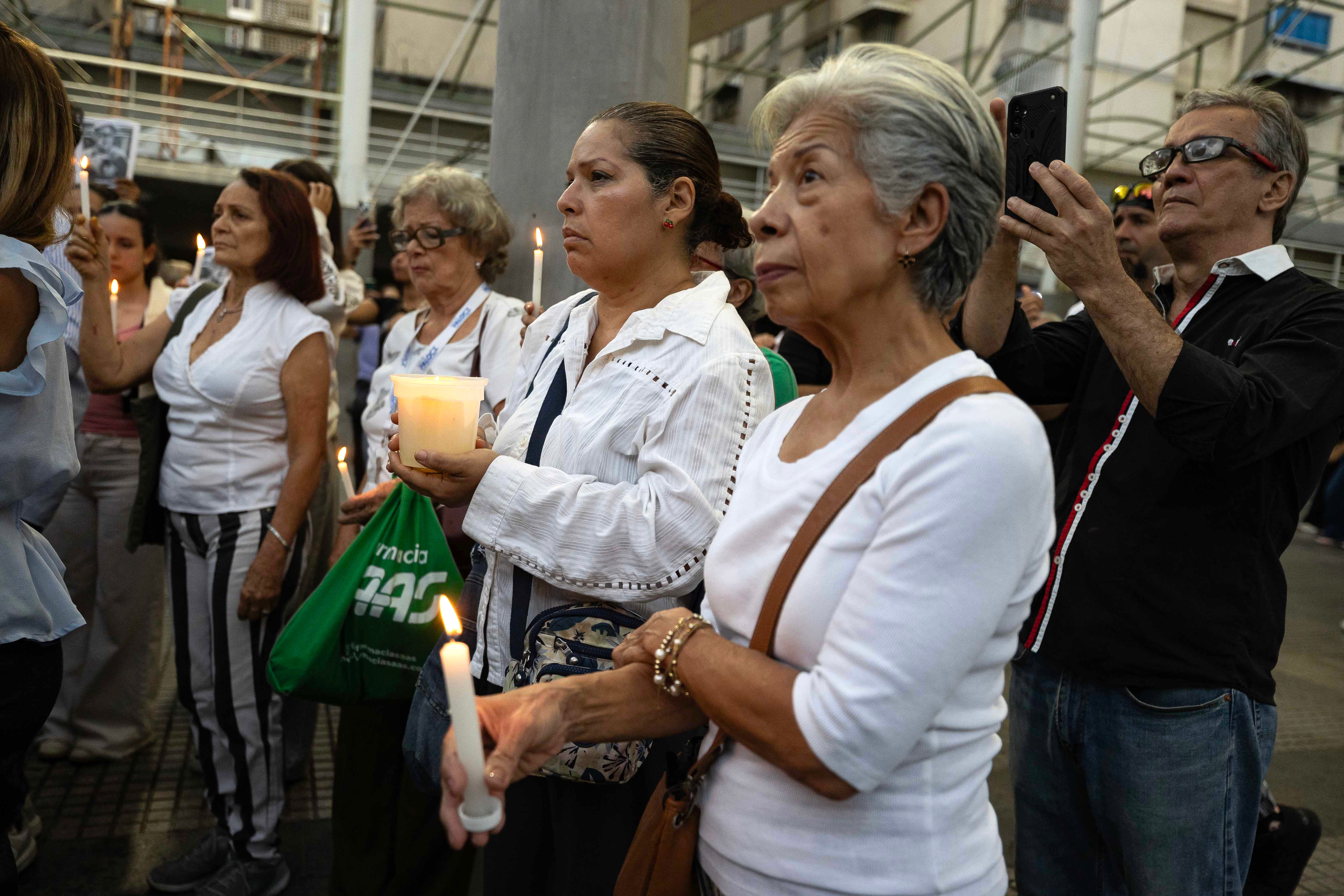
María Emely Delgado crossed paths with Carmen Navas several times this year: at the offices of the NGO Foro Penal, at the Public Ministry, and once at the El Rodeo prison on the outskirts of Caracas. Delgado is 63 years old, Navas was 82. Both were looking for their sons, who disappeared after being arbitrarily detained. Carmen Navas died 10 days after finding her son Víctor Hugo in a cemetery. She had spent 16 months searching for him. María Emely has still not found Jorgen. “You have to be in these shoes to know what this is like,” says the retired teacher, who has been wearing them for almost two years. “Her son had been missing for less time than mine; with Jorgen I’m now coming up on 22 months without news of him.”
© Ronald Peña R (EFE)

Last year, The Cut announced in an article written by journalist Cat Zhang that being bald was — finally — cool. “Just when it became normal to drop five figures on a thicker hairline, a new cultural vanguard rose up and said: “Fuck it, we bald,’” she asserted.
© James Devaney (GC Images / Getty Images)