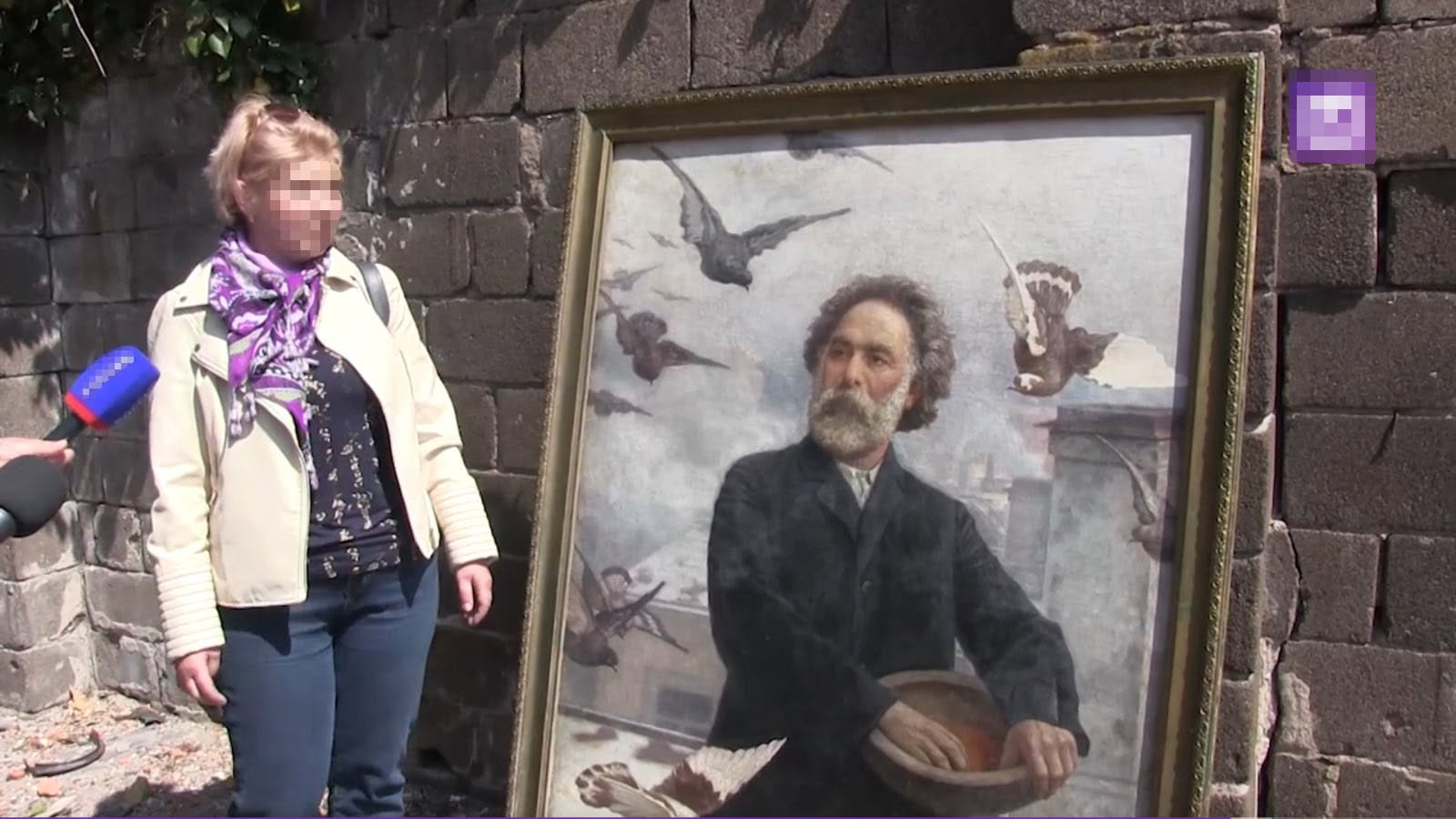
The paintings, valued at around Hr 26.3 million (approximately $586,000), have since been unlawfully listed in the Russian Culture Ministry's register of museum valuables.
In Ecuador’s highlands, a seamless mix of Kichwa and Spanish creates a language that bends grammar, adds melody and goes unnoticed by many who speak it every day.
San Roque market in Quito, the capital of Ecuador, is one of the main meeting points between Kichwa and Spanish. These languages have long intertwined through exchanges in the city’s markets and public squares.
Andy Burnham may have trouble getting through to Keir Starmer if he tries ringing him after the Makerfield byelection to urge him to set a timetable for his departure. Burnham reportedly wants to call Starmer this weekend. (See 9.47am.) But, in his interview with Sky News, Starmer said: “I’m sure I’ll talk to Andy after the weekend.”
If Starmer declines to take Burnham’s call, he may be following Ed Miliband’s example. In a Times story today, Patrick Maguire and Steven Swinford report:
Sir Keir Starmer’s relationship with Ed Miliband has broken down to such an extent that the energy secretary has been accused of “ghosting” the prime minister in recent weeks.
Senior government sources claimed that Miliband declined to take calls from the prime minister during a tense stand-off over defence spending.
Alonissos is the latest Aegean island to be declared in a state of emergency. Credit: Greek Reporter
Greece’s Ministry of Environment and Energy has officially declared the Aegean islands of Alonissos and Tinos in a state of emergency due to severe drinking water shortages.
The declaration comes just as the summer tourist season begins to peak, triggering a massive, unsustainable spike in local water consumption. While the “state of emergency” designation functions primarily as a bureaucratic maneuver, its impact is highly practical. The status grants local municipalities the legal authority to bypass standard, time-consuming public tenders. This allows them to fast-track critical water management projects, bypass red tape, and immediately lease temporary mobile desalination units to stay ahead of the dry season.
Water crisis in the Aegean
The crisis is anything but isolated. Over the past year, a cascading series of water emergencies has swept across the premier vacation destinations. In the Ionian Sea, Corfu has faced intervention, while a mounting list of Aegean icons in Greece, including Karpathos, Leros, Patmos, Astypalea, Symi, and even the Saronic Gulf island of Aegina, have entered a water crisis.
Strikingly, even the major reservoirs supplying the Greater Athens region have registered historic drops, prompting nationwide concern.
Tourism runs Aegean islands dry
Tourism is the undisputed lifeblood of the Greek economy, but its water footprint is staggering. Islands with a permanent population of only a few thousand residents routinely swell to accommodate tens of thousands of visitors between June and September.
A typical tourist consumes up to four times more water per day than a local resident, driven by luxury amenities such as swimming pools, daily linen changes, lush hotel landscaping, and heavy restaurant usage. This concentrated spike in demand hits exactly when natural water availability is at its absolute nadir.
With climate models forecasting hotter, drier summers, Greece’s reliance on temporary desalination fixes highlights a broader, systemic challenge. For the Aegean islands of Alonissos and Tinos in Greece, the path away from a water crisis will require a delicate balancing act between protecting their most fragile natural resource and sustaining the heavy tourism industry that powers their economies.
Minnie the Minx and Macbeth feature in National Library’s exploration of how rainfall has shaped Scottish science, literature, history and identity
It seems fitting that, 250 years ago, one of Scotland’s foremost scientists took a close interest in what is arguably the country’s most famous feature: rain
James Hutton, celebrated by Scots as the father of modern geology, went so far as to write a formula for “a theory of rain”. In 1784, he sketched out the key principles for the “condensation of aqueous vapour contained in the air”.
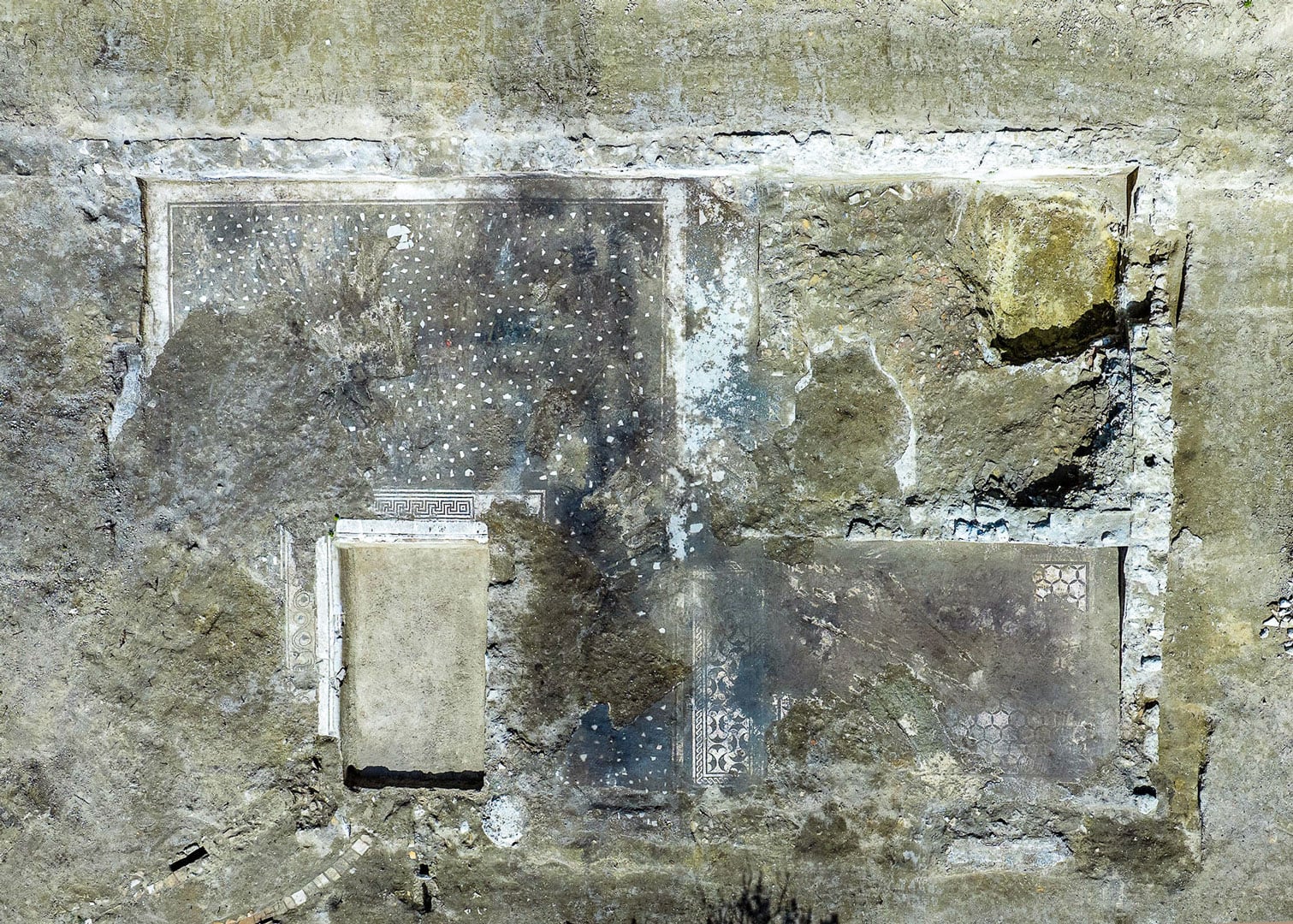
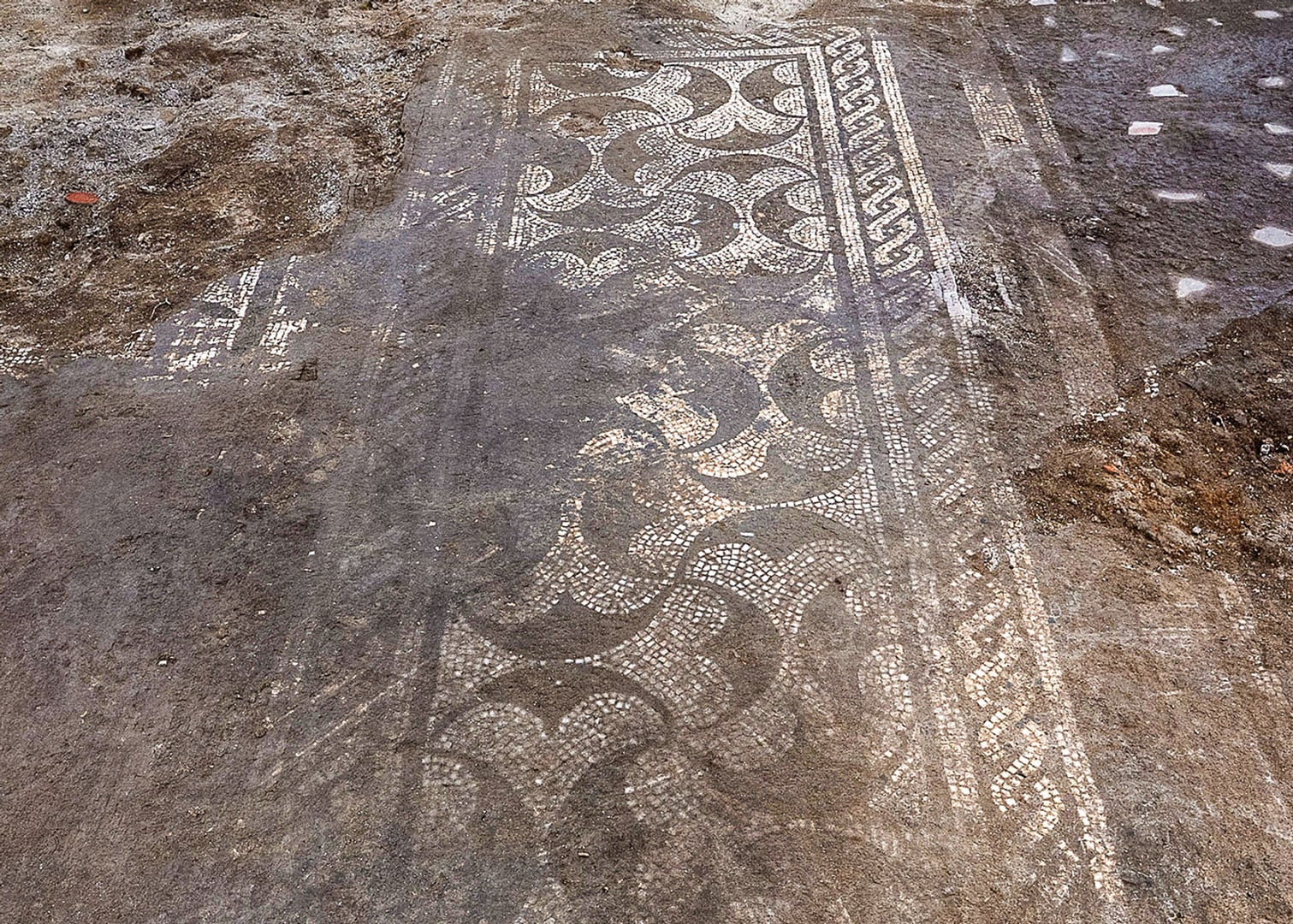
Archaeologists have uncovered a well-preserved Roman villa near Rome, complete with colorful mosaics, painted walls, and rooms that survived nearly intact after centuries underground.
The discovery at the Castel di Guido agricultural estate has revealed what researchers believe is part of a larger imperial-age complex that was previously unknown.
The find came through unusual circumstances. A tip about illegal digging at the estate prompted Italy’s Special Superintendence of Rome and the Carabinieri to act. Within days, authorities halted the unauthorized excavation and secured the site, allowing proper archaeological work to begin.
Under the scientific direction of archaeologist Alessia Contino, the team uncovered well-preserved rooms with walls rising up to 1.5 meters (about 5 feet).
Researchers identified the villa’s atrium, which features a central rainwater basin surrounded by geometric and floral decorations. Adjacent rooms contain mosaic floors, and evidence of the estate’s productive activities was also found at the site.
Illegal dig report leads to remarkable Imperial-era discovery
Among the most striking finds is a fragmentary marble statue of a bearded figure carrying a small animal, likely a calf or piglet. Researchers believe it represents Silvanus, an ancient deity associated with rural life.
The quality of the villa’s mosaics, painted walls, and white marble statue points to owners who likely belonged to Rome’s aristocracy with close ties to the imperial estate at Lorium.
That territory was historically linked to Emperor Antoninus Pius, who built a residence there. Emperors Hadrian and Marcus Aurelius also frequented the area. The site appears connected to the ancient road known as the Via Aurelia.
Contino said that the community tip and the speed of the official response made it possible to identify part of this previously unrecorded imperial-era villa and bring to light an exceptional set of decorations, along with the fine white marble statue.
She called it an important new discovery that opens fresh possibilities for understanding and protecting the region’s historical heritage.
Roman villa’s mosaics and painted walls tied to imperial aristocracy
Culture Minister Alessandro Giuli said that officials and military personnel worked together within days to stop the illegal dig, secure the area, and begin uncovering a significant chapter of Roman history. He described the operation as an exemplary act of protection and research.
Daniela Porro, the Special Superintendent of Rome, said that the find highlights the city’s remarkable archaeological wealth far beyond its historic center.
The excavation opens to the public on June 20, 2026, with free guided treks. The route covers roughly 1 kilometer (0.6 miles) and takes between 90 minutes and two hours to complete. Visitors will be able to view the villa’s remains and observe the mosaics currently undergoing restoration.

 Login
Login