Anthropic said Friday it will remove access to two AI models, Fable 5 and Mythos 5, to comply with a Trump administration directive restricting foreign nationals from using its latest systems due to security concerns. Details of the government’s request, including the length of the restrictions, have not been made public. The company said it…
Anthropic said Friday it will remove access to two AI models, Fable 5 and Mythos 5, to comply with a Trump administration directive restricting foreign nationals from using its latest systems due to security concerns. Details of the government’s request, including the length of the restrictions, have not been made public. The company said it…
Company said US government believes safeguards can be bypassed and product used to identify software vulnerabilities
Anthropic said it will “abruptly disable” its most advanced AI models for all users after the US government ordered it to suspend access to the models for foreign nationals, citing national security concerns.
The company received the export control directive to suspend access to Fable 5 and Mythos 5 for all foreign nationals, without being given specific details of the national security concern, Anthropic said in a statement.
In his first encyclical, issued on May 25, 2026, Pope Leo XIV condemned the growing automation of weapons in global conflicts. This document is a direct criticism of the West’s overreliance on artificial intelligence systems in warfare. War is as old as humanity. Over the ages, the nature and tools of warfare have undergone a […]
Earlier this month, the state of Florida sued OpenAI and Chief Executive Officer Sam Altman, accusing the company of ignoring safety warnings and releasing its ChatGPT chatbot while knowing it was...
Data analytics company loses on 22 out of 23 counts in lawsuit disputing how Swiss government rejected firm’s services
The US technology company Palantir has lost a legal challenge to force a Swiss independent magazine to publish its responses to articles about how the Swiss government rejected its services.
The data analytics company lost on 22 out of 23 counts of the suit. In a ruling on Friday, Zurich’s commercial court dismissed the majority of counterstatement requests filed by the company and its Swiss subsidiary finding that only a single passage in one article warranted a published response from the company.
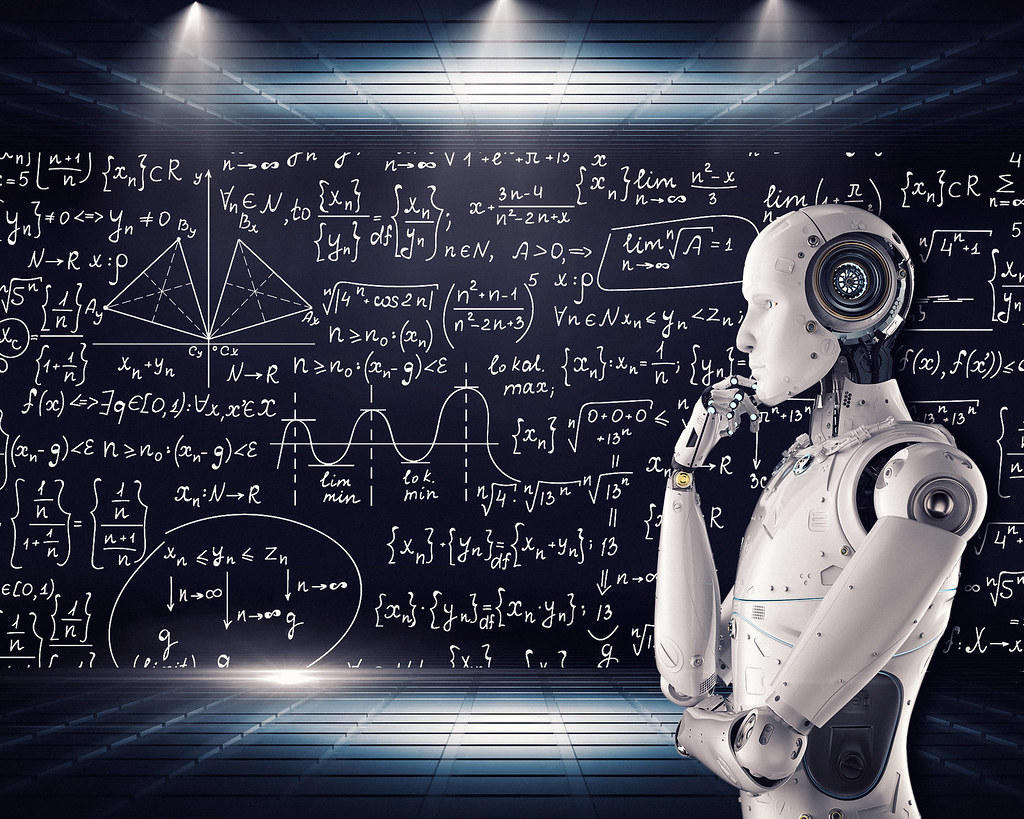
“Artificial Intelligence Machine Learning” by mikemacmarketing. Credit: Flickr/ CC BY 2.0.
As artificial intelligence becomes more integrated into the workplace, many employees worry that machines could replace them. Workplace experts say that fear is understandable. But they also say humans still have skills that AI cannot easily match. Those strengths include empathy, relationship-building, critical thinking, ethical judgment, and the ability to make decisions in uncertain situations.
Human skills keep their value
Maria Flynn, president and CEO of Jobs for the Future, said the skills most resistant to AI are the ones most closely tied to human behavior.
Those include building trust, resolving conflict, motivating others, and making ethical decisions, she said. Flynn’s organization calls them “durable skills” because they keep their value through economic shifts, new technology, and labor market disruption.
Employers are looking for these skills in many fields, including technical roles such as IT support, Flynn said. They want workers who can communicate clearly, take initiative, and lead when needed.
Empathy remains hard to automate
Empathy remains one of the clearest examples. Humans can read tone, body language, and emotion in ways AI still struggles to understand. Those skills matter in jobs that depend on care, trust, and sensitivity.
Marco Iansiti, a professor of business administration at Harvard Business School, said he saw that during a hospital stay. Nurses, he said, offered more than routine care. They gave comfort, built trust, and created a human connection.
As AI changes the workplace, experts say the most valuable skills may still be the most human ones.
Empathy, critical thinking, relationship-building and ethical judgment could help workers stay relevant as companies adopt more AI tools. pic.twitter.com/dhcZ1RcmPA
— Tom Marvolo Riddle (@tom_riddle2025) June 12, 2026
AI may still help in hospitals, he said. It can take over paperwork and other routine tasks. That could give nurses more time to focus on patients.
Relationships still matter at work
Relationships also remain difficult to automate. Salespeople, managers, and client-facing workers often rely on years of trust and personal knowledge. A client who has worked with the same person for years may not transfer that trust to an AI system, Iansiti said.
Human connection also matters when conflict arises. Flynn said people are still needed to manage expectations, calm tensions, and help teams move forward.
Colleen Adler, a director analyst in Gartner’s human resources practice, said managers and co-workers still shape how employees feel at work. AI may assist with tasks, but it does not yet match the tone of human connection, she said.
Workers need critical thinking
Critical thinking is another skill gaining importance. AI systems can produce quick answers, but they can also make mistakes.
Amalia Kaufman, a course developer and instructor at the University of California, Irvine Division of Continuing Education, said workers need subject knowledge to judge AI output. They must know when information is wrong and check facts before using it.
A study published in Science also found that AI chatbots were more likely than humans to flatter users and validate their feelings. That makes human judgment even more important.
Ethical judgment requires oversight
Experts say ethical judgment may be harder for AI to copy. Iansiti said AI can appear to understand conscience because it has read about ethics. But it lacks emotion, lived experience, or responsibility.
That matters in high-stakes decisions, including hiring or the use of military force. Guardrails can help guide AI systems, Iansiti said, but human oversight remains necessary.
AI can process large amounts of data. But experts say people still bring context, experience, and judgment to gray areas where there is no clear answer.
As AI changes work, Flynn said, employees should be able to identify and explain the human skills they bring. Those skills may help workers remain valuable in a future shaped by machines.
Elon Musk’s SpaceX went public Friday, setting a new record with its stock market debut and turning the tech mogul into the world’s first trillionaire. The highly anticipated initial public offering (IPO) popped 11 percent when trading officially opened on the Nasdaq, sending the company’s valuation soaring to a massive $1.96 trillion. Here are five…
Elon Musk’s SpaceX went public Friday, setting a new record with its stock market debut and turning the tech mogul into the world’s first trillionaire. The highly anticipated initial public offering (IPO) popped 11 percent when trading officially opened on the Nasdaq, sending the company’s valuation soaring to a massive $1.96 trillion. Here are five…

 Login
Login