Reading view

Queen Cleopatra of Egypt Had a Secret Drinking Club
cleopatra mark antony drinking club
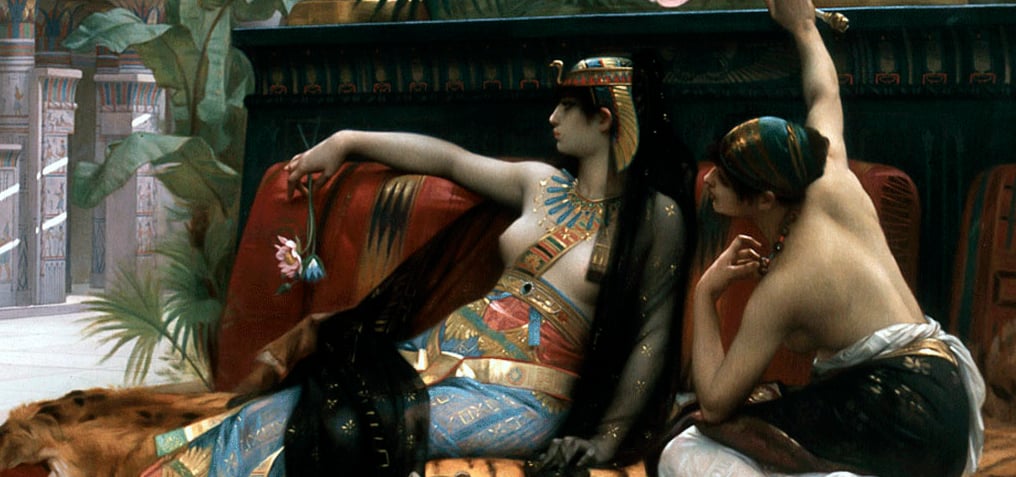
Cleopatra by Alexandre Cabanel. The Egyptian queen created her own secret drinking club with lover Mark Antony. Credit: Public Domain

Cleopatra was not just a famed Greek queen of Ancient Egypt but was also known for her love of parties. She even created her own secret drinking club.

The famous ancient ruler became well known during her time for her intellect and wit and was often described as incredibly seductive and persuasive. These qualities made her all the more mysterious throughout the centuries.

She is now a popular figure in media, literature, and art, and her enchanting qualities, romantic relationships, and beauty are of particular interest to people.

Perhaps the most surprising fact about Cleopatra, who was a strategic and often cutthroat ruler, is that she was quite the reveler.

Cleopatra maintained a relationship with Roman leader Mark Antony and even gave birth to his twins, Alexander Helios, which means sun, and Cleopatra Selene, which means moon, shortly after Antony returned to Rome in 40 BC.

While Antony was living in Egypt with Cleopatra, despite being married in Rome, the pair would throw parties and were known to appreciate a good drink.

Cleopatra formed a secret drinking club, played pranks

In fact, Cleopatra and Antony created their own secret drinking club called “The Inimitable Livers,” ostensibly as a group to honor the god Dionysus but likely to drink and revel.

In 41 BC, the couple formed the group, which included nightly feasts and debauchery, as well as the consumption of copious amounts of alcohol.

Along with these drinking parties, Antony and Cleopatra were known to roam around the streets of Alexandria, the urban center of ancient Egypt, wearing disguises and pulling pranks on locals.

Cleopatra generally loved joking around and even pranked her Roman lover. According to Pliny the Elder, Cleopatra once bet Antony that she could spend 10,000,000 sesterces, which is likely equivalent to over $10 million today on one dinner alone.

Antony balked at the preposterous idea and agreed to the bet, believing that spending such a massive sum on one dinner was impossible.

Cleopatra and Antony then went to dine together, and the couple was served a completely normal meal which definitely wasn’t worth such a sum.

As the meal was ending, Antony was beginning to believe he had won the bet. Cleopatra, however, called one of her servants over and asked for a cup filled with strong vinegar.

Once the servant brought the vinegar to the queen, Cleopatra removed one of her massive pearl earrings from her ear and dropped the precious earring into the cup.

The pearl, which was worth a huge amount of money, then began to dissolve in the vinegar solution. After it was fully dissolved, Cleopatra drank the solution.

Cleopatra VII Philopater ruled over Ancient Egypt from 51 to 30 BC and was the last ruler of the Ptolemaic Kingdom in Egypt. After her death, the Roman Empire took control of the country.

The Ptolemaic Dynasty was formed by Ptolemy I Soter, a Greek general in Alexander the Great’s army, in 305 BC. Although located in Egypt, the dynasty that Ptolemy established remained incredibly Greek.

Cleopatra, a direct descendant of Ptolemy, was the first Ptolemaic ruler to learn the Egyptian language, as all those before her spoke only Greek. She was also believed to have spoken Ethiopian, Hebrew, Aramaic, Arabic, Syriac, Median, Parthian, and Latin.

The name Cleopatra comes from the Ancient Greek words κλέος (kléos), meaning “glory,” and πατήρ (pater), meaning “father,” which means “glory of her father.”
  •  

Newly Deciphered Greek Inscriptions Shed Light on Ancient Termessos

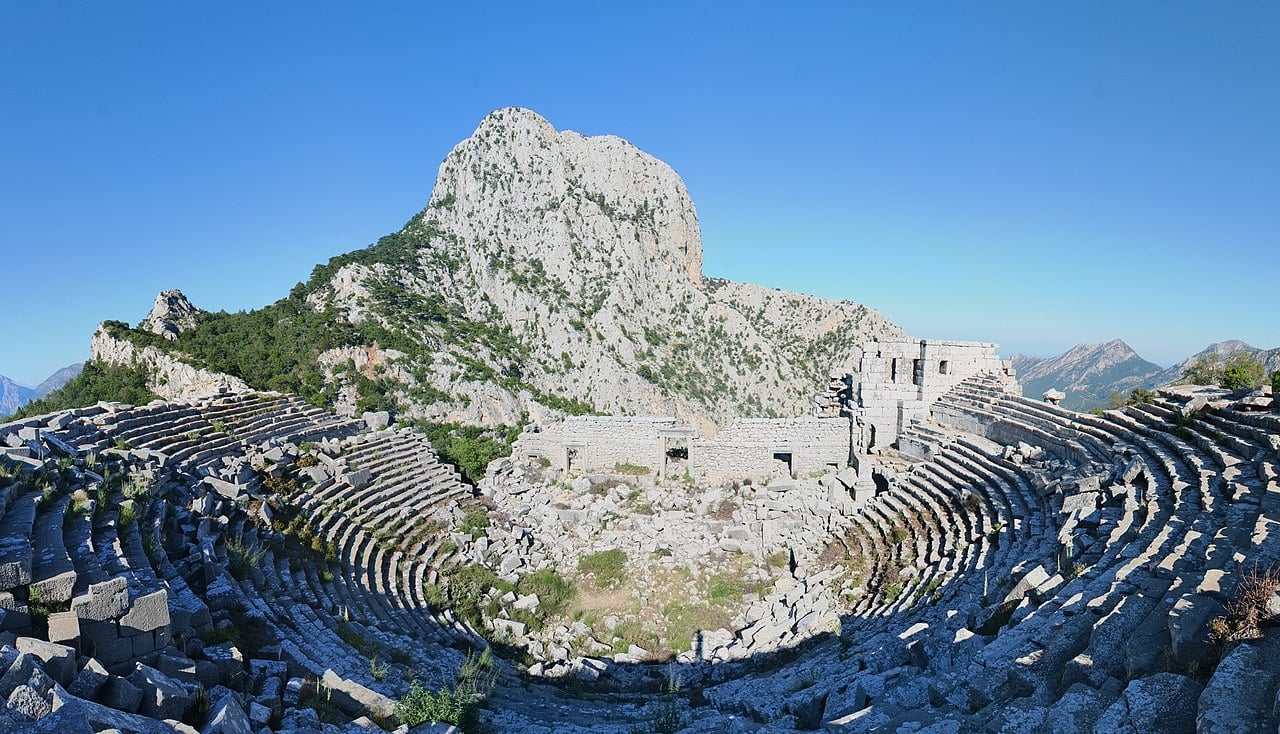
Theatre in the ancient Greek city of Termessos
Theatre in the ancient Greek city of Termessos. Credit: Ingo Mehling / Wikimedia Commons / CC BY-SA 3.0

Researchers working at the ancient Greek city of Termessos (Greek: Τερμησσός) in modern-day Turkey have identified two Greek inscriptions that are shedding new light on the city’s political identity and ritual life in antiquity.

Located in the mountains of ancient Pisidia near modern Antalya, Termessos was part of the wider Greek world that emerged across Anatolia during the Hellenistic period. Perched more than 1,000 meters (aprox. 3,000 ft) above sea level, the city is renowned for its dramatic landscape, well-preserved ruins, and long association with Alexander the Great.

The discoveries were made during ongoing studies at the site inside Güllük Mountain National Park, one of the eastern Mediterranean’s most striking archaeological landscapes.

Inscription proclaims civic independence

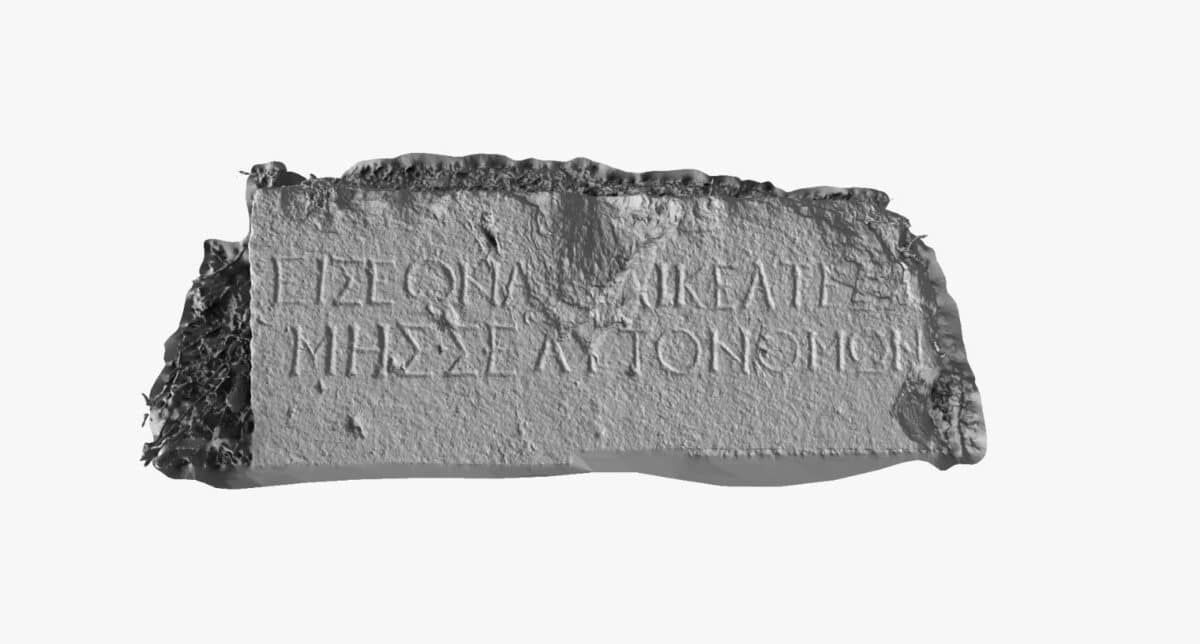
Researchers identified one inscription on a heavily weathered section near a collapsed city gate. They made the text readable using digital modeling and modern documentation techniques.

According to researchers, the inscription contains a phrase that may be translated as: “May the rights of the independent Termessians endure forever.”

Prof. Dr. Mustafa Koçak of Antalya Bilim University, director of the excavation, explained that the inscription once stood at the entrance of the city, where it announced Termessos’ status to visitors entering the settlement.

AI reconstruction of a newly deciphered stone inscription from ancient Termessos
AI reconstruction of a newly deciphered stone inscription from ancient Termessos. Credit: Greek Reporter Archive

The message is particularly significant because of the city’s famous encounter with Alexander the Great. Ancient sources record that Alexander failed to capture Termessos in 333 BC during his campaign through Anatolia. The episode helped establish the city’s reputation as a formidable mountain stronghold.

The newly deciphered text provides rare written evidence of how the people of Termessos understood their own civic identity and autonomy. Placed at the city gate, the inscription served not only as a marker of entry but also as a public statement of political identity.

Oracle reveals ancient divination practices

Researchers also identified a second inscription linked to divination using astragali, small ankle bones typically taken from sheep or goats. In antiquity, these bones were thrown like dice to seek guidance from the gods, a practice widely known throughout the Greek world.

Prof. Dr. Fatih Onur of Akdeniz University’s Department of Ancient Languages and Cultures explained that such systems used either five or seven bones. The Termessos inscription belongs to the seven-bone system, which produced 120 possible combinations. The resulting numbers directed users to specific written responses.

Three inscription blocks of this type have survived, and one remains visible at the site today. Researchers believe travelers and merchants may have consulted the oracle before journeys, trade, or other important decisions.

According to Onur, the responses were written in poetic language, suggesting that the texts were intended for ritual use rather than simple instruction.

New insight into life at Termessos

Together, the inscriptions offer a rare glimpse into both public and private life in ancient Termessos. One reflects the city’s civic identity and independence, while the other reveals how people sought divine guidance in everyday life.

For archaeologists, the discoveries deepen understanding of a city that stood at the crossroads of local Pisidian traditions and the broader Greek and Hellenistic world that shaped the eastern Mediterranean for centuries.

  •  

DNA From 2,300-Year-Old Etruscan Grape Seeds Reveals Origins of Modern Wine

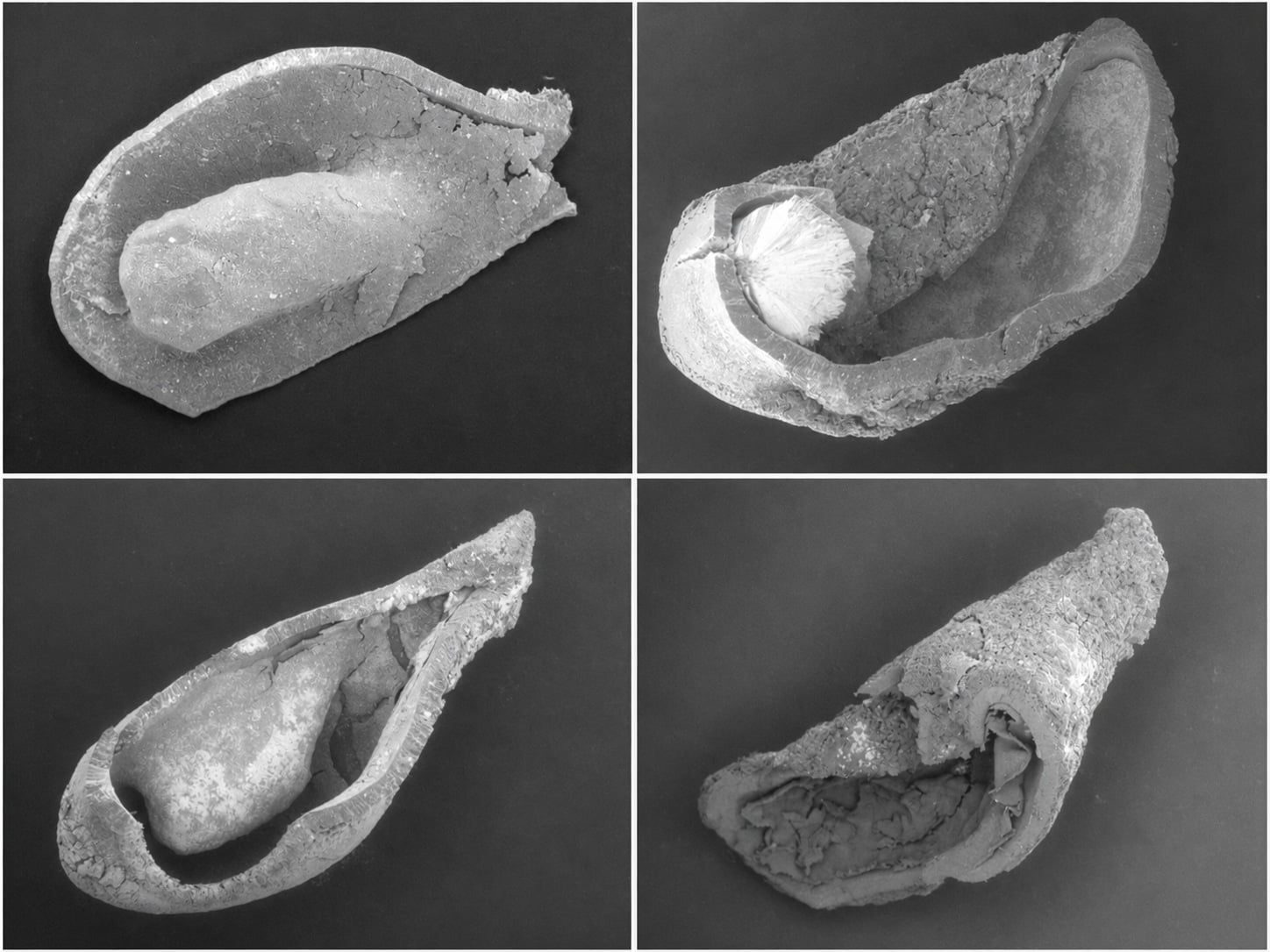
Analysis of grape seeds from ancient wells in Tuscany
Analysis of grape seeds from ancient wells in Tuscany. Credit: Oya Inanli / CC BY 4.0

Researchers have used ancient DNA from grape seeds to trace the origins of wine-making traditions that still shape modern viticulture, finding a direct genetic thread connecting an Etruscan settlement in Italy to wine regions across Europe today.

Oya Inanli of the University of York led a team that studied 80 waterlogged grape seeds from two wells at Cetamura del Chianti, a site in Tuscany dating to around 300 BC.

The seeds span the Etruscan and Roman periods up to roughly 1200 CE. The study was published in the Journal of Archaeological Science.

More than a quarter of the seeds belonged to a single variety, identical in genetics, and maintained without change for at least 362 years. Direct radiocarbon dating confirmed this variety was present from the Etruscan period through Roman occupation.

Researchers identified it as a clonal lineage, meaning winemakers repeatedly propagated the same vine without allowing it to reproduce sexually. This practice remains common among winemakers today.

One grape variety survived unchanged for over three centuries

The DNA of the dominant variety also pointed to a significant discovery. Genetic markers associated with berry color showed a 92 percent likelihood that the clonal variety produced white grapes.

A new study decodes ancient grape DNA, tracing a single wine variety through over 362 years and connecting Roman-era viticulture to modern European winemaking traditions. pic.twitter.com/mRRzkTyCuF

— Tom Marvolo Riddle (@tom_riddle2025) June 12, 2026

This makes Cetamura del Chianti one of the earliest known sites with genetic evidence for white wine production in the pre-Roman Mediterranean. Two other seeds showed markers linked to dark berries, suggesting red wine was also part of life at the settlement.

Researchers found genetic links stretching well beyond Tuscany. A Cetamura seed closely matched a grape seed recovered from a first-century Roman farm in Mont Ferrier, France. This points to the Romans moving specific vine varieties deliberately across their empire.

A separate Cetamura seed from the transitional Etruscan-Roman period showed a sibling-level genetic relationship with a modern Hungarian variety called “Baratcsuha szurke.” That variety belongs to a broader family of old European grapes, including a vine in Slovenia said to be more than 400 years old.

Ancient grape DNA traces modern wine’s origins across Europe

The team applied multiple methods, including ancient DNA analysis, near-infrared spectroscopy, geometric morphometrics, and radiocarbon dating.

Seeds from deeper layers of the wells preserved more genetic material, pointing to stable, waterlogged conditions as a key factor in DNA survival.

The research provides concrete evidence that agricultural traditions of the Etruscans and Romans laid the groundwork for wine culture across Europe.

  •  
❌