Trump wrote on social media that 'discussions and final points have been, in both concept and great detail,' approved by United States, Israel, and other regional allies.
Trump wrote on social media that 'discussions and final points have been, in both concept and great detail,' approved by United States, Israel, and other regional allies.
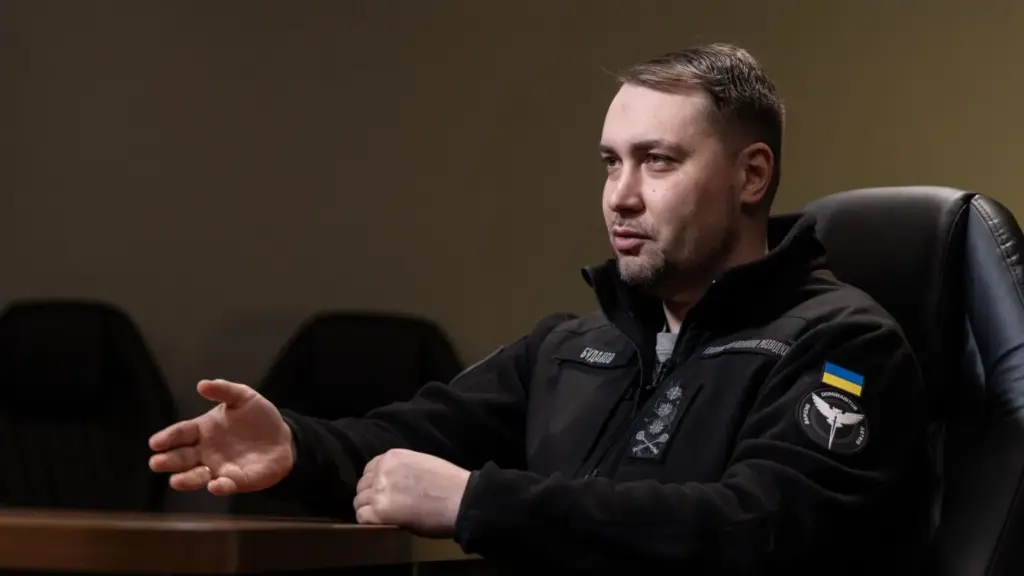
Kyiv has no intention of renaming the "Heroes of UPA" Special Operations Forces unit despite more than two weeks of escalating Polish pressure, a source close to the head of the Office of the President, Kyrylo Budanov, told LIGA.net on 11 June.
The denial closes the most public off-ramp that has been floated since President Volodymyr Zelenskyy signed Decree 440/2026 on 26 May. The Polish outlet Wirtualna Polska, citing its own sources, reported that during Budanov's 5–6 June visit to Warsaw, Ukrainian representatives offered a compromise that would narrow the honor to UPA members who fought only the Soviet Union—with the final call resting with Zelenskyy. "The information the Polish press conveyed does not correspond to reality," the source said.
Two weeks, four Polish escalations
Zelenskyy's decree honored the Separate Center for Special Operations "Pivnich" of Ukraine's Special Operations Forces. Within 72 hours, President Karol Nawrocki moved to strip Zelenskyy of the Order of the White Eagle, Poland's highest distinction, which had been conferred on him by then-president Andrzej Duda in April 2023. On 8 June, the order's Chapter delivered its opinion; Nawrocki's spokesman, Rafał Leśkiewicz, said the president would decide "in due time".
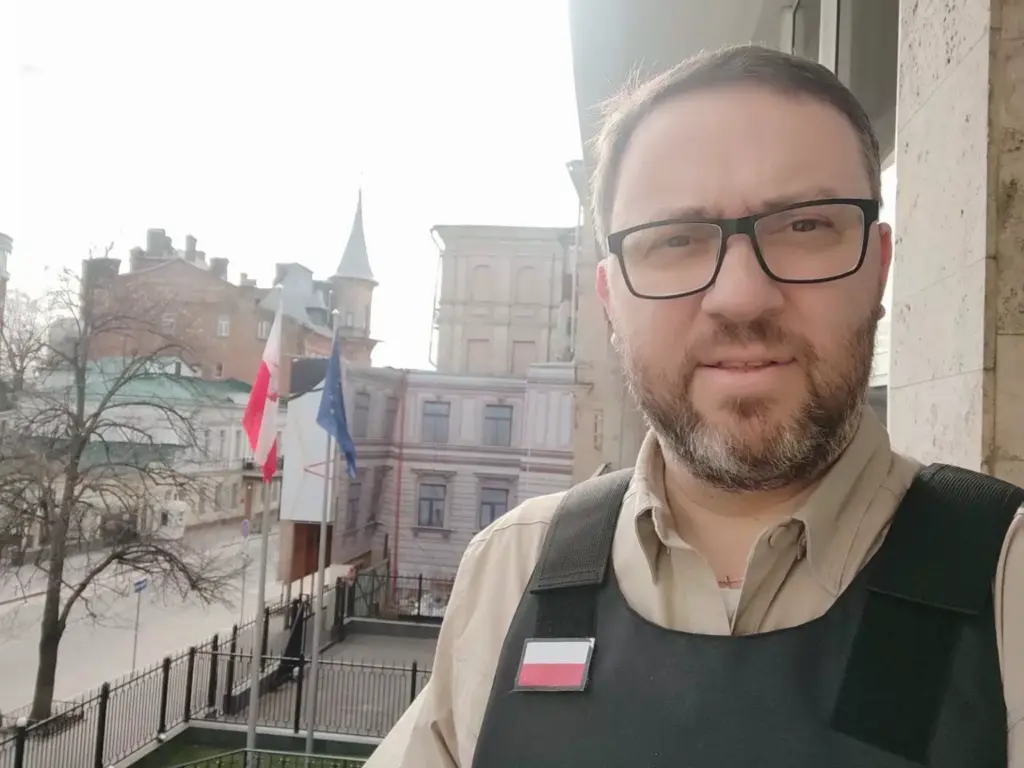
On 1 June, former Polish ambassador Bartosz Cichocki—who stayed in Kyiv through Russia's 2022 invasion—returned his Ukrainian Order of Merit. A day later, Sejm Deputy Speaker Krzysztof Bosak called for blocking Ukraine's EU accession until Kyiv "moves away from the cult of criminals." Foreign Minister Andrii Sybiha replied on 3 June that the unit's name was the choice of Ukrainian soldiers who, "at the cost of their health and often their lives," hold the front line against Russia's war on Ukraine.
"The information the Polish press conveyed does not correspond to reality." —Source close to Budanov, LIGA.net, 11 June
Bartosz Cichocki, Poland’s wartime ambassador to Ukraine. Credit: Vikna Novyny
A cool reception in Warsaw
The Warsaw visit, initiated by Kyiv, did not produce a public breakthrough. Budanov, accompanied by first deputy Serhii Kyslytsia and deputy Iryna Vereshchuk, met Defense Minister Władysław Kosiniak-Kamysz, Bureau of International Policy chief Marcin Przydacz, and Deputy Foreign Minister Marcin Bosacki. Foreign Minister Radosław Sikorski declined to meet the Ukrainian delegation.
Kosiniak-Kamysz posted afterward that "the memory of the victims of Volhynia is not up for negotiation." Prime Minister Donald Tusk added that Ukraine had "brought this problem upon itself" and should resolve it.
Kielce councilors target Vinnytsia's Bandera street
Even as Kyiv held the line, the dispute spread into sister-city relations. On 10 June, the Law and Justice (PiS) faction of the Kielce city council sent a resolution to council chair Maciej Jakubczyk calling on Vinnytsia mayor Serhii Morhunov to rename the city's Stepan Bandera street. The councilors invoked the 70-year Kielce–Vinnytsia partnership and described the street name as "a stain" linked to "mass atrocities against the defenseless civilian population".
A day earlier, Vinnytsia had withdrawn a request for 15 decommissioned Kielce buses after Jakubczyk and PiS councilor Marcin Stępniewski opposed the donation over the same street.
Die zentrale Erzählung des Westens ist es, dass Russland aggressiv sei und die NATO angreifen wolle, während die NATO angeblich ein friedliebendes, reines defensives Bündnis sei. In Russland sieht man das anders und warnt vor der Aggressivität der NATO-Staaten, für die es viele Beispiele von Jugoslawien bis Libyen gibt. Was Starmer gesagt hat Am 5. […]
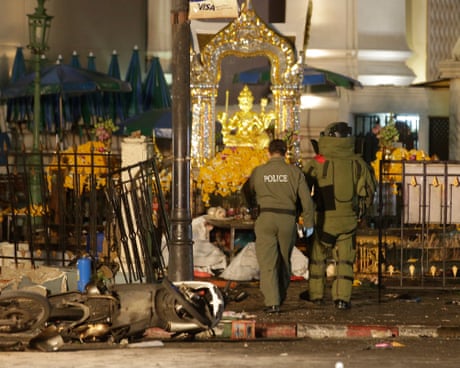
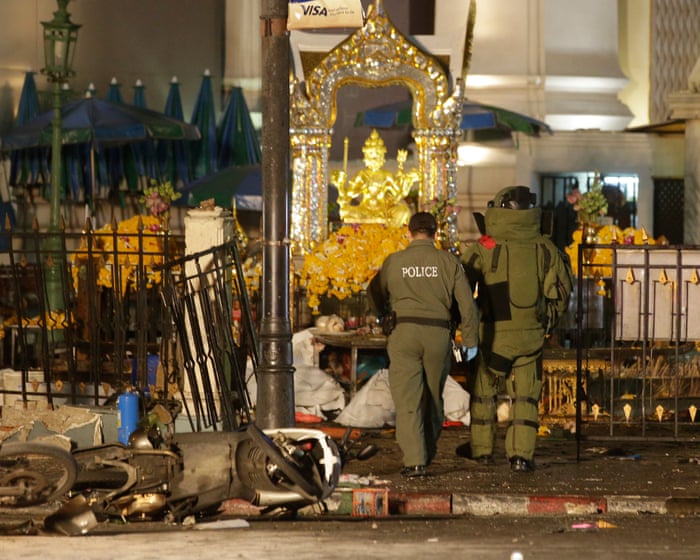
Twenty people were killed and 120 injured in the attack at the Erawan Shrine, a popular tourist destination
A Thai court has handed out death sentences to two Uyghur men from the north-western Chinese region of Xinjiang for a 2015 bombing in the centre of Bangkok that killed 20 people.
The explosion occurred at the Erawan Shrine in the centre of Bangkok, an area popular with foreign tourists. As well as the 20 people killed, another 120 were injured. Five of the dead were from mainland China and two from Hong Kong.
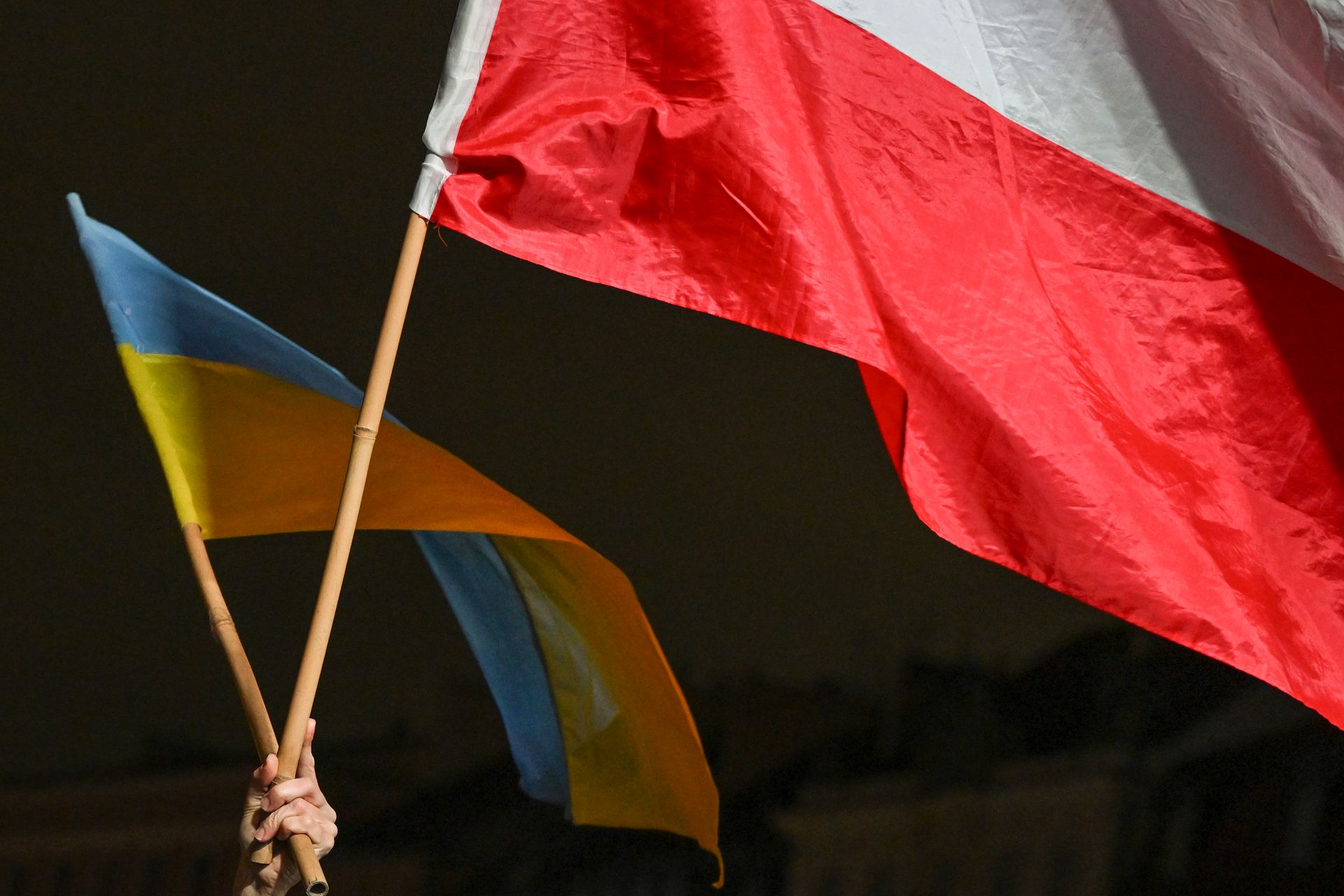
Some 31.9% of respondents said the controversy, which sparked a diplomatic row between Kyiv and Warsaw, did not affect their view of Ukraine, according to a survey conducted by the SW Research agency.
 Login
Login