US defense secretary continues ramp-up of pressure against country including sanctions and devastating oil blockade
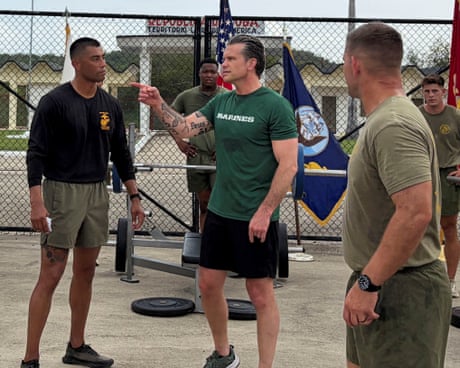
Pete Hegseth has warned Cuba against acquiring weapons that could threaten the United States, during a visit to the US military base at Guantánamo Bay.
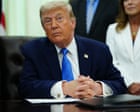
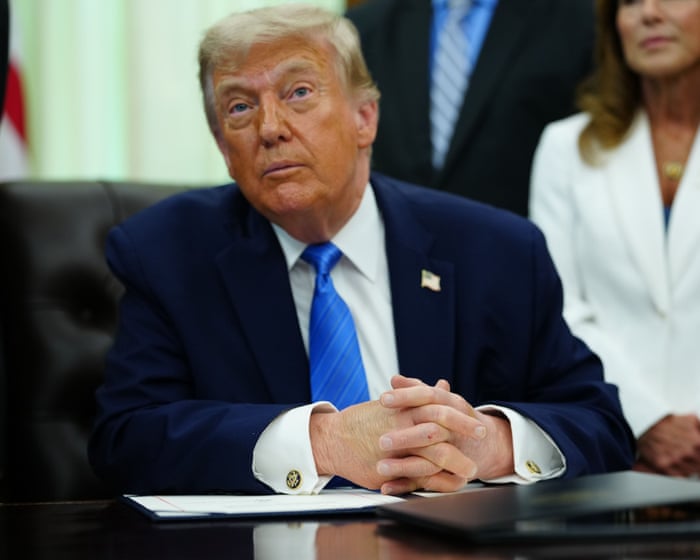
Washington has ramped up pressure against Cuba with sanctions and a devastating oil blockade, and Donald Trump has repeatedly signaled that the Cuban government could be the next after Venezuela to fall to US pressure.
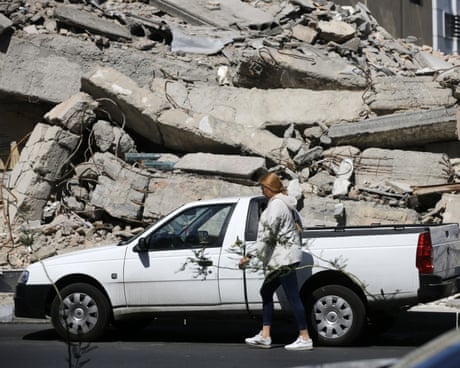
The US launched a new round of airstrikes on Iran into Thursday morning after Donald Trump warned Tehran would “pay the price” for stalled negotiations, prompting Iran to respond with strikes targeting Bahrain, Kuwait and Jordan.
The new US assault across a range of Iranian cities came as efforts to negotiate an end to the war again appeared stuck, with Iran insisting it would maintain its chokehold on the strait of Hormuz. The American attack appeared more intense and wider than the day before, but Iran released no information about what was hit.
This blog has now closed – our coverage of this crisis in the Middle East continues here
If the US genuinely wants a deal it will have to engage with Iranian demands on sanctions relief, says Danny Citrinowicz, the former head of the Iran branch of Israeli military intelligence.
Today’s exchange of strikes shows how easily both Iran and the US can slide towards another round of escalation, says Citrinowicz, who is now a nonresident fellow at the Atlantic Council.
If Washington is unwilling to accept that reality, it should recognize the likely alternative: continued confrontations with Iran that could eventually spiral beyond anyone’s control and lead to military conflict under less favorable conditions.
Even a limited military campaign designed to weaken Iran would not fundamentally alter Tehran’s negotiating position. It has not happened in the past, and there is little reason to believe it would happen now. Iran emerges from the latest exchange of blows convinced that it can absorb pressure and respond to attacks.”
Legal and moral responsibility of all countries in the region (especially those located along the southern shores of the Persian Gulf) to prevent the US military and Israel from using their territory or facilities to plan, organise, execute, or support hostile actions against Iran.
Exclusive: poll across 15 countries finds ‘deep mistrust’, with majority doubting US would come to their aid in an attack
European confidence in an American “security guarantee” has hit a historic low, a survey suggests, with only one in 10 people across 15 countries seeing the US as an ally and majorities in all doubting it would come to their aid if they were attacked.
The survey, published on Wednesday by the European Council on Foreign Relations (ECFR) thinktank before critical G7 and Nato summits in France and Turkey over the coming weeks, revealed “deep European distrust in the US”, the authors said.

 Login
Login