Reading view

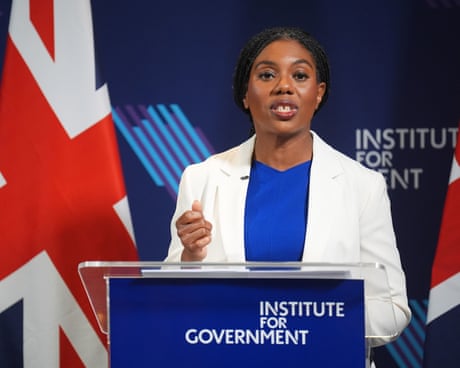
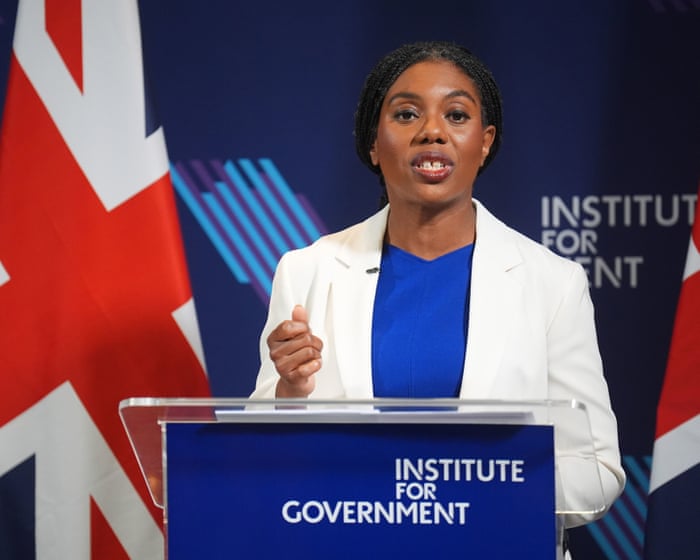
Can common sense replace Equality Act protections, as Kemi Badenoch suggests?

The Tory leader says the public sector duty to consider minorities encourages division – but legal experts say abolishing it will fuel discrimination

For more than two decades, an important part of Britain’s equality laws ensured public institutions had to think about the impact their decisions could have on different groups in society.

Introduced after the Stephen Lawrence inquiry, the public sector equality duty required public bodies – such as local councils, police forces and hospitals – to think proactively about equality law. Now this once uncontroversial public duty is a new battleground in Britain’s culture wars.

Continue reading...

© Photograph: James Manning/PA

© Photograph: James Manning/PA

© Photograph: James Manning/PA

  •  

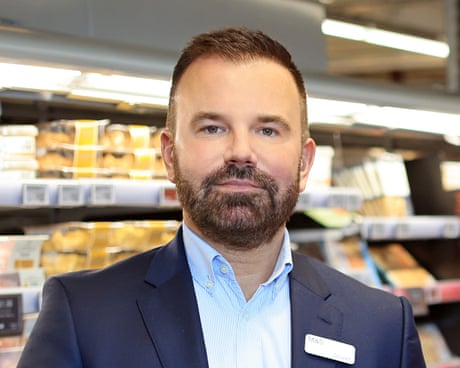
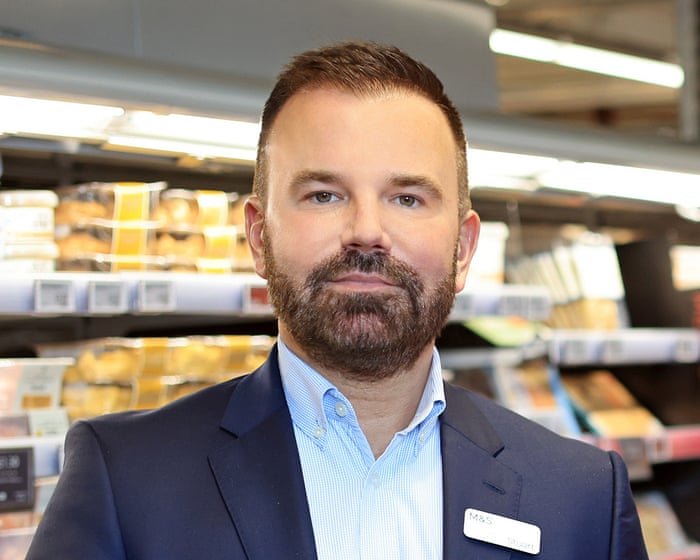
UK’s biggest retailers urge government to act on youth unemployment

Bosses of M&S, Sainsbury’s and Tesco among those writing to Starmer that the ‘ladder of opportunity’ is wobbling

Some of the UK’s biggest retailers are planning to write to the prime minister urging him to tackle the youth unemployment crisis, with signatories expected to include the bosses of Marks & Spencer, Sainsbury’s and Tesco.

Lobby group the British Retail Consortium said it had drafted a letter to Keir Starmer calling for action, and is circulating it among its 200 members, which include all the main UK retailers (with the exception of Games Workshop) as well as smaller shops. The letter is expected to be published on Wednesday.

Continue reading...

© Photograph: Oliver Dixon/PA

© Photograph: Oliver Dixon/PA

© Photograph: Oliver Dixon/PA

  •  

The Lyhanna case: open season on judges

Justice (Pixabay)

Justice (Pixabay)

The disappearance and subsequent death of 11-year-old Lyhanna, whose body was found on June 4 in an agricultural silo in the Gers region of southwestern France, has triggered an unprecedented institutional crisis in France. Politicians are shifting blame onto judges, who are doing what they can with the resources available to them.


France’s judicial institution is facing both genuine operational failures and unacceptable political exploitation. By offloading their own responsibilities onto judges and prosecutors, neither Justice Minister Gérald Darmanin nor Interior Minister Laurent Nuñez is likely to emerge from this ordeal with enhanced credibility.

A troubling case file

The facts currently known in the Lyhanna case are undeniably damaging to the judicial system. The primary suspect, a 41-year-old man and the father of one of Lyhanna’s classmates, had an extensive judicial and administrative record before being formally charged with kidnapping and unlawful confinement of a minor under the age of 15.
Several complaints and reports had already been brought to the attention of the relevant authorities. One of the most sensitive aspects of the case involves a complaint filed on August 22, 2025, by the mother of a child alleging repeated sexual assaults. On September 11, a medical report reportedly identified findings described as consistent with the child’s statements. Yet the suspect was never interviewed before Lyhanna disappeared on May 29.
This timeline raises a fundamental question: why did a complaint alleging the rape of a minor, supported by medical evidence, fail to result in an interview of the suspect before the tragedy occurred? This question goes beyond the understandable public emotion surrounding the case and requires examination of how criminal investigations are actually processed.

The justice inspectorate faces major questions

Justice Minister Gérald Darmanin has ordered a systematic review of 70,000 complaints involving children by July 14. A general administrative inspection is currently underway to determine whether delays, errors, or procedural failures occurred in the handling of cases involving the suspect.
This directive from the Ministry of Justice responds to both political and moral urgency. Its purpose is to ensure that no comparable case is sitting unattended in an investigative unit or prosecutor’s office, particularly those involving rape or sexual abuse allegations. At the same time, it reflects a clear lack of confidence in the ordinary functioning of France’s criminal justice system.
The major challenge following this review will be actually processing those complaints: interviewing suspects, verifying testimony, prioritizing investigative actions, and making the necessary judicial decisions. Without additional operational resources, the scope of the problem may be revealed without being solved.

Judges and prosecutors thrown to the wolves

Frédéric Chevallier, Chief Prosecutor of Chartres and president of the National Conference of Public Prosecutors, has spoken out in defense of prosecutors while acknowledging that the case demands answers. His comments reflect the intense pressure currently weighing on the judicial institution.
On one hand, he rejects the idea that “judges and prosecutors should be thrown to the wolves” in response to public outrage. He stresses the need to avoid premature conclusions before inspections are completed, urging public officials to “keep a cool head.” His central argument is that no serious conclusions can be drawn before the entire chain of events has been reconstructed.
On the other hand, Chevallier has not ruled out individual responsibility, noting that “judges are not beyond accountability.” This cautious approach is intended to prevent the Lyhanna case from becoming a public trial of an individual magistrate or prosecutor’s office before investigators have completed their work.
Yet this institutional defense remains fragile. Explaining that the courts are overloaded, that investigative services are overwhelmed, and that prosecutors constantly triage competing emergencies only partially addresses families’ concerns. When a child dies and prior warnings existed, the judicial system must be able to explain why certain procedures moved so slowly and whether individual decisions contributed to an identified risk.

The impossible equation of priorities

Prosecutors point out that they are managing enormous backlogs of cases. Chevallier referenced not only the 70,000 complaints involving minors now under review, but also millions of cases of all types awaiting action within investigative services.
This argument reveals an institution that is clearly overwhelmed, at times buried beneath mountains of case files. It highlights a criminal justice system confronting systemic saturation. Yet it does not end the legitimate debate over how cases are prioritized. If everything is considered urgent, then nothing truly is. The Lyhanna case compels the judicial system to explain precisely how complaints are prioritized, especially when they involve sexual violence against children.
This issue connects to a structural problem that judges’ unions have denounced for decades: chronic underfunding. The Judicial Magistrates’ Union (USM), which has been highly visible in the media since the tragedy, argues that judges should not serve as lightning rods for the state’s failure to provide adequate judicial resources.

Political exploitation and death threats

The USM has condemned what it sees as unacceptable political exploitation of the tragedy. It points to statements by President Emmanuel Macron dismissing resource-related concerns from the outset, threats of sanctions raised by the Justice Minister before the inspectorate had reached any conclusions, and proposals by political figures to create a special disciplinary court for judges.
This political escalation has been accompanied by serious consequences. The Chief Prosecutor of Auch has been targeted with death threats circulating on social media. The Ministry of Justice has filed a criminal complaint, marking a dangerous turning point: public anger is being transformed into personal targeting and threats against judges and prosecutors themselves.
This is precisely the danger prosecutors fear. Judicial unions have significantly increased their media presence, with senior officials speaking publicly. Their coordinated effort is intended to give voice to rank-and-file judges and prosecutors facing what they view as opportunistic attacks.

Restoring public trust

The prosecutors’ calls for caution regarding the administrative investigation will only be heard if the judicial institution provides complete and transparent answers to the legitimate questions raised by families, advocacy groups, and the broader public.
The central challenge is reconciling two seemingly conflicting imperatives: protecting judicial independence from political interference while acknowledging that the public deserves explanations when a child dies and previous warnings may have been overlooked.
This case reveals that the French judicial system is facing a profound crisis of confidence. Families, citizens, and the public need to understand how the criminal justice process actually works, what priorities genuinely guide the handling of complaints involving minors, and how insufficient resources concretely affect child protection.
Without restoring public trust through transparency and meaningful operational reforms, the Lyhanna case will leave a lasting mark on the relationship between the justice system and French society. The inspectorate may establish the facts, but only clear and responsible institutional communication can help ease the current tensions.

L’article The Lyhanna case: open season on judges est apparu en premier sur FrenchDailyNews.

  •  

Russian Ex-Wagner Fighter Sentenced to Life for Killing Former Wife and Her Daughter

A participant in Russia's military operation from the Perm Region who killed his former wife and her daughter has been sentenced to life imprisonment. He joined the front after leaving a penal colony, where he had been serving a sentence for rape and murder. On August 28, 2022, 29-year-old Artyom Buchin raped and murdered a nurse in the town of Chusovoy. According to investigators, he had argued with friends earlier that day and left on his own. Along the way, 23-year-old nurse Tatyana Rekutina asked him for directions, and he offered to accompany her.

  •  

Altro che benessere, siamo nell’epoca del ‘guerressere’

Ferdinando BOERO

Segue nostro Telegram.

Ho fatto un sogno rivelatore, mi sono svegliato e ho scritto questo neologismo. Una parola volutamente sgraziata, che rende evidente la deformazione del benessere in qualcosa d’altro

Molte parole inglesi sono diventate italiane. Nessuno si preoccupa di sostituire computer, weekend, marketing, smartphone o welfare con equivalenti italiani. Sono parole che, a un certo punto, hanno smesso di apparire straniere. Anche welfare è ormai una parola italiana. Eppure la traduzione esiste: significa benessere, oppure stato sociale. Deriva da well-fare, “andare bene”, prosperare, vivere bene, in condizioni favorevoli. Da qualche tempo si sta affermando un’altra parola inglese: warfare. E si parla apertamente del passaggio dal welfare state al warfare state. Un cambiamento politico, economico e culturale in via di programmazione.

Le parole conducono messaggi e modellano la percezione della realtà. Il New Green Deal europeo proponeva una transizione ecologica fondata su investimenti pubblici, innovazione, protezione ambientale e sociale, trasformazione energetica. Un’idea di futuro legata al welfare. Oggi, invece, il linguaggio dominante è sempre più quello della sicurezza, della deterrenza, della preparazione strategica e del riarmo. Il programma inizialmente chiamato ReArm Europe, però, è stato ribattezzato Readiness 2030. L’obiettivo non cambia: aumento delle spese militari, rafforzamento dell’industria bellica, mobilitazione di centinaia di miliardi di euro per prepararsi a possibili conflitti. Ma il messaggio cambia eccome. “Riarmare l’Europa” suona aggressivo. “Prontezza 2030” sembra prudente, responsabile, quasi rassicurante. È il potere delle parole. “Preparazione” attenua ciò che “riarmo” rende evidente. Le parole inglesi, inoltre, hanno spesso un effetto anestetico: suonano tecniche, neutre. Warfare state suona quasi come una formula da think tank. “Società organizzata attorno alla guerra” suonerebbe molto più inquietante.

Scrivendo del passaggio da welfare a warfare, nel mio libro Le piume di Darwin, sentivo la necessità di rendere evidente il significato di quella transizione, e una notte ho sognato la parola. In sogno elaboriamo quel che pensiamo durante la veglia. Ho un taccuino accanto al letto e quando ho fatto il sogno rivelatore mi sono svegliato e ho scritto il neologismo: guerressere.

Una parola volutamente sgraziata, quasi fastidiosa, perché deve rompere la neutralizzazione linguistica. Deve rendere evidente la deformazione del benessere in qualcosa d’altro. Basta cambiare poche lettere: da well a war. Dal benessere al guerressere. Dal bene di benessere alla guerra di guerressere. Si può essere favorevoli al warfare senza comprenderne davvero il significato. Ma chi direbbe apertamente di essere favorevole alla guerra? Chi direbbe: voglio che la mia società si organizzi preventivamente attorno al conflitto permanente? Eppure è questo che sta accadendo. I politici lo hanno capito quando hanno cambiato Rearm in Readiness.

Gli Stati Uniti non sono mai stati un welfare state di tipo europeo. Non esiste una sanità pubblica universale. L’istruzione universitaria ha costi proibitivi per gran parte della popolazione. I senzatetto sono una componente strutturale delle città americane. In compenso gli Stati Uniti investono enormi risorse nella difesa, nell’apparato militare e nell’industria della sicurezza. Sono, in questo senso, un warfare state. Dopo aver conosciuto sulla propria pelle le devastazioni della guerra, l’ Unione Europea aveva costruito sistemi sanitari pubblici, istruzione accessibile, protezione sociale, diritti del lavoro. Il benessere collettivo era l’infrastruttura della stabilità politica. Ora vogliamo diventare altro.

E il cambiamento avviene anche attraverso il linguaggio. Le parole non descrivono soltanto la realtà: contribuiscono a costruirla. Se dici Readiness 2030 stai già rendendo più accettabile ciò che ReArm Europe rendeva troppo evidente. Se dici warfare invece di guerra, attenui il significato del termine. E quindi ecco una parola nuova, persino sgradevole, per capire meglio cosa stiamo programmando. Guerressere. Non è accattivante, come petaloso, nasce per essere disturbante.

La società progressivamente si organizza mentalmente, economicamente e culturalmente attorno all’idea permanente del conflitto. Una società che sposta risorse dalla salute, dall’istruzione, dalla ricerca, dagli ecosistemi, verso la sicurezza e la preparazione militare. Come se gli arsenali potessero proteggerci dal collasso climatico, dalla degradazione degli ecosistemi, dalla perdita delle condizioni biofisiche che rendono possibile il benessere stesso. Il Green Deal riconosceva che non può esistere welfare senza gli ecosistemi che lo rendono possibile.

Nel welfare il cittadino è qualcuno da proteggere. Nel guerressere è qualcuno da mobilitare; è inquietante che il passaggio dal welfare, dal benessere, al guerressere sia presentato come inevitabile, quasi naturale. Non lo è. È una scelta politica, economica e culturale gigantesca. E le parole che scegliamo servono anche a decidere se vogliamo davvero accorgercene. Nel Green Deal il nemico da battere erano sistemi produttivi che minano le nostre prospettive di benessere, e l’Unione Europea si metteva all’avanguardia in questa decisione di responsabilità, spronando tutta l’umanità a contribuire. Col passaggio al guerressere i nemici sono gli “altri” e la soluzione è armarci fino ai denti. Siamo sicuri che sia questo quello che vogliamo?

Articolo originale ilfattoquotidiano.it

  •  

GSK makes biggest ever acquisition with $10.6bn for US cancer drug firm

Nuvalent’s late-stage lung cancer treatments zidesamtinib and neladalkib are expected to launch later this year

GSK’s new boss, Luke Miels, has struck one of the British drugmaker’s biggest deals, announcing the $10.6bn (£7.9bn) acquisition of a US cancer specialist with two late-stage medications.

The FTSE 100 company is increasing its oncology portfolio by agreeing to buy Nuvalent, a Boston-based biotech company that develops cancer drugs, including three for lung cancer. GSK will pay $124 a share in cash.

Continue reading...

© Photograph: Chris J Ratcliffe/Reuters

© Photograph: Chris J Ratcliffe/Reuters

© Photograph: Chris J Ratcliffe/Reuters

  •  

Tuesday briefing: Is a social media ban in the UK enough to help protect young people?

In today’s newsletter: With Keir Starmer expected to announce Australia-style restrictions, further problems – including AI chatbots - are on the horizon

Good morning. Keir Starmer’s expected speech next week about young people’s access to social media will be analysed as much for how it benefits the outcome of a certain byelection, as its safeguarding of children’s synapses.

After issuing an ultimatum to tech firms yesterday to block children’s phones from sharing nude images, the government is expected to make another major announcement about social media within days. Briefings suggest it will stop short of a blanket ban on under-16s accessing social media. But it will still amount to radical regulation, with Downing Street insisting that Starmer is up for a fight with big tech.

UK politics | Volodymyr Zelenskyy has revealed that he plans to invite King Charles on a state visit to Ukraine as early as this year, which would make him the most senior royal to travel to Kyiv since Russia’s full-scale invasion.

Middle East | Fears of a return to a full-scale regional war in the Middle East eased on Monday as Israel and Iran said they had halted attacks on each other after an appeal from Donald Trump to “immediately stop shooting”.

UK news | A report has found “widespread and concerning evidence” of bias and victim-blaming in the family courts – primarily disadvantaging women.

US news | Donald Trump was loudly booed when he was shown on the video screens at Madison Square Garden on Monday night at the NBA finals.

Unemployment | A government-funded pilot of “hyperlocal” job support in 10 neighbourhoods across England has shown “promising early signs of effectiveness”, including for young people, and could be scalable nationwide, a new evaluation has shown.

Continue reading...

© Photograph: Hollie Adams/Reuters

© Photograph: Hollie Adams/Reuters

© Photograph: Hollie Adams/Reuters

  •  

Parents caring for seriously ill children in UK could get financial support under ‘Hugh’s law’

Proposals considered by government would strengthen protections for parents forced to become full-time carers

Thousands of parents who are forced to become full-time carers after their child becomes seriously ill would be entitled to financial support and job protections under new “Hugh’s law” proposals being floated by the government.

Hugh’s law is named after Hugh Menai-Davis, who was six when he died in 2021 just under a year after being diagnosed with a rare form of cancer and undergoing 10 months of intensive treatment, much of it in hospital.

Continue reading...

© Photograph: Martin Godwin/The Guardian

© Photograph: Martin Godwin/The Guardian

© Photograph: Martin Godwin/The Guardian

  •  

Ministers could ban London councils ‘dumping’ homeless families miles away

Measures being considered to crack down on practice that has grown as a result of Britain’s housing crisis

London councils could be banned from “dumping” homeless families hundreds of miles across England under measures being considered by ministers, the Guardian has learned.

MPs said vulnerable people, including women fleeing abuse, were being “coerced” into choosing between rough sleeping or moving to cheap, sparsely furnished properties in some of the poorest parts of the country.

Continue reading...

© Photograph: Christopher Thomond/The Guardian

© Photograph: Christopher Thomond/The Guardian

© Photograph: Christopher Thomond/The Guardian

  •  

Child sexual abuse victims in England and Wales to get help to remove online images

Echo project will help erase images as part of package of support to end ‘prolonged suffering of survivors’

Victims of child sexual abuse in England and Wales will be given help to remove online images of their abuse as part of a wider package of support to end the “prolonged suffering of survivors”.

The Echo project will help those who have reported their abuse to the police to identify and remove images of abuse online. They will also be given trauma support, the possibility of having a victim impact statement read in court against their perpetrators and the opportunity of criminal or civil compensation.

Continue reading...

© Photograph: Lukas Coch/AAP

© Photograph: Lukas Coch/AAP

© Photograph: Lukas Coch/AAP

  •  
❌