The 37-year old Palestinian was arrested in Agios Nikolaos, Crete. File photo. Credit: AMNA
Greek authorities arrested a 37-year-old Palestinian man in Agios Nikolaos, Crete, on Saturday, preventing an alleged plot to detonate explosives on a cruise ship carrying Israeli tourists. The suspect is accused of being an operative for Hamas. He was apprehended in a highly classified joint operation by Greece’s National Intelligence Service (EYP) and the Anti-Terrorist Unit.
Intelligence officials moved quickly to detain the man just days before the targeted cruise ship was scheduled to dock in Crete on Tuesday. While the suspect reportedly claimed during interrogation that he had planned an attack but ultimately backed out, Greek authorities remain unconvinced and are treating the threat as exceptionally serious.
The connection of the Hamas associate in Greece to Cyprus
The success of the Greek investigation originated from a coordinated intelligence effort with Cyprus. Approximately two weeks ago, Cypriot authorities arrested four individuals suspected of planning strikes against Israeli interests in the European Union, allegedly motivated by the ongoing conflict in Gaza.
During the investigation in Cyprus, intelligence officers analyzed mobile phones belonging to the suspects. A specific phone number surfaced as a critical link, leading Greek counter-terrorism units directly to the 37-year-old in Crete.
Security services in Greece noted that the suspects in both countries received specialized training at a camp outside the Gaza Strip. This training specifically focused on manufacturing improvised explosives using chemical substances. Officials in Nicosia consider the group found in Cyprus deeply concerning, noting that two of the arrested individuals had lived in Cyprus for years and had reportedly even managed to obtain Cypriot citizenship. One of the suspects in Cyprus has already admitted to planning attacks against Israeli targets.
The suspect in Crete
The man arrested in Crete arrived in Greece approximately one year ago and filed an active asylum application. He integrated quietly into the local workforce, taking a seasonal job at a hotel in Agios Nikolaos. Local reports indicate he had no family on the island and intentionally maintained a low profile to avoid arousing suspicion.
Following his arrest on Saturday afternoon, Greek counter-terrorism officers raided his current residence in Crete, alongside a property he previously occupied in the Patissia neighborhood of Athens. Investigators confiscated several items that could be used as evidence against his plot. Among them, Greece’s anti-terrorism unit found chemical substances and laboratory measuring equipment, a number of mobile phones, laptops, and USB data storage drives, as well as bank cards and financial documents.
Law enforcement did not find assembled explosive devices or firearms during the raids. Intelligence assessments indicate the suspect was in the final stages of preparation for the plot but was intercepted before he could formally order the final explosive components.
The 37-year-old remains in custody and is scheduled to appear before a public prosecutor. Greece’s EYP and the Anti-Terrorist Unit are actively tracing his movements, communications, and potential local contacts to verify whether he operated alone within Greece.
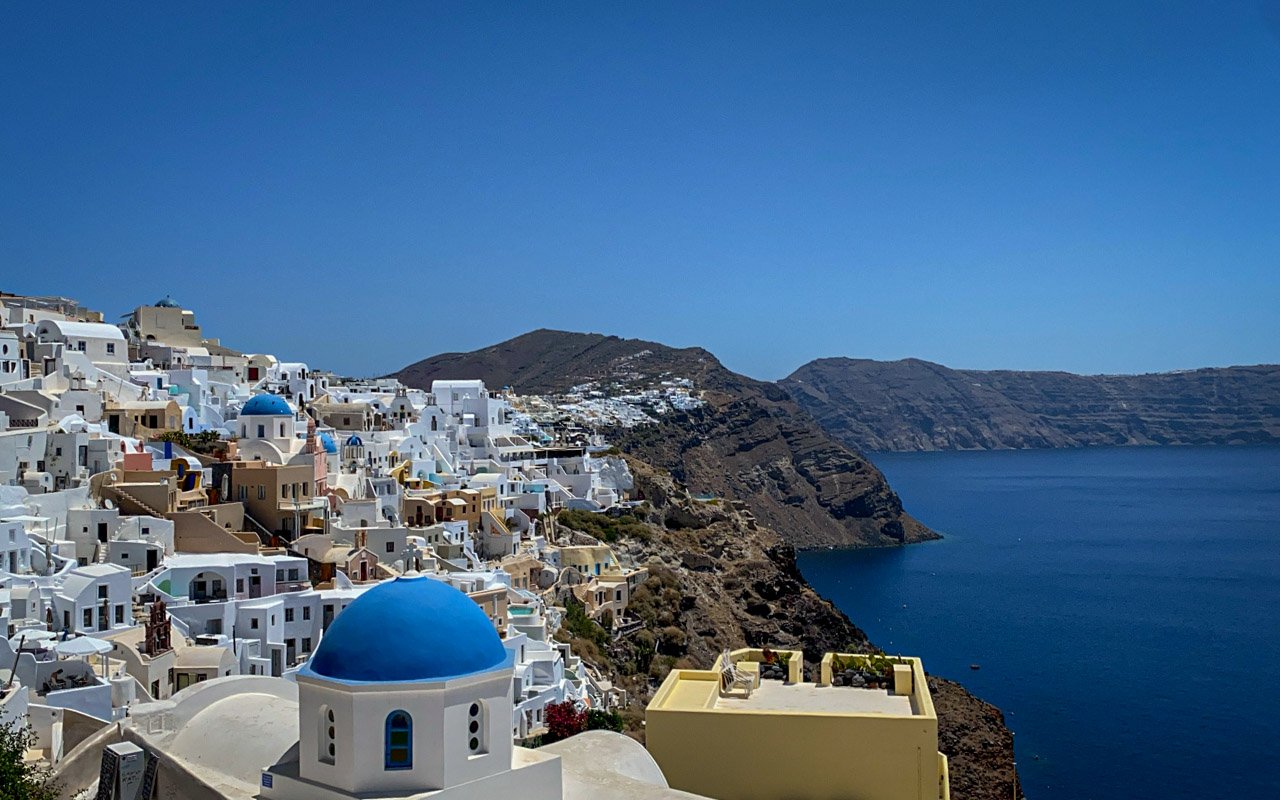
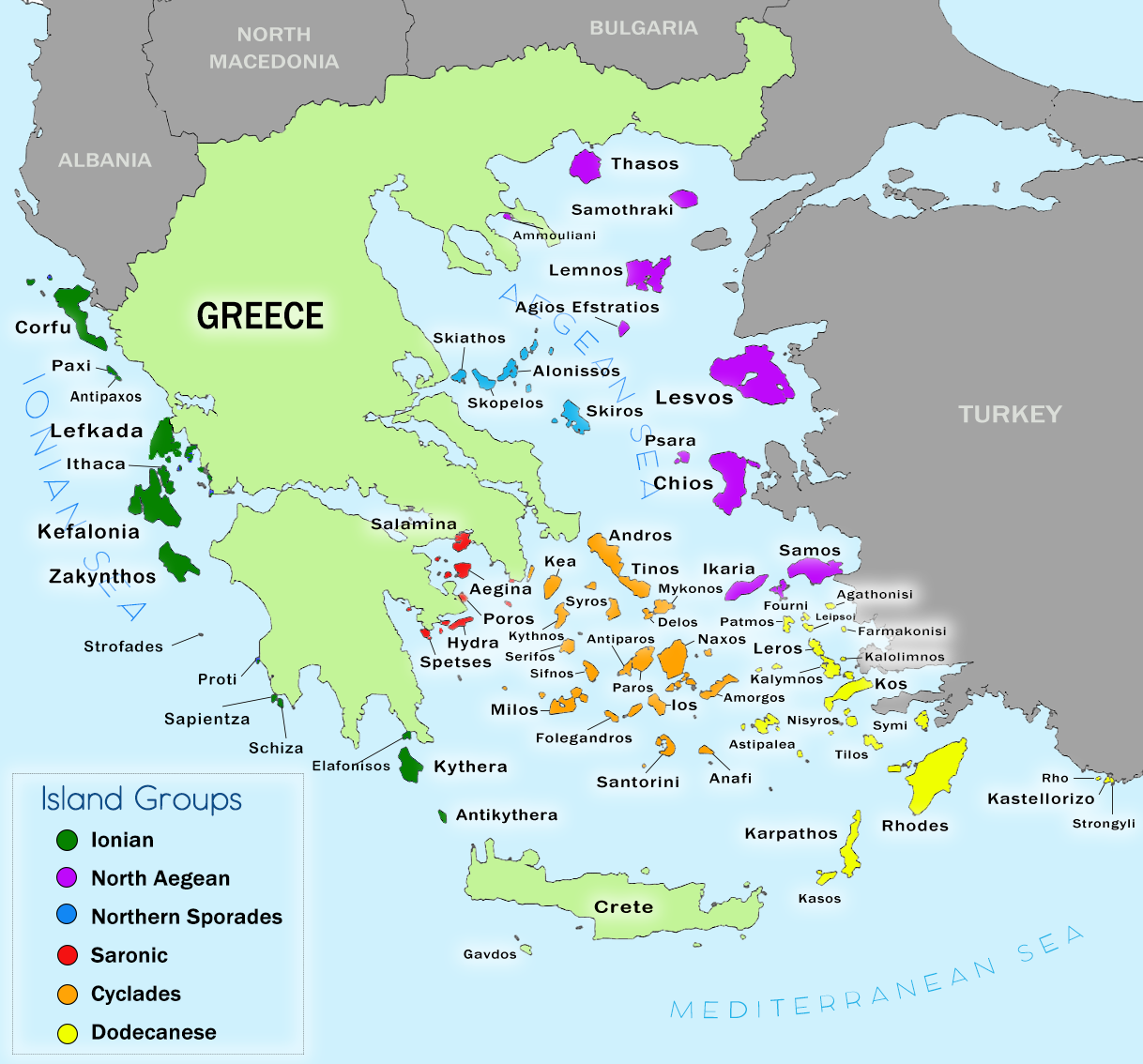
Greece has about 6000 islands, 230 of which are inhabited. Here is a map explaining all of the Greek island groups. Image: Santorini, part of Cyclades Island Group. Credit: Dimitra Damian/Greek Reporter
You have probably seen the postcard of whitewashed houses gathered together overlooking the endless blue waters of the Aegean Sea countless times, and rightly so. Greece is known for its abundance of unique islands, which every summer offer visitors a chance to unwind like nowhere else in the world.
Greece has more than 6000 islands and islets under its name. Of these islands, 227 are inhabited. All of them, nevertheless, are clustered in the Greek island groups.
Each has its own character. Some reflect a unique history or influences from antiquity to the middle ages, to modernity. Others combine Greek tradition with a sophisticated atmosphere. Yet most have bewitching beaches, coastal caves and world class cuisine. Without a doubt therefore, the Greek islands are the most unique on earth.
The main Greek island groups
There are six island groups in Greece to keep in mind:
The Cyclades, the Sporades, the Ionian islands, the Dodecanese, the Saronic Islands and the North Aegean Islands.
Each of these groups is unique in character, architectural style, influences and things to do.
Map of Greek Island Groups. Credit: Dimosthenis Vasiloudis / GreekReporter
The most famous Greek islands are the Cyclades, known as the jewel of the Aegean Sea
The Cyclades group is in the center of the Aegean Sea and is well-known for the iconic white houses and churches with blue domes that adorn its architecture.
This island group is comprised of around 220 islands. The main ones are Amorgos, Anafi, Andros, Antiparos, Delos, Ios, Kimolos, Kythnos, Milos, Mykonos, Naxos, Paros, Folegandros, Serifos, Sifnos, Syros, Tinos, Thera or Santorini, Irakleia, Koufonisia, Schoinousa and Donousa.
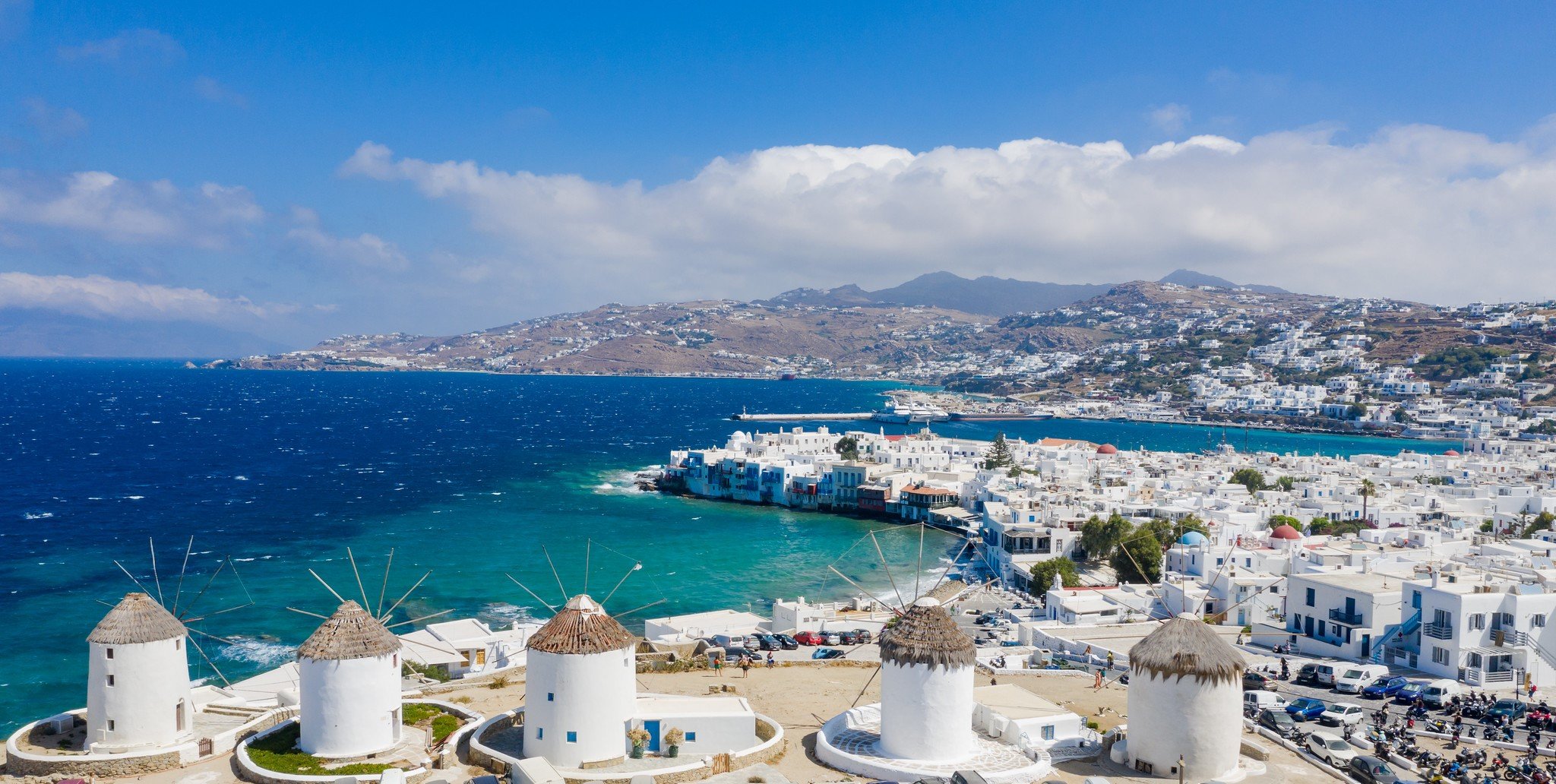
The perfect way to explore the region is through ”island hopping”. That is because the islands are close together, even if distinct in character. Mykonos, for example, is a cosmopolitan island globally famous for its party vibes and modern hospitality businesses. On the other hand Tinos, only a hop, skip and jump away, offers a religious feel. Despite the differences however, everyone who visits succumbs to the island’s peace and tranquility.
A blend of mythology and adventure
The name “Cyclades” refers to the islands forming a circle (the name in English means: “circular islands”) around the sacred island of Delos.
For the history and culture lovers, Delos , which is in its entirety a UNESCO World Heritage site, is a living archaeological museum, with the ancient temple of Apollo well worth visiting!
The island, referred to as “the sacred island of Delos,” is where, as Greek mythology tells it, Leto gave birth to Zeus’ twins Artemis and Apollo. Mythological history has it that because of Hera’s jealousy of Zeus and Leto, she ordered all lands to shun Leto, making it difficult for her to find a place to give birth. Zeus however asked Poseidon to find a secret, safe place for Leto to give birth. To that end, she sought out the island of Delos, where she was able to ensure the life of her twins, Artemis and Apollo.
In view of this, the small, rocky island was declared by Callimachus in the third century BC to be “the most sacred of all islands” of Ancient Greece, and was dedicated to Apollo.
One of the most popular islands of the Cyclades is Santorini. This popular destination is known for its colorful volcanic stone backdrops and its white houses and winding streets climbing the cliffs, leading you to villages and breathtaking views.
For the adventurous at heart, something you want to be sure to check out is a tour of the volcano and caldera. Another tip for those visiting is to hike the path between the main towns Fira and Oia, and of course visit the Red Sand Beach that looks like a landscape on Mars.
Much can also be said about the Cycladic cuisine, of course. The San Mihali cheese of Syros or the Naxos version of gruyere are world famous, while the fava of Santorini is a unique local delicacy, as are the mouthwatering fried tomato balls of the island. Mykonos has great sausages, while the xynotyri (sour cheese) of Ios is not to be missed.
The Sporades islands: the ”scattered” islands
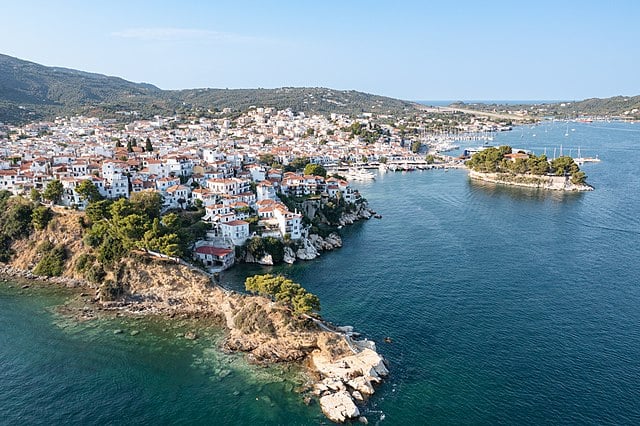
Skiathos old town. Credit: dronepicr / CC-BY-2.0 / Wikimedia Commons
The name Sporades translates to “scattered”, which can broadly be applied to all islands outside of the Cyclades. The group is in the north-east of the Aegean.
This particular group consists of 24 islands. Four – Alonnisos, Skiathos, Skopelos and Skyros – are permanently inhabited.
Vast pine forests, huge olive groves and tall cypresses cover the small islands. According to legend, the islands were formed after the brothers Otus and Ephialtes of the Titans threw rocks.
Skiathos and Skopelos: the most popular
Two of the most well-liked islands in this group are Skiathos and Skopelos.
Skiathos is only 4 miles wide and no more than 7 miles long. Still, there are over 60 beaches to explore in that small space, the most popular being Koukounaries and Lalaria. The island is easily accessible, in contrast to the others, thanks to its small airport.
Another, Skopelos, is one of the many places across Greece that have never failed to enchant visitors throughout the decades. With its hilly, verdant landscapes and sparser crowds, it is a perennial draw for travelers from all over the world.
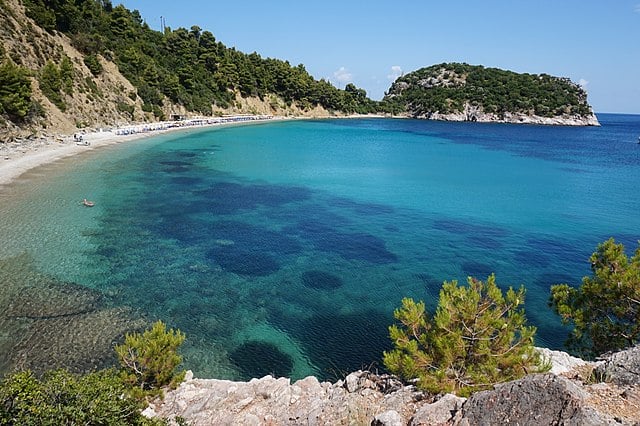
A beach on the stunning island of Skopelos, where the blockbuster movie Mamma Mia was filmed. Credit: Long lasting memories / Wikimedia Commons / CC BY-SA 4.0
Skopelos is full of the traditional architecture of Greece, with whitewashed houses, terracotta-tiled rooves, blue-hued shutters and wooden balconies. Among its loveliest beaches are Kastani, Stafilos, and Panormos, all easily reachable from Skopelos Town.
This stunning Greek retreat was also the setting for one of the most engaging films of the last few years, “Mamma Mia!.” The universally beloved movie, with an iconic soundtrack by the band ABBA, turned it into the fictional island of “Kalokairi” for the original film in 2008.
The Greek Islands Of The Dodecanese
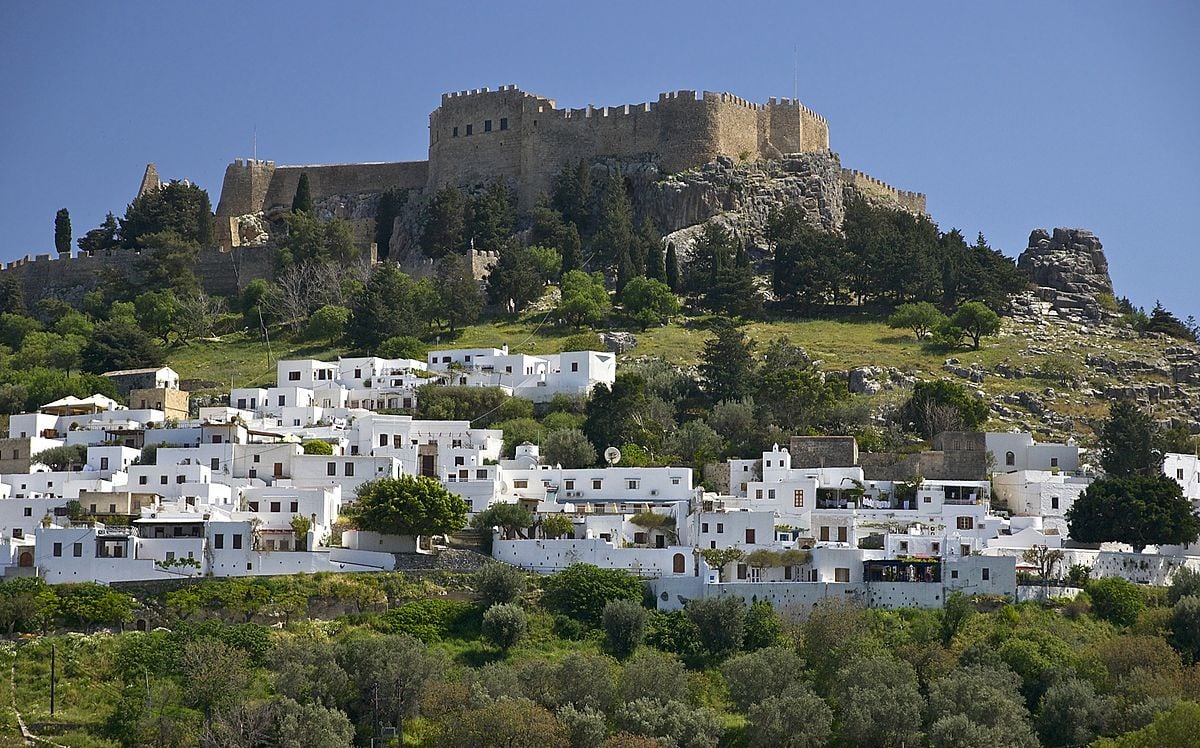
Lindos, Rhodes. Credit: Jebulon / Public Domain
The Dodecanese island group is in the south-east of the Aegean, between the Cyclades and Turkey. It consists of 165 large and small islands, of which 26 have permanent residents.
The Dodecanese serve as a bridge between the East and the West, as the islands are very close to the Turkish coast. They have long, dry summers and lots of sunlight all year round.
The major islands in the group are Agathonisi, Astypalaia, Chalki, Kalymnos, Karpathos, Kasos, Kastellorizo, Kos, Lipsi, Leros, Nisyros, Patmos, Rhodes, Symi and Tilos.
Medieval architecture, romance and history
These islands are famous for medieval architecture, as well as their blend of history and romance, which permeates their small alleys.
Rhodes is the “medieval island” of Greece best known for its fortified port, seven gates, characteristic stag statue, and palace of the Grand Master. The Old Town lies inside ancient walls, but once outside them, you will find a more modern town which has cosmopolitan restaurants, shops, and bars.
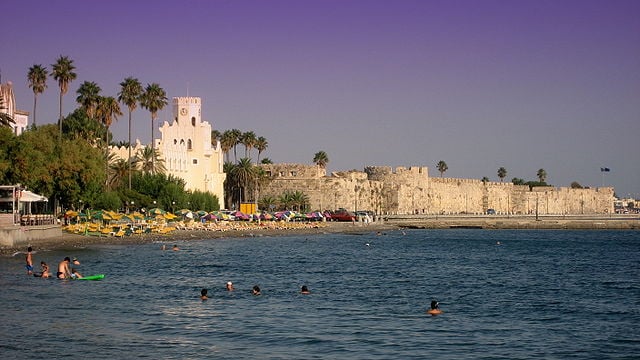
Kos is also famous for its medieval architecture. On this island full of history, you can visit the ancient plane tree under which Hippocrates, the father of western medicine, used to teach. It is one of the oldest trees in Europe at more than 2500 years of age.
The castle of Kos island, Greece. Credit: Chris Vlachos / CC-BY-3.0 / Wikimedia Commons
Patmos is a smaller and less busy island, though of great historical and religious importance. St John the Apostle was exiled here, and it is where he wrote the Revelation of Jesus Christ, the final book of the Bible.
Kalymnos, Prerimos and Karpathos are paradise islands, with beautiful beaches, seaside villages and breathtaking vistas. They each offer unforgettable hiking adventures, and picturesque villages that will take visitors on a journey back in time.
Saronic islands: the most sophisticated of all Greek island groups
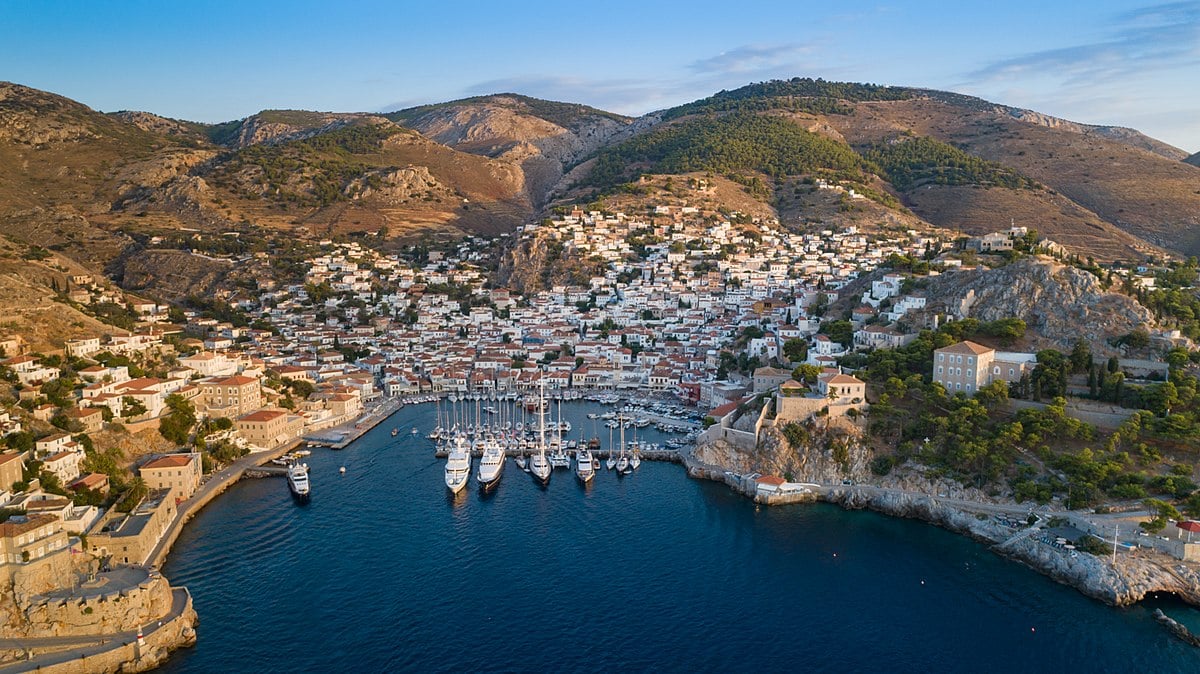
Hydra, where the Modern Greek Merchant Marine began. Credit: dronepicr/ Wikimedia commons CC BY 2.0
This Greek island group is the most accessible from Athens. Many wealthy Athenians as well as Greek and international artists prefer to visit the islands of this group. Hydra, in particular, is a famous sanctuary for poets, writers and filmmakers, including Leonard Cohen and Axel Jensen. This group consists of the islands of Aegina, Salamina, Poros, Hydra, Spetses, Agistri, and Dokos.
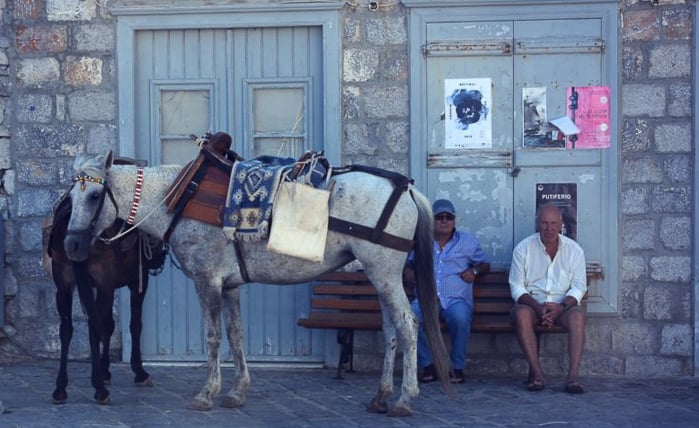
One of the best thing about them is that they’re untouched by mass international tourism. That is perhaps because places like Hydra, for example, is car-free. Everyone who visits gets around by boat, on foot or even by mule, giving you a truly old-fashioned feeling. It provides one with the opportunity to escape the hustle and bustle of modern everyday life.
Mules at Hydra port. Credit: Gabi Ancarola
Quaint alleys and 18th and 19th-century mansions typify the architecture, and the islands offer many beautiful bays and stunning beaches.
Hydra: where poets go to write
Hydra has been the most popular destination of the group since the 1960s. During that time, the island became a hub for international artists. One reason is that it combines elegance with a slow-paced lifestyle in a traditional setting. It was also the muse and longtime home of poet and songwriter Leonard Cohen.
Without a doubt, Hydra’s port is ideal for history lovers. Many of the critical battles of the War of Independence in 1821 occurred there. In fact, scars from some battles are still visible in the architecture.
Hydra’s beaches make it a great destination for summer trips, but its natural beauty and cosmopolitan town, filled with artisans’ shops, museums, and boutiques, make it the perfect spot for a short trip throughout the year.
Similarly, Spetses attracts visitors who seek to immerse themselves in the elegant and traditional setting of the island.
Ionian islands: the tropical islands
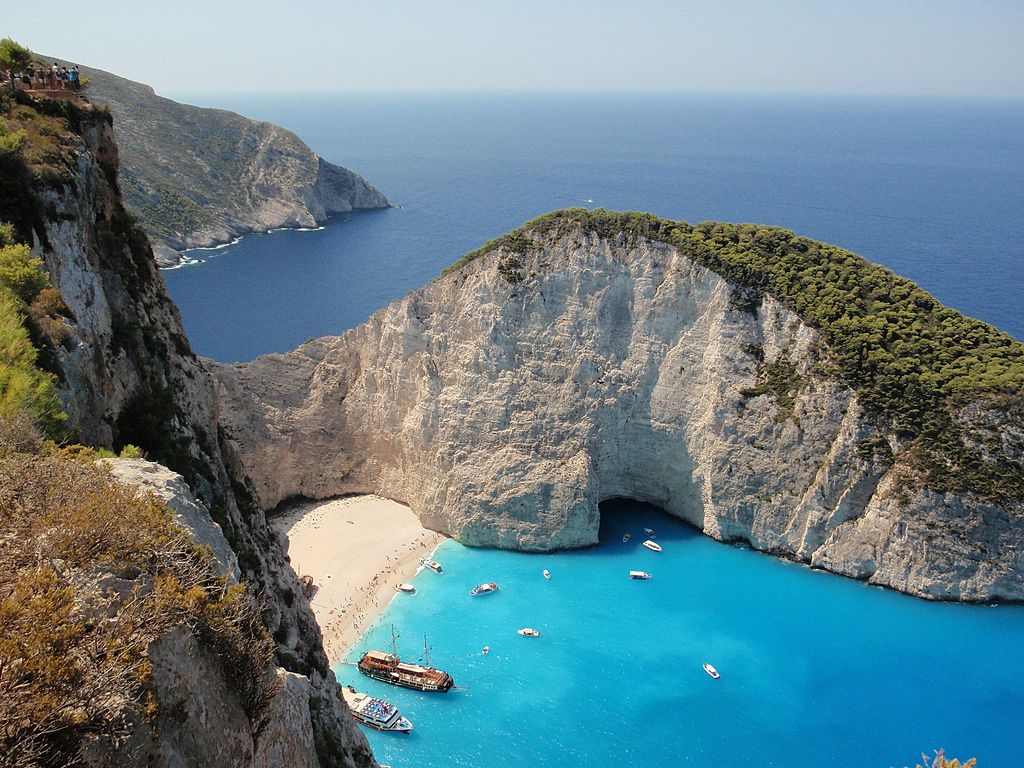
Zakynthos’ famous Navagio beach. Credit: Jimzoun Wikimedia Commons
This group consists of Corfu, Zakynthos (Zante), Kefalonia, Lefkada, Paxos
Kythira, ithaki (Ithaca).
Their natural setting is the main factor that makes the islands of the Ionian completely different from any of the other Greek islands. Here, the rich greenery blends harmoniously with the turquoise of the sea and the blue of the sky, creating beautiful natural scenery reminiscent of a painting.
The most photographed beaches in Greece
The beaches are characterized by limestone rock formations, sand and smooth pebbles. Visitors who have traveled extensively around the world say that the turquoise, cool, crystal-clear waters beat those of the Caribbean. While the beaches are surrounded by pine trees rather than palm trees, one could still say that these are the “tropical islands” of Greece.
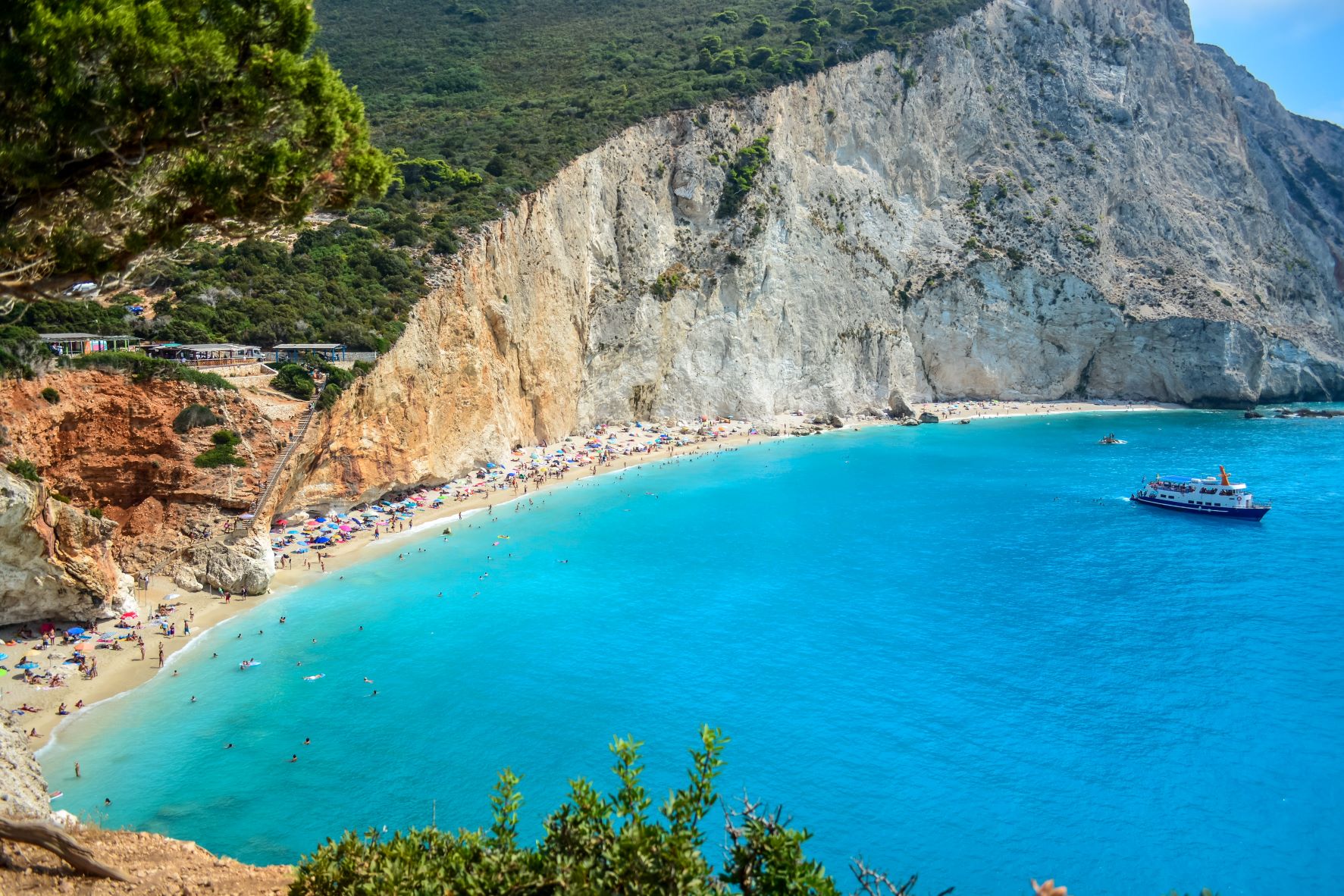
The Ionian Sea’s beaches are numerous and have been photographed countless times. Shipwreck Beach on Zakynthos, the impressive Egremni Beach, the turquoise Porto Katsiki Beach of Lefkas, and Myrtos Beach of Kefalonia, are just some of the sandy stretches of heaven that make a holiday here unforgettable.
Porto Katsiki, Lefkada, Ionian Inslands. Credit: Antone Adi / Pexels
Yet there is more, of course. For example, the unbelievable “white” waters of Antipaxos, the lush greenery of Paxos with the little-known beaches of Ithaca that were the subject of Homer’s Ulysses. In addition, there is Marathonissi in the bay of Laganas on Zakynthos. Those are just a few of the sites that most deserve mentioning.
Strong Venetian influence
Another great characteristic of the Ionian islands is the Venetian presence in the architecture, the mellifluous speech of many locals, the musical influences, and even the food. For centuries, the islands of the Ionian belonged to the Venetians, and the western Mediterranean influence is still strong.
In terms of food, the Corfu pastitsada and sofrito are memorable dishes along with the island’s famous kumquat liqueur. Overall, all Ionian islands have cuisines influenced by their Venetian ancestors.
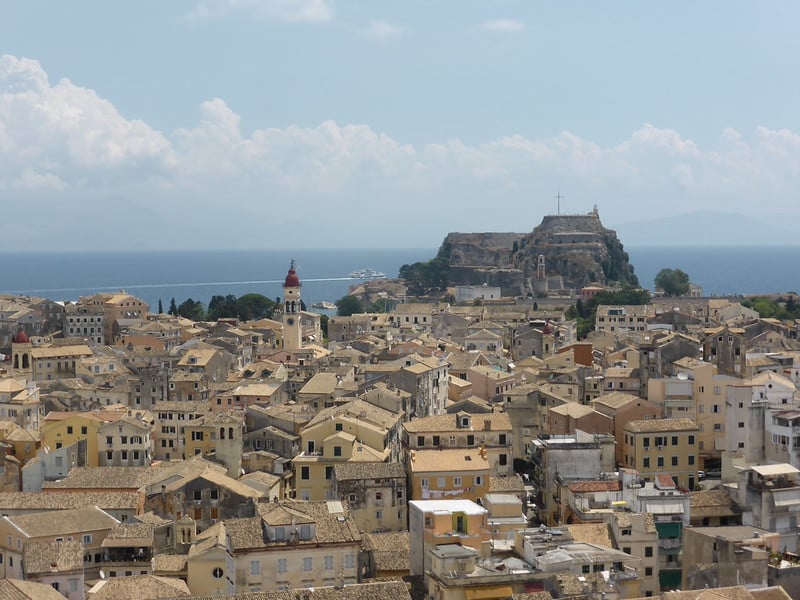
Corfu is one of the most famous islands, and it has a lot of history to its name. The old Corfu Town that is a World Heritage site is one of the most sophisticated towns in the Ionian island group.
Old Town of Corfu credit: metrogogo/Flickr CC BY-NC-SA 2.0
Locals call the island Kerkyra, perhaps because according to mythology, it was the home of Kerkyra, the daughter of Asps, the river God. Kerkyra gave birth to Poseidon’s child, and from then, the Phaeacian race was born. Nevertheless, there is more to Corfu than mythology. Its history and architecture are also worth discovering.
Ithaca is another island that is famous for its mythology. This is reputed to be the birthplace of Odysseus, but it also has impressive beaches.
North Aegean islands: Stunning beaches, strong local flavors
Seychelles beach, Ikaria, Greece. Credit: Leeturtle/Wikimedia Commons/CC BY-SA 4.0
The North Aegean island group includes Thassos, Lesbos, Samos, Lemnos, Chios, Samothrace and Ikaria. They make up some of the largest islands in Greece. Many visitors skip these islands because of their distance, which helps them to retain a strong local character and tradition.
Chios, Ikaria and Samos are the most visited. Chios is popular for its unique cultivation of “Mastica” (Greek: μαστίχα) a gummy resin that seeps out of the Pistacia lentiscus tree. The island is also home to an abundance of traditional villages.
For the adventure seekers, Lemnos is an excellent spot for hiking and biking. Worth seeing is the rugged Terran, a volcanic island which, according to legend, is the Walden belonging to Hephaestus, the God of fire.
Ikaria belongs in the Blue Zone list, a collection of spots around the world where people are said to live longer and healthier lives.
Another island worth visiting is Lesbos, in particular for fans of the popular Greek drink Ouzo, as it is the home of the spirit.
Finally, we can’t leave out Samos, a picturesque location which is ideal for history and culture lovers as it is birthplace of Pythagoras, the famous Ancient Greek philosopher and mathematician. The island is also home to many traditional taverns and provides visitors with traditional local dishes to die for.
Crete: a Greek island group on its own
The spectacular harbor of Heraklion, Crete. Credit: Greek Reporter
Crete is Greece’s biggest island and one of the largest in the Mediterranean.
There are many unique things to enjoy in Crete, from two beautiful pink-sand beaches (out of the less than twelve that exist in the world) to ancient cities, medieval castles and culinary experiences.
Crete is famous for its ancient Minoan palaces of Knossos and Phaistos. Yet various other sites and museums also depict the island’s rich history.
The island also offers to visitors a delicious local cuisine to experience. It revolves around olive oil, special herbs and local cheeses, and grilled seafood and meat.
Heraklion, the capital of the Greek island of Crete, is an ancient city that perhaps is under-appreciated for its many attractions for the international traveler. From first-rate hotels with swimming pools and rooftop bars that look out over the city and the many villages around the ancient city, the Heraklion area has much to offer.
Perhaps best known for its stunning cathedrals, picturesque old towns, and first-class restaurants and boutiques, Crete is in the midst of the sea and at the heart of Greece’s ancient history. This was the place where the Minoan civilization flourished, and it boasts traditions that go back into time immemorial.
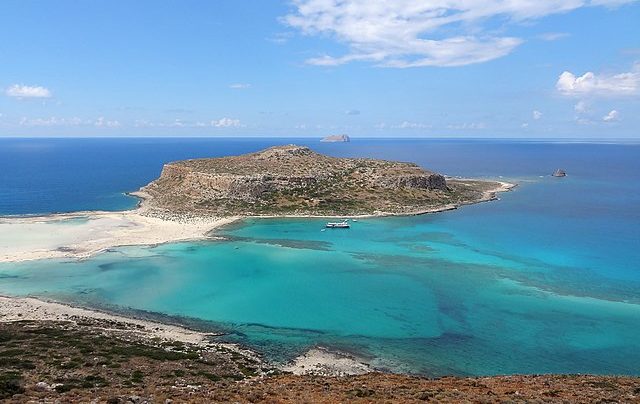
Balos beach, Crete. Credit: Olaf Tausch / CC-BY-3.0 / Wikimedia Commons
Europe’s oldest known civilization, which flourished on Crete between 2,700 BC and 1,450 BC, served as a trading center for gold, ceramics, and the precious spice and dye saffron.
The Koules (Greek: Κούλες) or Castello a Mare, (“Fort on the Sea” in Italian) a fortress located at the entrance of the old port of Heraklion, is another must-see place for anyone who visits this ancient city. It was built by the Republic of Venice in the early 16th century, and is still in good condition today.
Finally, anyone who visits Crete can experience its folklore and traditions, as performances of local dances take place all year round, as well as festivals and cultural events lasting for days.
Greek manufacturing is shrinking dramatically, creating an urgent need for a shift to a complex economy. AI generated image. Credit: Greek Reporter
As Greece continues to lose its manufacturing industry, becoming all the more dependent on the service sector, an urgent restart and shift to a complex economy is crucial for the country’s economic viability.
A complex economy is interconnected with other industries that are not necessarily geographically concentrated or thematically related but which share common infrastructure, resources, and solid interdependencies in production and supply chains. The Internet of Things (IoT), automation, and data-sharing are vital for the development and success of a complex economy.
A recent Bank of Greece report states that tourism in 2025 accounted for 13 percent of the country’s GDP. The government presents this as a sign of success, but, behind the numbers, there is a sad ascertainment: Greece is no longer producing goods, and almost everything other than agricultural products is imported. Substantial revenue from tourism is definitely not a bad thing. However, the average Greek does not benefit from tourism revenue. As the cost of living rises, bragging about “soaring tourism revenues” is not filling the citizen’s supermarket cart.
According to Statista and the World Bank, between 2013 and 2023, 68.6 percent of Greece’s GDP came from the service sector, while 15.2 percent of revenue stemmed from industry and 3.3 percent from agriculture. Kostas Axarloglou, the dean and a professor at Alba Graduate Business School, says the Greek industry needs a restart and transition to a complex economy. In other words, Greece needs to enter “Industry 4.0,” or the Fourth Industrial Revolution, in which interconnectedness, automation, and real-time data are key.
Low labor productivity and wages
According to Axarloglou, only four percent of the Greek population is now employed in sectors related to Greece’s complex economy, which amounts to approximately only 11 percent of the value added to the country’s GDP in general. Additionally, in the Eastern Mediterranean nation, there is fragmentation into a large number of small businesses, exhibiting both low labor productivity and wages.
As per The Atlas of Economic Complexity, the industry sector in the Greek economy presents a relatively low degree of complexity in relation to GDP, an element indicative of low potential for economic growth in the future. Nonetheless, from 2018 onwards, The Atlas of Economic Complexity records positive growth in exports with the main contributors, among others, being the pharmaceutical and IT sectors.
A gradual structural transformation of the economy is also being observed, with the transfer of productive resources and activity towards manufacturing sectors with higher added value and productivity, such as electronics and machinery manufacturing. Finally, significant opportunities to strengthen and complement the country’s existing productive fabric have been recorded.
Axarloglou argues that there are both an overall low degree of complexity as well as structural problems in Greek manufacturing. The existence of companies with high levels of specialized know-how, however, provides a sufficient launching point in supporting the restarting of industry and the general production base of the country, which could lead to sustainable development in the Greek economy.
Importance of a complex economy in Greece
Axarloglou referenced the US industry and its contribution to the economy. While the manufacturing industry in the US constitutes 11 percent of GDP, it contributes 35 percent in productivity increase and 60 percent in exports. Furthermore, the complex economy in the United States is the engine of innovation, with related industry sectors producing 55 percent of patents and contributing 70 percent of total expenditure on research and development.
A recent study (Yong, 2020) analyzes the contribution of complexity in a set of economies with varying characteristics. The importance of dynamic industries in economic growth as well as the development of social capabilities and a significant contribution to the achievement of the UN Sustainable Development Goals (SDGs) in each country’s economy were scrutinized.
Overall, the study found there is a direct impact of economic complexity on the development of specific UN Sustainable Development Goals (SDGs), including on poverty reduction, education, job creation, technological economic upgrading, and overall economic development. Moreover, policy interventions for manufacturing expansion are especially vital as they contribute to the development of skills in the country, triggering technological innovation and creating new markets and institutions.
Consequently, the development of a complex economy in Greece could greatly contribute to GDP and the implementation of UN SDGs. It must be mentioned that, in previous decades, manufacturing significantly lagged behind in general, but this lag has eased in recent years.
The two pillars for a complex economy
The development of a sustainable complex economy should be based on two pillars, Axarloglou argues: firstly, extroversion and internationalization and, secondly, innovation and specialization. The Greek industry would profit from participation in International Production Networks (IPNs). This is more feasible now, as these networks evolve from the impact of circular economy, digital transformation, sustainability, and new technologies such as robotics. The mechanisms and structures that would aid in the development of a complex economy are related to the National Recovery and Resilience Plan “Greece 2.0.”
According to Axarloglou, Greece should also orient its manufacturing production towards the international market and within the framework of the Global Value Chain Networks (GVCN), developing even at regional levels. This would include energy networks in the southeastern Mediterranean and innovation pockets in Thessaloniki and Northern Greece. In addition, market megatrends, namely digital technologies, automation-robotics, sustainability and climate change, and a circular economy, should seriously be considered as worthy endeavors.
The adoption of new technologies and digitalization of operations and processes are likewise vital. Such technologies are directly related to the internet, including the IoT, the cloud, and digital platforms and ecosystems. These lead to a greater degree of integration of production, a reduction in transaction costs and easier participation, and more effective coordination of cooperating companies from various geographical locations.
Data collection and analysis (data analytics) help in better production coordination and management within GVCNs and geographically dispersed networks. Moreover, the use of online commercial platforms (e-commerce) results in easy and direct access for producers to raw materials and semi-finished products. Large markets of potential customers are also much more readily accessible.
Sustainable development, climate change, and the circular economy
All the more, a global trend for sustainable development is affecting the structure, organization, and development of GVCNs. There is a growing need to closely monitor and control companies’ social and climate footprints and their alignment with Environment, Social, and Governance (ESG) priorities. At the same time, the imposition of rules on sustainability issues by governments directly affects the structure and operation of GVCNs since these lead to changes in transportation costs and countries’ advantageous dependence on renewable energy availability.
The necessity for sustainability and more efficient management of resources is leading to countries’ adoption of regulations for the operation of the economy and dynamic industries, and businesses are formulating business models and strategies compatible with the imperatives of the circular economy. Technological development now results in technologically and economically feasible production processes that operate within the framework of the circular economy. There is a focus on significant waste reduction, savings, and recycling / reutilization of raw materials and products.
Companies, therefore, develop business models within ecosystems based on collaboration with other companies in order to sustainably produce and deliver value. The purpose of these models and ecosystems is to effectively manage the life cycle of products and spare parts. Of course, the transition from a traditional-linear / operation-production model to a circular one mandates that companies make significant changes in the way they perceive the creation and distribution of value in the economy.
At the same time, the way in which producers in the complex economy model collect revenue is also changing. While, traditionally, income came from product sales, in the circular economy model, profits stem from product rental and other such services. This of course requires new skill development for value production more closely aligned with industrial product usage services, often the result of strategic partnerships among companies.
The circular business model, therefore, has the potential to revitalize manufacturing sectors and businesses by giving them the opportunity to develop new partnerships with companies and ecosystems within the framework of the GVCN, minimizing the burden on the environment, maintaining economic robustness, and achieving the triptych of objectives: an interconnection between the environment, society, and economy, leading to robustness.
European Union funds
The participation of the Greek complex economy in the GVCNs—and mainly in the regional GVCN—requires horizontal interventions that will establish and even improve the required structures and environment, thereby enabling Greek manufacturing to become competitive. Axarloglou argues that Greece has a great opportunity to improve its complex economy with the National Recovery and Resilience Plan “Greece 2.0.” It is a comprehensive plan of reforms and investments for the restructuring of the country’s production model within the extroversion-competitiveness-innovation axis.
The plan is based on initial funding of $35.6 billion (€31.1 billion) for the 2022-2026 period (approximately $21 billion in the form of subsidies and about $14.5 billion in the form of loans), with the prospect of drawing additional investment resources totaling $67.4 billion (€58.8 billion). The plan consists of four Pillars (and 18 sub-axes), namely green transition; digital transition; employment, skills, and social cohesion; and private investment and transformation of the economy.
Green transition emphasizes the energy transformation of the Greek economy towards renewable energy sources and a more energy-efficient operation of the economy, the more efficient use of natural resources, and the promotion of a circular economy.
The digital transition of the economy includes investment in infrastructure (optical fibers, 5G, etc.), the digital transformation of the state, and the promotion and adoption of digital technologies by businesses so that they can be interconnected in the International Production Networks (IPNs).
Employment, skills, and social cohesion includes actions to improve the functioning of the labor market, the reintegration of the unemployed into the labor market, the creation of jobs, and the reduction of inequalities, poverty, and social and economic exclusion.
Finally, private investment and economic transformation includes investments and actions to modernize public administration, strengthen the financial system, promote and support research and innovation, modernize and improve the resilience of key sectors—such as tourism and manufacturing—of the economy, and ultimately improve competitiveness and promote private investment and exports.
“Industry 4.0”
The acceleration of the “Industry 4.0” transformation program includes digital transformation as well as the development of “smart” production and a new generation of industrial parks in Greece. The promotion and support of investments for the development of new or upgraded production lines would enhance production and cooperation in GVCNs and improve competitiveness with an emphasis on advanced and digitally controlled industrial equipment, production control systems, and the establishment of industrial partnerships.
Furthermore, there should be significant structural changes to reduce bureaucracy related to business operations and simplify procedures for attracting and implementing foreign direct investment in the country. This will be possible with the implementation of horizontal actions to strengthen the Greek economy within the framework of the National Recovery and Resilience Plan “Greece 2.0.” Therefore, the “Greece 2.0” and “Industry 4.0” programs are inextricably linked to each other for the development of a productive complex economy in the country.
The earthquakes rattled large parts of central and southern Greece, including Evia and Athens. Credit: AMNA
A series of strong earthquakes, culminating in a 5.2-magnitude tremor, rattled the Greek island of Evia (Euboea) and the greater Athens metropolitan area on Sunday afternoon. The seismic activity triggered extensive landslides across the northern part of the island of Evia, though local authorities report no injuries or significant structural damage to houses.
The initial shock, measuring 4.8 on the Richter scale, occurred at 12:58 p.m. local time on Sunday, June 7.
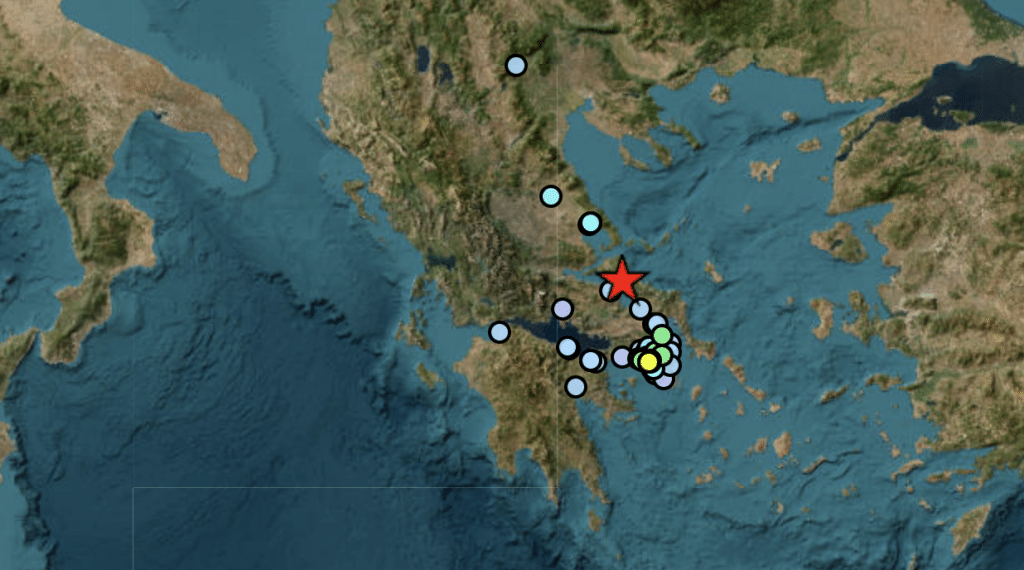
According to the automated system of the Geodynamic Institute of the National Observatory of Athens, the epicenter was located six kilometers (4 miles) southwest of the village of Prokopi in northern Evia, with a shallow focal depth of just 14.1 kilometers.
More earthquakes followed, rattling central and southern Greece
Minutes later, a stronger 5.2-magnitude earthquake struck the same localized fault line. This second, more powerful tremor originated just two kilometers east-southeast of Prokopi at a much shallower focal depth of only five kilometers. A third notable tremor followed shortly after in the exact same region, compounding the anxiety of local residents.
All three shocks were felt prominently across the Attica region, rattling windows and disrupting the Sunday afternoon routines of millions of residents and tourists in the Greek capital.
Despite the intensity of the tremors and their shallow depth, the immediate fallout appears limited. Giannis Tsapourniotis, the mayor of Mantoudi on Evia, provided an update on the situation on the ground during a statement to the state broadcaster ERT.
The epicenter of the tremors on the island of Evia (red star). Credit: EMSC (European Mediterranean Seismic Centre)
“We have extensive landslides, but no injuries have been recorded,” Tsapourniotis confirmed. He specified that heavy rockfalls and landslides have primarily obstructed rural roadways in the areas of Plakia and Dafnousa. Emergency crews of the local council and local civil protection units are currently working to clear the affected traffic routes and assess any isolated impacts on village infrastructure. To date, homes and commercial businesses remain intact.
Greek seismologists tried to calm public fears regarding the consecutive tremors. Kostas Papazachos, a prominent professor of seismology at the Aristotle University of Thessaloniki, described the events as a series of consecutive earthquakes that align with the area’s known geological profile. Northern Evia sits directly atop a complex network of active fault lines, making such localized clusters a known phenomenon.
“These seismic tremors are not a cause for concern,” Papazachos stated, offering a reassuring outlook despite acknowledging it is still early in the post-earthquake evaluation process.
The region surrounding Prokopi is highly trafficked, especially on weekends, as it is home to the widely venerated pilgrimage site of Saint John the Russian, drawing thousands of visitors from across Greece and the global diaspora. The lack of infrastructure collapse in such a populated sector of the island has brought significant relief to state authorities.
Greece ranks among the most seismically active countries globally, located at the geological boundary where the African tectonic plate pushes beneath the Eurasian plate.
While minor tremors are a daily occurrence across the nation, shallow earthquakes above a 5.0 magnitude near heavily populated zones like Attica consistently prompt rapid responses. Local authorities in Evia remain on standby for potential aftershocks over the coming days, actively advising residents and tourists to avoid driving through steep mountainous routes prone to further rockfalls.
The statement issued by Greece’s Civil Protection
“According to official reports from the Geodynamic Institute, consecutive seismic tremors measuring 4.8, 4.3, and 5.2 on the Richter scale were recorded in northern Evia. Concurrently, the General Secretariat for Natural Disaster Recovery and State Aid has been placed on high alert and is in continuous communication with local authorities to assess the situation.
Based on initial inspections currently underway in the area, reported damages include a collapsed wall in one home, minor cracks in a few residences, and small-scale landslides affecting sections of the road network. So far, no injuries or severe damages have been reported.
Minister of Climate Crisis and Civil Protection Evangelos Tournas Tournas, accompanied by the General Secretary for Natural Disaster Recovery and State Aid, Petros Kampouris, is heading to Prokopi and Dafnousa for an on-site briefing. The Ministry of Climate Crisis and Civil Protection continues to monitor the situation closely and will immediately take any further action if necessary.”
Greek schools will now sell or serve much healthier options to their students. Credit: Wikimedia Commons / Nikolaos Kotopoulis / CC BY SA 4
The Greek Ministry of Health has announced a sweeping overhaul of food guidelines for school canteens across the country. In a targeted effort to combat high rates of childhood obesity, the new regulations impose strict dietary standards, including a total ban on processed meats and soft drinks.
Set to take full effect during the 2026-2027 school and academic year, the updated framework replaces guidelines that have been in place since 2013. The policy applies to all primary, secondary, and high schools in Greece, covering canteens, dining areas, and vending machines.
Alternate Minister of Health Eirini Agapidaki introduced the initiative as a core component of the National Program for the Prevention and Treatment of Childhood Obesity. The health ministry drafted the new rules based on contemporary recommendations from Greece’s National Nutrition Committee.
Under the revised regulations, school menus will undergo structural changes. Authorities have completely prohibited the sale of cold cuts and sodas. The ministry has also mandated a reduction in portion sizes for specific food items to prevent overeating.
Greece overhauls school meals entirely
The approved product list now prioritizes fresh foods and traditional Greek cuisine staples. Students will have access to fresh fruits, vegetables, fruit salads, and unsweetened dried fruits. Dairy options include plain milk, yogurt, kefir, ariani, and rice pudding, all strictly without added sugars.
Baked snacks remain available under healthier parameters. School vendors can sell the traditional Koulouri of Thessaloniki, whole-grain rusks, cereal bars, pasteli, and halva. Nuts are permitted exclusively for middle and high school students.
Sandwiches will no longer contain processed meats. They must be made with whole-wheat bread and filled with Greek cheeses, boiled chicken or turkey, egg, or tuna. Spreads are restricted to olive oil or soft margarine. Similarly, savory pies and pizzas can only contain vegetables or cheese, prepared using an olive-oil-based dough.
Beverage options will now also be tightly regulated. Canteens will stock water and natural juices. Older students can purchase plant-based milk alternatives and tea. Coffee sales are strictly restricted to teaching staff.
“The fight against childhood obesity is not a theoretical battle, but a daily act of responsibility that starts where our children spend most of their day: at school,” Agapidaki stated following the announcement.
She emphasized that the updated framework relies on rigorous scientific data. “With the new health regulation, we are radically changing the rules of the game. We are permanently removing cold cuts and soft drinks from school canteens and reducing portions, creating an environment that actively protects students,” she said.
Agapidaki urged school administrators and suppliers to begin preparations immediately to ensure full compliance. “We make no discounts on the health of the new generation,” she added, noting that the ultimate goal is to equip Greek youth with lifelong healthy eating habits.
Traditional fishing in the lagoons stretches back to Byzantine times and Venetian rule. Credit: Greek Ministry of Culture
The Messolonghi-Aitolikos Lagoons National Park in Western Greece is a testament to the enduring legacy of traditional fishing, a practice deeply intertwined with the ingenuity of local communities and the sustainable management of natural resources.
This ancestral knowledge, vital to the region’s cultural identity, is now being meticulously recorded and preserved for future generations. For centuries, fishing here has been more than just a profession; it’s an art form with roots stretching back to medieval-Byzantine times and Venetian rule. Through collaborative efforts with local communities, this crucial element of the region’s heritage is being safeguarded.
Traditional boats in the lagoons. Credit: Greek Ministry of Culture
Part of the history and life of our country
“The traditional fishing of the Messolonghi Lagoon is part of the history and life of our country. It is connected to the collective cultural consciousness of the inhabitants of the region and travels through the depths of time,” said Spilios Livanos, the former Minister of Rural Development and Food.
The lagoon itself is a vibrant ecosystem, a living organism teeming with rich flora and fauna. This biodiversity, which boasts 290 bird species and over 100 plant species, underpins the traditional fishing practices and exemplifies the harmonious coexistence of humans and nature. The rich natural environment is a cornerstone of professional activity, sustainable development, and the preservation of the traditional way of fishing.
House built in the sea. Credit: Greek Ministry of Culture
Central to the unique fishing culture of the Messolonghi-Aitolikos lagoons are the distinctive methods and tools employed. The divaria, permanent fishing traps that double as natural fish farms, are a prime example. Across the lagoon complex, there are fourteen such facilities, eight of which are traditional and strategically located where the lagoon meets the sea.
Remarkably, the placement of these traditional divaria has remained unchanged since 1826, a testament to their enduring effectiveness and the deep-rooted knowledge of the local fishermen. These wetlands are highly productive habitats, attracting a vast array of aquatic organisms that are commercially exploited by the more than seven hundred active fishermen in the lagoon today.
Fishermen’s homes in the lagoons. Credit: Greek Ministry of Culture
Beyond the stationary divaria, other key elements of this traditional know-how include the Pelades, the iconic reed houses built on stilts above the water, which serve as both homes and operational bases for fishermen. The gaites, unique flat-bottomed wooden boats, are essential for navigating the shallow waters of the lagoon and are built using specific types of wood, reflecting a deep understanding of local resources.
Flathead grey mullet (Mugil cephalus) is the most famous fish species caught in these waters. This species is particularly important, as its roe is used to produce the famous Avgotaracho of Messolonghi, a protected designation of origin (PDO) delicacy.
Preserving traditional fishing in Greece’s lagoons
Despite the demanding conditions, generations of fishermen continue this tradition, making it an integral part of their historical and cultural heritage. This resilience was even a crucial factor in the survival of the people of Messolonghi during the city’s historic siege.
The rich tapestry of traditional fishing knowledge encompasses a wide range of skills: from constructing buildings and utilitarian objects to identifying suitable wood for boat building and crafting fishing tools like longlines, harpoons, and stafnokari (a type of net). These permanent installations (divaria) and mobile means (boats, gaites), along with the tools, collectively form a cultural heritage that continues to sustain the inhabitants of the region.
In 2022, the traditional fishing practices of the Messolonghi-Aitolikos Lagoons were included in the National Register of Intangible Cultural Heritage of Greece.
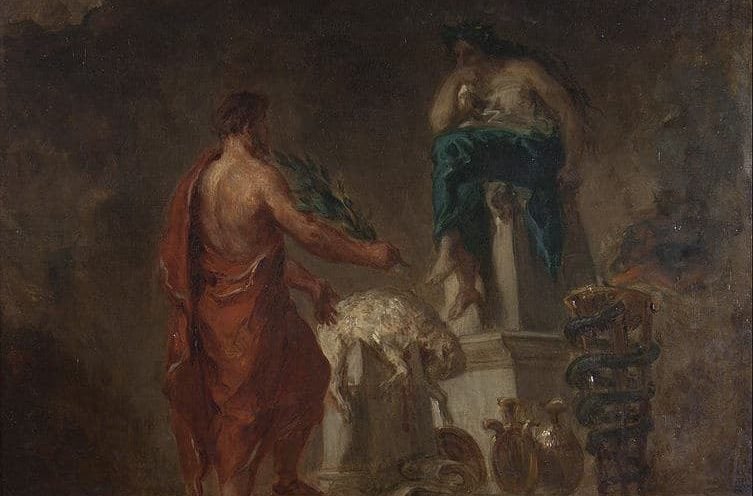
Lycurgus Consulting the priestess Pythia at the Oracle of Delphi. Credit: Wikipedia/Public domain.
In a time and place that offered few career opportunities for women, the job of the priestess of Apollo at the Oracle of Delphi stands out. Her position was at the centre of one of the most powerful religious institutions of ancient Greece. The competing Greek city states had few overarching authorities (political or otherwise), so the significance of her voice should not be underestimated.
Indeed, there is some evidence to suggest that the priestess Pythia was at the core of what we today call a “knowledge economy.” Her role may well have involved the gathering, re-packaging, and distribution of information, with the ultimate intent of providing sound advice on the trivial and not-so-trivial questions of life in ancient Greece.
The “Pythia” is the official job title. We know of several women by name who, during the long history of this institution (from ca. 800 BC to AD 390/91), held that role, including Phemonoe and Aristonike. Indeed, at some stage, Delphi became so busy that three Pythias were appointed to serve in the role simultaneously.
The oracle was consulted by the movers and shakers of ancient Greece on a diverse range of problems. For the priestess Pythia, this meant the opportunity to comment on a variety of issues of public and individual concern: cult matters, warfare, the relationships between existing city-states, and the foundation of new ones.
Numerous personal questions were also put to the oracle on matters of lovesickness, career advice, childbirth, and how to get offspring. So, by all standards, this job was demanding yet also diverse and rewarding—a position powerful enough to change the course of history.
Yet, right from the beginning, efforts to deprive the priestess of her power prevailed, particularly in older classical scholarship. Surely a woman, especially one in such a paternalistic society as ancient Greece, could not hold that powerful a position?
Some scholars suggested that the Pythia actually babbled unintelligible gibberish and that her words were later put into beautiful, deep, and meaningful hexameter verse—by male priests.
Yet, in our ancient sources, there is absolutely nothing to suggest that it was anyone other than the Pythia herself who came up with the responses. On the contrary, she is regularly named as the one and only source of the prophecies delivered at the Oracle of Delphi. There is no word of male priests beyond those in purely administrative and assisting roles.
Insult by oracle
The position of the Pythia seemed to have entailed the extraordinary opportunity to speak unwelcome truth to those in power.
A Spartan once approached the oracle with the intention of being confirmed as the wisest man in the world. In response to this question, the Pythia named another person who was wiser.
In about 700 BC, the Greek city of Megara allegedly asked the Pythia which the best of all Greek cities were, hoping to be named first. The Pythia mentioned two better cities, concluding with the line, “[Y]ou, o Megarians, [are] neither third nor fourth.” Surely, the Megarians did not see that coming!
Cleisthenes, meanwhile, the famous tyrant of Sicyon, asked whether he should remove the cult of the hero Adrastus from the city. He received an oracle that came straight to the point: “Adrastus is king of Sicyon, and you but a common slayer.”
This kind of reality check and straight talk would certainly have upset those with egos accustomed to flattery and agreement.
Of course, it is not always possible to tell whether these and other responses of the oracle were authentic or whether the whole incident was part of later historiographic lore. Yet, whatever the case: the fact is that it was a woman who was attributed such a sharp, judgmental voice.
And her voice proved extraordinarily unimpeachable. The Greeks thought that it was the god Apollo who conveyed his superior divine knowledge through the mouth of the Pythia, so the priestess herself was largely beyond reproach. While itinerant seers, augurs, and oracle mongers feature in classical literature as corrupt and unreliable, the position of the Pythia seems to have withstood all criticism.
The job and its challenges
Being a Pythia was not always easy. Several ancient enquirers sought to influence the kind of answer they hoped to get from the oracle. Subtle manipulation in how the questions were put, not-so-subtle bribery, and even an attempt to force the oracle to deliver responses on a non-auspicious day are all on record, as are complaints about unfathomable responses.
For instance the Greek historian, philosopher, soldier, and horse whisperer, Xenophon, allegedly enquired at Delphi to which deity he should sacrifice and pray so that the military expedition he was about to join would be a success. He was later reprimanded by the philosopher Socrates for having posed a manipulative question. Socrates felt he should have asked whether it would be a success, rather than how.
Cleisthenes was said to have bribed the Pythia to deliver the same response to all Spartan requests at the oracle, no matter the question: to free Athens from the rule of tyrants.
And after a series of spectacular mishaps based on misread oracles, the Lydian king Croesus complained at the Delphic Oracle about having been misled. The Pythia responded that he himself was to blame for his misfortune, as he should have interpreted the Pythia’s words correctly.
We also know of several instances in which the Pythia outright refused to respond to a question that, in one way or another, seemed unreasonable.
Job requirements
What did it take to become the Pythia? Was she a local girl from a neighboring village? Was any kind of training provided to candidates? Or were they thrown in the deep end?
Unfortunately, the ancient sources are silent. The Nobel prize-winning author William Golding in his (posthumously published) last novel, The Double Tongue, written from the perspective of a Pythia, sees her as a local girl who was unable to get herself married and so took on that role.
Yet again, this sounds like speculation designed to downplay the position.
The kind of skills required to be successful in the role are easier to reconstruct. The sanctuary of Apollo at Delphi served as a marketplace for representatives from all over ancient Greece (and beyond) who came for a variety of reasons.
In addition to the oracle, the sanctuary housed regular athletic competitions (the so-called Pythian Games, analogous to the more famous Olympic Games). With its numerous temples and monuments, the site was also a popular tourist destination. All these activities together served to establish a busy hub, where information, news, and gossip of all kinds would have circulated freely.
Perhaps the key to the Pythia’s success was simply to listen closely? There is good evidence to suggest that the fantastic tales of prediction and fulfilment are a matter of the (later) historiographic tradition and that it was mostly quite straightforward questions of everyday life that were put to the Pythia for comment, along the lines suggested by the ancient author Plutarch, who was also a priest at Delphi: Will I win? Shall I marry? Is it a good idea to sail the sea? Shall I take up farming? Shall I go abroad?
If this was indeed the case, it would, more often than not, have been possible to glean the information necessary to answer any particular enquiry from the chatter of those queuing to consult the oracle, to watch or participate in the games, or to take in the monuments. The Pythia may have trailblazed the knowledge economy millennia before the arrival of “big data” and the invention of the internet.
By Julia Kindt
Julia Kindt is a Professor, Department of Classics and Ancient History, University of Sydney. The article was published at The Conversation and is republished under a Creative Commons License.

 Login
Login