Reading view

Greece’s Finance Bill Raises Orthodox Bishops’ Salaries by Up to 95%

Ieronymos
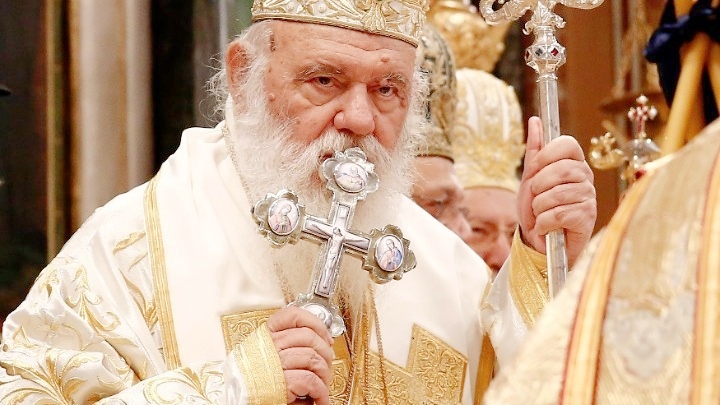
Archbishop of Athens and all of Greece, Ieronymos. Photo Credit: AMNA

A new bill introduced by the Greek Ministry of Finance recently in the nation’s Parliament includes sweeping salary increases for the highest-ranking officials of the Orthodox Christian Church of Greece. Under the proposed legislation, the Archbishop and Metropolitan Bishops will see their monthly gross pay rise by as much as 95%, standardizing their new salaries at €4,671.90.

Greece to restructure how Bishops are paid

The adjustments, outlined in Article 56 of the extensive finance bill, fundamentally change how the state compensates senior clerics. Rather than utilizing the previous tiered allowance system, the new legislation equals the base pay of Metropolitan Bishops with that of the Archbishop of Athens and All Greece.

Both positions are now pegged directly to the compensation of top government executives. Specifically, the hierarchs will receive 90% of the maximum gross salary allotted to a Ministry General Secretary. The public sector basic salary limit for General Secretaries adjusts to €5,191 effective April 1, 2026. The legislation calculates the new clergy pay explicitly as 90% of this figure. The bill firmly states that no other supplementary benefits or allowances will be paid beyond this established rate.

Prior to this legislative update, senior clergy salaries fluctuated based on specific representation expenses and educational qualifications, such as holding a master’s or doctoral degree. The contrast with the new pay scale is significant:

The Archbishop: Previously earned a monthly gross income ranging from €2,840 to €2,915. The adjustment delivers an approximate 60% baseline increase.

Metropolitan Bishops: Previously collected between €2,400 and €2,475 monthly. Under the new equalization framework, their gross pay jumps by up to 95% to match the Archbishop.

Assistant and Titular Bishops: The bill standardizes compensation for lower-ranking hierarchs, setting their total monthly salaries at exactly 70% of the top-tier rate.

Wider public sector wage adjustments

While initially framed around measures combating the energy crisis and supporting vulnerable groups and pensioners, the bill extends far beyond ecclesiastical pay. The legislative package contains comprehensive wage restructuring for various sectors of the Greek state apparatus.

Articles 49 through 55 dictate specific salary and promotional adjustments for the judiciary and civil service. Judicial officers facing delayed promotions due to a lack of open vacancies will receive calculated percentage adjustments to their base pay, depending strictly on their accumulated years of service.

The bill also implements hard compensation caps for other public servants. Members of constitutionally protected independent authorities who hold supplementary government positions cannot exceed 80% of a judicial officer’s total pay. Finally, the legislation actively standardizes the pay scales for administrative staff serving both the Presidency of the Government and the Presidency of the Republic, ensuring direct alignment with the updated 2026 public sector guidelines.

  •  

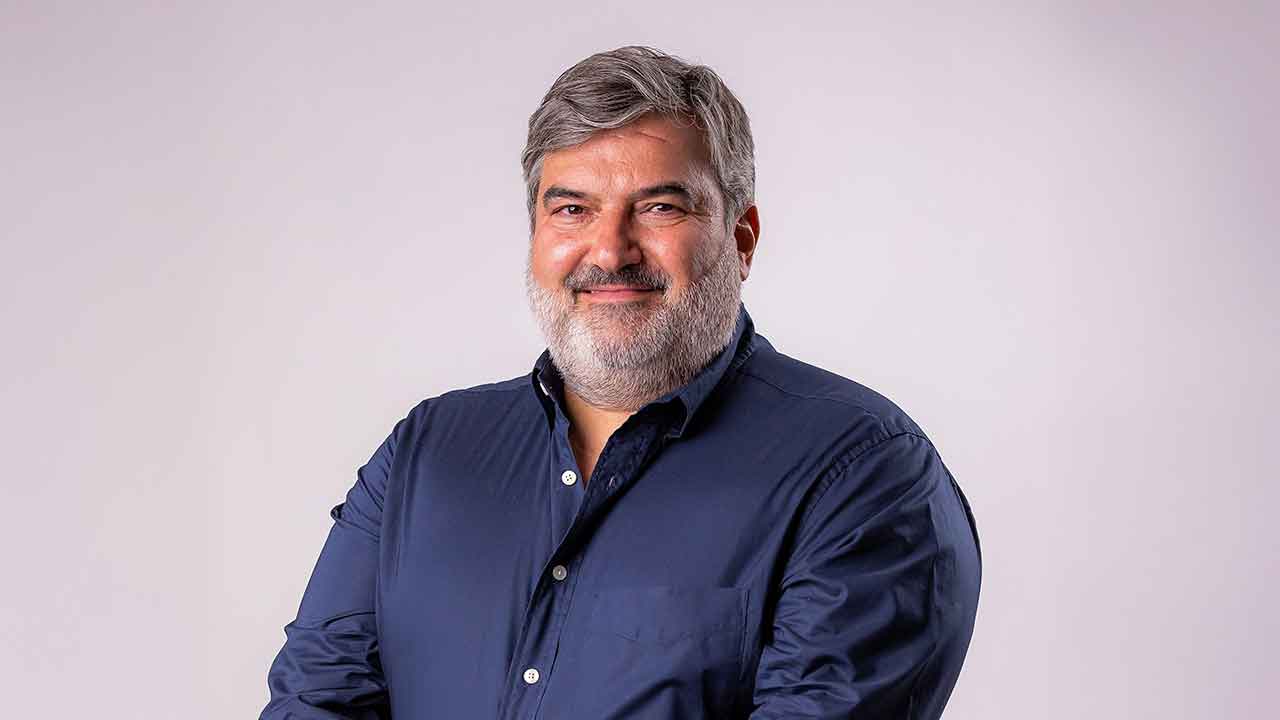
Hugo Pereira, presidente da Câmara de Lagos, é o único candidato à liderança do PS/Algarve

Hugo Pereira, presidente da Câmara Municipal de Lagos, é o único candidato à liderança da Federação do PS/Algarve, anunciou o partido.

A candidatura do autarca de Lagos foi formalizada ontem, último dia do prazo, junto da Comissão Organizadora do Congresso.

Luís Graça, curiosamente também de Lagos, deputado eleito pelo Algarve, que era, até agora, o presidente do PS/Algarve, já não se pode voltar a candidatar, por limite estatutário de mandatos (cumpriu quatro mandatos, ao longo de oito anos).

Em declarações ao Sul Informação, Luís Graça garantiu que Hugo Pereira conta com o seu «total apoio e empenho».

Sob o mote «Sim, pelo Algarve e pelos algarvios, vamos conseguir!», Hugo Pereira defende um Partido Socialista «mais próximo das pessoas, focado na habitação, nos rendimentos das famílias e na concretização dos investimentos estruturantes de que a região necessita».

Em comunicado, o PS salienta que o candidato assume «o compromisso de reforçar a capacidade do partido para liderar a defesa dos interesses da região e reconstruir uma proposta política mobilizadora para os algarvios».

O projeto agora apresentado sublinha que «o PS continua a ser a principal força política autárquica do Algarve, liderando a maioria dos municípios e freguesias da região, o que representa uma responsabilidade acrescida na defesa dos interesses dos algarvios e na promoção do desenvolvimento regional».

No entanto, Hugo Pereira reconhece que «os resultados das últimas eleições legislativas refletem um afastamento de parte do eleitorado, associado à perceção de insuficientes respostas aos problemas específicos da região».

Por isso, considera «essencial iniciar um novo ciclo de proximidade, escuta e construção de soluções concretas para os desafios do Algarve».

Entre as prioridades assumidas pelo candidato destacam-se a concretização dos investimentos estruturantes sucessivamente adiados, a resposta à crise da habitação, o reforço dos rendimentos das famílias e a mitigação dos efeitos do elevado custo de vida, que tem um impacto particularmente significativo na região.

«Apresento esta candidatura com sentido de responsabilidade, convicto de que o PS Algarve deve assumir plenamente o papel de liderança regional que os algarvios lhe confiaram. É tempo de ouvir mais, preparar melhor e construir um projeto ambicioso que coloque o Algarve no centro das decisões nacionais», afirma.

Segundo o comunicado do PS, a candidatura de Hugo Pereira à liderança dos socialistas algarvios «tem como objetivo fortalecer o Partido Socialista no Algarve e contribuir para uma região mais justa, desenvolvida, coesa e com mais oportunidades para todos».

Gostou do que leu? Ajude-nos a continuar!
 
O nosso compromisso é levar até si notícias rigorosas, relevantes e próximas da sua comunidade. Para continuarmos a fazer o que fazemos, precisamos do seu apoio. Qualquer donativo, por mais pequeno que seja, faz a diferença e ajuda a garantir a continuidade deste projeto. Juntos, mantemos a informação viva no Algarve e no Alentejo.
Obrigado por fazer parte desta missão!
Contribua aqui!

O conteúdo Hugo Pereira, presidente da Câmara de Lagos, é o único candidato à liderança do PS/Algarve aparece primeiro em Sul Informação.

  •  

In Peru and Brazil, extractivism threatens Indigenous people in isolation: Report

Indigenous Peoples in Voluntary Isolation and Initial Contact (PIACI) in the Yavarí-Tapiche Territorial Corridor, one of the largest contiguous, intact forests in the Amazon and home to the world’s highest concentrations of PIACI, are under threat by extractive and large-scale industrial activities, which pose an existential threat to its inhabitants and the ecosystems they depend on. This is according to a new report co-authored by Earth Insight, the Regional Organization of Indigenous Peoples of the East (ORPIO), the Coordination of the Indigenous Organizations of the Brazilian Amazon (COIAB) and the Interethnic Association for the Development of the Peruvian Rainforest (AIDESEP). The report finds that oil and gas blocks overlap with 10% of the 16-million-hectare (39.5-million-acre) corridor, including almost 1.7 million hectares (4.2 million acres) of intact tropical moist forest, 907,000 hectares (2.2 million acres) of Key Biodiversity Areas and 713,000 hectares (1.8 million acres) of protected areas. “Pressure from hydrocarbons is increasing on the Peruvian side of the Yavarí Tapiche corridor,” Edith Espejo, senior program manager at Earth Insight and author of the report, told Mongabay over WhatsApp messages. “Our report serves as a warning for the irreversible harm that could take place if these oil blocks move into this corridor. Mining concessions within and on the peripheries of the corridor also pose a threat of encroachment and contamination of waterways.” A critical corridor for ecosystems and Indigenous communities The Yavarí-Tapiche Corridor covers Brazil’s western border states of Amazonas and Acre and Peru’s Loreto and Ucayali departments in the Amazon…This article was originally published on Mongabay

  •  
❌