
Reading view

Greece’s Property Market Turns to Older Homes Amid New Housing Shortage
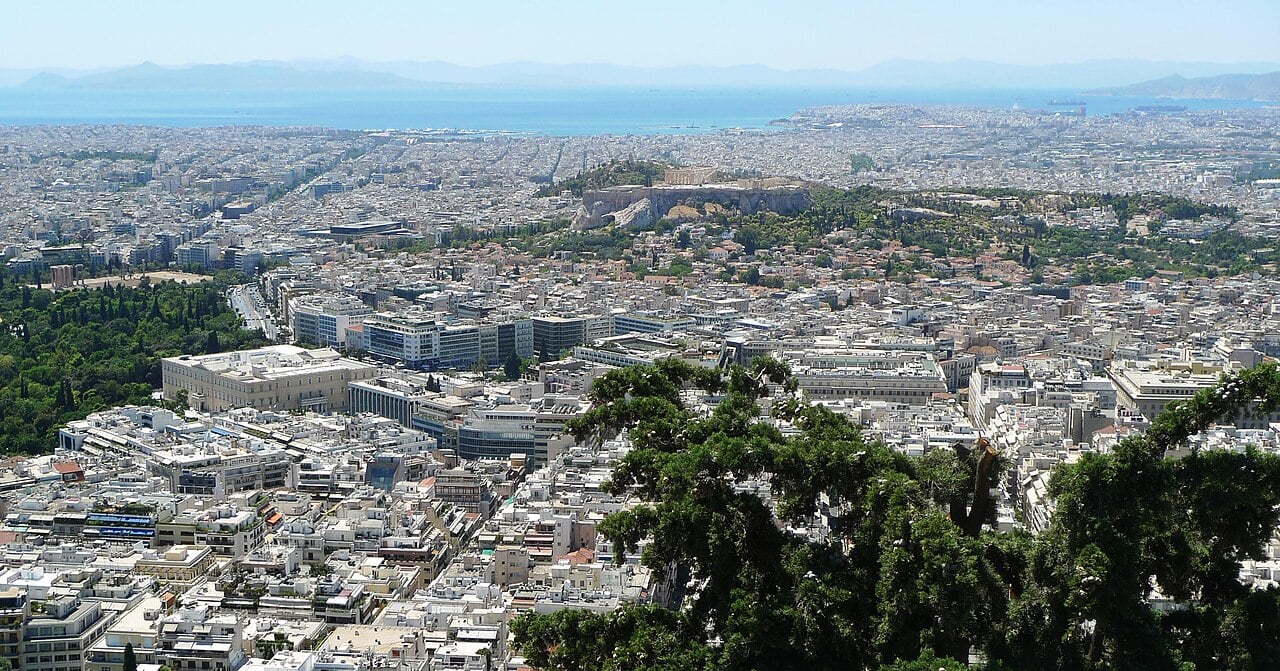
Panoramic view of Athens from above, with the Acropolis visible in the center and dense urban housing stretching toward the sea.
A general view of Athens, where older residential properties continue to dominate Greece’s housing market. Credit: Wikimedia Commons / Dimboukas / CC BY-SA 3.0.

More than seven in ten property purchases in Greece in 2025 involved residential homes, with three-quarters of those sales concerning buildings over twenty years old, underscoring the country’s persistent shortage of new housing. The figures point to a structural imbalance in the Greek real estate market in which limited construction in recent years has failed to keep pace with demand.

As a result, buyers continue to turn to older properties, particularly in the country’s largest urban centers. Residential properties accounted for 74.8 percent of all property sales in 2025. Plots of land followed at 14.3 percent, agricultural land at 5.8 percent, and commercial properties at 5.1 percent.

The data comes from REMAX Greece, a real estate network, and is based on thousands of completed transactions recorded through its ninety offices and more than 1,200 agents nationwide.

Three-quarters of homes sold were over 20 years old

Homes more than twenty years old represented 75.6 percent of residential property sales across Greece. Newly-built homes, defined as properties up to five years old, accounted for just 12.3 percent of sales.

Properties aged six to ten years represented only 0.3 percent of transactions, while homes aged 11 to 15 years accounted for 2 percent. Properties aged 16 to 20 years made up 9.8 percent of residential sales.

The dominance of older housing reflects the limited availability of newer homes in the Greek market. Where newly built properties are available, however, they remain highly attractive to buyers because they offer modern energy efficiency standards and better meet contemporary living needs.

Athens reflects national trend

In Attica (Greater Athens), residential properties accounted for 85.3 percent of sales. Commercial properties and land plots each represented 7.2 percent.

Older housing stock was even more dominant in the capital region. Homes more than twenty years old made up 86.2 percent of residential sales in Attica, while newly built properties up to five years old represented only 3.3 percent.

Land purchases also gained ground in Attica. Plots and agricultural land combined rose by 1.8 percent year-on-year, indicating growing buyer interest in development opportunities amid the shortage of available modern housing.

Older homes drive Greece’s property market in Thessaloniki

A similar picture emerged in Thessaloniki, where residential properties represented 87.4 percent of total sales. Commercial properties followed at 8.7 percent. As in Athens, older homes dominated the market. Properties more than twenty years old accounted for 87 percent of residential sales in Thessaloniki, while newly-built homes represented just two percent.

The figures underline the depth of Greece’s housing supply challenge. Demand for residential property remains strong, but the limited availability of newly built homes continues to push buyers toward older stock across the country’s largest real estate markets.
  •  

Ancient Wall in Greece Collapses Into Family’s Yard, Trapping Them Between Safety and Heritage Rules

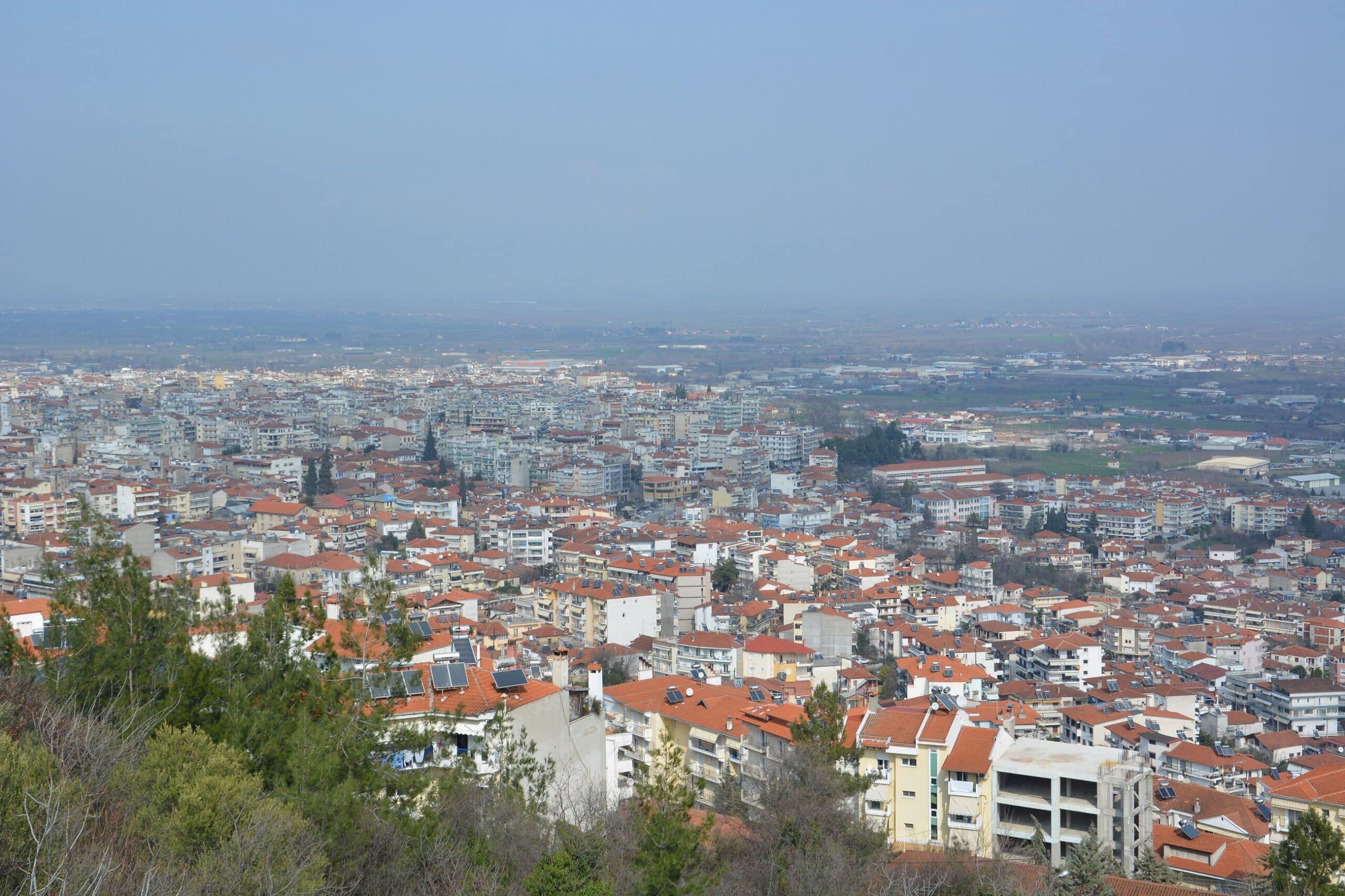
Panoramic view of Veria, Greece
Panoramic view of Veria, Greece, where part of an ancient wall recently collapsed into a private yard near the Archaeological Museum. Credit: Zisis Tsampalis / Wikimedia Commons / CC BY-SA 3.0

A section of an ancient wall in Veria, northern Greece, collapsed into the backyard of a private home, raising safety concerns for residents and triggering a dispute between local authorities over who must remove the fallen stones.

The incident occurred near the Archaeological Museum of Veria, in Central Macedonia, where parts of the city’s historic fortifications still stand close to residential properties. Large stones from the wall fell into the yard, where children reportedly play, leaving the family worried about further collapses, especially during heavy rainfall.

Residents say the problem has not only created a physical hazard but has also exposed a familiar challenge in Greece: the difficulty of managing ancient heritage when it intersects with everyday life.

Homeowner caught between heritage rules and safety risks

The homeowner told local broadcaster MEGA that he has become caught in a bureaucratic dispute between the Ephorate of Antiquities and the Municipality of Veria.

The homeowner said the Ephorate of Antiquities treats the wall as a monument under its authority, while the municipality argues the fallen stones are now debris on private property.

However, he says officials told him they do not have enough workers to remove the fallen stones. Meanwhile, the municipality reportedly argues that once the stones landed inside private property, they became rubble and therefore the homeowner’s responsibility.

The homeowner says this leaves him in an impossible position. On the one hand, authorities allegedly told him to arrange the cleanup himself. On the other hand, he says he received instructions not to touch the stones because they form part of an ancient monument and may be needed for future restoration work.

As a result, the family fears that moving the material could expose them to accusations of mishandling antiquities. For now, residents say the authorities have placed two containers at the site, but they have not delivered a permanent solution.

Βέροια: Κατέρρευσε τμήμα αρχαίου τείχους στην αυλή του#ingr #news #βεροια pic.twitter.com/qL3s3A4AZY

— in.gr/news (@in_gr) June 4, 2026

Ancient stones, modern bureaucracy

The collapse has sparked frustration in Veria because it highlights the tension between heritage protection and public safety. Greece’s archaeological landscape often overlaps with homes, roads, and modern infrastructure, especially in cities with continuous habitation from antiquity to the present day.

Veria is one such city. Located in Central Macedonia, it has deep historical roots and played an important role in ancient, Roman, Byzantine, and Ottoman periods. According to the Ephorate of Antiquities of Imathia, evidence suggests that Veria acquired a city wall and a basic urban plan around the second half of the 4th century BC.

That historical depth gives the city much of its cultural value. However, it also creates practical responsibilities. When ancient remains stand beside private homes, any damage or deterioration can quickly turn into a matter of both archaeology and civil protection.

Residents in Veria, Greece urge action after ancient wall collapse

Residents have urged the competent authorities to intervene quickly, warning that more sections of the wall could collapse. Their main concern remains the safety of children and families who live next to the site.

The case now raises broader questions about how local and national authorities should coordinate when protected monuments create risks in residential areas. While the stones may hold archaeological value, residents argue that the authorities must act before the situation causes an injury.

  •  
❌