Reading view

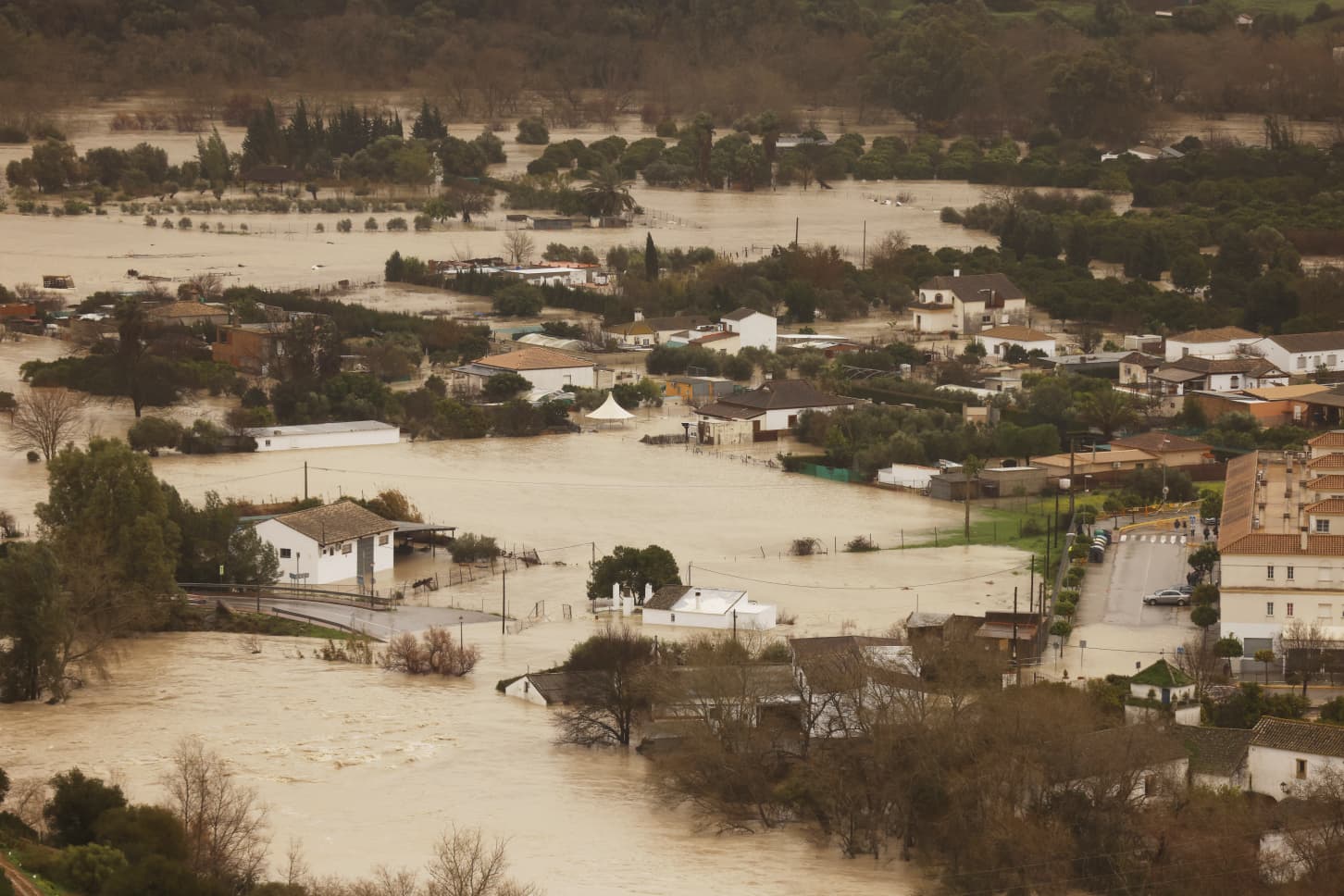
Enfermedades ‘climáticas’ en España: las inundaciones del Guadalete en 2025 causaron el primer gran brote de leptospirosis en Europa

La inusual sucesión de borrascas y lluvias torrenciales que golpearon España en marzo de 2025 provocó, entre muchos otros efectos, una gran crecida del río Guadalete que inundó parte de su cuenca en la provincia de Cádiz y obligó a desalojar a cientos de personas. Poco después, el Hospital de Jerez atendió un goteo de habitantes de la zona afectados por una infección grave y poco frecuente, la leptospirosis, que históricamente ha provocado epidemias en países tropicales asociadas a catástrofes e inundaciones.
Seguir leyendo

© PACO PUENTES

Inundaciones en la vega de Arcos de la Frontera por la crecida del río Guadalete.
  •  

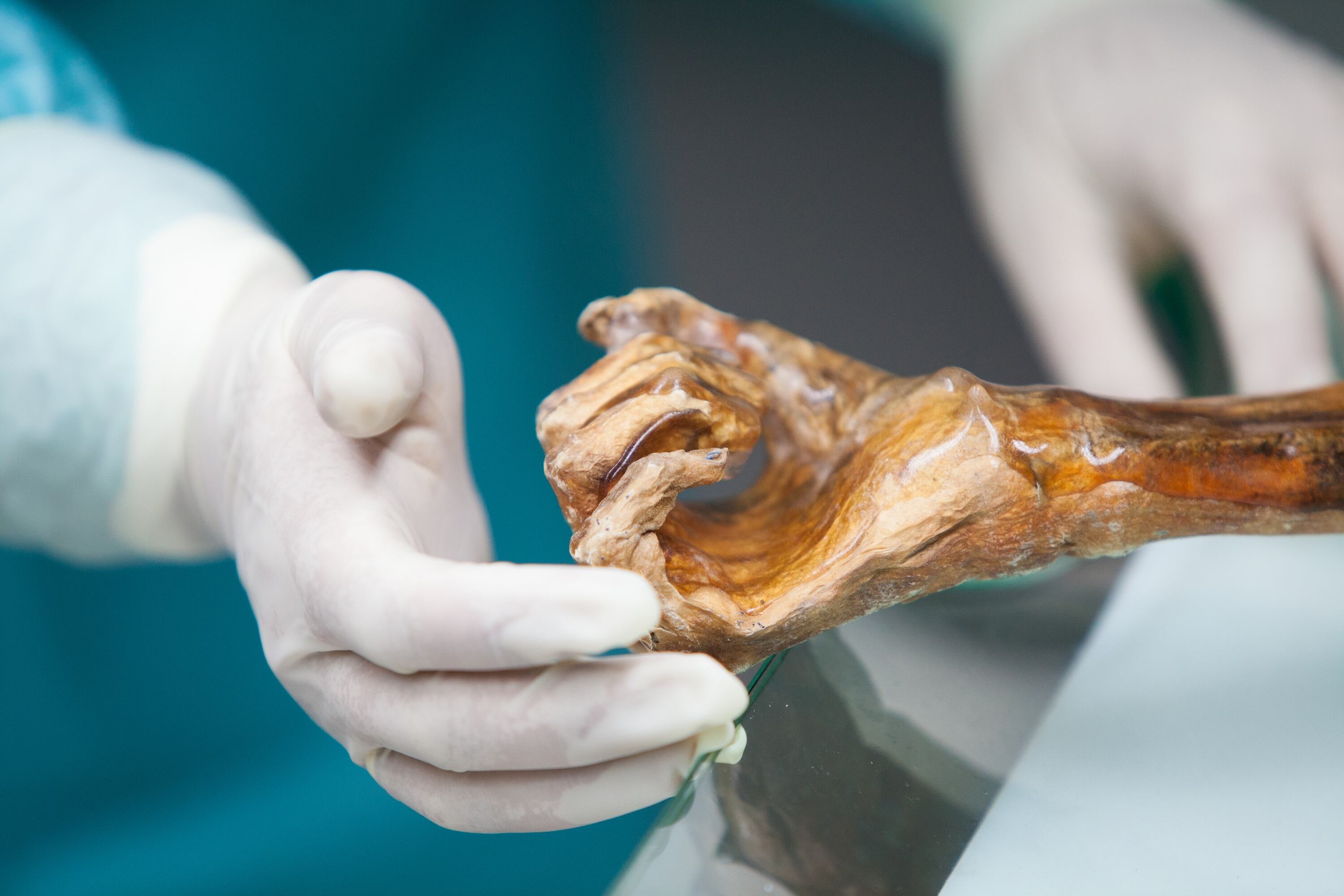
The microbes of Ötzi the Iceman awaken thousands of years after his death

Recovered from the ice of an Alpine glacier at the end of the last century, almost everything about Ötzi was already known. That he was about 45 when he was killed from behind some 5,300 years ago. A detailed genetic study published three years ago revealed that, besides being bald, he had a dark complexion and likely came from distant Anatolia. We even know what he ate shortly before he was killed by an arrow. Now, a new study identifies the microscopic life he carried inside him. The paper, published in the journal Microbiome, shows that his bacteria were very different from those of people in modern societies. The researchers also found a number of cold-adapted fungi that have awakened thousands of years later and could threaten the mummy’s future.

Seguir leyendo

© Museo Arqueológico del Tirol del Sur/Eurac Research/Marion Lafogler

The mummy known as Ötzi is kept inside a refrigerated chamber at a temperature of -6 °C and 99 % humidity.
  •  
❌