Reading view

Kremlin enacts law to grab homes and bank accounts of its exiled critics
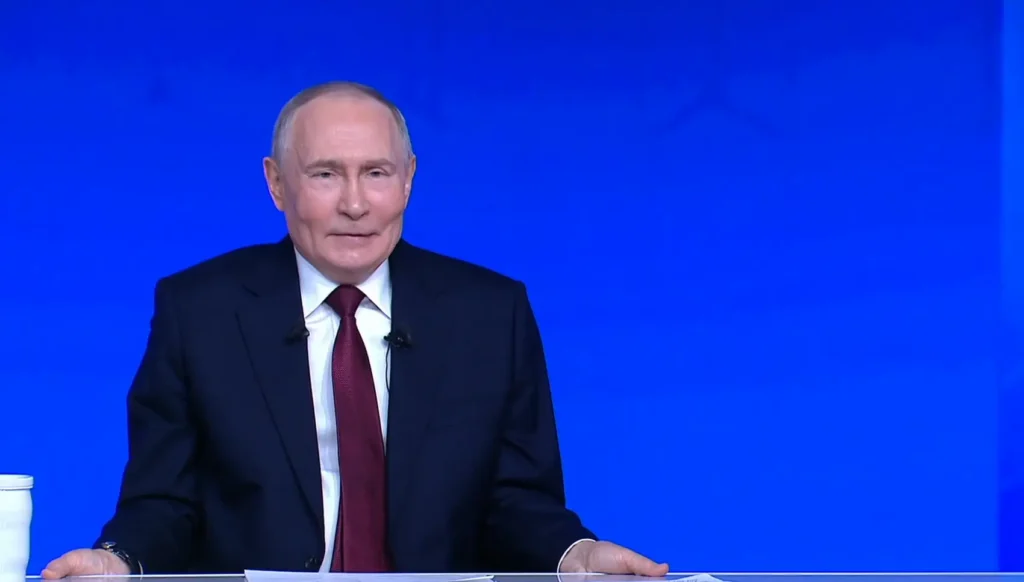
kremlin enacts law grab homes bank accounts its exiled critics · post russia president vladimir putin during direct line 19 2025 official broadcast putin2025_43 ukraine news ukrainian reports

Russian President Vladimir Putin signed a law allowing Russia to seize the property and bank balances of citizens living abroad before any court ruling, the Moscow Times reported. The legislation turns a single formal charge into an immediate asset freeze in absentia against exiled Kremlin critics. It takes effect on 1 September 2026.

Property has become a routine instrument of Russian state coercion: Russian occupation authorities are confiscating Ukrainian homes inside occupied territory under federal legislation running until 2030. 

Several hundred thousand Russians left the country after the start of the full-scale invasion of Ukraine in 2022. 

What the law does

The amendments to Russia's Code of Administrative Offenses cover "administrative offenses against the interests of the Russian Federation." The seizure is framed as a "precautionary measure," not a sentence. Qualifying offenses include "discrediting" the Russian army, calls for sanctions against Russia, and "propaganda of Nazi symbols." They also cover producing and distributing "extremist materials" and non-payment of fines for any of these acts.

The value of property arrested, including bank account balances, is not capped at the underlying fine. Russian outlet Meduza noted that courts had previously fined people abroad under those administrative articles. Pre-trial seizure as a precautionary measure had never been available before.

The Kerch bridge, also known as the Crimean bridge
Explore further

Russia is holding at least 100 people in occupied Crimea with no contact with outside world and no lawyer — and no trials

How it differs from the 2024 confiscation law

The legislation extends the post-conviction asset-confiscation regime that Putin signed in February 2024. That earlier law let Russia seize the assets of those convicted of spreading "deliberately false information" about the army and other offenses. The new law moves the seizure earlier, before any verdict.

It is aimed squarely at Russians who fled after Moscow's full-scale invasion of Ukraine in 2022. The Moscow Times said the legislation "hands the government a new tool to punish Kremlin critics living abroad, including exiled journalists and activists."

If a Russian abroad cannot be notified of charges, the court must appoint a defense lawyer. Legal fees are reimbursed from the federal budget only if the case is dropped. The document was published on Russia's official legal information portal on 10 June 2026.
children informing parents teachers beaten collaborators later jailed — researcher details russia's occupation playbook · post serhii danylov deputy director center middle eastern studies a8eba632c784da1766417a401eb95004 ukraine news ukrainian reports
Explore further

Children informing on parents, teachers beaten, collaborators later jailed — researcher details Russia’s occupation playbook

A "preventive" measure aimed at exiled critics

The bill's explanatory note cited "bright examples" of relocants conducting "activity directed against the interests of Russia." It argued for applying "measures of preventive influence" to such citizens. The authors stated the law will help "stop" calls to violate Russia's territorial integrity and constitutional order. In Russian official usage, that language covers the Kremlin's claim over occupied Crimea, Donetsk, Luhansk, Zaporizhzhia, and Kherson oblasts. 

From Tatarstan to Putin's desk

Lawmakers from the Russian republic of Tatarstan first proposed the bill in October 2024. The State Duma — Russia's lower house of parliament — passed it late in May 2026. State Duma speaker Vyacheslav Volodin praised the bill as a cover for Russian forces deployed in Ukraine. Russian state news agency TASS reported that the amendments make individuals abroad newly liable for abusing media freedom, inciting hatred, calls to violate Russia's territorial integrity, and discrediting the armed forces.

  •  

Russia tells its regions to raise taxes on residents and businesses to plug a record budget hole

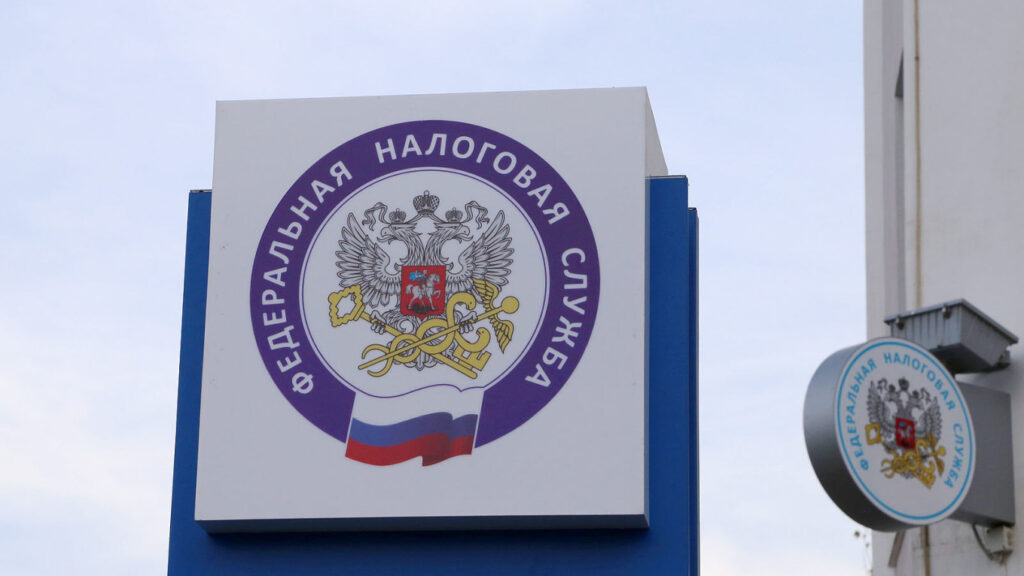
russia's regional budget shortfalls hit record $21 billion moscow wants taxpayers cover · post sign bearing logo federal tax service times ukraine news ukrainian reports

Russia's Federal Tax Service has pushed regional governments to consider higher taxes on residents and businesses as local budgets sink to record deficits, The Moscow Times reported. The move follows President Vladimir Putin's drive to shrink regional shortfalls, and it shows the financial strain Russia's war against Ukraine is placing on its provinces. Independent analysts expect the squeeze to deepen as the economy slows.

As Russia’s invasion of Ukraine drags on, the costs of war, Western sanctions, and Ukrainian strikes on strategic targets are putting growing pressure on budgets at every level.

Tax service tells regions to find more money

The Federal Tax Service (FNS) instructed regional authorities to work out where they could raise taxes, The Moscow Times reported, citing RBC. The recommendations answered Putin's directive to cut regional deficits, and governors had to submit their proposals in early June.

The advice told regions to:

  • expand the list of real estate taxed at cadastral, or market, value;
  • raise transport-tax rates to the maximum;
  • revise the benefits and rates on land tax and personal property tax.

To collect more, regions were also told to inventory real estate and to look for land used off-purpose, where the tax can rise several times over.

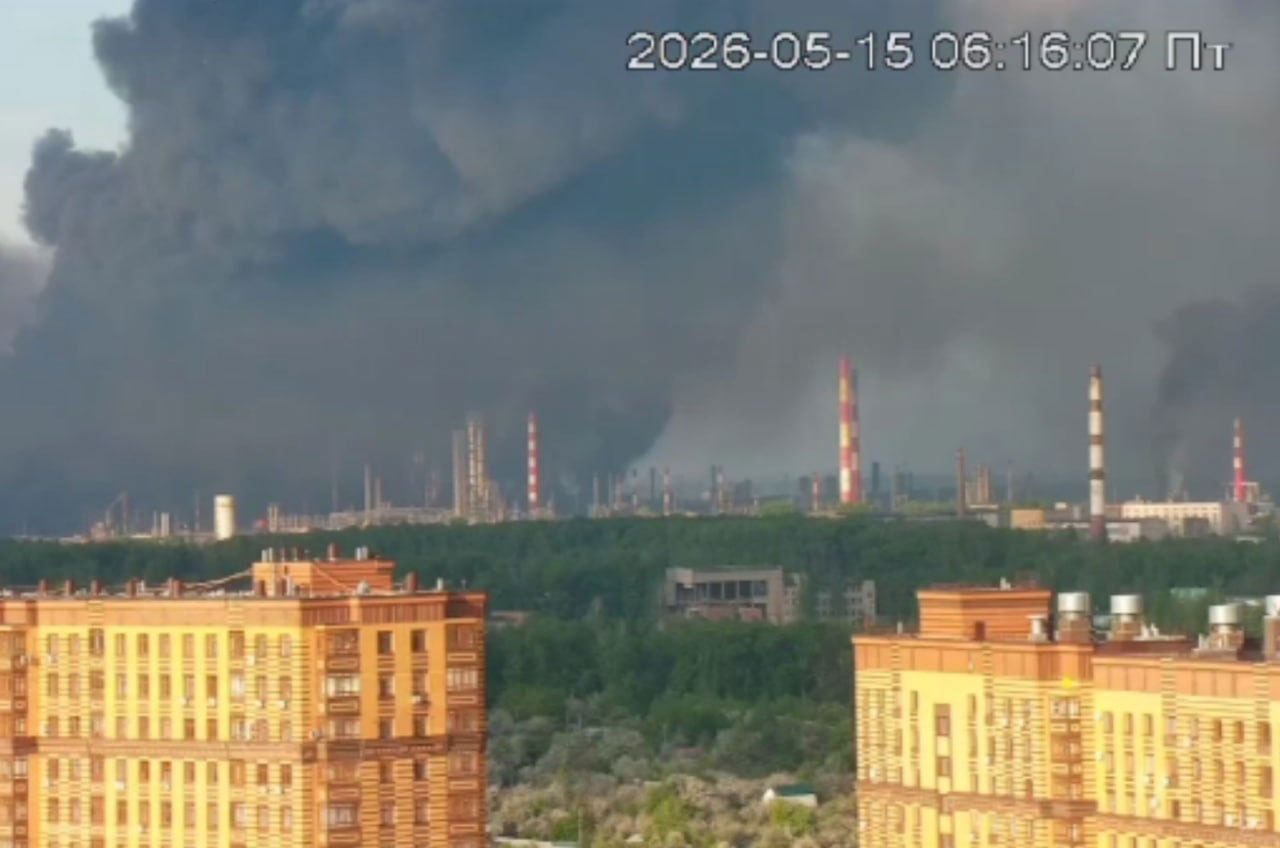
moscow's fuel supplier under fire ukrainian drones strike rosneft's ryazan refinery · post black smoke rises over oil hours after drone 15 2026 ryazan-supernova+-5204027262443918426 ukraine news reports
Explore further

Russian refining output fell 9.2% in April as Ukrainian drone strikes hit fuel plants

A record hole in regional finances

Last year, Russia's regions closed with a combined deficit of 1.538 trillion rubles ($20.8 billion). The gap grew fivefold from 2024 and almost eightfold from 2023. Four regions ran deficits above 30% of their own revenue — Kemerovo, Vologda, Arkhangelsk, and Tyumen oblasts — and six more topped 25%.

Profit-tax revenue fell in 55 regions. It collapsed by half in the Komi Republic, dropped 40% in Orenburg Oblast, and fell 39% in Yamalo-Nenets. Overall, regions collected 9% less profit tax than in 2024 and 13% less than in 2023, according to the rating agency ACRA. The pattern fits a war economy that has turned predatory toward once-wealthy provinces.

isw russia tries hide weaknesses behind victory day parade russia's 9 moscow 2025 youtube/kremlin grate patriotic warr shitshow projecting power strength conceal significant limitations its capabilities while distracting battlefield failures
Explore further

Russia’s four-month budget deficit hit $75.4 billion — 50% above what Moscow planned for entire year

Reserves drained, debt climbing

To cover the shortfalls, regional governments spent every third ruble of their bank reserves — 1 trillion of 2.9 trillion rubles ($13.9 billion of $40 billion). They financed the rest with borrowing that pushed combined regional debt to 3.5 trillion rubles ($48.6 billion), ACRA reported — the highest in 15 years by Expert RA's earlier count. Expert RA projected the slowdown will continue this year, dragging revenues lower and lifting both the deficit and the debt burden.

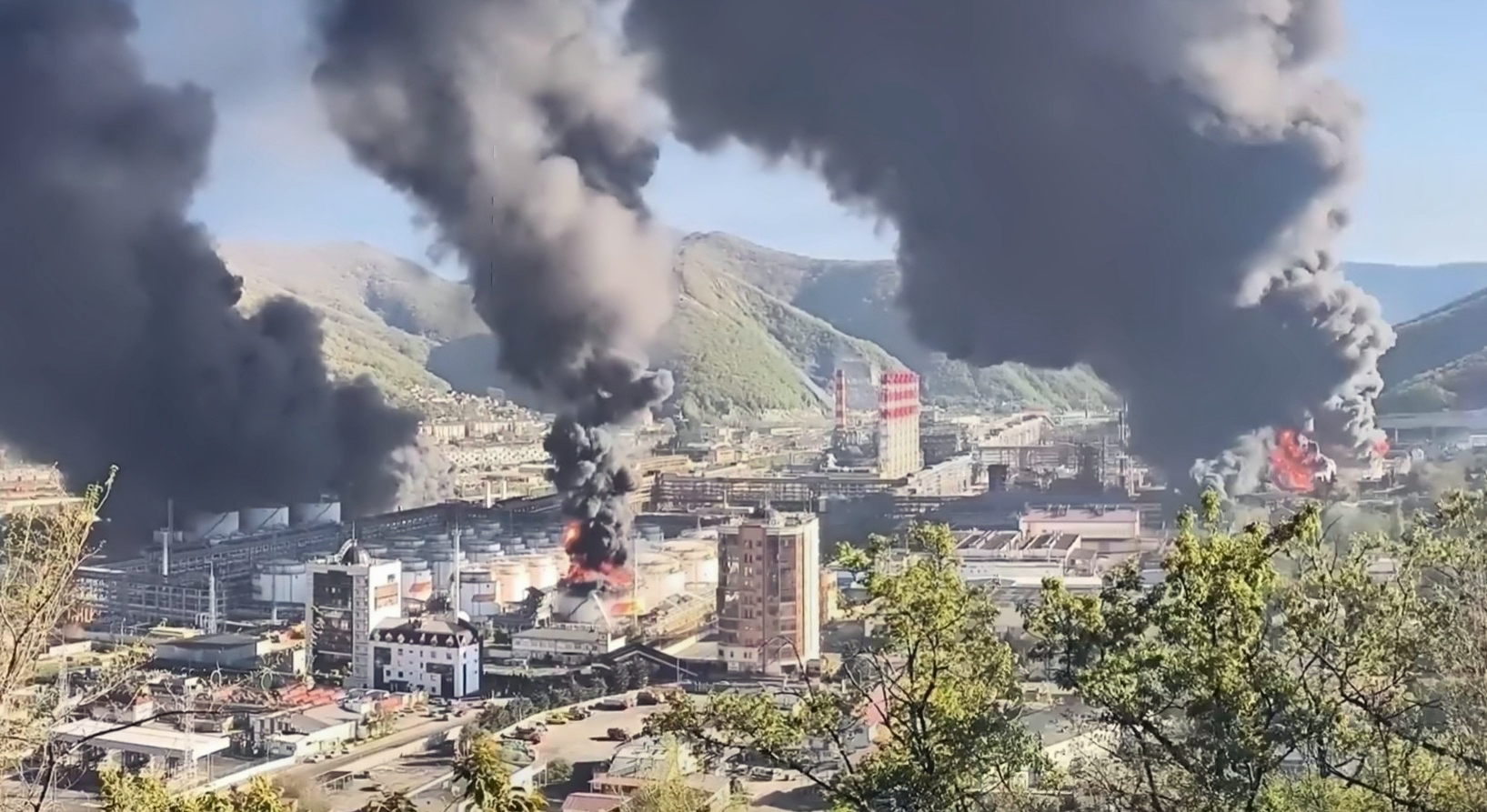
finishing off russia's seaborne oil exports tuapse refinery ablaze again · post panorama stitched video frames multiple fires across after ukraine's drone strike krasnodar krai russia 28 2026 tuapse-nice-again drones
Explore further

$7 billion lost from Russia’s war economy this year through Ukraine’s “long-range sanctions” on oil sector – Zelenskyy

Russian Finance Minister Anton Siluanov earlier projected the regional gap could widen to 1.9 trillion rubles ($26.4 billion) in 2026. The crunch mirrors a federal budget that has run far ahead of plan as Ukrainian strikes cut into Russian refineries and oil income.

Moscow raised VAT in January and prepared a windfall levy on big business, both breaking Putin's 2024 pledge of no tax changes before 2030. Smaller firms have been squeezed first even as the Kremlin's own spending keeps climbing

  •  
❌