Reading view

Divers Film Great White Shark in the Mediterranean For the First Time

Majestic great white sharks glide through the ocean waters.
Majestic great white shark glides through the ocean waters. Credit: Elias Levy / OpenVerse / CC BY-2.0

Volunteer divers have recorded what researchers believe is the first footage of a great white shark filmed underwater in the Mediterranean, captured during a ghost net removal dive near a shipwreck in the Strait of Sicily.

Derk Remmers, a technical diver with Ghost Diving, was about 40 meters (131 feet) below the surface between Sicily and Tunisia when the shark appeared. He filmed the encounter. The footage and photographs were released on June 8 to mark World Oceans Day.

Remmers said that the odds of meeting such an animal underwater are far lower than winning the lottery, and that his hands were shaking as he filmed.

The shark circled the group, then turned and moved back toward the divers. Remmers said that its behavior appeared calm and curious, not aggressive. When the team released air from their regulators, the shark picked up speed and disappeared from view.

First great white shark sighting in the Mediterranean stuns researchers

Marine biologists who reviewed the footage called the sighting rare and scientifically significant.

Dr. Carlo Cattano, a researcher at the Sicily Marine Centre of the Stazione Zoologica Anton Dohrn, said that most knowledge of great white sharks in the region has come from dead animals caught accidentally in fishing nets, and that direct observations help researchers better understand the species.

A great white shark circled divers in the Mediterranean as they worked to pull deadly ghost nets from a shipwreck in the Strait of Sicily. pic.twitter.com/tdJKJ37TMY

— Tom Marvolo Riddle (@tom_riddle2025) June 9, 2026

He said that prior research had already identified the area as a key location for threatened species and that this sighting reinforces its conservation value. Researchers cautioned that broader conclusions would require further study.

The mission was organized by the Healthy Seas Foundation, along with Ghost Diving and the Society for the Documentation of Submerged Sites. The wreck’s location is being kept confidential.

Ghost nets, fishing gear lost or abandoned at sea, continue killing marine life long after leaving a vessel. Previous dives at the site documented loggerhead sea turtles and large fish species caught in the gear.

Shipwrecks attract marine life, and when ghost nets settle on them, those structures become underwater traps.

Ghost nets turn shipwreck ecosystems into ongoing ocean traps

Veronika Mikos, director of Healthy Seas, said that the sighting is a reminder of how much marine life still exists in offshore Mediterranean waters and how much is at risk from discarded gear and overfishing.

Remmers said that between 1% and 10% of all fishing gear worldwide is lost each year, possibly adding more than 500,000 metric tons of abandoned nets to the ocean annually.

He said that the shark’s presence near the wreck signals an abundance of prey, and that those same animals face entanglement risk. Volunteer cleanups alone cannot resolve the problem, he said, and stronger action against industrial and illegal fishing is needed.

The mission also included environmental DNA sampling and underwater monitoring. Healthy Seas said that it plans to release additional footage and scientific material in the coming weeks.

  •  

UK’s biggest retailers urge government to act on youth unemployment

Bosses of M&S, Sainsbury’s and Tesco among those writing to Starmer that the ‘ladder of opportunity’ is wobbling

Some of the UK’s biggest retailers are planning to write to the prime minister urging him to tackle the youth unemployment crisis, with signatories expected to include the bosses of Marks & Spencer, Sainsbury’s and Tesco.

Lobby group the British Retail Consortium said it had drafted a letter to Keir Starmer calling for action, and is circulating it among its 200 members, which include all the main UK retailers (with the exception of Games Workshop) as well as smaller shops. The letter is expected to be published on Wednesday.

Continue reading...

© Photograph: Oliver Dixon/PA

© Photograph: Oliver Dixon/PA

© Photograph: Oliver Dixon/PA

  •  

Bulgaria’s new government plans to halt weapons supplies to Ukraine

bulgaria's new government plans halt weapons supplies ukraine · post bulgarian defense minister dimitar stoyanov council ministers sofia fakti db news ukrainian reports

Bulgaria's new government plans to stop supplying weapons to Ukraine, a shift that breaks with the European Union's push to pressure Russia, Bloomberg reported. The country's Defense Minister tied the move to a call for negotiations rather than arms, echoing a prime minister who has long been hostile to military aid for Kyiv. 

A falling and rising tide of Russia-friendly governments across central Europe has steadily frayed the bloc's united front on arming Kyiv amid the ongoing Russian invasion, turning each national capital into a potential brake on support.

Government's excuses

Bulgarian Defense Minister Dimitar Stoyanov told reporters in Sofia on 9 June that his government would end weapons deliveries to Kyiv

"Ukraine needs more people, not more armament," he stated, and called instead for a "just peace that will be defined by both sides participating in the conflict." 

He added that the EU's role in any peace process is "extremely important." But the Bloc would struggle to act as a mediator, he claimed, after assisting Ukraine throughout the war.

opposition party Tisza
Explore further

Hungary unblocks $7.7 billion in EU arms payments after dropping two-year veto on Ukraine aid

A prime minister who opposes arming Kyiv

The stance reflects Prime Minister Rumen Radev, who has long held that the war cannot be won on the battlefield. Radev, a former air force commander and president until January, has repeatedly opposed the EU's military support for Ukraine. He has also called for lifting sanctions on the Kremlin, arguing they damage Europe's economy. In office for only a month, the Prime Minister has promised to expand Bulgaria's weight in joint European decisions.

A quiet arms pipeline now set to close

Bulgaria ranks among the EU's biggest producers of Soviet-standard ammunition. Those older Soviet-caliber shells proved crucial to Ukraine early in the war. The government officially refused direct military aid in 2022. Even so, Bulgarian shells reached the front through exports to other EU countries. Since 2022, Sofia has sent 13 packages of military aid, keeping their value and contents classified.

Bulgaria party
Explore further

Bulgaria approves new cabinet led by Rumen Radev — the ex-president who called Crimea Russian

The timing

The plan surfaced days after the leaders of France, Germany, and Britain urged the Kremlin to accept an immediate, complete ceasefire that would open talks on a lasting deal. Moscow has rejected Kyiv's offer to meet and negotiate an end to the full-scale invasion, launched more than four years ago.

The Times earlier called the rise to power of pro-Russian Radev a strategic success for Putin. 

  •  

10 Authentic Greek Souvenirs to Pack in Your Suitcase

Athens, Greece. Aerial view of the Parthenon. What authentic Greek souvenirs should you make sure to pack in your suitcase?
Bringing Greece home: 10 traditional keepsakes with a century of soul. Credit: Greek Reporter

Greece is a goldmine for souvenirs because the best things to bring home are deeply rooted in centuries of culinary, agricultural, and artistic traditions. Skipping the generic plastic keychains, here are the top 10 authentic souvenirs to bring back.

Authentic Greek souvenirs

1. Extra Virgin Olive Oil (EVOO)

Greece consumes more olive oil per capita than any other country, and its liquid gold is world-renowned. Look for oils from Crete, Kalamata, or Mani. For easier travel packing, skip the glass bottles and buy the tightly sealed tin canisters found in local supermarkets or specialty shops.

2. Greek Thyme Honey

Greek honey
Image of Greek honey. Credit: Greek Reporter

Because Greek bees feed on wild herbs under intense sunshine, the honey here is thick, rich, and distinctly aromatic. Thyme honey (particularly from Crete or the Aegean islands) is considered the gold standard.

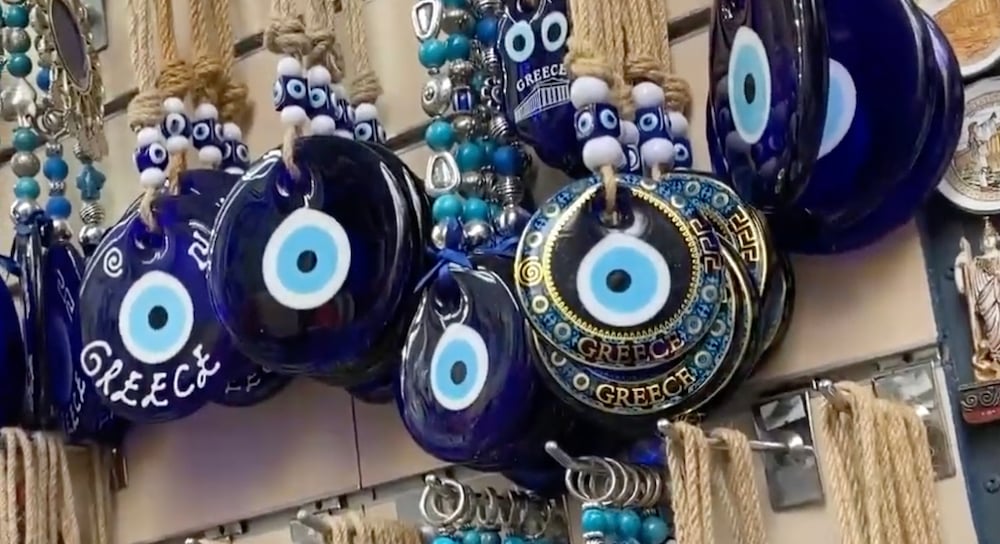
3. The Mati (Evil Eye) Amulet

Greek souvenirs
Mati. Credit: Greek Reporter

The distinctive blue-and-white eye charm is designed to ward off bad energy or jealousy (to mati). You can find it on beautifully crafted silver jewelry, ceramic wall hangings, or simple glass beads. It’s light, cheap, and undeniably Greek.

4. Ouzo, Tsipouro, or Mastiha

Mastic from Chios
Mastic from Chios. Credit: Anastasios Papapostolou/Greek Reporter

Bring the taste of a Greek summer back home:

  • Ouzo: The famous anise-flavored, clear spirit that turns milky white when you add water or ice
  • Tsipouro: A strong, unaged grape distillate (similar to grappa)
  • Mastiha: A sweet, incredibly refreshing liqueur flavored with resin harvested exclusively on the island of Chios

5. Dried Greek Oregano & Mountain Tea

Greek oregano (rigani) grows wild on rocky hillsides, giving it a much more intense, peppery flavor than supermarket varieties back home. Pair it with a bunch of Greek Mountain Tea (tsai tou vounou), a dried herb brewed for centuries to boost the immune system and soothe digestion.

6. Olive Wood Kitchenware

From salad bowls and cutting boards to honey dippers, items made from Greek olive wood are gorgeous and incredibly durable. The tight grain of the wood means it doesn’t absorb odors or bacteria easily, and each piece features entirely unique natural patterns.

7. Handmade Leather Sandals

Greek sandals
Handmade leather sandals of Greece. Credit: Efi

If you pass through Athens (especially the Monastiraki neighborhood) or certain islands such as Crete and Rhodes, you can buy genuine, handmade leather sandals. They are styled according to Ancient Greek designs, crafted to last for years, and mold comfortably to your feet over time.

8. Greek Ceramics & Pottery

From museum-quality replicas of ancient black-and-figure vases to modern, minimalist, blue-and-white tableware handmade on islands such as Sifnos, Greek pottery is a beautiful addition to any home.

9. Natural Sea Sponges

Natural sponges
Kalymnos sponges. Credit: Nabokov, CC3/Wikipedia

Harvested for generations by traditional divers (most famously on the island of Kalymnos), genuine Greek sea sponges are entirely natural, hypoallergenic, and far softer and longer-lasting than synthetic alternatives. They are fantastic for skincare and bathing.

10. Spoon Sweets (Glyka tou Koutaliou)

These are traditional fruit preserves served on a small spoon alongside Greek coffee or dolloped over Greek yogurt. They are made by boiling wild fruits (like sour cherries, figs, or bitter oranges) in sugar syrup, preserving the firm texture and vibrant flavor of the fruit.

10+1. The Komboloi

Komboloi is also known as Greek Worry beads
Greek worry beads. Credit: Greek Reporter

The Komboloi, or worry beadsmay be one of the most typical symbols of Greece’s easy-going mentality that has been widely established in Greece since the middle of the 20th century. Whether on the street, on an airplane, or in a busy kafeneion downtown, you will find people playing with their worry beads in various manners, even doing flips and tricks with them, letting go of their stress and worries as one bead moves deliberately towards the other. The repetitive action and clicking of the beads turn this pastime into an easy motion reported to help ease tension.

Packer’s Tip: If you’re traveling with carry-on luggage only, you won’t be able to take liquid souvenirs such as honey, olive oil, or alcohol past airport security. Buy these items at the airport duty-free shops after security—the quality is still highly authentic, and the prices are surprisingly fair!

  •  

Industria, marittimi, aeronautica. Meloni sprona l’Ue sull’Ets

La competitività europea, di domani ma anche di oggi, passa inequivocabilmente dal dossier Ets. Ovvero dal meccanismo di neutralità climatica che potrebbe deindustrializzare il Vecchio continente. Per questa ragione, in occasione della videoconferenza ospitata dal presidente del Consiglio dei ministri Giorgia Meloni, dal Cancelliere federale tedesco Friedrich Merz e dal Primo Ministro belga Bart De Wever, è stata messa nero su bianco la necessità di una accelerata netta sul punto: ovvero che la prevista proposta di revisione della Direttiva Ets, attesa entro il prossimo luglio, si concentri sulla mitigazione del suo impatto sui prezzi dell’energia, sulla riduzione della volatilità delle tariffe e sull’eliminazione degli effetti asimmetrici sugli Stati membri.

Questa la posizione di Roma esplicitata dinanzi a un ricco parterre, composto dalla Presidente della Commissione europea, Ursula von der Leyen, e dai Leader di Austria, Bulgaria, Cipro, Estonia, Finlandia, Grecia, Lituania, Paesi Bassi, Polonia, Portogallo, Repubblica Ceca, Romania, Spagna e Svezia.

Si tratta di un’esigenza particolarmente sentita da Confindustria, secondo cui il rischio è uno solo: “Senza una revisione profonda dell’Emissions Trading System usato per scambiare quote di emissioni di Co2, andiamo verso una deindustrializzazione, che l’Europa non si può permettere”. Parole dure quelle del vicepresidente di viale dell’Astronomia con delega all’Energia Aurelio Regina, intervenuto a Bruxelles in una conferenza stampa dedicata proprio al delicatissimo tema dell’Ets. L’associazione datoriale, aggiunge, “è determinata” a favorire una revisione dell’Ets che “non faccia perdere competitività” all’Europa, proprio in un momento in cui si trova in una “guerra commerciale dalla Cina senza precedenti”, perché “le merci cinesi stanno invadendo l’Europa”. Questa, avverte, “è l’ultima chiamata”.

Tra i riflessi diretti che accusano il colpo vanno menzionati anche due comparti specifici. Primo, quello marittimo, nella consapevolezza che la transizione ecologica deve procedere “con pragmatismo e apertura ai carburanti alternativi, evitando approcci ideologici che rischiano di penalizzare industria, lavoro e competitività”. Un passaggio che il viceministro alle infrastrutture Edoardo Rixi ha dedicato alla questione, intervenendo al Consiglio dei ministri dei Trasporti dell’Unione Europea, in programma a Lussemburgo, rappresentando il Governo italiano. Un desco a cui Rixi la posto la questione della revisione del meccanismo Ets applicato al trasporto marittimo, dal momento che il governo italiano teme che l’attuale impostazione andrebbe solo a foraggiare fenomeni di delocalizzazione dei traffici verso scali extraeuropei, con possibili ripercussioni negative sui porti nazionali e sull’intera economia marittima europea.

Secondo, quello aeronautico: per questa ragione i leader di Airlines for Europe (A4E), Aci Europe, Asd, Canso Europe ed Era, hanno inviato una lettera aperta alla presidente della Commissione europea Ursula von der Leyen, al vicepresidente esecutivo Stéphane Séjourné e ai commissari Wopke Hoekstra e Maroš Šefčovič in rappresentanza dell’ecosistema dell’aviazione europea: chiedono che la revisione supporti e non ostacoli, il percorso del settore aeronautico verso le emissioni nette zero.

“Le decisioni prese nell’ambito della revisione – si legge nella missiva – saranno cruciali sia per la decarbonizzazione sia per la competitività del settore aeronautico europeo. In un momento di crescente concorrenza globale e di esigenze di investimento senza precedenti, l’Europa deve evitare misure che indeboliscano il settore aeronautico”. In sostanza la posizione del governo italiano, secondo cui il sistema Ets “rappresenta un’ulteriore tassa a carico delle imprese europee, con effetti sui costi di produzione e sulla competitività”.

  •  

Russia tells its regions to raise taxes on residents and businesses to plug a record budget hole

russia's regional budget shortfalls hit record $21 billion moscow wants taxpayers cover · post sign bearing logo federal tax service times ukraine news ukrainian reports

Russia's Federal Tax Service has pushed regional governments to consider higher taxes on residents and businesses as local budgets sink to record deficits, The Moscow Times reported. The move follows President Vladimir Putin's drive to shrink regional shortfalls, and it shows the financial strain Russia's war against Ukraine is placing on its provinces. Independent analysts expect the squeeze to deepen as the economy slows.

As Russia’s invasion of Ukraine drags on, the costs of war, Western sanctions, and Ukrainian strikes on strategic targets are putting growing pressure on budgets at every level.

Tax service tells regions to find more money

The Federal Tax Service (FNS) instructed regional authorities to work out where they could raise taxes, The Moscow Times reported, citing RBC. The recommendations answered Putin's directive to cut regional deficits, and governors had to submit their proposals in early June.

The advice told regions to:

  • expand the list of real estate taxed at cadastral, or market, value;
  • raise transport-tax rates to the maximum;
  • revise the benefits and rates on land tax and personal property tax.

To collect more, regions were also told to inventory real estate and to look for land used off-purpose, where the tax can rise several times over.

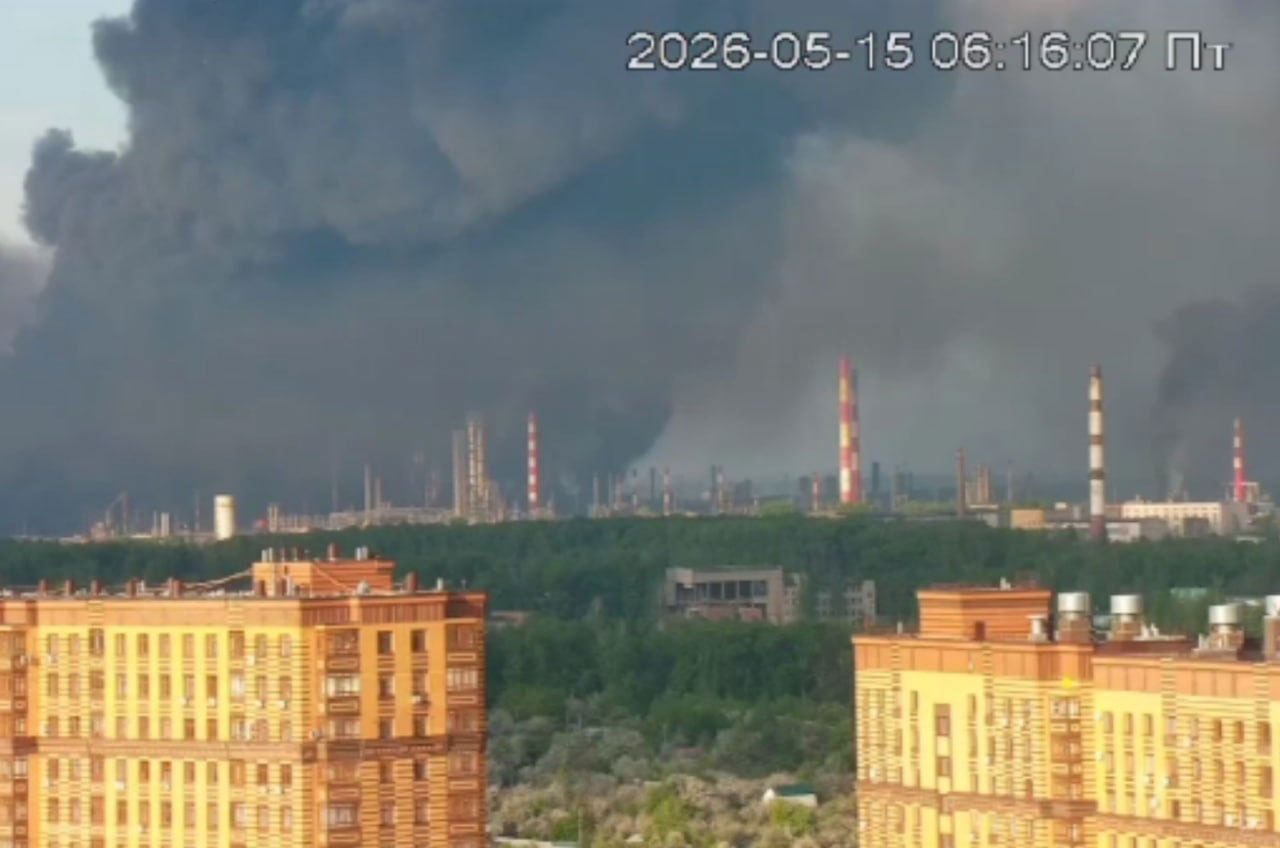
moscow's fuel supplier under fire ukrainian drones strike rosneft's ryazan refinery · post black smoke rises over oil hours after drone 15 2026 ryazan-supernova+-5204027262443918426 ukraine news reports
Explore further

Russian refining output fell 9.2% in April as Ukrainian drone strikes hit fuel plants

A record hole in regional finances

Last year, Russia's regions closed with a combined deficit of 1.538 trillion rubles ($20.8 billion). The gap grew fivefold from 2024 and almost eightfold from 2023. Four regions ran deficits above 30% of their own revenue — Kemerovo, Vologda, Arkhangelsk, and Tyumen oblasts — and six more topped 25%.

Profit-tax revenue fell in 55 regions. It collapsed by half in the Komi Republic, dropped 40% in Orenburg Oblast, and fell 39% in Yamalo-Nenets. Overall, regions collected 9% less profit tax than in 2024 and 13% less than in 2023, according to the rating agency ACRA. The pattern fits a war economy that has turned predatory toward once-wealthy provinces.

isw russia tries hide weaknesses behind victory day parade russia's 9 moscow 2025 youtube/kremlin grate patriotic warr shitshow projecting power strength conceal significant limitations its capabilities while distracting battlefield failures
Explore further

Russia’s four-month budget deficit hit $75.4 billion — 50% above what Moscow planned for entire year

Reserves drained, debt climbing

To cover the shortfalls, regional governments spent every third ruble of their bank reserves — 1 trillion of 2.9 trillion rubles ($13.9 billion of $40 billion). They financed the rest with borrowing that pushed combined regional debt to 3.5 trillion rubles ($48.6 billion), ACRA reported — the highest in 15 years by Expert RA's earlier count. Expert RA projected the slowdown will continue this year, dragging revenues lower and lifting both the deficit and the debt burden.

finishing off russia's seaborne oil exports tuapse refinery ablaze again · post panorama stitched video frames multiple fires across after ukraine's drone strike krasnodar krai russia 28 2026 tuapse-nice-again drones
Explore further

$7 billion lost from Russia’s war economy this year through Ukraine’s “long-range sanctions” on oil sector – Zelenskyy

Russian Finance Minister Anton Siluanov earlier projected the regional gap could widen to 1.9 trillion rubles ($26.4 billion) in 2026. The crunch mirrors a federal budget that has run far ahead of plan as Ukrainian strikes cut into Russian refineries and oil income.

Moscow raised VAT in January and prepared a windfall levy on big business, both breaking Putin's 2024 pledge of no tax changes before 2030. Smaller firms have been squeezed first even as the Kremlin's own spending keeps climbing

  •  

Long-Assumed Roman Helmet Hoard Off Spain Turns Out to Be Medieval

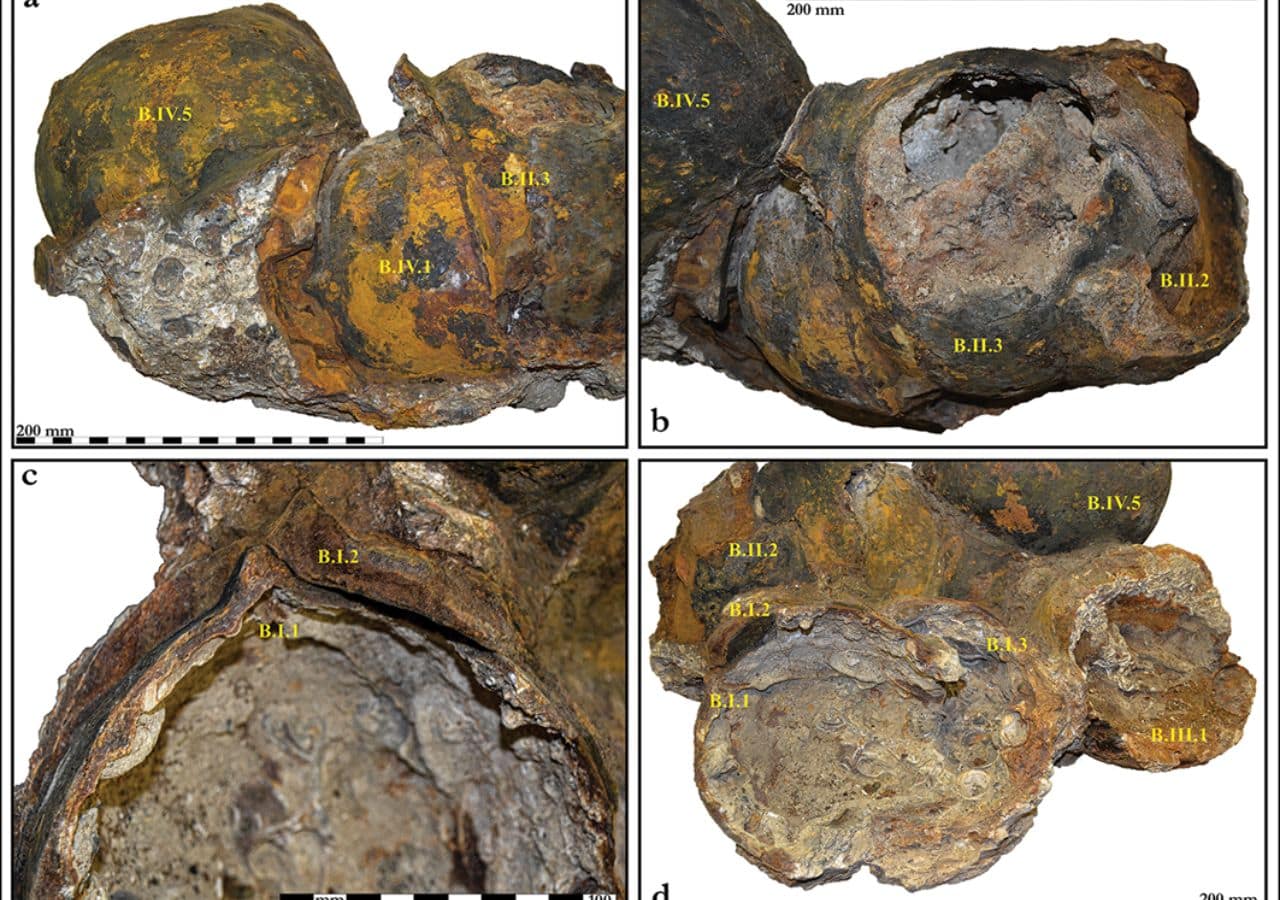
Details of the overlapping helmets
Details of the overlapping helmets. Credit: Manuel Frallicciardi / CC BY 4.0

Researchers have confirmed that an underwater helmet hoard off Spain’s eastern coast near Benicarló is medieval rather than Ancient Roman as long assumed. The finding places the collection in the late 14th to early 15th century, during a period of intense maritime conflict along the Valencian coast.

The study was led by Manuel Frallicciardi, a doctoral student jointly supervised by the University of Alicante and the University of Salerno, and published in the journal Antiquity. It marks the first time radiocarbon dating has been applied to iron helmets from an underwater site.

Divers recovered the helmets in 1990 from Piedras de la Barbada, a submerged site about six meters (20 feet) deep near Benicarló in eastern Spain. At least forty-three helmets were identified. Split between two institutions, most of the helmets are stored at the Museu de Belles Arts de Castelló, while two conserved ones are on display at the Museo de la Ciudad de Benicarló.

Because the site had also yielded Roman-era artifacts, including ancient amphorae and Punic War-era bronze helmets, early researchers assumed the iron helmets belonged to the same ancient period.

Fabric linings within helmets unlocked dating mystery

Frallicciardi and his team found organic evidence trapped inside the helmets. Marine sediment had sealed fabric linings in place, protecting them from full decay. The fibers, identified as plant-based bast material in a plain tabby weave, were sent to the Beta Analytic laboratory in Miami and the Curt-Engelhorn-Zentrum Archaeometrie in Mannheim, Germany.

Medieval helmets from different viewpoints
Medieval helmets from different viewpoints. Credit: Manuel Frallicciardi / CC BY 4.0

Four of the five radiocarbon results clustered between the last quarter of the 14th century and the early 15th century. One sample returned a date roughly 150 years later than the rest. Researchers linked this to post-depositional contamination. That helmet sat in a more exposed position, and microscopic analysis showed its fibers were more degraded, conditions that could allow younger carbon to infiltrate the sample.

Spain’s underwater helmet hoard links to medieval piracy era

The helmets fall into two types. Most have rounded skull caps with a central ridge, resembling simplified infantry helmets documented in medieval sources, including the Holkham Bible from around 1330 to 1340 and a fresco painted by Jacopo Uccello around 1378. One helmet has a six-panel faceted construction comparable to a kettle hat depicted in a 1437 altarpiece by Hans Multscher.

Frallicciardi noted the helmets predate the era when large Italian and German workshops standardized European armor production. Their simple construction points to smaller regional workshops supplying local infantry markets. The historical context strengthens that picture. From the 1370s onward, Islamic piracy along the Valencian coast intensified sharply, peaking in the final decades of the 14th century.

Communities responded by building coastal towers, fortifying settlements, and mobilizing local militias. Researchers believe the helmets were most likely lost at sea during this period of sustained maritime insecurity.

  •  
❌