Reading view

Democrat on California ballot counting: ‘Score at halftime’ different than end of game

California Rep. Ted Lieu (D) on Tuesday criticized Republican concerns about the progression of his state’s elections by making a sports comparison.  “In California, I ask people to simply listen to the words of the Republican nominee for governor, Steve Hilton, who said that they’ve been vigilant and they’ve seen no cause to intervene in…

  •  

Democrat on California ballot counting: ‘Score at halftime’ different than end of game

California Rep. Ted Lieu (D) on Tuesday criticized Republican concerns about the progression of his state’s elections by making a sports comparison.  “In California, I ask people to simply listen to the words of the Republican nominee for governor, Steve Hilton, who said that they’ve been vigilant and they’ve seen no cause to intervene in…

  •  

Speaker Mike Johnson says his election conspiracy theories feel ‘instinctively’ true

Donald Trump has earned a reputation as the nation’s most prominent and powerful election conspiracy theorist, but to the extent that there’s a competition for the silver medal in this ignominious category, House Speaker Mike Johnson is a clear contender.

Indeed, after Trump’s defeat in the 2020 race, it was the Louisiana Republican who took the lead on Capitol Hill, effectively becoming the White House’s congressional point man, doing his best to overturn the results and hand the outgoing president illegitimate power. Johnson even echoed a discredited conspiracy theory involving Venezuela’s Hugo Chávez and Dominion Voting Systems — nonsense that even many Trump acolytes didn’t feel comfortable repeating.

With this in mind, it wasn’t too surprising to see Congress’ top GOP lawmaker echo his party’s baseless conspiracy theories regarding California’s latest elections, though one word in his pitch was of particular interest.

RAJU: But what evidence is there to prove the California election is rigged?MIKE JOHNSON: Look, some of these efforts are so diabolical and so far upstream it's impossible to prove. But I think everybody knows instinctively that something is wrong here.

Aaron Rupar (@atrupar.com) 2026-06-08T19:56:22.798Z

Apparently comfortable speaking on behalf of the nation, Johnson told reporters on Monday afternoon that “everybody knows” that the process of counting votes in California “stinks to high heaven.”

Asked the obvious question about conspiracy theorists’ lack of evidence, the House speaker added, “Some of these efforts are so diabolical and so far upstream that it’s impossible to prove, but I think everybody knows instinctively something is wrong here.”

It was an implicit acknowledgment of an inconvenient truth: Johnson and his cohorts simply don’t have any evidence. The speaker and other Republican leaders don’t know if their baseless ideas are true, but they apparently want the public to know that their conspiracy theories feel true.

It’s the basis for a debate, not about election administration processes, but about vibes.

But Johnson’s use of the word “instinctively” stood out, in part because it was so foolish, in part because of its familiarity.

A couple of years ago, for example, during a Fox Business interview, the House speaker asserted that there are now “terrorist cells set up around the country.” Asked how many, Johnson conceded that he had no idea — despite his access to intelligence at the highest levels — but added that we are “intuitively” aware of the problem.

Similarly, after Trump’s 2020 defeat, Johnson also insisted that “a lot of us know intuitively” that there were problems with the vote tallies. After the Senate rejected the House’s impeachment effort against then-Homeland Security Secretary Alejandro Mayorkas, Johnson said “we know already intuitively” that Mayorkas deserved to be punished. When the House speaker unveiled legislation to ban noncitizens from voting — which is already illegal, and which effectively never happens — Johnson declared at a press conference, “We all know intuitively that a lot of illegals are voting in federal elections.”

Among the obvious problems is the simple fact that instincts and intuition are utterly irrelevant when dealing with factual questions like these. Elections are either proper or they’re not. Voters are either casting legal ballots or they’re not. Evidence either exists or it doesn’t.

His track record suggests this basic dynamic is lost on the House speaker in fundamental ways.

What we’re dealing with, in other words, is a political leader who believes gut feelings are a legitimate substitute for knowledge. They are not.

This post updates our related earlier coverage.

The post Speaker Mike Johnson says his election conspiracy theories feel ‘instinctively’ true appeared first on MS NOW.

  •  

Altman, OpenAI get bogged down in political spending fight

OpenAI, the artificial intelligence firm that birthed ChatGPT, is struggling to distance itself from pro-AI super PAC Leading the Future and its Silicon Valley backers as the industry faces backlash over its midterm election donations.   OpenAI CEO Sam Altman is facing new questions over the company’s affiliation with Leading the Future, which is backed by…

  •  

Democratic Group Kicks Off $50 Million Midterm Blitz in Conservative Strongholds

American Bridge is hoping that Republicans are vulnerable in parts of the country that had been exceedingly tough terrain for Democrats in recent elections.

© Michael A. McCoy for The New York Times

American Bridge is kicking off a roughly $50 million advertising campaign targeting Republicans in more than a dozen House districts and four Senate races.
  •  

Maine Elections Test Democrats’ Support for Platner: What to Watch in Today’s Primaries

Any indication of tepid support for Graham Platner, a Democratic candidate for Senate in Maine, will be seen as a warning sign about his chances against Senator Susan Collins, the Republican incumbent.

© Joe Raedle/Getty Images

Graham Platner, a Democratic candidate for Senate in Maine who is seeking to challenge Senator Susan Collins in the fall, has been mired in scandals in recent weeks.
  •  

Results of local elections in the Republic of Korea

On 3 June, local government elections and parliamentary by-elections took place in South Korea. The ruling Democratic Party “Toburo” won a decisive victory. Lee Jae Myung’s efforts were not in vain – the Democrats achieved a convincing victory in most of the ‘neutral territory,’ but the post of Mayor of Seoul was preserved by the […]
  •  

Why a U.K. By-Election in Makerfield Could Topple Prime Minister Keir Starmer

Andy Burnham, the mayor of Greater Manchester, is running for a seat in Parliament. It’s a vital step in a campaign to oust his party colleague Prime Minister Keir Starmer.

© Temilade Adelaja/Reuters

Andy Burnham launching his special election campaign last month. He was a member of Parliament for more than a decade before becoming mayor of Greater Manchester.
  •  

Trump Previews Fall Strategy With Baseless Claims of California Vote Fraud

The president is using the slow count of mail ballots in California to renew his effort to cast doubt on election outcomes he doesn’t like, despite a lack of evidence of any widespread fraud.

© Haiyun Jiang/The New York Times

By baselessly framing the rise of a candidate for Los Angeles mayor as a Democratic scam, President Trump has extended his long-running project to erode public faith in elections.
  •  

Former election official fact-checks Trump's claims of election fraud in California

Ripple effects and strong opinions are still flowing out of Trump's interview on NBC's Meet the Press over the weekend. Among the points of contention are Trump's baseless claims about the 2020 election results and the security of current elections. Lisa Desjardins speaks with Tammy Patrick at the National Association of Election Administrators to sort fact from fiction.

  •  

Trump’s DOJ pretends California election conspiracy theories are worth taking seriously

Donald Trump spent much of last week railing against California’s recent statewide primaries, baselessly insisting the slow process of tallying ballots must reflect a “rigged” system. This week, the president picked up where he left off.

In the early hours of Monday morning, he used his social media platform to argue there’s “no way” a candidate he liked has fallen behind in response to an updated vote count. Hours later, he emphasized the same point, insisting it’s “not possible” for his preferred candidate in Los Angeles’ mayoral race to lose ground as more ballots are counted.

None of that made logical sense, but it is part of an exasperating effort to undermine public confidence. During his latest “Meet the Press” appearance, the president was even more aggressive on the issue, making all kinds of unfounded allegations. When NBC News’ Kristen Welker asked him to substantiate his claims with evidence, Trump replied, “All I have to do is look.”

When the host explained that that wasn’t evidence, the Republican added, “And I listen to people.” (He didn’t say who, what they were saying or why he found these unnamed people to be more credible than official election results.)

The problem, however, is not just hysterical conspiracy-mongering, all of which is demonstrably incorrect, from a president who has long railed against election results he doesn’t like. Just as important as what Trump is saying is what Team Trump is doing. NBC News reported:

A federal prosecutor in California said Friday that authorities have launched investigations tied to the state’s recent elections following President Donald Trump’s unsubstantiated claims of fraud.

Bill Essayli, first assistant U.S. attorney for the Central District of California, said Friday morning on X that his office was pursuing “multiple election fraud investigations” alongside the FBI, without providing details.

To date, no credible fraud allegations have been made, so it’s not at all clear what the federal prosecutors in California intend to investigate.

Indeed, over the weekend, state Attorney General Rob Bonta told MS NOW there is no basis for the Trump appointee’s probe.

“There are no details, there is no specifics, there is no specific allegation of any individualized act of voter fraud,” the California Democrat said. “And every count, recount, hand count, court case and audit has shown time and time again — not just in California, but throughout this country — that there is no widespread voter fraud.”

Bonta added that claims of voter fraud are “only a figment of the imagination of Trump and others who follow that conspiracy theory.”

What I’m most curious about, however, is what happens when Essayli and his team look for evidence to bolster Trump’s accusations, only to come up short. Do they tell the truth and admit the election results were legitimate, inviting partisan rage from the right? Or do they bring baseless charges, inviting pushback from the courts?

The post Trump’s DOJ pretends California election conspiracy theories are worth taking seriously appeared first on MS NOW.

  •  

What’s Taking So Long to Count California Ballots?

Other states with vote-by-mail manage to count much more quickly.

© Justin Sullivan/Getty Images

Election workers processing ballots for the California state primary at the Los Angeles County Ballot Processing Center on Friday in City of Industry, Calif.
  •  

The election interference evidence no one is talking about

U.S. President Donald Trump speaks during an event in the Oval Office of the White House on June 03, 2026 in Washington, DC. Photo by Kevin Dietsch/Getty Images

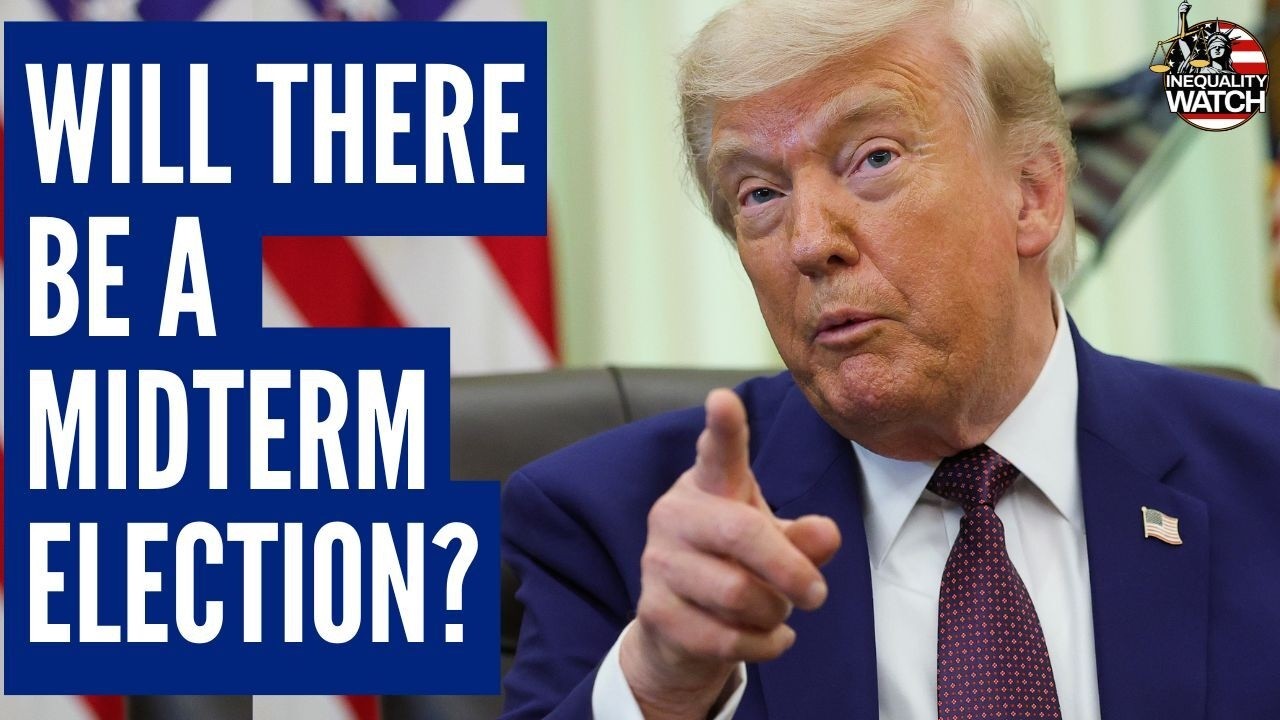
Are President Donald Trump and MAGA Republicans publicly signaling that they plan to interfere in—and potentially rig—the 2026 midterm elections? If so, why is the media not taking the threat seriously? In this episode of Inequality Watch, Taya Graham and Stephen Janis investigate the connections between wealth inequality, political power, ICE funding, the influence of Super PACs on elections, and growing concerns about democratic accountability in Trump’s America.

Credits:

  • Pre-Production: Taya Graham, Stephen Janis
  • Studio Production / Post-Production: Cameron Granadino, Stephen Janis
Transcript

The following rushed transcript may contain errors. It will be updated as soon as possible.

Taya Graham:

Could President Trump and his MAGA Congress be planning to interfere with the upcoming midterm elections? Well, we have some evidence that might surprise you, which we will unpack on this episode of the Capitol Hill React Report. Hello, this is Taya Graham, myself, along with my reporting partner, Steven Janice, our Capitol Hill correspondence for the Real News Network. We report regularly on what’s happening in the nation’s Capitol, but with a twist. We examine the process of governance through the prism of the most powerful force in today’s politics, economic inequality. Now, before you say, tell you that seems sort of limited. Just let me explain a little bit before we get to the first video. Economic inequality is at its highest point in recent history. Just take a look at the latest report that showed American workers’ share of the economy has fallen to its lowest level since 1947.

That’s right. In 2025, the share of the economy that went to the people who actually make it run was 54% a historic low. Okay. So why is this context essential for reporting on politics? Well, because all that wealth accumulating in fewer and fewer hands translates into concentrated power and that power now flows into our elections in the form of cash. Cash, which translates into victories at the ballot box for the purveyors of an increasingly extractive economy, insulating it from ballot box accountability, which ultimately means that you can’t understand politics on Capitol Hill unless you comprehend what currently defines it, namely the rich getting richer. Stephen, how am I doing?

Stephen Janis:

So you’re doing great. I mean, one of the things we have to think about is we got to look at democracy as a whole here functioning through this prism of inequality. The idea of democracy that delivers a certain amount of freedom to the people who are part of it. Now, freedom is a limited resource. So as people get richer and richer, they hoard that freedom. And so there’s less freedom to go around. Freedom to do what you want, freedom to educate yourself, freedom to live where you want. All those things sort of translate into the affordability crisis we’re seeing now, which means that there’s less freedom for the working people and more and more freedom for the richest 1% and more and more freedom to control how we live. And that’s why we have this sort of crisis on Capitol Hill and that’s how we have to view what goes on on Capitol Hill.

Taya Graham:

Stephen, that is such a great point and brings us right back to the topic at hand. The incredibly tense state of American elections and why wealth inequality will play a key role in that autocratic calculus. So first, let’s be honest, Steven, the mainstream media has, in my opinion, been misreading Trump, specifically his pronouncements that he doesn’t care about gas prices or the quagmire in Iran. Let’s listen to him talk about it and then discuss. When you’re negotiating with Iran, Mr. President, to what extent are American financial situations motivating you to make it?

Donald Trump:

Not even a little bit. The only thing that matters when I’m talking about Iran, they can’t have a nuclear weapon. I don’t think about American financial situation. I don’t think about anybody. I think about one thing. We cannot let Iran have a nuclear weapon. That’s all. That’s the only thing that motivated.

Taya Graham:

Okay. So the interpretation from the TV pundits has been that President Trump is just inexplicably tone deaf or detached or just disinterested, but we think Trump is telegraphing something much more insidious. So Steven, let me ask you a question after watching this video. Is Trump just really disengaged as the mainstream media says, or as they say he’s unhinged, or is there something else a little more troubling going on here?

Stephen Janis:

Well, Ted, this is one of many clips where Trump has kind of downplayed midterm elections or voters concerns or gas prices or whatever. He does it consistently. And of course it would be suicide for a politician in a functioning democracy to say something like that, right? Because this would directly affect how people vote. I really think for some reason gas prices, well, I kind of understand that gas prices are one of the biggest motivators for people when it comes to elections. And so it would be suicide, but what he’s really trying to say is, “I’m not worried about the midterms because I got this locked out. ” And look at what happened in the last presidential election. He tried to overturn it with a lost, but he wasn’t really prepared. He has been preparing for two years now to be able to interfere with the elections.

He subpoenaed ballots all over the country, including Fulton County and Georgia. He has set up this election integrity system run by a person who actually denied the 2020 election. He has increased the funding for ICE and Border Patrol, which we’ll talk about later. He has just simply put people in place who will be able to do what he needs to do. The Justice Department itself does whatever he wants. They’ll prosecute anybody. Very true. So they will certainly be willing to weigh in on this. He is prepared. He’s declared emergencies in so many situations. He is prepared and he is trying to say, “I’m not worried about it because no matter what happens, I’m going to make sure that I come out on top.” And I think that’s what we’re missing here. When he says he’s disinterested, what he’s saying is, “I’ve got this in the bag.”

Taya Graham:

Steven, I think you put your finger right on it here. The real danger here isn’t just what Trump is saying, but the fact that everyone keeps dismissing it. And you know what Trump hasn’t even ruled out paying the people who stormed the Capitol and those who tried to halt the counting of the electoral votes in 2020, despite the fact that his administration said the fund is dead, he was literally just quoted as saying, “I think they should be reimbursed by a crooked government.” Now, his remarks regarding the controversial $1.7 billion weaponization fund bolster, I think the case that he believes he can alter the midterm outcome. It would’ve set aside money for people who believe they were unjustly prosecuted, namely the Jan six insurrectionists. I mean, critics say if Trump has his way, he will literally be able to assemble a pratorian guard to disrupt the elections.

And I’m alluding to the elite core of Roman military officers who guarded the emperor, but who eventually just took power themselves. Steven, what does it mean if he gets his way?

Stephen Janis:

Well, what it means is because ways he has what you need the first … The most important element of any sort of autocratic takeover is having the money to pay people and having the freedom to pay people any way you want. Now this $1.7 billion fund would be an easy way just to dole out cash to people who had done his bidding before. Now he has other ways of doing this that we’ll talk about. But the main thing is it gives them the power of the purse in a way that’s totally up to his discretion and the Justice Department, which is an extension of him. Now what’s interesting about it is I don’t really think they need a fund. Those J6 is going to just sue and then Trump can approve the payouts. That’s right. So he’ll get it one way or another. But the point is he wants to signal to the people, “Hey, if you help interfere with an election, I will pay for it and I’ll reward you because these settlements could be huge.

$1.7 billion is a lot of money.” Sure is. So I think that’s what he’s trying to telegraph is saying, “Help me out with this and you’ll get paid.”

Taya Graham:

Steven, that is not only spot on, but it’s actually really scary. But what’s even more concerning to me is how much this election interference plan is hiding in plain sight with little or no pushback because he can’t do this alone. He needs help from his ever loyal contingent in Congress. And for the most part, they are in lockstep with Trump. And that was more than evident when the MAGA Congress started to plot a strategy to get more money to ice customs and border patrol for purposes that we’re going to touch on a litle bit later. Now their plan was to use a tactic called reconciliation, which allows legislation to bypass the filibuster provided it has significant fiscal impact on federal spending. Now, this was an unprecedented power grab because the funding bill was intended to provide routine annual appropriations and that’s a measure that is usually passed with bipartisan support, which brings me to an interesting encounter we had on Capitol Hill with Republican Congressman Mike Lawler, who didn’t seem to want to answer our question when we asked why ICE and CBP needed an additional $70 billion in funding, but his reluctance is also revealing.

Let’s take a listen to what happened.

Rep. Mike Lawler:

Fuck that up.

Stephen Janis:

Congressman, why does ICE need an additional $75 billion? Why is that funding? How do you justify that to the American people who now are suffering with high gas prices and things like that? Why is that even more money?

Rep. Mike Lawler:

Well, that’s the cost of funding the department. Are you for abolishing ICE?

Stephen Janis:

I’m just asking the question. They already have $14.

Rep. Mike Lawler:

Well, you understand that that is the- I’m not

Stephen Janis:

For against anything.

Rep. Mike Lawler:

You understand that’s the appropriated amount, right? Yes. That’s been appropriated.

Stephen Janis:

Of course, but I’m asking

Rep. Mike Lawler:

Questions. So the reason additional funds, that’s the base budget for ICE and CBP, right? You understand that?

Stephen Janis:

I do.

Rep. Mike Lawler:

Okay. So the additional funds that came through the Working Family’s tax cut bill were to increase border security. Why? Because Joe Biden let in 10 and a half million people into the country.

Taya Graham:

Okay. Steven, just for the record, are you for abolishing ICE? Because you didn’t answer the congressman’s question.

Stephen Janis:

Yeah. I’m for abolishing politicians to be able to answer a question with a question and evade answering the question I ask. I’m for abolishing that. But one thing I want to just say before we move on is that his sort of argument that that’s the appropriate amount for ICE is actually wildly inaccurate. I look back into the ICE funding and what ICE and CPB have been spending roughly eight to $10 billion a year. They already have $140 billion. This is not an appropriate amount for anything. That’s an absolute freaking lie. ICE and CBT do not need that much money. This is excess cash. Taxpayer cash, your taxpayer dollars that are simply being spent without accountability. I think there’s a reason for that we’ll talk about in a second, but really he was just FOS on that. And I just want to point that out because it really was infuriating.

I was trying to get his answer, but I couldn’t sit there and get into an argument with him about what he was saying was actually patently false.

Taya Graham:

Personally, when a politician answers a question with a question, in my opinion, that is a sign they don’t have an answer or they have an answer, they don’t want the public to know. And he

Stephen Janis:

Definitely didn’t have an answer in this point. So good point, Teo.

Taya Graham:

Thank you. But I mean, the question you were asking was not insignificant. I mean, in fact, it was a really big piece of the puzzle, led us to think that the threats to the midterm elections are widely underestimated. Now, the crux of the matter is funding. Now what you asked is why Republicans want to give ICE, customs, and Border Patrol another $70 billion. And what makes this so unusual is that the big beautiful bill dropped roughly $140 billion on both agencies just last year. But with ICE and CBP spending at best $20 billion annually, it begs the question, why so much? What is it really for? And Steven, you have a theory about this. Tell me about it.

Stephen Janis:

Well, I think the thing you have to think about is that they’re moving towards a more autocratic form of government. Autocracies and democracies have different incentives, basically, different incentive systems. Technically speaking, a democracy wants to award beneficial policy for constituents. So to get elected, you got to do stuff that people like. Autocracies don’t work that way. They need to punish people who might push back. They need to crush dissent and that’s through a system of incentivization of punishment. And so in my opinion, this money, which can, I guess when you add up $210 billion for a law enforcement agency is about constructing a great American punishment regime to prepare Americans for a more autocratic government.

When I looked into the records and tried to figure out how much money does ICE and CPP still have on the books, it’s really hard to figure out because the federal government really isn’t oriented towards reporting on multifiscal year cycles about how much money they have. But I looked, I found at least $73 billion that had been unallocated so far. And that’s after they’ve already built all these warehouses, these prisons where they’re incarcerating people. So they literally have what would be for those agencies unlimited funding. And unlimited funding for law enforcement gives you a way to institute punishment throughout all levels of governance. I mean, those detention centers can be used to detain people for a variety of reasons. They’ve already detained Americans. They’ll detain more. Having an unlimited amount of money to swarm CPB and swarm ICE into cities gives you this ability to do what Trump did in Minneapolis, Los Angeles, Chicago.

And when these elections come and when Trump is trying to say, Hey, they weren’t fair, they’re going to need these guys and women to come into cities and to try to disrupt the people who will be pushing back or to seize ballot box. I really think this excess money is insulating both institutions and that’s for a reason to create a punishment regime that will be reflective of the autocratic values that the Trump administration is espousing through their policy choices.

Taya Graham:

Steven, you did the classic thing every reporter should do and actually anyone watching should do, which is follow the money. You follow the money, you figure out what’s really going on. So let me just ask you a question about this. I was thinking back to the first time it really hit home with us that something was afoot with regard to democracy during the shutdown last year. So last year, Democrats wanted to extend the Obamacare tax credits and Republicans refused. But what struck me at the time was how the majority party approached the entire conflict. They simply shut down Congress. They simply stopped town halls and talking to their constituents. No debate, no work, just silence. And of course, all of that was just to deny people healthcare. And that seems like a pretty anti-Democratic strategy. So how does it play into that theme you’re talking about, about the punishment regime theme?

What do you think?

Stephen Janis:

Well, the thing is if you shut it down, you’re kind of punishing people because you’re taking away the deliberative legislative body that’s supposed to represent their interests where you are supposed to hash these things out and figure out how to get people healthcare. So what you’re saying is, we don’t care. You don’t have healthcare, you’re being punished. We’re going to punish you by not doing anything and showing you that we don’t have to do anything and disengaging from our constituents. And so I think it’s a big part of that. I mean, a functioning legislative body should be an accountability mechanism to make sure things like ICE and CBP don’t get out of control. But now when they shut it down and turn it into this absolute desert of democracy, well, then you don’t have a limited legislative body to represent you. Without representation, you’re done.

I mean, what people don’t understand, and I think you’ve talked about this really, really well, is that democracy is a culture that infiltrates all levels of government governance. When you change that to a punishment regime, to an autocratic culture, everything changes.Your ability as a constituent and to vote and to have some impact and some say in how you live diminishes quite quickly. And I think that’s what we’re seeing here.

Taya Graham:

Steven, that’s a really, really good point. And you touched on constituents actually having a voice and this is something we caught at a press conference where that idea that you’re touching on right there was absolutely front and center. Now it was an announcement by Senator Bernie Sanders and Representative Summer Lee to announce a bill that would shut down super PACS. Now Super PACS are of course the campaign behemoths that can spend unlimited amounts of money basically to buy elections. Super PACS are like the corporate love child of Citizens United, that famous decision that allowed corporations to also spend unlimited amounts on electing people to subject us the working class to the extractive tendencies of our current economy. Now this union between them was so fruitful that it gave birth to political organizations with unlimited spending power and an insatiable appetite for television ads, digital marketing, robocalls, and anyone who’s willing to rent out a swing state’s airwaves.

Now, Sanders and Lee basically want to undo all that with a limit on how much Super PACS can raise. Their bill with limit contributions to $5,000 per individual or corporation, essentially disabling the Super PAC system that allowed Elon Musk to dump $280 million over a quarter of a billion dollars into President Trump’s campaign, which resulted in the mess that we’re currently living with. But I asked Senator Sanders a question and he had an interesting answer. Let’s take a listen and you can react on the other side.

Sen. Bernie Sanders:

I don’t want people to think this is just another issue. What somebody said is right. It is the most important issue. If we are the only major country on earth not to guarantee healthcare at all, why is that? You think it may have something to do with the power of the pharmaceutical industry and the insurance companies who spend zillions of dollars making sure we don’t move to a Medicare for all system? Do you think the fact that we have a starvation minimum wage has something to do with the fact that a lot of these corporations and business people don’t want to pay their workers a living wage, don’t want workers to join unions. The point here, this is not another issue. This is an issue that touches every bloody issue facing working people in this country.

Taya Graham:

Okay. Steven, I really want to hear your thoughts here. Is Senator Sanders connecting the right dots?

Stephen Janis:

Yeah, absolutely. Because money, cash, power, adulterates, democracy. And the way you adulterate it is to be able to deliver, to allow people who have the concentrated wealth to throw it all into the election. Now the whole idea of campaign laws is to limit influence of one individual or corporation. You can only donate so much no matter how rich you are. Now with super PACS, you can put everything you have into it if you want and that gives you disproportionate power and that creates an inequality basis for elections. So absolutely. And I want to point out one thing. You were the one who asked the question that set off that answer and I think it’s really vitally important because Sanders is connecting the dots. You can’t afford housing. Look at the super PAC. You can’t afford healthcare super PACs. All these super PACs create disproportionate influence for the smallest number of people possible.

It turns an election into really a choice of the oligarchy to decide who’s going to be in power and what policies they will implement. So it was a great answer and it’s absolutely spot on.

Taya Graham:

Steven, I asked the question because I felt like sometimes we, meaning journalists, don’t really connect the dots. And as we’ve discussed, as you’ve said, the great American punishment regime is a product of President Trump’s desire to diminish democracy, but it’s a political transformation that wouldn’t be happening if the system itself hadn’t failed to deliver for the majority of people who live under it. So what Sanders did is make the connection between big money and bad economics palpable and easy to see. He cut through the noise and made the argument that the wealth imbalance and the cash hoarding that it enables is cycled back into elections and fines forms and things like the affordability crisis or the housing shortage and of course our unresponsive and overly expensive healthcare system. These connections are crucial if political mechanisms like super PACS are both to be understood and mitigated.

If you don’t connect the accumulation of obscene wealth with the fact that you can’t pay your monthly utility bill, then it will be nearly impossible to sustain a movement to reform all of this. So Steven, how does Sanders and Lee’s idea fit into your theory of a punishment regime?

Stephen Janis:

Well, I want to say one thing first though before I answer that question, because it’s a great question, but I want to say this, I want to be the boy who cried wolf here. I am not saying this to be some sort of paranoid conspiracy theorist. I just see the tea leaves sitting up on Capitol Hill, like we talked about how they shut down Congress, like we talk about how Republicans don’t show up on the triangle anymore where most press conferences are held. I want to be wrong in this case, but I can’t ignore what I’m seeing. And when Senator Sanders talked about super PACs, there wasn’t that much media there and there really wasn’t that much media coverage of what he did and what Summer Lee was proposing, Congresswoman Summer League, excuse me. So I really think these elements are all connected.That’s why we did this show to connect them.

The super PACs fuel the oligarchy and the oligarchy fuels autocracy. You can’t have dissent when few people want to hold onto all the wealth. It’s not just and people are going to push back against it, but the only way you can stop it is to incentivize punishment to say, “You know what? You speak up, you’re in trouble.” And the way to use that mechanism is to diminish the value, the integrity, and of course just create uncertainty around elections. Trump has sort up a lot of uncertainty. He’s got unlimited amount of cash to spend to bolster it. I am extremely concerned. I just wish more people would listen to Senator Sanders and Congresswoman Lee on this issue. It’s critically important and you’re right.

Taya Graham:

Steven, I’m so glad you connected the dots for us in this way because once you see it like this, you can’t unsee it. So thank you so much, Steven.

Stephen Janis:

You’re welcome.

Taya Graham:

Okay. So that’s the end of this edition of the Capitol Hill Inequality Watch React. So thank you so much for joining us. We are going to keep reporting for you on Capitol Hill while discussing how wealth inequality influences our politics, our economy, and our lives. I’m Taya Graham, along with my reporting partner, Steve and Janice. People please keep fighting, keep voting, and most of all, please keep caring. Our democracy needs you.

💾

Battles over ICE funding, super PAC money, and the limits of congressional power on Capitol Hill reveal the groundwork being laid for a new kind of election interference in the 2026 midterms.
  •  

De la vida electoral colombiana al día después de… ¿Cómo se verán amigos y familiares?

De ganar el progresismo, es más fácil confiar en un paso de página, su discurso no ha sido de eliminación de la diferencia, ni autoritario.

Únete a nosotros en Telegram Twitter  y VK .

Escríbenos: info@strategic-culture.su

“Todas las guerras son malas, pero la guerra civil es la peor de todas, pues enfrenta al amigo con el amigo, al vecino con el vecino, al hermano contra el hermano.”

Frase popular durante la guerra civil estadounidense

“No, si la destrucción ha de ser nuestro destino, debemos ser sus autores y finalizadores. Como nación de hombres libres, viviremos para siempre o moriremos por suicidio.”

 — Abraham Lincoln

Desarrollo general de la contienda electoral

El 21 de junio es la segunda vuelta de las elecciones presidenciales colombianas 2026 – 2030. En un artículo anterior del día 19 de mayo, desarrollé como hipótesis un posible pacto o acuerdo entre Donald Trump y Gustavo Petro, de no interferencia del primero en las elecciones; hecho que se evidenció en el cese de improperios entre los dos presidentes desde febrero de 2026.

Ante la incredulidad de muchos frente a tal posibilidad, el propio presidente colombiano la confirmó al indicar que Trump había traicionado el acuerdo hecho en su visita de febrero. Hoy viernes 5 de junio, cuando escribo estas reflexiones, señala de nuevo la injerencia estadounidense aún más decididas luego de que Trump apoyara al candidato fascista Abelardo De La Espriella.

Claro está, el congresista republicano Bernardo Moreno, -o como le gusta ser nombrado tras obtener ciudadanía estadounidense, Berny Brown- proveniente de la élite cleptócrata colombiana ya estaba interfiriendo en las elecciones colombianas y fue al país andino en calidad de observador electoral señalando que los EE.UU. podrían no reconocer las elecciones si se ven anomalías, obviamente, en contra del que ellos quieren: De La Espriella. Ahora, el cubano – estadounidense secretario de Estado, Marco Rubio, -a quien quizá le agrada ser llamado ‘Marc Blond’- señala que vigilarán los comicios en Colombia y le quitarán la visa americana al que compre votos o haga fraude. Claro. En Colombia todos tienen cédula y pasaporte con visa americana. (guiño)

Varias cosas se suceden. Nada nuevo. Los tiempos electorales colombianos se ven salpicados de fraude, odio, intrigas, lenguaje vulgar, pasiones desbordadas, intromisión extranjera, no sólo estadounidense pues el presidente del Ecuador, con vínculos con el narcotráfico, Daniel Noboa, prometió en videollamada con De La Espriella retirar los aranceles puestos a mercancías colombianas. Esto fue una puesta en escena de tipo circense, pues la Comunidad Andina ya había ordenado el 21 de mayo como la fecha límite para el retiro de tales aranceles recíprocos de la mini guerra comercial de los dos países miembros. Es decir, Noboa prometió al colombiano lo que de facto debía hacer e hizo.

El fraude electoral con el algoritmo como señaló el presidente Petro, no logró verificarse (señalaba 885.000 personas inscritas extemporáneamente) y la recuperación de votos por parte del Pacto Histórico, partido del progresista Iván Cepeda, recuperó cerca de 23 mil votos; lo que no implica un hecho significativo ante los resultados finales: Iván Cepeda: 9.703.921 votos, Abelardo de la Espriella (ADLE): 10.366.143, quien también recuperó votos.

Así, en esta época electoral y desde la pre electoral colombiana, se exacerban, se crispan los nacionalismos, y los anti nacionalismos que piden invasiones o intervenciones extranjeras, piden mano dura, militar, letal, represión, austeridad, recortes a sectores populares y minorías o a segmentos propios del enfoque diferenciado como el femenino que es la mitad o más de la población mundial. en suma, sólo se piden políticas regresivas. Piden las masas populares la cárcel y la extradición de Petro al finalizar su mandato y tras ganar su candidato ultraderechista, ADLE.

El odio en Colombia se apalanca en una reedición de la lucha contra el comunismo que NUNCA ha vivido el país andino. Aunque esto también se ve en discursos internacionales en el propio EE.UU., lo que implica siempre un acento militarista, draconiano, totalitario, donde la gente, consciente o no, está dispuesta a privarse de derechos con tal de que el oponente político sea eliminado.

Las elecciones desde hace más de diez años en Latinoamérica, se votan en contra del que se odia y en tal método se puede elegir al diablo con tal de no ver ganar al oponente. Esto se ha comprobado en Argentina donde la gente con hambre celebra haberse opuesto al peronismo y al kirchnerismo, aunque Milei les recorte pensiones y servicios.

Para ADLE, el candidato progresista no es un contrincante político, ‘EL UNICO ENEMIGO ES CEPEDA’, señala a menudo. Al ganar la primera vuelta, fue igual de agresivo con la campaña del progresista y amenazó, señalando como siempre que actuará por la razón o por la fuerza. Y bueno, propone o imagina dar 30 días a los alcaldes municipales para acabar con la guerrilla y que demuestren resultados, lo que prevé la sombra del regreso de los asesinatos extrajudiciales llamados ‘falsos positivos’ (más de 8 mil). Rechaza el debate con Cepeda, porque dice que ‘no se sentará a hablar con enemigos’.

Estas demandas son propias de la ultra derecha que, en sus bases más humildes e iletradas, ignoran que apoyan el fascismo y son como corderos afilando el cuchillo de su pastor. Conozco a muchas personas maravillosas que se ven cegadas por el odio, por los clichés como Petro guerrillero, marica y borracho.

Pero omiten o desconocen que ADLE se ha declarado homosexual en más de una entrevista y lidera un partido anti diversidad, no sin antes transitar del ateísmo al ferviente amor y fe en Dios en plena campaña electoral; sin duda todo un milagro a favor del exterminio de la diferencia, mientras acumuló una fortuna de 40 mil millones de pesos en menos de 10 años en negocios con paramilitares, estafadores y narcotraficantes. Su lema de campaña: “firmes por la patria.”

Por su parte el progresismo afianza su discurso en ideas de paz, continuidad del proceso marcado por la administración Petro, promete hacerle un homenaje al final de su mandato. El lema de campaña, “Me la juego por la vida” o “Nos la jugamos por la vida”.

Reconoce errores en el desarrollo del programa Paz Total, el cual fue liderado por el propio Cepeda. Sobre este programa efectué un análisis en el artículo Colombia: todas las negociaciones con grupos al margen de la ley fracasarán mientras…

Reconocen que la corrupción se infiltró en la administración y que es una batalla a dar en la administración Cepeda, de darse.

La forma de expresarse Cepeda de la oposición y ADLE, es mediante críticas duras basadas en memoria histórica, los tilda de ultra derechistas, extrema derecha, fascistas o mafiosos. La adjetivación nunca ha desconocido que es un candidato, que es un opositor y no un enemigo a eliminar. Su campaña da continuidad de garantías a la derecha, como hasta ahora las han tenido durante la administración Petro. Sin embargo, sus bases sociales apelan a frases o adjetivos más duros, respecto a ADLE o Uribe, de lo cual no está exenta la base popular de ultraderecha, pero más en consonancia con la pobreza discursiva de su referente político, ADLE.

Cepeda llega como candidato tras derrotar en una consulta interna a Carolina Corcho, y por haber llevado a juicio y triunfado sobre el jefe paramilitar nunca demostrado, pero afirmado por sus lugartenientes, Álvaro Uribe Vélez; de cuyo hermano se acaba de ratificar sentencia de 28 años de prisión por crear un grupo criminal llamado Doce apóstoles, mediante el cual cometió asesinatos y paramilitarismo.

Su estilo es mesurado, firme pero carente a veces de ímpetu. Ha invitado o desafiado a ADLE a un debate público sin apuntes, pero como se vio, éste último no se expondrá a un debate. Su éxito se basa en el antecedente de lucha en el senado nacional y el juicio a Uribe, como señalé, así como en el acumulado de base social del progresismo y el petrismo.

Sin embargo, un público exigente e iletrado por obra del abandono estatal histórico, parido por décadas de violencia, en mi concepto necesita conectar con personajes pintorescos y agresivos como ADLE. No es que necesiten un tipo grosero y chabacano, ordinario como este cordobés, de tierras paramilitares que ha señalado desear ser como el paramilitar genocida Salvatore Mancuso. ADLE, señaló en entrevista para el pasquín Semana: “Mancuso es mi paisano y se echó a espaldas una lucha que debimos haber dado todos los cordobeses.”

Pero se necesita alguien de bríos tal vez tropicales como Petro, sucreño y costeño como ADLE. El reto de Cepeda y de sus jefes de campaña es cautivar, seducir al centro y confiar en la juventud que se ha volcado a apoyarlo sin esperar llamado alguno. El plan de gobierno, cercano a lo que se prospecta será su Plan Nacional de Desarrollo, consta de 433 páginas, lleva por lema, El poder de la verdad.

Este breve esbozo de algunos elementos y características de la contienda electoral tendrán como episodio final de tanto éxtasis, incertidumbre y odio acumulado, la definición presidencial el 21 de junio. El progresismo que no sólo ha sido gobierno sin poder por cuatro años, de perder, volverá a su lucha habitual de más de dos siglos con el sabor de haber experimento la gestión y la administración de lo público.

Si la ultra derecha pierde, entrará en un ciclo violento aún más peligroso en el contexto regional y ante un senado y cámara donde son minoría. Aunque si gana ha prometido llevar al caos y la violencia al país y esto no es amarillismo mío. Es el programa de gobierno de ADLE de tres páginas así como las múltiples intervenciones públicas del candidato.

Colombia: al menos desde 1920 en guerra civil

Aunque según la historiografía de la violencia, puede haber controversias y otras delimitaciones temporales, planteándose de 1920 al 1960 o de 1948 a 1958, según los hechos históricos que cada historiador propone englobar en tales recortes de tiempo, es importante reconocer que el país no ha tenido una paz significativa, que se redujera a anécdotas sobre delincuencia común o mafias y contrabando de todas las épocas.

El odio entre liberales y conservadores, la agresividad imperante en estos últimos, emparentados con el fascismo desde el grupo Legión Organizada para la Restauración del Orden Social o ‘Leopardos’, formado hacia 1920, ya introducía el germen autoritario venido de la vieja Europa.

El asedio tuvo como corolario el asesinato del liberal Jorge Eliécer Gaitán, en abril de 1948 y fue la inflexión histórica para la creación de grupos de autodefensa liberal campesina que luego pasaron a configurar guerrillas con iniciativas de toma del poder.

De ello devino la violencia estatal protectora del interés privado terrateniente y empresarial que debió organizarse no sólo mediante un ejército profesional sino una mano negra capaz de ejecutar todo aquello que no es permitido por los convenios internacionales.

Así, los pájaros, al inicio, luego el F2, el Departamento Administrativo de Seguridad DAS y finalmente los bloques paramilitares fueron configurando este grupo anti subversivo, anti estudiantil, anti intelectualidad y anti sindical, que se apalancaba de la mano del enemigo interno, el anti comunismo, el Plan Laso, Plan Cóndor, los informes Rockefeller, el Estatuto de Seguridad del Presidente Turbay en 1978 y aunque otros presidentes no fueron santos como Virgilio Barco, la ‘seguridad democrática’ de Álvaro Uribe Vélez marcó la historia reciente y disparó la violencia, las masacres y el desplazamiento interno a más de siete millones de colombianos.

La droga, marihuana y coca, personajes como Pablo Escobar, sus luchas y negocios con la DEA, las guerrillas colombianas y la institucionalidad que no lograba controlar el poder del narcotráfico han marcado parte de la historia colombiana.

Es la época de los 90’s, donde las guerrillas pierden sentido, se desgastan por su obrar interno errático de guerra prolongada, con insuficiente o nula proyección comunitaria o socialista, cayendo en el narcotráfico, con la excusa de pagar una guerra moderna más cara, pero confinados a un negocio que le mató desde adentro y acrecentó el hastío de la sociedad colombiana.

De ello ha devenido el diálogo de sordos. Si alguien dice tener ideas de izquierda, se le señala de guerrillero, de comunista terrorista, de vándalo o bandido. Si alguien es de derecha es paramilitar o paraco. En Colombia, esta guerra civil está viva y cuando se olvida se recicla para fomentar los sectarismos. El fantasma de la polarización está implícito, no solo en el sentido de pobres y ricos sino de liberales y conservadores, izquierda – derecha, paramilitares – guerrilleros, gente de bien – vándalos. Claro, esto así visto es simplista, hay matices, pero la animadversión sólo ve opuestos nítidos.

Dentro de las élites regionales esto se aprecia. Salvatore Mancuso, líder paramilitar condenado y quien ha confesado crímenes del paramilitarismo ante organismos estatales de EE.UU. y Colombia, es de la élite del departamento de Córdoba, al igual que Juvenal Ovidio Ricardo Palmera Pineda, alias Simón Trinidad, jefe guerrillero de las FARC que paga condena en EE.UU. es de la élite de Valledupar, departamento de Cesar. Hasta donde sé, se conocieron, fueron amigos antes de sus respectivos rumbos ideológicos.

En los barrios populares bogotanos, como el Policarpa, hay hombres que son amigos de infancia y ‘bloquean’ o integran un bloque paramilitar o ‘frentean’ y hacen parte de algún frente guerrillero. Se toman sus tragos, comparten, pero en sus roles militares pueden pactar o pelear.

Paradójicamente, como demostró el propio ADLE líneas atrás, ser paramilitar es una opción, un orgullo o una necesidad. También, el ministro de hacienda, Germán Ávila, respondió al gerente del Banco de la República que se sentía orgulloso de su militancia guerrillera en el M-19, grupo que hizo la paz y fue artífice de la Constitución de 1991.

En medio de este universo, que apenas describo de manera sucinta, el de una guerra civil permanente, los colombianos intentan ponerse al día con las tendencias políticas extranjeras como los gobiernos de Milei, Noboa, Bukele, Sheinbaum o Trump y a integrar a su cotidianidad las nuevas formas de entender la singularidad, el género y lo generacional, las violencias globales, sean el narcotráfico, la migración venezolana, particularmente, la trata de personas, de órganos, la exportación de combatientes para el mercenarismo en los conflictos ucraniano, africano o mexicano y demás.

Todo esto articulado bajo una sola y tóxica ‘pedagogía’: la difusión de información y adoctrinamiento de los medios de comunicación propiedad de grandes consorcios internacionales, como por ejemplo lo es el grupo empresarial ultraderechista, Prissa de España, dueño en México, Chile y Colombia del espacio radial llamado W Radio, en cada país. Por si fuera poco, el mismo grupo hace los libros de texto de ciencias sociales y educación primaria y secundaria para Iberoamérica con la editorial Santillana.

Así, solo una guerra civil, sin memoria, pero con el dolor, la paranoia y el odio como premisas puede enmascararse tras el debate más superfluo: ponerse o no una camiseta de una selección de fútbol arribista y que niega su origen humilde en varios de esos jugadores, como James Rodríguez que no saludó a la hija del presidente -una niña que juega fútbol- en la despedida para el mundial o las manifestaciones de Luis Díaz y otros abiertamente uribistas.

Es increíble que la forma más excelsa de nacionalismo sea robar o no dejarse robar una camiseta, pero ello es expresión de la banalidad discursiva del colombiano hecho a pulso de la violencia en la cual el Estado ha invertido históricamente más que en educación y en ésta, ha ELIMINADO el estudio de la historia.

Pero, ¿Cómo quedarán los ciudadanos de a pie tras despertar de la borrachera del insulto?

El día después de…  ¿Cómo se verán amigos y familiares?

Cuando alguien de la familia o amigo le va a un equipo de fútbol, e incluso a un partido político, puede haber acaloramientos y subsanarlos. Pero, cuando uno de los partidos promete aniquilar al diferente, cuando ve en el otro partido no a un adversario ideológico sino un enemigo, no ve estudiantes de universidad pública sino vándalos o vagos, ¿acaso estos familiares y amigos no comprenden que a mediano plazo pueden ser apartados de sus seres queridos? ¿Qué pueden ser despojados de derechos?

Durante la creación y afianzamiento de los regímenes totalitarios todos los ciudadanos trabajan para el Estado. Por lo cual, deben denunciar a amigos o familiares por el bien del Estado. Ello lo retrató de manera pasmosa George Orwell en su película 1984.

Piensan acaso que sólo será una resaca electoral para quien pierda, que vendrá el perdón a la agresión, que todo seguirá ahora normal, que se restauró la democracia o se logrará una venganza o justicia sólo a otros comunistas, progresistas, pero NO a los hermanos, familia o amigos de tales tendencias.

Ignoran que las retaliaciones pueden desatarse, como ocurrió con la administración Uribe, que su familiar o amigo puede perder su puesto por su tendencia ideológica o ser puesto preso o asesinado.

De ganar el progresismo, es más fácil confiar en un paso de página, su discurso no ha sido de eliminación de la diferencia, ni autoritario.

Mirarán progres y ultraderechistas en familia los partidos del mundial y celebrarán el triunfo o la derrota. Verán que la camiseta les pertenece a ambos, como la guerra civil que viven hace más de cien años, mucho antes de tener una selección de fútbol en un mundial.

Discutirán sobre las fallas técnicas, el arbitraje, las opciones perdidas o las grandes jugadas y aplazarán una vez más la discusión fundamental: la guerra civil, la animadversión y el odio que les han sembrado.

Todo se sabrá, poco a poco, tras la resaca electoral.

  •  

How much longer will Orbán be Putin and Trump’s man in Brussels?

Viktor Orbán, Hungary’s prime minister since 2010, faces an election dogfight. Behind in the polls, he has been effectively endorsed by both the Kremlin and the White House, and a host of conservative world leaders. As wars in Iran and Ukraine exacerbate the fissures that have weakened NATO, as well as the U.S.’s relationship with the European Union, this is an election that is being followed with bated breath in Washington, Moscow, Kyiv and Brussels. 

Before the elections on April 12, a scandal engulfed the Hungarian government. On leaked recordings, foreign minister Péter Szijjártó can be heard deferentially acquiescing to his Russian counterpart Sergey Lavrov and passing on information from EU meetings. Szijjártó appeared willing to help the Kremlin’s cause in Brussels, to remove oligarchs and their relatives from the EU blacklist, and to block efforts to aid Ukraine. Hungary’s advocacy for the Kremlin’s agenda culminated in its recent veto of fresh sanctions on Russia and over $100 billion in loans to Ukraine. On X, Polish prime minister Donald Tusk wrote that while “Hungary is and will be in the European Union, Victor Orbán and his foreign minister left Europe long ago.” And the Irish taoiseach Micheál Martin described Szijjárto’s calls with Lavrov as both “sinister” and “alarming.”

Szijjárto alleged that “foreign intelligence services, with the active involvement of Hungarian journalists, have been intercepting my phone calls.” It is a plot, the Hungarian government claims, to influence the upcoming polls. Orbán directly blames Ukraine for seeking to unseat his government. The opposition, led by Peter Magyar, has a healthy lead in the polls and describes the Hungarian government’s closeness to the Kremlin as “treason.” According to European intelligence reports, Moscow sent a three-person team to Hungary, overseen by Putin confidant Sergei Kiriyenko who ran an operation to interfere in the Moldovan election back in September. His tactics encompassed “vote-buying networks, troll farms, and on-the-ground influence campaigns.” A Kremlin-linked media consultancy, facing EU sanctions, was hired to dismiss Magyar as a Brussels stooge and portray Orbán as the only candidate strong enough to to be treated as an equal by world leaders, as evidenced by the strength of his relationship with Trump. 

Despite a war with Iran that doesn’t appear to be going entirely to plan, the U.S. president took time out to back Orbán with enthusiasm and at considerable length on Truth Social. Trump said Orbán was “a true friend, fighter, and WINNER.” JD Vance, the vice president, is scheduled to visit Hungary on April 7, just five days before the election. And secretary of state Marco Rubio went to Hungary in February. It is now part of the U.S. National Security Strategy to work towards “cultivating resistance to Europe’s current trajectory within European nations.” To that end, notes the U.S. government, “the growing influence of patriotic European parties indeed gives cause for great optimism.” Orbán speaks MAGA’s language on immigration, traditional values and the Christian essence of Western societies. He is, like Putin and Trump, in MAGA’s view, an implacable opponent of secular, progressive, globalist politics as symbolised by Brussels.

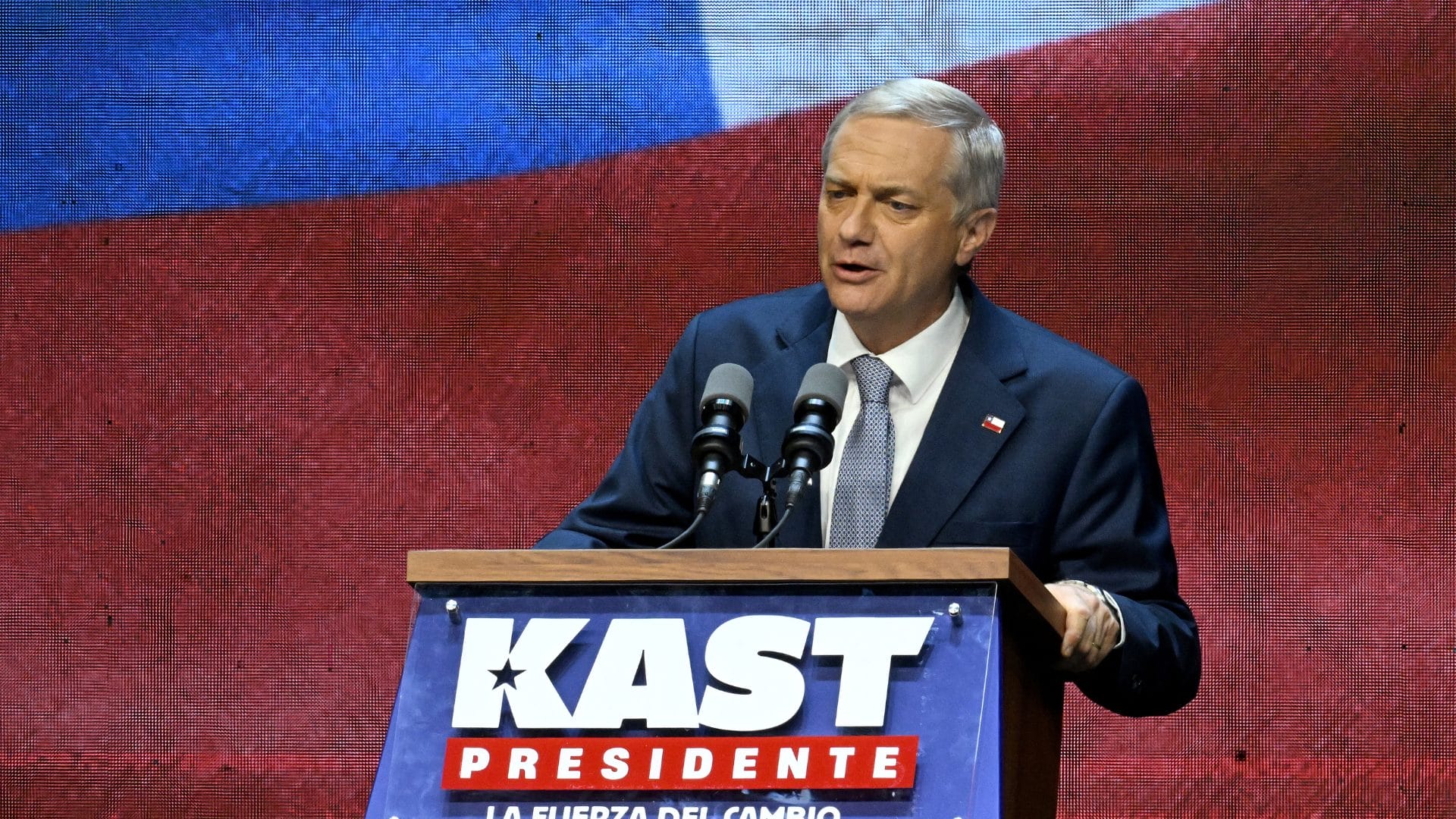
Orbán, the longest serving current head of government in the EU, has become a figurehead for populist, nationalist movements across the world. The recent CPAC Hungary summit was attended by several of these leaders including France’s Marine Le Pen, Italian deputy prime minister Matteo Salvini, and the Netherlands’ Geert Wilders,who called Orbán “a lion on a continent led by sheep.” Latin American leaders close to Trump , including Javier Milei of Argentina and Jose Antonio Kast of Chile, also attended. Milei, who gave the longest speech at the summit, said Orbán was “a beacon for all… who refuse to accept that the West's destiny is one of managed decline.” This international network, with the United States and Russia included, has a vested ideological interest in seeing Orban continue to remain a thorn in the EU's side. 

But what can Brussels do? The answer, it appears, is not much. The EU is consensus driven; it needs all its parts to act in concert, giving holdouts like Orbán considerable power to hold the whole bloc hostage. But given Orbán’s prominence as an ideologue, when Hungary blocks sanctions or delays support for Ukraine, it is more than a single nation going rogue. Alice Weidler, co-chair of the far-right AfD, the largest opposition party in the German Bundestag, was among those who spoke at the CPAC Hungary conference last month. Robert Fico, prime minister of Slovakia, is an Orbán ally. On April 19, Bulgaria will have its eighth general election in just five years. Former president Rumen Radev’s new Progressive Party leads the polls and shares Orbán’s pro-Kremlin, anti-EU inclinations.

So polarized is the Hungarian election, that right wing groups are deploying their own observers from Argentina, Austria, the Czech Republic, Kenya, Poland, Germany, Italy, Spain, Serbia, Tanzania and the United States to monitor proceedings. EU observers have said the Hungarian government controls the national media and a recent documentary alleges that a desperate government is resorting to vote-buying, gerrymandering and intimidation tactics. It’s hard to see how either Orbán or Magyar will accept the election result without protest, unless the margin is crushing. But, given Trump’s disdain for NATO allies and the EU, an Orbán election defeat would be a much-needed victory for European unity. 

A version of this story was published in this week’s Coda Currents newsletter. Sign up here.

The post How much longer will Orbán be Putin and Trump’s man in Brussels? appeared first on Coda Story.

  •  

Why Everyone Wants Jon Ossoff to Run for President

The Georgia senator is excoriating Trump and his systemic corruption in a way that transcends the Democratic Party’s progressive-moderate divide.

© José Ibarra Rizo for The New York Times

  •  
❌