Department of Agriculture ays new cases in Texas and New Mexico as officials move to combat parasite’s spread
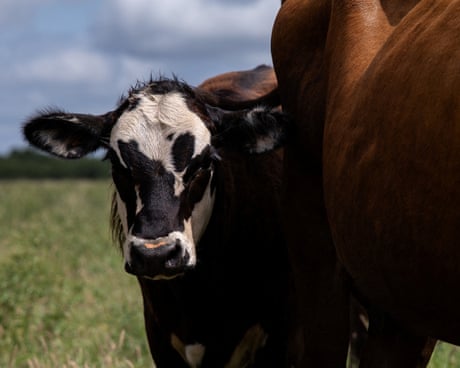
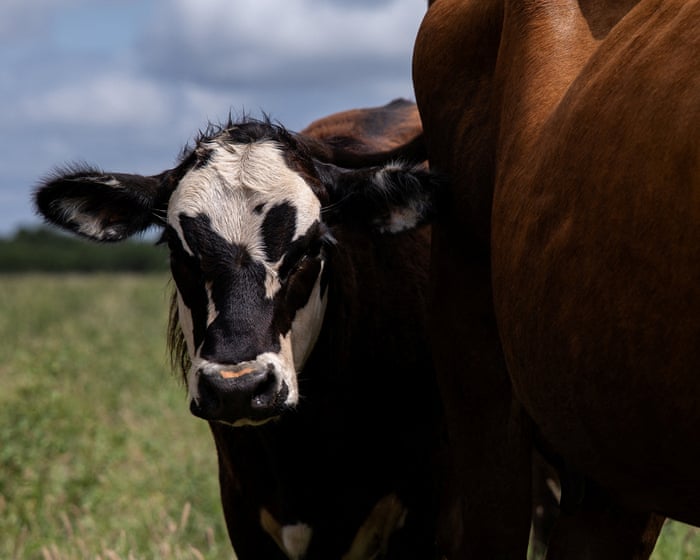
The US Department of Agriculture (USDA) on Monday confirmed three additional cases of New World screwworm – two more in Texas and the other in New Mexico, according to the agency’s animal health arm.
The Animal and Plant Health Inspection Service said the two Texas cases affected a calf in La Salle county and a goat in Gillespie county.
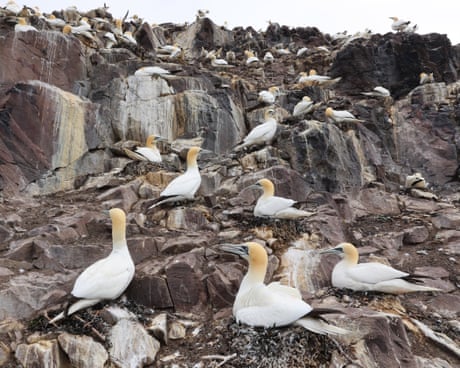
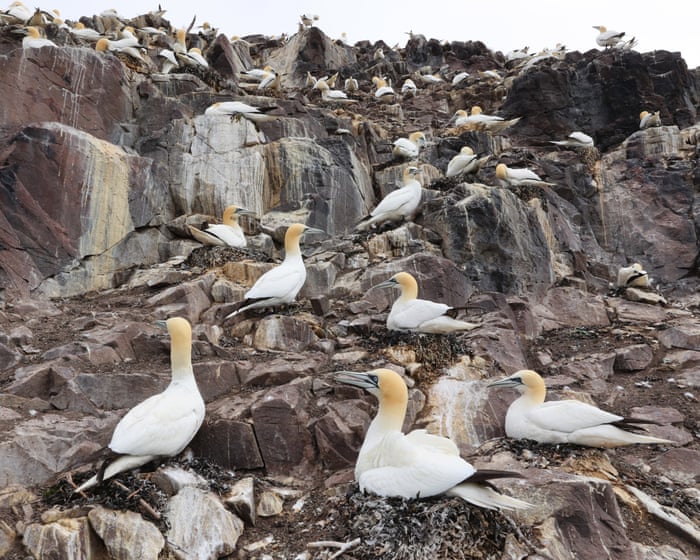
Annual killing of infant gannets has been carried out on a remote Scottish island for at least 400 years
Animal welfare campaigners have called for talks on phasing out the “inhumane” hunt for infant gannets known as guga, which are killed by hunters on a remote Scottish island once a year.
OneKind and the League Against Cruel Sports said it should be slowly phased out in dialogue with the Hebridean islanders who see the hunt, which has been carried out for at least 400 years, as a cultural pursuit and as sustainable food harvesting.
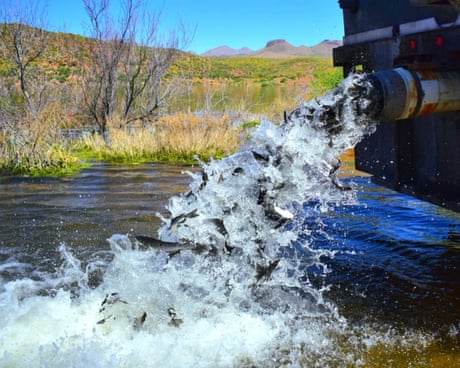
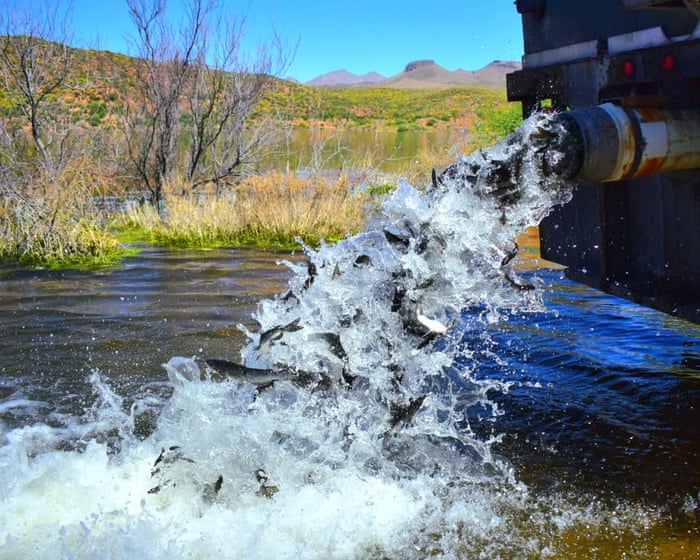
Wildlife department says drought conditions and water released from dam led to ‘major fish kill’ at San Carlos Lake
Arizona officials have indefinitely closed a popular lake to visitors after its entire population of fish died recently.
The recreation and wildlife department that maintains San Carlos Lake said in a Facebook statement on Friday that drought conditions as well as water released from a dam there “resulted in a major fish kill affecting approximately 100% of the fish population”.
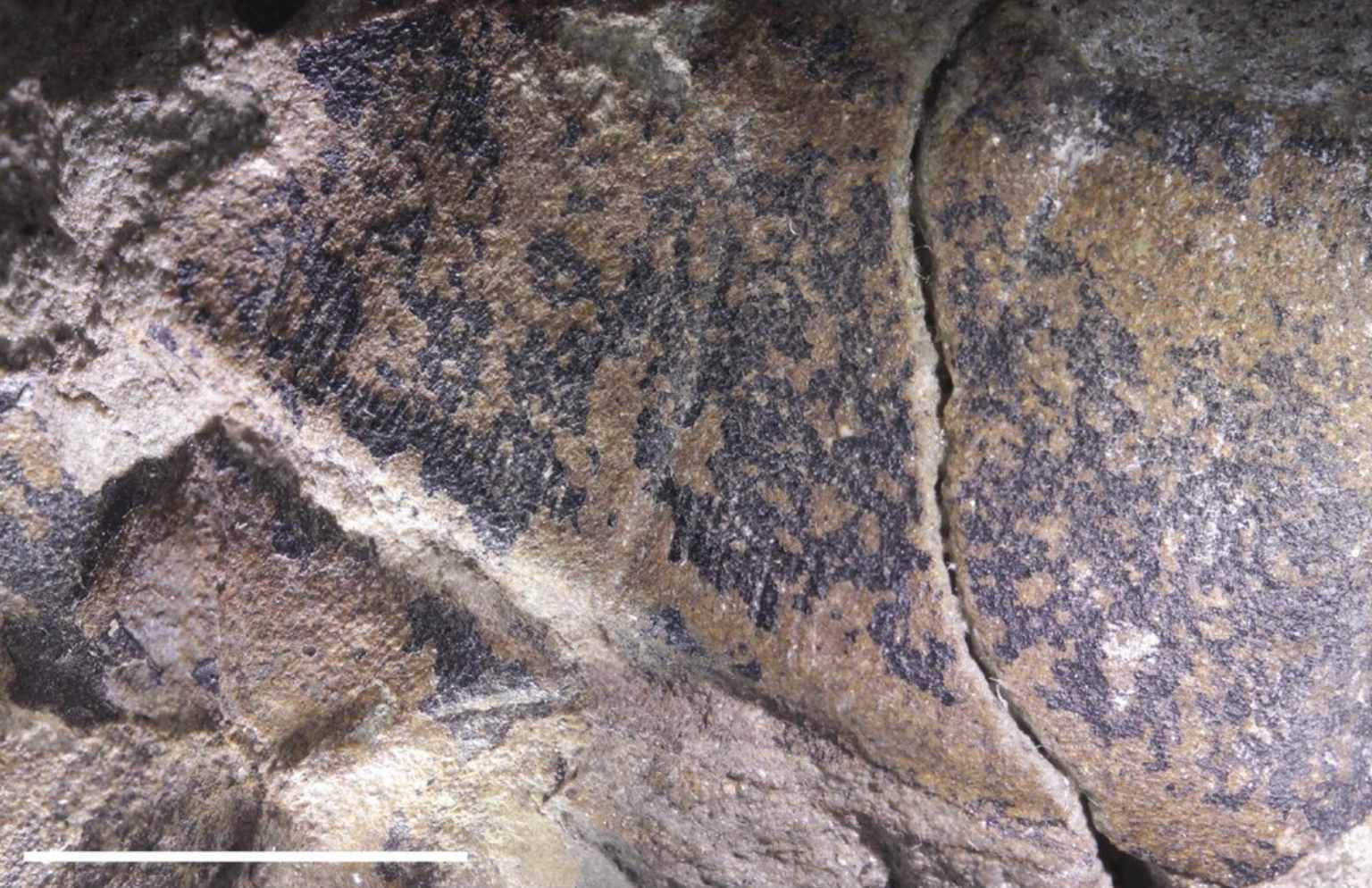
The dorsal surface of the pedipalp coxa. Credit: Richard J. Howard / CC BY 4.0
Fossil remains discovered in the United Kingdom have been confirmed as belonging to one of the largest scorpions ever known in Britain, researchers say. The giant species, Praearcturus gigas, measured more than 1 meter (3.3 feet) long and lived about 415 million years ago, making it one of the earliest large predators to inhabit land.
The findings resolve a long-running scientific debate over the identity of the animal. By reexamining fossil fragments from England and Wales, researchers confirmed that Praearcturus was a scorpion rather than a crustacean, as some scientists had previously believed.
With pincers measuring about 16 centimeters (6.3 inches) long, the giant arthropod would have dwarfed modern scorpions. Today, the largest living scorpion reaches only about 23 centimeters (9 inches) in length. The study was published in the journal Palaeontology.
A giant predator in a young world
When Praearcturus gigas lived during the Early Devonian Period, life on land was still developing. Small plants and fungi had begun spreading across the landscape, while arthropods were among the first animals to establish themselves away from water.
Researchers believe the giant scorpion preyed on smaller arthropods living on ancient floodplains. Its size likely made it one of the dominant predators of its time.
Pedipalp elements of Praearcturus gigas. Credit: Richard J. Howard / CC BY 4.0
Lead author Richie Howard said the discovery pushes back the appearance of giant arthropods by tens of millions of years. “When people think of giant arthropods, they often think of creatures such as Arthropleura or giant griffinflies,” Howard said. “But those animals appeared much later, after land ecosystems had become far more complex.”
Howard said the lack of large competing predators may have helped Praearcturus grow to such enormous proportions.
Solving a 150-year-old mystery
The fossil was first described in 1871 by British paleontologist Henry Woodward, who believed it belonged to a giant crustacean similar to a woodlouse.
For decades, scientists struggled to classify the animal because only fragments of its body had survived. The fossils lacked the distinctive tail that normally identifies a scorpion.
The mystery began to unravel after researchers compared the fossils with Eramoscorpius, a well-preserved ancient scorpion discovered in Canada. Both species share a distinctive triangular sternum on the underside of the body, providing strong evidence that Praearcturus was a true scorpion.
Clues to early life on land
The discovery offers new insight into a key stage of Earth’s history, when animals were adapting to life outside aquatic environments.
Researchers say Praearcturus may not have lived exclusively on land. Fossils from Wales preserve flap-like structures known as epimera, which resemble features seen in modern lobsters and crabs. These structures suggest the giant scorpion may have spent part of its life in water, where larger prey would have been available.
Co-author Greg Edgecombe said the species may even represent a lineage that returned to aquatic habitats after its ancestors adapted to life on land.
Scientists say additional fossil discoveries will be needed to determine how long Praearcturus survived and whether other fragmentary remains found in Britain belong to the species. For now, the fossils provide rare evidence of one of the largest scorpions ever to walk the Earth.
There is hardly a soul alive who does not enjoy watching wildlife and the other wonders of the natural world. When it comes to watching wildlife in particular, one of the most fun parts is trying to determine which animal you are looking at, especially beyond just “look at the bear!” But the animal kingdom […]

 Login
Login