Reading view

Top Mythological Sites in Greece

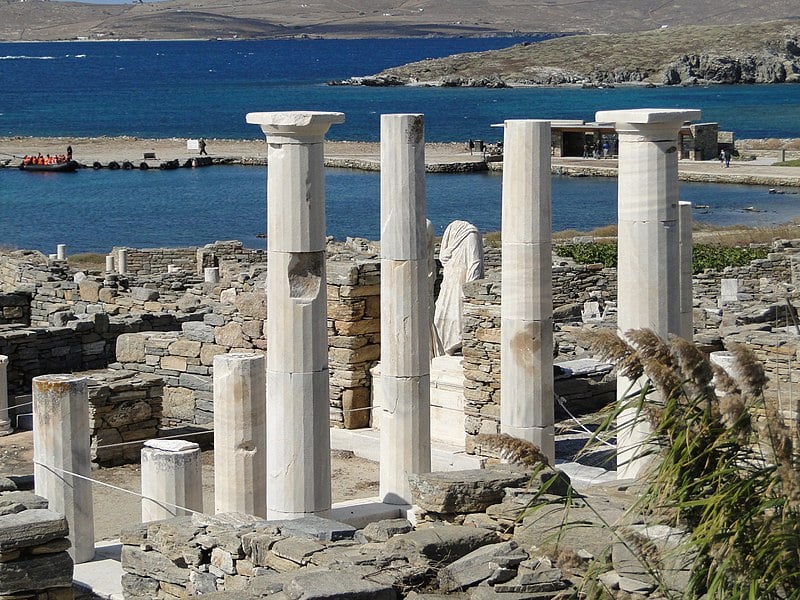
House of Cleopatra, Greece
Mythological sites in Greece. Credit: Bernard Gagnon / Wikimedia Commons/CC BY-SA 3.0

There is something about Greece that sets it apart from many other holiday destinations across the globe; its mythological sites.

Many ancient societies had different beliefs and myths, but none are more prominent in modern-day life than that of the Greeks. Their creatures have become legends, their tales inspiration for great fiction and their gods immortalized through the continued retelling of their conquests and trials.

Delos: an ancient mythological site in Greece

Matched only by the Acropolis of Athens, Greek mythological site the ruins on the island of Delos are an unmissable location for anybody interested in ancient Greek culture. One of the best-preserved examples of an ancient Greek civilization, the island is completely unblemished by modern architecture and as such, allows its visitors to delve deep into history.

However, it is not just a site of great historical importance, but a mythological one too. It was on this island that both gods Artemis and Apollo are said to have been born. As a result, the island became a sacred place. Sanctuaries and temples sprung up across its hillsides as people from across Greece came to the island’s shores to worship the deities.
Greek Mythological sites
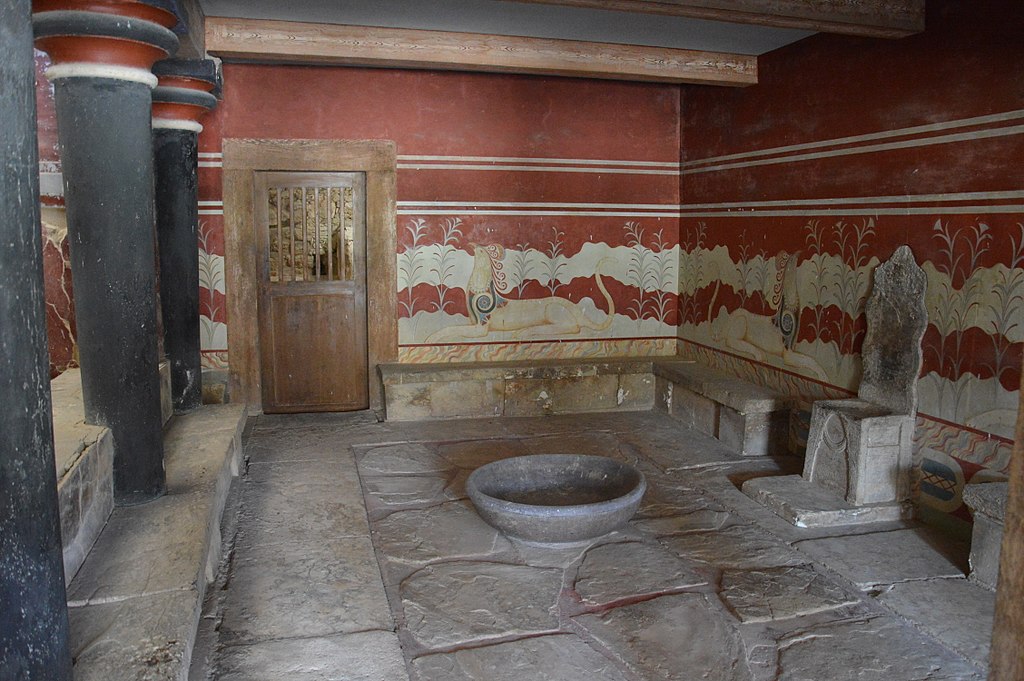
Throne room of the Minoan Palace in Knossos, Crete Credit: Annatsach – Wikimedia Commons / CC BY-SA 4.0

The Labyrinth, a famous site in Greek mythology

One of the most famous and exciting stories of Greek mythology is the tale of Minos, Theseus and the Minotaur. Minos was a powerful king, ruler of Crete and the son of Zeus, but after he betrayed Poseidon, he was cursed to raise a son with the body of a man and the head of a bull. Using this curse to his advantage, however, Minos built the fabled Labyrinth and trapped the Minotaur within it. He would then send victims to their deaths until Theseus, prince of Athens, ventured into the Labyrinth and slayed the beast.

While there are no Minotaur bones for you to see, there are two possible Labyrinths to explore. First is the likely home of King Minos, and therefore the most plausible home for the labyrinth, Kommos. Located along the southern coast of the island, Kommos is a great place to visit, with spectacular ancient ruins and beautiful ocean views.

However, if you venture deep enough into the ruins of this ancient city, you will find many maze-like corridors and walkways that may have been the Minotaur’s home; or at least the inspiration for its tale. However, just down the road you will also find Gortyn, a site of great archaeological importance to Crete and another suspected home of the Labyrinth. Further away from Minos’ home, these ruins bear a much similar resemblance to the maze of mythology. Perhaps then, it is best to visit both Greek mythological sites and decide for yourself.

The Island of Ithaca: an ancient Greek site and holiday destination
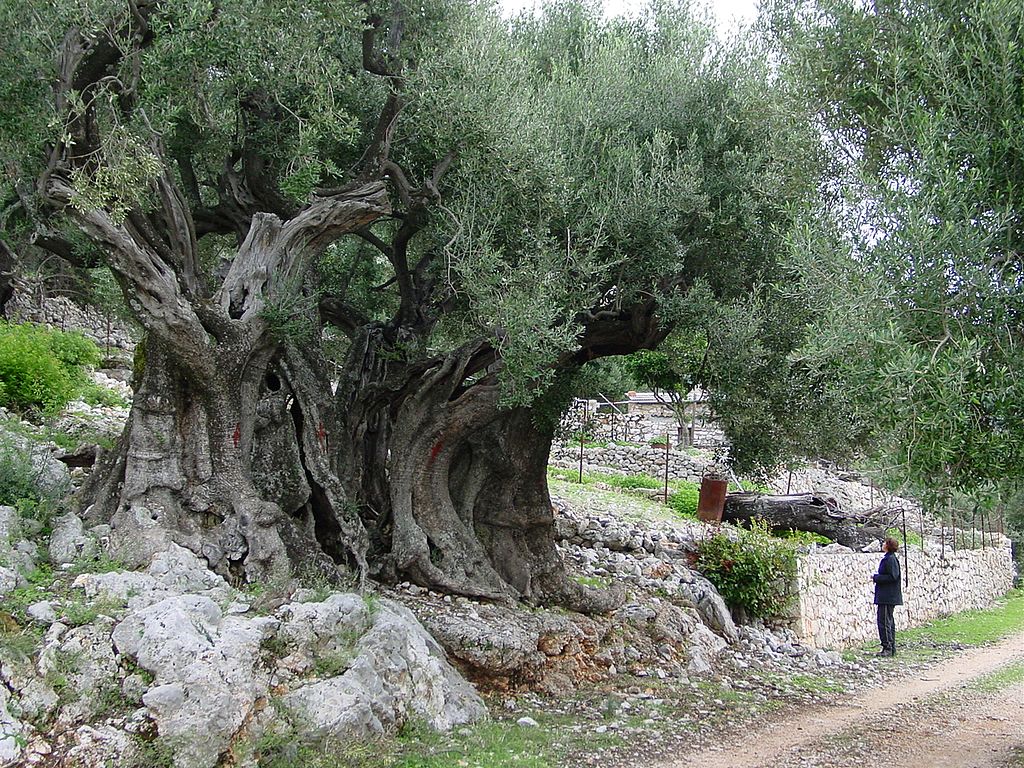
olive
An olive tree on Ithaca that is thought to be 1,500 years old. Credit: Wikimedia Commons

Ithaca, a well-known Greek mythological site for a holiday destination, is a place with a very interesting mythological past. Most notably, it was home to the legendary trickster Odysseus, the island’s greatest king and the brains behind the trojan horse.

Odysseus was also the protagonist of Homer’s “Odyssey.” His decade-long struggle to return home after the war is the source of many of the most enduring Greek myths.

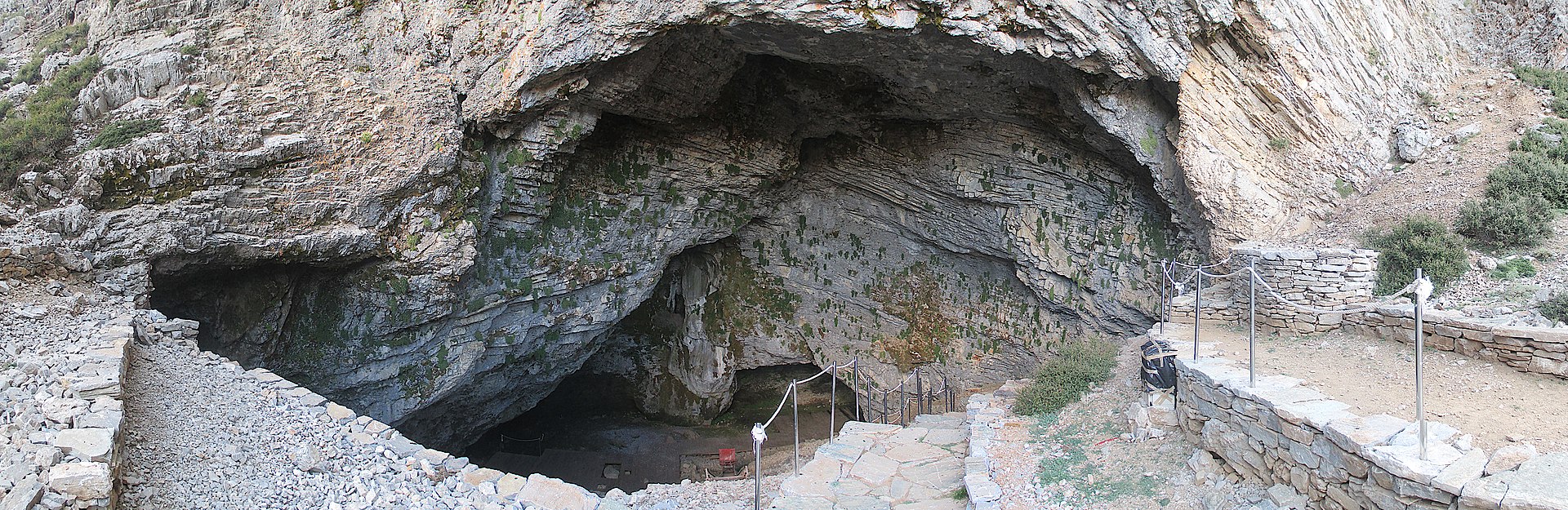
The famous Cave of Zeus on the Greek island of Crete
Greek Mythological sites
Cave of Zeus in Crete, Greece Credit: Tomisti / Wikimedia Commons / CC BY-SA 4.0

Hidden away on the island of Crete is an extraordinary piece of Greek mythological history. Within a cave beneath Mount Ida, it is said that the King of Gods, Zeus, was born and raised.

The Cave of Zeus is a beautiful location, with one entrance leading into a network of caves filled with stunning rock formations and underground pools. It does indeed seem a fitting place for the beginnings of the greatest god Greek mythology has ever known. However, it was not by choice he was raised here but by necessity.

His father, the titan Cronus, was set on devouring all of his progeny to ensure that they could never contest his power. However, unbeknownst to Cronus, Zeus’ mother, Rhea, hid him within the cave so one day he could return to overthrow his tyrannical father; which, according to legend, he did.

Mount Olympus: Home of the Greek gods
Greek Mythological sites
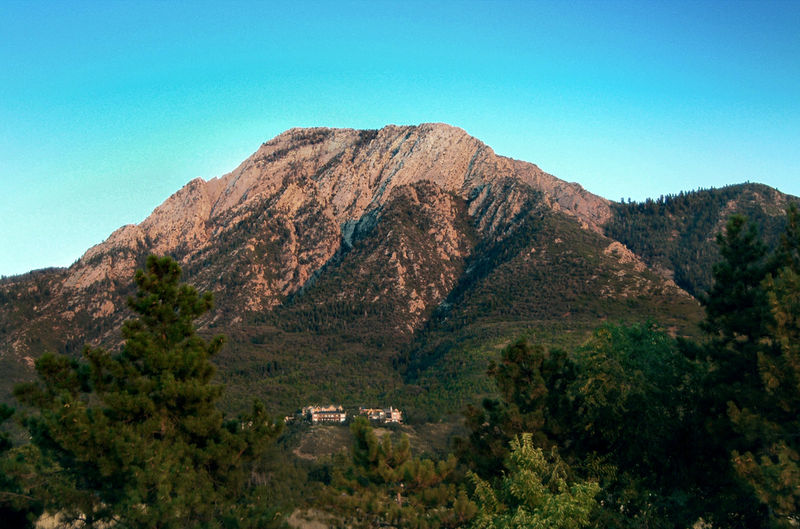
Mount Olympus. Credit: Maylett/ Wikimedia Commons / CC BY-SA 3.0

Along the eastern coast of the Greek mainland, you will find one of the most well-known natural landmarks in the world; Mount Olympus. This legendary and iconic Greek mythological site is an awe-inspiring sight, however, there is more to it than meets the eye.

In Greek mythology, Olympus was created after the gods defeated the titans in the battle of Titanomachy; otherwise known as the War of the Titans. Atop its peak they then built the Pantheon, where Zeus sat upon his throne as King of Gods and the rest of the deities would convene to discuss matters of the world below and survey the world of men.

Seeing all these incredible mythological sites can be tricky, unless you charter a course aboard Deep Blue Yachting’s luxury sailing boat, the Glaros. It is a private vessel, you can set your own course and visit every site on this list, all in one trip.

By Cliff Blaylock
  •  

Crete Remembers the Razing of the Village of Kandanos by the Nazis

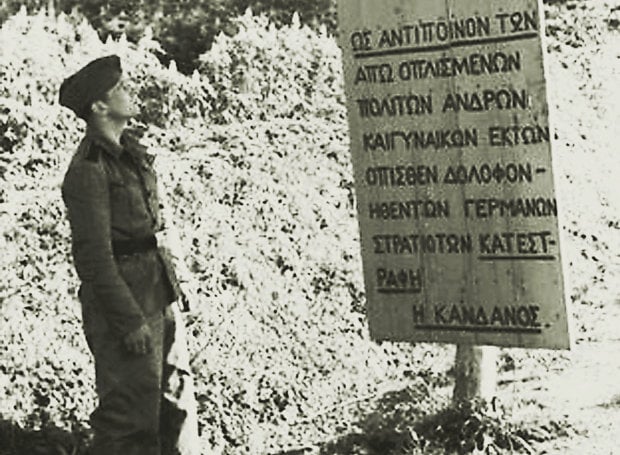
A German soldier in front of one of the signs in Greek erected after the razing of Kandanos, Crete by the Nazis.
A German soldier in front of one of the signs erected after the razing. The text reads: “Kandanos was destroyed in retaliation for the bestial ambush murder of a paratrooper platoon and a half-platoon of military engineers by armed men and women.” Credit: Bundesarchiv, CC BY-SA 3.0 de/Wikipedia

The village of Kandanos on Crete was burned to the ground, and Nazi troops massacred all 180 residents on June 3, 1941 during the years of the German occupation.

It was one of the worst atrocities committed by the occupiers and has haunted Crete and Greece for decades.

Battle of Crete

The Battle of Crete began on May 20, 1941, with Germany employing 750 glider-borne troops, 10,000 paratroopers, 5,000 airlifted mountain soldiers, and 7,000 seaborne troops. It was the first occasion when German parachutists were used en masse and the first mainly airborne invasion in military history.

It was also the first time German soldiers had encountered mass resistance from a civilian population, and they suffered unexpectedly large numbers of casualties.

The outnumbered Greek soldiers, along with the Allied forces based on Crete, fought bravely but were vastly outnumbered. Cretan civilians joined the battle with whatever weapons were at hand—mostly kitchen knives, but rakes, clubs, and even walking sticks were used in desperate hand-to-hand combat for their homeland.

German parachutists were often knifed or clubbed to death as they landed on fields of Crete. In one recorded incident, an elderly Cretan man clubbed a paratrooper to death with his walking cane before the German could even disentangle himself from his parachute.

In another incident, a local priest and his son broke into a village museum, took two rifles from the Balkan War era, and sniped at German paratroops as they landed. The Cretans also began to use small arms from captured German soldiers as the battle continued.

However, this courage came at a terrible cost, as the Germans retaliated as soon as they managed to gain control of Crete.

The temporary German commander of the island, Kurt Student, ordered a series of brutal reprisals against the local population immediately after the surrender of Crete on May 31, 1941.

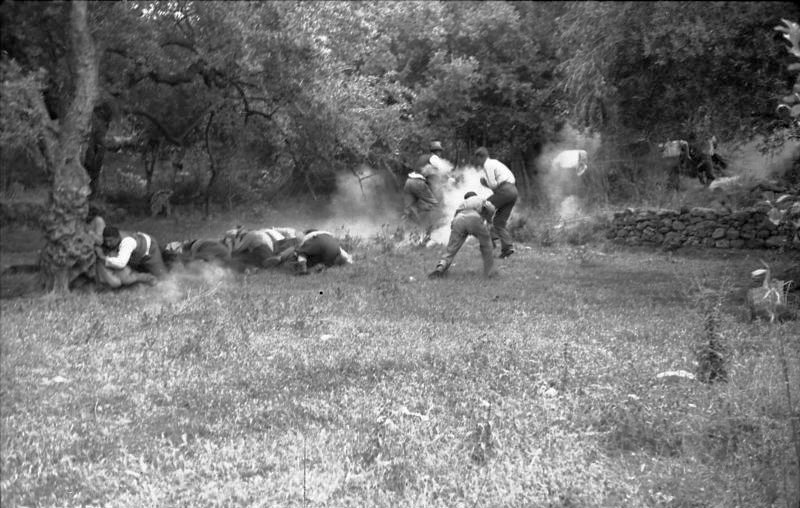
Kandanos Crete Nazi
The Nazi occupying forces massacred civilians on Crete. Credit: Bundesarchiv, CC BY-SA 3.0 de/Wikipedia

Every last resident of Kandanos, amounting to a total of 180 men, women, and children, were brutally massacred, and their ancient village was burned to the ground.

Nazis order for the destruction of Kandanos

Below is the order of the German commander:

“It is certain that the civilian population including women and boys have taken part in the fighting, committed sabotage, mutilated and killed wounded soldiers. It is therefore high time to combat all cases of this kind, to undertake reprisals and punitive expeditions which must be carried through with exemplary terror. The harshest measures must indeed be taken and I order the following: shooting for all cases of proven cruelty, and I wish this to be done by the same units who have suffered such atrocities. The following reprisals will be taken:
1. Shooting
2. Fines
3. Total destruction of villages by burning
4. Extermination of the male population of the territory in question
My authority will be necessary for measures under 3 and 4. All these measures must, however, be taken rapidly and omitting all formalities. In view of the circumstances the troops have a right to this and there is no need for military tribunals to judge beasts and assassins.”

After the surrender of Germany, General Kurt Student was captured by the British. In May 1947, he came before a military tribunal to answer to charges of mistreatment and murder of prisoners of war by his forces on Crete.

Greece’s demand to have Student extradited was declined. Student was found guilty of three out of eight charges and sentenced to five years in prison. However, he was given a medical discharge and was released in 1948. Student was never tried for crimes against civilians.

Today, Kandanos has been rebuilt and is the seat of the eponymous municipality. Reproductions of the somber Wehrmacht signposts commemorating the village’s destruction are displayed on a local war memorial.

Related: Greek Scientists Identify Nazi Victims Executed 83 Years Ago in Crete

  •  
❌